
14 Best Hospitality Technology Solutions Reviewed in 2026

10 Best Hospitality Technology Solutions Shortlist
Here's my pick of the 10 best software from the 14 tools reviewed.


Running a hotel is no small feat. You're juggling guest expectations, staffing, and daily operations. It's easy to feel overwhelmed. That's where hospitality technology solutions come in. These tools are designed to make your life easier by helping you manage bookings, improve guest experiences, and keep everything running smoothly.
In my experience, not all software is created equal. I test and review these solutions independently, focusing on what truly benefits you and your team. This article will guide you through the best options available, highlighting their strengths in addressing your unique challenges.
Stay tuned for a detailed look at how these tools can support your hotel's success.
Why Trust Our Software Reviews
Best Hospitality Technology Solutions Summary
This comparison chart summarizes pricing details for my top hospitality technology solutions selections to help you find the best one for your budget and business needs.
| Tool | Best For | Trial Info | Price | ||
|---|---|---|---|---|---|
| 1 | Best for independent hotel management | Free demo available | Pricing upon request | Website | |
| 2 | Best for contactless guest experiences | Free demo available | Pricing upon request | Website | |
| 3 | Best for enterprise hotel ecosystems | Free demo available | From $500/user/month | Website | |
| 4 | Best for secure hospitality IT infrastructure | 30-day free trial | Pay-as-you-go | Website | |
| 5 | Best for automated hotel operations | Free demo available | Pricing upon request | Website | |
| 6 | Best for frontline, mobile hospitality devices | Free demo available | Pricing available upon request | Website | |
| 7 | Best for property management in an ERP ecosystem | Free demo available | Pricing upon request | Website | |
| 8 | Best for guest feedback and data insights | Free demo available | From $25/month (billed annually) | Website | |
| 9 | Best for reliable hotel network infrastructure | Free demo available | Pricing upon request | Website | |
| 10 | Best for core operations for small hotels | Free demo available | Pricing upon request | Website |

-

roommaster
Visit WebsiteThis is an aggregated rating for this tool including ratings from Crozdesk users and ratings from other sites.4.2 -
Little Hotelier
Visit WebsiteThis is an aggregated rating for this tool including ratings from Crozdesk users and ratings from other sites.4.5 -
Roomstay Hotel Booking Engine
Visit Website


Best Hospitality Technology Solution Reviews
Below are my detailed summaries of the best hospitality technology solutions that made it onto my shortlist. My reviews offer a detailed look at the key features, pros and cons, integrations, and ideal use cases of each tool to help you find the best one for you.

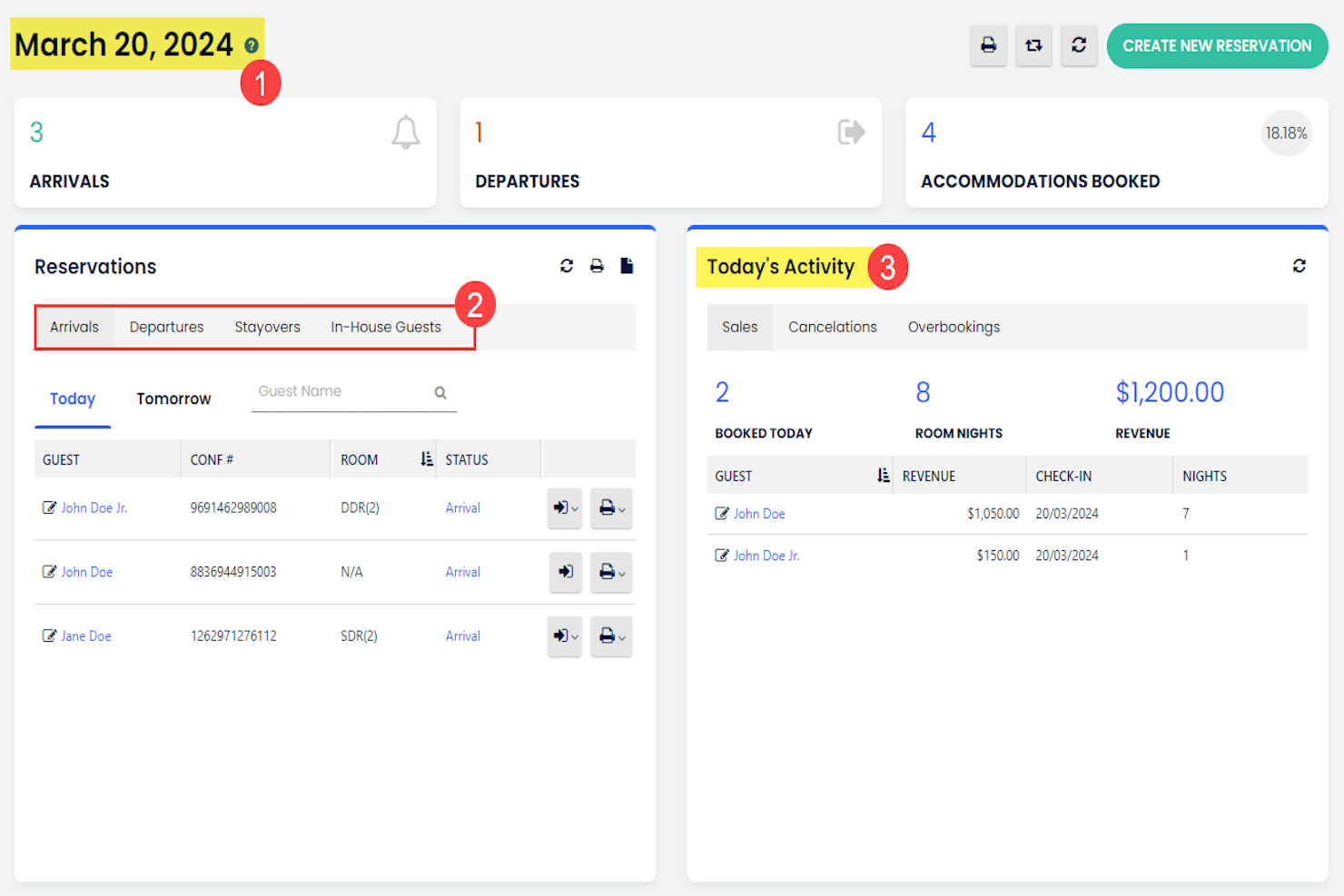
Cloudbeds is a PMS designed for independent hotels, hostels, and vacation rentals. It helps manage reservations, guest check-ins, and day-to-day operations. The platform focuses on simplifying tasks for smaller hospitality businesses to improve their efficiency and service.
Why I picked Cloudbeds: Cloudbeds excels in serving independent hotels by offering features that simplify operations. Its intuitive interface makes it easy for smaller teams to manage bookings and payments. The platform's Channel Manager connects your property to various booking sites, ensuring a wider reach. Additionally, the centralized reservation system helps you keep track of all bookings in one place.
Standout Features and Integrations:
Features include a Channel Manager that connects to multiple booking sites, a centralized reservation system for easy management, and automated payment processing for smooth transactions.
Integrations include Booking.com, Expedia, TripAdvisor, Google Hotel Ads, Stripe, QuickBooks, Mailchimp, Xero, and more.
Pros and Cons
Pros:
- Central view of reservations
- Simplifies daily booking tasks
- Built primarily for independents
Cons:
- Customization range feels narrow
- Limited growth for big groups

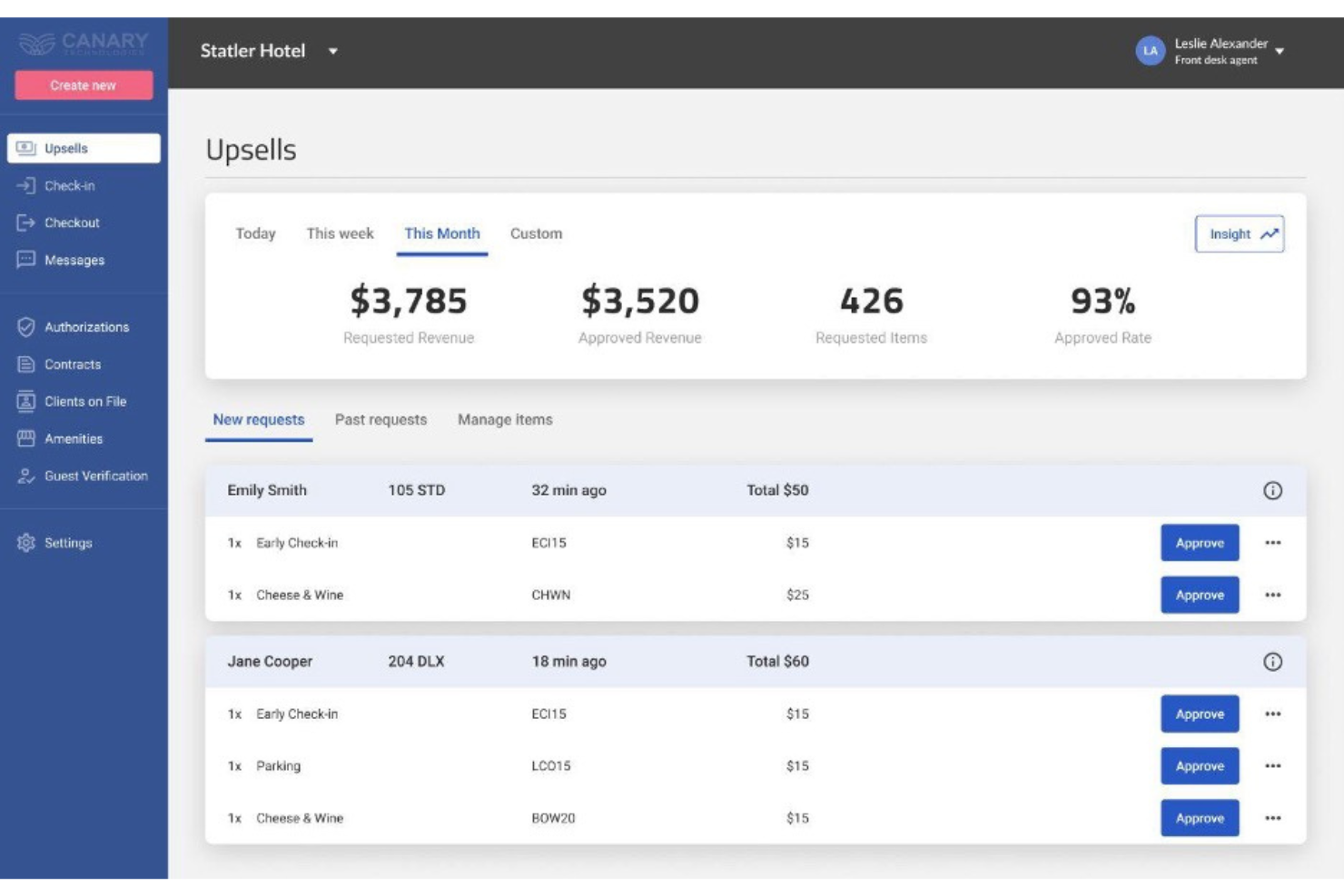
Canary Technologies provides hospitality solutions with a focus on modernizing guest experiences through contactless technology. It primarily serves hotels looking to boost guest satisfaction and refine operations. Key business functions include digital check-in, secure payment processing, and guest management.
Why I picked Canary Technologies: Canary Technologies specializes in contactless check-in, which is key for improving guest experiences. Its digital registration tool eliminates the need for physical paperwork, making check-in smoother for your guests. Secure payment processing ensures transactions are safe and efficient. The platform also offers guest messaging to maintain communication without face-to-face interaction.
Standout Features and Integrations:
Features include digital registration for easy check-in, secure payment processing to protect transactions, and guest messaging for smooth communication.
Integrations include Oracle OPERA, Amadeus, Stayntouch, Mews, Maestro, and more.
Pros and Cons
Pros:
- Improves arrival experience
- Secure digital payment flows
- Smooth, contactless check-in
Cons:
- Limited customizations beyond guest-facing flows
- Relies on PMS integrations to add value

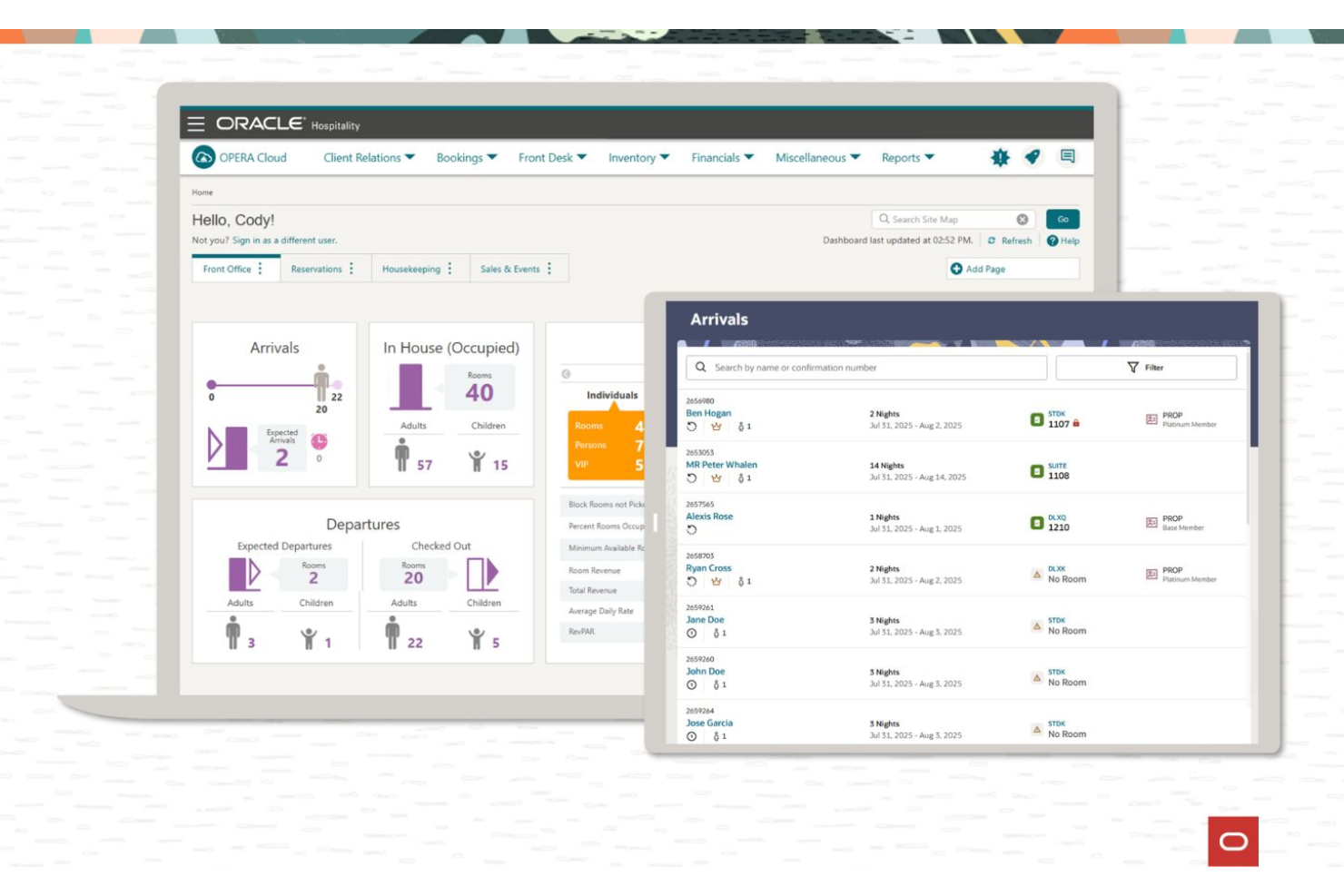
Oracle Hospitality is a detailed hotel technology solution designed for large enterprises. It primarily serves hotels, casinos, and food service sectors, focusing on improving the customer experience and optimizing operations. Key functions include property management, sales and event management, and finance management.
Why I picked Oracle Hospitality: Oracle Hospitality offers an extensive property management system (PMS) that handles all hotel operations efficiently. Its cloud digital assistant automates routine tasks, aligning with the company's strength in serving large enterprises. OPERA Cloud Central provides centralized sales and distribution management, which is vital for large-scale operations. Additionally, its AI-driven channel and rate management systems ensure optimal pricing strategies.
Standout Features and Integrations:
Features include a loyalty program to strengthen customer relationships, a hotel cloud POS system for food and beverage services, and mobile guest experiences for pre-registration and check-in.
Integrations include Oracle Cloud Infrastructure, OPERA Cloud Central, other Oracle solutions, and more.
Pros and Cons
Pros:
- Supports complex hotel groups
- Strong end-to-end coverage
- Smooth integration with Oracle solutions across various systems
Cons:
- Can be expensive to implement, maintain, and integrate
- Better fit for large chains

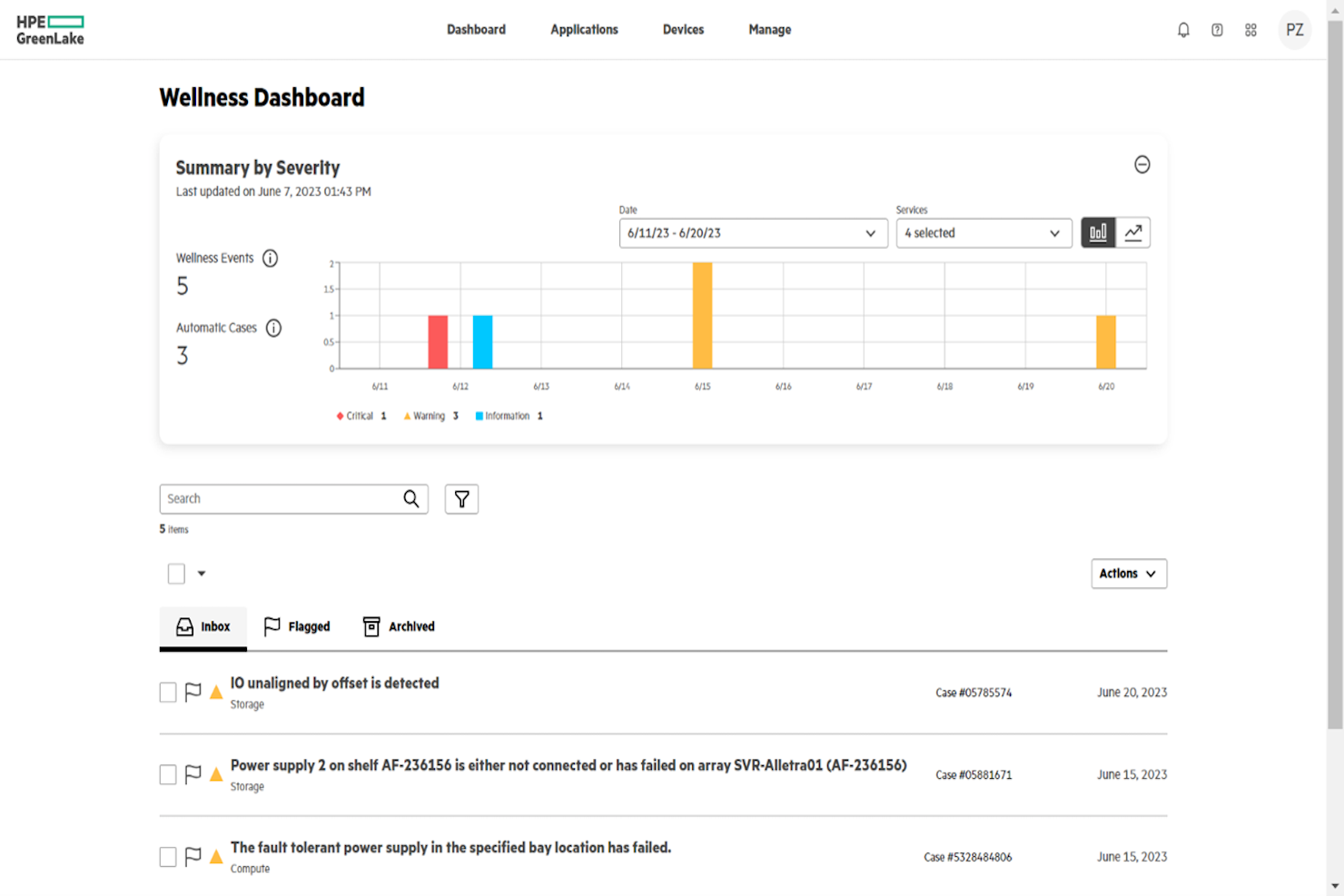
HPE provides hospitality technology solutions focused on data security and infrastructure for hotels and resorts. It serves large hospitality businesses by offering secure, reliable, and scalable solutions to manage operations and guest experiences. Key functions include infrastructure management, data protection, and network security.
Why I picked HPE: HPE is known for its strong focus on data security, making it ideal for hoteliers concerned with protecting sensitive information. Its solutions include secure networking options and infrastructure management tools. HPE's hybrid cloud services ensure flexibility and reliability. Additionally, its in-depth support for IT infrastructure helps maintain operational efficiency.
Standout Features and Integrations:
Features include hybrid cloud services for flexible operations, secure networking solutions to protect data, and infrastructure management tools for efficient resource allocation.
Integrations are not currently listed by HPE.
Pros and Cons
Pros:
- Flexible hybrid cloud choices
- Scales infrastructure for growth
- Strong security-first approach
Cons:
- Best fits large enterprises
- Needs experienced IT staff for full feature utilization

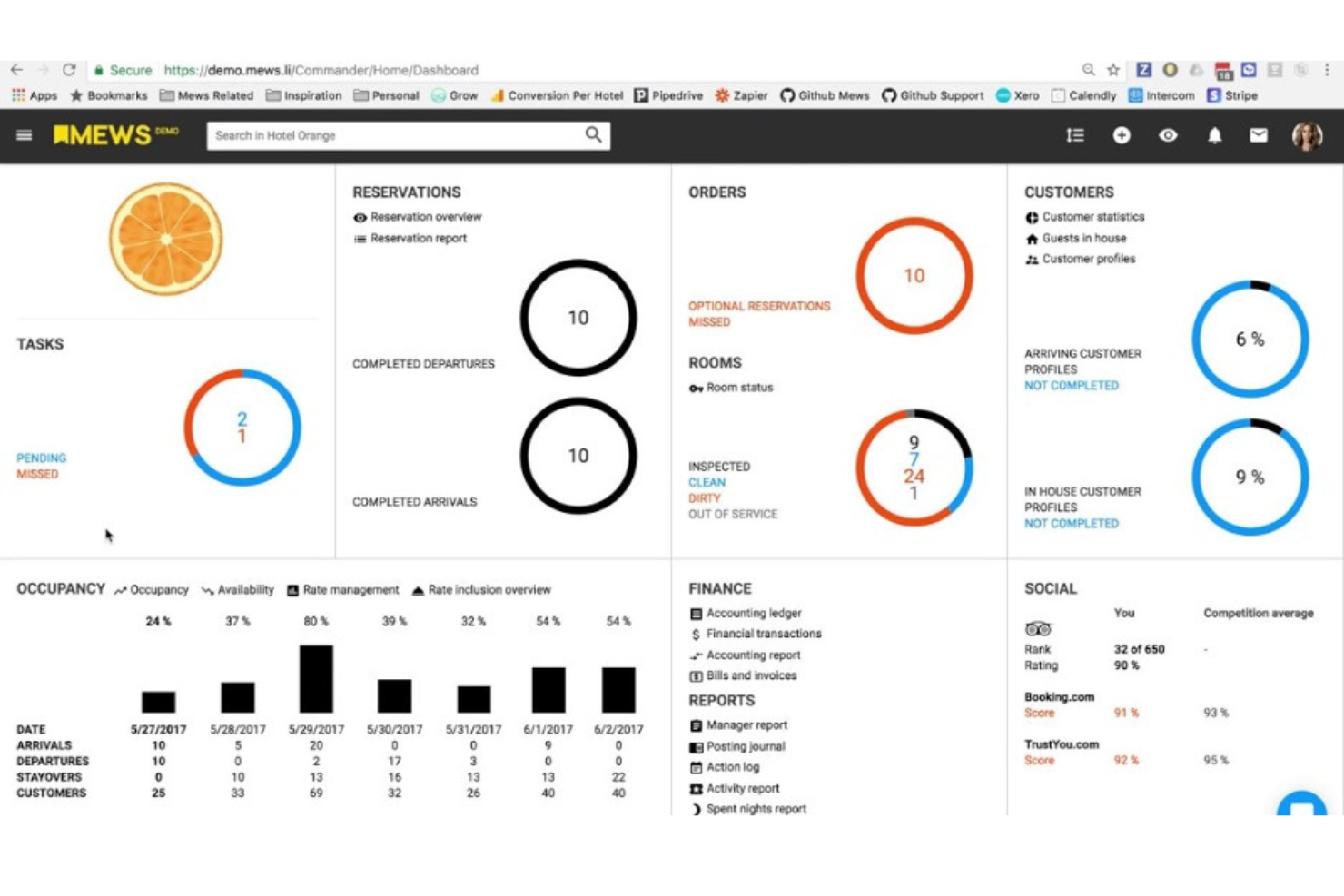
Mews is a cloud-based PMS designed for hotels, hostels, and serviced apartments. It helps manage reservations, payments, and guest services efficiently. The platform is known for automating many manual processes and allows your team to focus more on guest experiences.
Why I picked Mews: Mews offers advanced automation features that simplify daily operations. The automated billing and invoicing system reduces manual entry, saving your team time. Smart reservation management helps optimize room allocations and availability. The platform's reporting tools provide insights into business performance, aiding in decision-making.
Standout Features and Integrations:
Features include automated billing for easy financial management, smart reservation tools to optimize bookings, and detailed reporting for business insights.
Integrations include Lightspeed, Dataria Revenue Management, Duetto Research, and more.
Pros and Cons
Pros:
- Helps optimize room usage
- Handles complex billing flows
- Strong process automation focus
Cons:
- Requires early staff training
- Setup is tricky for beginners
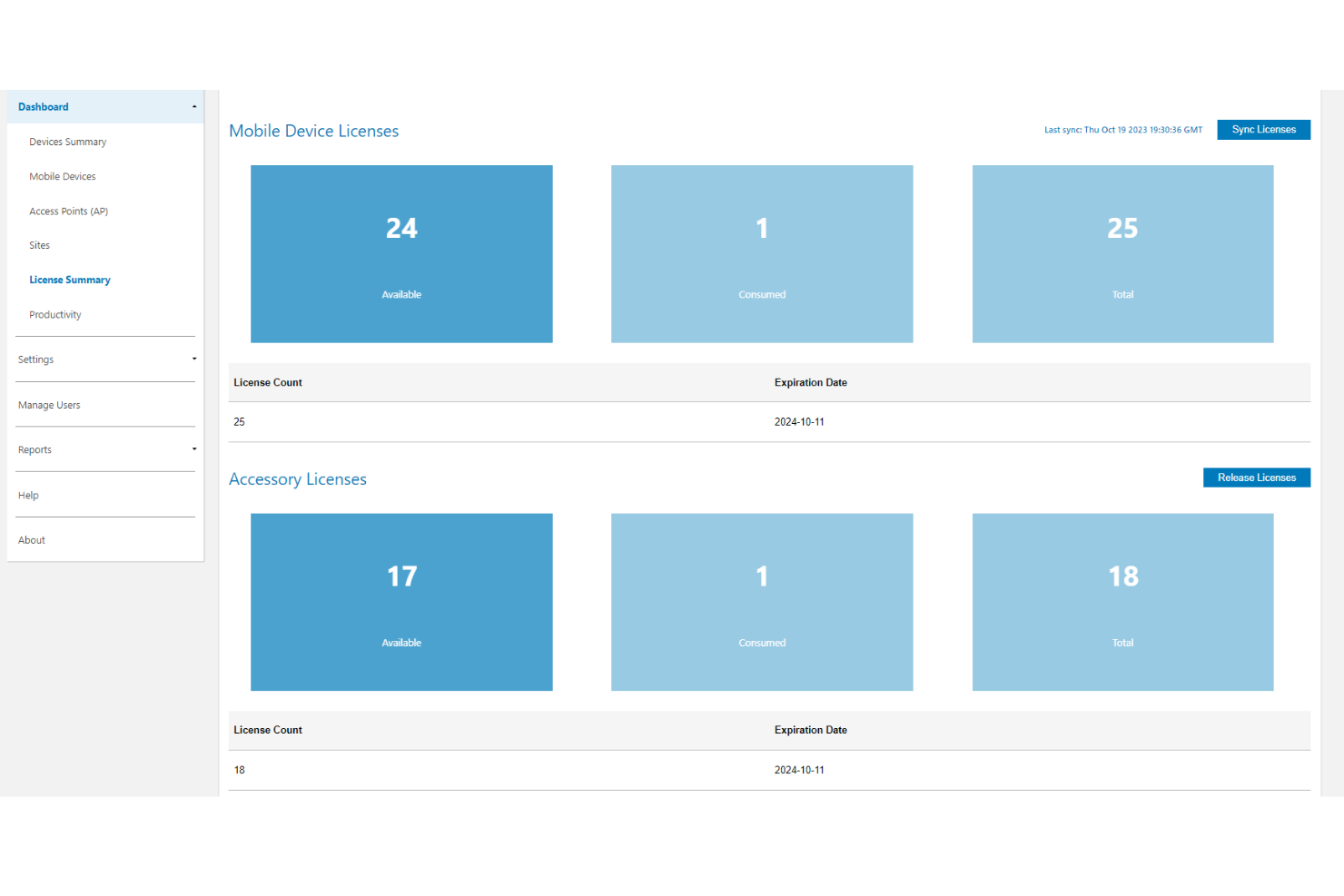
Zebra provides hardware and software solutions that cater to hospitality businesses such as hotels, restaurants, and entertainment venues. Its product offering centers on mobile computers, tablets, printers, and related software to enable functions including mobile ordering, payments, inventory tracking, guest access management, and staff communications.
Why I picked Zebra: Zebra gives you handheld and mobile device options that let your staff take orders, process payments, and manage inventory right from wherever they are — not just from a fixed terminal. If your operation relies on mobility (servers going to tables or staff moving through hotel floors, events, and venues), Zebra’s mobile POS, printing, and communication tools let your team stay flexible. Its devices support mobile payment (via their own payment solution), on-demand access-card printing, and real-time inventory tracking to help your team react faster to guest needs. Because everything is built for mobile use, it reduces bottlenecks from fixed stations and helps your staff serve guests more efficiently.
Standout Features and Integrations:
Features include mobile computers and tablets for ordering and payments, on-demand printing for access cards or guest passes, and real-time inventory tracking across your hospitality operation. Zebra also offers food safety and food-labeling tools to help you manage compliance and guest safety. Additionally, its communication devices include push-to-talk and VoIP capabilities to keep your staff connected across different areas of your facility.
Integrations include Zebra Pay, Workforce Connect, StageNow Android Device Staging, Mobility Extensions (Mx), and more.
Pros and Cons
Pros:
- Enables portable card printing
- Supports roaming staff work
- Strong mobile device options
Cons:
- Higher hardware and licensing costs
- Scheduling tools offer limited customization
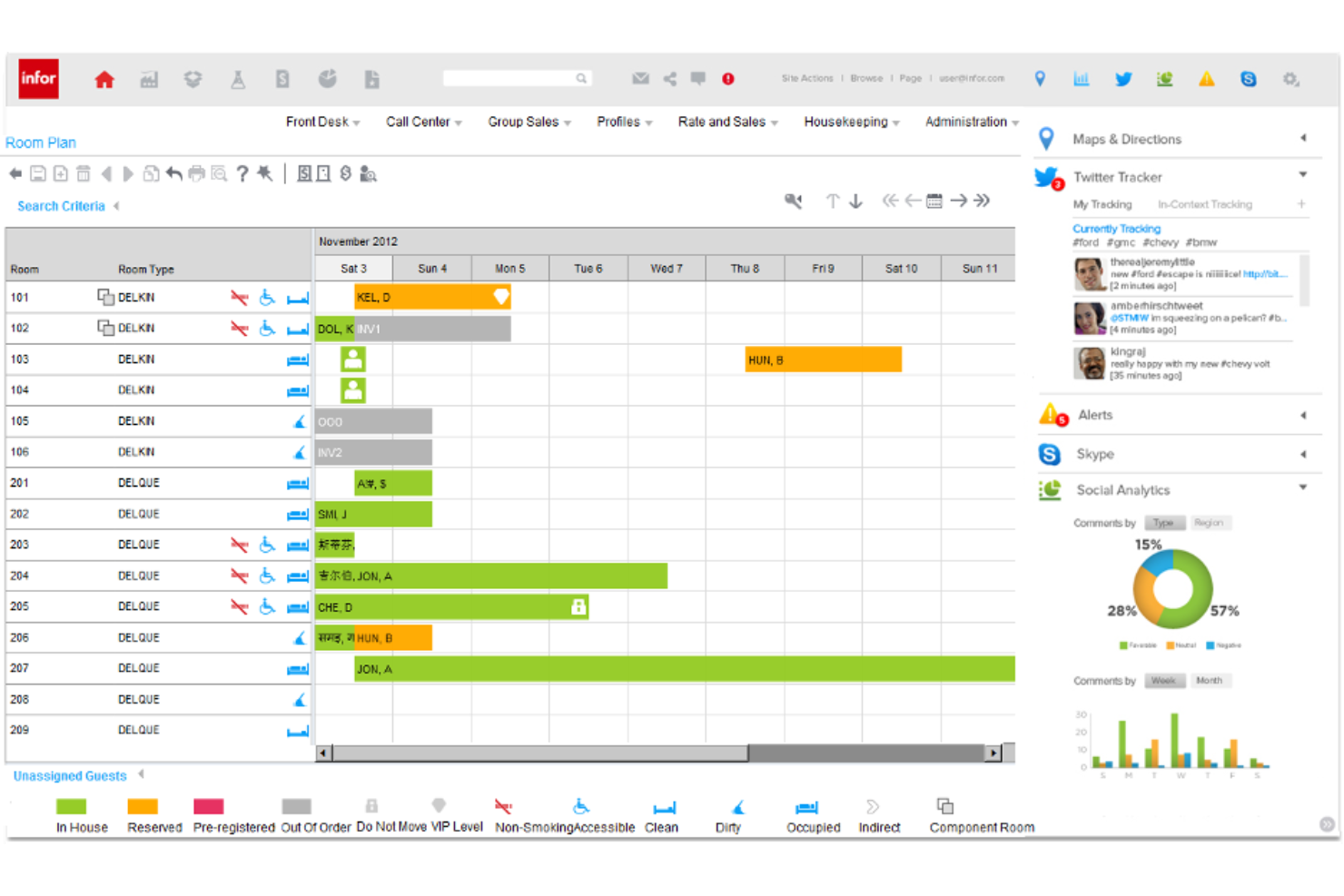
Infor provides an enterprise-oriented hotel management solution tailored for hotels and resorts. It serves large hospitality businesses by offering tools for property management, financial planning, and guest services. The platform focuses on improving operational efficiency and improving guest experiences.
Why I picked Infor: Infor excels in property management, providing a centralized system to handle all hotel operations. Its cloud-based technology allows for real-time data access, which is essential for large hotels. The platform's analytics tools help you make informed decisions based on guest trends and behaviors. Additionally, its customizable reporting features support strategic planning and financial forecasting.
Standout Features and Integrations:
Features include real-time data access for informed decision-making, analytics tools to understand guest trends, and customizable reporting for strategic planning.
Integrations include Deloitte Consulting, Intellias, Courtesy Point, and more.
Pros and Cons
Pros:
- Suits large hotel operations
- Real-time operational insight
- Central hub for properties
Cons:
- Aimed mainly at bigger groups
- Implementation can be time-consuming
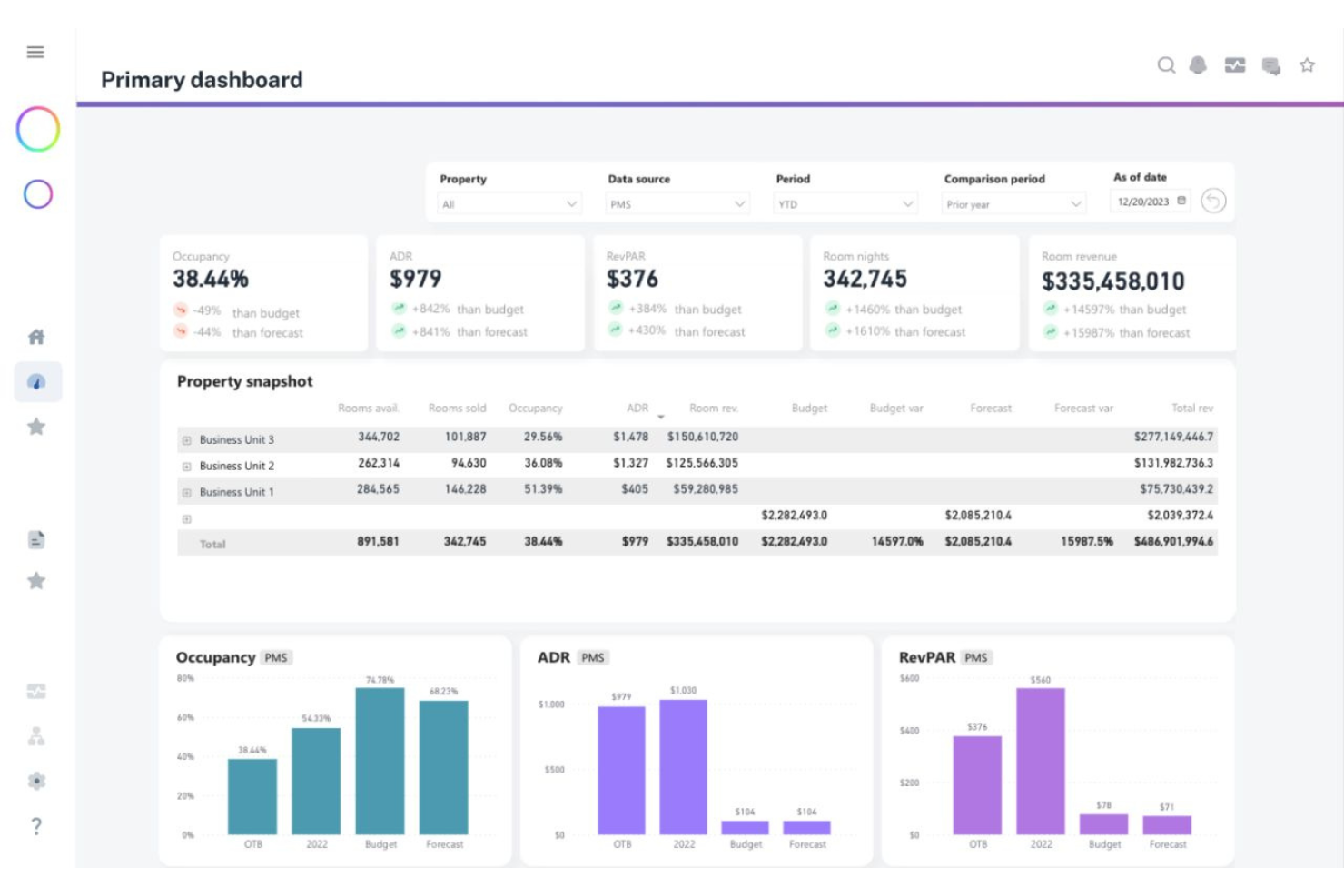
Otelier is a detailed hotel management software designed for the hospitality industry. It caters to hotels and resorts by providing tools for operations, finance, and revenue management. The software helps improve decision-making and automate routine tasks.
Why I picked Otelier: Otelier excels in collecting and managing guest feedback, which is key to improving service quality. Its IntelliSight tool provides data-driven insights, allowing your team to make informed decisions. DigiAudit ensures compliance with night audits, while TruePlan aids in budgeting and financial planning. The platform's automation capabilities save time and improve accuracy in financial operations.
Standout Features and Integrations:
Features include operations management for smooth workflows, finance tools for accurate budgeting, and business intelligence for data-driven insights.
Integrations include Stayntouch, Paycor, Aptech, and more.
Pros and Cons
Pros:
- Automates hotel finance tasks
- Strong analytics for decisions
- Focuses on feedback programs
Cons:
- Occasional system lags and bugs
- Fewer custom layout options

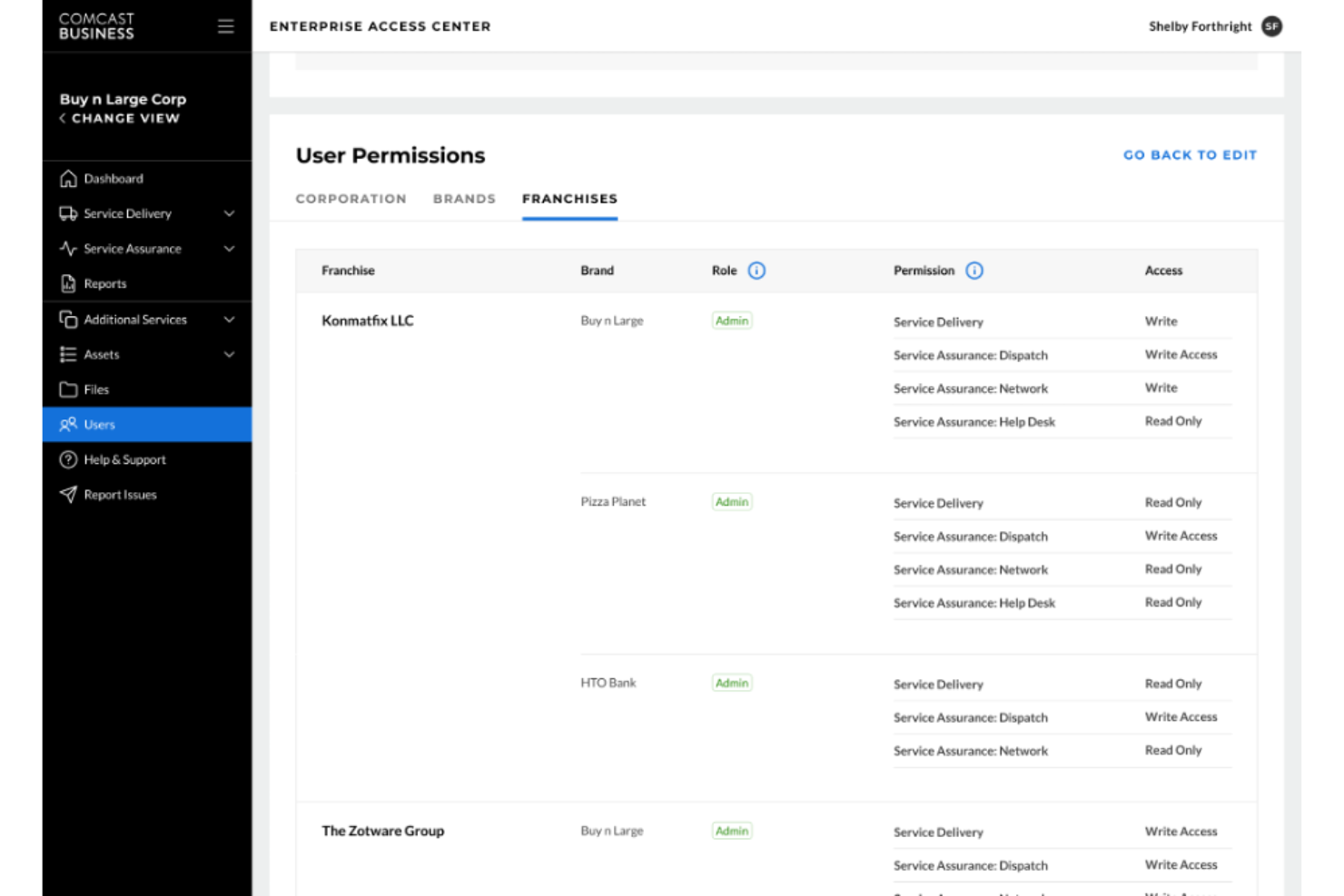
Comcast Business offers a suite of network, internet, TV, and voice services tailored for lodging establishments and other hospitality venues. It’s designed for hotel and motel operators that need reliable connectivity, guest internet access, in-room entertainment, and back-office communications across properties.
Why I picked Comcast Business: With Comcast Business, you get managed internet and Wi-Fi, secure networking, and video and TV services all from a single provider. This helps you simplify your infrastructure without juggling multiple vendors. You can offer fast guest internet access, support mobile check-in or digital key cards, and keep staff communication and back-office systems connected. Its network solutions scale, so whether you run a small inn or a chain of hotels, you can adjust bandwidth and services according to usage and guest demand. If your team needs internet, voice, and entertainment to work together reliably, Comcast Business gives you that in a single package.
Standout Features and Integrations:
Features include managed Wi-Fi with guest and private-network segregation, scalable bandwidth and internet speeds for guest and back-office use, and in-room HD video and TV services via a hospitality-optimized platform. Its offerings also include secure networking and cybersecurity options, via a software-defined wide area network and managed security, to help protect guest data and internal information. Business TV packages let you deploy entertainment in rooms or common areas.
Integrations include X1 for Hospitality, Wi-Fi Pro, and more.
Pros and Cons
Pros:
- Scales bandwidth with demand
- Strong guest Wi-Fi focus
- Single provider for connectivity
Cons:
- Limited guest journey features
- No core PMS capability

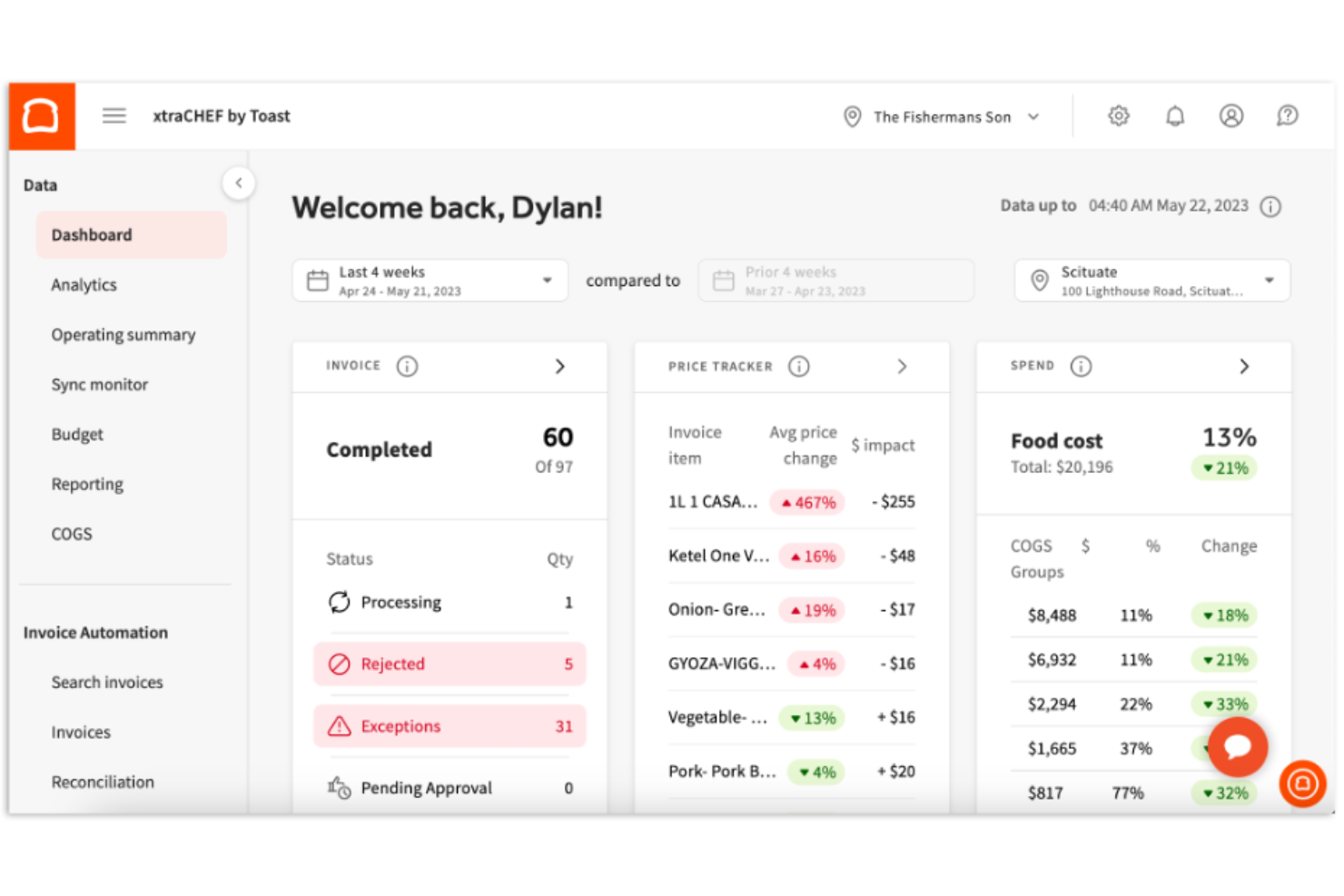
Hospitality Technology Solutions (HTS) is a vendor that offers technology solutions for restaurants and hospitality venues, helping manage point-of-sale (POS) systems, IT services, digital menus, and low-voltage infrastructure. Its main users are restaurant and hospitality operators who need technical support and system deployment rather than a full-fledged property management system (PMS).
Why I picked HTS: HTS offers consulting, installation, and support services around restaurant POS and hotel technology. It's not just selling software but also helping you set up and run the tech. If you run a small hotel or restaurant and don’t have a big in-house IT team, HTS can help with POS deployment, digital menu boards, low-voltage wiring, and IT support to get things working steadily. Their services go beyond just selling you a POS — they help you deploy and maintain everything, which reduces the burden on your team. With HTS, you get hands-on help with both hardware and software deployment, which can be easier for smaller operations that don’t have a big tech staff.
Standout Features and Integrations:
Features include POS consulting and deployment tailored for restaurants and hospitality venues. They handle hardware installation and low-voltage wiring, along with providing ongoing IT services and support to keep your systems running.
Integrations include support for the Toast POS system, its related technologies, and more.
Pros and Cons
Pros:
- Supports low-tech teams
- Handles POS-focused needs
- Helpful for small properties
Cons:
- Skews more towards restaurants
- No full PMS features
Other Hospitality Technology Solutions
Here are some additional hospitality technology solutions options that didn’t make it onto my shortlist but are still worth checking out:
- Aven Hospitality
For global OTA distribution control
- Tripleseat
For catering management
- Mara Solutions
For online reputation
- Cvent Event Diagramming
For event planning


Hospitality Technology Solution Selection Criteria
When selecting the best hospitality technology solutions to include in this list, I considered common buyer needs and pain points such as improving guest experiences and operational efficiency. I also used the following framework to keep my evaluation structured and fair:
Core Functionality (25% of total score)
To be considered for inclusion in this list, each solution had to fulfill these common use cases:
- Manage reservations and bookings
- Process payments securely
- Provide guest communication tools
- Offer reporting and analytics
- Support multi-channel distribution
Additional Standout Features (25% of total score)
To help further narrow down the competition, I also looked for unique features, such as:
- Automated marketing tools
- Advanced revenue management
- Customizable guest experiences
- Mobile check-in options
- Integration with IoT devices
Usability (10% of total score)
To get a sense of the usability of each system, I considered the following:
- Intuitive user interface
- Easy navigation
- Minimal training required
- Responsive design
- Consistency in user experience
Onboarding (10% of total score)
To evaluate the onboarding experience for each platform, I considered the following:
- Availability of training videos
- Interactive product tours
- Access to webinars and tutorials
- Extensive onboarding support
- Clear user documentation
Customer Support (10% of total score)
To assess each software provider’s customer support services, I considered the following:
- 24/7 support availability
- Multiple support channels
- Prompt response times
- Knowledgeable support staff
- Availability of a help center
Value for Money (10% of total score)
To evaluate the value for money of each platform, I considered the following:
- Competitive pricing
- Flexible pricing plans
- Transparent pricing structure
- Features included in base price
- Return on investment potential
Customer Reviews (10% of total score)
To get a sense of overall customer satisfaction, I considered the following when reading customer reviews:
- Overall satisfaction ratings
- Commonly cited strengths
- Reported weaknesses
- Frequency of updates
- Feedback on customer service
How To Choose a Hospitality Technology Solution
It’s easy to get bogged down in long feature lists and complex pricing structures. To help you stay focused as you work through your unique software selection process, here’s a checklist of factors to keep in mind:
| Factor | What To Consider |
| Scalability | Can the solution grow with your business? Consider if it handles more rooms or locations without a hitch. Look for flexible plans that can expand. |
| Integrations | Does it work with your existing systems? Check for compatibility with your booking engine, payment processors, and other essential tools. |
| Customizability | Can you tailor it to your specific needs? Look for options to adjust workflows, user roles, and branding to fit your operations perfectly. |
| Ease of use | Is it easy for your team to learn? A simple interface reduces training time and errors. Look for intuitive layouts and clear instructions. |
| Implementation and onboarding | How quickly can you get started? Evaluate the resources needed for setup and training. Look for tools with guided onboarding and support. |
| Cost | Does it fit your budget? Compare pricing models, and ensure that you understand all fees. Watch for hidden costs in features or support. |
| Security safeguards | How does it protect your data? Ensure it has strong encryption, regular backups, and compliance with data protection standards. |
| Support availability | Can you get help when you need it? Look for 24/7 support and multiple contact methods, such as chat and phone, to ensure assistance is always available. |
What Are Hospitality Technology Solutions?
Hospitality technology solutions are tools and systems designed to help hotels and similar businesses manage their operations efficiently. Hotel managers, front desk staff, and operations teams typically use these tools to improve guest experiences and optimize daily tasks. Reservation management, payment processing, and guest communication features help with smoother operations and better service delivery. Overall, these tools increase efficiency and guest satisfaction in the hospitality industry.
Features
When selecting hospitality technology solutions, keep an eye out for the following key features:
- Reservation management: Simplifies booking processes and ensures accurate room allocation for improved guest experiences.
- Payment processing: Facilitates secure and efficient handling of transactions to strengthen financial operations.
- Guest communication: Offers tools for effective interaction with guests, improving satisfaction and loyalty.
- Channel management: Connects properties to multiple booking platforms, increasing visibility and occupancy rates.
- Reporting and analytics: Provides insights into business performance, helping with informed decision-making and strategic planning.
- Automation capabilities: Reduce manual tasks, freeing up staff to focus on guest services and operational efficiency.
- Customizable interfaces: Allow tailoring of the system to match specific business needs and branding requirements.
- Integration support: Ensures compatibility with existing systems, boosting overall functionality and ease of use.
- Mobile access: Enables staff to manage operations on the go, increasing flexibility and responsiveness.
- Security safeguards: Protect sensitive data with encryption and compliance with industry standards, ensuring trust and reliability.
Benefits
Implementing hospitality technology solutions provides several benefits for your team and your business. Here are a few you can look forward to:
- Improved efficiency: Automation and simplified processes reduce manual work, allowing your team to focus on guest services.
- Increased guest satisfaction: Effective communication tools and personalized services lead to happier guests and repeat business.
- Better decision-making: Analytics and reporting features provide data-driven insights, supporting strategic planning and operational improvements.
- Increased occupancy rates: Channel management expands your property's reach, filling more rooms and maximizing revenue.
- Secure transactions: Advanced payment processing ensures safe and reliable financial operations, protecting both your business and your guests.
- Flexibility and mobility: Mobile access allows staff to manage tasks on the go, improving responsiveness and adaptability.
- Customization options: Tailoring interfaces and workflows to fit your specific needs improves user experience and operational alignment.
Costs and Pricing
Selecting hospitality technology solutions requires an understanding of the various pricing models and plans available. Costs vary based on features, team size, add-ons, and more. The table below summarizes common plans, their average prices, and the typical features included in hospitality technology solutions:
Plan Comparison Table for Hospitality Technology Solutions
| Plan Type | Average Price | Common Features |
| Free Plan | $0 | Basic reservation management, limited support, and basic reporting. |
| Personal Plan | $60-$180/user/month | Reservation management, guest communication tools, and basic analytics. |
| Business Plan | $149-$320/user/month | Advanced analytics, payment processing, and channel management. |
| Enterprise Plan | Custom | Customizable interfaces, integration support, and advanced security safeguards. |
Hospitality Technology Solutions FAQs
Here are some answers to common questions about hospitality technology solutions.
How can hospitality technology solutions help small hotels compete with big brands?
Small hotels can use hospitality technology solutions to look just as organized and responsive as large chains. You can use the same tools for channel management, guest messaging, and payments that bigger brands rely on. This helps you respond faster, avoid overbooking, and offer smoother stays. Even with a small team, you can keep good records, personalize stays, and handle busy periods without chaos.
What should I know before switching from legacy systems to cloud hospitality technology solutions?
Before you move from a legacy system to a cloud tool, map out all the data you need to move and where it will live. You’ll want to check if your new system can replace every key function or if you’ll keep anything on-premise. It’s smart to run both systems side by side for a short time while you test real workflows. Plan extra time for training and small fixes, so your team doesn’t feel rushed during the change.
How do I avoid vendor lock-in with hospitality technology solutions?
To avoid vendor lock-in, look for tools that support open standards and clear data export options. Ask vendors how you can get your data out if you ever leave, and in what format. Check if the system offers APIs or common connectors so you can switch or add tools later. You’ll feel more confident signing a contract when you know you can move on without losing your history.
How can hospitality technology solutions support multi-property hotel groups?
Hospitality technology solutions can give you a central view across all your properties. You can see bookings, revenue, and guest trends by hotel, region, or brand in one place. This helps you share rates, policies, and processes without separate systems everywhere. Your teams can still handle local tasks while the head office sees how the whole portfolio is doing.
How often should I review or upgrade my hospitality technology solutions?
It’s a good idea to review your setup at least once a year. Look at how your team actually uses the tools and where they still rely on spreadsheets or manual work. You should also check if your current system still fits your room count, channels, and guest expectations. Regular reviews help you plan upgrades calmly instead of rushing after something breaks.
What should I ask vendors about data ownership in hospitality technology solutions?
You should ask vendors who own the guest and operational data stored in their system. Make sure your contract states that you keep ownership of your data and can export it when needed. Ask how long they keep backups and what happens if you cancel the service. Clear answers here help you protect your brand, your guest profiles, and your long-term plans.
What’s Next:
If you're in the process of researching hospitality technology solutions, connect with a SoftwareSelect advisor for free recommendations.
You'll fill out a form and have a quick chat where they get into the specifics of your needs. Then you'll get a shortlist of software to review. They'll even support you through the entire buying process, including price negotiations.