

10 Best Global Distribution Software Reviewed in 2026

10 Best Global Distribution Software Shortlist


Managing a hotel isn't easy. You're juggling bookings, room availability, and guest satisfaction daily. Global distribution software can help by connecting your hotel to a wider audience and automating many of these tasks.
In my experience, finding the right software can save you time and reduce stress. I've tested and reviewed several options to help you make an informed decision.
In this article, I'll share my top picks for global distribution software. You'll get insights into each tool's features, pros, and cons, so you can choose the best fit for your team.
Why Trust Our Software Reviews
We’ve been testing and reviewing hotel management software since 2023. As hotel managers ourselves, we know how critical and difficult it is to make the right decision when selecting software.
We invest in deep research to help our audience make better software purchasing decisions. We’ve tested more than 2,000 tools for different hotel management use cases and written over 1,000 comprehensive software reviews. Learn how we stay transparent & our software review methodology.
Best Global Distribution Software Summary
This comparison chart summarizes pricing details for my top global distribution software selections to help you find the best one for your budget and business needs.
| Tool | Best For | Trial Info | Price | ||
|---|---|---|---|---|---|
| 1 | Best for independent hotels | 14-day free trial | From $135/month | Website | |
| 2 | Best for travel agencies | Free demo available | Pricing upon request | Website | |
| 3 | Best for airline distribution | Free demo available | Pricing upon request | Website | |
| 4 | Best for rail and car bookings | Free demo available | Pricing upon request | Website | |
| 5 | Best for airfare pricing | Free demo available | Pricing upon request | Website | |
| 6 | Best for boutique hotels | Free demo available | Pricing upon request | Website | |
| 7 | Best for small businesses | Free demo available | Pricing upon request | Website | |
| 8 | Best for customizable solutions | Free trial available | Pricing upon request | Website | |
| 9 | Best for flexible integration | Free demo available | Pricing for Travelopro is not publicly listed, and businesses are encouraged to contact the company directly for a personalized quote. | Website | |
| 10 | Best for global reach | Free demo available | Pricing upon request | Website |
-

roommaster
Visit WebsiteThis is an aggregated rating for this tool including ratings from Crozdesk users and ratings from other sites.4.3 -
Little Hotelier
Visit WebsiteThis is an aggregated rating for this tool including ratings from Crozdesk users and ratings from other sites.4 -
Roomstay Hotel Booking Engine
Visit Website




Best Global Distribution Software Reviews
Below are my detailed summaries of my shortlist’s best global distribution software. My reviews look at each tool’s key features, pros & cons, integrations, and ideal use cases to help you find the best one.

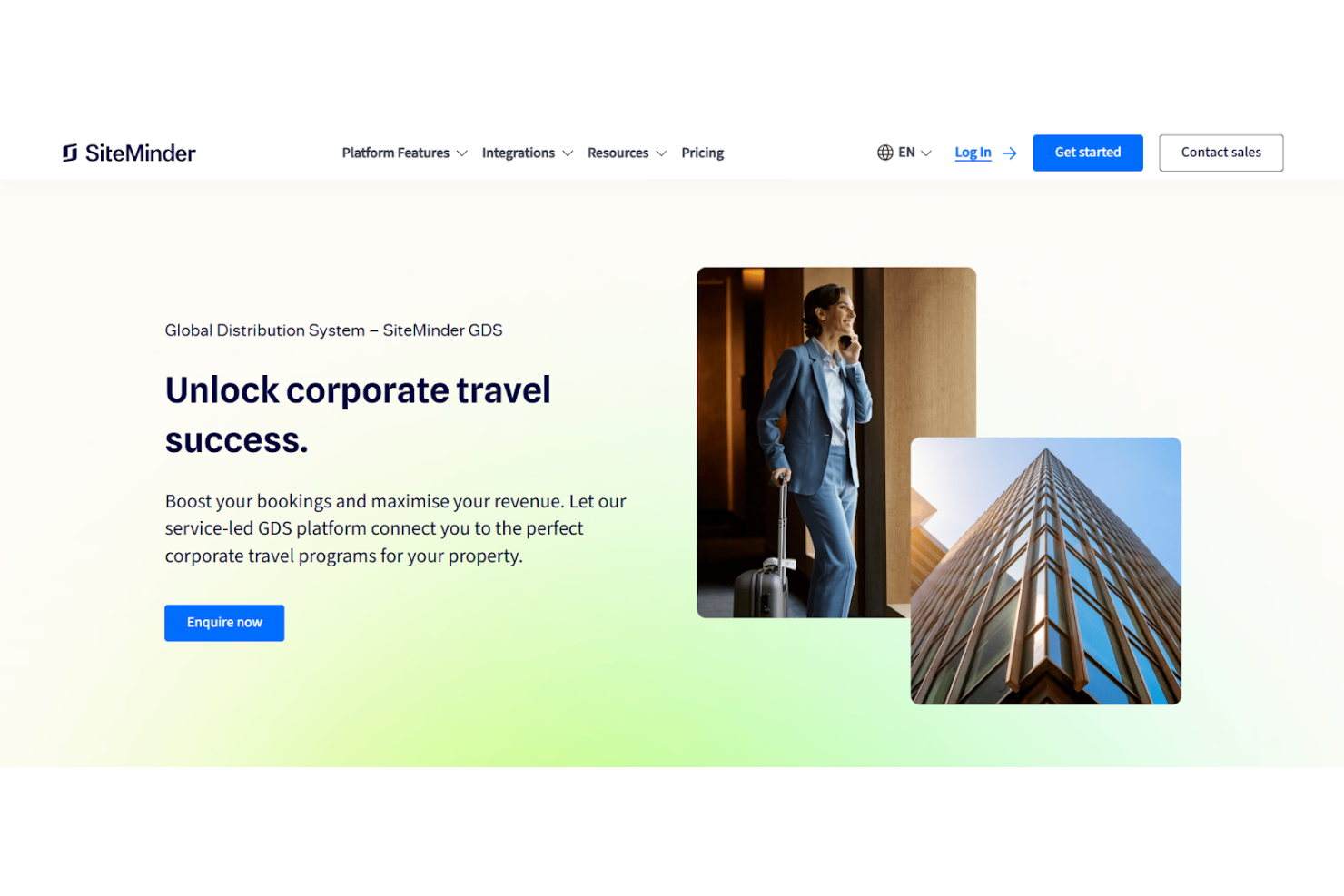
SiteMinder’s Global Distribution System (GDS) platform allows hotels to tap into major corporate travel channels via one interface. It exposes hoteliers to higher-ADR corporate and travel segments and keeps rates and availability in sync with PMS and channel manager.
Why I picked SiteMinder: It connects your hotel to major Global Distribution Systems like Amadeus and Sabre, ensuring broad visibility. The channel manager lets you distribute availability to over 450 online travel agencies. A booking engine enables direct bookings, reducing reliance on third-party sites. Personalized onboarding and 24/7 support help you integrate smoothly and streamline operations without a hitch.
Standout features & integrations:
Features include a mobile app for on-the-go management, access to corporate travel programs, and tools to prevent double bookings. The platform helps increase your Average Daily Rate by connecting to high-value travelers. It also provides a dedicated GDS consultant for personalized assistance.
Integrations include Amadeus, Sabre, Travelport, Booking.com, Expedia, Agoda, Airbnb, Google Hotel Ads, TripAdvisor, and Hotelbeds.
Pros and Cons
Pros:
- Dedicated GDS consultant
- Access to corporate travel programs
- Personalized onboarding support
Cons:
- Limited to major GDS networks
- Requires commission rates of 10-12%
- GDS connection fees vary

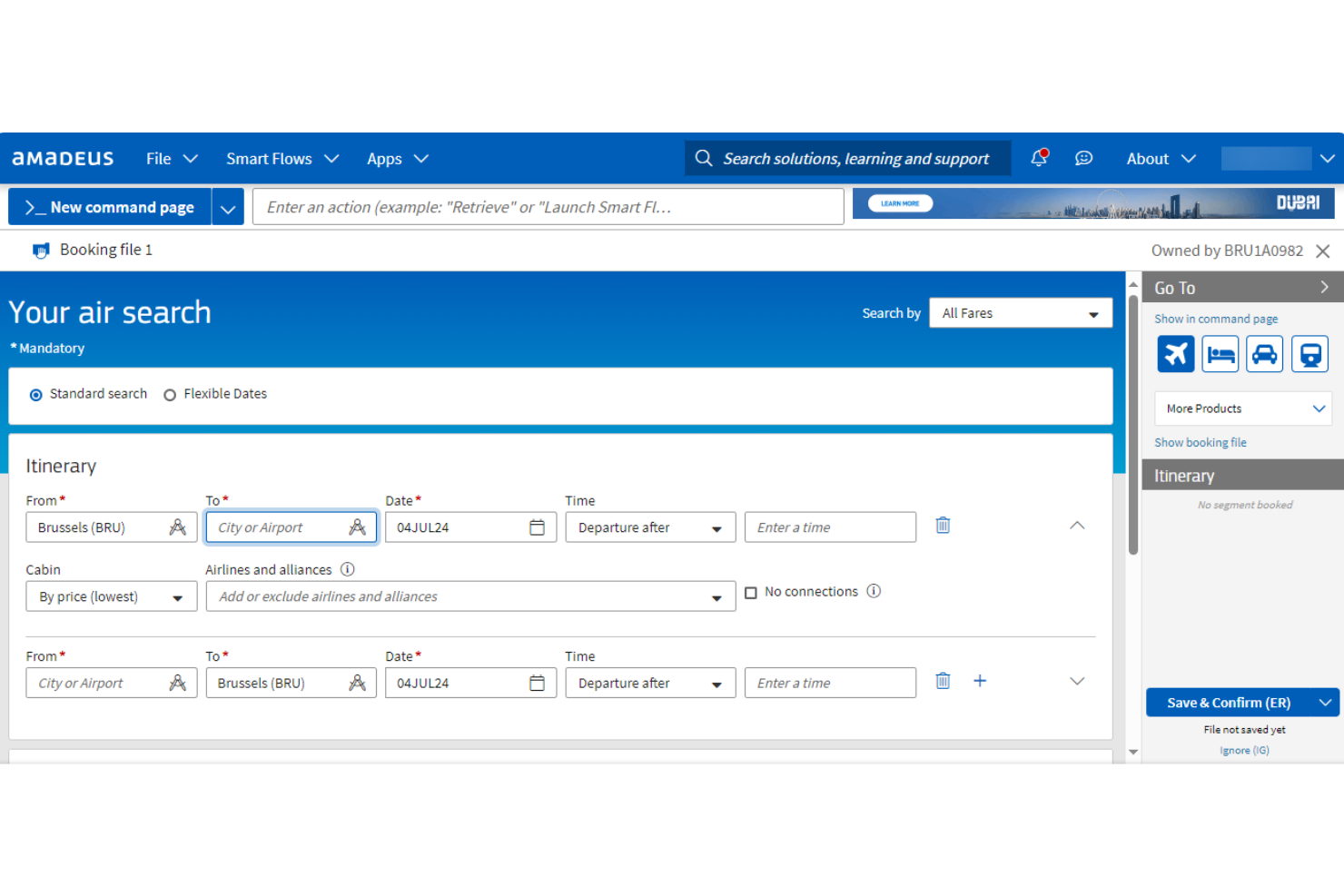
The Amadeus Travel Platform is a system built to connect sellers with travel content from airlines, hotels, rail, and other providers. It gives users a single place to search, book, and manage travel options across different suppliers.
Why I picked The Amadeus Travel Platform: You can use The Amadeus Travel Platform to pull content from a wide range of providers in one search. It lets your team mix fares, services, and ancillaries so you can tailor offers for different travelers. You’ll also find tools to manage shopping and booking in real time, which helps you adapt to what clients want. The platform supports content from traditional and new sources, giving you more flexibility to serve different markets.
Standout features & integrations:
Features include search options that combine different travel services in one display, booking tools that work across air, hotel, and rail, and an interface designed to support varied workflows for your team.
Integrations include British Airways, Lufthansa, Air France, KLM, Emirates, Qantas, American Airlines, United Airlines, Delta Air Lines, and Singapore Airlines.
Pros and Cons
Pros:
- Adapts well to varied workflows
- Lets you mix multiple travel options
- Handles large content volumes easily
Cons:
- Complex for small agency teams
- Needs training to use fully
- Setup can feel overwhelming

SabreMosaic is a digital platform that connects airlines, agencies, and partners through a shared system. It helps users manage bookings, transactions, and customer interactions in one place.
Why I picked SabreMosaic: You can use SabreMosaic to connect your airline offerings to various agencies worldwide. It gives your team flexible content options, letting you customize how fares and products are shared with buyers. You’ll also get access to distribution tools that adapt to new retailing models, making it easier to present and sell services in different ways.
Standout features & integrations:
Features include a marketplace setup that connects sellers and buyers, merchandising controls that let your team adjust offers in real time, and a modular design that allows you to scale features as your business grows.
Integrations include American Airlines, United Airlines, Delta Air Lines, Lufthansa, British Airways, Air France, KLM, Qantas, Emirates, and Singapore Airlines.
Pros and Cons
Pros:
- Helps you customize fare displays
- Adapts to modern retailing models
- Lets you manage merchandising flexibly
Cons:
- Can feel complex for small teams
- Requires technical setup knowledge
- Takes time to learn system

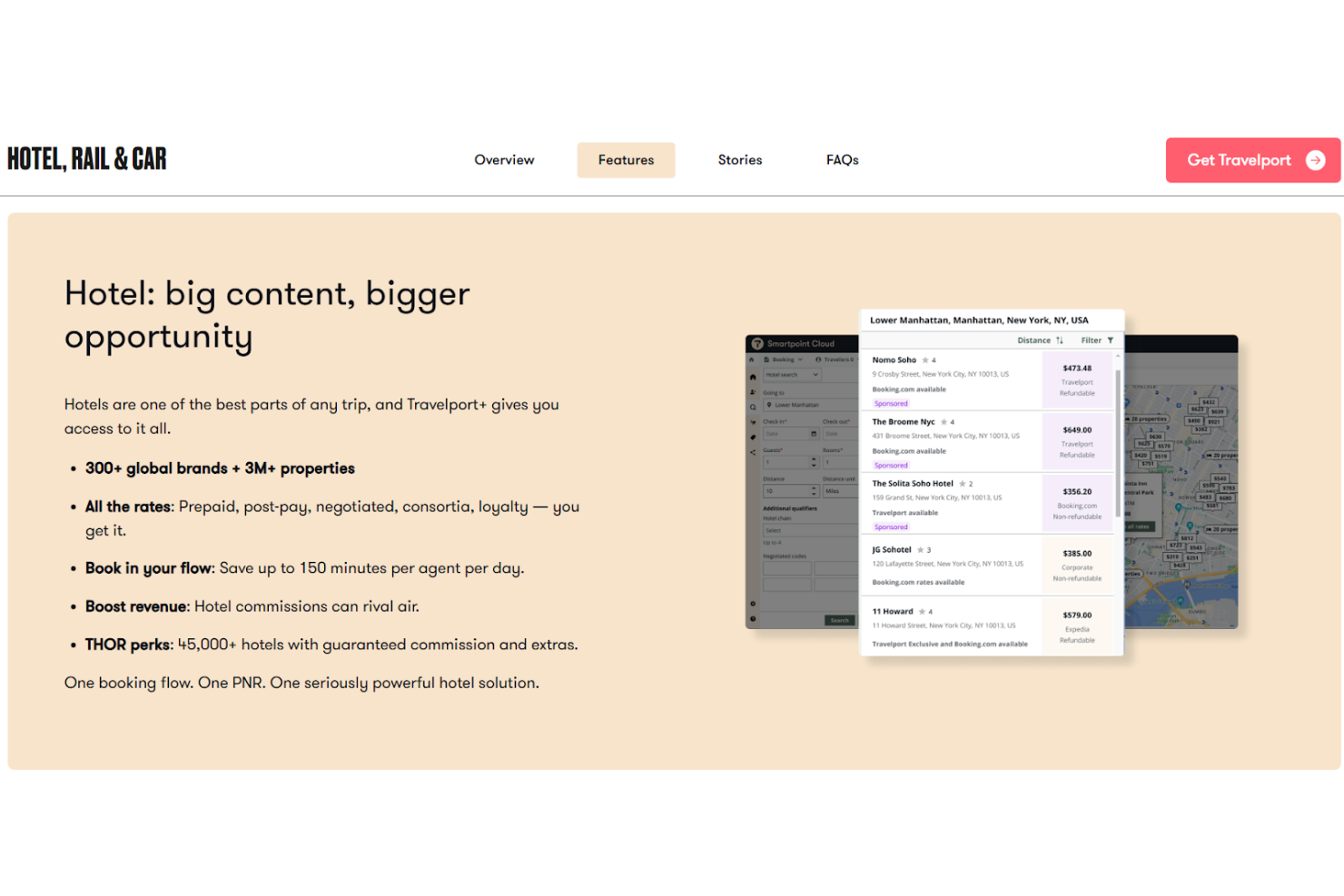
Travelport is a modern travel-retailing GDS platform consolidating hotel, rail, and car rental inventory in one streamlined workflow. It offers access to millions of hotels, top rail operators, and global car brands, all bookable in a single PNR without switching systems.
Why I picked Travelport: It offers comprehensive rail and car booking options, making it ideal for agencies focusing on diverse travel modes. The platform provides real-time data and inventory access, ensuring your team can offer up-to-date information. It supports dynamic pricing and personalized travel options, catering to different client needs.
Standout features & integrations:
Features include a robust search engine that ensures quick and accurate search results. The platform offers personalized travel recommendations based on user preferences. It also includes advanced analytics tools to help you optimize your travel offerings.
Integrations include Amadeus, Sabre, Galileo, Worldspan, Apollo, Abacus, Farelogix, TravelSky, Axess, and Infini.
Pros and Cons
Pros:
- User-friendly interface
- Dynamic pricing support
- Real-time inventory access
Cons:
- Vehicle code mismatches
- Reliant on CRS uptime
- Poor localization in some regions
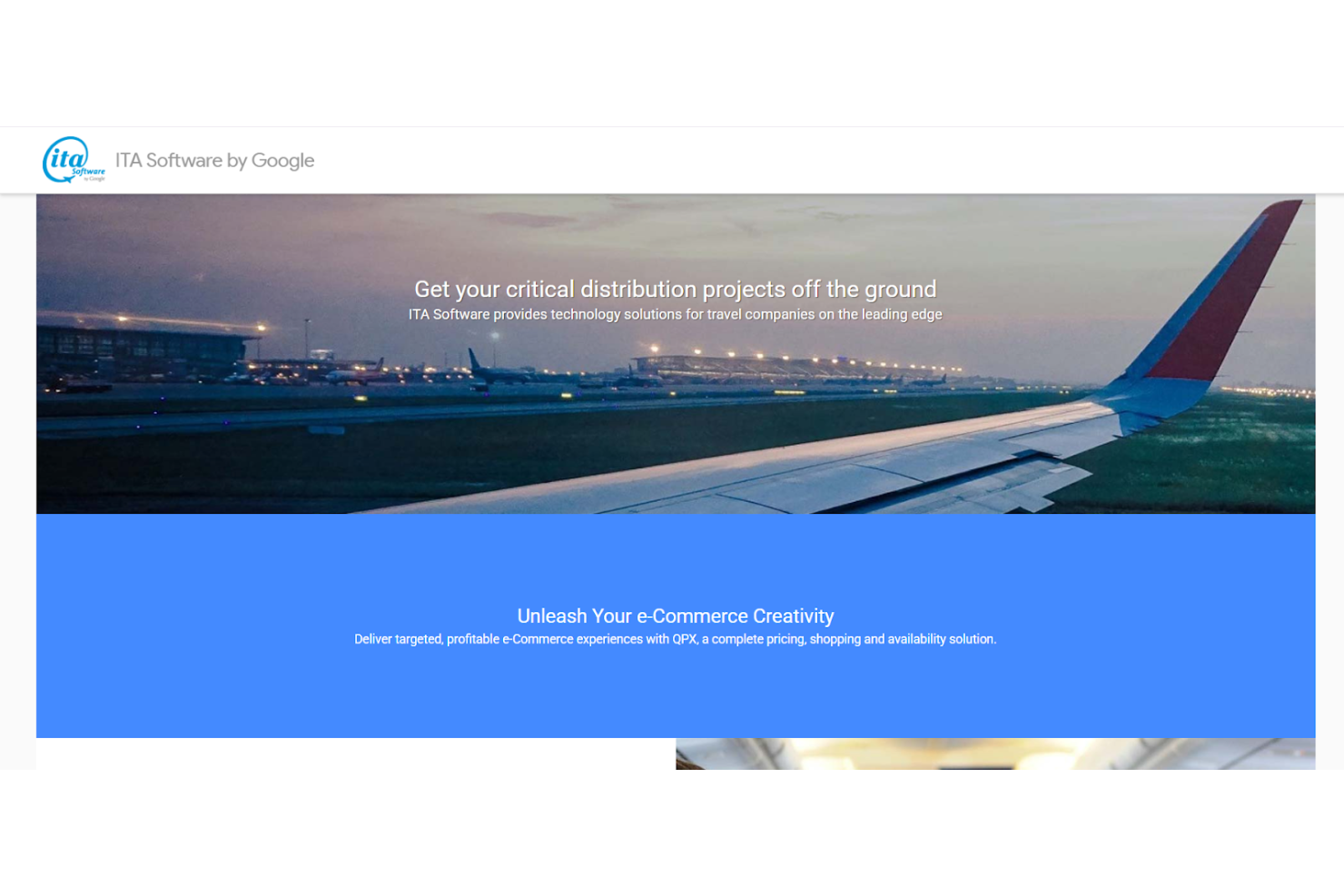
ITA Software (by Google) is an advanced airfare-pricing and shopping engine that provides travel companies control over flight pricing, route availability, and shopping options. It offers tools for fare, availability, and alternatives when itineraries change.
Why I picked ITA Software: You can use ITA Software to run detailed airfare searches that give you accurate pricing in real time. It lets your team apply flexible search filters so you can meet different traveler needs. You’ll also find tools that calculate complex itineraries, making it easier to offer precise fare options.
Standout features & integrations:
Features include advanced fare calculation that handles complex routing, flexible search options that let your team adjust queries, and data tools that give you consistent pricing outputs across multiple channels.
Integrations include Google Flights, American Airlines, United Airlines, Delta Air Lines, Lufthansa, Air France, KLM, British Airways, Qantas, and Singapore Airlines.
Pros and Cons
Pros:
- Supports advanced airfare models
- Offers consistent fare displays
- Gives accurate real-time pricing
Cons:
- Can feel complex at first
- Needs training for full use
- Setup can be technical

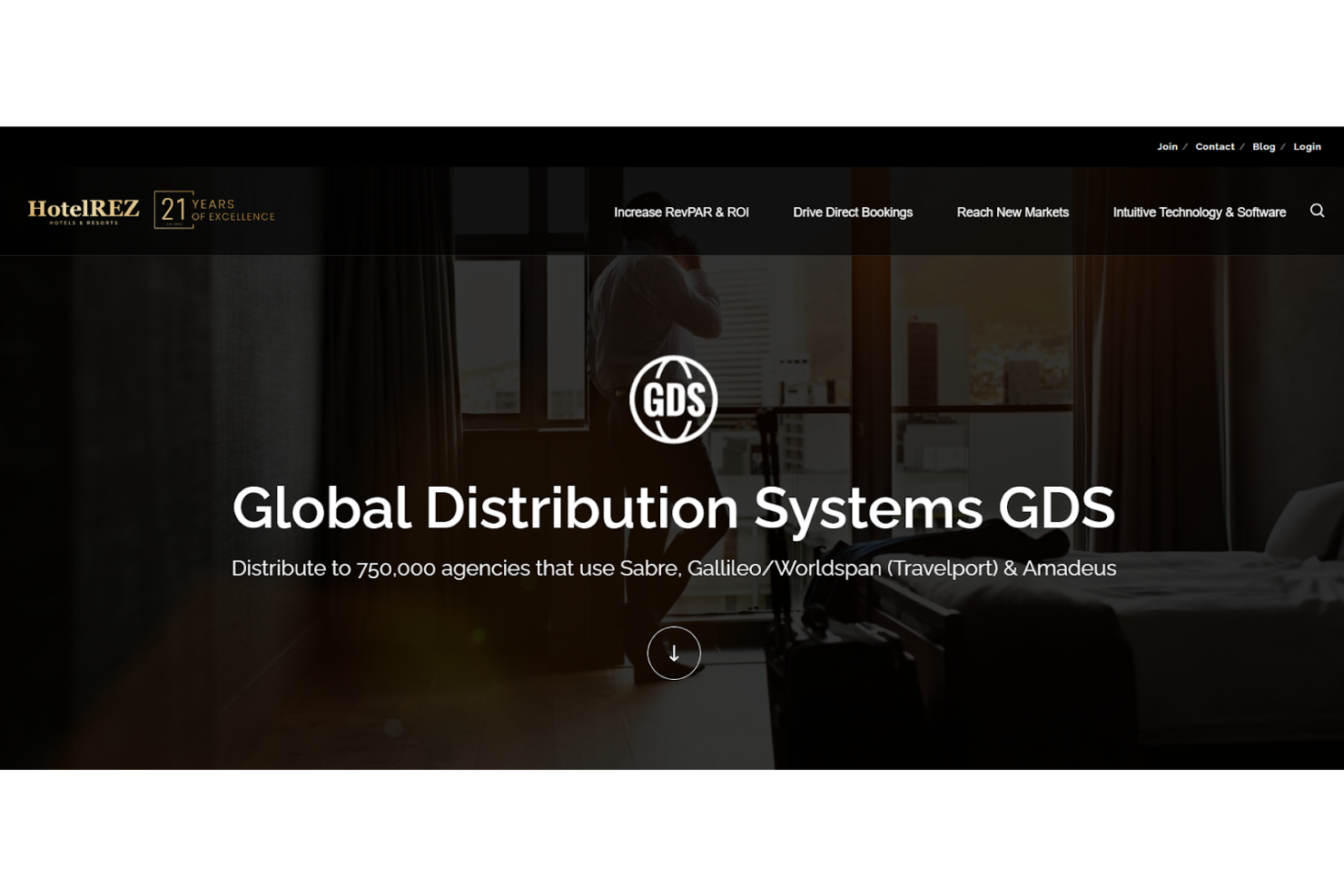
HotelREZ helps independent and boutique hotels expose their rates, content, and availability through major GDS and hundreds of OTA / tour operator channels. It offers specialised marketing and personalised representation so smaller properties can compete with larger chains.
Why I picked HotelREZ: It specializes in offering boutique hotels a platform to access major Global Distribution Systems, enhancing their market reach. The service provides tailored marketing support to help your property stand out. With personalized account management, it ensures that your unique needs are met efficiently.
Standout features & integrations:
Features include a dedicated account manager who provides personalized support. The platform offers marketing tools to boost your property's visibility in the market. It also provides real-time reporting, allowing you to track performance and make informed decisions.
Integrations include Sabre, Amadeus, Travelport, Pegasus, SynXis, SiteMinder, Avvio, Genares, ResNet, and FastBooking.
Pros and Cons
Pros:
- Real-time performance reporting
- Tailored marketing support
- Dedicated account management
Cons:
- Low visibility in some areas
- Slow updates on smaller OTAs
- Limited advanced features

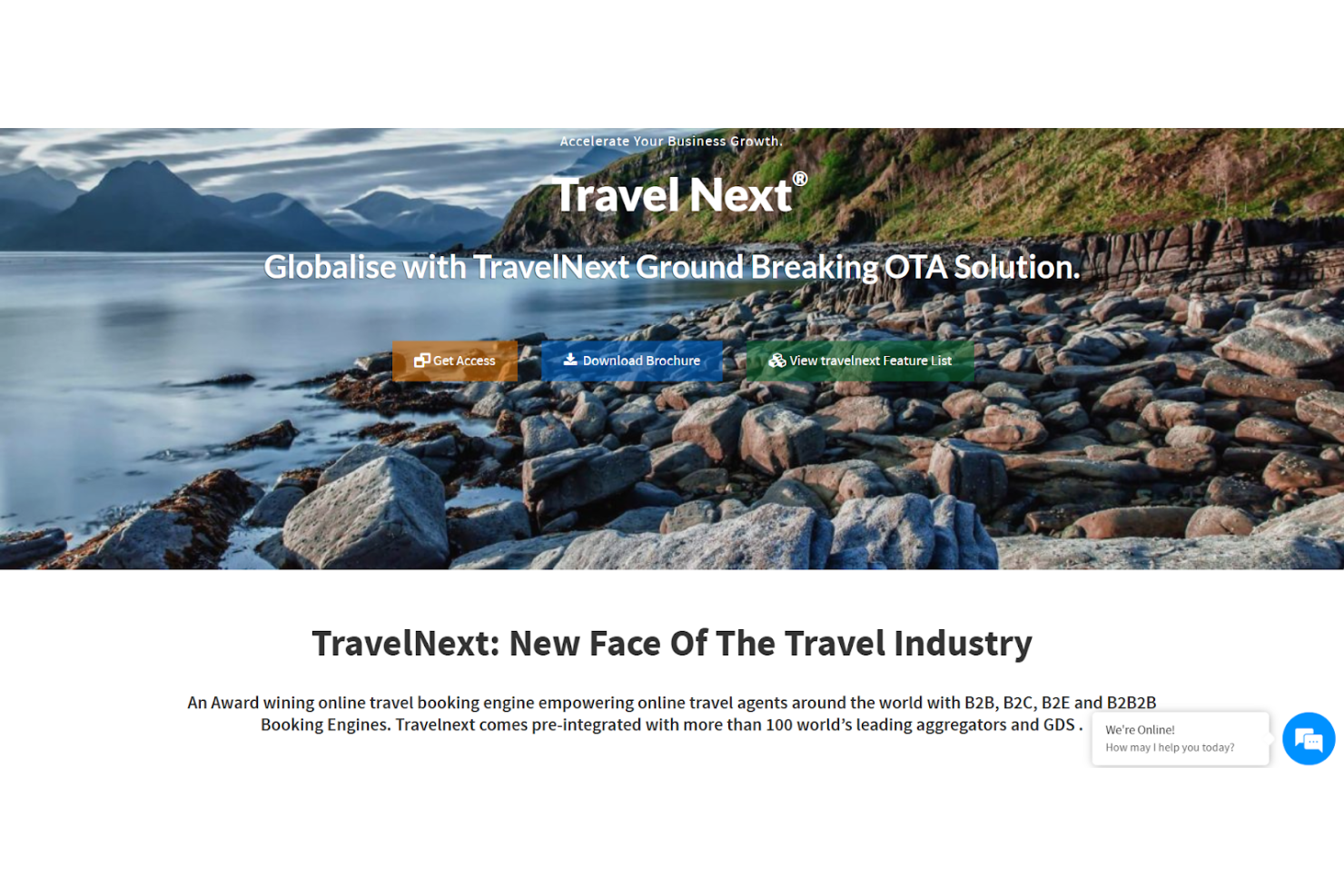
Travel Next by Trawex is a web-based global distribution & booking platform that comes pre-integrated with over 100 aggregators and GDS providers. It reduces technical complexity, gives users control over commissions/markups, and scales business without a large development team.
Why I picked Travel Next: It provides a user-friendly interface that caters to small businesses, ensuring your team can manage bookings efficiently. The platform offers customizable solutions, allowing you to tailor services to meet specific business needs. It includes advanced reporting tools that help monitor sales and performance.
Standout features & integrations:
Features include a dynamic packaging system that allows you to bundle services like flights and hotels. The platform supports multiple currencies and languages, which is beneficial for agencies serving diverse markets. It also offers mobile access, enabling your team to manage bookings on the go.
Integrations include Amadeus, Sabre, Galileo, Worldspan, Travelport, Abacus, Apollo, Farelogix, TravelSky, and Axess.
Pros and Cons
Pros:
- Advanced reporting tools
- Customizable booking solutions
- User-friendly interface
Cons:
- Poor localization in some areas
- Limited API testing
- Limited advanced features

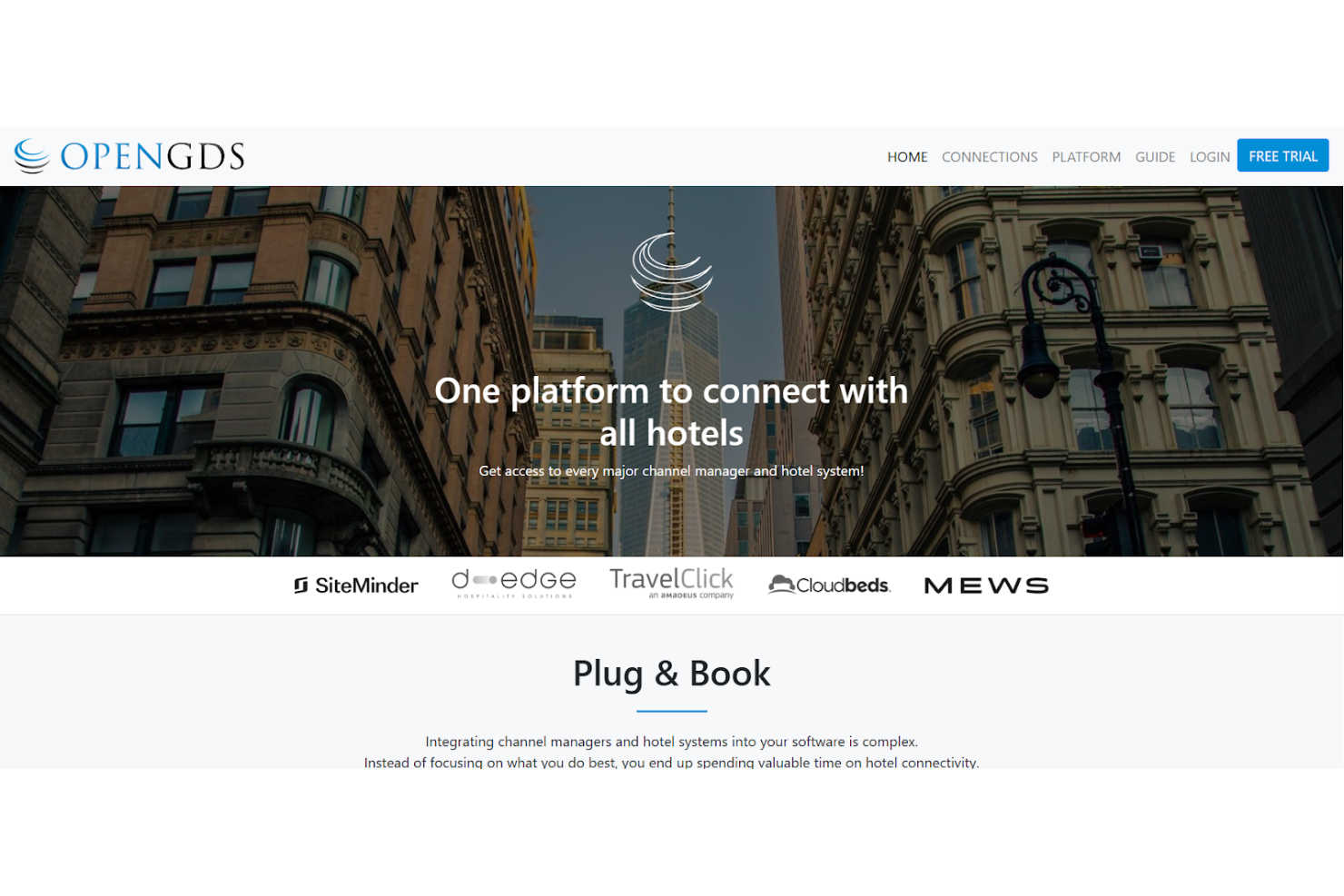
OpenGDS is a plug-and-book connectivity platform that lets travel sellers connect in real time with hotels, channel managers, and property management systems via a single open API. It allows modular reservation flows, flexible pricing models, and building a custom booking engine.
Why I picked OpenGDS: You can use OpenGDS to build a setup that matches how your team works instead of fitting into a rigid system. It lets you adjust how content is displayed, giving you control over what buyers see. You’ll also find flexible tools for managing rates and availability, so your offers stay current.
Standout features & integrations:
Features include rate management tools that help you keep pricing accurate, booking controls that give your team oversight of transactions, and reporting dashboards that show you how your content performs.
Integrations include Amadeus, Sabre, Travelport, Galileo, Worldspan, Apollo, Pegasus, Expedia, and Booking.com.
Pros and Cons
Pros:
- Offers insight with reporting tools
- Supports flexible rate management
- Lets you tailor workflows easily
Cons:
- Complex booking flows
- Learning curve for customization
- API version issues

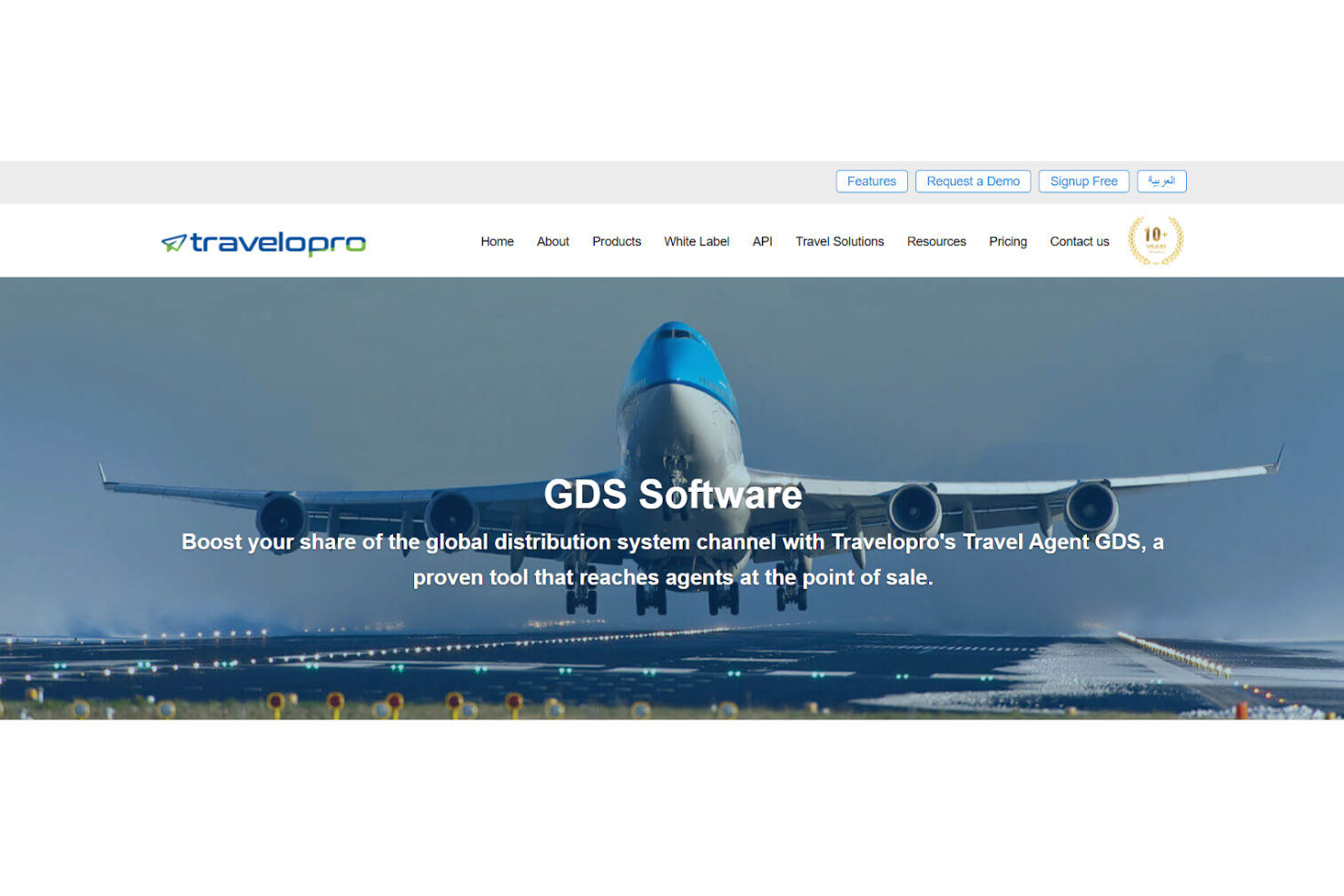
Travelopro’s Global Distribution System (GDS) software offers travel agents, tour operators, and OTAs a highly flexible, end-to-end booking and distribution solution. It supports integration with multiple GDS providers, enabling the combination of inventory sources.
Why I picked Travelopro: It provides a flexible integration with major GDS like Amadeus, Sabre, and Galileo, allowing your team to access extensive travel inventories. The platform supports multilingual websites and dynamic fare caching, which are crucial for agencies serving diverse markets. Advanced reporting tools help you track performance and manage commissions effectively.
Standout features & integrations:
Features include a fast and flexible booking engine that supports multiple sales channels like B2B, B2B2C, and B2C. The platform offers secure architecture and customizable solutions to meet your specific needs. It also provides a user-friendly interface with integrated payment gateways and multi-language support.
Integrations include Amadeus, Sabre, Galileo, Travelport, Worldspan, Abacus, Apollo, Farelogix, TravelSky, and Axess.
Pros and Cons
Pros:
- Customizable booking solutions
- Supports multiple sales channels
- Flexible GDS integration
Cons:
- Reliance on CRS uptime
- API delays at times
- Inconsistent vendor data


Galileo (owned by Travelport) is a global distribution/reservation system that brings together flights, hotels, car rentals, holidays, and more through one platform. It gives travel agents and tour operators real-time access to global inventory, with flexible integration via APIs/XML/UAPI so agencies or OTAs can embed bookings directly.
Why I picked Galileo: It provides a platform for accessing a wide range of travel services globally. The integration with the Galileo GDS allows your team to view real-time seat availability and rates. Automated processes help reduce manual tasks, enhancing efficiency. The platform supports B2B and B2C transactions, making it versatile for various business models.
Standout features & integrations:
Features include automated fulfillment processes that reduce manual interventions, a user-friendly interface for easy navigation, and 24/7 customer support to assist you at any time. The system also offers cost savings by consolidating travel services in one platform. It supports both online and offline booking capabilities.
Integrations include Amadeus, Sabre, Worldspan, Apollo, Travelport, Abacus, Farelogix, TravelSky, Axess, and Infini.
Pros and Cons
Pros:
- User-friendly booking interface
- Supports B2B and B2C models
- Real-time inventory access
Cons:
- Not ideal for small agencies
- Limited customization options
- Complex for new users


Related Reviews
How I Evaluate Global Distribution Software
I split my evaluation into two layers: the core GDS connectivity and rate sync a platform must have, and the differentiators—like consortia programs and look-to-book analytics—that set tools apart.
Core Functionality (Table Stakes For This List)
When I'm selecting tools for my list, I rank each one on a scale from 0 (does not offer the functionality) to 5 (excels in this area) for each core functionality listed below. Then, I calculate the tool's total score into a percentage. Each tool needs to achieve a minimum total score of 65% to be considered for inclusion.
- GDS Network Connectivity: I check whether the platform connects to Amadeus, Sabre, and Travelport—covering all three is key for reaching travel agents across global source markets.
- Real-Time Rate & Inventory Sync: Rate and availability changes need to push instantly across all connected GDSs, including restrictions like minimum length of stay and close-outs.
- PMS & Channel Manager Integration: I evaluate two-way integrations with major PMSs like Oracle Opera, Mews, and Cloudbeds so reservations flow in and availability flows out automatically.
- Chain or Pseudo Code Support: Every listed tool should provide a GDS chain code or pseudo code so independent and boutique hotels can appear bookable on agent terminals.
- Corporate & Consortia Rate Management: I look for support loading negotiated rates for TMCs, managing consortia like Virtuoso or AMEX, and handling RFP workflows during bid season.
- Booking Reporting & Analytics: The platform should offer production reports by GDS source, booking channel, and market segment to help revenue managers track distribution ROI.
Once I have a list of tools that meet the criteria, I consider what sets each platform apart.
Differentiating Factors (What Sets Vendors Apart)
Here's how I compare and contrast different vendors:
Standout Features
Look-to-book analytics matter a lot here. I want to see how often agents shop a property's rates versus actually booking, which reveals whether your pricing or content is turning them away. GDS media and advertising tools also make a difference, letting you run targeted promotions on agent desktops during peak RFP season. I evaluate rich content syndication too, since properties with updated photos and detailed amenity descriptions consistently convert better on agent terminals.
Beyond Features
Pricing model transparency is something I evaluate closely. Some vendors charge flat monthly fees while others take per-booking commissions, and the right fit depends on your booking volume. I also consider property type suitability—a platform built for large chains may overwhelm an independent boutique hotel. Implementation speed matters too, since GDS certification timelines vary widely, and a slow go-live means missed bookings during key selling windows like corporate RFP season.
How to Choose Global Distribution Software
It’s easy to get bogged down in long feature lists and complex pricing structures. To help you stay focused as you work through your unique software selection process, here’s a checklist of factors to keep in mind:
| Factor | What to Consider |
|---|---|
| Scalability | Can the software grow with your business? Consider if it can handle an increase in bookings and users without a hitch. Look for tools that can easily adapt to changes. |
| Integrations | Does it connect with your existing systems? Ensure it can integrate with your property management system and other tools you rely on. |
| Customizability | Can you tailor it to your needs? Check if you can adjust workflows or reports to suit your processes. |
| Ease of use | Is it intuitive for your team? Look for a user-friendly interface that requires minimal training. |
| Implementation and onboarding | How long will it take to get up and running? Consider the complexity of setup and the support provided during onboarding. |
| Cost | Does it fit your budget? Compare the total costs, including any hidden fees, to ensure it aligns with your financial plans. |
| Security safeguards | How does it protect your data? Ensure it meets industry standards for data protection and offers features like encryption. |
| Support availability | Can you get help when needed? Check the availability and quality of customer support, especially during critical times. |
What Is Global Distribution Software?
Global distribution software is a tool that connects travel services like hotels, airlines, and car rentals to a network of travel agents and online booking platforms. Travel agents, hotel managers, and other travel industry professionals use these tools to improve booking efficiency and increase visibility.
Its features include real-time inventory updates, integration capabilities, and customizable booking options that help with managing reservations and accessing broader markets. Overall, these tools simplify the booking process and expand market reach.
Features of Global Distribution Software
When selecting global distribution software, keep an eye out for the following key features:
- Real-time inventory updates: Provides up-to-the-minute availability, ensuring accurate booking information.
- Integration capabilities: Connects seamlessly with existing systems like property management systems and booking engines.
- Customizable booking options: Allows you to tailor the booking process to suit your specific needs and preferences.
- Secure payment processing: Ensures transactions are safe and meets industry standards for data protection.
- Multi-currency support: Offers pricing in various currencies, catering to international clientele.
- Advanced analytics: Provides insights into booking trends and performance, helping you make informed decisions.
- Dynamic pricing: Adjusts rates based on demand and market trends, optimizing revenue.
- Mobile access: Enables management of bookings on-the-go, providing flexibility for busy professionals.
- User-friendly interface: Simplifies navigation and reduces the need for extensive training.
- 24/7 customer support: Offers assistance at any time, ensuring issues are resolved promptly.
Benefits of Global Distribution Software
Implementing global distribution software provides several benefits for your team and your business. Here are a few you can look forward to:
- Increased visibility: Connects your business to a wide network of travel agents and platforms, boosting your reach.
- Improved efficiency: Automates booking processes and reduces manual work, saving time for your team.
- Enhanced decision-making: Provides analytics and insights to help you make informed choices about pricing and inventory.
- Revenue optimization: Uses dynamic pricing and real-time updates to maximize your earnings.
- Customer satisfaction: Offers a smooth booking experience with secure transactions and accurate availability.
- Global reach: Supports multiple currencies and languages, allowing you to cater to an international audience.
- Flexibility in operations: Provides mobile access and customizable options, adapting to your specific business needs.
Costs and Pricing of Global Distribution Software
Selecting global distribution software requires an understanding of the various pricing models and plans available. Costs vary based on features, team size, add-ons, and more. The table below summarizes common plans, their average prices, and typical features included in global distribution software solutions:
Plan Comparison Table for Global Distribution Software
| Plan Type | Average Price | Common Features |
|---|---|---|
| Free Plan | $0 | Basic booking management, limited integrations, and essential customer support. |
| Personal Plan | $10-$30/user/month | Advanced booking features, real-time inventory updates, and customizable dashboards. |
| Business Plan | $50-$100/user/month | Multi-currency support, dynamic pricing, and analytics tools for performance tracking. |
| Enterprise Plan | $150-$300/user/month | Comprehensive integration capabilities, dedicated account management, and 24/7 support. |
Global Distribution Software FAQs
Here are some answers to common questions about global distribution software:
How does the global distribution system work?
Global distribution systems act as intermediaries between vendors like hotels and airlines and service providers such as online travel agencies. They facilitate the booking process by providing real-time availability and pricing. Your team can access a wide range of travel services through these systems, making the booking process efficient and comprehensive.
Is GDS still relevant today?
Yes, GDS remains a cornerstone in the travel industry’s technology ecosystem. Despite new technologies, GDS provides essential connectivity and inventory management. It continues to be vital for travel agencies, offering access to a broad range of services and vendors, ensuring your business stays competitive.
How does global distribution software help a catering business?
Global distribution software connects catering business providers, catering companies, and catering services to wider markets. It manages catering events and catering orders, supports drop-off and full-service models, and helps corporate catering and food service expand through streamlined bookings.
How does GDS enhance customer relationships?
Businesses use CRM, customer relationship management, and client communication tools in GDS. Phone calls, proposal templates, and messaging improve customer experience while managing catering services, catering orders, and event planning needs.
How do travel companies use GDS?
Travel companies use GDS to access a wide array of travel services, manage bookings, and provide customers with competitive pricing. GDS streamlines operations by integrating with booking engines and other systems, allowing your team to efficiently handle large volumes of reservations.
How does GDS boost operational efficiency?
Global distribution software offers all-in-one solutions for catering operations, staffing, and spreadsheets. It streamlines operations, automates tasks, and helps catering services manage catering events and large-scale bookings across global markets.
What’s Next:
If you're in the process of researching global distribution software, connect with a SoftwareSelect advisor for free recommendations.
You fill out a form and have a quick chat where they get into the specifics of your needs. Then you'll get a shortlist of software to review. They'll even support you through the entire buying process, including price negotiations.