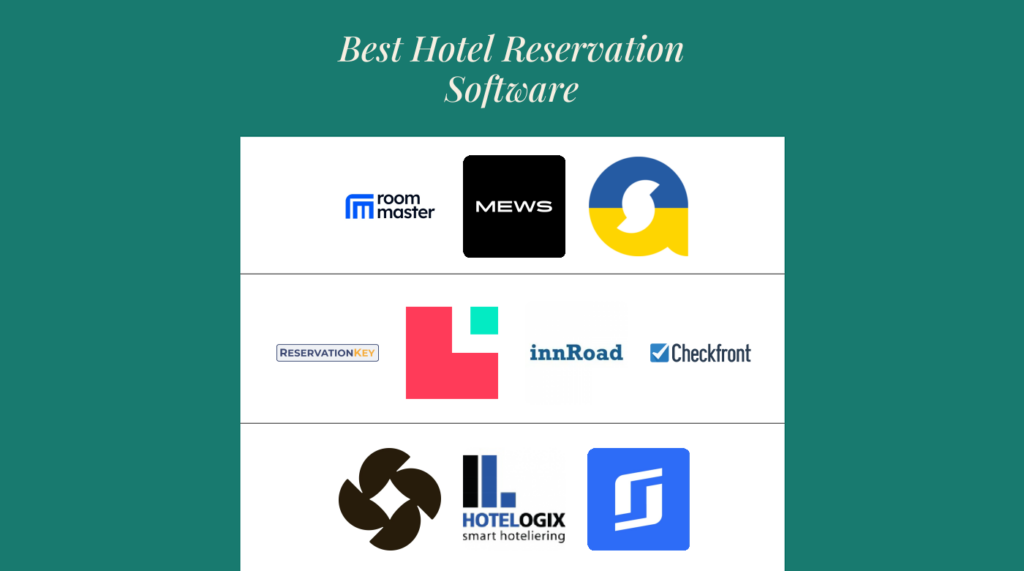

Il software per le prenotazioni alberghiere elimina le doppie prenotazioni e semplifica la gestione degli orari degli ospiti, permettendo al tuo team di dedicare più tempo alla creazione di esperienze memorabili per gli ospiti, che favoriscono il ritorno dei clienti. Gestire i tassi di occupazione variabili può essere difficile, ma gli strumenti adeguati per la gestione dell'inventario aumentano l'accuratezza delle prenotazioni e migliorano il monitoraggio della disponibilità delle camere.
In questo articolo confronto e recensisco i migliori strumenti per le prenotazioni alberghiere, per aiutarti a prendere una decisione d'acquisto.
Perché fidarsi dei nostri consigli sui software
6,700+
Reviews
20
Industry experts
16+
Evaluation factors
14
Years
Il nostro team testa e recensisce software dal 2012. In quanto leader del settore alberghiero noi stessi, sappiamo quanto sia difficile — e importante — scegliere il software giusto.
Per questa guida, abbiamo valutato gli strumenti attraverso test pratici e ricerche indipendenti, assegnando un punteggio agli strumenti in base ai nostri criteri di selezione.
Le nostre recensioni riflettono il nostro giudizio editoriale umano, non un discorso di vendita.
Tabella comparativa dei software per prenotazioni alberghiere
| Tool | Best For | Trial Info | Price | ||
|---|---|---|---|---|---|
| 1 | Ideale per una gestione efficiente delle prenotazioni | Demo gratuita disponibile | Prezzo su richiesta | Website | |
| 2 | Ideale per prenotazioni focalizzate sull'automazione | Demo gratuita disponibile | Prezzi su richiesta | Website | |
| 3 | Migliore per lo sviluppo di sistemi di prenotazione personalizzati | No | Modello di prezzo basato sul progetto | Website | |
| 4 | Ideale per un’interfaccia di prenotazione facile da usare | No | $25/utente/mese | Website | |
| 5 | Ideale per prenotazioni in tempo reale | Prova gratuita disponibile | Da $14/utente/mese | Website | |
| 6 | Ideale per la gestione alberghiera end-to-end | No | Disponibile su richiesta | Website | |
| 7 | Ideale per la gestione di più proprietà | No | $49/utente/mese + $199 una tantum per l'installazione | Website | |
| 8 | Ideale per la gestione delle prenotazioni orientata al proprietario | Demo gratuita | Prezzi su richiesta | Website | |
| 9 | Ideale per CRM ospiti personalizzato | No | $200 al mese per piccole strutture | Website | |
| 10 | Ideale per la gestione e la distribuzione delle proprietà | No | $50/user/month | Website |


Recensioni dei migliori software per prenotazioni alberghiere
 Ideale per una gestione efficiente delle prenotazioni
- Demo gratuita disponibile
- Prezzo su richiesta
Visit WebsiteCustomer Rating:4.3/5
L'interfaccia di gestione degli ospiti di roommaster consente al personale dell'hotel di visualizzare e gestire efficacemente i dettagli degli ospiti. Roommaster si rivolge a hotel indipendenti, motel e resort integrando la gestione delle prenotazioni, le operazioni di reception e l'intelligenza sui ricavi in un'unica piattaforma intuitiva. Le sue funzionalità, come strumenti basati su intelligenza artificiale e check-in tramite dispositivi mobili, sono progettate per migliorare l'esperienza degli ospiti e ottimizzare le attività operative. Roommaster è ideale per gli albergatori che cercano una soluzione affidabile per gestire efficientemente la propria struttura.
Perché ho scelto roommaster:
Ho scelto roommaster per la sua capacità eccezionale di migliorare la gestione delle prenotazioni grazie a funzionalità come aggiornamenti in tempo reale e ottimizzazione dei ricavi tramite intelligenza artificiale. Queste funzioni migliorano non solo l'efficienza operativa, ma consentono anche di rispondere rapidamente alle richieste del mercato, assicurando che la tua tariffazione rimanga competitiva. Inoltre, gli strumenti di comunicazione automatica con gli ospiti personalizzano l'esperienza inviando conferme e aggiornamenti tempestivi, riducendo il carico di lavoro per il personale. La possibilità di facilitare prenotazioni dirette senza commissioni rafforza ulteriormente la sua posizione come scelta ideale per gli operatori alberghieri che vogliono massimizzare sia efficienza che redditività.
Funzionalità principali di roommaster
Oltre alla sua competenza nella gestione delle prenotazioni, roommaster offre una serie di funzionalità che migliorano ulteriormente le operazioni alberghiere:
- Gestione delle pulizie: Questa funzione consente al team di coordinare i turni delle pulizie e monitorare gli aggiornamenti sullo stato delle camere in modo fluido.
- Operazioni di reception: Semplifica i processi di check-in e check-out degli ospiti, offrendo al personale un'interfaccia intuitiva per gestire le attività quotidiane della reception.
- AI Concierge: Fornisce suggerimenti personalizzati e opportunità di prenotazione agli ospiti, migliorando la loro esperienza complessiva di soggiorno.
- App mobile per ospiti: Consente agli ospiti di utilizzare i propri dispositivi mobili per servizi come check-in, richiesta servizio in camera e altro, aumentando comodità e soddisfazione.
Integrazioni di roommaster
Le integrazioni includono AdriaScan, Amadeus, Flip.to, H&L POS, HOTELITIX, STAAH, Sage, TRIPTEASE, ampliphi e 3CX.
Pros and Cons
Pros:
- L'App mobile per ospiti migliora comodità e soddisfazione
- AI Concierge offre raccomandazioni personalizzate agli ospiti
- Integrazione senza soluzione di continuità con OTAs per la gestione dell'inventario
Cons:
- Alcuni utenti segnalano un'interfaccia datata rispetto ai concorrenti
- La funzione Change Journal si resetta dopo il check-in, causando inefficienze
Learn more about roommaster: 2Ideale per prenotazioni focalizzate sull'automazione
Mews
- Demo gratuita disponibile
- Prezzi su richiesta
Visit WebsiteCustomer Rating:4.6/5
Mews mostra disponibilità delle camere, tariffe e dettagli delle prenotazioni in tempo reale su un'unica schermata, facilitando la creazione di nuove prenotazioni. Gestire le prenotazioni con Mews offre un modo più chiaro e veloce di gestire le prenotazioni senza dover passare da una schermata all'altra o cercare tra fogli di calcolo di difficile lettura. È progettato per hotel e gruppi multi-proprietà che desiderano flussi di lavoro automatizzati, accessibilità mobile e un'interfaccia che aiuti lo staff a concentrarsi sugli ospiti invece di cercare informazioni.
Perché ho scelto Mews
Ho scelto Mews perché i suoi strumenti per le prenotazioni, incentrati sull'automazione, riducono le attività più dispendiose in termini di tempo nella gestione delle prenotazioni, dal recupero dei dettagli degli ospiti all'assegnazione delle camere e all'elaborazione dei pagamenti. Si dispone di una timeline dinamica che aggiorna la disponibilità per ora, giorno o mese, abbinata a un'ottimizzazione degli spazi con un solo clic che elimina l'incertezza nell'assegnazione delle camere. Mi piace anche il modo in cui i profili ospite intelligenti e i pagamenti integrati sono inseriti direttamente nel flusso di lavoro della prenotazione, così il tuo team non ha bisogno di sistemi separati per confermare dettagli o completare addebiti.
Funzionalità principali di Mews
Oltre alle sue funzioni principali, Mews offre una suite di funzionalità aggiuntive che migliorano le operazioni alberghiere:
- Software per le pulizie: Ottimizza la manutenzione delle camere e la gestione dei compiti, assicurando che il team operi in modo efficiente.
- Concierge virtuale: Offre agli ospiti assistenza digitale per richieste e domande di servizio, migliorando l'interazione e la soddisfazione degli ospiti.
- Aggiornamenti di prenotazioni in blocco: Consente di modificare e applicare cambiamenti a grandi gruppi con un'unica azione.
- Fatturazione di gruppo: Consolida gli addebiti per i soggiorni di gruppo così puoi visualizzare e gestire tutte le fatture correlate in un unico posto.
Integrazioni di Mews
Le integrazioni includono Booking.com, Expedia, SiteMinder, Amadeus iHotelier, SALTO KS, 24SevenOffice, Adyen, Lightspeed, Mailchimp e Stripe. È disponibile anche un'API aperta per integrazioni personalizzate.
Pros and Cons
Pros:
- L'automazione riduce le attività ripetitive per prenotazioni e reception.
- Gli strumenti di check-in digitale riducono l'attesa nella hall.
- I profili ospite centralizzano la cronologia per un servizio personalizzato.
Cons:
- Le funzionalità avanzate possono risultare complesse per le strutture piccole.
- Il passaggio da sistemi PMS legacy di solito richiede onboarding assistito.
Learn more about Mews: Migliore per lo sviluppo di sistemi di prenotazione personalizzati
- No
- Modello di prezzo basato sul progetto
Visit WebsiteCustomer Rating:4.8/5
Immagine 2: interfaccia del software di prenotazione alberghiera AltexSoft AltexSoft è un'azienda di consulenza tecnologica e sulle soluzioni specializzata nella creazione di sistemi di prenotazione personalizzati per hotel. Si distingue per la sua capacità di realizzare soluzioni di prenotazione su misura che soddisfano le esigenze specifiche degli hotel, il che giustifica la sua proposta di valore unica come miglior strumento per lo sviluppo di sistemi di prenotazione personalizzati.
Perché ho scelto AltexSoft: Ho scelto AltexSoft per il suo approccio dedicato allo sviluppo di soluzioni su misura. Lo strumento si distingue per le sue capacità di personalizzazione, aiutando gli hotel a disporre di un sistema di prenotazione che si adatta perfettamente alle loro esigenze specifiche. Questo approccio personalizzato allo sviluppo dei sistemi rende AltexSoft la soluzione migliore per questo caso d'uso.
Funzionalità e integrazioni principali:
Le funzionalità includono sistemi di prenotazione personalizzati e ricchi di funzionalità, comprese funzionalità per la gestione dell'inventario, il monitoraggio in tempo reale della disponibilità delle camere e l'integrazione con i gateway di pagamento (carta di debito/credito).
Le integrazioni includono i principali fornitori di tecnologia alberghiera per garantire un flusso di lavoro fluido.
Pros and Cons
Pros:
- Sistemi di prenotazione altamente personalizzabili
- Integrazione con i principali fornitori di tecnologia alberghiera
- Enfasi sui dati e sul monitoraggio della disponibilità in tempo reale
Cons:
- I prezzi non sono trasparenti in anticipo
- Potrebbe essere eccessivo per le piccole imprese con esigenze più semplici
- Processo di implementazione lungo a causa dello sviluppo personalizzato
Learn more about AltexSoft: Ideale per un’interfaccia di prenotazione facile da usare
- No
- $25/utente/mese
Visit WebsiteCustomer Rating:4.9/5
Immagine 12: Interfaccia del software per la prenotazione alberghiera Reservation Key Reservation Key è un software per la prenotazione alberghiera che offre una serie di strumenti per la gestione delle prenotazioni. La sua interfaccia è particolarmente intuitiva, rendendolo una scelta eccellente per chi dà priorità alla facilità d’uso nell’interfaccia di prenotazione.
Perché ho scelto Reservation Key: Nel selezionare Reservation Key per questa lista, ciò che mi ha colpito è stata la sua interfaccia semplice ma efficace. L’aspetto della facilità d’uso ha avuto un ruolo fondamentale nella mia decisione. L’ho considerato la migliore interfaccia di prenotazione facile da usare perché semplifica il processo di gestione delle prenotazioni senza sacrificare la funzionalità.
Funzionalità e integrazioni principali:
Le funzionalità includono il motore di prenotazione online, il sistema di gestione delle proprietà e le email automatiche.
Le integrazioni includono piattaforme come Airbnb, Booking.com ed Expedia, che aggiungono un valore considerevole per gli utenti.
Pros and Cons
Pros:
- Interfaccia intuitiva
- Strumenti completi per la gestione delle prenotazioni
- Integrazione con le principali piattaforme di prenotazione
Cons:
- Mancano alcune funzionalità avanzate presenti in altri strumenti
- L’assistenza clienti potrebbe essere migliorata, secondo alcuni utenti
- Personalizzazione del design limitata
Learn more about ReservationKey: Ideale per prenotazioni in tempo reale
- Prova gratuita disponibile
- Da $14/utente/mese
Visit WebsiteCustomer Rating:4.5/5
Lodgify supporta la gestione multi-proprietà, permettendoti di supervisionare diverse strutture da una dashboard centralizzata. Per i proprietari e i gestori di hotel alla ricerca di una soluzione affidabile per la gestione delle prenotazioni, Lodgify rappresenta una scelta interessante. Progettato per strutture di piccole e medie dimensioni, questo software semplifica le operazioni grazie al suo motore di prenotazione intuitivo e all'integrazione con le principali piattaforme come Airbnb e Booking.com. Lodgify migliora la presenza online del tuo brand con template di sito web personalizzabili e garantisce una comunicazione efficiente con gli ospiti, oltre a una gestione centralizzata di più proprietà.
Perché ho scelto Lodgify:
Ho scelto Lodgify per la sua eccezionale capacità di creare un sito di prenotazione personalizzato, fondamentale per i gestori che desiderano rafforzare la presenza online del proprio marchio. La piattaforma offre un costruttore di siti integrato che ti consente di progettare un sito professionale e in linea con il brand, assicurando che la tua struttura si distingua nel competitivo mercato dell'ospitalità. Dispone anche di un sistema automatizzato di comunicazione con gli ospiti, che può migliorare significativamente la soddisfazione dei clienti rendendo più fluidi i contatti e garantendo risposte tempestive. Inoltre, Lodgify supporta una gestione centralizzata di più proprietà, risultando ideale per chi gestisce diversi annunci e cerca efficienza operativa.
Caratteristiche principali di Lodgify
Oltre alle sue capacità di creazione di siti web, Lodgify offre una gamma di funzionalità che possono migliorare l'esperienza di gestione delle prenotazioni del tuo hotel.
- Channel Manager: Questa funzione aggiorna automaticamente disponibilità e tariffe su tutti i canali di prenotazione collegati, riducendo il rischio di doppie prenotazioni.
- Gestione dei pagamenti: Lodgify si integra con diversi gateway di pagamento, permettendo di gestire in modo sicuro i pagamenti online degli ospiti.
- Sistema di prenotazione: Gestisci le prenotazioni da una dashboard centralizzata che offre aggiornamenti in tempo reale su prenotazioni, cancellazioni e dettagli degli ospiti.
- Analisi e report: Accedi a report e analisi completi per ottenere informazioni sulla performance della tua struttura e prendere decisioni aziendali consapevoli.
Integrazioni Lodgify
Le integrazioni includono Stripe, Mailchimp, Google Analytics, QuickBooks Online, WordPress, WhatsApp, Webflow, Shopify, Telegram, SMS Alert, Push by Techulus e Ziper.
Pros and Cons
Pros:
- Website builder intuitivo per prenotazioni dirette
- Solido channel manager che sincronizza OTAs e il tuo sito
- Piani scalabili con prezzi molto bassi per 1–5 proprietà
Cons:
- Il piano base aggiunge una commissione di prenotazione, aumentando il costo
- Per grandi portafogli: il costo per unità cresce rapidamente
Learn more about Lodgify: Ideale per la gestione alberghiera end-to-end
- No
- Disponibile su richiesta
Visit WebsiteCustomer Rating:4.5/5
innRoad è una piattaforma di gestione alberghiera ricca di funzionalità che offre una vasta gamma di strumenti dalla prenotazione alla fatturazione. Per chi gestisce hotel indipendenti, locande o B&B, innRoad offre una soluzione basata su cloud progettata per semplificare le operazioni e aumentare i ricavi. La sua interfaccia intuitiva e l'assistenza clienti dedicata possono aiutarti ad aumentare le prenotazioni dirette e a migliorare l'efficienza. Grazie all'integrazione senza soluzione di continuità con i principali agenti di viaggio online, innRoad aumenta la visibilità della tua struttura, assicurando più prenotazioni e sostenendo la crescita del tuo business.
Perché ho scelto innRoad:
Ho scelto innRoad per la sua eccezionale capacità di gestire tutti gli aspetti delle operazioni alberghiere da un'unica piattaforma centralizzata, rendendolo ideale per una gestione alberghiera completa. Il channel manager integrato del software garantisce aggiornamenti in tempo reale su tutti i motori di prenotazione diretta e OTA, riducendo al minimo il rischio di doppie prenotazioni e massimizzando i tassi di occupazione. Il suo sistema di gestione delle prenotazioni integrato consolida tutti i dettagli delle prenotazioni, permettendoti di concentrarti maggiormente sul miglioramento dell'esperienza degli ospiti invece che sulle attività amministrative. Inoltre, le funzionalità di check-in online e di elaborazione dei pagamenti di innRoad semplificano il percorso dell'ospite, riducendo gli errori manuali e migliorando l'efficienza generale.
Funzionalità principali di innRoad
Oltre alle sue capacità di gestione end-to-end, innRoad offre diverse funzionalità che lo rendono una scelta solida come software di prenotazione alberghiera.
- Profili degli ospiti: Accedi a informazioni dettagliate sugli ospiti per personalizzare il servizio e migliorare l'esperienza degli ospiti.
- Gestione dell'inventario in tempo reale: Aggiorna automaticamente la disponibilità delle camere per prevenire doppie prenotazioni, offrendo classi di camere e tariffe personalizzate.
- Channel Manager: Sincronizza tariffe e disponibilità in tempo reale su tutti i motori di prenotazione diretta e OTA, garantendo informazioni accurate e aggiornate.
- Check-in online: Facilita il self check-in senza contatto, risparmiando tempo sia al personale che agli ospiti e aumentando la comodità.
Integrazioni di innRoad
Le integrazioni includono Expedia, Booking.com, Airbnb, Google Hotel Booking Links, sistemi POS, serrature elettroniche, gateway di pagamento e centinaia di agenzie di viaggio online.
Pros and Cons
Pros:
- Motore di prenotazione efficace che incentiva le prenotazioni dirette
- Flusso di lavoro semplificato per front desk e pulizie, ideale per strutture piccole/medie
- Ampie capacità di integrazione con OTA e altre piattaforme
Cons:
- La versione dell'app mobile non offre tutte le funzionalità e presenta bug
- L'interfaccia e la personalizzazione possono apparire datate o limitate
 Ideale per la gestione di più proprietà
- No
- $49/utente/mese + $199 una tantum per l'installazione
Visit WebsiteCustomer Rating:4.5/5
Immagine 7: Interfaccia del software di prenotazione alberghiera Checkfront Checkfront è un software di gestione aziendale basato su cloud, focalizzato nel semplificare le complessità della gestione di più proprietà. Grazie al suo set completo di funzionalità pensate per le aziende con più sedi, eccelle in questo settore specifico.
Perché ho scelto Checkfront: Per la mia selezione ho confrontato vari strumenti per la loro capacità di gestire la gestione di più proprietà. Checkfront si è distinto grazie al suo approccio completo a questa sfida, offrendo funzionalità solide che rispondono proprio a questa necessità. Se gestisci più proprietà e cerchi uno strumento per snellire i processi, Checkfront potrebbe essere la scelta giusta.
Funzionalità e integrazioni in evidenza:
Funzionalità includono il suo sistema centralizzato di prenotazione online per hotel, la gestione dell'inventario e solide capacità di reportistica.
Integrazioni includono numerose OTA globali, piattaforme di social media e gateway di pagamento, ampliando così la sua portata e utilità.
Pros and Cons
Pros:
- Complete funzionalità per la gestione multi-proprietà
- Solide capacità di reportistica
- Numerose integrazioni con OTA, gateway di pagamento e piattaforme social
Cons:
- L'interfaccia può risultare leggermente complicata per i principianti
- La configurazione richiede un tempo considerevole
- Il servizio clienti potrebbe essere migliorato
Learn more about Checkfront: Ideale per la gestione delle prenotazioni orientata al proprietario
- Demo gratuita
- Prezzi su richiesta
Visit WebsiteCustomer Rating:4.2/5
La dashboard di OPERA Cloud offre una panoramica completa delle operazioni alberghiere. Per gli albergatori che cercano una soluzione affidabile e innovativa per gestire le loro proprietà, OPERA Cloud offre un sistema di gestione alberghiera basato su cloud che si integra con le operazioni dell'hotel. Progettato per aumentare la soddisfazione degli ospiti e semplificare i processi gestionali, OPERA Cloud fornisce approfondimenti in tempo reale e funzionalità personalizzabili accessibili da qualsiasi luogo, assicurando al tuo team la possibilità di gestire prenotazioni e preferenze degli ospiti. Questo sistema è ideale per gli albergatori che mirano a ottimizzare l'efficienza operativa offrendo allo stesso tempo esperienze eccezionali agli ospiti.
Perché ho scelto OPERA Cloud:
Ho scelto OPERA Cloud per il suo approccio orientato alla gestione delle prenotazioni guidata dal proprietario, rendendolo ideale per gli albergatori che desiderano maggiore controllo sulle proprie operazioni. Grazie a funzionalità come i profili ospite centralizzati, puoi personalizzare i servizi secondo le preferenze individuali, aumentando la soddisfazione dei clienti. Il sistema intuitivo di gestione delle prenotazioni permette di ottimizzare tariffe e pacchetti, offrendo anche upgrade e servizi aggiuntivi che possono incrementare i ricavi. Inoltre, gli strumenti avanzati di reportistica e analisi offrono dati in tempo reale, permettendoti di prendere decisioni informate e migliorare l'efficienza operativa complessiva.
Funzionalità principali di OPERA Cloud
Oltre alle capacità di gestione delle prenotazioni orientata al proprietario, OPERA Cloud include una serie di funzionalità pensate per ottimizzare le operazioni alberghiere.
- Accessibilità mobile: Consente al personale della reception di accedere al sistema tramite tablet o smartphone, aumentando la mobilità e l'efficienza nel servizio agli ospiti.
- Gestione dei programmi fedeltà: Facilita la creazione e la gestione di programmi fedeltà per incentivare prenotazioni ripetute e aumentare la soddisfazione degli ospiti.
- Soluzioni di pagamento integrate: Offre opzioni sicure e contactless per l'elaborazione dei pagamenti, garantendo un'esperienza di transazione fluida per i clienti.
- Gestione della proprietà vacanziera: Supporta le proprietà a uso misto gestendo gli affitti e ottimizzando l'efficienza operativa, rendendolo ideale per resort e strutture vacanziere.
Integrazioni OPERA Cloud
Le integrazioni includono Post It mini point-of-sale, Oracle Payment Interface, Oracle Payment Cloud Service e supporto all'esperienza mobile degli ospiti.
Pros and Cons
Pros:
- Copertura completa delle operazioni alberghiere in un'unica piattaforma
- Forti capacità di integrazione con sistemi e API di terze parti
- Profilo ospite dettagliato e dati centralizzati supportano servizi e marketing personalizzati
Cons:
- Costo elevato che lo rende meno adatto a strutture molto piccole o indipendenti
- Curva di apprendimento ripida e complessità dovuta all'ampiezza delle funzionalità
Learn more about OPERA Cloud: Ideale per CRM ospiti personalizzato
- No
- $200 al mese per piccole strutture
Visit WebsiteCustomer Rating:4.3/5
Interfaccia del software di prenotazione hotel Cloudbeds Cloudbeds riunisce tutto ciò di cui hai bisogno per gestire le operazioni del tuo hotel, aiutandoti a concentrarti sull'offerta di esperienze ospitali eccezionali. Che tu sia un piccolo hotel boutique o una grande catena, Cloudbeds integra gestione della proprietà, gestione dei ricavi e strumenti di marketing in un'unica piattaforma intuitiva. Affronta le complessità delle prenotazioni e dei prezzi, permettendoti di concentrarti su ciò che conta davvero: i tuoi ospiti.
Perché ho scelto Cloudbeds:
Ho scelto Cloudbeds perché eccelle nell'offrire un'esperienza di gestione delle prenotazioni senza interruzioni, fondamentale per ogni albergatore. Il suo calendario intuitivo ti permette di gestire con efficienza la disponibilità delle camere e le tariffe, eliminando il problema delle prenotazioni in eccesso. Questa piattaforma offre anche informazioni in tempo reale tramite reportistica e analisi integrate, consentendoti di prendere decisioni informate che migliorano le prestazioni del tuo hotel. Inoltre, il solido sistema di channel manager di Cloudbeds garantisce una distribuzione efficiente su oltre 300 piattaforme, aiutandoti a raggiungere un pubblico più ampio e ottimizzare i tassi di occupazione.
Funzionalità principali di Cloudbeds
Oltre alla gestione fluida delle prenotazioni, Cloudbeds offre una varietà di funzionalità per migliorare le operazioni del tuo hotel.
- Piattaforma di esperienza ospite: Questa funzione facilita la comunicazione e il coinvolgimento dell'ospite tramite messaggi automatici, offerte personalizzate e raccolta di feedback in tempo reale.
- Gestione dei pagamenti: Semplifica le operazioni di pagamento supportando vari metodi di pagamento e aumentando la sicurezza con strumenti centralizzati per la prevenzione delle frodi e conformità PCI.
- Software CRM per hotel: Integra i dati degli ospiti nei flussi di lavoro di marketing per una comunicazione personalizzata e la fidelizzazione.
- Tariffe dinamiche: Regola automaticamente le tariffe in base alla domanda, con un potenziale aumento dei ricavi del 15-20% nel primo anno.
Integrazioni Cloudbeds
Le integrazioni includono Mailchimp, Xero, HubSpot, WordPress, Quo, Discord, ActiveCampaign, Jotform, monday.com, Slack, Salesforce e Google Sheets.
Pros and Cons
Pros:
- Sistema unificato per prenotazioni, PMS e canali
- Solido channel manager evita overbooking tra OTA
- Motore di prenotazione diretta supporta più lingue e valute
Cons:
- Gli strumenti di reporting hanno limitate possibilità di personalizzazione o profondità
- Alcune integrazioni di terze parti o strumenti di nicchia potrebbero non sincronizzarsi in modo ottimale
 Ideale per la gestione e la distribuzione delle proprietà
- No
- $50/user/month
Visit WebsiteCustomer Rating:4.4/5
Immagine 11: Interfaccia del software di prenotazione alberghiera Hotelogix Hotelogix è un sistema di gestione alberghiera basato su cloud che integra vari aspetti delle operazioni di un hotel, come reception, POS e pulizie, in un'unica piattaforma. Offre anche un sistema di distribuzione completo, rendendolo una scelta eccellente per gli hotel che necessitano di una gestione e distribuzione efficiente delle proprietà.
Perché ho scelto Hotelogix: Nella selezione degli strumenti per questa lista, sono rimasto colpito dalla combinazione di funzionalità di gestione delle proprietà e capacità di distribuzione di Hotelogix. La sua doppia funzionalità è unica tra gli strumenti che ho considerato, motivo per cui l'ho ritenuto il migliore per la gestione e la distribuzione delle proprietà.
Caratteristiche principali & integrazioni:
Funzionalità includono un solido sistema di gestione delle proprietà, capacità di distribuzione e una piattaforma unificata per le operazioni alberghiere.
Integrazioni includono Booking.com, Expedia e TripAdvisor, per semplificare la distribuzione e la gestione delle camere.
Pros and Cons
Pros:
- Sistema completo di gestione delle proprietà
- Capacità di distribuzione efficienti
- Integrazione con le principali piattaforme di prenotazione
Cons:
- L'ampiezza delle funzionalità può rendere l'apprendimento iniziale più impegnativo
- Il prezzo iniziale può essere superiore rispetto agli strumenti a funzione singola
- Alcuni utenti hanno segnalato rallentamenti e bug occasionali
Learn more about Hotelogix:
Quando utilizzare il software per le prenotazioni alberghiere
Il software per le prenotazioni alberghiere gestisce prenotazioni, disponibilità delle camere e dati degli ospiti in un unico luogo, così il tuo team dedica meno tempo a risolvere problemi urgenti e più tempo a offrire un soggiorno eccellente. Se una di queste situazioni rispecchia la tua attività quotidiana, vale la pena aggiungerne uno al tuo insieme di strumenti:
- Monitori la disponibilità tra fogli di calcolo ed e-mail: supponiamo che tu gestisca una struttura boutique di 40 camere e utilizzi un Foglio Google condiviso per registrare le prenotazioni. Gli errori capitano e una singola doppia prenotazione durante l'alta stagione può farti perdere per sempre un ospite. Il software per le prenotazioni sincronizza la disponibilità in tempo reale, eliminando completamente questo rischio.
- Il tuo team aggiorna manualmente le tariffe su Booking.com, Expedia e sul tuo sito: accedere agli extranet di tre OTA ogni volta che modifichi i prezzi richiede ore ogni settimana. Un sistema di prenotazione con un gestore dei canali applica le modifiche alle tariffe ovunque contemporaneamente, facendo risparmiare tempo e prevenendo i problemi di parità tariffaria.
- Confermare le prenotazioni e inviare comunicazioni agli ospiti richiede troppo tempo: se gli ospiti aspettano ore per un'e-mail di conferma perché qualcuno deve inviarla manualmente, perdi la loro fiducia prima ancora dell'inizio del check-in. Le conferme automatiche vengono inviate all'istante, mantenendo gli ospiti informati senza aumentare il carico di lavoro del tuo team.
- La gestione delle mancate presentazioni e delle cancellazioni sta creando perdite di ricavi: senza un sistema che applichi automaticamente le tue politiche, l'addebito delle penali di cancellazione o la trattenuta dei depositi può essere dimenticato. Il software per le prenotazioni gestisce l'applicazione delle politiche al momento della prenotazione, permettendoti di recuperare ricavi che altrimenti perderesti.
- Gestisci più di una struttura e non hai una visione unica dell'occupazione: utilizzare sistemi separati per due o più sedi significa dover ricostruire continuamente il quadro completo. Una piattaforma centralizzata per le prenotazioni ti offre una dashboard aggiornata in tempo reale per tutte le strutture, così puoi prendere rapidamente decisioni più efficaci sul personale e sui prezzi.
Altri software per prenotazioni alberghiere
Di seguito è riportato un elenco di altri software per prenotazioni alberghiere che ho selezionato, ma che non sono entrati nella top 10. Vale sicuramente la pena dare loro un’occhiata.
- 11SiteMinderIdeale per tecnologia di prenotazione ad alta conversione
- 12SkyTouchIdeale per la gestione alberghiera basata su cloud
- 13Little HotelierIdeale per piccoli hotel e B&B
- 14Clock PMS+Ideale per prenotazioni di gruppo ed esigenze di prenotazione complesse
- 15SevenRoomsIdeale per esperienze ospitali personalizzate
- 16RezstreamMiglior sistema di contabilità integrato
- 17HospitableIdeale per la comunicazione automatizzata con gli ospiti
- 18HoteligaIdeale per la gestione multi-proprietà
- 19Hotel EngineIdeale per prenotazioni di grandi gruppi
- 20mini HotelIdeale per email transazionali automatiche
Come valuto il software di prenotazione alberghiera
Scompongo la mia valutazione in ciò che un software deve necessariamente fare—come sincronizzare la disponibilità in tempo reale su tutti i canali OTA e acquisire le prenotazioni dirette—e ciò che rende una soluzione più adatta di un'altra per la tua struttura.
Funzionalità di base (Requisiti indispensabili per questa lista)
Durante la selezione degli strumenti per la mia lista, valuto ciascuno su una scala da 0 (non offre la funzionalità) a 5 (eccelle in questo ambito) per ogni funzionalità principale elencata qui sotto. Successivamente, calcolo il punteggio totale dello strumento in percentuale. Ogni software deve raggiungere un punteggio minimo totale del 65% per essere considerato idoneo all'inclusione.
- Motore di prenotazione diretta: Verifico se il software offre un widget di prenotazione integrabile sul sito dell'hotel e se supporta personalizzazione grafica, ottimizzazione mobile e opzioni multi-valuta.
- Integrazione Channel Manager: Qui valuto la sincronizzazione bidirezionale in tempo reale con OTA come Booking.com ed Expedia, assieme al numero di canali supportati nativamente.
- Gestione inventario e tariffe in tempo reale: Esamino come ogni piattaforma gestisce la creazione di piani tariffari, l'aggiornamento della disponibilità e le restrizioni di soggiorno come ad esempio il numero minimo di notti su tutti i canali collegati.
- Dashboard di gestione prenotazioni: Conta avere un calendario centralizzato dove il front office può visualizzare, creare, modificare e cancellare prenotazioni—valuto quanto è intuitivo il layout per le attività quotidiane.
- Gestione integrata dei pagamenti: Cerco l'acquisizione dei pagamenti conforme agli standard PCI al momento della prenotazione, inclusa la raccolta dei depositi e la tokenizzazione delle carte, visto che gli ospiti si aspettano un flusso di pagamento sicuro.
- Comunicazioni automatiche con l'ospite: Conferme automatiche, notifiche di cancellazione ed email pre-arrivo collegate agli eventi di prenotazione sono ciò che valuto, insieme alla possibilità di personalizzare i template e il supporto al branding.
Una volta ottenuta una lista di strumenti che soddisfano questi criteri, considero ciò che differenzia ciascuna piattaforma dalle altre.
Fattori differenzianti (Cosa distingue i fornitori)
Ecco come confronto e metto a confronto i diversi fornitori:
Funzionalità distintive
Cerco un motore di pricing dinamico che modifichi automaticamente le tariffe in base all'occupazione e alla domanda locale, poiché gli aggiornamenti manuali richiedono molto tempo durante l'alta stagione. Un altro elemento distintivo è la connettività ai metasearch come Google Hotel Ads e Trivago—permette alla tua struttura di competere sulle prenotazioni dirette proprio dove i viaggiatori stanno cercando. Valuto anche se la piattaforma include strumenti di upselling che consentono agli ospiti di aggiungere extra come la colazione o il check-in anticipato durante il processo di prenotazione, generando così entrate accessorie.
Oltre le funzionalità
La struttura dei prezzi fa la differenza—verifico se il fornitore applica un canone mensile fisso oppure una commissione per prenotazione, poiché questa scelta incide sui costi a lungo termine man mano che l'occupazione cresce. L'integrazione con il PMS è un altro fattore chiave. Uno strumento di prenotazione che sincronizza bidirezionalmente con sistemi come Cloudbeds, Mews o Opera evita che il front office debba gestire dati duplicati. Valuto anche il supporto alla fase di onboarding, in particolare la rapidità con cui il fornitore può collegare i canali OTA e metterti online, perché i tempi di inattività durante la migrazione significano perdita di prenotazioni.
Che cos'è il software per le prenotazioni alberghiere?
Il software per le prenotazioni alberghiere è un sistema che gestisce in tempo reale le prenotazioni delle camere, la disponibilità e le informazioni sugli ospiti. Viene utilizzato dal personale della reception, dai responsabili e dagli addetti alle prenotazioni per evitare l'overbooking, ridurre gli errori manuali e velocizzare le procedure di arrivo. Questo software aiuta a risolvere problemi cruciali come il monitoraggio incoerente della disponibilità, i processi di prenotazione dispendiosi in termini di tempo e la scarsa comunicazione con gli ospiti.
Quali sono i vantaggi dell'utilizzo di un software per le prenotazioni alberghiere?
L'utilizzo di un software per le prenotazioni alberghiere offre numerosi vantaggi, tra cui:
- Maggiore efficienza: Il software può automatizzare molte attività, come le procedure di arrivo e partenza, l'invio di promemoria agli ospiti e la generazione di report. In questo modo, il personale può dedicare più tempo alle esigenze degli ospiti e meno alle attività amministrative.
- Operazioni ottimizzate: Il software fornisce un unico sistema per tutte le attività dell'hotel, dalle prenotazioni alla fatturazione. Ciò riduce la possibilità di errori e consente di avere tutti i dati in un unico luogo.
- Migliore esperienza per gli ospiti: Il software può fornire agli ospiti informazioni aggiornate sulle loro prenotazioni, come il numero della camera e le opzioni di ristorazione. Può inoltre inviare promemoria sulle prenotazioni e fornire indicazioni per raggiungere l'hotel.
- Maggiore risparmio sui costi: Le attività automatizzate, come le procedure di arrivo e partenza, possono far risparmiare tempo al personale e ridurre la necessità di lavoro straordinario. Inoltre, il software può automatizzare la fatturazione e ridurre il rischio di errori umani.
Quanto costa un software per le prenotazioni alberghiere?
Dipende dal software. Alcuni sono costosi, mentre altri sono più convenienti. In generale, puoi aspettarti di pagare da 500 a 2.000 $ per un programma di buona qualità.
Quando scegli un software per le prenotazioni alberghiere, assicurati di considerare le funzionalità importanti per te. L'assistenza clienti è indispensabile? E per quanto riguarda le prenotazioni online? Hai bisogno della possibilità di gestire più strutture? Confronta le tue esigenze con il costo del software per trovare la soluzione più adatta alla tua attività.
Quali sono le caratteristiche principali da cercare quando si acquista un software per le prenotazioni alberghiere?
Quando scegli un software per le prenotazioni alberghiere, è importante tenere presenti le seguenti caratteristiche:
- Semplicità d'uso: Il software deve essere facile da utilizzare, così puoi trovare rapidamente e senza difficoltà le informazioni di cui hai bisogno.
- Personalizzazione: Il software deve poter essere personalizzato in base alle tue esigenze e ai tuoi requisiti specifici.
- Scalabilità: Il software deve poter crescere insieme alla tua attività, così non dovrai aggiornarlo o sostituirlo quando la tua attività si espande.
- Funzionalità di reportistica: Il software deve includere solide funzionalità di reportistica, così puoi monitorare le prestazioni della tua attività e valutarne l'andamento.
- Funzionalità di integrazione: Il software deve poter essere integrato con altri sistemi, come il tuo sistema contabile, così puoi ottenere una visione completa delle attività della tua azienda.