

10 Migliori Software di Gestione Attività per Hotel Recensiti nel 2026

Migliori software di gestione delle attività alberghiere - Shortlist


Il software per la gestione delle attività alberghiere è progettato specificamente per aiutarti a coordinare le attività di housekeeping, manutenzione e servizio agli ospiti all’interno della struttura. Se sei alla ricerca della piattaforma giusta, probabilmente hai la necessità di monitorare attentamente le operazioni quotidiane, semplificare il lavoro dei team di front-line e mantenere alta la soddisfazione degli ospiti, anche con risorse e budget ridotti.
Questa guida riunisce i migliori strumenti per la gestione delle attività alberghiere, così puoi confrontare le funzionalità e scegliere la soluzione adatta per semplificare i carichi di lavoro, aumentare la responsabilità all'interno del team e offrire un’esperienza ospite che mantenga alta l’occupazione.
Perché fidarsi dei nostri consigli sui software
Il nostro team testa e recensisce software dal 2012. In quanto leader del settore alberghiero noi stessi, sappiamo quanto sia difficile — e importante — scegliere il software giusto.
Per questa guida, abbiamo valutato gli strumenti attraverso test pratici e ricerche indipendenti, assegnando un punteggio agli strumenti in base ai nostri criteri di selezione.
Le nostre recensioni riflettono il nostro giudizio editoriale umano, non un discorso di vendita.
Riepilogo migliori software di gestione delle attività alberghiere
Questa tabella di confronto riassume i dettagli sui prezzi delle mie principali selezioni di software per la gestione delle attività alberghiere per aiutarti a trovare quella migliore per il tuo budget e le tue esigenze di business.
| Tool | Best For | Trial Info | Price | ||
|---|---|---|---|---|---|
| 1 | Ideale per team di manutenzione alberghiera | Prova gratuita di 30 giorni + demo gratuita disponibile | Da CA$48 per utente/mese (fatturazione annuale) | Website | |
| 2 | Ideale per hotel indipendenti | Demo gratuita disponibile | Prezzo su richiesta | Website | |
| 3 | Ideale per approfondimenti basati su intelligenza artificiale | Demo gratuita disponibile | Prezzi su richiesta | Website | |
| 4 | Ideale per l'integrazione finanziaria | Demo gratuita disponibile | Prezzo su richiesta | Website | |
| 5 | Ideale per richieste di servizio ospiti | Demo gratuita disponibile | Da €30/mese | Website | |
| 6 | Ideale per i piccoli team in hotel | Demo gratuita disponibile | Prezzo su richiesta | Website | |
| 7 | Ideale per la comunicazione con gli ospiti | Demo gratuita disponibile | Prezzo su richiesta | Website | |
| 8 | Ideale per la gestione delle pulizie | Non disponibile | Da $171/mese | Website | |
| 9 | Ideale per l'automazione delle attività | Demo gratuita disponibile | Prezzo su richiesta | Website | |
| 10 | Ideale per la scalabilità globale | Non disponibile | Prezzi su richiesta | Website |

Recensioni dei migliori software di gestione delle attività alberghiere
Di seguito trovi i miei riepiloghi dettagliati sui migliori software per la gestione delle attività alberghiere che sono entrati nella mia shortlist. Le recensioni offrono una panoramica approfondita delle funzionalità, dei migliori casi d’uso e delle integrazioni di ciascuna piattaforma per aiutarti a trovare quella più adatta a te.

Ideale per team di manutenzione alberghiera

Click Maint CMMS è un sistema informatizzato di gestione della manutenzione (CMMS) progettato per i team di strutture e manutenzione, che copre la gestione delle richieste di intervento, la pianificazione della manutenzione preventiva, la tracciatura degli asset, la gestione dell'inventario dei ricambi e la gestione dell'invio dei tecnici.
Per Chi è Ideale Click Maint CMMS?
Click Maint CMMS è particolarmente adatto ai team di manutenzione alberghiera e ai responsabili di strutture che necessitano di un sistema dedicato per monitorare gli ordini di lavoro, gli asset e le attività di manutenzione programmata.
Perché Ho Scelto Click Maint CMMS
Ho inserito Click Maint CMMS tra le mie scelte migliori perché i suoi flussi di lavoro per la programmazione della manutenzione sono davvero ben progettati per le operazioni alberghiere. È possibile impostare attività ricorrenti di manutenzione preventiva a intervalli flessibili (orari, giornalieri, mensili) e allegare checklist di procedure operative standard direttamente a ciascun lavoro programmato. Mi piace anche che la gestione della dispatch consenta di assegnare il lavoro programmato a tecnici o team specifici, così nulla rimane non assegnato durante un fine settimana impegnativo.
Funzionalità Principali di Click Maint CMMS
- Gestione delle richieste di intervento: Crea, assegna priorità e monitora le richieste di intervento dalla segnalazione al completamento, con aggiornamenti di stato visibili all'intero team di manutenzione.
- Tracciamento asset: Registra ogni apparecchiatura dell'hotel con storici completi di manutenzione, scansione codici QR e tag localizzazione per un'identificazione rapida.
- Gestione ricambi e inventario: Tieni traccia dei livelli di stock dei ricambi, imposta soglie di riordino e collega i ricambi direttamente agli ordini di lavoro.
- Dashboard di reportistica manutentiva: Accedi a report KPI che coprono tassi di completamento delle richieste, tempi di inattività degli asset e performance dei tecnici in un'unica vista.
Integrazioni Click Maint CMMS
Le integrazioni native non sono chiaramente documentate per Click Maint CMMS. L'open API di Click Maint permette di integrarsi facilmente con sistemi ERP, contabilità e altri sistemi aziendali, e il team di ingegneri può collaborare direttamente con il vostro staff IT per garantire un'integrazione fluida, sicura ed efficiente.
Pros and Cons
Pros:
- La scansione dei codici QR velocizza la ricerca degli asset
- L'implementazione richiede solo due settimane
- Programmazione integrata per attività di manutenzione quotidiana
Cons:
- L'app mobile non include tutte le funzionalità della versione desktop
- Strumenti di reportistica e ciclo di vita degli asset da migliorare

innRoad
Ideale per hotel indipendenti
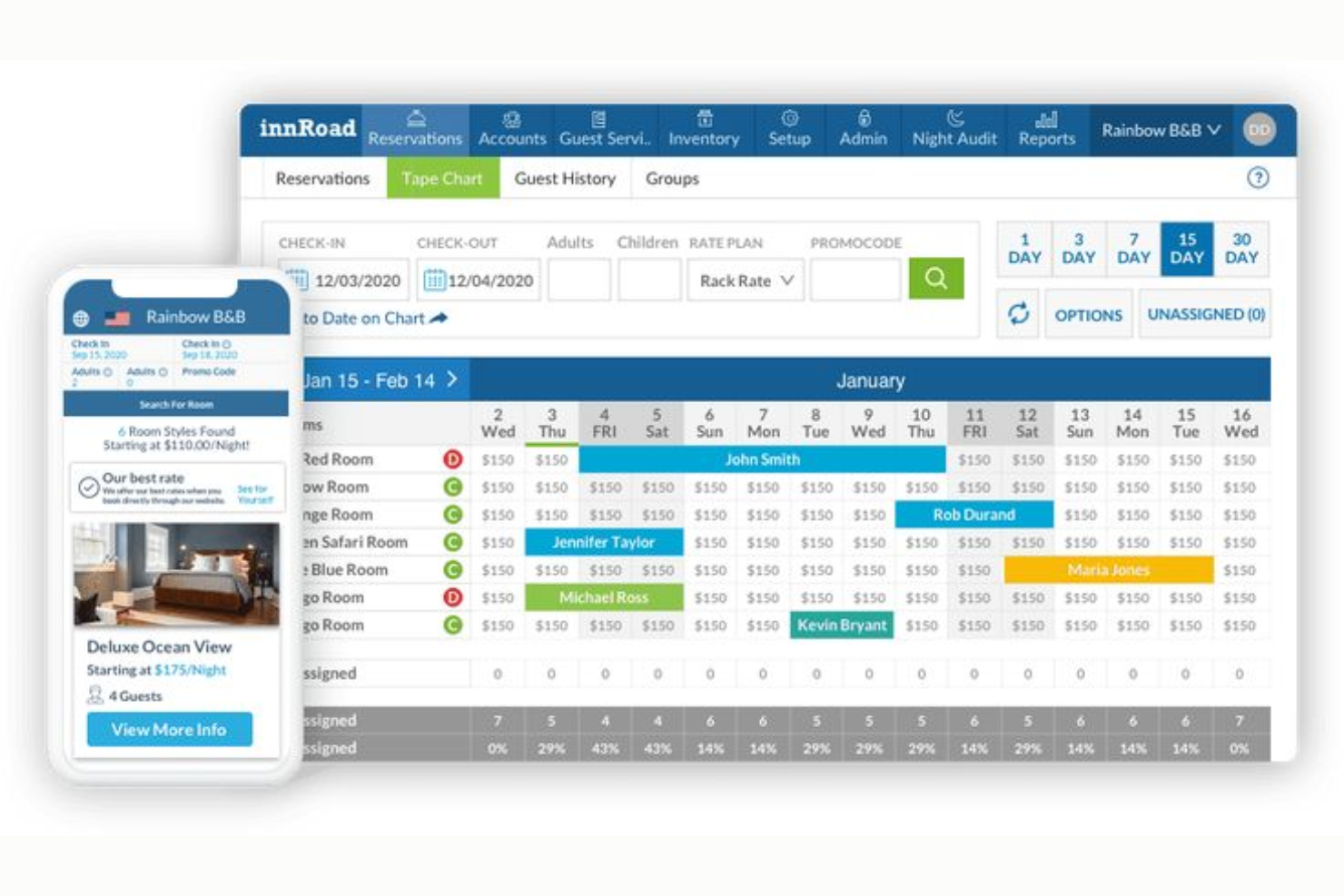
innRoad è un sistema di gestione alberghiera tutto-in-uno per hotel piccoli e indipendenti che include creazione e assegnazione dei compiti, gestione delle pulizie, pianificazione delle priorità, gestione dei ricavi e un motore di prenotazione diretta.
Per chi è più indicato innRoad?
innRoad è ideale per i proprietari di hotel indipendenti che desiderano un unico sistema per gestire sia le operazioni quotidiane che i flussi di lavoro del front desk senza dover utilizzare più piattaforme.
Perché ho scelto innRoad
Ho incluso innRoad tra le mie scelte principali perché è pensato specificamente per gli hotel indipendenti, e non adattato da un sistema aziendale. Mi piace che l'assegnazione delle priorità dei compiti sia collegata direttamente agli orari di arrivo degli ospiti, così il tuo team lavora sempre nell'ordine giusto durante i periodi di check-in intenso. Il modulo delle attività è integrato nello stesso PMS che il front desk utilizza per prenotazioni, pagamenti e report, quindi non sono necessari login separati o doppia digitazione dei dati per un team ridotto.
Funzionalità principali di innRoad
- Categorizzazione dei tipi di compito: Etichetta le attività come pulizie, manutenzione o compiti reception durante la loro creazione, mantenendo i vari team concentrati sulle proprie code di lavoro
- Delegazione dei compiti a livello di reparto: Assegna i compiti ai reparti anziché ai singoli, utile quando il personale è limitato o i ruoli si sovrappongono
- Report sulla performance delle attività: Estrai report su tassi di completamento, assegnazione delle risorse e produttività del team direttamente dal PMS
- Monitoraggio in tempo reale dello stato delle attività: Monitora lo stato attivo di attività aperte e svolte su tutta la struttura senza uscire dal sistema di front desk
Integrazioni di innRoad
innRoad si integra con Akia per la messaggistica agli ospiti e ha connessioni dirette con centinaia di OTA tra cui Expedia, Booking.com, TripAdvisor, Airbnb e BedandBreakfast.com. Offre anche integrazione GDS nativa e si integra con Revinate per la comunicazione e la gestione dei dati degli ospiti.
Pros and Cons
Pros:
- Gestione delle attività integrata nel PMS
- Accessibile da qualsiasi dispositivo, ovunque
- Onboarding rapido con supporto dedicato
Cons:
- La piattaforma occasionalmente va incontro a blocchi di sincronizzazione dei dati
- La matrice di modifica delle tariffe è troppo complicata

Ideale per approfondimenti basati su intelligenza artificiale
Cloudbeds è un software di gestione delle proprietà basato su cloud pensato per hotel e ostelli che cercano soluzioni di gestione integrate. Aiuta ad automatizzare attività come prenotazioni, fatturazione e analisi, fornendo approfondimenti completi per prendere decisioni più informate.
Per chi è Cloudbeds?
Cloudbeds è ideale per hotel indipendenti, boutique hotel e gestori di strutture di piccole e medie dimensioni che desiderano una piattaforma tutto-in-uno senza la complessità di livello enterprise.
Ho scelto Cloudbeds tra i migliori proprio per Signals, il suo modello di AI integrato che elabora oltre 4 miliardi di dati all’ora. Apprezzo in particolare lo strumento Revenue Intelligence, che utilizza l’intelligenza causale per offrire una precisione nelle previsioni fino al 95% su 90 giorni, così il mio team può impostare le tariffe con vera sicurezza. Anche il CRM per il marketing agli ospiti è impressionante, sfruttando Signals per generare automaticamente campagne mirate rivolte agli ospiti più propensi a prenotare direttamente.
Caratteristiche principali di Cloudbeds
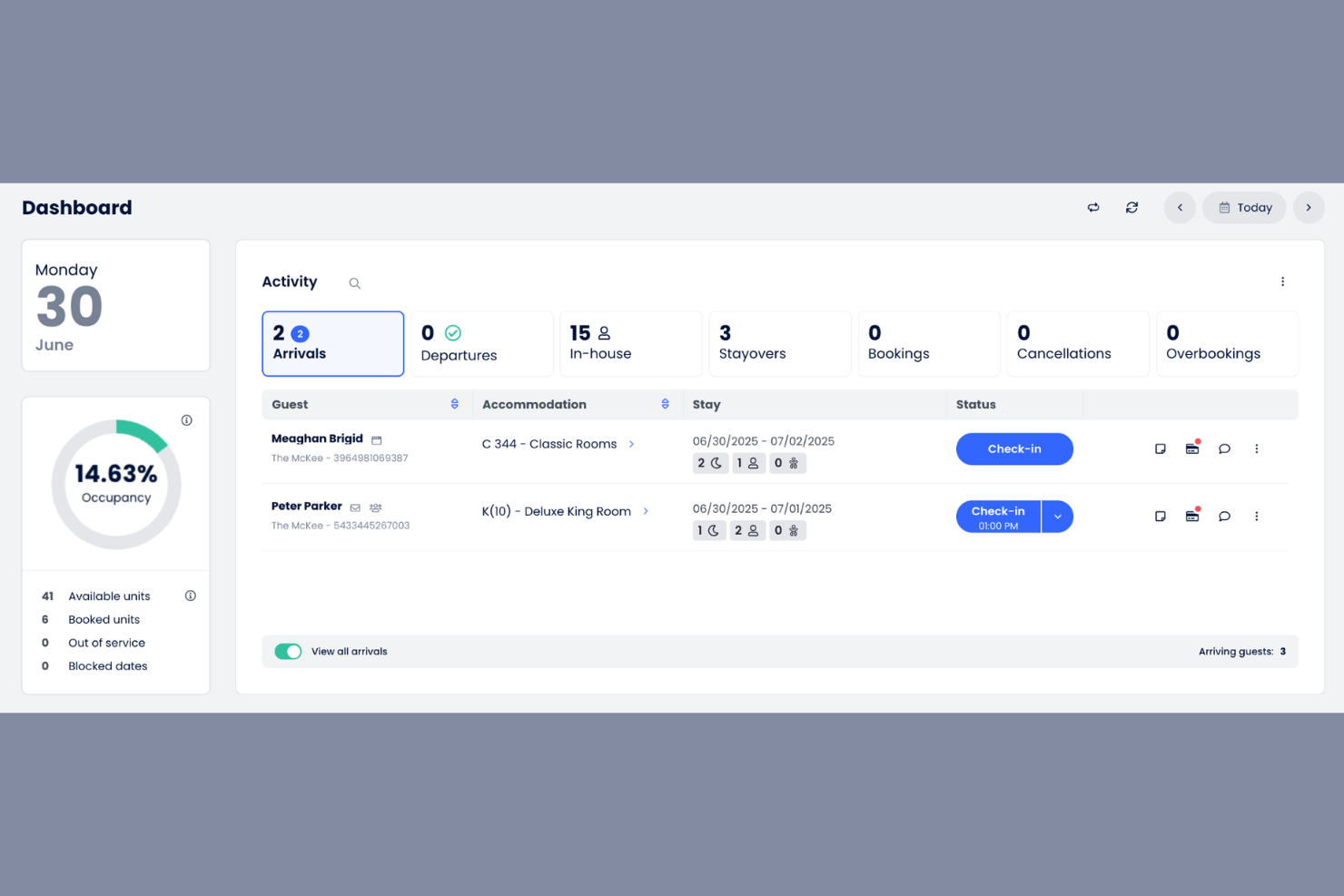
- Ticket e attività: Crea attività direttamente dalle richieste degli ospiti, assegnale ai membri del team e monitora i progressi in tempo reale da un dispositivo mobile.
- Calendario prenotazioni drag-and-drop: Gestisci prenotazioni, pulizie e prenotazioni di gruppo da un unico calendario che supporta oltre 4.000 camere e fino a 30 utenti contemporaneamente.
- Posta in arrivo unificata per gli ospiti: Centralizza i messaggi provenienti da email, SMS, WhatsApp, OTA e social media in una sola conversazione, con traduzione automatica e chat di squadra integrate.
Integrazioni Cloudbeds
Cloudbeds si collega con oltre 450 partner tramite il suo marketplace, coprendo categorie come gestione accessi, contabilità, POS, revenue management, esperienza dell’ospite e pulizie. Tra questi rientrano PriceLabs, Duetto, FlexMyRoom, Akia, Conduit, Duve, Toast, SiteMinder, Operto e altri. È disponibile un’API aperta per creare integrazioni personalizzate e Cloudbeds si integra inoltre con Zapier.
Pros and Cons
Pros:
- Previsioni della domanda tramite Signals con intelligenza artificiale integrata
- Sincronizzazione disponibilità su oltre 300 canali OTA
- PMS, motore di prenotazione e pagamenti unificati
Cons:
- Le prestazioni di sistema soffrono spesso di ritardi nei dati
- Nessun modulo di contabilità integrato
Ideale per l'integrazione finanziaria
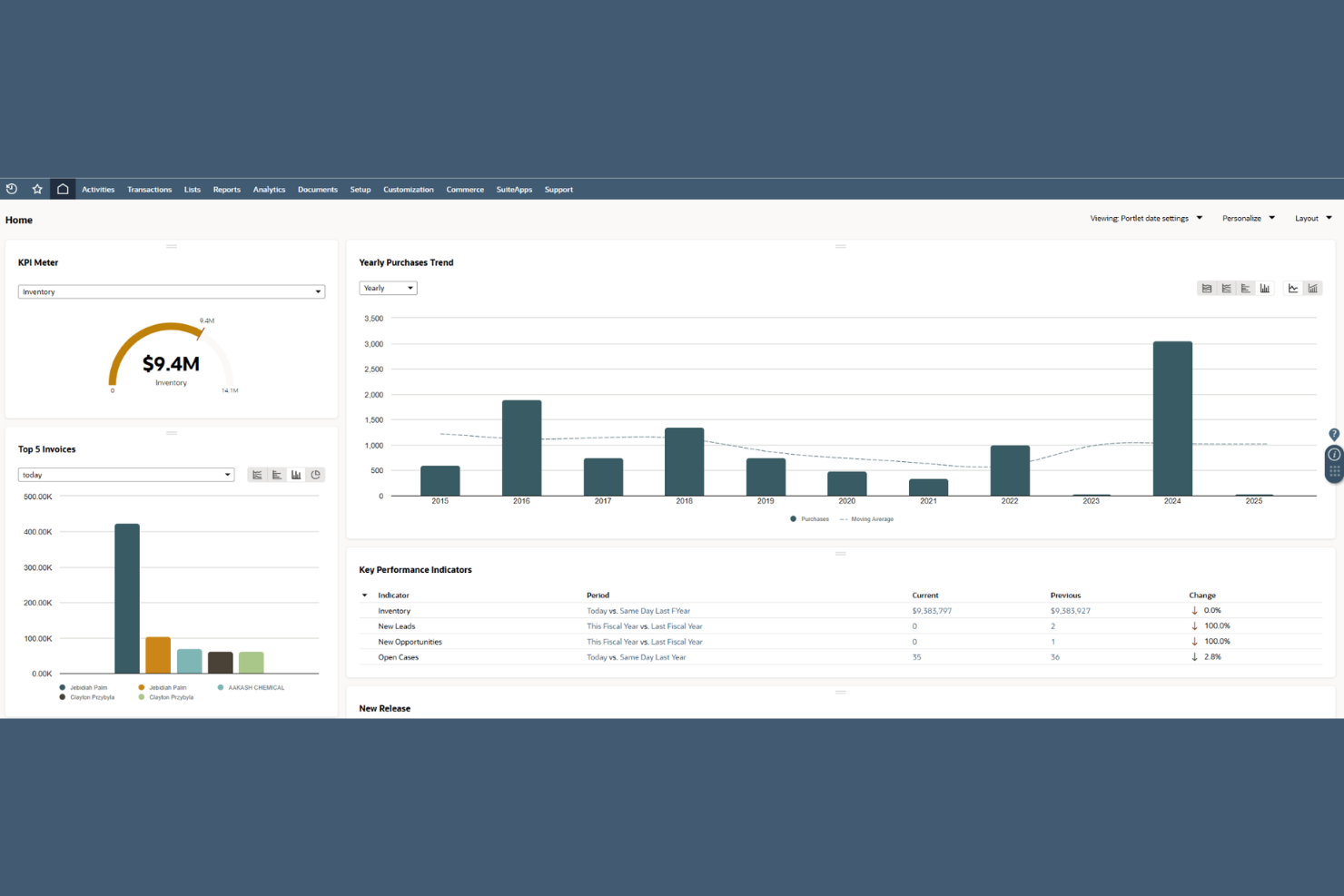
Oracle NetSuite è una piattaforma ERP basata su cloud che copre la gestione finanziaria, la contabilità, l'approvvigionamento, l'inventario e la reportistica operativa per gruppi alberghieri che gestiscono strutture multi-entità.
Per chi è ideale Oracle NetSuite?
Oracle NetSuite è particolarmente indicato per gruppi alberghieri con più strutture e società di gestione nel settore dell’ospitalità che necessitano di report finanziari consolidati tra entità differenti.
Perché ho scelto Oracle NetSuite
Ho inserito Oracle NetSuite nella mia lista perché gestisce con efficacia la consolidazione finanziaria tra diverse entità alberghiere. Apprezzo la gestione multi-sussidiaria che consente ai gruppi alberghieri di chiudere i conti di tutte le proprietà contemporaneamente, con l’eliminazione intercompany gestita automaticamente. Il cruscotto finanziario in tempo reale offre ai team finanziari una visione consolidata di conto economico, stato patrimoniale e flussi di cassa di ogni struttura senza dover aggregare manualmente i dati in fogli di calcolo.
Caratteristiche principali di Oracle NetSuite
- Riconoscimento dei ricavi: automatizza l’allocazione dei ricavi tra tipologie di camere, F&B e servizi accessori utilizzando regole configurabili di riconoscimento.
- Gestione dei beni fissi: traccia FF&E e attrezzature durante tutto il loro ciclo di vita, inclusi piani di ammortamento e registrazione delle dismissioni.
- Gestione degli acquisti: gestisce ordini di acquisto, approvazioni fornitori e flussi di lavoro di ricezione merci per forniture e servizi alberghieri.
- Report budget vs. consuntivo: confronta gli obiettivi di budget a livello di struttura rispetto ai dati consuntivi in tempo reale all’interno della stessa interfaccia di reportistica.
Integrazioni di Oracle NetSuite
Il marketplace SuiteApp.com di Oracle NetSuite contiene oltre 700 applicazioni che coprono finanza, e-commerce, logistica e categorie POS. NetSuite Connector offre integrazioni predefinite con Shopify, BigCommerce, Adobe Commerce, WooCommerce, Amazon, eBay, Walmart, Salesforce, Oracle Simphony POS e ShipStation. È disponibile su Zapier e la piattaforma SuiteCloud mette a disposizione API REST e SOAP per integrazioni personalizzate.
Pros and Cons
Pros:
- Consolidamento multi-sussidiaria con rivalutazione automatica della valuta
- I cruscotti finanziari si aggiornano in tempo reale senza attese
- Si adatta da singola entità a operazioni multi-entità
Cons:
- L’interfaccia appare datata rispetto alle app moderne
- L’implementazione può richiedere diversi mesi

Ideale per richieste di servizio ospiti
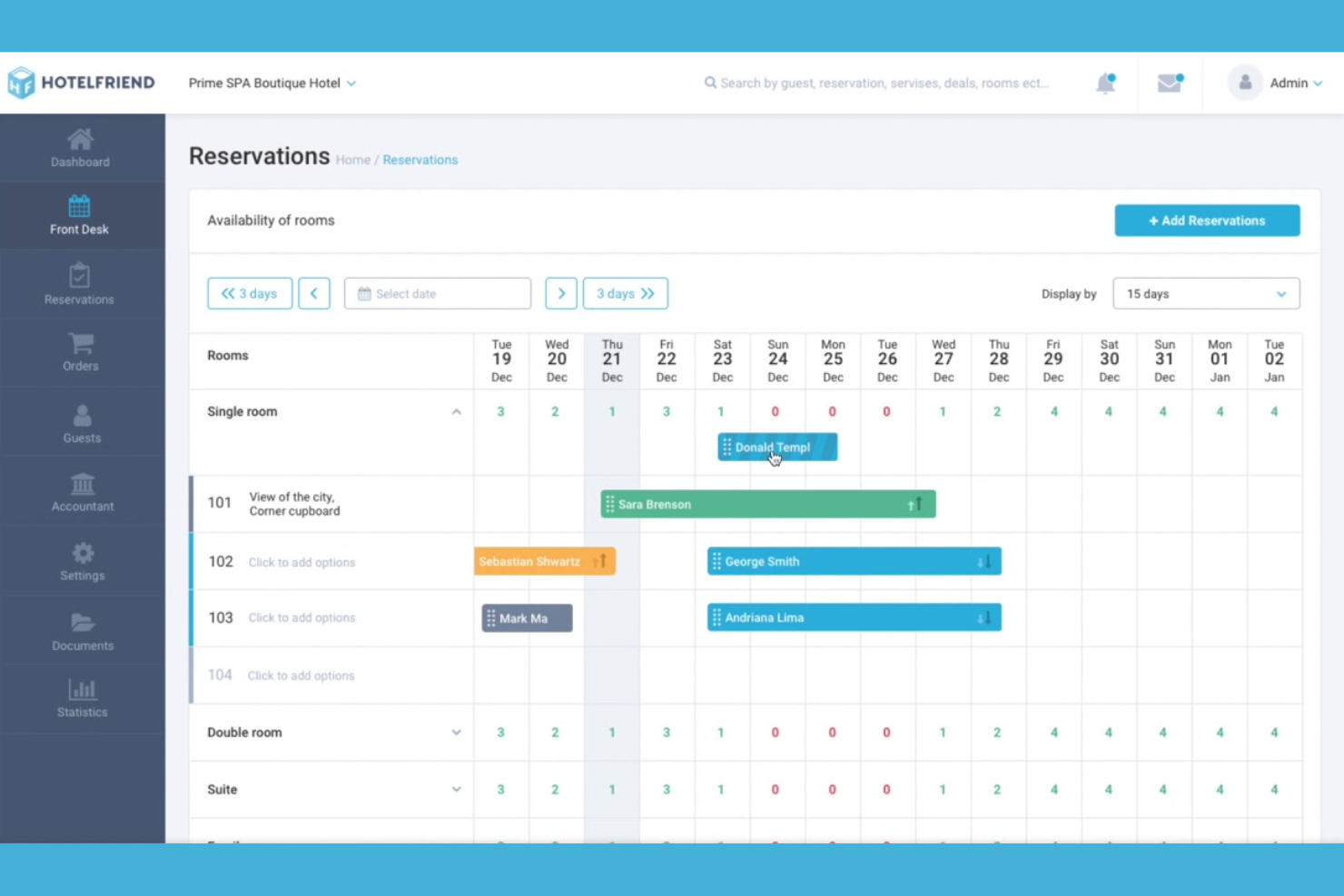
HotelFriend è una piattaforma di gestione alberghiera con un'app integrata per gli ospiti, gestione delle attività dei dipendenti, hub di messaggistica OTA, strumenti per le pulizie e il front office, tutto gestito da un unico sistema.
Per chi è HotelFriend?
HotelFriend è particolarmente adatto a hotel indipendenti e boutique che desiderano gestire le richieste degli ospiti e le operazioni interne da una singola piattaforma.
Perché ho scelto HotelFriend
HotelFriend si guadagna un posto nella mia lista dei preferiti per il modo in cui gestisce dall'inizio alla fine le richieste di servizio degli ospiti. Gli ospiti possono inviare richieste direttamente tramite l'app, che si tratti di room service, pulizia della camera o una proroga del soggiorno, e tali richieste vengono inoltrate direttamente al personale interessato con notifiche di stato in tempo reale. Apprezzo anche la chat in-app alimentata dall'intelligenza artificiale, che genera automaticamente risposte ai messaggi comuni degli ospiti in modo che il vostro team non sia costretto a rispondere manualmente a tutte le richieste di routine.
- Modulo attività dei dipendenti: Assegna attività a specifici membri del personale o reparti, classificale per urgenza, imposta scadenze e allega immagini o commenti per fornire il contesto
- Pianificazione delle pulizie: Monitora in tempo reale lo stato di pulizia delle camere, assegna stanze al personale e registra richieste di manutenzione direttamente nello stesso sistema
- OTA MessageHub: Raccoglie i messaggi di Booking.com e Airbnb in una casella di posta PMS centralizzata, così il team gestisce tutte le comunicazioni con gli ospiti senza cambiare piattaforma
- Check-in e check-out digitali: Gli ospiti completano l'intera procedura di check-in dal proprio smartphone, inclusa la revisione delle fatture e la consegna in PDF, riducendo le code alla reception
Integrazioni HotelFriend
HotelFriend offre oltre 120 integrazioni native, tra cui Stripe, PayPal, Adyen, Lightspeed, Vectron, Trello, Tripadvisor, Salesforce, Shopify, Aventri, Lockly, Honeywell e altre. È disponibile un'API per integrazioni personalizzate e il SALTO KS.
Pros and Cons
Pros:
- App per gli ospiti per richieste di servizio via mobile
- Hub di messaggistica OTA integrato nel PMS
- Offre automazione centralizzata delle attività di pulizia
Cons:
- Principalmente concentrato nella regione DACH
- La formazione dei dipendenti comporta costi aggiuntivi

Ideale per i piccoli team in hotel

Flexkeeping è una piattaforma per le operazioni alberghiere che centralizza la creazione, l’assegnazione, la priorizzazione e il monitoraggio in tempo reale dei compiti nelle aree di housekeeping, manutenzione e servizi agli ospiti.
Per chi è ideale Flexkeeping?
Flexkeeping è particolarmente adatto a piccoli hotel e strutture indipendenti che cercano una soluzione semplice per gestire le operazioni quotidiane senza dover affrontare configurazioni complesse.
Perché ho scelto Flexkeeping
Flexkeeping si guadagna un posto nella mia lista perché è stato progettato appositamente per team alberghieri snelli che non hanno tempo di gestire software operativi complicati. Trovo davvero utile come Flexie AI consenta allo staff di creare compiti semplicemente utilizzando la voce in oltre 200 lingue, una soluzione davvero rivoluzionaria per i team multilingue senza particolari competenze tecnologiche. Utilizzo inoltre la funzione di attività ricorrenti per gestire con anticipo la manutenzione e le pulizie, in modo da non tralasciare nulla tra un turno e l’altro.
Funzionalità principali di Flexkeeping
- Notifiche in tempo reale sui compiti: Ricevi avvisi istantanei quando i task vengono assegnati, aggiornati o completati, eliminando la necessità di telefonate, messaggi o email tra il personale.
- Pianificazione richieste ospite pre-arrivo: Pianifica le richieste degli ospiti prima del check-in così il tuo team potrà prepararsi e agire prima ancora che l’ospite arrivi.
- Annunci centralizzati in dashboard: Pubblica aggiornamenti per l’intera struttura su una dashboard condivisa e verifica quali membri del team li hanno letti.
- Priorità delle attività e rilevamento dei tempi: Assegna livelli di priorità e imposta dei crediti o minuti per ciascun compito in modo che il tuo team sappia sempre da dove iniziare.
Integrazioni di Flexkeeping
Flexkeeping si integra con i principali PMS e app rivolte agli ospiti, tra cui Mews, Apaleo, Oracle, Cloudbeds, RMS, Guesty, Shiji, Canary, Protel e Duve. Altre integrazioni includono Resly, Runnr, D3X, Akia, Planet, Bovo, Hoteza, Beds24, Hirum, SIHOT e Newbook.
Pros and Cons
Pros:
- Creazione di task tramite voce in oltre 200 lingue
- Creato da un’ex cameriera d’hotel
- Potenti notifiche in tempo reale tra reparti
Cons:
- La piattaforma richiede continue ri-sincronizzazioni manuali con il PMS
- Opzioni limitate per la personalizzazione dei report

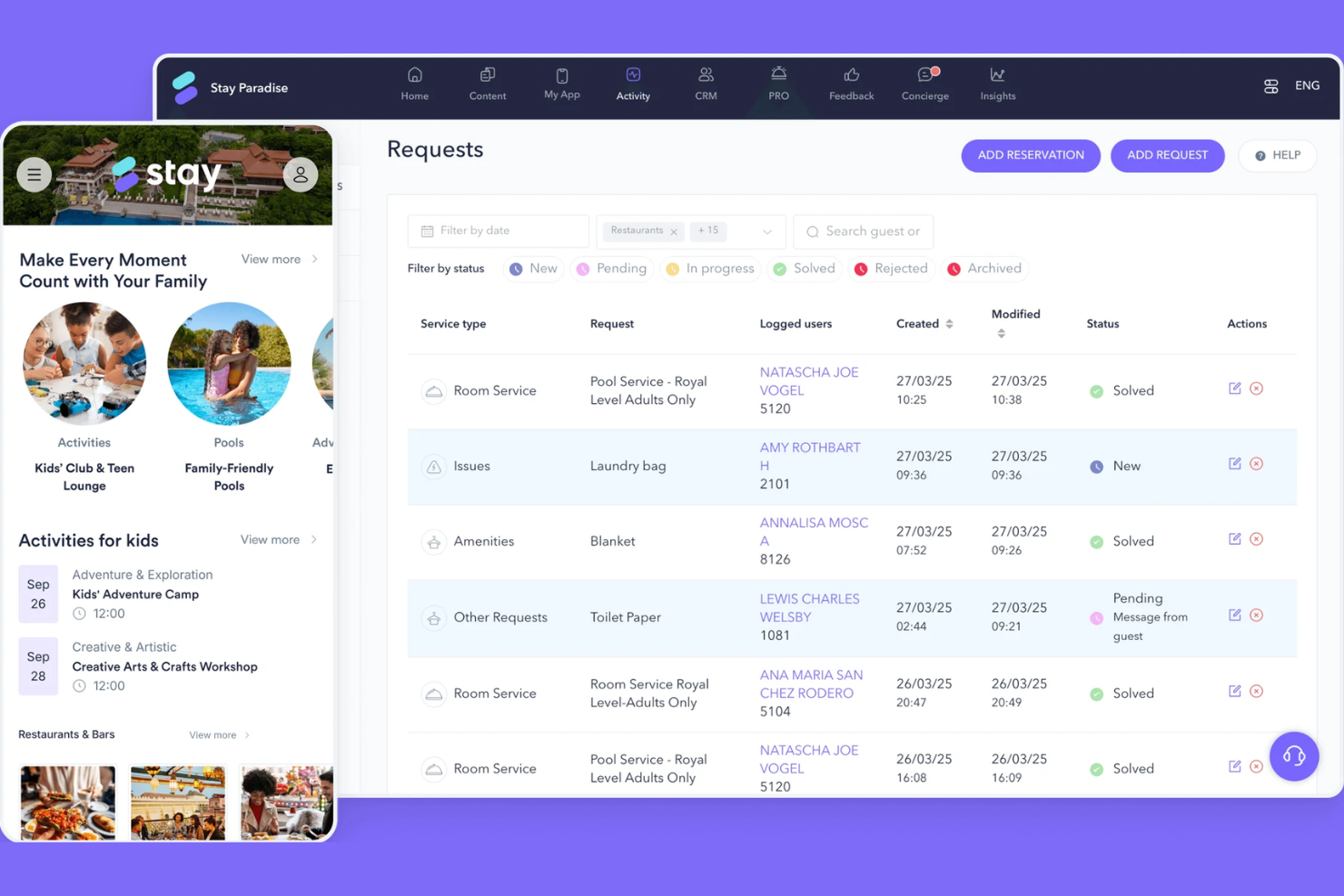
STAY è una piattaforma di gestione delle attività alberghiere incentrata sulle richieste degli ospiti, che consente ai team dell'hotel di gestire, tracciare e rispondere alle richieste degli ospiti relative a servizi, pulizie, room service e supporto tecnico da una dashboard centralizzata.
A Chi è Rivolto STAY?
STAY è ideale per hotel full-service e resort dove è necessario tracciare e gestire in un unico posto richieste degli ospiti relative a pulizie, room service, servizi e supporto tecnico.
Perché Ho Scelto STAY
Ho incluso STAY tra le mie scelte principali perché colma il divario tra le richieste degli ospiti e l'azione dello staff in un modo che la maggior parte degli strumenti di gestione delle attività non fa. Trovo interessante che gli ospiti possano monitorare lo stato in tempo reale delle proprie richieste tramite l'app, che funziona insieme al tuo software di prenotazione per ridurre le chiamate di follow-up alla reception. Inoltre, apprezzo che l'app per il personale consenta ai membri del team di gestire e aggiornare le attività dai loro telefoni, tenendo tutto il team connesso tra pulizie, room service, servizi e supporto tecnico senza dover essere vincolati a una postazione fissa.
Funzionalità Principali di STAY
- Chat concierge: ospiti e personale possono scambiarsi messaggi direttamente tramite l'app, mantenendo tutta la comunicazione legata alle specifiche richieste.
- Raccolta feedback istantanea: gli ospiti inviano il feedback durante il soggiorno, prima del check-out, così il team può intervenire subito su eventuali problemi.
- Dashboard analitica e reportistica: visualizza il volume delle richieste, i tempi di risposta e i dati sulle performance dei reparti, inclusa la velocità delle transazioni con carta di credito, da una vista di report centralizzata.
- Concierge AI: un assistente alimentato da intelligenza artificiale gestisce automaticamente le domande più comuni degli ospiti, indirizzando quelle non risolte al membro dello staff più idoneo.
Integrazioni di STAY
STAY offre integrazioni con oltre 160 piattaforme PMS tra cui Opera Cloud, Mews, Avalon, TCA Innsist, QuoHotel, Simphony POS, Hub OS, HotSOS, Hotelkit, Knowcross by Unifocus ed EISI Hotel. Adyen, Stripe, Sabre e altri ancora.
Pros and Cons
Pros:
- Gli ospiti controllano lo stato delle proprie richieste
- Raccolta di feedback durante il soggiorno prima del check-out
- Si collega a oltre 160 piattaforme PMS
Cons:
- I dati delle dashboard analitiche subiscono ritardi nell'aggiornamento
- Nessun piano tariffario pubblicamente disponibile


Quore è una piattaforma di gestione delle operazioni alberghiere che copre la gestione delle attività, ordini di lavoro, pulizie, manutenzione preventiva, ispezioni e tracciamento dei reclami tra reception, team di ingegneria e management.
Per chi è più indicato Quore?
Quore è particolarmente adatto a gruppi alberghieri e operatori multiproprietà, dagli hotel di servizio selettivo alle catene globali come IHG, Hyatt e Choice Hotels, che necessitano di un'unica piattaforma per coordinare i team di pulizie, ingegneria e reception.
Perché ho scelto Quore
Quore merita un posto nella mia shortlist grazie all’efficacia con cui aiuta gli albergatori impegnati a gestire la pulizia a livello operativo. In particolare apprezzo il componente aggiuntivo Cleanings Plus, che mette a disposizione dei governanti esecutivi dashboard digitali, aggiornamenti in tempo reale sullo stato delle camere e registri delle prestazioni dello staff, tutto in un unico posto. Il sistema di valutazione delle ispezioni con monitoraggio delle tendenze è un altro punto di forza, in quanto permette ai supervisori di documentare le criticità e misurare i miglioramenti nel tempo invece di affidarsi a checklist cartacee. Unito alla funzione integrata di oggetti smarriti e checklist specifiche per turno, Quore copre quasi ogni aspetto del flusso di lavoro delle pulizie.
Caratteristiche principali di Quore
- Calendario della manutenzione preventiva: Pianifica, assegna e monitora le attività ricorrenti di manutenzione sugli asset della proprietà usando modelli personalizzati, con ordini di lavoro generati automaticamente in caso di problemi segnalati.
- Tracciamento dei reclami: Registra i reclami degli ospiti, assegnali allo staff, imposta avvisi SMS e monitora tempi di risoluzione e compensazioni in un unico luogo.
- Monitoraggio delle letture: Registra i valori di caldaie, contatori e prodotti chimici della piscina da mobile ed estrai report per periodi di tempo diversi.
Integrazioni di Quore
Quore si integra con piattaforme di messaggistica per gli ospiti, inclusi Kipsu, Whistle for Cloudbeds, Medallia Concierge, Revinate e Akia, oltre che con ChoiceADVANTAGE, IHG Concerto e Canary Technologies.
Pros and Cons
Pros:
- Le richieste di manutenzione vengono indirizzate automaticamente al personale corretto
- Registro digitale della reception con monitoraggio delle note sulle camere
- Supporta la comunicazione multilingue tra reparti
Cons:
- L'app mobile ha accesso limitato alle funzionalità
- La formazione iniziale al sistema è lunga
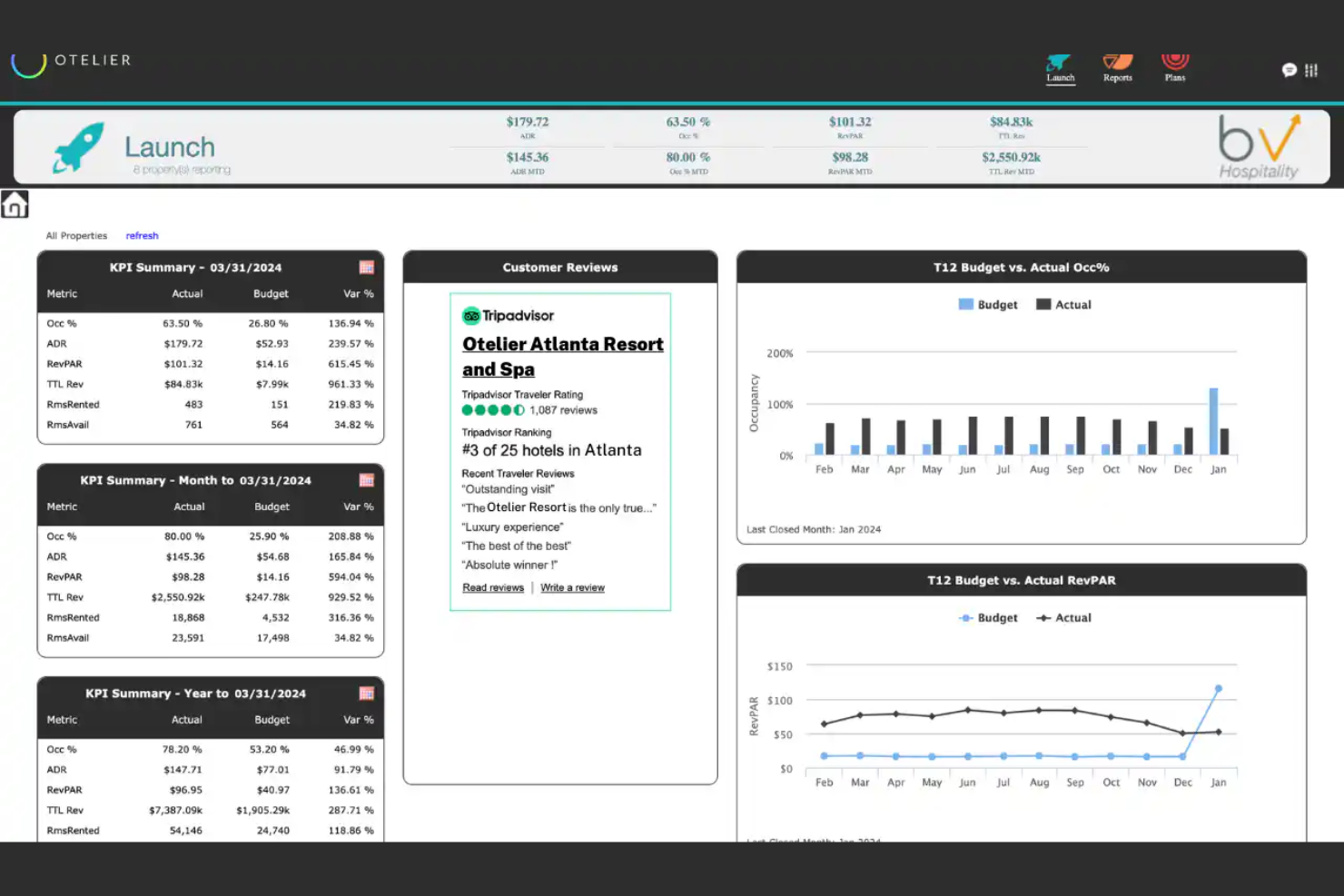
Otelier è una piattaforma di gestione alberghiera basata su cloud, progettata per l'automazione del back-office, la business intelligence e la pianificazione e previsione finanziaria su portafogli alberghieri.
Per chi è ideale Otelier?
Otelier è particolarmente adatto a società di gestione alberghiera, gruppi proprietari e operatori multi-proprietà che necessitano di una visibilità centralizzata e controllo di back-office su un intero portafoglio.
Perché ho scelto Otelier
Ho scelto Otelier tra i migliori perché la sua automazione delle attività va ben oltre una semplice checklist. I prodotti OpsPack e DigiAudit gestiscono automaticamente l’archiviazione dei report notturni, i flussi di lavoro per le firme e la conformità agli audit, così il tuo team non deve rincorrere approvazioni o stampare report. Mi piace anche che la riconciliazione OTA e la registrazione delle entrate avvengano senza input manuale, riducendo quel lavoro ripetitivo di back-office che sottrae il personale operativo dal piano.
Funzionalità principali di Otelier
- Dashboard IntelliSight: Aggrega dati da diversi sistemi PMS e POS in dashboard di performance personalizzabili
- Budgeting TruePlan: Crea, gestisci e aggiorna budget a livello di proprietà e previsioni rolling in un unico posto
- Archivio report notturni: Centralizza e indicizza i report notturni in un archivio cloud sicuro per un facile recupero
- Gestione delle fatture: Traccia e gestisci i flussi di lavoro delle fatture su più strutture da un'unica interfaccia di back-office
Integrazioni di Otelier
Otelier offre oltre 440 integrazioni preconfigurate tra diverse categorie come PMS, contabilità, POS, gestione del personale, CRM, spa, golf e revenue management, inclusi Oracle Opera, Cloudbeds, Stayntouch, ADP, Paycor, Sage 300, QuickBooks, M3, Aptech, Infor Payroll e Tripleseat.
Pros and Cons
Pros:
- Reportistica automatica e dashboard multi-proprietà
- Audit notturno e archiviazione documentale senza carta
- Accesso cloud da qualsiasi posizione
Cons:
- La velocità della piattaforma può rallentare durante la navigazione
- Impostazione iniziale richiede una configurazione manuale approfondita

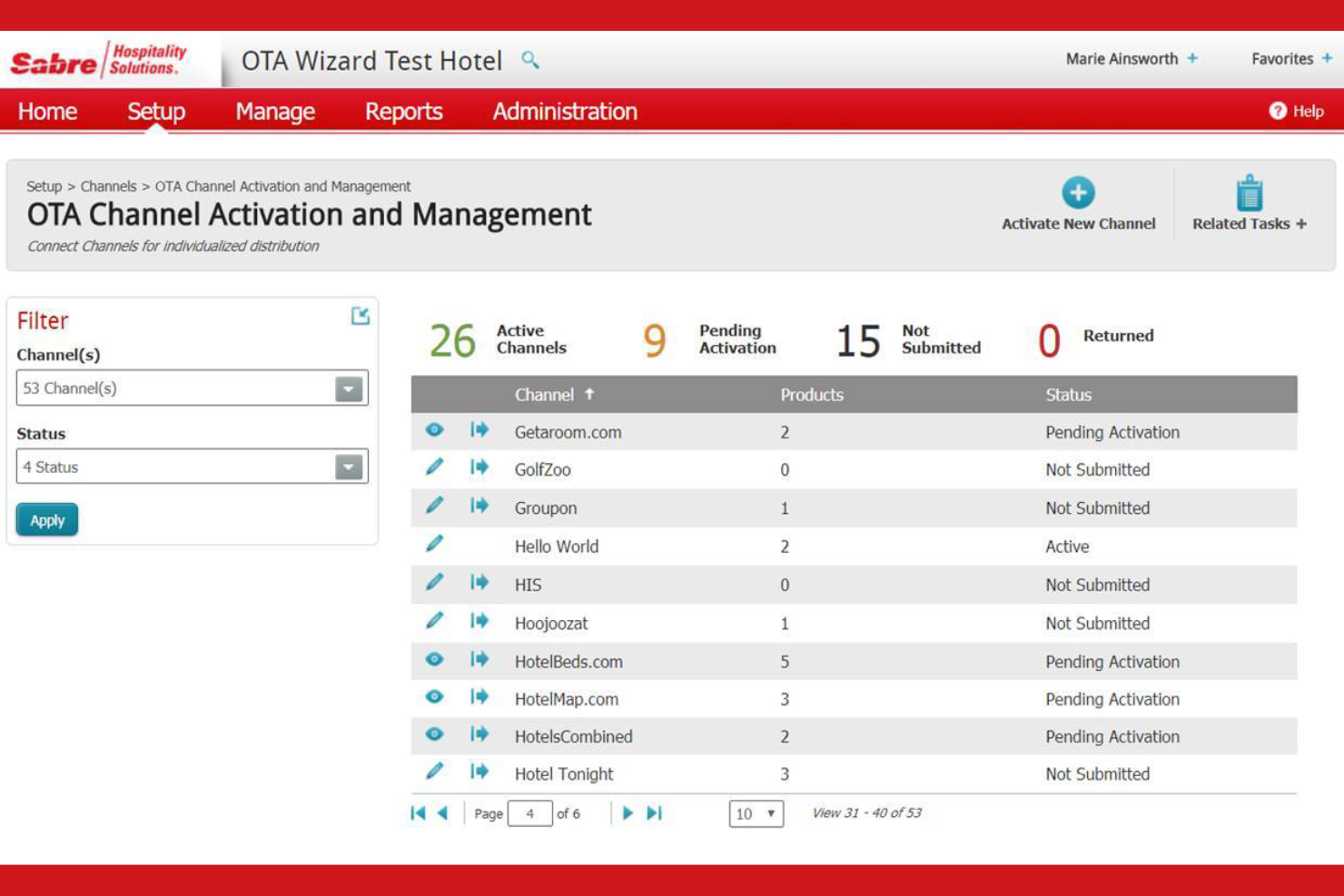
SynXis di Sabre Hospitality è una piattaforma cloud per il commercio alberghiero e la distribuzione che copre prenotazioni centralizzate, gestione della proprietà, distribuzione su canali, motore di prenotazione, vendita di servizi aggiuntivi e analitica sia per singoli hotel che per catene alberghiere globali.
Per chi è ideale SynXis?
SynXis è progettato per gruppi alberghieri multi-proprietà, catene globali e grandi hotel indipendenti che necessitano di una gestione centralizzata di distribuzione e prenotazioni in mercati e valute differenti.
Perché ho scelto SynXis
Ho scelto SynXis tra i migliori per la scala operativa e l’impatto concreto nella gestione di più proprietà. Il CRS SynXis si collega a oltre 600 partner di distribuzione, inclusi OTA, canali GDS e motori di prenotazione diretta, mantenendo tariffe e inventario sincronizzati su ogni canale a livello globale. Apprezzo anche SynXis Insights, che aggrega i dati delle prenotazioni provenienti da motore di prenotazione, agente vocale, GDS e OTA in sei dashboard preimpostate, consentendo sia agli amministratori di catena che di proprietà di monitorare le performance senza doversi affidare a un team centrale per la condivisione dei report.
Caratteristiche principali di SynXis
- SynXis Retailing: Vendi servizi accessori, pacchetti ed esperienze in qualsiasi fase del percorso dell’ospite, con prezzi dinamici e controlli inventariali configurabili per ogni struttura.
- SynXis Voice Agent: Soluzione per call center che offre agli agenti di prenotazione accesso in tempo reale a inventario, tariffe e offerte commerciali per tutte le proprietà in più lingue.
- Gift Card e voucher: Emissione e riscatto di gift card digitali e voucher esperienziali direttamente durante la prenotazione, creando un canale di entrate aggiuntivo pre-soggiorno.
- SynXis Property Hub: PMS cloud-native per hotel a servizio limitato che include prenotazioni, gestione dei conti, pianificazione delle pulizie e aggiornamenti di massa di tariffe e inventario da un’unica interfaccia.
Integrazioni SynXis
SynXis coordina le informazioni degli hotel attraverso oltre 600 integrazioni, collegandosi a OTA, canali GDS e piattaforme PMS tra cui Mews, Cloudbeds, RoomKeyPMS, Stayntouch e Sabre. Un’API è disponibile tramite il SynXis Developer Portal per integrazioni personalizzate.
Pros and Cons
Pros:
- Gestisce portafogli multi-proprietà da un’unica dashboard
- Sincronizza le tariffe su oltre 600 canali di distribuzione
- Supporta più lingue e valute
Cons:
- Lo sviluppo di nuove funzionalità può essere lento
- Aggiornamenti di massa soggetti a frequenti rallentamenti di sistema
Altri software di gestione delle attività alberghiere
Ecco alcune altre opzioni di software per la gestione delle attività alberghiere che non sono entrate nella mia shortlist, ma che vale comunque la pena considerare:


Hoe ik software voor taakbeheer in hotels beoordeel
Ik deel mijn beoordeling op in twee lagen: de basis die elke tool moet bieden—zoals realtime kamerstatus en synchronisatie met het PMS—en de onderscheidende factoren die de beste opties geschikt maken voor de behoeften van uw hotel.
Kernfunctionaliteit (Vereisten voor deze lijst)
Bij het selecteren van tools voor mijn lijst beoordeel ik elke tool op een schaal van 0 (biedt de functionaliteit niet) tot 5 (blink hierin uit) voor elke onderstaande kernfunctionaliteit. Vervolgens zet ik de totaalscore van de tool om in een percentage. Elke tool moet een minimale totaalscore van 55% behalen om in aanmerking te komen voor opname.
- Taaktoewijzing en verdeling: Ik controleer of u een schoonmaaktaak voor een kamer aan een specifieke medewerker kunt toewijzen of een reparatie aan de juiste technicus kunt sturen, met duidelijke prioriteiten en deadlines.
- Beheer van gastverzoeken: Elke tool die ik beoordeel, moet gastverzoeken vanaf binnenkomst tot oplossing registreren, toewijzen en volgen—denk aan extra kussens, laat uitchecken of geluidsklachten.
- Registratie van kamers en werkopdrachten: Realtime inzicht in welke kamers vuil, geïnspecteerd of buiten gebruik zijn, is belangrijk. Daarom zoek ik naar statusborden met livegegevens die synchroniseren met openstaande werkopdrachten.
- Mobiele toegankelijkheid voor personeel: Medewerkers van de schoonmaak en technici zitten niet achter een bureau. Daarom beoordeel ik of de mobiele app hen onderweg taken laat ontvangen, statussen laat bijwerken en foto's laat uploaden.
- Planning van preventief onderhoud: Ik zoek naar de mogelijkheid om terugkerende taken te koppelen aan specifieke kamers of bedrijfsmiddelen, zoals driemaandelijkse vervanging van HVAC-filters of jaarlijkse inspecties van brandblussers.
- PMS-integratie: Een verbinding met uw propertymanagementsysteem is essentieel. Daarom controleer ik of er gecertificeerde integraties zijn met platforms zoals Opera, Mews of Cloudbeds voor tweerichtingsdatasynchronisatie.
Nadat ik een lijst heb samengesteld met tools die aan de criteria voldoen, bekijk ik wat elk platform onderscheidt.
Onderscheidende factoren (Wat leveranciers onderscheidt)
Zo vergelijk ik verschillende leveranciers:
Onderscheidende functies
Beheer van meerdere locaties is een belangrijke onderscheidende factor voor hotelgroepen. Ik zoek naar gecentraliseerde overzichtspanelen waarmee u prestaties tussen locaties kunt vergelijken. Geautomatiseerde escalatieregels zijn ook belangrijk: als een onderhoudsverzoek van een gast 30 minuten onbehandeld blijft, moet de juiste leidinggevende automatisch een melding ontvangen. Ik beoordeel ook de analysemogelijkheden, specifiek of de tool doorlooptijden van kamerwissels en voltooiingspercentages van personeelstaken bijhoudt, zodat u knelpunten tijdens drukke seizoenen kunt opsporen.
Meer dan functies
De prijsstructuur is belangrijk omdat de horecasector anders werkt. Ik beoordeel of leveranciers licenties per kamer aanbieden die meegroeien met de seizoensgebonden bezettingsgraad, in plaats van starre modellen per gebruiker die accommodaties met een hoog personeelsverloop benadelen. De snelheid van implementatie is een andere belangrijke factor. Hotels zijn 24/7 actief, dus ik kijk of een platform binnen enkele dagen live kan gaan en meertalig introductiemateriaal biedt voor diverse schoonmaakteams. Ik bekijk ook hoe diepgaand een tool verbinding maakt met het bredere technologie-ecosysteem van het hotel naast het PMS, waaronder platforms voor gastcommunicatie en IoT-apparaten zoals slimme sloten.
Come scegliere un software di gestione delle attività alberghiere
È facile perdersi tra lunghe liste di funzionalità e strutture di prezzo complesse. Per aiutarti a rimanere concentrato durante il tuo processo di selezione, ecco un elenco di fattori da tenere a mente:
| Fattore | Cosa considerare |
|---|---|
| Scalabilità | Il software crescerà insieme alla tua attività? Considera i piani di espansione futura e se lo strumento può gestire volumi maggiori o più proprietà senza problemi di performance. Cerca soluzioni che offrano opzioni di scalabilità flessibile. |
| Integrazioni | Funziona con i tuoi sistemi esistenti? Verifica la compatibilità con strumenti attuali come motori di prenotazione, gateway di pagamento e sistemi CRM. Evita soluzioni che richiedono integrazioni di terze parti complesse. |
| Personalizzazione | Puoì personalizzare il software secondo le tue esigenze? Valuta quanto sia semplice modificare i flussi di lavoro, i report e le impostazioni. Attenzione a soluzioni troppo rigide che limitano le opzioni di personalizzazione. |
| Facilità d’uso | Il software è intuitivo per il tuo team? Prova l’interfaccia utente per assicurarti che sia facile da usare e non richieda formazione approfondita. Evita sistemi complessi che rallentano le operazioni quotidiane. |
| Implementazione e onboarding | Quanto tempo serve per iniziare? Valuta il tempo e le risorse necessari per l’installazione e la formazione. Preferisci fornitori che offrono supporto completo all’onboarding per evitare lunghi periodi di inattività. |
| Costo | Rientra nel tuo budget? Confronta il costo totale di utilizzo, compresi eventuali costi di installazione, abbonamento mensile e spese nascoste. Assicurati che il prezzo sia in linea con il valore offerto. |
| Sicurezza | Quanto è sicuro il software? Verifica gli standard di crittografia, le procedure di backup dei dati e la conformità alle normative sulla protezione dei dati. Evita soluzioni con misure di sicurezza deboli che potrebbero compromettere informazioni sensibili. |
Che cos’è il software di gestione delle attività alberghiere?
Il software di gestione delle attività per hotel è uno strumento progettato per aiutare gli hotel a gestire le operazioni quotidiane in modo più efficiente. Questi strumenti sono solitamente utilizzati da manager dell'hotel, personale della reception e team delle pulizie per migliorare la coordinazione e garantire che le attività vengano completate nei tempi previsti. Le funzionalità di assegnazione dei compiti, notifiche in tempo reale e gestione delle richieste degli ospiti aiutano nell'organizzazione, nella comunicazione e nell'erogazione dei servizi. In generale, questi strumenti migliorano l'efficienza operativa e la soddisfazione degli ospiti nel settore dell'ospitalità.
Funzionalità del software di gestione delle attività per hotel
Quando scegli un software di gestione delle attività per hotel, fai attenzione alle seguenti funzionalità chiave:
- Assegnazione e monitoraggio dei compiti: Permette di assegnare attività al personale e monitorarne l'avanzamento per assicurarsi che tutto sia completato nei tempi.
- Notifiche in tempo reale: Mantiene il team aggiornato sui cambiamenti e sulle nuove attività, migliorando la comunicazione e i tempi di risposta.
- Gestione delle richieste degli ospiti: Aiuta a gestire e dare priorità alle richieste degli ospiti in modo efficiente, migliorando l'esperienza complessiva degli ospiti.
- Fatturazione automatizzata: Ottimizza il processo di fatturazione automatizzando l'emissione delle fatture e il tracciamento dei pagamenti, riducendo gli errori manuali.
- Cruscotti personalizzabili: Permette di personalizzare l'interfaccia per visualizzare le informazioni più rilevanti per le proprie operazioni.
- Analisi supportata da intelligenza artificiale: Fornisce raccomandazioni e analisi basate sui dati per aiutare a prendere decisioni informate.
- Accesso tramite app mobile: Permette al personale di gestire le attività e comunicare in movimento, aumentando flessibilità ed efficienza.
- Tracciamento della conformità: Garantisce il rispetto delle normative e degli standard del settore, riducendo il rischio di non conformità.
- Gestione multi-struttura: Supporta le operazioni su più sedi, ideale per catene alberghiere e gruppi.
- Funzionalità a comando vocale: Permette la gestione delle attività a mani libere, utile in ambienti frenetici dove l'interazione fisica è limitata.
Vantaggi del software di gestione delle attività per hotel
Implementare un software di gestione delle attività per hotel offre diversi vantaggi per il tuo team e la tua attività. Eccone alcuni a cui puoi guardare con fiducia:
- Maggiore efficienza: Automatizza le attività di routine e riduce gli errori manuali, consentendo al personale di concentrarsi su compiti più importanti.
- Comunicazione migliorata: Notifiche in tempo reale e accesso mobile garantiscono che il personale rimanga aggiornato e connesso, favorendo la collaborazione.
- Maggiore soddisfazione degli ospiti: Una gestione efficiente delle richieste e opzioni di servizio personalizzato contribuiscono a un'esperienza più piacevole per gli ospiti.
- Maggiore conformità: Le funzionalità di tracciamento della conformità ti aiutano a rispettare le normative di settore, riducendo il rischio di sanzioni.
- Decisioni basate sui dati: Analisi e approfondimenti supportati dall'intelligenza artificiale forniscono informazioni preziose per prendere decisioni aziendali informate.
- Scalabilità: La gestione multi-struttura sostiene la crescita consentendo una gestione efficiente delle operazioni su più sedi.
- Flessibilità: Accesso tramite app mobile e funzionalità a comando vocale offrono opzioni di gestione delle attività comode in diversi ambienti.
Costi e prezzi del software di gestione delle attività per hotel
La scelta di un software di gestione delle attività per hotel richiede la comprensione dei diversi modelli di prezzo e dei piani disponibili. I costi variano in base a funzionalità, dimensione del team, componenti aggiuntivi e altro ancora. La tabella seguente riassume i piani più comuni, i prezzi medi e le caratteristiche tipiche incluse nelle soluzioni di software di gestione delle attività per hotel:
Tabella comparativa dei piani per il software di gestione delle attività per hotel
| Tipo di piano | Prezzo medio | Funzionalità comuni |
|---|---|---|
| Piano gratuito | $0 | Monitoraggio base delle attività, utenti limitati e notifiche essenziali. |
| Piano personale | $5-$25/user/month | Assegnazione delle attività, accesso da mobile e reportistica base. |
| Piano business | $30-$50/user/month | Analisi avanzate, integrazioni e gestione delle richieste degli ospiti. |
| Piano enterprise | $60-$100/user/month | Cruscotti personalizzabili, gestione multi-struttura e tracciamento della conformità. |
Domande frequenti sul software di gestione delle attività alberghiere
Ecco alcune risposte alle domande più comuni sul software di gestione delle attività alberghiere:
Come scelgo il software di gestione delle attività alberghiere più adatto?
Inizia identificando le esigenze specifiche del tuo hotel, come l’assegnazione dei compiti, la gestione degli ospiti o il monitoraggio della conformità. Confronta le soluzioni software in base alle funzionalità, facilità d’uso e costi. Considera la scalabilità se prevedi di espandere l’attività. Prova alcuni strumenti con versioni di prova gratuite per vedere quale si adatta meglio alle tue operazioni.
Il software di gestione delle attività alberghiere può integrarsi con i sistemi esistenti?
Sì, molte soluzioni di software per la gestione delle attività alberghiere offrono integrazioni con i sistemi più diffusi come motori di prenotazione, CRM e gateway di pagamento. Controlla le capacità di integrazione del software per assicurarti che funzioni con i tuoi strumenti attuali. Questo può far risparmiare tempo e ridurre gli errori mantenendo tutti i sistemi collegati.
È necessaria una formazione per utilizzare il software di gestione delle attività alberghiere?
Sì, di solito è necessario un certo livello di formazione, soprattutto per i sistemi più complessi. La maggior parte dei fornitori offre risorse come tutorial, webinar e guide interattive per aiutare il tuo team a iniziare. Approfitta di queste risorse per garantire una transizione fluida e aiutare il personale a diventare rapidamente operativo.
Che tipo di assistenza posso aspettarmi dai fornitori di software?
Il supporto varia a seconda del fornitore, ma la maggior parte offre risorse come documentazione, domande frequenti e chat dal vivo. Alcuni prevedono supporto 24/7 o account manager dedicati per i piani di livello superiore. Controlla le opzioni di assistenza disponibili per assicurarti che soddisfino le tue esigenze, soprattutto se prevedi di aver bisogno di aiuto nei periodi di punta.