

What Is a Hotel Reservation System? A Full Guide

What is a Hotel Reservation System: A hotel reservation system centralizes room bookings, inventory, rates, guest profiles, and payments to prevent errors and improve efficiency.
Core Features: Key features include reservation calendars, channel management, direct booking engines, automated communications, payment processing, and reporting tools.
Business Benefits & Risks: Hotel reservation software increases revenue, reduces manual tasks, and improves accuracy but requires proper setup to avoid operational or security issues.
Proven Case Study Results: Case studies show hotels gained higher revenue, improved efficiency, faster guest service, and better data access after implementing modern reservation systems.
Hotel reservation software is the operational backbone of any property that wants to sell rooms without losing revenue to double bookings, manual errors, or missed channels. I've watched properties run on spreadsheets and phone logs—and the cracks show fast during peak season. This guide covers how these systems work, which features actually matter, and the different types of reservation software available. Whether you're evaluating your first system or replacing one that's outgrown your needs, you'll get a clearer understanding of how these tools support hotel reservation workflows.
What Is Hotel Reservation Software?
Hotel reservation software is a system that manages room bookings, availability, guest details, rates, and payment information in one place. It can accept reservations through your website, booking channels, phone calls, and front desk staff. The system updates inventory as bookings change, helping your team prevent double bookings, track demand, and coordinate arrivals, departures, cancellations, and room assignments.
Examples of Hotel Reservation Software
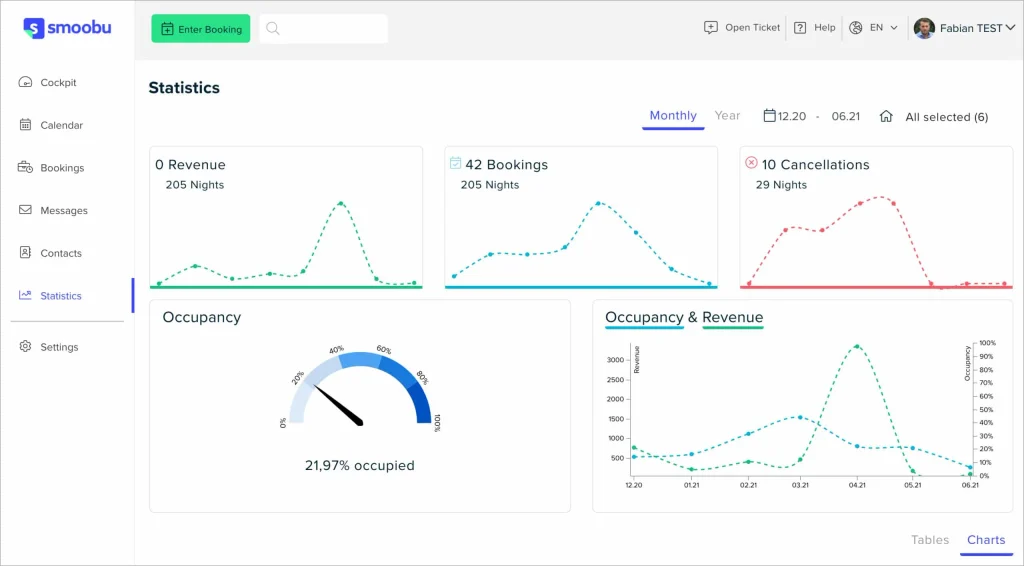
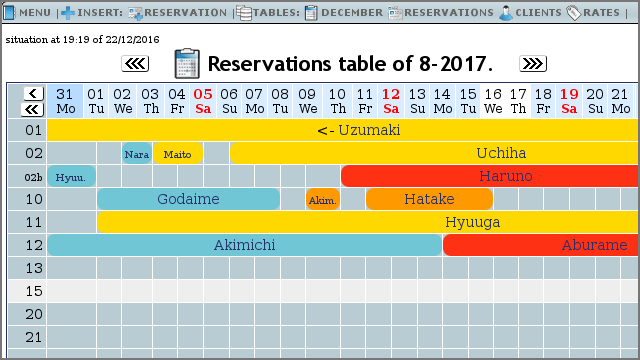
These visual examples show the dashboards, calendars, and booking screens you’ll typically find in hotel reservation software:

Top Hotel Reservation Software To Consider
Here's my shortlist of the best hotel reservation software solutions:
Clicks on the links below may earn a commission, which supports our independent testing and review of software and services. Learn more about how we stay transparent.



Who Uses Hotel Reservation Software?
Hotel reservation software suits properties and teams that manage room inventory, guest bookings, rates, and payment details across multiple booking sources:
- Independent Hotels: Small and mid-sized properties use it to manage direct bookings, walk-ins, cancellations, room assignments, and booking channels from one system.
- Hotel Groups: Multi-property operators use shared reservation data, centralized availability, and property-level rate controls across their portfolios.
- Resorts: Resorts use it to coordinate room bookings with packages, seasonal rates, occupancy limits, and longer guest stays.
- Extended-Stay Properties: Serviced apartments and extended-stay hotels use reservation software for flexible booking periods, recurring charges, and availability across different unit types.
- Inns and Guesthouses: Smaller lodging businesses use it to replace manual calendars, phone logs, and separate booking-platform records.
Key Hotel Reservation Software Benefits and Potential Business Impacts
Hotel reservation software centralizes bookings, inventory, rates, payments, and guest records, reducing double-booking risk while supporting faster operations, stronger revenue control, and compliance processes.
The software adds subscription, setup, training, and integration costs, and poor configuration, data errors, outages, or security gaps can create operational and financial risk.
Use this table to compare the main operational benefits with implementation risks hotel managers should assess:
| Benefits | Risks |
|---|---|
| Centralized reservations across direct, phone, and online channels | Incorrect setup can create availability errors or double bookings |
| Real-time room inventory updates across connected booking channels | Integration failures can leave rates or inventory out of sync |
| Automated booking confirmations, payment requests, and guest messages | Poorly configured messages can confuse guests or create service issues |
| Faster access to occupancy, booking pace, and revenue data | Inaccurate data can lead to weak pricing or staffing decisions |
| Digital guest profiles and reservation histories for front desk teams | Unauthorized access or weak security can expose personal information |
| Fewer manual entries for reservations, cancellations, and room assignments | Staff may resist adoption if training and workflow changes are insufficient |
| Centralized rate and availability controls across properties or room types | Subscription, setup, training, and integration costs can exceed the budget |
Hotel Reservation Software Case Studies
The case studies below show how properties moved from scattered booking records to a connected reservation workflow. Each example compares the operational setup before implementation with changes to bookings, inventory, guest communication, and revenue tracking afterward.
Case Study: C-Hotels' Implementation of Mews
C-Hotels, a group of nine uniquely themed properties along the Belgian coast, replaced a manual, Excel-based reservation and revenue management process with Mews PMS and its PACE integration for automated dynamic pricing. The group brought five hotels live on the new system in just three days, with staff self-training through the Mews University sandbox environment.
Here are the results of C-Hotels' implementation of hotel reservation software:
- RevPAR growth: Revenue per available room increased by 12% across several properties after shifting from two fixed seasonal rates to automated, data-driven pricing.
- Online check-in adoption: 40% of guests used online check-in, cutting average check-in time from four minutes to two.
- Housekeeping communication: Calls between housekeeping and the front desk dropped by 93% after replacing paper-based room status notes with a real-time housekeeping app.
- Paper waste reduction: The shift to digital housekeeping workflows reduced paper waste by 90%.
- Reporting access: The team gained access to 20+ dynamic reports with real-time data and no data access fees, replacing minimal manual reporting.
Reservations are at the core of any hotel business.

Case Study: Premier Inn's Implementation of Shiji Distribution Solutions
Premier Inn, the UK's largest hotel brand with over 900 properties and 95,000 rooms, implemented Shiji Distribution Solutions as part of a transition to a new central reservation system. The collaboration focused on improving Search Success Rate through automated city tax calculation, general shared caching, and an enhanced cache solution that proactively closed products with the highest failure rates.
Here are the results of Premier Inn's implementation of hotel reservation software:
- Search Success Rate improvement: The rate of searches leading to relevant, bookable results increased by approximately 16.23% on average and 25.91% month-over-month.
- Booking volume: Overall bookings increased by approximately 177% in the final quarter measured.
- Year-over-year production growth: Production across connected channels grew 153% year-over-year following the system changes.
- Operational accuracy: Automated city tax calculation for German properties reduced manual errors in the booking and billing process.
Core Features & Capabilities of Hotel Reservation Software
Hotel managers should expect these features to control inventory, coordinate bookings, and support daily guest operations:
Central reservation calendar: View bookings, room status, arrivals, departures, and cancellations in one workspace to coordinate front desk activity.
Channel manager: Sync room availability, rates, and restrictions across online travel agencies and other connected booking channels.
Direct booking engine: Add a reservation form to your website so guests can book without relying solely on third-party channels.
Rate and inventory controls: Set room types, pricing rules, minimum stays, blackout dates, and occupancy limits from a centralized interface.
Guest profiles: Store contact details, preferences, booking history, and notes so staff can prepare for repeat guests and special requests.
Payment processing: Collect deposits, authorize cards, record payments, and manage refunds according to your property’s booking policies.
Automated communications: Send booking confirmations, payment requests, arrival instructions, cancellation notices, and post-stay messages using configurable templates.
Reporting and analytics: Track occupancy, booking pace, average daily rate, RevPAR, cancellations, and channel performance through scheduled or on-demand reports.
Hotel Reservation Software Use Cases: Typical Processes & Workflows
Hotel reservation software supports workflows for direct bookings, channel updates, rate changes, payment collection, guest communication, room assignments, and reporting. Centralized calendars, inventory controls, automated messages, and payment tools give your team one place to coordinate reservations and respond to booking changes.
Use this table to compare key hotel management processes with the software capabilities that support them:
| Process | Description | How Software Helps |
|---|---|---|
| Manage Reservations and Inventory | Record direct, phone, walk-in, and online bookings while keeping room availability accurate. Handle cancellations, modifications, and overbooking controls. | A central reservation calendar updates room inventory across connected booking channels. Staff can view booking status, room types, arrival dates, and cancellations from one workspace. |
| Set Rates and Availability | Adjust room prices, minimum stays, occupancy limits, and blackout dates as demand changes. Apply different rules by room type, season, or booking channel. | Rate and inventory controls let you update pricing rules and restrictions centrally. A channel manager distributes approved rates and availability to online travel agencies and other connected channels. |
| Process Payments and Booking Confirmations | Collect deposits, authorize cards, record payments, and issue refunds according to property policies. Confirm reservations and communicate payment requirements to guests. | Payment processing records transactions against each reservation and supports deposits, authorizations, and refunds. Automated email templates send confirmations, payment requests, and cancellation notices based on booking events. |
| Coordinate Arrivals, Departures, and Room Assignments | Prepare arrivals, assign suitable rooms, manage departures, and update room status for front desk and housekeeping teams. Resolve changes such as early arrivals, extensions, and late departures. | The reservation calendar displays arrival and departure details alongside room status. Guest profiles, reservation notes, and housekeeping updates give departments the information needed to coordinate assignments. |
| Track Occupancy and Revenue | Monitor occupancy, booking pace, average daily rate, RevPAR, cancellations, and channel performance. Use these figures to review pricing, staffing, and distribution decisions. | Reporting tools combine reservation, rate, payment, and channel data into scheduled or on-demand reports. Managers can compare performance by date, room type, property, or booking source. |
Types of Hotel Reservation Software & Similar Tools
Hotel reservation software overlaps with several adjacent tools that handle bookings, distribution, and pricing—knowing the differences helps you choose the right fit for your property:
| Type | Differentiator |
|---|---|
| Property Management System (PMS) | Manages all hotel operations—front desk, housekeeping, billing, and reservations—in one platform |
| Central Reservation System (CRS) | Handles reservation distribution across multiple properties, GDS connections, and OTA channels at an enterprise scale |
| Channel Manager | Syncs room availability and rates across third-party booking channels without managing the full reservation lifecycle |
| Online Booking Engine | Processes direct bookings through your hotel website only, with no multi-channel distribution |
| Revenue Management System (RMS) | Focuses on dynamic pricing, demand forecasting, and yield optimization rather than reservation intake or coordination |
How Much Does Hotel Reservation Software Cost?
Hotel reservation software pricing varies by property size, number of rooms, features, and pricing model. Some platforms charge a flat monthly subscription, while others use per-room or booking-based pricing. You should also account for setup fees, integrations, payment processing, and premium support when comparing total costs.
For current pricing examples, compare options in our best hotel reservation software
How to Choose Hotel Reservation Software
Start by matching the software to how your property actually handles reservations. I’d prioritize real-time inventory syncing, booking-channel integrations, payment processing, ease of use, scalability, and implementation support. Then test the workflows your team performs every day, such as modifying reservations, processing cancellations, adjusting rates, and checking room availability.
For a more detailed evaluation checklist, use our how to choose hotel reservation software guide to compare scalability, integrations, customization, usability, security, mobile access, support, and reporting capabilities.
Ready to Find the Right System for Your Property?
Now that you understand how hotel reservation software works, what it costs, and what to look for, the next step is comparing your real options—browse the best hotel management tools reviewed by hoteliers to find the system that fits your property's size, booking channels, and budget.