

SevenRooms Review: Pros, Cons, Features, and Pricing Explained



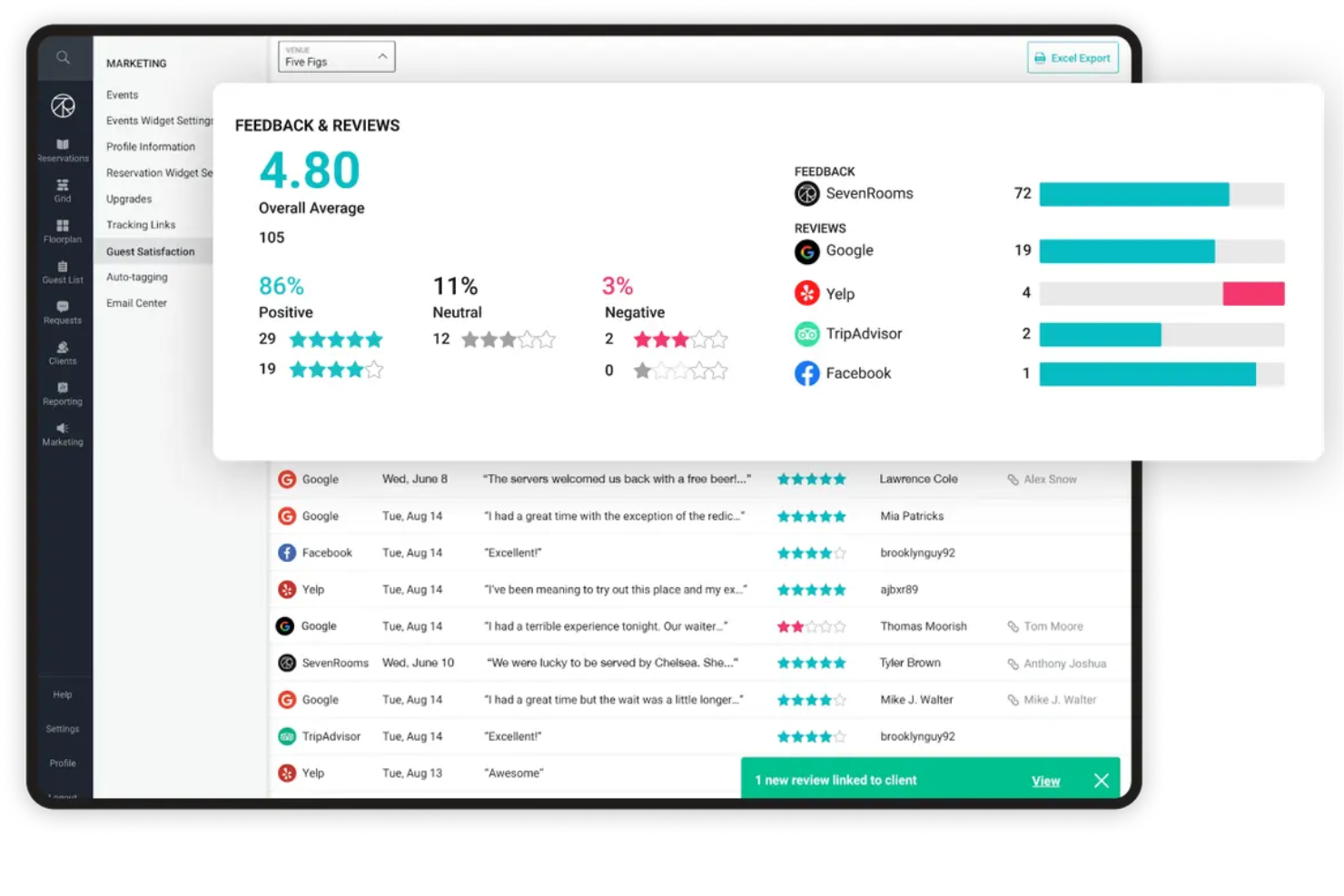
SevenRooms is a hotel reservation software built around guest profiles and direct relationship management, not just booking management. I'd consider it if your hotel wants to capture detailed guest data across every touchpoint and use it to drive repeat stays. If you're weighing it against OpenTable, SevenRooms gives hotels full ownership of their guest relationships rather than routing reservations through a third-party marketplace.
SevenRooms Evaluation Summary
- Pricing upon request
- Free demo available
Why Trust Our Software Recommendations
Our team has been testing and reviewing software since 2012. As hospitality leaders ourselves, we know how difficult—and important—it is to choose the right software.
For this guide, we evaluated tools using hands-on testing and independent research, scoring tools using our selection criteria.
Our reviews reflect our human editorial judgment, not a sales pitch.
SevenRooms Overview
If you’re judging hotel reservation software by guest experience tools and data-driven personalization, SevenRooms stands out. I think its guest profiles, reservation management, and upsell features are more advanced than most. The interface is modern and onboarding is straightforward, but pricing can be higher than some alternatives. Integrations with POS and PMS systems are strong, though not exhaustive.
I’d suggest SevenRooms for hotels that prioritize direct guest relationships and want to control the full guest journey—especially boutique properties or groups focused on loyalty and upselling.
pros
-
Waitlist and table management features reduce manual work.
-
Automated marketing tools help drive repeat direct bookings.
-
Guest profiles offer detailed personalization for each reservation.
cons
-
Not all PMS integrations are available out of the box.
-
Some users report mobile app limitations and glitches.
-
Pricing is higher than many other reservation platforms.
Is SevenRooms Right For Your Needs?
Who Would be a Good Fit for SevenRooms?
SevenRooms is best for hospitality businesses that want to own the guest journey and drive direct bookings. Its guest profile, upsell, and marketing automation features make it a strong choice for teams focused on loyalty, personalization, and maximizing revenue per guest. Hotels, resorts, and multi-venue groups with dedicated guest experience or marketing teams will get the most value, especially if they want to connect dining, events, and room reservations in one platform.
-
Boutique Hotels
SevenRooms supports personalized guest experiences and direct booking strategies.
-
Resorts
Integrated dining, spa, and activity reservations streamline guest management.
-
Multi-Outlet Properties
Centralized control over multiple venues improves operational oversight.
-
Hotel Marketing Teams
Automated campaigns and guest data drive repeat business.
-
Food and Beverage Managers
Table management and waitlist tools reduce manual coordination.
-
Loyalty-Focused Brands
Guest profiles and upsell features support tailored loyalty programs.
Who Would be a Bad Fit for SevenRooms?
SevenRooms isn’t ideal for businesses with simple reservation needs or limited budgets. Smaller properties, budget hotels, or those without a strong focus on guest experience may find the platform’s advanced features unnecessary or too costly. Teams that rely on niche PMS integrations or need a lightweight, plug-and-play solution may also struggle with fit.
-
Small Motels
The advanced features are unnecessary for basic room bookings.
-
Budget Hotels
Pricing may not align with tight operational budgets.
-
Independent Vacation Rentals
Lacks features tailored to non-traditional lodging.
-
Tech-Averse Teams
The platform’s depth may overwhelm teams seeking simplicity.
-
Properties With Niche PMS
Not all property management systems are supported natively.
-
Event-Only Venues
Event management features are limited compared to specialized tools.
How We Test & Score Tools
We’ve spent years building, refining, and improving our software testing and scoring system. The rubric is designed to capture the nuances of software selection and what makes a tool effective, focusing on critical aspects of the decision-making process.
Below, you can see exactly how our testing and scoring works across seven criteria. It allows us to provide an unbiased evaluation of the software based on core functionality, standout features, ease of use, onboarding, customer support, integrations, customer reviews, and value for money.
Core Functionality (25% of final scoring)
The starting point of our evaluation is always the core functionality of the tool. Does it have the basic features and functions that a user would expect to see? Are any of those core features locked to higher-tiered pricing plans? At its core, we expect a tool to stand up against the baseline capabilities of its competitors.
Standout Features (25% of final scoring)
Next, we evaluate uncommon standout features that go above and beyond the core functionality typically found in tools of its kind. A high score reflects specialized or unique features that make the product faster, more efficient, or offer additional value to the user.
We also evaluate how easy it is to integrate with other tools typically found in the tech stack to expand the functionality and utility of the software. Tools offering plentiful native integrations, 3rd party connections, and API access to build custom integrations score best.
Ease of Use (10% of final scoring)
We consider how quick and easy it is to execute the tasks defined in the core functionality using the tool. High scoring software is well designed, intuitive to use, offers mobile apps, provides templates, and makes relatively complex tasks seem simple.
Onboarding (10% of final scoring)
We know how important rapid team adoption is for a new platform, so we evaluate how easy it is to learn and use a tool with minimal training. We evaluate how quickly a team member can get set up and start using the tool with no experience. High scoring solutions indicate little or no support is required.
Customer Support (10% of final scoring)
We review how quick and easy it is to get unstuck and find help by phone, live chat, or knowledge base. Tools and companies that provide real-time support score best, while chatbots score worst.
Customer Reviews (10% of final scoring)
Beyond our own testing and evaluation, we consider the net promoter score from current and past customers. We review their likelihood, given the option, to choose the tool again for the core functionality. A high scoring software reflects a high net promoter score from current or past customers.
Value for Money (10% of final scoring)
Lastly, in consideration of all the other criteria, we review the average price of entry level plans against the core features and consider the value of the other evaluation criteria. Software that delivers more, for less, will score higher.
Core Features
Guest Profiles
Track guest preferences, visit history, and special requests in one place. This helps staff personalize every interaction and upsell relevant services.
Reservation Management
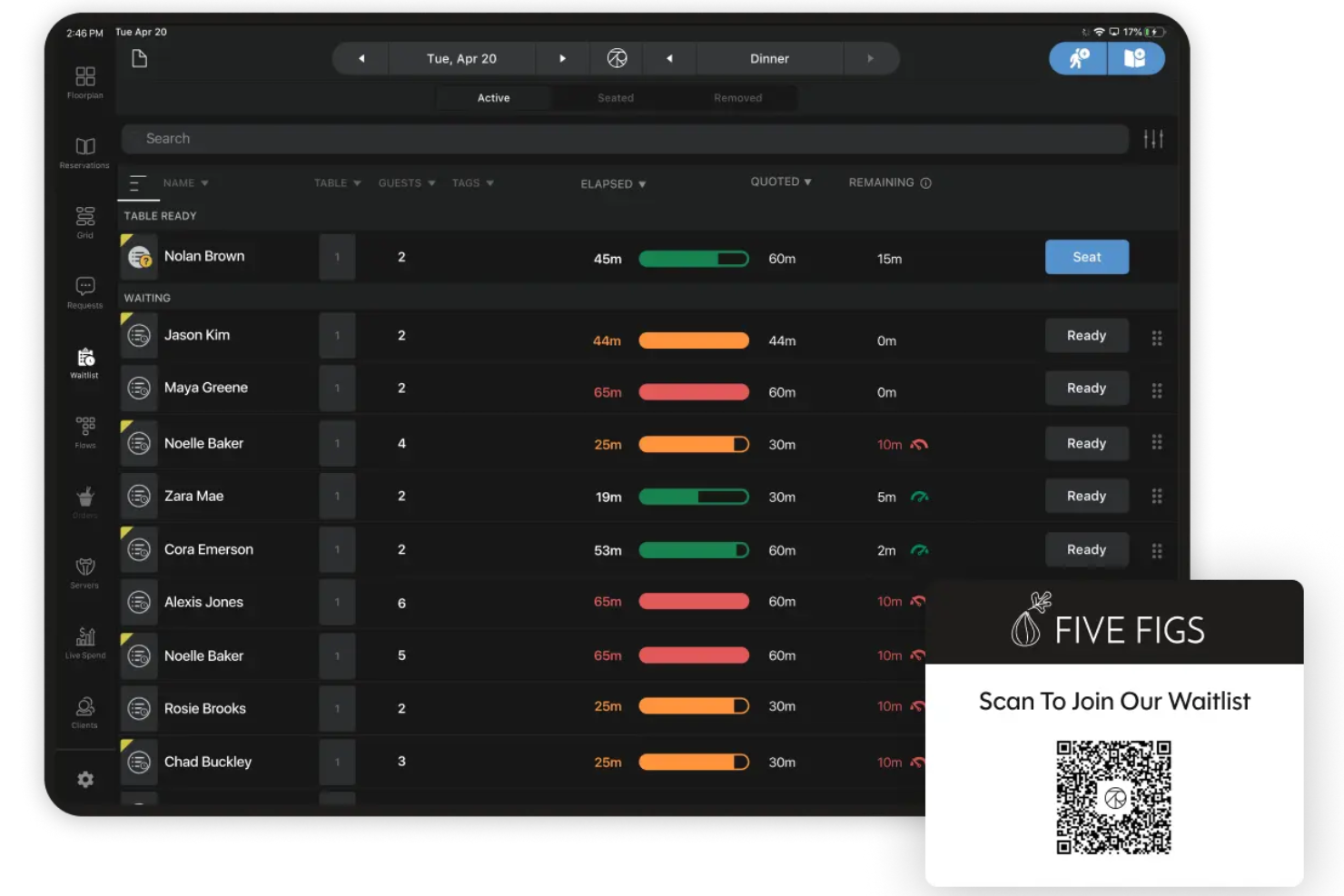
Manage bookings, waitlists, and cancellations from a single dashboard. Real-time updates reduce double-booking and manual errors.
Automated Marketing
Send targeted emails and offers based on guest data and behavior. Drive repeat bookings with personalized campaigns and promotions.
Table and Venue Management
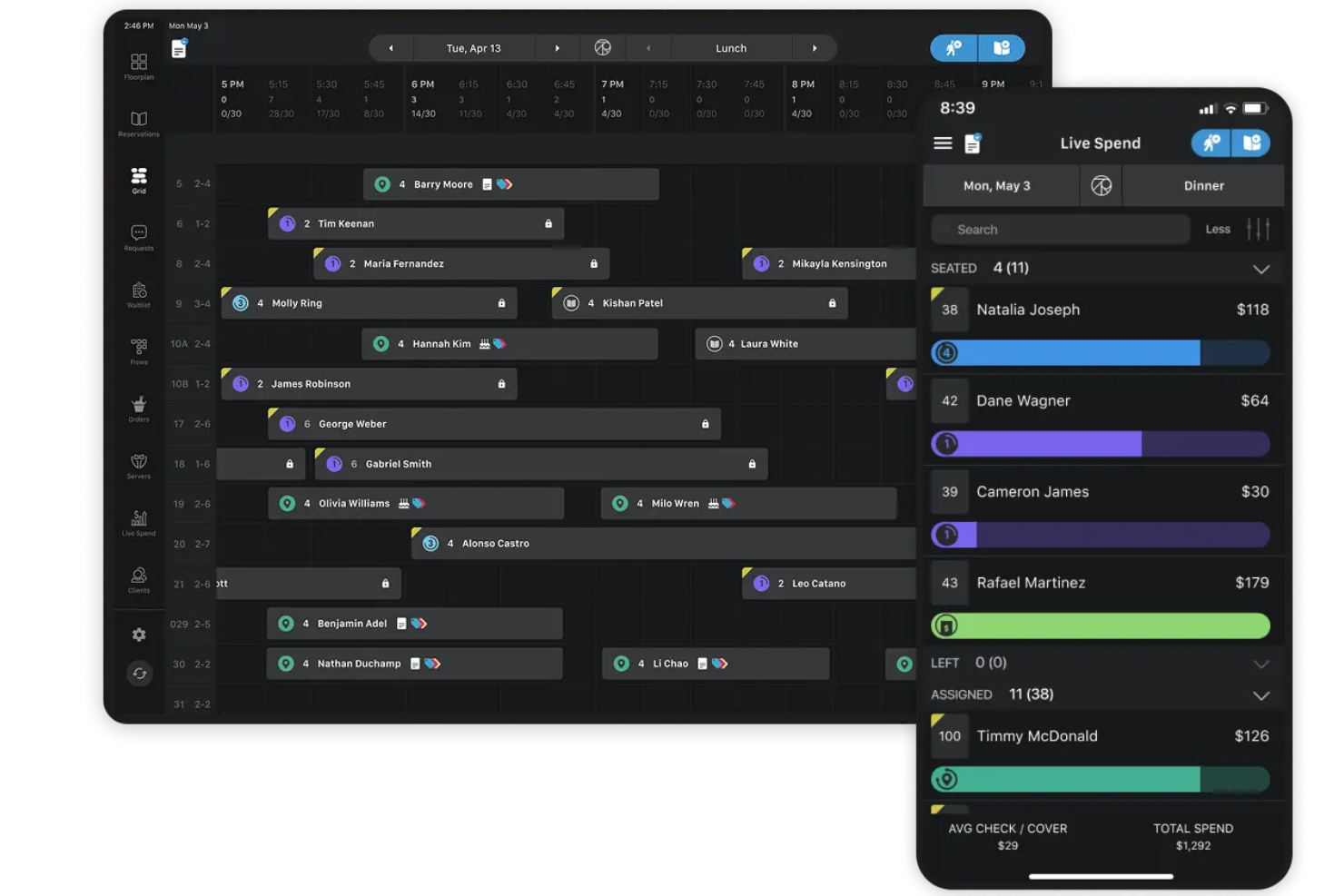
Assign tables, manage floor plans, and optimize seating for restaurants or event spaces. Visual tools make it easy to adjust layouts on the fly.
Upsell and Experience Add-Ons
Offer guests upgrades, experiences, or add-ons during booking. Increase revenue by promoting spa treatments, dining, or special packages.
Reporting and Analytics
Access detailed reports on reservations, guest trends, and campaign performance. Use insights to refine operations and marketing strategies.
Standout Features
Direct Guest Data Ownership
SevenRooms gives you full control and ownership of guest data collected through reservations and interactions. This lets you build richer guest profiles and run targeted marketing without relying on third-party platforms.
Contactless Guest Experience
Guests can check in, order, and pay from their own devices using QR codes or links. This reduces wait times and supports a modern, low-touch service model.

Ease of Use
SevenRooms offers a clean, intuitive interface that most users pick up quickly, especially for reservation and guest management tasks. The dashboard is well-organized, and features like drag-and-drop table assignments and automated messaging save time for front-of-house teams.
Some users mention occasional glitches in the mobile app, but overall, the platform’s onboarding and daily workflows are straightforward. I think teams focused on guest experience will find the usability matches their needs.
Onboarding
SevenRooms provides a guided onboarding process with dedicated account managers and detailed training resources, which helps new users get up to speed quickly. Many users highlight responsive support and helpful documentation, making it easier to configure settings and train staff. The platform’s setup process is structured but flexible, so you can tailor workflows to your property’s needs. I think most teams will reach full adoption and see value within a few weeks.
Customer Support
SevenRooms is known for responsive, knowledgeable customer support, with users often praising quick response times and proactive assistance. Support is available through live chat, email, and phone, and account managers help resolve issues or optimize usage.
The help center offers clear guides and troubleshooting resources, which many teams find useful for day-to-day questions. I think the combination of personal support and self-service resources sets a high standard for user assistance.
Integrations
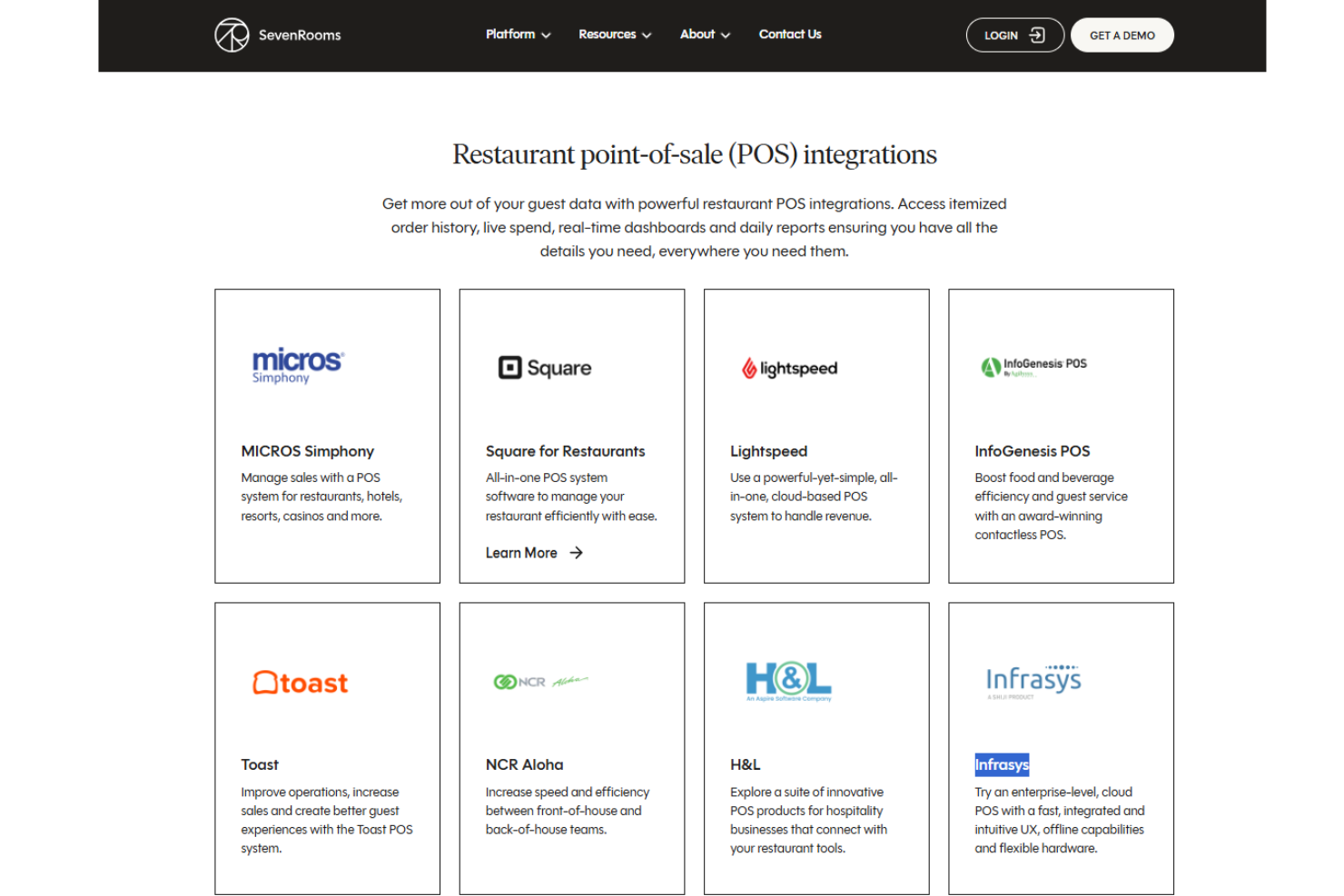
SevenRooms integrates with Oracle MICROS, Toast, POS Mission, InfoGenesis POS, Squirrel, Upserve, NCR Aloha, Infrasys, Google, and Tripleseat, among others.
SevenRooms also offers an open API for custom integrations and connects with a wide range of third-party tools.
Value for Money
SevenRooms is typically priced higher than many reservation platforms, but users often find that its advanced guest data, marketing automation, and upsell capabilities justify the investment. The platform is designed primarily for larger properties and venues that prioritize direct bookings and enhanced guest experiences. SevenRooms does not publicly disclose its pricing; costs are available upon request and are typically customized based on venue size, business needs, and required integrations.
SevenRooms Specs
- API
- Budgeting
- Calendar Management
- Contact Management
- Customer Management
- Dashboard
- Data Export
- Data Import
- Data Visualization
- Expense Tracking
- External Integrations
- Forecasting
- Inventory Tracking
- Multi-Currency
- Multi-User
- Notifications
- Organization Management
- Payroll
- Scheduling
- Supplier Management
- Tax Management
SevenRooms FAQs
How long does it take to implement SevenRooms at my property?
Can SevenRooms handle both room and restaurant reservations?
What kind of training and support does SevenRooms provide for new staff?
Does SevenRooms help drive more direct bookings?
How does SevenRooms protect guest data and ensure compliance?
Can I customize the reservation experience for my brand?
What reporting and analytics are available in SevenRooms?
Is SevenRooms suitable for multi-property or group hotel operations?
SevenRooms Company Overview & History
SevenRooms is a hospitality technology company headquartered in New York City. Founded in 2011, the company has grown to serve over 15,000 venues worldwide, including top restaurants, hotel F&B outlets, and nightlife groups. SevenRooms is now a DoorDash company and is known for its all-in-one CRM, marketing, and operations platform that helps hospitality businesses deliver personalized guest experiences and drive revenue. Notable clients include Michelin-starred restaurants, major hotel brands, and global hospitality groups.
SevenRooms Major Milestones
- 2011: Company founded in New York City.
- 2012: SevenRooms platform launched for hospitality operators.
- 2023: Acquired by DoorDash, expanding its reach and resources.