

10 migliori software per le vendite e il catering alberghiero del 2026

10 Miglior software per vendite e catering alberghiero


Gestire un hotel può sembrare come destreggiarsi contemporaneamente con una dozzina di palline. Devi coordinare gli eventi, gestire le prenotazioni e assicurarti che gli ospiti trascorrano un soggiorno piacevole. Non è un compito da poco e il software giusto può aiutarti ad alleggerire il carico.
In base alla mia esperienza, il software per vendite e catering alberghiero può semplificare le operazioni quotidiane. Permette al tuo team di concentrarsi su ciò che conta davvero: offrire un servizio eccellente ai tuoi ospiti.
Ho testato e recensito diverse soluzioni software per offrirti le migliori opzioni disponibili. Troverai informazioni sulle funzionalità, sui pro e contro e su ciò che ogni strumento può offrire alla tua attività. Scopriamo insieme le migliori scelte e vediamo quale si adatta alle tue esigenze.
Perché fidarsi dei nostri consigli sui software
Il nostro team testa e recensisce software dal 2012. In quanto leader del settore alberghiero noi stessi, sappiamo quanto sia difficile — e importante — scegliere il software giusto.
Per questa guida, abbiamo valutato gli strumenti attraverso test pratici e ricerche indipendenti, assegnando un punteggio agli strumenti in base ai nostri criteri di selezione.
Le nostre recensioni riflettono il nostro giudizio editoriale umano, non un discorso di vendita.
Riepilogo dei migliori software per vendite e catering alberghiero
Questa tabella comparativa riassume i dettagli dei prezzi delle mie migliori selezioni di software per vendite e catering alberghiero, per aiutarti a trovare quello più adatto al tuo budget e alle esigenze della tua attività.
| Tool | Best For | Trial Info | Price | ||
|---|---|---|---|---|---|
| 1 | Ideale per la gestione eventi tutto-in-uno | Demo gratuita disponibile | Da $249/mese | Website | |
| 2 | Ideale per la gestione mobile in tempo reale | Demo gratuita disponibile | Prezzo su richiesta | Website | |
| 3 | Ideale per soluzioni cloud intuitive | Demo gratuita disponibile | Da $159/mese | Website | |
| 4 | Ideale per strumenti eventi personalizzabili | Demo gratuita disponibile | Prezzi su richiesta | Website | |
| 5 | Ideale per soluzioni settoriali guidate dall'IA | Demo gratuita disponibile | Prezzo su richiesta | Website | |
| 6 | Ideale per sistemi di livello enterprise | Demo gratuita disponibile | Prezzo su richiesta | Website | |
| 7 | Ideale per soluzioni di piattaforma integrate | Demo gratuita disponibile | Prezzi su richiesta | Website | |
| 8 | Ideale per soluzioni alberghiere integrate | Demo gratuita disponibile | Prezzi su richiesta | Website | |
| 9 | Ideale per la gestione di piccoli eventi | Prova gratuita di 30 giorni | A partire da $10/sala eventi/mese | Website | |
| 10 | Ideale per l'accesso cloud ovunque | Demo gratuita disponibile | Prezzi su richiesta | Website |
Recensione dei migliori software per vendite e catering alberghiero
Di seguito trovi i miei riepiloghi dettagliati dei migliori software per vendite e catering alberghiero entrati nella mia selezione. Le mie recensioni analizzano le funzionalità principali, i pro e i contro, le integrazioni e i casi d’uso ideali di ogni strumento, per aiutarti a trovare quello più adatto.

Ideale per la gestione eventi tutto-in-uno

Event Temple è scelto da location che vanno da spazi per eventi con una sola sala a grandi centri congressi. Unifica l'intero ciclo di vita dell'evento con un'interfaccia intuitiva, creando un hub centralizzato per vendite, operazioni, gestione account e coordinamento degli eventi.
Perché ho scelto Event Temple: Offre una piattaforma all-in-one che semplifica la gestione degli eventi dall'inizio alla fine. Il software dispone di modelli di proposta personalizzabili che ti aiutano a creare proposte professionali in modo rapido. Il CRM integrato consente di gestire efficacemente le relazioni con i clienti. Gli strumenti di reportistica forniscono approfondimenti sulle prestazioni di vendita, fondamentali per la pianificazione strategica.
Funzionalità e integrazioni principali:
Funzionalità includono un calendario visivo che permette di gestire prenotazioni ed eventi a colpo d'occhio. I promemoria automatici per i follow-up mantengono il team proattivo nella comunicazione con i clienti. Il software offre anche un monitoraggio dettagliato delle entrate per controllare le prestazioni finanziarie.
Integrazioni includono Salesforce, Google Calendar, Microsoft Outlook, Mailchimp, QuickBooks, Stripe, PayPal, Eventbrite, Zoom e Constant Contact.
Pros and Cons
Pros:
- Tracciamento semplice del CRM pipeline
- Flussi di lavoro automatizzati e promemoria
- Proposte elettroniche integrate e firme digitali
Cons:
- Versione mobile senza tutte le funzionalità
- Lieve rallentamento con grandi volumi di dati
- Curva di apprendimento per i moduli personalizzati

Ideale per la gestione mobile in tempo reale
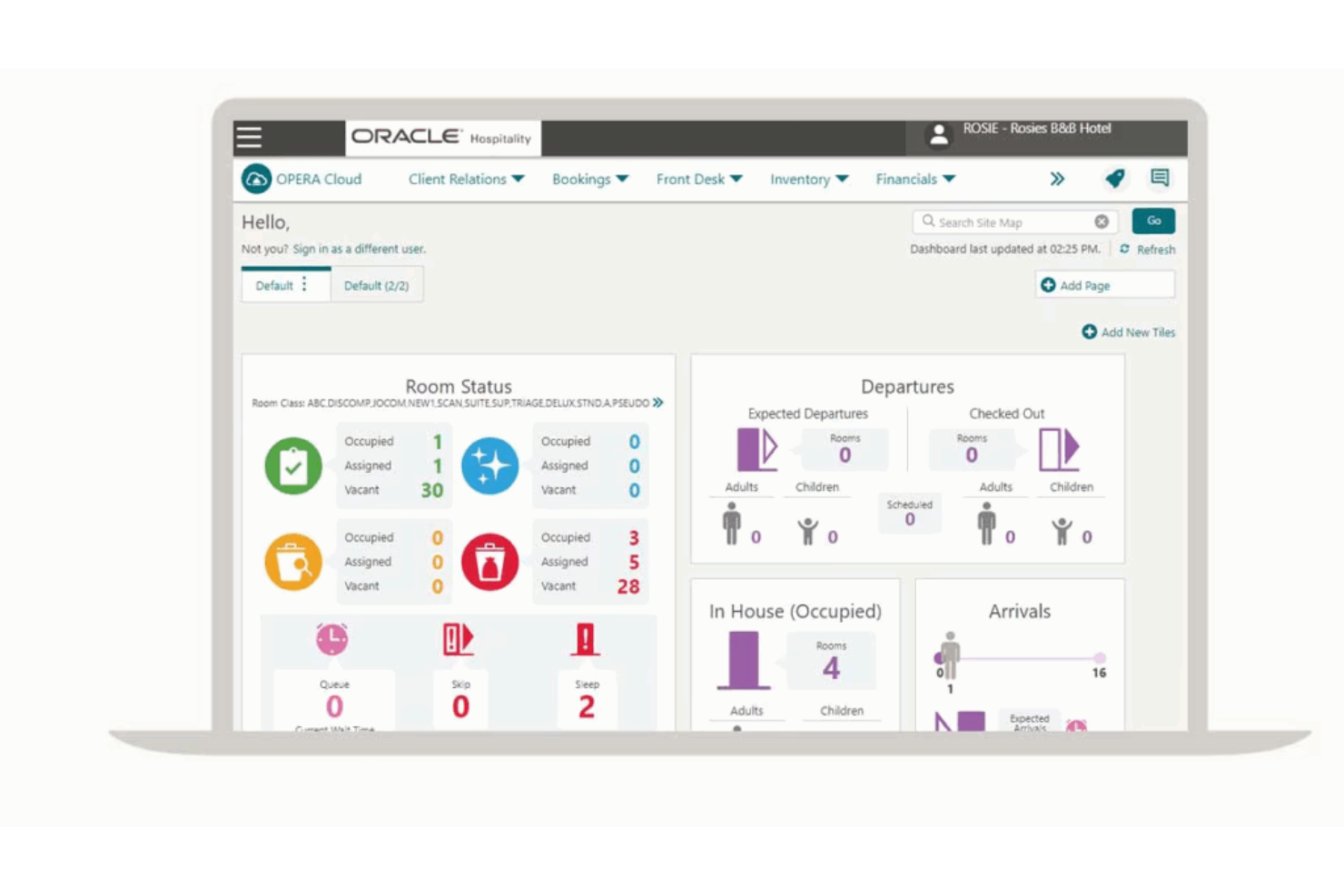
OPERA Cloud Sales & Event Management consente agli hotel di gestire prenotazioni, eventi e servizi di catering da qualsiasi luogo. Il suo design progettato innanzitutto per i dispositivi mobili supporta i sopralluoghi fuori sede, gli aggiornamenti in tempo reale e una perfetta integrazione con il PMS per una gestione efficiente degli eventi.
Perché ho scelto OPERA Cloud: offre funzionalità di gestione mobile in tempo reale, consentendo al tuo team di rimanere aggiornato anche in movimento. Il software supporta la pianificazione di eventi complessi con funzionalità dettagliate di programmazione e assegnazione delle risorse. L'accesso da dispositivi mobili garantisce la possibilità di gestire le operazioni da qualsiasi luogo. Oracle offre strumenti completi di reportistica che aiutano ad analizzare le prestazioni e a migliorare il processo decisionale.
Funzionalità e integrazioni distintive:
Le funzionalità includono strumenti dettagliati di programmazione che semplificano la pianificazione degli eventi. L'accesso mobile al software consente la gestione da qualsiasi luogo. Gli strumenti avanzati di reportistica forniscono informazioni sulle prestazioni operative, supportando le decisioni strategiche.
Le integrazioni includono Salesforce, Microsoft Outlook, Google Calendar, QuickBooks, PayPal, Stripe, Zoom, Eventbrite, Mailchimp e Constant Contact.
Pros and Cons
Pros:
- Gestione mobile degli eventi
- Pannello di controllo unificato dei contatti commerciali
- Panoramica visiva delle funzionalità
Cons:
- Modifica complessa dei menu
- Problemi di sincronizzazione tra i team
- Pannello di controllo disordinato

Ideale per soluzioni cloud intuitive
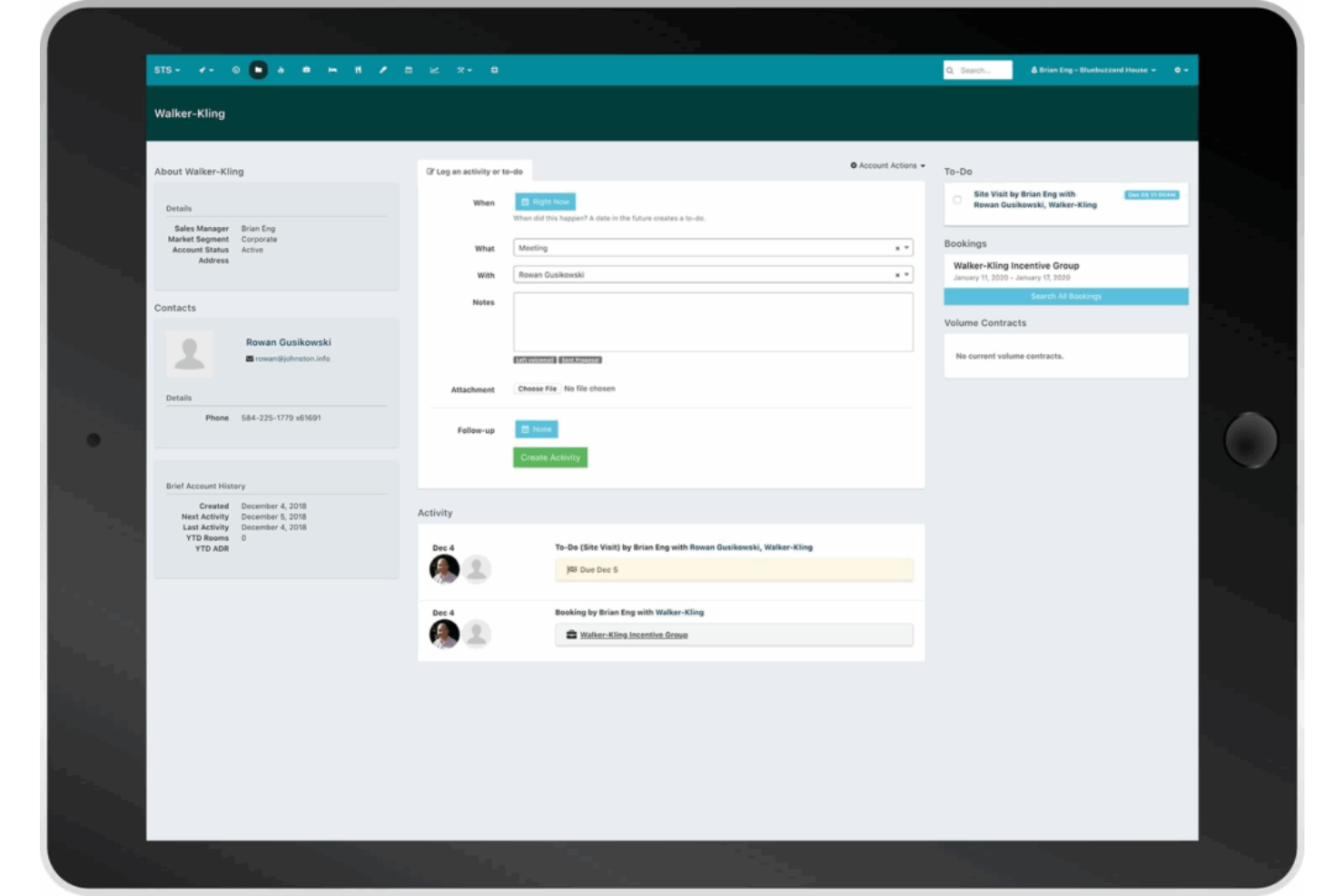
STS Cloud semplifica l'intero flusso di lavoro offrendo apprendimento rapido, prezzi forfettari, aggiornamenti in tempo reale e integrazione con PMS. La sua architettura nativa sul cloud garantisce accesso immediato e adozione su tutti i dispositivi.
Perché ho scelto STS Cloud: Offre un'interfaccia intuitiva che semplifica la gestione degli eventi per il tuo team. La natura basata su cloud garantisce l'accessibilità da qualsiasi dispositivo, rendendo la gestione remota comoda ed efficiente. I modelli di evento personalizzabili permettono di adattare il software alle esigenze specifiche. Gli strumenti di reporting forniscono preziose informazioni sulle prestazioni operative, facilitando le decisioni.
Funzionalità distintive e integrazioni:
Funzionalità includono modelli di evento personalizzabili che semplificano i processi di pianificazione. Il calendario centralizzato del software aiuta a monitorare prenotazioni e programmi in modo efficiente. Gli strumenti di reporting in tempo reale offrono approfondimenti su vari aspetti delle operazioni, migliorando le decisioni.
Integrazioni includono Microsoft Outlook, Google Calendar, Salesforce, QuickBooks, PayPal, Stripe, Mailchimp, Zoom, Eventbrite e Constant Contact.
Pros and Cons
Pros:
- Integrazione intuitiva con ProposalPath
- Unione documenti in tempo reale
- Visualizzazione grafica della funzione calendario
Cons:
- Nessuna disponibilità API
- Duplicazione eventi senza dati
- Problema di separazione nella prenotazione delle attività

Ideale per strumenti eventi personalizzabili
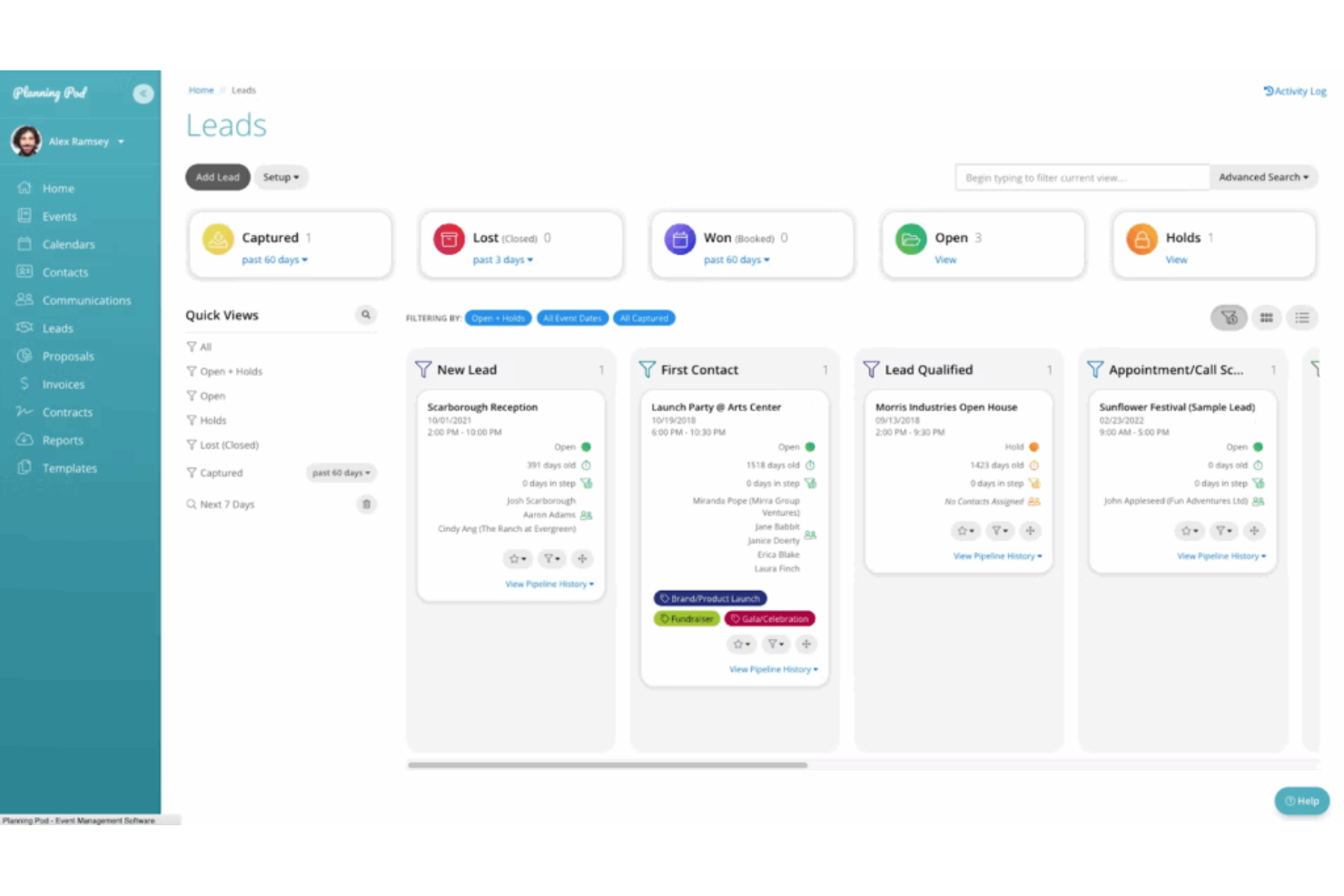
Planning Pod è una piattaforma completa, basata sul web, per la gestione di eventi e location che offre oltre 40 strumenti integrati. Dispone di funzionalità per catering, CRM, preventivi, fatturazione e portale clienti che forniscono a team di vendita e catering di hotel una soluzione end-to-end.
Perché ho scelto Planning Pod: Offre strumenti specifici per la gestione di eventi, inclusa automazione, CRM e gestione progetti. Queste funzionalità lo rendono ideale per personalizzare i processi di pianificazione eventi. Le sue capacità di gestione delle location permettono di gestire in modo efficiente prenotazioni e calendari. Si distingue per la facile personalizzazione, che consente agli hotel di dare il proprio marchio e ottimizzare i flussi di lavoro.
Caratteristiche principali & integrazioni:
Caratteristiche includono oltre 40 strumenti integrati, come CRM, gestione progetti e funzionalità di budgeting. Il software offre modelli personalizzabili e opzioni di branding, permettendoti di adattarlo alle esigenze della tua attività. I suoi strumenti di comunicazione centralizzati facilitano la collaborazione tra clienti, staff e fornitori.
Integrazioni includono QuickBooks, Salesforce, Google Calendar, Microsoft Outlook, Mailchimp, Eventbrite, Zoom, Stripe, PayPal e Constant Contact.
Pros and Cons
Pros:
- Pianta intuitiva con funzione drag-and-drop
- Generazione veloce di BEO
- Ricarico diretto dei costi al cliente
Cons:
- Esperienza mobile limitata
- Nessuna integrazione POS
- Navigazione complessa dell'interfaccia


Infor Sales & Event Management (SCS) è una soluzione cloud completa per gli eventi che automatizza l'intero ciclo di vita degli eventi alberghieri. Offre piena visibilità, flussi di lavoro semplificati e integrazione nell'ecosistema Infor, consentendo analisi predittive e approfondimenti in tempo reale.
Perché ho scelto Infor: Le sue analisi guidate dall'intelligenza artificiale offrono informazioni preziose sulle preferenze dei clienti e sulle tendenze operative. Le funzionalità di automazione del software aiutano a gestire in modo efficiente le prenotazioni e i servizi di catering. I dashboard personalizzabili di Infor permettono di adattare l'interfaccia alle proprie esigenze. Queste caratteristiche lo rendono una scelta solida per le aziende che desiderano sfruttare la tecnologia per prendere decisioni migliori.
Funzionalità e integrazioni di rilievo:
Funzionalità includono analisi predittive che aiutano a prevedere la domanda e ottimizzare le risorse. Il sistema di prenotazione centralizzato semplifica il processo di riservazione. Gli strumenti avanzati di reportistica offrono approfondimenti dettagliati sulle operazioni.
Integrazioni includono Salesforce, Microsoft Dynamics, Oracle, SAP, IBM, Google Workspace, Microsoft 365, QuickBooks, PayPal e Stripe.
Pros and Cons
Pros:
- Storici degli ospiti in tempo reale
- Flussi di lavoro automatizzati nel ciclo di vita
- Gestione dei blocchi di camere di gruppo
Cons:
- Pagine degli eventi banchetto troppo affollate
- Difficoltà nel recuperare storici BEO
- Viste gruppo calendario poco flessibili

Agilysys
Ideale per sistemi di livello enterprise
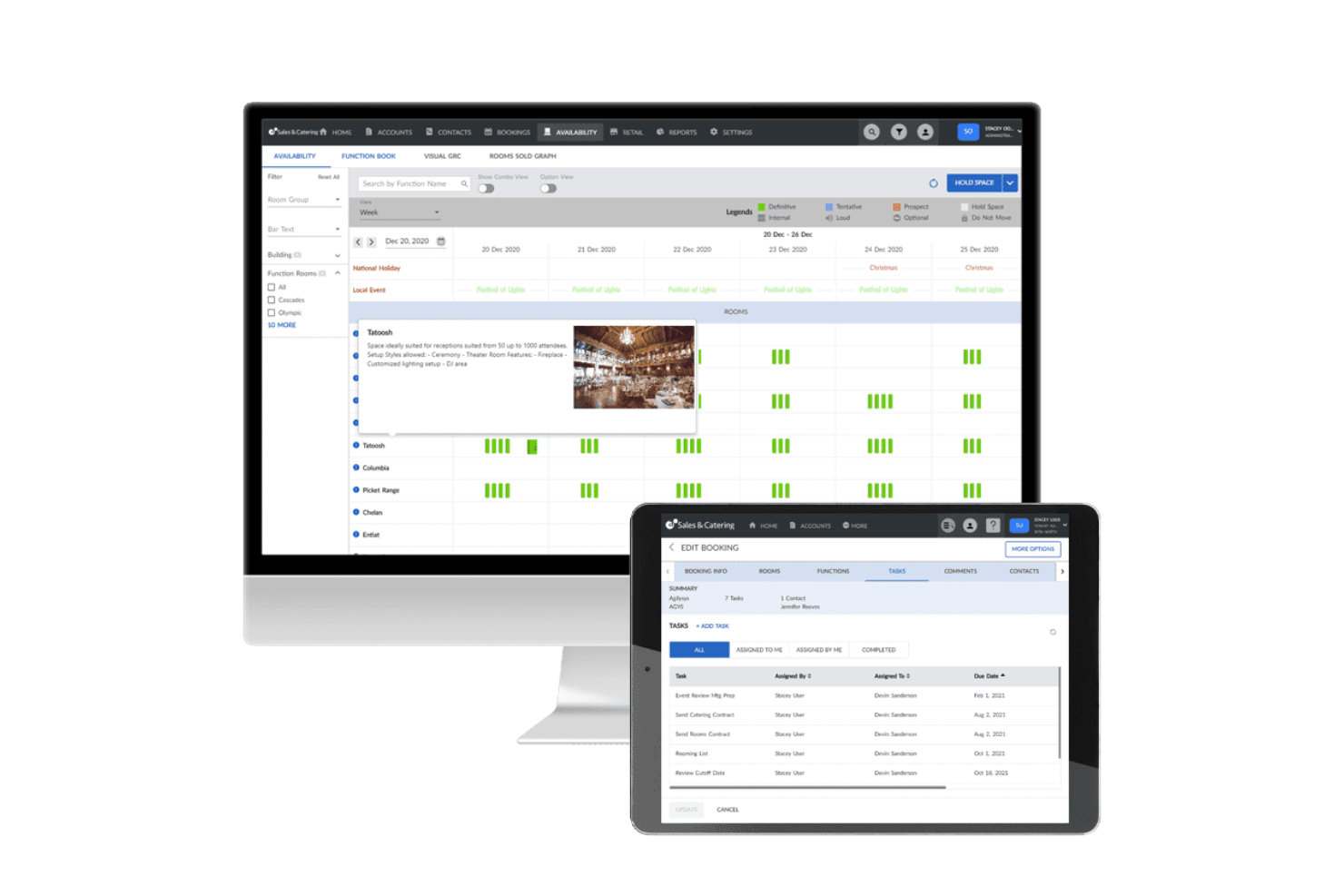
Agilysys Sales & Catering è una soluzione progettata per hotel, resort e centri congressi di qualsiasi dimensione, da strutture indipendenti a catene globali. Si integra completamente nell'ecosistema più ampio di Agilysys e si collega con i moduli POS, PMS, check-in mobile e ordinazioni self-service.
Perché ho scelto Agilysys: Offre funzionalità di livello enterprise, rendendolo adatto alle operazioni su larga scala. Il software supporta una gestione eventi complessa con funzionalità dettagliate per banchetti e catering. Gli strumenti di reportistica forniscono informazioni su vendite e prestazioni operative. Agilysys offre anche opzioni di personalizzazione per adattarsi alle esigenze specifiche delle grandi organizzazioni.
Funzionalità e integrazioni principali:
Funzionalità includono una gestione avanzata dei banchetti che consente una pianificazione e coordinazione dettagliata degli eventi. Il monitoraggio delle scorte in tempo reale del software assicura informazioni sempre aggiornate sulle risorse disponibili. Inoltre, gli strumenti di reportistica personalizzabili aiutano ad analizzare efficacemente le performance aziendali.
Integrazioni includono Salesforce, Microsoft Dynamics, Oracle, SAP, IBM, Google Workspace, Microsoft 365, QuickBooks, PayPal e Stripe.
Pros and Cons
Pros:
- Approfondimenti in tempo reale tramite dashboard
- Operazioni di catering centralizzate
- PMS + POS integrati
Cons:
- Necessarie regolazioni manuali dei BEO
- Limitati flag preferenze ospite
- Controlli sui margini poco flessibili

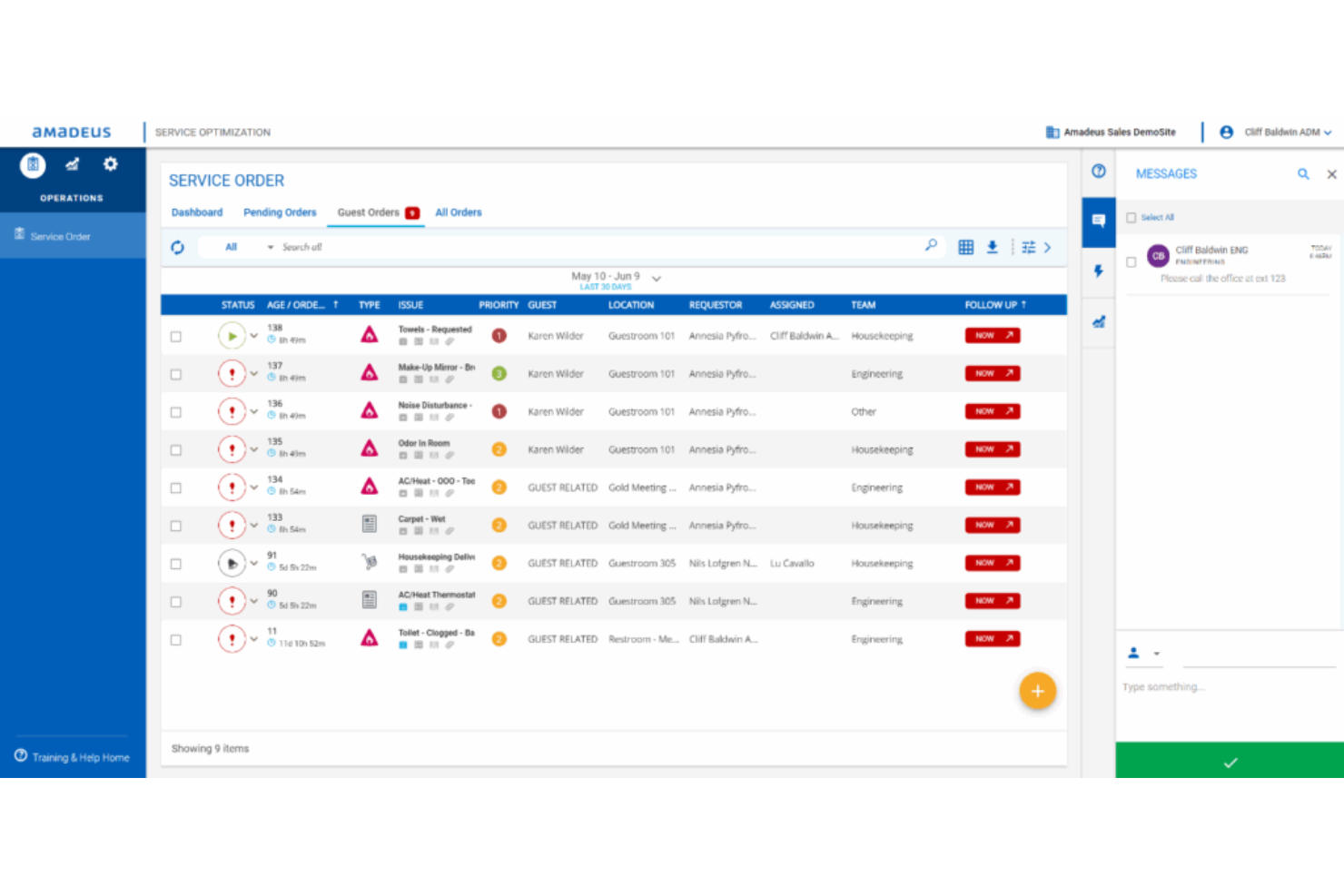
Amadeus Hospitality è un sistema completo che vende, pianifica ed esegue eventi senza soluzione di continuità in tutto il suo portafoglio. Unifica vendite, prenotazioni ed eventi con un'integrazione completa dell'ecosistema dell'ospitalità.
Perché ho scelto Amadeus Hospitality: La sua piattaforma integrata offre un approccio unificato alla gestione delle operazioni di vendita e catering. Il software supporta una pianificazione dettagliata degli eventi con modelli personalizzabili adatti a diverse esigenze. Le sue funzionalità di reportistica forniscono informazioni sulle prestazioni di vendita e sull'efficienza operativa. Amadeus consente inoltre la collaborazione in tempo reale, migliorando la produttività del team.
Funzionalità e integrazioni di rilievo:
Le funzionalità includono modelli personalizzabili per gli eventi che semplificano il processo di pianificazione. Gli strumenti di collaborazione in tempo reale del software migliorano la comunicazione tra i membri del team. Le funzionalità avanzate di reportistica forniscono informazioni sui dati di vendita e operativi, agevolando le decisioni strategiche.
Le integrazioni includono Salesforce, Microsoft Outlook, Google Calendar, QuickBooks, PayPal, Stripe, Zoom, Eventbrite, Mailchimp e Constant Contact.
Pros and Cons
Pros:
- Condivisione centralizzata dei lead
- Generazione rapida delle proposte
- Aumento delle conversioni di gruppo
Cons:
- Personalizzazione complessa dei modelli BEO
- Struttura degli eventi poco flessibile
- Logica fiscale codificata

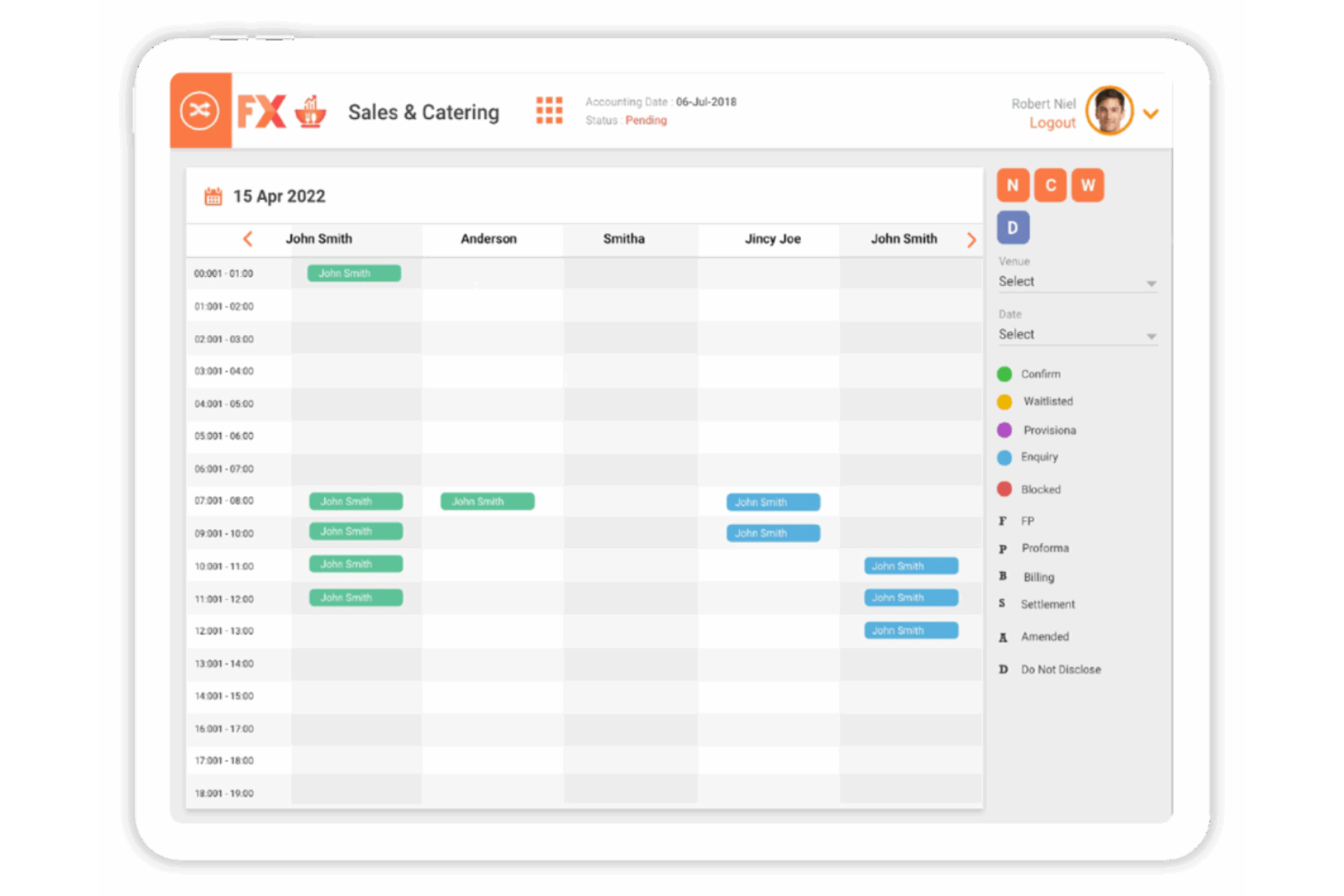
FX Sales & Catering di IDS Next è un ERP alberghiero completo, che offre funzionalità dall’inizio alla fine. Dalla gestione delle prenotazioni e dell’agenda alla fatturazione, alla liquidazione e all’integrazione con il POS, è una soluzione potente e completamente integrata per i moderni team alberghieri addetti alle vendite e al catering.
Perché ho scelto IDS Next: offre una suite completa di funzionalità che si integrano perfettamente con le altre funzioni alberghiere. Il software supporta la gestione di più strutture, caratteristica ideale per le catene alberghiere. Il database centralizzato contribuisce a mantenere la coerenza tra i diversi reparti. La possibilità di personalizzare report e cruscotti migliora il processo decisionale e l’efficienza operativa.
Funzionalità e integrazioni principali:
Le funzionalità includono un sistema centralizzato per le prenotazioni che semplifica la gestione delle prenotazioni. La funzionalità di tariffazione dinamica consente di modificare le tariffe in base alla domanda. Inoltre, il software offre analisi in tempo reale per migliorare le previsioni e la pianificazione.
Le integrazioni includono Salesforce, Microsoft Dynamics, Oracle, SAP, IBM, Google Workspace, Microsoft 365, QuickBooks, PayPal e Stripe.
Pros and Cons
Pros:
- Visibilità in tempo reale delle strutture
- Profili centralizzati degli ospiti
- Panoramica dell’agenda digitale
Cons:
- Controllo limitato delle tariffe
- Configurazione complessa dei prezzi
- Ritardi nella sincronizzazione del POS
Ideale per la gestione di piccoli eventi
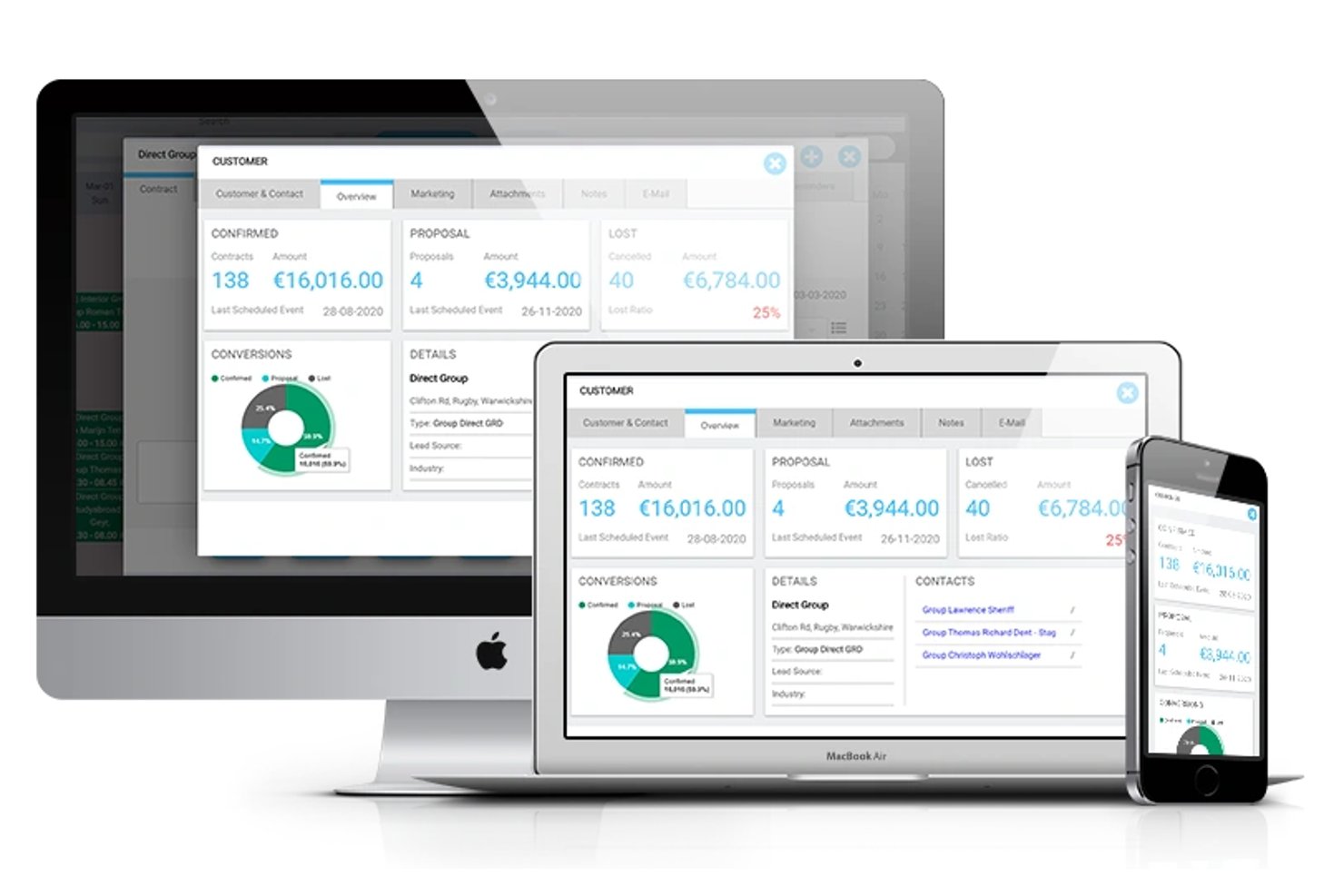
Pxier Event è una piattaforma modulare per la vendita e il catering alberghiero che comprende la prenotazione di banchetti e sale riunioni, la generazione di BEO e proposte, la pianificazione degli spazi con trascinamento, il monitoraggio dei contatti e la registrazione online agli eventi con firme elettroniche integrate e integrazioni PMS.
Per chi è più adatto Pxier Event?
Pxier Event è particolarmente adatto ai responsabili del catering e degli eventi di hotel di piccole e medie dimensioni che hanno bisogno di generare BEO, pianificare gli spazi e integrare il PMS senza sostenere i costi delle piattaforme aziendali tradizionali.
Perché ho scelto Pxier Event
Ho scelto Pxier Event come una delle migliori soluzioni perché il suo strumento per la progettazione delle planimetrie con trascinamento consente ai piccoli team di eventi di creare configurazioni personalizzate delle sale, assegnare i posti e inserire i diagrammi finali direttamente nelle proposte per i clienti, il tutto senza il prezzo di un sistema tradizionale. Mi piace anche il fatto che la generazione dei BEO sia abbinata alle firme elettroniche integrate, così un responsabile del catering può passare dalla planimetria al contratto firmato senza cambiare strumento.
Funzionalità principali di Pxier Event
- Conversione da contatto a prenotazione: Acquisisce le richieste di eventi da più fonti, assegna un punteggio ai contatti e li converte in prenotazioni confermate con un solo clic.
- Registrazione online agli eventi: Incorpora pagine di registrazione personalizzate direttamente nel tuo sito web, con pagamenti integrati, automazione delle conferme di partecipazione e liste d'attesa per le date con eccesso di prenotazioni.
- Sincronizzazione bidirezionale con il PMS: Si connette nativamente a Mews, Cloudbeds, Apaleo, Opera, RoomRaccoon e Guestline per sincronizzare i profili degli ospiti e registrare gli addebiti degli eventi sui conti.
- Integrazione della segnaletica digitale: Mostra in tempo reale i dettagli delle sale riunioni sugli schermi presenti nella struttura, prelevando i dati direttamente dal sistema di prenotazione.
Integrazioni di Pxier Event
Pxier Event dispone di sette integrazioni PMS bidirezionali native documentate, tra cui Mews, Cloudbeds, Apaleo, Oracle OPERA, Lean, RoomRaccoon e Guestline. Offre inoltre un'API aperta e la disponibilità su marketplace tramite Oracle Cloud Marketplace e il negozio di app di Apaleo.
Pros and Cons
Pros:
- La pianificazione degli spazi con trascinamento supporta le proposte per i clienti
- I BEO includono contratti e firme elettroniche
- Il supporto e la configurazione iniziale ricevono ottime recensioni dagli utenti
Cons:
- I report utilizzano le date dei contratti invece delle date degli eventi
- Le disconnessioni frequenti possono cancellare il lavoro non salvato


Insta Event Management centralizza i flussi di lavoro delle vendite aggregando i lead provenienti dal web in un'unica dashboard, permettendo al tuo team di dare facilmente priorità e assegnare i potenziali clienti. Consente l'accesso completo da qualsiasi dispositivo, ovunque ti trovi.
Perché ho scelto Insta Event Management: Ti permette di accedere al sistema da qualsiasi dispositivo, offrendo flessibilità al tuo team. La gestione automatica dei lead aiuta a dare priorità e ad assegnare i lead in modo efficiente. Lo strumento genera facilmente proposte web interattive, migliorando il coinvolgimento dei clienti. Le funzionalità di firma elettronica semplificano i processi contrattuali, facendo risparmiare tempo agli utenti.
Caratteristiche e integrazioni distintive:
Caratteristiche comprendono una gestione eventi semplice con strumenti per affrontare eventi complessi e monitorare l'inventario. Il diario delle funzioni interattivo consente di gestire visivamente i programmi degli eventi. Gli ordini per banchetti generati automaticamente e i controlli personalizzabili semplificano la pianificazione degli eventi.
Integrazioni includono Salesforce, Google Calendar, Microsoft Outlook, QuickBooks, Eventbrite, Zoom, Stripe, PayPal, Mailchimp e Constant Contact.
Pros and Cons
Pros:
- Ordini per banchetti inviabili con un clic
- Diario delle funzioni interattivo
- Dashboard con lead consolidati
Cons:
- Integrazioni limitate con terze parti
- La progettazione delle proposte può essere lenta
- Nessuna analisi approfondita
Altri software per vendite e catering alberghiero
Ecco alcune ulteriori opzioni di software per vendite e catering alberghiero che non sono entrate nella mia selezione, ma che vale comunque la pena prendere in considerazione:


Come valuto i software per vendite e catering alberghiero
Divido la mia valutazione in due livelli: le funzionalità principali che ogni piattaforma deve avere—come la generazione di BEO, i diari degli spazi funzionali e l'integrazione con il PMS—e i fattori che distinguono i migliori strumenti.
Funzionalità principali (Requisiti indispensabili per questa lista)
Quando seleziono gli strumenti per la mia lista, valuto ciascuno su una scala da 0 (non offre la funzionalità) a 5 (eccelle in questa area) per ogni funzionalità principale elencata di seguito. Poi calcolo il punteggio totale dello strumento in percentuale. Ogni strumento deve raggiungere un punteggio minimo totale del 65% per essere considerato per l'inclusione.
- Gestione prenotazioni gruppi ed eventi: Controllo se è possibile configurare blocchi di gruppo e prenotazioni eventi di più giorni in un'unica scheda, con monitoraggio delle camere assegnate e gestione delle date di scadenza.
- Gestione spazi funzionali e diario: Il diario delle prenotazioni visuale con disponibilità in tempo reale e rilevamento dei conflitti è fondamentale qui—come vedere un'opzione in sala prima che un commerciale effettui una doppia prenotazione.
- Generazione di BEO e proposte: Valuto come ogni piattaforma gestisce la creazione dei BEO, delle proposte brandizzate e dei contratti, inclusa la flessibilità dei modelli e il supporto per i campi unione.
- Gestione menù catering e F&B: Lo strumento dovrebbe consentire al team catering di creare menù, assegnare pacchetti agli eventi e adattare i prezzi per persona senza dover cambiare modulo.
- Pipeline di vendita e tracciamento lead: Cerco un sistema di account e tracciamento delle opportunità in stile CRM, che segua un lead dalla risposta iniziale all'RFP fino al contratto firmato e al follow-up post evento.
- Integrazioni PMS e hospitality: La connettività con il proprio PMS è cruciale: valuto se la piattaforma sincronizza l'inventario camere e i dati ospite con sistemi come Opera, Mews o Cloudbeds.
Una volta stilata la lista degli strumenti che soddisfano questi requisiti, considero cosa distingue ciascuna piattaforma.
Fattori differenzianti (Cosa distingue i fornitori)
Ecco come confronto e metto a paragone i diversi fornitori:
Funzionalità distintive
La gestione multi-struttura è un importante elemento di differenziazione: cerco piattaforme che permettano a un team vendite regionale di visualizzare la disponibilità, spostare i lead e generare report su un intero portafoglio. Sono inoltre rilevanti anche le dashboard di ricavi e forecasting. I migliori strumenti evidenziano i dati di andatura gruppi, le ragioni di perdita affari e le tendenze di ricavo catering senza dover creare report personalizzati. Valuto anche come ogni piattaforma gestisce l'automazione delle RFP in ingresso, in particolare la cattura dei lead da fonti come Cvent e l'inoltro automatico al giusto account manager.
Oltre le funzionalità
Valuto quanto una piattaforma sia adatta al tipo di struttura: un boutique hotel ha esigenze molto diverse rispetto a una struttura congressuale da 500 camere con più sale eventi. Sono molto importanti anche le tempistiche di implementazione, poiché la migrazione di anni di storico account e tracce da un sistema legacy come Delphi può richiedere mesi con alcuni fornitori e solo settimane con altri. Anche la struttura dei prezzi ha il suo peso. Valuto se un fornitore applica il costo per struttura o per utente, perché un grande team vendite di un resort avrà impatti molto diversi a seconda del modello.
Come scegliere il software per vendite e catering alberghiero
È facile perdersi in lunghi elenchi di funzionalità e strutture tariffarie complesse. Per aiutarti a rimanere concentrato mentre affronti il tuo processo di selezione software, ecco una lista di fattori da tenere presenti:
| Fattore | Cosa considerare |
|---|---|
| Scalabilità | Il software crescerà insieme alla tua attività? Valuta se è in grado di gestire un aumento delle prenotazioni e degli eventi con l'espansione della tua attività. Cerca opzioni che offrano piani o moduli flessibili. |
| Integrazioni | Può collegarsi agli strumenti che già utilizzi, come il CRM o il software di contabilità? Assicurati che il software supporti le integrazioni principali per mantenere flussi di lavoro efficienti. |
| Personalizzazione | Ti consente di adattare flussi di lavoro e report? Verifica se puoi modificare le impostazioni in base ai tuoi processi specifici senza dover ricorrere a sviluppi personalizzati. |
| Facilità d'uso | L'interfaccia è intuitiva per il tuo team? Valuta se è necessaria una formazione minima e se i nuovi utenti possono adattarsi rapidamente al sistema. |
| Implementazione e configurazione iniziale | Quanto tempo servirà per iniziare a utilizzarlo? Cerca piattaforme con procedure di configurazione semplici e considera il supporto disponibile durante l'implementazione. |
| Costo | In che modo i prezzi si adattano al tuo budget? Confronta il costo totale nel tempo, comprese eventuali commissioni nascoste o spese aggiuntive per le funzionalità extra. |
| Misure di sicurezza | I tuoi dati e le informazioni dei clienti sono protetti? Esamina le misure di sicurezza del software, come la crittografia e la conformità alle normative sulla protezione dei dati. |
| Disponibilità dell'assistenza | Quando puoi accedere all'assistenza, se necessario? Considera gli orari di supporto del fornitore, la disponibilità di chat dal vivo o assistenza telefonica e l'eventuale offerta di gestione dedicata dell'account per un'assistenza continuativa. |
Che cos'è il software per vendite e catering alberghiero?
Il software per le vendite e il catering alberghiero è uno strumento che aiuta a gestire e organizzare eventi, prenotazioni e servizi di catering nel settore dell'ospitalità. Viene utilizzato dai responsabili degli hotel e dagli organizzatori di eventi per gestire le attività e migliorare in modo efficiente la soddisfazione dei clienti.
Funzionalità come la gestione delle prenotazioni, la programmazione degli eventi e la reportistica aiutano a organizzare le attività, monitorare i progressi e analizzare le prestazioni. Nel complesso, questi strumenti migliorano l'efficienza operativa e l'esperienza degli ospiti.
Funzionalità del software per le vendite e il catering alberghiero
Quando scegli un software per le vendite e il catering alberghiero, presta attenzione alle seguenti funzionalità chiave:
- Gestione delle prenotazioni: semplifica il processo di gestione delle prenotazioni di camere ed eventi, garantendo un uso efficiente degli spazi e delle risorse.
- Programmazione degli eventi: consente di organizzare e monitorare più eventi, evitando sovrapposizioni e garantendo operazioni fluide.
- Modelli personalizzabili: offre flessibilità nella creazione di report, proposte e altri documenti, adattandoli alle tue esigenze specifiche e al tuo marchio.
- Analisi in tempo reale: fornisce informazioni sulle vendite e sulle prestazioni operative, aiutandoti a prendere decisioni consapevoli.
- Accesso da dispositivi mobili: consente di gestire le attività e accedere alle informazioni da qualsiasi luogo, mantenendo il team connesso anche in movimento.
- Promemoria automatici per i ricontatti: garantisce comunicazioni puntuali con i clienti, migliorando il coinvolgimento e la soddisfazione.
- Calendario centralizzato: aiuta a monitorare e coordinare gli orari dei vari team, evitando conflitti e migliorando l'efficienza.
- Elaborazione integrata dei pagamenti: semplifica la fatturazione e la riscossione dei pagamenti, migliorando l'esperienza del cliente e velocizzando le transazioni.
- Misure di sicurezza: protegge i dati sensibili tramite la crittografia e la conformità alle normative sulla protezione dei dati, garantendo la fiducia dei clienti.
- Strumenti di reportistica: fornisce informazioni dettagliate su vari aspetti delle attività, contribuendo alla pianificazione strategica e alla valutazione delle prestazioni.
Vantaggi del software per le vendite e il catering alberghiero
L'implementazione di un software per le vendite e il catering alberghiero offre numerosi vantaggi al tuo team e alla tua azienda. Ecco alcuni dei benefici che puoi aspettarti:
- Maggiore efficienza: l'automazione di attività come la gestione delle prenotazioni e la programmazione degli eventi fa risparmiare tempo e riduce gli errori manuali.
- Comunicazione migliorata: funzionalità come i calendari centralizzati e i promemoria automatici per i ricontatti mantengono il team e i clienti informati e coinvolti.
- Decisioni migliori: gli strumenti di analisi e reportistica in tempo reale forniscono informazioni preziose sulle attività, supportando la pianificazione strategica.
- Maggiore accessibilità: l'accesso da dispositivi mobili garantisce la possibilità di gestire le attività e accedere alle informazioni da qualsiasi luogo, mantenendo le operazioni flessibili.
- Opzioni di personalizzazione: i modelli personalizzabili consentono di adattare documenti e flussi di lavoro alle esigenze specifiche dell'azienda.
- Gestione sicura dei dati: le misure di sicurezza proteggono le informazioni sensibili, garantendo la conformità alle normative sulla protezione dei dati e rafforzando la fiducia dei clienti.
- Transazioni più rapide: l'elaborazione integrata dei pagamenti semplifica la fatturazione e la riscossione dei pagamenti, migliorando il flusso di cassa e la soddisfazione dei clienti.
Costi e prezzi del software per le vendite e il catering alberghiero
La scelta di un software per le vendite e il catering alberghiero richiede la comprensione dei vari modelli e piani tariffari disponibili. I costi variano in base alle funzionalità, alle dimensioni del team, ai componenti aggiuntivi e ad altri fattori. La tabella seguente riassume i piani più comuni, i relativi prezzi medi e le funzionalità tipicamente incluse nelle soluzioni software per le vendite e il catering alberghiero:
Tabella comparativa dei piani per il software per le vendite e il catering alberghiero
| Tipo di piano | Prezzo medio | Funzionalità comuni |
|---|---|---|
| Piano gratuito | $0 | Gestione di base delle prenotazioni, programmazione limitata degli eventi e reportistica di base. |
| Piano personale | $10-$30/utente/mese | Gestione avanzata delle prenotazioni, modelli personalizzabili e accesso da dispositivi mobili. |
| Piano aziendale | $30-$60/utente/mese | Programmazione avanzata degli eventi, analisi in tempo reale e integrazione con l'elaborazione dei pagamenti. |
| Piano aziendale | $60-$100/utente/mese | Strumenti di reportistica completi, misure di sicurezza avanzate e opzioni di personalizzazione complete. |
Domande frequenti sul software per vendite e catering alberghiero
Ecco alcune risposte alle domande comuni sul software per vendite e catering alberghiero:
In che modo il software alberghiero aiuta nella gestione del catering e degli eventi?
Il software per vendite e catering alberghiero combina soluzioni per il catering, sistemi di catering e software per la gestione degli eventi per gestire il business di gruppo e le RFP. Strumenti come Delphi consentono agli albergatori di gestire menu, contratti ed eventi in modo efficiente, migliorando le vendite e la soddisfazione degli ospiti.
In che modo il software alberghiero migliora le vendite e la gestione dei clienti?
Le piattaforme integrano la gestione delle relazioni con i clienti nel processo di vendita, fornendo ai team commerciali dati in tempo reale. Utilizzando informazioni basate sui dati, gli hotel possono monitorare le opportunità di vendita, prevedere la domanda e aumentare le conversioni per eventi e catering.
In che modo il software alberghiero si collega alle operazioni dell’hotel?
Le piattaforme per vendite e catering si sincronizzano con i sistemi di gestione della struttura per collegare le prenotazioni e le camere degli ospiti. L’integrazione con i sistemi per i punti vendita garantisce che gli addebiti del catering vengano trasferiti senza problemi, aiutando gli albergatori a gestire eventi e fatturazione senza errori.
Questo software può crescere insieme alla mia attività?
La scalabilità è fondamentale se prevedi che la tua attività cresca. Assicurati che il software sia in grado di gestire un numero maggiore di prenotazioni ed eventi più complessi man mano che il tuo hotel si espande. Verifica se il fornitore offre piani o moduli scalabili che possono essere aggiunti secondo necessità.
Come funzionano l’implementazione e l’inserimento?
L’implementazione e l’inserimento dovrebbero essere semplici, con risorse disponibili come video formativi e tour interattivi. Valuta il supporto del fornitore durante questa fase, inclusa l’assistenza alla migrazione dei dati e i webinar dal vivo, per garantire una transizione agevole.
In che modo il software alberghiero supporta la gestione dei ricavi?
Le piattaforme per vendite e catering allineano la gestione dei ricavi agli eventi per monitorare la redditività. Gli albergatori adeguano i prezzi, analizzano la domanda e garantiscono che gli spazi per il catering aumentino i ricavi mantenendo al contempo la soddisfazione degli ospiti.
Cosa succede ora:
Se stai cercando un software per vendite e catering alberghiero, contatta gratuitamente un consulente SoftwareSelect per ricevere consigli.
Compili un modulo e svolgi una breve conversazione durante la quale il consulente approfondisce le tue esigenze specifiche. In seguito riceverai una lista ristretta di software da valutare. Ti supporterà inoltre durante l’intero processo di acquisto, comprese le negoziazioni sul prezzo.