

15 soluzioni Wi-Fi per hotel nel 2026

Elenco ristretto delle soluzioni WiFi per hotel
- 1. Hoteza
- 6. Purple
- 10. Fourteen IP


Le soluzioni WiFi per hotel consentono di controllare, monitorare e personalizzare l’accesso a Internet degli ospiti della struttura da un’unica piattaforma. Se stai cercando il miglior software di gestione del WiFi per hotel, probabilmente devi offrire una connettività veloce e affidabile, mantenendo al contempo sicurezza, conformità normativa e soddisfazione degli ospiti. La soluzione giusta può aiutarti a gestire la larghezza di banda, automatizzare gli accessi degli ospiti e integrarsi con il tuo PMS o con gli strumenti di marketing, senza aggiungere complessità al lavoro del tuo team. In questa guida troverai un confronto chiaro delle migliori opzioni per il 2026, così potrai scegliere quella più adatta alle esigenze della tua struttura e alle aspettative degli ospiti.
Perché fidarsi dei nostri consigli sui software
Il nostro team testa e recensisce software dal 2012. In quanto leader del settore alberghiero noi stessi, sappiamo quanto sia difficile — e importante — scegliere il software giusto.
Per questa guida, abbiamo valutato gli strumenti attraverso test pratici e ricerche indipendenti, assegnando un punteggio agli strumenti in base ai nostri criteri di selezione.
Le nostre recensioni riflettono il nostro giudizio editoriale umano, non un discorso di vendita.
Riepilogo delle migliori soluzioni WiFi per hotel
Questa tabella di confronto riassume i dettagli sui prezzi delle mie migliori soluzioni WiFi per hotel, per aiutarti a trovare quella più adatta al tuo budget e alle esigenze della tua attività.
| Tool | Best For | Trial Info | Price | ||
|---|---|---|---|---|---|
| 1 | Demo gratuita disponibile | Prezzo su richiesta | Website | ||
| 2 | Ideale per il controllo aziendale delle reti su più sedi | Prova gratuita di 90 giorni | Prezzo su richiesta | Website | |
| 3 | Ideale per IoT alberghiero e Wi-Fi 7 di livello aziendale | Prova gratuita di 90 giorni | A partire da $150/AP/anno (fatturati annualmente) | Website | |
| 4 | Ideale per team IT multi-struttura con elevati requisiti di conformità | Prova gratuita di 14 giorni | A partire da 13 $/punto di accesso/mese | Website | |
| 5 | Ideale per monetizzare i piani WiFi per ospiti a più livelli | Non disponibile | Da $59/AP/anno | Website | |
| 6 | Piano gratuito disponibile e prova gratuita di 30 giorni | Prezzi su richiesta | Website | ||
| 7 | Ideale per il roaming Wi-Fi fluido basato su Passpoint | Non disponibile | Prezzi su richiesta | Website | |
| 8 | Ideale per la fornitura del Wi-Fi collegata al PMS | Non disponibile | Prezzi su richiesta | Website | |
| 9 | Ideale per la segmentazione privata della rete stanza per stanza | Demo gratuita disponibile | Prezzi su richiesta | Website | |
| 10 | Demo gratuita disponibile | Prezzi su richiesta | Website |
Recensioni delle soluzioni WiFi per hotel
Di seguito trovi i miei riepiloghi dettagliati delle soluzioni WiFi per hotel incluse nel mio elenco ristretto. Le mie recensioni offrono una panoramica dettagliata delle funzionalità, delle integrazioni e dei casi d’uso migliori di ciascuna piattaforma, per aiutarti a trovare quella più adatta alle tue esigenze.

Hoteza
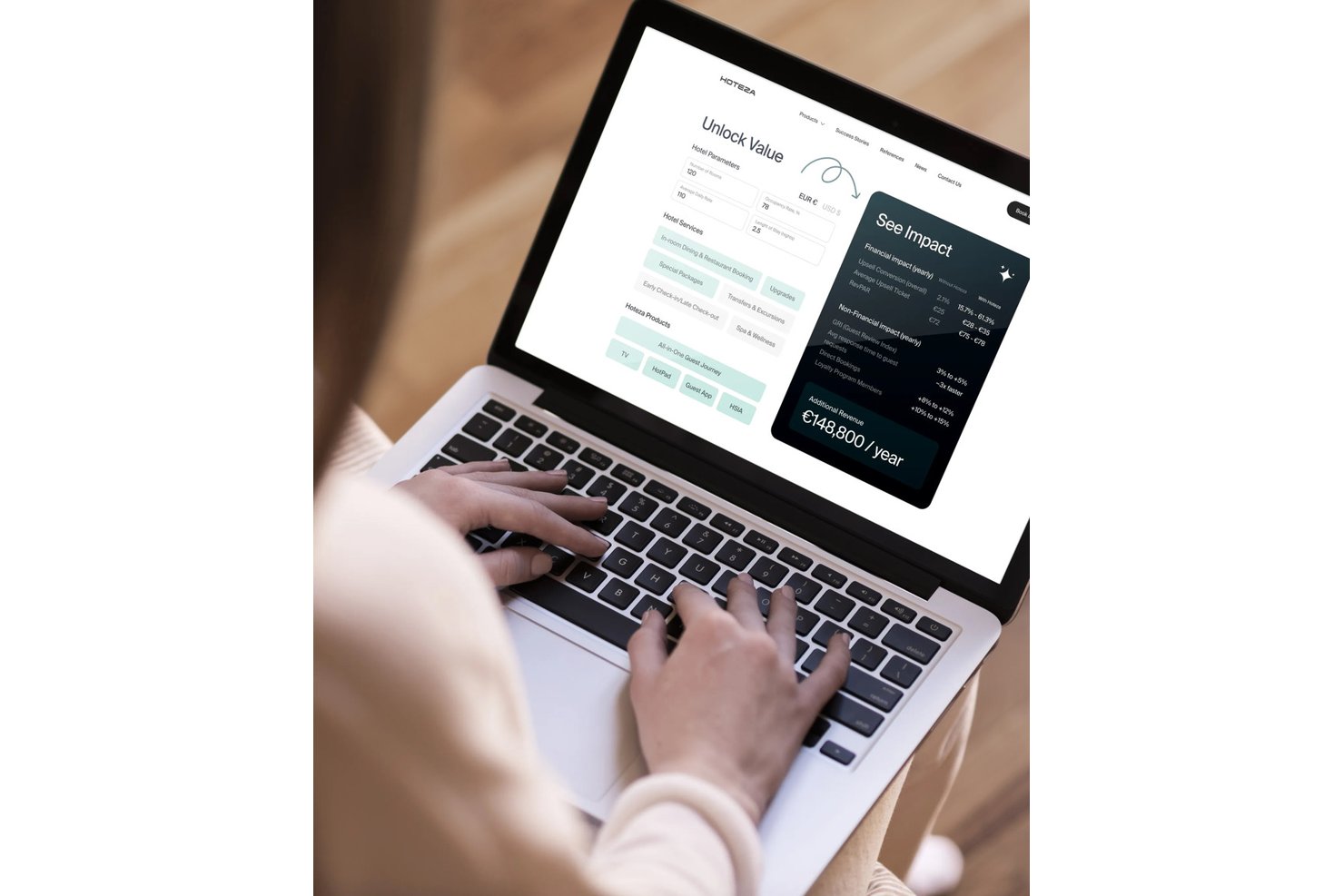
Hoteza è una piattaforma nativa per la gestione del Wi-Fi nel settore alberghiero che combina un portale di accesso personalizzato con il marchio, il controllo della larghezza di banda a livelli, l'autenticazione degli ospiti integrata con il PMS e il monitoraggio della rete per più strutture, con supporto per la trasmissione dei contenuti e un livello integrato di promozione rivolto agli ospiti.
Per chi è più adatta Hoteza?
Hoteza è particolarmente adatta agli hotel di medie e grandi dimensioni e ai gruppi con più strutture che desiderano trasformare il Wi-Fi per gli ospiti in un canale attivo di ricavi e promozione, anziché in un semplice servizio accessorio.
Perché ho scelto Hoteza
Hoteza si è guadagnata un posto nella mia selezione perché il portale di accesso è progettato davvero per fare promozione, non solo per autenticare gli utenti. Mi piace molto il fatto che, al momento dell'accesso, il portale possa mostrare offerte di vendita aggiuntiva, raccogliere le email degli ospiti con il loro consenso e sincronizzare direttamente questi dati con un CRM, tutto in un unico flusso. Gli ospiti che tornano ricevono automaticamente un messaggio di benvenuto personalizzato, trasformando un normale accesso al Wi-Fi in un punto di contatto che favorisce l'adesione ai programmi fedeltà e genera ricavi durante il soggiorno.
Funzionalità principali di Hoteza
- Accesso per gruppi: Consente a una singola sessione di autenticazione dell'ospite di coprire più dispositivi contemporaneamente, così i membri dello stesso gruppo non devono effettuare l'accesso separatamente.
- Prioritizzazione intelligente del traffico: Assegna dinamicamente la larghezza di banda in tempo reale per evitare congestioni durante i periodi di utilizzo intenso.
- Addebito sul conto tramite PMS: Addebita automaticamente i costi Internet a livelli direttamente sul conto della camera dell'ospite tramite un'integrazione bidirezionale con il PMS.
- Pannello di controllo per più strutture: Offre ai responsabili operativi un unico portale per monitorare contemporaneamente lo stato della rete e gli avvisi di tutte le strutture.
Integrazioni di Hoteza
Hoteza documenta oltre 200 integrazioni, tra cui Oracle OPERA, Mews, Protel, Shiji PMS, StayNTouch, Micros Simphony, Stripe, HPE Networking Instant On, Aruba Central, Google Cast e Apple AirPlay. La sua API REST supporta integrazioni personalizzate.
Pros and Cons
Pros:
- Portale di accesso personalizzato con il marchio, progettato per la promozione rivolta agli ospiti
- Autenticazione PMS e addebito sul conto automatizzati
- L'accesso per gruppi copre contemporaneamente i dispositivi di un gruppo
Cons:
- Nessuna conformità PCI-DSS documentata per HSIA
- Nessuna funzionalità di roaming rapido PAN o Passpoint

Ideale per il controllo aziendale delle reti su più sedi
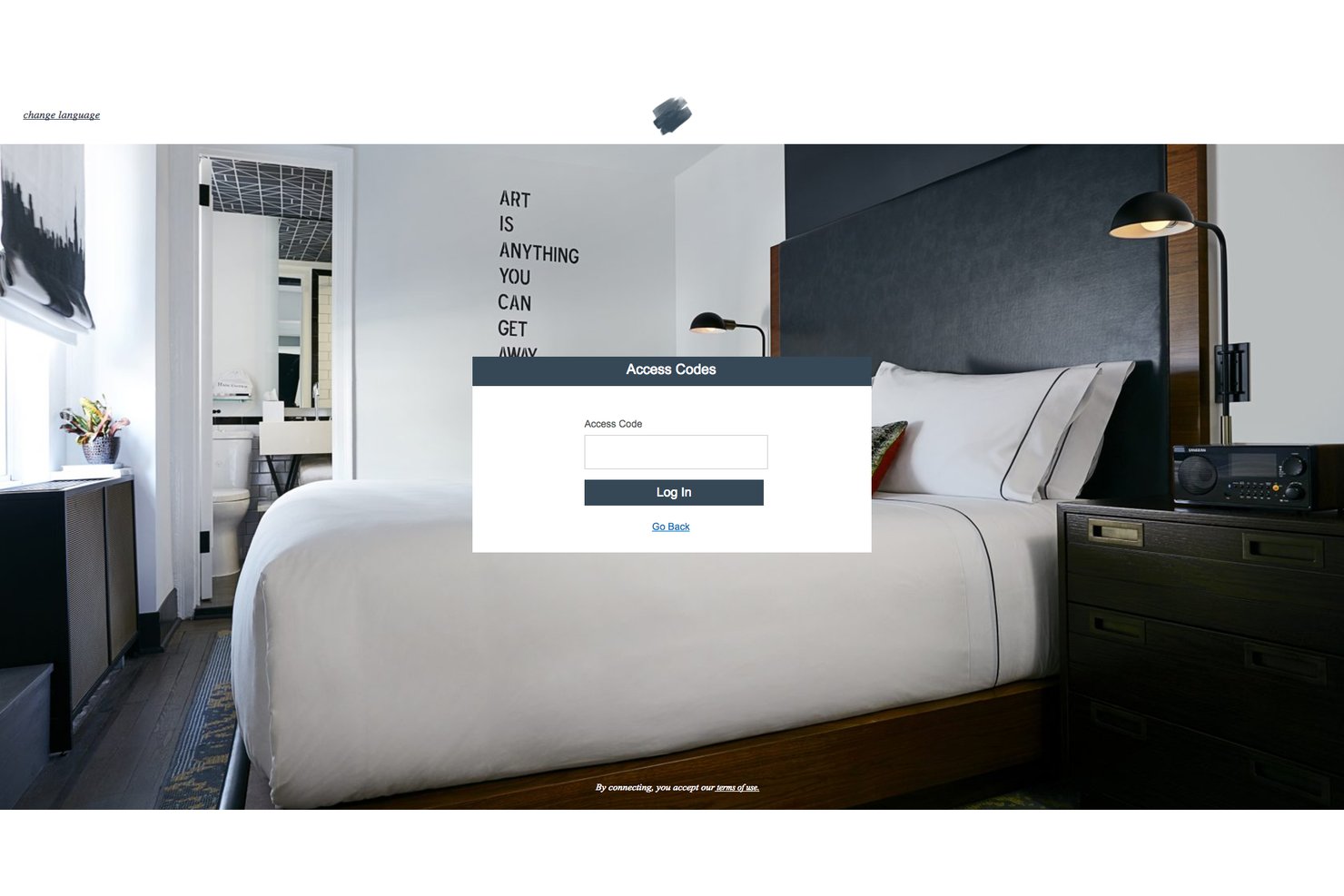
Cisco Meraki è una piattaforma aziendale per la gestione delle reti che offre infrastrutture Wi-Fi basate sul cloud, monitoraggio centralizzato di più sedi tramite il pannello di controllo Meraki, controlli della larghezza di banda e della gestione del traffico, autenticazione degli ospiti tramite pagina splash e strumenti di sicurezza di rete, tra cui segmentazione VLAN e gestione del firewall.
Per chi è più adatto Cisco Meraki?
Cisco Meraki è la soluzione ideale per i gruppi alberghieri con più strutture e per gli operatori dell'ospitalità su larga scala i cui team IT necessitano di visibilità e controllo centralizzati su decine o centinaia di sedi da un unico pannello di controllo.
Perché ho scelto Cisco Meraki
Cisco Meraki si è guadagnato un posto nella mia lista ristretta perché nessun'altra piattaforma è paragonabile alla sua visibilità su più sedi su scala aziendale. Apprezzo molto il fatto che il pannello di controllo Meraki consenta ai team IT di monitorare ogni struttura da un'unica schermata, con Meraki Insight che aggiunge il monitoraggio dello stato della WAN, della qualità del VoIP e delle prestazioni delle applicazioni web. Anche la funzionalità Rete personale Wi-Fi (WPN) è davvero notevole: offre a ogni ospite il proprio segmento di rete privato su un SSID condiviso, consentendogli di utilizzare AirPlay o trasmettere contenuti ai propri dispositivi senza esporre nulla agli altri ospiti.
Funzionalità principali di Cisco Meraki
- Supporto per Hotspot 2.0 / Passpoint: autentica automaticamente i membri del programma fedeltà alla rete tramite certificati del dispositivo, ignorando completamente la pagina splash.
- Gestione del traffico di livello 7: consente di limitare, dare priorità o bloccare il traffico in base alla categoria dell'applicazione — ad esempio P2P, streaming video o social media — su qualsiasi SSID.
- Acquisizione remota dei pacchetti: acquisisce il traffico di rete in tempo reale da qualsiasi punto di accesso in qualsiasi struttura direttamente tramite il pannello di controllo, senza che sia necessaria la presenza di personale sul posto.
- App mobile Meraki: offre ai team IT in mobilità l'accesso allo stato dei dispositivi, al numero di client e allo stato della rete in tutte le strutture direttamente dai loro telefoni.
Integrazioni di Cisco Meraki
Le integrazioni includono Cisco ISE, Mews tramite l'API Cisco Developer Hub e Opera Micros tramite Splash Access. Cloud4Wi è disponibile nel Meraki Marketplace, mentre l'API Meraki supporta sistemi PMS personalizzati e flussi di lavoro per il settore alberghiero.
Pros and Cons
Pros:
- Eccelle nel controllo centralizzato delle reti di più strutture
- La rete personale Wi-Fi garantisce la privacy dei dispositivi degli ospiti
- Dashboard cloud completo per il monitoraggio in tempo reale
Cons:
- L'integrazione con i PMS richiede soluzioni di terze parti
- Il portale captive nativo non offre funzionalità di marketing per gli ospiti

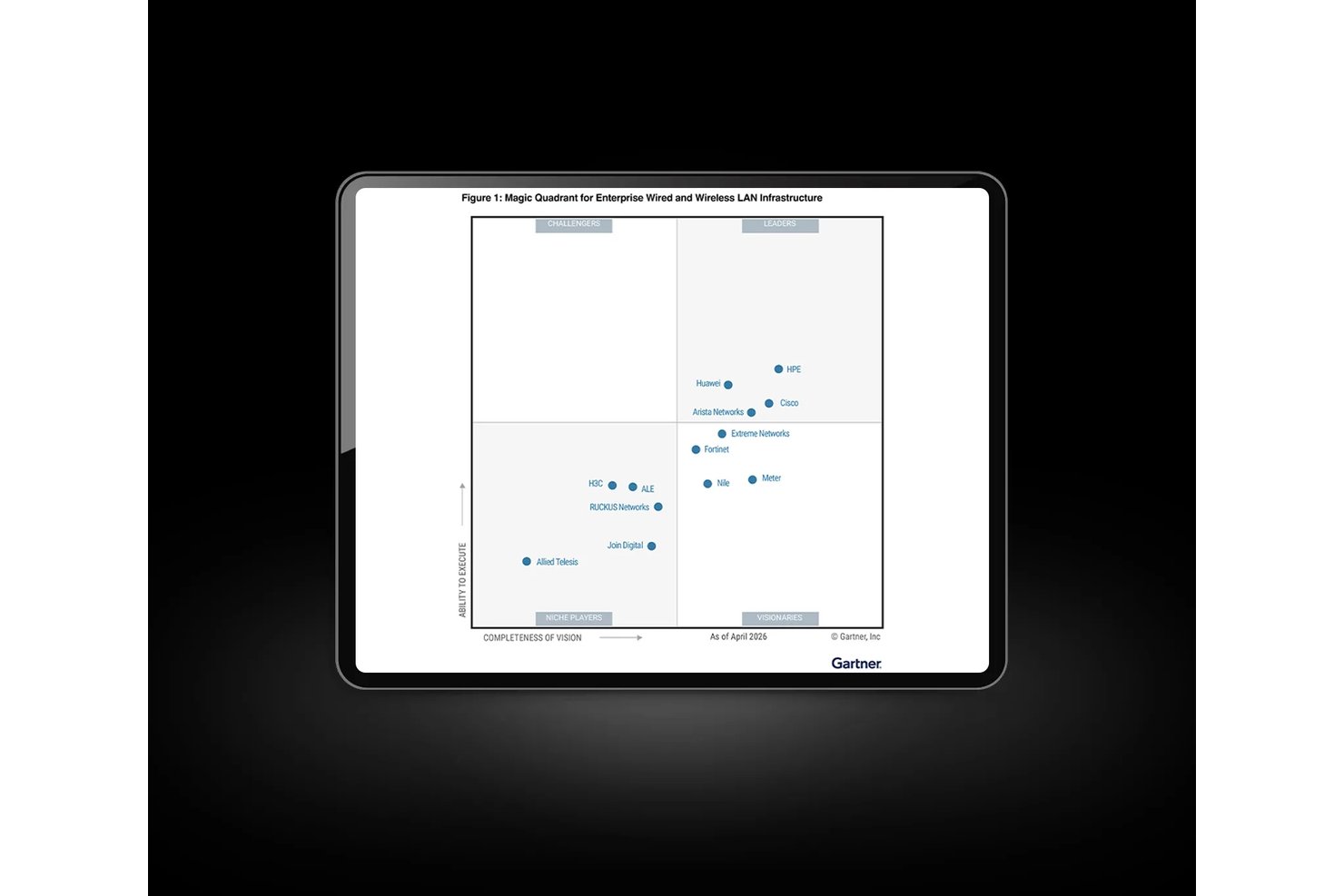
HPE Aruba Networking è una piattaforma di rete aziendale progettata per gli ambienti alberghieri, che offre Wi-Fi gestito dal cloud, connettività per dispositivi IoT, sicurezza di rete e monitoraggio di più strutture tramite la suite di gestione Aruba Central e punti di accesso progettati specificamente per il settore alberghiero.
Per chi è più adatto HPE Aruba Networking?
HPE Aruba Networking è la scelta giusta per gruppi alberghieri con più strutture e catene alberghiere aziendali con team IT dedicati alla gestione di infrastrutture di rete su larga scala in decine o centinaia di sedi.
Perché ho scelto HPE Aruba Networking
HPE Aruba Networking si è guadagnato un posto nella mia lista ristretta perché i suoi punti di accesso Wi-Fi 7 720H sono progettati specificamente per le camere d'albergo, con radio BLE e Zigbee integrate che collegano serrature intelligenti, termostati e illuminazione dallo stesso AP che fornisce il Wi-Fi agli ospiti. Apprezzo anche il motore AIOps per più strutture di Aruba Central, che rileva proattivamente i problemi in ogni sede prima che gli ospiti se ne accorgano. L'implementazione globale di Nobu Hotels dimostra che questa infrastruttura è in grado di supportare operazioni su larga scala.
Caratteristiche principali di HPE Aruba Networking
- Portale ospiti ClearPass: Offre pagine di benvenuto personalizzabili con il marchio e diverse opzioni di autenticazione, tra cui verifica tramite SMS, accesso tramite reti sociali e autoregistrazione con nome utente e password.
- QoS Air Slice: Consente la definizione di priorità basata su criteri per il traffico delle applicazioni e contratti di larghezza di banda per utente, distinguendo tra livelli di Internet gratuito e premium per gli ospiti.
- Rilevamento RAPIDS degli AP non autorizzati: Scansiona continuamente l'ambiente RF per identificare e segnalare punti di accesso non autorizzati che potrebbero compromettere la sicurezza della rete degli ospiti.
- Supporto al roaming 802.11r/k/v: Consente il passaggio rapido e basato su standard dei client tra i punti di accesso, mantenendo connessi i dispositivi degli ospiti mentre si spostano nella struttura.
Integrazioni di HPE Aruba Networking
Le integrazioni includono Nevotek, Xpossible, Purple, MyWiFi Networks, Cloudi-Fi, AWS, Azure, Zscaler e Palo Alto Networks. HPE Aruba Networking supporta inoltre API REST, Active Directory, piattaforme MDM e sistemi SIEM per una connettività personalizzata.
Pros and Cons
Pros:
- Progettato per la gestione cloud della rete di più strutture
- Punti di accesso Wi-Fi 7 con radio IoT
- Architettura di sicurezza a fiducia zero avanzata
Cons:
- Nessun modulo di integrazione PMS integrato
- Richiede partner per il marketing del Wi-Fi per gli ospiti
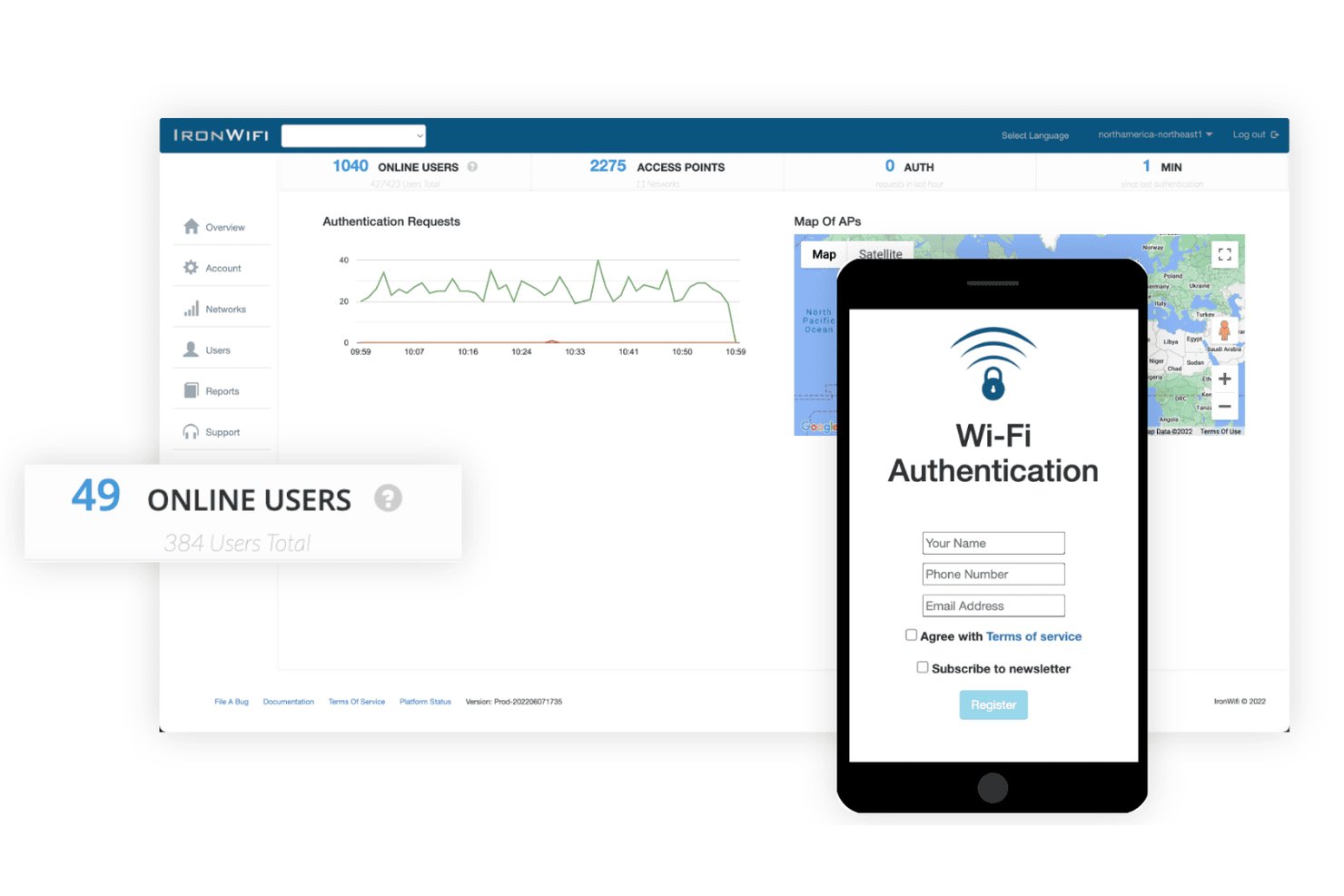
IronWiFi è una piattaforma di identità Wi-Fi gestita dal cloud che combina l'autenticazione degli ospiti basata su RADIUS, portali captive personalizzati, accesso tramite numero di camera collegato al PMS, livelli di larghezza di banda e sicurezza conforme agli standard di conformità per reti alberghiere multi-struttura.
Per chi è più adatto IronWiFi?
IronWiFi è adatto ai direttori IT e agli amministratori di rete che gestiscono portafogli alberghieri multi-struttura, dove la conformità, la sicurezza e l'autenticazione di livello aziendale hanno la priorità rispetto agli strumenti di marketing rivolti agli ospiti.
Perché ho scelto IronWiFi
IronWiFi si è guadagnato un posto nella mia selezione perché nessun altro strumento di questo elenco offre lo stesso livello di conformità per le reti alberghiere multi-struttura. L'ho scelto in particolare per i team guidati dall'IT che gestiscono catene aziendali, dove la preparazione a SOC 2 Type II, GDPR e PCI DSS non è facoltativa. In pratica, ciò significa che l'amministratore di rete può applicare l'autenticazione 802.1X/WPA3-Enterprise e la crittografia RadSec su oltre 50 marchi di punti di accesso senza sostituire l'hardware esistente. Apprezzo anche il fatto che l'accesso tramite numero di camera e cognome si colleghi direttamente a Oracle Opera, Mews o Cloudbeds per fornire e revocare automaticamente l'accesso degli ospiti al momento del check-in e del check-out.
Funzionalità principali di IronWiFi
- Supporto Passpoint (Hotspot 2.0): consente ai dispositivi di connettersi automaticamente alla rete Wi-Fi senza visualizzare una schermata di accesso, utilizzando la crittografia WPA3-Enterprise per tutta la durata del soggiorno dell'ospite.
- Metodi di accesso tramite social network e SMS: gli ospiti possono autenticarsi tramite Facebook, Google, Instagram, Apple ID o verifica SMS attraverso Twilio o Clickatell nel portale captive.
- Livelli Wi-Fi con pagamento: si integra con Stripe, PayPal, Square e Shift4, consentendo agli ospiti di acquistare pacchetti di larghezza di banda premium direttamente tramite il portale captive.
- Esportazione SIEM e syslog: invia i registri di autenticazione a Splunk, Datadog, Microsoft Sentinel o qualsiasi piattaforma compatibile con CEF per il monitoraggio centralizzato della sicurezza.
Integrazioni di IronWiFi
IronWiFi offre integrazioni native con Oracle Opera, Mews, Cloudbeds, Protel, RMS Cloud, RoomRaccoon, Apaleo, Stripe, PayPal e Square. Supporta inoltre REST API, webhook, Syslog/CEF e Zapier per connettività personalizzata.
Pros and Cons
Pros:
- Passpoint e OpenRoaming consentono il roaming continuo dei dispositivi
- Gli standard di conformità sono in linea con le attività alberghiere globali
- L'accesso degli ospiti collegato al PMS automatizza l'accesso al check-in
Cons:
- Nessuno strumento integrato di automazione del marketing
- Nessun supporto per reti personali o trasmissione di contenuti

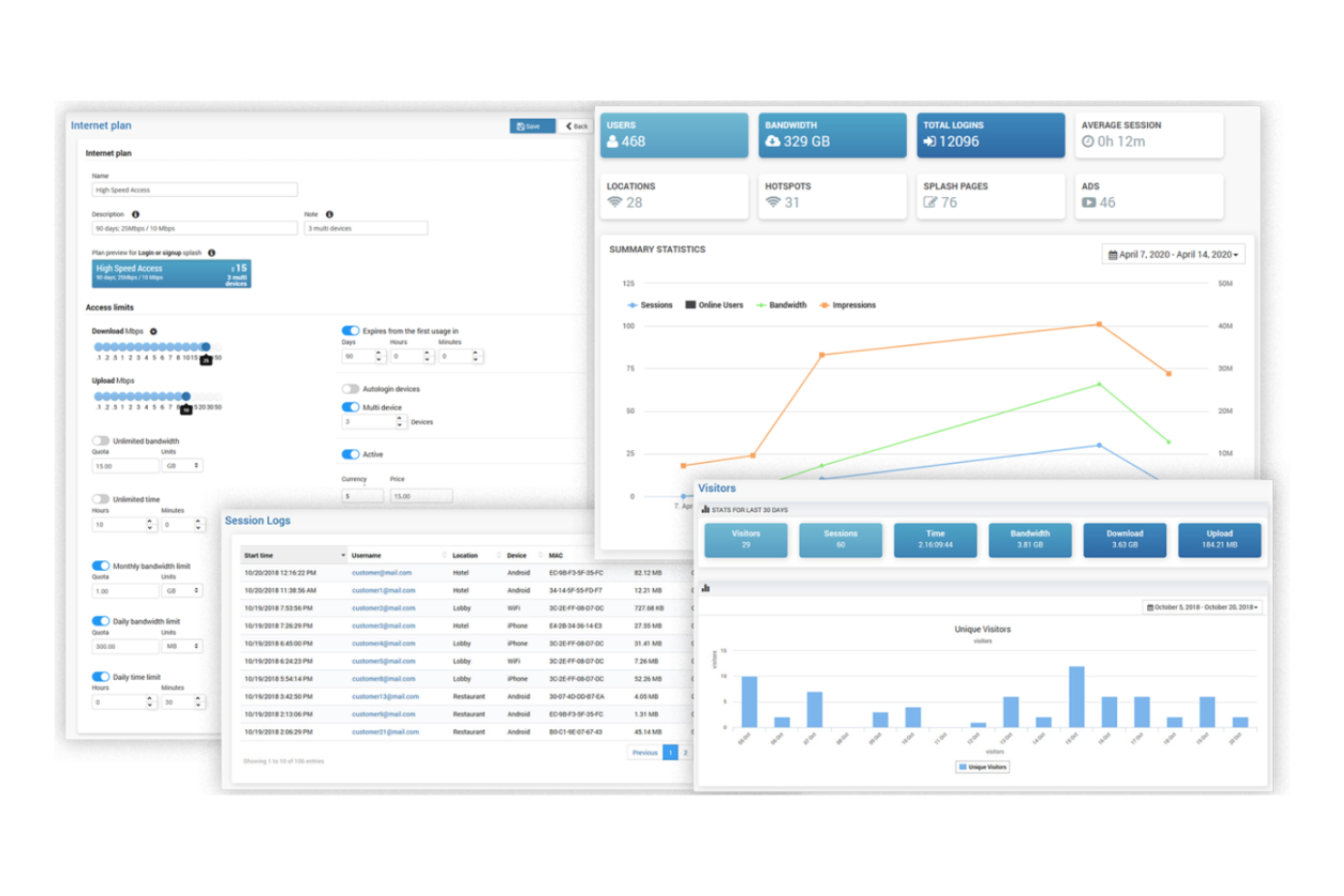
Antamedia offre un software di gestione del WiFi alberghiero progettato per le strutture che necessitano di un controllo granulare sull’accesso a Internet degli ospiti. È una soluzione adatta a hotel, resort e strutture boutique che desiderano personalizzare i metodi di accesso, i limiti di larghezza di banda e l’autenticazione degli utenti. Se desideri adattare l’accesso degli ospiti e gestire in dettaglio le politiche di utilizzo della rete, Antamedia offre una soluzione flessibile.
Perché ho scelto Antamedia
Ho scelto Antamedia per questo elenco perché i suoi controlli personalizzabili sull’accesso degli ospiti la distinguono dalle altre opzioni di gestione del WiFi alberghiero. La piattaforma consente di definire metodi di accesso personalizzati, come voucher, social media o integrazione con il PMS, così da adattare l’accesso alle esigenze della struttura. Puoi anche impostare limiti di larghezza di banda e durate delle sessioni per diversi tipi di ospiti, contribuendo a gestire il carico della rete e a garantire un utilizzo equo. Queste funzionalità rendono Antamedia una scelta valida per gli hotel che desiderano un controllo preciso sul modo in cui gli ospiti si connettono e utilizzano il WiFi.
Funzionalità principali di Antamedia
Alcune altre funzionalità di Antamedia utili per la gestione del WiFi alberghiero includono:
- Integrazione automatizzata della fatturazione: Si connette ai sistemi di gestione della struttura per automatizzare la fatturazione agli ospiti relativa all’utilizzo di Internet.
- Pagine iniziali personalizzabili: Consente di progettare schermate di accesso e di benvenuto personalizzate con il marchio per gli ospiti che accedono alla rete WiFi.
- Monitoraggio remoto della rete: Consente di monitorare lo stato della rete e l’attività degli utenti da una dashboard centralizzata.
- Filtraggio dei contenuti: Permette di bloccare l’accesso a siti web o categorie specifiche per mantenere un ambiente di navigazione sicuro per gli ospiti.
Integrazioni di Antamedia
Le integrazioni non sono elencate pubblicamente.
Pros and Cons
Pros:
- Offre un controllo granulare sull’accesso degli ospiti e sui limiti di larghezza di banda
- Offre pagine iniziali personalizzabili per la promozione del marchio
- Consente la gestione remota tramite Omada Cloud
Cons:
- Richiede la configurazione di hardware in sede
- Automazione limitata per le opzioni di gestione autonoma degli ospiti

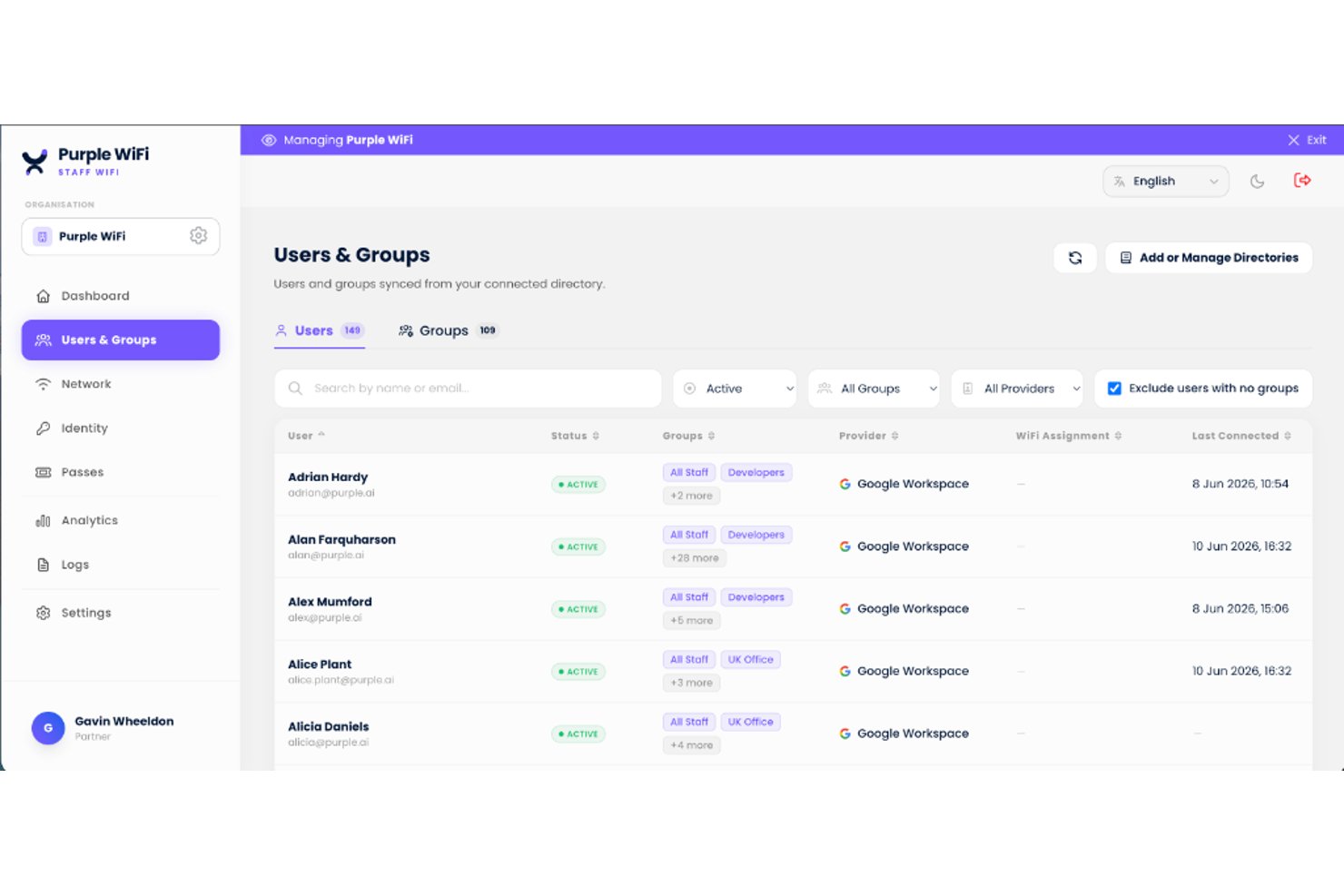
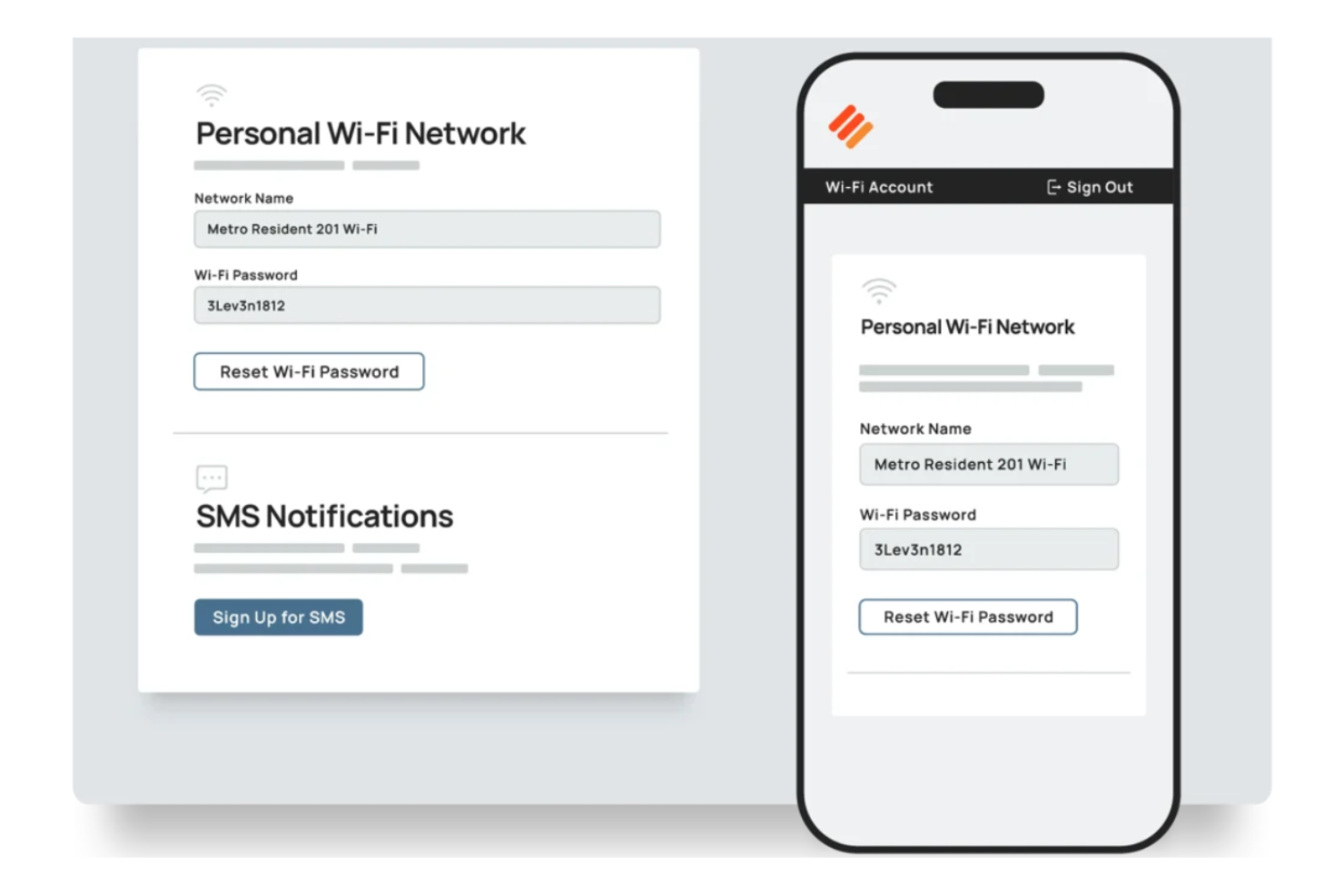
Purple è una piattaforma cloud per la gestione del WiFi alberghiero che combina la creazione di portali captive personalizzati, le Reti Personali alimentate da iPSK, la raccolta dei dati degli ospiti e l'analisi delle reti multi-struttura su infrastrutture wireless indipendenti dal fornitore.
Per chi è più adatto Purple?
Purple è particolarmente adatto ai gruppi alberghieri con più strutture che desiderano offrire agli ospiti una connettività privata e simile a quella di casa per trasmettere contenuti e utilizzare lo streaming sui propri dispositivi.
Perché ho scelto Purple
Purple si è guadagnato un posto nella mia selezione perché le sue Reti Personali alimentate da iPSK risolvono uno dei problemi di connettività più frustranti negli hotel: gli ospiti non possono trasmettere contenuti ai dispositivi Chromecast o Apple TV presenti in camera perché i portali captive bloccano l'autenticazione dei dispositivi senza interfaccia. Con Purple, ogni prenotazione riceve una passphrase WPA2/WPA3 univoca che colloca tutti i dispositivi dell'ospite in una micro-VLAN isolata, così la trasmissione dei contenuti funziona esattamente come a casa. Le integrazioni PMS con OPERA Cloud, Mews e Cloudbeds automatizzano la configurazione della passphrase al check-in e la revoca al check-out.
Funzionalità principali di Purple
- Creazione di portali captive personalizzati: Un editor di portali con funzionalità di trascinamento supporta oltre 25 lingue con rilevamento automatico, diversi flussi di autenticazione e la raccolta del consenso conforme al GDPR durante l'accesso.
- RADIUS come servizio cloud: Purple fornisce l'autenticazione aziendale 802.1X senza alcun server in sede, sincronizzandosi con Microsoft Entra ID, Okta e Google Workspace per il WiFi del personale.
- Richieste automatiche di recensione post-soggiorno: Al momento del check-out, Purple invia richieste di recensione a TripAdvisor e Google, mentre l'esportazione nel CRM trasferisce i dati degli ospiti a oltre 400 strumenti, tra cui Salesforce e Mailchimp.
- Segmentazione VLAN per l'IoT: L'isolamento di una rete IoT dedicata mantiene televisori intelligenti, termostati e serrature intelligenti su una VLAN separata, con regole firewall limitate per impedire i movimenti laterali.
Integrazioni di Purple
Purple dispone di cinque integrazioni PMS native documentate: Oracle Hospitality OPERA Cloud, Mews, Cloudbeds, Stayntouch e Apaleo. Si connette inoltre a Cisco Meraki, HPE Aruba, Ruckus, Ubiquiti UniFi, Juniper Mist e oltre 400 strumenti CRM tramite API REST e webhook.
Pros and Cons
Pros:
- Consente agli ospiti di trasmettere contenuti dai propri dispositivi tramite reti private
- Le Reti Personali isolano i dispositivi per ogni ospite
- Solida automazione delle credenziali WiFi basata sul PMS
Cons:
- L'editor della pagina iniziale richiede HTML per la personalizzazione
- La qualità dell'assistenza varia in base ai piani e alle regioni
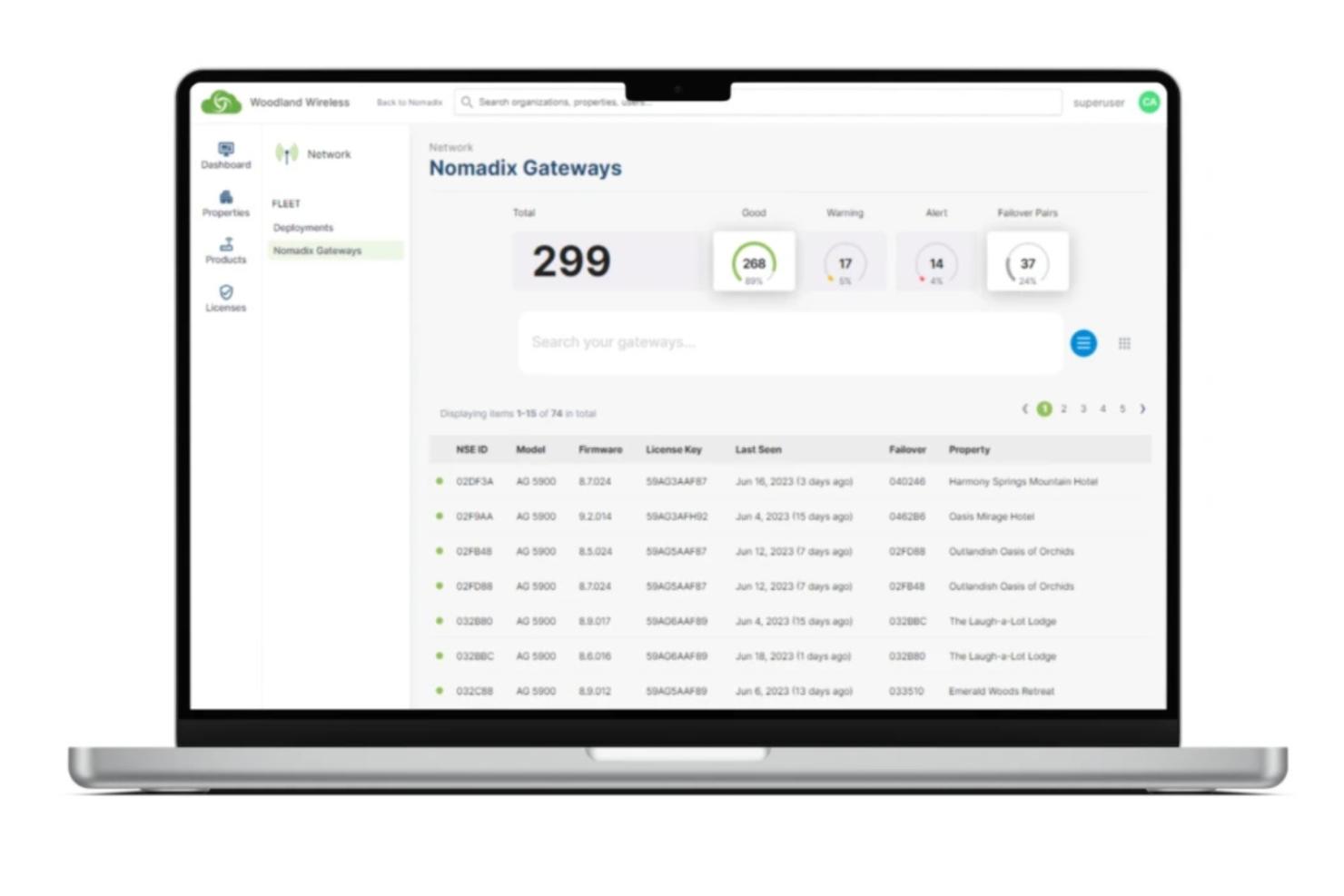
Nomadix è una piattaforma per la gestione del Wi-Fi nel settore alberghiero basata su hardware gateway per Internet, che offre gestione del captive portal, controllo brevettato della larghezza di banda, autenticazione degli ospiti basata su Passpoint, monitoraggio della rete su più strutture e integrazioni con sistemi di trasmissione, telefonia cloud e gestione energetica.
Per chi è più adatto Nomadix?
Nomadix è pensato per hotel e resort di medie e grandi dimensioni e per gruppi con più strutture che necessitano di un'infrastruttura di rete di livello enterprise, con roaming Wi-Fi degli ospiti fluido e senza interruzioni su larga scala.
Perché ho scelto Nomadix
Nomadix è entrato nella mia rosa dei candidati perché ha contribuito a definire lo standard Passpoint/Hotspot 2.0, e questa esperienza si riflette nella sua implementazione. Una volta autenticato, Passpoint gestisce automaticamente ogni riconnessione futura, tra camere, hall e aree esterne, proprio come avviene con il roaming cellulare. L'SDK Passpoint del 2025 fa un ulteriore passo avanti, consentendo agli hotel di integrare questa registrazione fluida direttamente nelle proprie app fedeltà.
Funzionalità principali di Nomadix
- Creazione di captive portal: Un portale basato su modelli, senza codice, con supporto multilingue e diverse opzioni di autenticazione, tra cui SMS, accesso tramite social network, voucher e ricerca della camera nel PMS.
- Ridistribuzione dinamica della larghezza di banda: Tecnologia gateway brevettata che rialloca in tempo reale la larghezza di banda inutilizzata dagli utenti con priorità inferiore ai livelli con priorità maggiore.
- Dashboard della flotta: Un'interfaccia di monitoraggio basata sul cloud che mostra lo stato della connettività in tempo reale, le versioni del firmware e i dettagli delle licenze per ogni struttura del portafoglio.
- Pianificatore delle sale conferenze: Un modulo dedicato che consente ai responsabili IT di impostare limiti di larghezza di banda per evento, limiti sul numero di dispositivi e pagine di destinazione personalizzate per singole sale riunioni o eventi.
Integrazioni di Nomadix
Nomadix offre nove integrazioni PMS documentate, tra cui Oracle Hospitality (OPERA), Maestro PMS, Stayntouch, WebRezPro, SkyTouch Technology, RoomKey PMS, roommaster, Priority Software e Planet. Fornisce inoltre API per integrazioni personalizzate e supporta CAPPORT API, SIP, Zigbee e BLE.
Pros and Cons
Pros:
- Roaming basato su Passpoint tra grandi portafogli alberghieri
- Larghezza di banda con priorità dinamica per conferenze e ospiti VIP
- Il gateway indipendente dal fornitore funziona con qualsiasi punto di accesso
Cons:
- Le funzionalità avanzate richiedono hardware gateway installato in loco
- Nessuna suite integrata per il marketing o l'analisi degli ospiti

Eleven Software si distingue per gli hotel che necessitano di una gestione del WiFi strettamente integrata con il proprio sistema di gestione della struttura. È progettato per le attività del settore alberghiero che desiderano automatizzare l'autenticazione degli ospiti e semplificare l'accesso alla rete tramite connessioni PMS. Se desideri collegare direttamente l'accesso WiFi alle prenotazioni e ai profili degli ospiti, Eleven Software offre una soluzione progettata appositamente.
Perché ho scelto Eleven Software
Ciò che mi ha spinto a scegliere Eleven Software è la sua attenzione all'integrazione con i PMS, una priorità assoluta per molti hotel che desiderano collegare l'accesso WiFi alla gestione degli ospiti. La piattaforma si collega direttamente ai principali sistemi di gestione delle strutture, consentendo di automatizzare l'autenticazione degli ospiti e associare l'accesso WiFi ai dati delle prenotazioni. Apprezzo il supporto alla sincronizzazione in tempo reale offerto da Eleven Software, che contribuisce a garantire che solo gli ospiti attualmente registrati possano accedere e che l'accesso venga revocato al momento della partenza. Questo livello di integrazione è particolarmente utile per le strutture che desiderano ridurre il lavoro manuale e offrire un'esperienza più personalizzata agli ospiti.
Funzionalità principali di Eleven Software
Alcune altre funzionalità di Eleven Software utili per la gestione del WiFi negli hotel includono:
- Gestione centralizzata della rete: consente di supervisionare più strutture e reti da un unico pannello di controllo.
- Portali per gli ospiti personalizzabili: permette di progettare pagine di accesso e modalità di utilizzo personalizzate con il proprio marchio.
- Strumenti per la gestione della larghezza di banda: consentono di impostare limiti di utilizzo e dare priorità al traffico per diversi gruppi di utenti.
- Riconoscimento automatico dei dispositivi: rileva i dispositivi degli ospiti abituali e semplifica il processo di accesso per i visitatori che tornano.
Integrazioni di Eleven Software
Le integrazioni non sono elencate pubblicamente.
Pros and Cons
Pros:
- Si sincronizza con i sistemi dell'hotel per la registrazione degli ospiti
- Memorizza i dispositivi degli ospiti abituali per un accesso più rapido
- Dà priorità alla larghezza di banda ad alta velocità per gli ospiti VIP
Cons:
- Richiede componenti fisici invece di una configurazione nel cloud
- Richiede il supporto di esperti IT per la configurazione iniziale
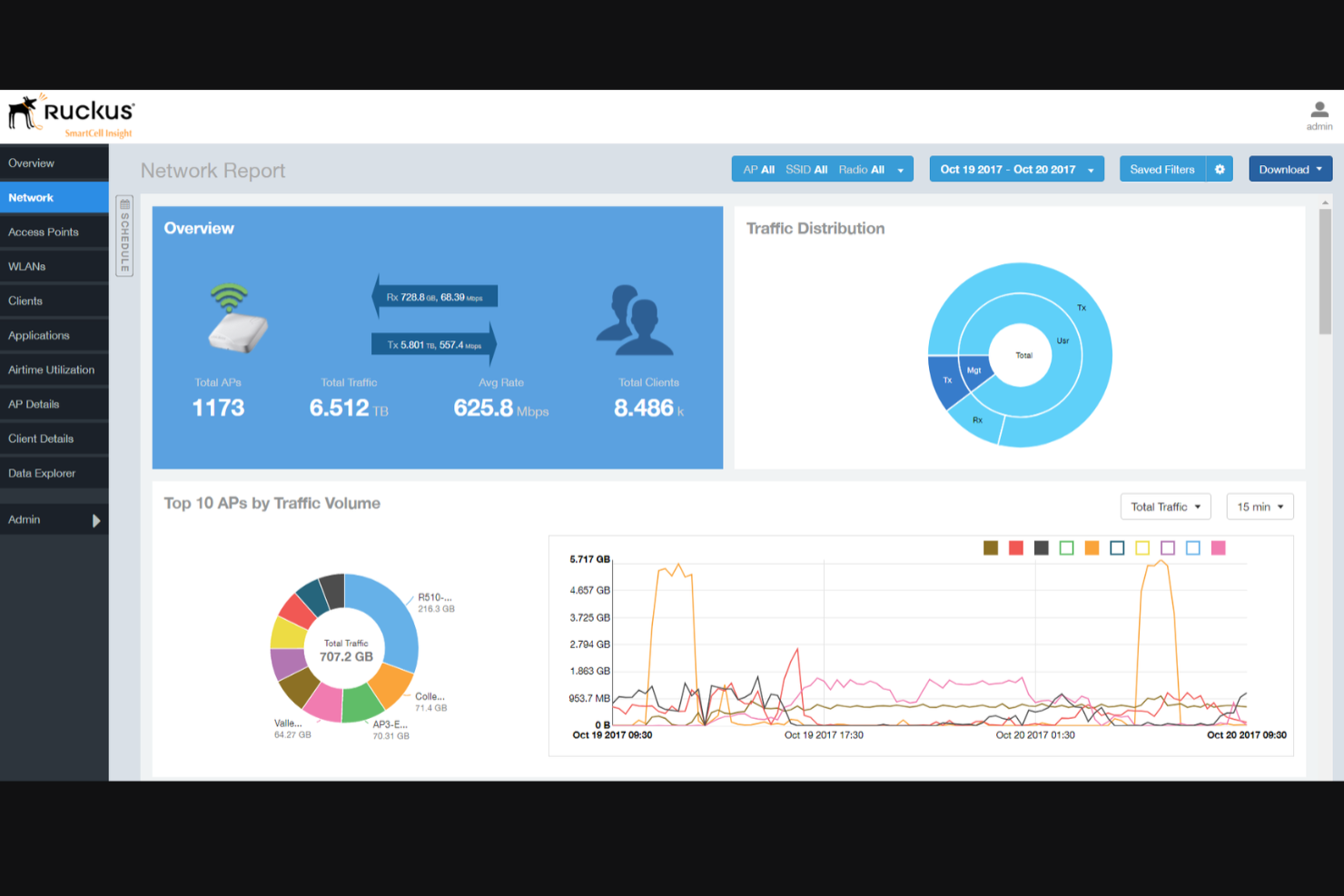
Ruckus Networks è progettato per hotel e resort che necessitano di un sistema WiFi affidabile in aree ad alta affluenza come hall, sale conferenze e camere degli ospiti. Le sue soluzioni hardware e software, inclusi router e punti di accesso di livello enterprise, sono progettate per gestire un numero elevato di connessioni simultanee senza sacrificare velocità o stabilità. La piattaforma supporta inoltre la distribuzione sicura di hotspot WiFi e collabora strettamente con i fornitori di servizi per offrire una connettività scalabile. Questo la rende particolarmente adatta alle strutture che ospitano eventi, accolgono viaggiatori d'affari o desiderano garantire una connettività uniforme in tutta la proprietà.
Perché ho scelto Ruckus Networks
Per gli hotel che devono supportare centinaia o persino migliaia di dispositivi contemporaneamente, Ruckus Networks si distingue per le sue capacità di rete ad alta densità. La piattaforma utilizza una tecnologia brevettata per le antenne e una gestione avanzata del traffico per mantenere connessioni forti e stabili anche negli spazi affollati. Ho scelto Ruckus Networks perché è progettato per gestire le esigenze di grandi strutture, sedi di eventi affollate e aree dedicate agli ospiti in cui la congestione WiFi rappresenta una reale preoccupazione. L'attenzione alle prestazioni affidabili in ambienti difficili lo rende una scelta ideale per gli hotel che non possono permettersi problemi di connettività.
Funzionalità principali di Ruckus Networks
Altre funzionalità che rendono Ruckus Networks interessante per la gestione del WiFi negli hotel includono:
- Gestione della rete basata sul cloud: consente di monitorare e configurare l'intera rete da un'unica dashboard online.
- Portali di accesso per gli ospiti: fornisce pagine di accesso personalizzabili per gli ospiti, incluse opzioni di branding e autenticazione.
- Controlli degli accessi basati sui ruoli: consente di impostare autorizzazioni di rete diverse per personale, ospiti e fornitori.
- Aggiornamenti di sicurezza automatici: distribuisce regolarmente aggiornamenti firmware e patch di sicurezza a tutti i dispositivi connessi senza intervento manuale.
Integrazioni di Ruckus Networks
Le integrazioni non sono elencate pubblicamente.
Pros and Cons
Pros:
- Gestisce numerose connessioni simultanee degli ospiti
- Le antenne brevettate migliorano la copertura in ambienti complessi
- La dashboard cloud semplifica la gestione di più strutture
Cons:
- Documentazione limitata per la risoluzione dei problemi nel settore alberghiero
- La personalizzazione del portale per gli ospiti è meno flessibile

Fourteen IP è una piattaforma WiFi per hotel completamente gestita che copre la progettazione della rete, la distribuzione, la gestione del captive portal, il controllo della larghezza di banda su più livelli, il monitoraggio di più strutture e la connettività dei dispositivi degli ospiti tramite gli strumenti Evolution Gateway ed Evolution Monitoring.
Per chi è più adatto Fourteen IP?
Fourteen IP è una soluzione ideale per gli operatori alberghieri e le società di gestione con più strutture che desiderano un servizio WiFi completamente gestito, dall'analisi del sito al monitoraggio 24 ore su 24, 7 giorni su 7, senza gravare sui team IT interni.
Perché ho scelto Fourteen IP
Ho scelto Fourteen IP come una delle migliori soluzioni perché la sua funzione Rete personale (PAN) la distingue realmente per gli hotel in cui gli ospiti si aspettano che i propri dispositivi comunichino tra loro. Un ospite può collegare il telefono, il laptop e il dispositivo di streaming a un SSID privato con una propria PSK, mantenendo intatto il proprio ecosistema personale di dispositivi. Fourteen IP consente inoltre agli hotel di offrire l'accesso alla PAN come incentivo alla compilazione di un sondaggio, trasformando il feedback degli ospiti in uno scambio di valore.
Funzionalità principali di Fourteen IP
- Pannello di controllo di Evolution Monitoring: un pannello di controllo cloud centralizzato che monitora lo stato degli AP, le versioni del firmware, l'utilizzo della larghezza di banda e gli eventi di rete in tutte le strutture senza costi aggiuntivi.
- Aggiornamenti di livello attivati dal sondaggio: agli ospiti che completano un sondaggio può essere automaticamente concesso l'accesso a un livello di servizio superiore, collegando la raccolta dei feedback degli ospiti a un incentivo per l'accesso WiFi.
- Registrazione 802.1X: gli ospiti vengono registrati automaticamente con profili WiFi sicuri sui propri dispositivi, con supporto nativo per l'installazione automatica dei profili sui prodotti Apple.
- Infrastruttura AP pronta per l'IoT: i punti di accesso di nuova generazione includono radio integrate che supportano il tracciamento delle risorse, l'accesso senza chiavi, la geolocalizzazione perimetrale e la gestione dei sensori delle camere intelligenti su una rete convergente.
Integrazioni di Fourteen IP
Fourteen IP si connette a oltre 100 sistemi PMS tramite TigerTMS e Comtrol Lodging Link, tra cui Opera, Mews, Cloudbeds, Amadeus, Agilysys, Infor HMS, Maestro, Hilton OnQ e Fosse. Supporta inoltre l'hardware HPE Aruba e Ruckus Wireless.
Pros and Cons
Pros:
- Reti personali (PAN) per la privacy dei dispositivi degli ospiti
- Il pannello di controllo centralizzato supporta portafogli di più strutture
- Monitoraggio proattivo 24 ore su 24, 7 giorni su 7 e supporto NOC
Cons:
- Nessun prezzo pubblico o prova autonoma
- L'accesso tramite social network al portale degli ospiti non è documentato
Altre soluzioni WiFi per hotel
Ecco alcune soluzioni WiFi aggiuntive per hotel che non sono entrate nel mio elenco ristretto, ma che vale comunque la pena prendere in considerazione:
- Datavalet
Ideale per reti private di dispositivi per ciascun ospite
- Hotel Internet Services
Ideale per l'integrazione dell'intrattenimento in camera
- Cloud4Wi
Ideale per la raccolta di dati di marketing tramite il WiFi degli ospiti


Come valuto le soluzioni WiFi per hotel
Divido la mia valutazione in criteri di base, come i portali captive autenticati tramite PMS e la suddivisione della larghezza di banda, e fattori distintivi che separano le opzioni migliori dalle altre.
Funzionalità principali (Requisiti fondamentali per questo elenco)
Quando seleziono gli strumenti da inserire nel mio elenco, valuto ciascuno su una scala da 0 (non offre la funzionalità) a 5 (eccelle in quest'area) per ogni funzionalità principale indicata di seguito. Successivamente, trasformo il punteggio totale dello strumento in una percentuale. Ogni strumento deve raggiungere un punteggio totale minimo del 55% per essere preso in considerazione.
- Gestione del portale captive: valuto il livello di controllo offerto sull'esperienza di accesso degli ospiti, comprese pagine di benvenuto personalizzate con il marchio, diversi metodi di autenticazione come SMS o numero della camera e il supporto multilingue.
- Controllo della larghezza di banda e degli accessi a livelli: ogni piattaforma dovrebbe consentire di impostare limiti per dispositivo o per camera e offrire piani a livelli, come il Wi-Fi di base gratuito più un livello premium a pagamento per lo streaming.
- Integrazione con il PMS: verifico se lo strumento si connette alle principali piattaforme PMS, come Opera, Mews o Cloudbeds, per autenticare automaticamente gli ospiti utilizzando il numero della camera e il cognome al momento del check-in.
- Monitoraggio della rete per più strutture: per gli operatori che gestiscono più di una sede, valuto se viene fornito un pannello di controllo centralizzato con disponibilità in tempo reale, numero di dispositivi e avvisi per tutte le strutture.
- Sicurezza dei dati degli ospiti e conformità: ogni strumento dovrebbe supportare l'isolamento della rete degli ospiti, sessioni crittografate e framework di conformità come PCI-DSS e GDPR applicabili alle reti Wi-Fi pubbliche degli hotel.
- Roaming e passaggio da un dispositivo all'altro: cerco il supporto al roaming rapido (802.11r/k/v), in modo che gli ospiti rimangano connessi mentre si spostano tra la camera, la hall e le aree della piscina senza interruzioni o una nuova autenticazione.
Una volta ottenuto un elenco di strumenti che soddisfano questi criteri, considero ciò che distingue ciascuna piattaforma.
Fattori distintivi (Ciò che differenzia i fornitori)
Ecco come confronto e metto a confronto i diversi fornitori:
Funzionalità di rilievo
Le funzionalità di marketing e analisi per gli ospiti trasformano il portale captive in un canale di ricavi: valuto se le piattaforme possono raccogliere gli indirizzi email degli ospiti, proporre offerte aggiuntive per la spa o la ristorazione e trasferire i dati nei programmi fedeltà. Anche il supporto al casting e allo streaming è importante, poiché gli ospiti si aspettano di poter guardare i propri contenuti sui televisori in camera senza complicazioni nell'associazione. Considero inoltre il supporto per l'IoT e le camere intelligenti, in cui la piattaforma segmenta il traffico per serrature intelligenti, termostati e assistenti vocali su VLAN dedicate.
Oltre le funzionalità
Il modello di implementazione è molto importante in questo caso: verifico se una piattaforma è gestita tramite cloud, richiede controller locali oppure vincola l'utente a punti di accesso proprietari di fornitori come Ruckus o Aruba. Anche la tipologia della struttura e l'idoneità per il portafoglio sono altrettanto importanti, poiché un boutique hotel di 30 camere ha esigenze molto diverse rispetto a un resort di 500 camere con sale conferenze e terrazze a bordo piscina. Valuto inoltre il supporto all'implementazione, compreso il fatto che il fornitore offra sopralluoghi, installazione degli AP e garanzie di disponibilità coperte da SLA con monitoraggio NOC 24 ore su 24, 7 giorni su 7.
Come scegliere le soluzioni WiFi per hotel
È facile perdersi in lunghi elenchi di funzionalità e strutture tariffarie complesse. Per aiutarti a rimanere concentrato mentre affronti il tuo specifico processo di selezione del software, ecco un elenco dei fattori da tenere presenti:
| Fattore | Cosa considerare |
|---|---|
| Scalabilità | Il software supporterà la tua struttura man mano che aggiungi camere, sedi o nuovo hardware di rete? |
| Integrazioni | Si connette nativamente al tuo PMS, CRM o ad altri sistemi alberghieri fondamentali senza richiedere uno sviluppo personalizzato? |
| Personalizzazione | Puoi adattare i flussi di accesso degli ospiti, l’identità del marchio e le politiche di accesso alle esigenze della tua struttura? |
| Facilità d’uso | Il personale della reception e quello IT saranno in grado di gestire il sistema con una formazione minima? |
| Implementazione e avviamento | Quanto tempo sarà necessario per la distribuzione e di quali risorse o competenze avrai bisogno per iniziare? |
| Costo | Tutte le tariffe sono chiare fin dall’inizio e il modello di prezzo è adatto ai tuoi livelli di occupazione e al tuo budget? |
| Misure di sicurezza | La piattaforma offre isolamento dei dati degli ospiti, crittografia e conformità alle normative locali? |
| Disponibilità dell’assistenza | Puoi contattare rapidamente l’assistenza durante le interruzioni del servizio o nelle ore di punta per gli ospiti, utilizzando il tuo canale preferito? |
Cosa sono le soluzioni WiFi per hotel?
Le soluzioni WiFi per hotel sono piattaforme che consentono agli alberghi di controllare, monitorare e proteggere le reti wireless degli ospiti e del personale. Offrono strumenti per gestire gli accessi degli utenti, personalizzare i portali di accesso, impostare limiti di larghezza di banda e monitorare l’utilizzo della rete. Questi sistemi aiutano i gruppi alberghieri a fornire un servizio Internet affidabile, proteggere i dati degli ospiti e adattare le politiche di rete ai cambiamenti nei livelli di occupazione e nelle esigenze operative.
Caratteristiche delle soluzioni WiFi per hotel
Quando selezioni le soluzioni WiFi per hotel, presta attenzione alle seguenti caratteristiche principali:
- Controlli di accesso degli ospiti: consentono di gestire le modalità di connessione degli ospiti al WiFi, inclusi i metodi di autenticazione, i limiti di durata delle sessioni e le restrizioni sui dispositivi.
- Portali captive personalizzabili: consentono di progettare pagine di accesso personalizzate con opzioni per l'accesso tramite social network, codici voucher o autenticazione tramite numero di camera.
- Gestione della larghezza di banda: consente di impostare limiti di larghezza di banda e assegnare la priorità al traffico per diversi gruppi di utenti, contribuendo a garantire un accesso a Internet equo e affidabile.
- Dashboard di monitoraggio della rete: offre una visibilità in tempo reale sullo stato della rete, sullo stato dei dispositivi e sui modelli di utilizzo, consentendo di identificare e risolvere rapidamente i problemi.
- Analisi e report sull'utilizzo: fornisce report dettagliati sulle sessioni degli ospiti, sul consumo di dati e sulle prestazioni della rete, per supportare le decisioni operative.
- Supporto per più dispositivi: supporta connessioni simultanee da più dispositivi per ospite, soddisfacendo le aspettative dei viaggiatori moderni.
- Accesso basato sui ruoli: consente di assegnare autorizzazioni diverse al personale, al reparto IT e alla direzione, garantendo un accesso al sistema sicuro e appropriato.
- Gestione di voucher e coupon: consente di generare, distribuire e monitorare i codici di accesso WiFi per ospiti, eventi o promozioni.
- Gestione remota: consente di configurare, monitorare e risolvere i problemi della rete da qualsiasi luogo, risultando particolarmente utile per le strutture con più sedi.
- Misure di sicurezza: include funzionalità come l'isolamento della rete degli ospiti, la crittografia e gli strumenti per la conformità, per proteggere i dati degli ospiti e soddisfare i requisiti normativi.
Le soluzioni software per la gestione del WiFi degli hotel generalmente non includono l'AI tra le funzionalità offerte.
Vantaggi delle soluzioni WiFi per hotel
L'implementazione di soluzioni WiFi per hotel offre diversi vantaggi al tuo team e alla tua attività. Ecco alcuni dei vantaggi che puoi aspettarti:
- Connettività costante per gli ospiti: controlli di accesso affidabili e gestione della larghezza di banda contribuiscono a garantire che ogni ospite possa usufruire di una connessione Internet stabile e di alta qualità durante tutto il soggiorno.
- Maggiore sicurezza dei dati: misure di sicurezza integrate come l'isolamento della rete degli ospiti e la crittografia proteggono le informazioni sensibili degli ospiti e dell'attività.
- Supervisione semplificata della rete: dashboard centralizzate e monitoraggio in tempo reale semplificano la gestione, la risoluzione dei problemi e l'ottimizzazione del WiFi da parte del personale in tutta la struttura.
- Esperienze personalizzabili per gli ospiti: i portali captive personalizzati e le opzioni flessibili di autenticazione consentono di adattare il processo di accesso agli standard della struttura e alle aspettative degli ospiti.
- Informazioni utili sull'utilizzo: analisi e report dettagliati offrono visibilità sui modelli di utilizzo della rete, aiutandoti a prendere decisioni operative e di investimento consapevoli.
- Supporto efficiente per più dispositivi: il supporto per più dispositivi per ospite soddisfa le esigenze dei viaggiatori di oggi senza sovraccaricare la rete.
- Gestione flessibile degli accessi: i sistemi di voucher e coupon consentono di controllare e monitorare facilmente l'accesso al WiFi per ospiti, eventi o promozioni.
Costi & prezzi
La scelta di un software per la gestione del WiFi degli hotel richiede una comprensione dei vari modelli e piani tariffari disponibili. I costi variano in base alle funzionalità, alle dimensioni del team, agli extra e ad altri fattori. La tabella seguente riassume i piani più comuni, i relativi prezzi medi e le funzionalità generalmente incluse nelle soluzioni software per la gestione del WiFi degli hotel:
Tabella comparativa dei piani per le soluzioni WiFi per hotel
| Tipo di piano | Prezzo medio | Funzionalità comuni |
|---|---|---|
| Piano gratuito | $0 | Controlli di base per l'accesso degli ospiti, gestione limitata della larghezza di banda, portale captive semplice e report di base. |
| Piano personale | $10–$30/month | Pagine di accesso personalizzabili, supporto per più dispositivi, analisi dell'utilizzo e assistenza via email. |
| Piano aziendale | $50–$150/month | Monitoraggio avanzato della rete, accesso basato sui ruoli, integrazioni PMS e gestione dei voucher. |
| Piano enterprise | $200–$500/month | Gestione di più strutture, accesso API, SLA personalizzati, misure di sicurezza avanzate e assistenza 24/7. |
Domande frequenti sulle soluzioni Wi-Fi per hotel
Ecco alcune risposte alle domande frequenti sul software di gestione del Wi-Fi degli hotel:
In che modo il software di gestione del Wi-Fi degli hotel migliora la soddisfazione degli ospiti?
Il software di gestione del Wi-Fi degli hotel migliora la soddisfazione degli ospiti offrendo un accesso a Internet affidabile e ad alta velocità, oltre a procedure di accesso semplici. Funzionalità come i portali captive personalizzabili e la gestione della larghezza di banda contribuiscono a garantire che gli ospiti possano connettersi rapidamente e usufruire di un servizio costante per tutta la durata del soggiorno.
Il software di gestione del Wi-Fi degli hotel può integrarsi con il mio sistema di gestione della struttura?
Sì, molte soluzioni software per la gestione del Wi-Fi degli hotel offrono integrazioni con i sistemi di gestione delle strutture più diffusi. Ciò consente di automatizzare l’autenticazione degli ospiti, personalizzare le procedure di accesso e semplificare l’accesso alla rete sulla base dei dati delle prenotazioni.
Quali misure di sicurezza dovrei cercare in un software di gestione del Wi-Fi degli hotel?
Cerca funzionalità come l’isolamento della rete degli ospiti, la crittografia dei dati e la conformità alle normative locali sulla privacy. Queste misure di sicurezza contribuiscono a proteggere le informazioni degli ospiti e a ridurre il rischio di accessi non autorizzati o violazioni dei dati.
È possibile gestire più strutture da un'unica dashboard?
Sì, molte soluzioni supportano la gestione di più strutture da una dashboard centralizzata. Ciò consente di monitorare, configurare e risolvere i problemi delle reti in diverse sedi senza dover utilizzare credenziali o sistemi separati.
Quale tipo di assistenza è disponibile in caso di problemi con il software di gestione del Wi-Fi del mio hotel?
La maggior parte dei fornitori offre assistenza tramite canali come chat dal vivo, e-mail e telefono. Alcuni forniscono anche assistenza 24 ore su 24, 7 giorni su 7, account manager dedicati e accesso a basi di conoscenza o centri assistenza per la risoluzione dei problemi e la formazione.