


Reseña de ReservationKey: Ventajas, Desventajas, Características y Precios



ReservationKey is a hotel reservation software built for small, independent properties that need online booking, reservation management, and channel distribution without a steep learning curve or enterprise-level pricing. I'd consider it seriously if you run a B&B, inn, or boutique property. It gives you more functionality than a basic booking widget, but it's far less complex to set up and maintain than a full-featured platform like Cloudbeds—which tends to be better suited to larger operations with dedicated tech support.
ReservationKey Evaluation Summary
- From $37/month
- 30-day free trial
Por qué confiar en nuestras recomendaciones de software
Nuestro equipo lleva probando y evaluando software desde 2012. Como líderes del sector hotelero, sabemos lo difícil —y lo importante— que es elegir el software adecuado.
Para esta guía, evaluamos las herramientas mediante pruebas prácticas e investigación independiente, puntuando las herramientas según nuestros criterios de selección.
Nuestras reseñas reflejan nuestro criterio editorial humano, no un discurso de ventas.
ReservationKey Overview
In my experience, ReservationKey stands out for its affordability, high degree of customization, and responsive support. While its interface isn’t as modern as some competitors' and its integrations are a bit limited, its flexibility and clean calendar view make it a smart choice for small hotels, B&Bs, and vacation rentals looking for direct booking control.
Onboarding is straightforward, and I think owners who value simplicity and personal service will find it beats pricier, complicated options.
pros
-
The user interface is intuitive, making it easy for your team to manage bookings.
-
ReservationKey offers reliable customer support to help you resolve issues quickly.
-
The software provides excellent value, maximizing your investment in reservation management.
cons
-
The reporting features could be more detailed for in-depth analysis.
-
Users have noted that customizing templates can be somewhat limited.
-
Some users feel the mobile version could be more robust for on-the-go access.
-

roommaster
Visit WebsiteThis rating combines scores from multiple user review sites to reflect overall customer sentiment about the product.4.3 -
Little Hotelier
Visit WebsiteThis rating combines scores from multiple user review sites to reflect overall customer sentiment about the product.4 -
Roomstay Hotel Booking Engine
Visit Website




Cómo Probamos y Puntamos Herramientas
Hemos pasado años construyendo, refinando y mejorando nuestro sistema de pruebas y puntuación de software. La rúbrica está diseñada para capturar las particularidades de la selección de software y lo que hace que una herramienta sea efectiva, enfocándose en aspectos críticos del proceso de toma de decisiones. A continuación, puedes ver exactamente cómo funcionan nuestras pruebas y puntuaciones en siete criterios. Nos permite proporcionar una evaluación imparcial del software basada en funcionalidad principal, características destacadas, facilidad de uso, incorporación, soporte al cliente, integraciones, opiniones de clientes y relación calidad-precio.
Funcionalidad Principal (25% de la puntuación final)
El punto de partida de nuestra evaluación es siempre la funcionalidad principal de la herramienta. ¿Tiene las características y funciones básicas que un usuario esperaría ver? ¿Alguna de esas funciones básicas está limitada a planes de precios superiores? En esencia, esperamos que una herramienta esté a la altura de las capacidades mínimas de sus competidores.
Características Destacadas (25% de la puntuación final)
Luego, evaluamos las características destacadas poco comunes que van más allá de la funcionalidad principal, típicamente encontrada en herramientas de su tipo. Una puntuación alta refleja funciones especializadas o únicas que hacen que el producto sea más rápido, eficiente u ofrezca valor adicional al usuario. También evaluamos lo fácil que resulta integrar con otras herramientas normalmente presentes en el paquete tecnológico para ampliar la funcionalidad y utilidad del software. Las herramientas con abundantes integraciones nativas, conexiones de terceros y acceso a API para crear integraciones personalizadas obtienen la mejor puntuación.
Facilidad de Uso (10% de la puntuación final)
Consideramos qué tan rápido y fácil es ejecutar las tareas definidas en la funcionalidad principal usando la herramienta. El software que obtiene una puntuación alta está bien diseñado, es intuitivo de usar, ofrece aplicaciones móviles, proporciona plantillas y hace que tareas relativamente complejas parezcan sencillas.
Incorporación (10% de la puntuación final)
Sabemos lo importante que es la adopción rápida del equipo para una nueva plataforma, por eso evaluamos la facilidad para aprender y usar una herramienta con mínima capacitación. Analizamos qué tan rápido un miembro del equipo puede configurarse y comenzar a usar la herramienta sin experiencia. Las soluciones que obtienen una puntuación alta requieren poco o ningún soporte.
Soporte al Cliente (10% de la puntuación final)
Revisamos qué tan rápido y fácil es obtener ayuda por teléfono, chat en vivo o base de conocimientos. Las herramientas y empresas que ofrecen soporte en tiempo real obtienen la mejor puntuación, mientras que los chatbots obtienen la peor.
Opiniones de Clientes (10% de la puntuación final)
Más allá de nuestras propias pruebas y evaluaciones, consideramos el índice neto de promotores de clientes actuales y anteriores. Analizamos la probabilidad de que elijan la herramienta de nuevo para la función principal. Un software con alta puntuación refleja un alto índice neto de promotores de clientes actuales o anteriores.
Relación Calidad-Precio (10% de la puntuación final)
Por último, considerando todos los demás criterios, revisamos el precio promedio de los planes iniciales frente a las características principales y valoramos los otros criterios de evaluación. El software que ofrece más por menos obtiene una mejor puntuación.
Core Features
Booking Management
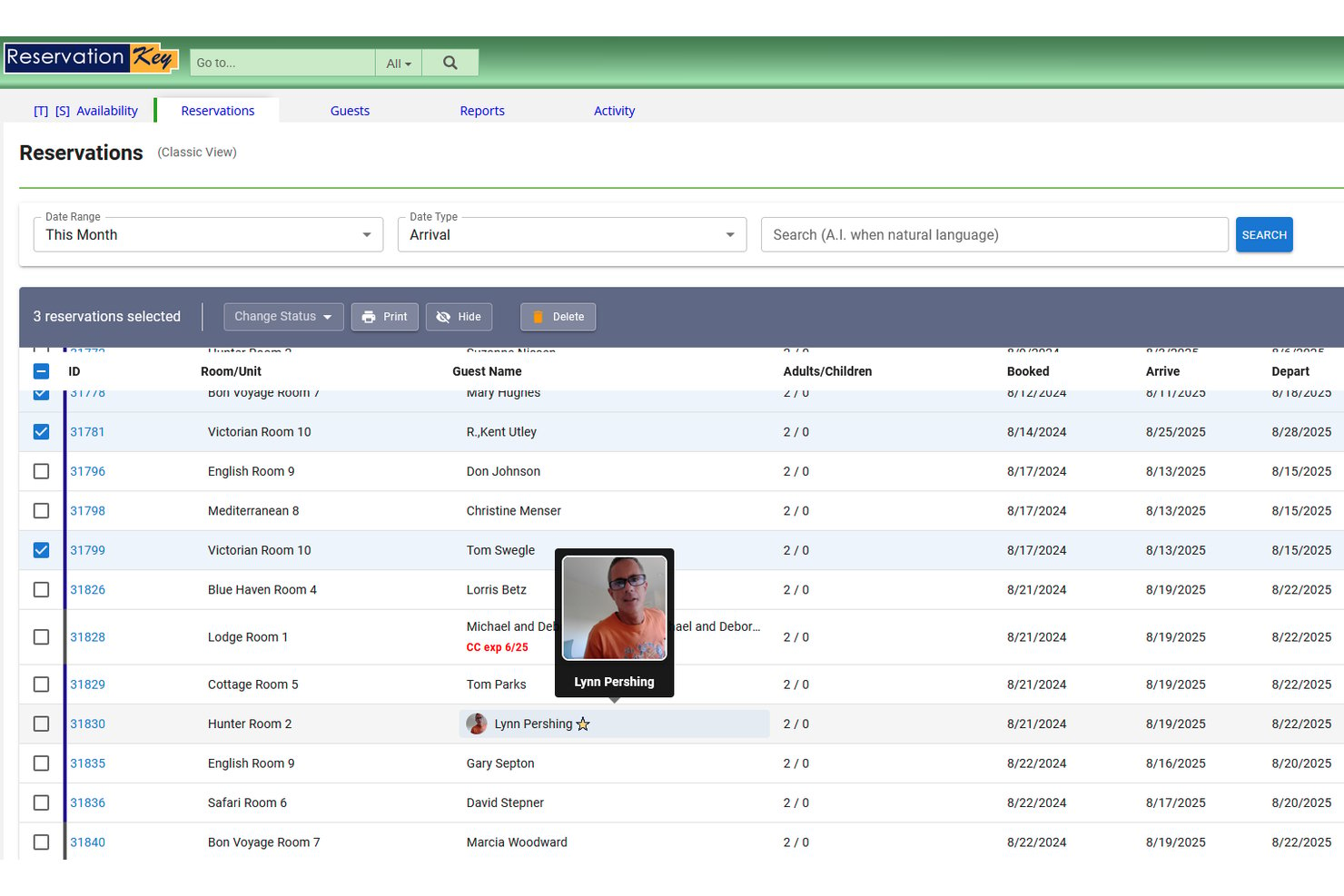
ReservationKey lets you handle bookings effortlessly with an easy-to-use interface. You can quickly view, add, and manage reservations without any hassle.
Calendar View
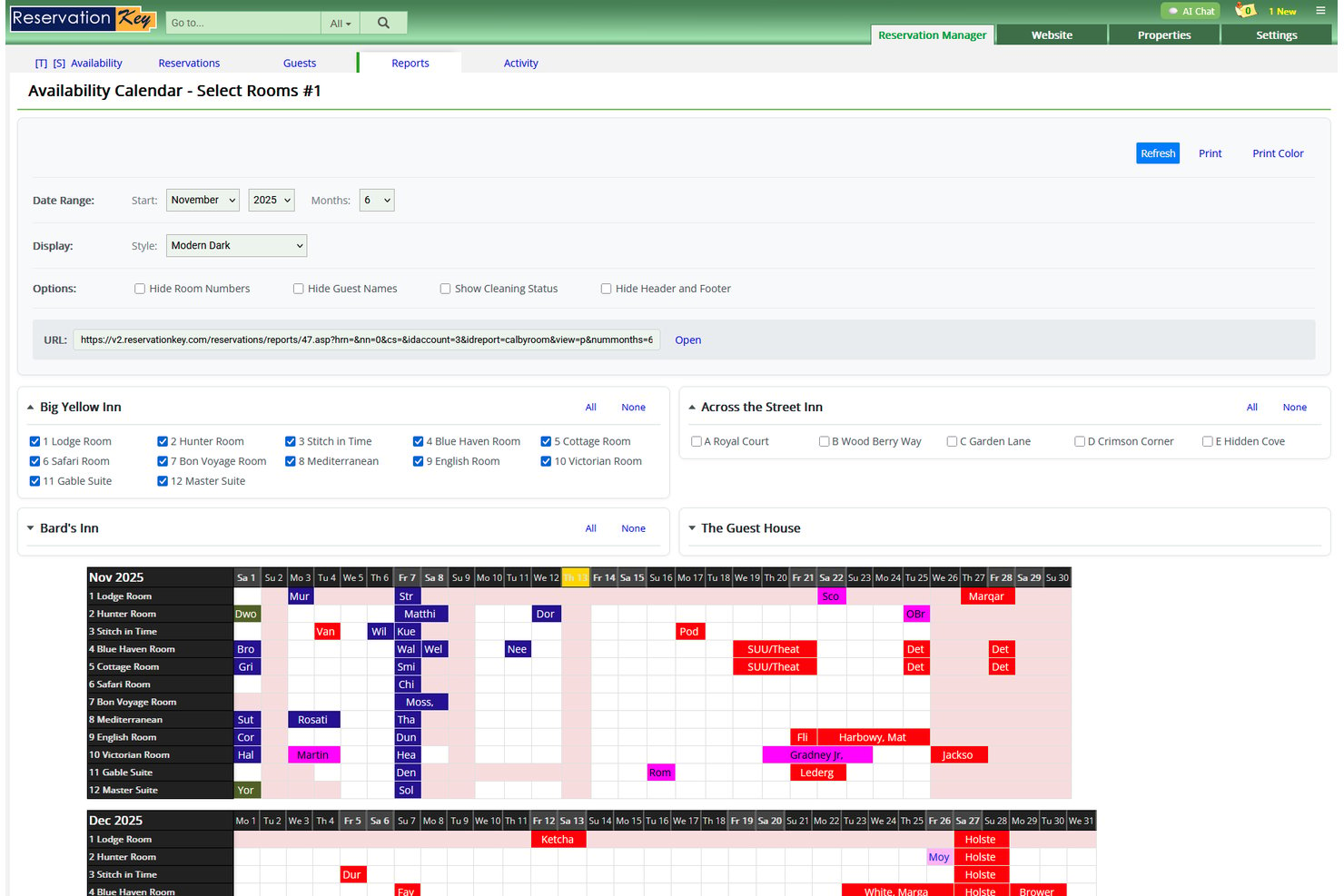
Its calendar view provides a clear visual of your bookings, helping you track availability and avoid overbooking. You can easily adjust bookings directly from the calendar.
Guest Management
Keep track of guest details and preferences to enhance their stay. This feature helps you provide personalized service and improve guest satisfaction.
Automated Emails
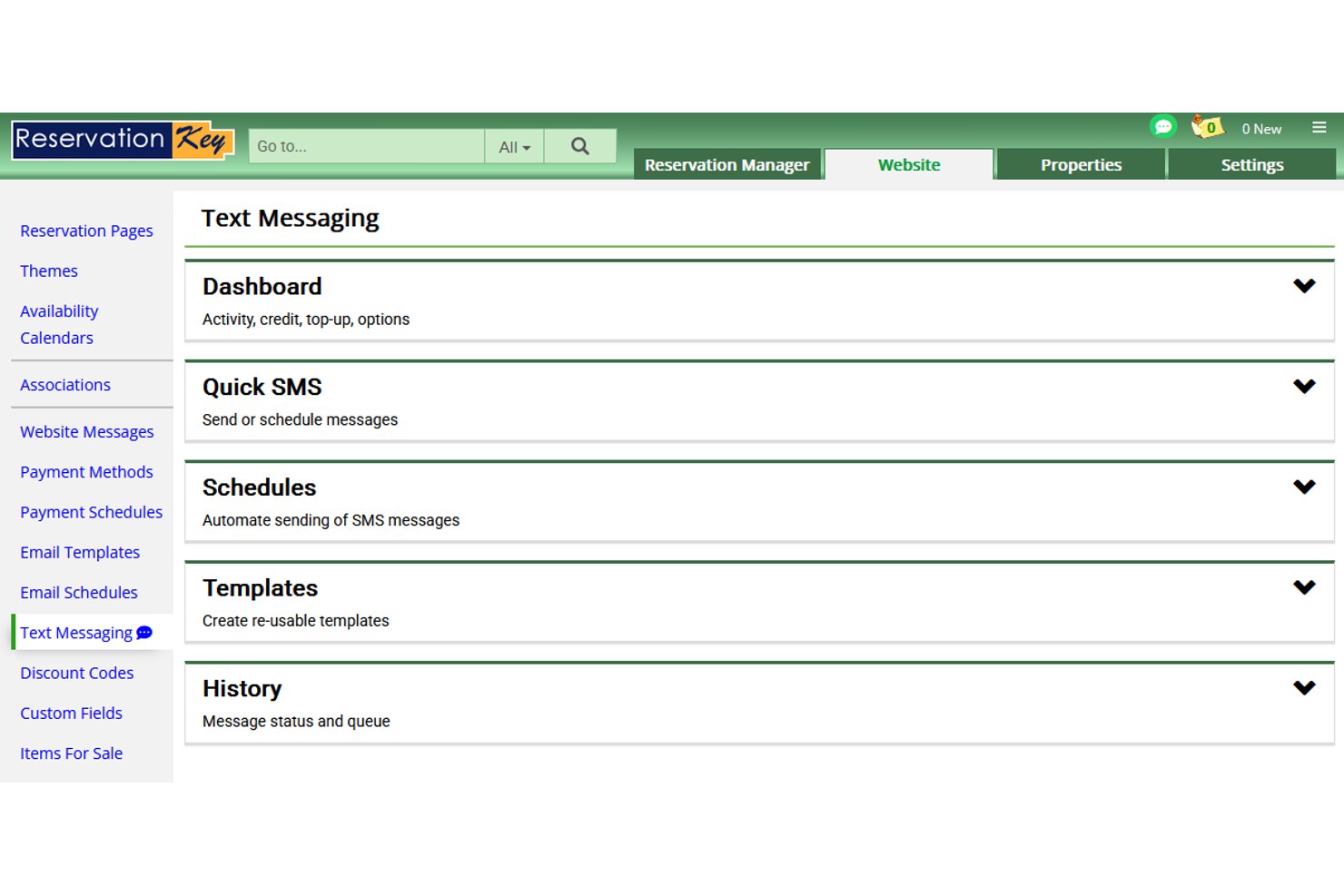
Use automated emails to communicate with your guests efficiently. Send confirmations, reminders, and thank-you notes without lifting a finger.
Rate Management
Easily set and adjust room rates based on demand and seasons. This flexibility helps you maximize your revenue.
Payment Processing
Securely handle payments directly through the software. This feature ensures smooth transactions and keeps your financial data organized.
Ease of Use
ReservationKey feels straightforward to navigate, especially with its simple calendar and drag-and-drop reservations. Users say setup is direct, and most tasks—like managing rates or running reports—don’t require extra training. While the interface looks dated, the clean organization helps managers find what they need without searching through menus.
Integrations
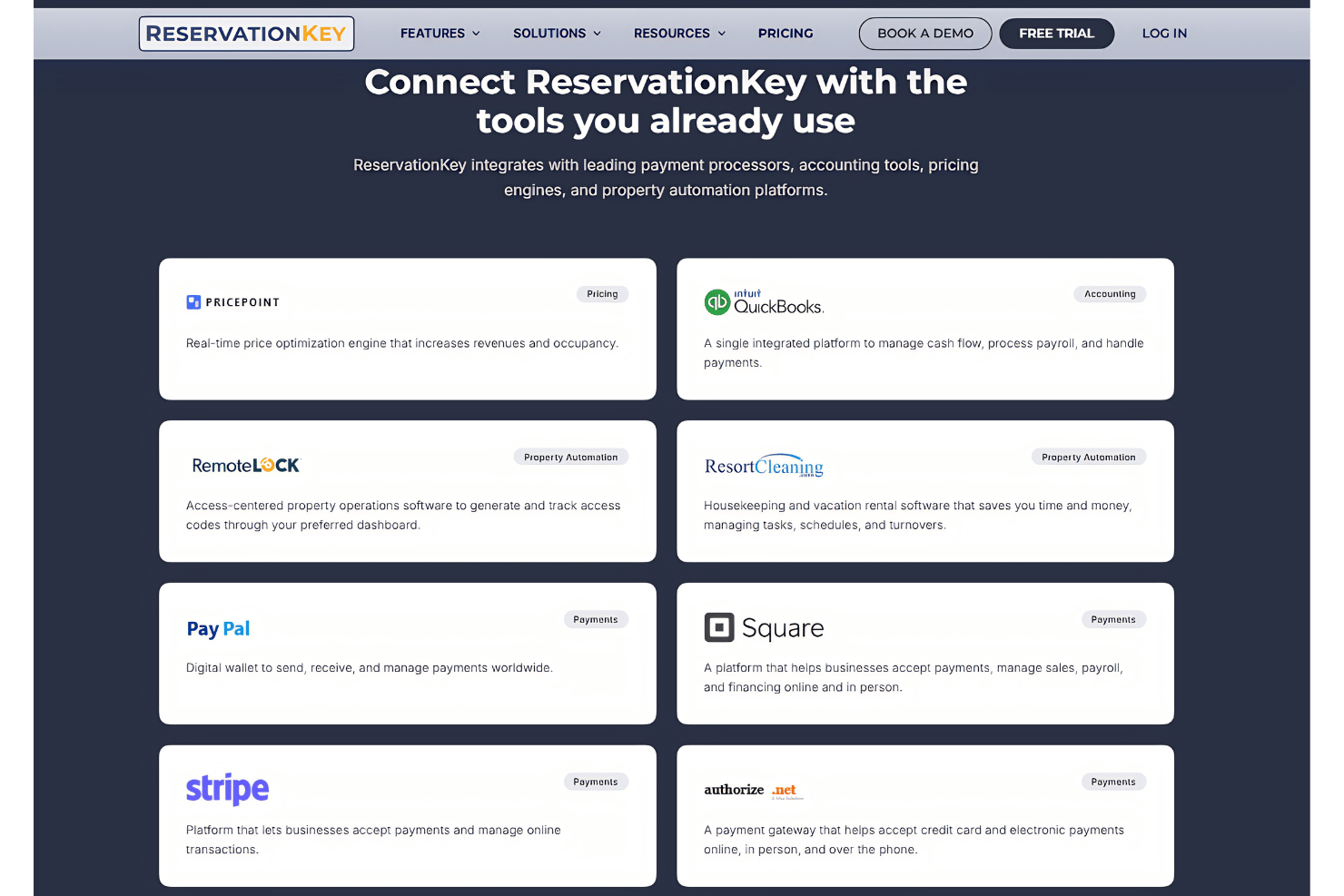
ReservationKey integrates with Booking.com, Airbnb, Expedia, Vrbo, Google Hotels, TripAdvisor, eRentalLock, Pricepoint, Stripe, and Authorize.net. ReservationKey also provides API access for custom integrations and connecting with third-party tools.
ReservationKey Specs
- API
- Budgeting
- Calendar Management
- Compliance Tracking
- Contact Management
- Customer Management
- Dashboard
- Data Export
- Data Import
- Data Visualization
- Document Management
- Expense Tracking
- External Integrations
- Forecasting
- Inventory Tracking
- Multi-Currency
- Multi-User
- Notifications
- Organization Management
- Payment Processor
- Payroll
- Scheduling
- Supplier Management
- Tax Management
- Workflow Management