

10 Best Oracle Opera Alternatives for Property Management in 2026

Best Oracle Opera Alternatives Shortlist


Strong Oracle Opera alternatives are property management systems that let you migrate off legacy tech, centralize operations, connect with OTAs, and deliver better guest service—without the limitations of old-school platforms.
If you’re trying to find hotel management software that actually fits how your properties run now, this list highlights flexible, cloud-native options and all-in-one tools that help you shape operations around your own needs.
Below, you’ll find practical alternatives to Oracle Opera, including solutions for multi-property groups, resorts, and independents, so you can reduce IT headaches, modernize fast, and focus on exceeding guest expectations.
What Is Oracle Opera?
Oracle Opera is a hotel property management system (PMS) used by hotels and resorts to organize bookings, guest profiles, housekeeping, accounting, and front desk operations. It handles daily hotel tasks like reservations, check-in and check-out, billing, and reporting. Many hotels use Opera to manage multiple properties and connect with online travel agencies (OTAs). The platform is best known for its legacy on-premise deployment, with cloud-based options now available.
Compare the Best Oracle Opera Alternatives
Compare pricing and specs, side by side, for the Oracle Opera alternatives that made it onto my shortlist.
| Tool | Best For | Trial Info | Price | ||
|---|---|---|---|---|---|
| 1 | Best for all-in-one OTA distribution at low TCO | 14-day free trial | Pricing upon request | Website | |
| 2 | Best for resort ops on a single database | Free demo available | Pricing upon request | Website | |
| 3 | Best for all-inclusive pricing by room count | Free demo available | Pricing upon request | Website | |
| 4 | Best for PMS plus integrated payment processing | Free demo available | Pricing upon request | Website | |
| 5 | Best for multi-property chains leaving on-premise PMS | Free demo available | Pricing upon request | Website | |
| 6 | Best for independent hotels replacing legacy tech | Free demo available | Pricing upon request | Website | |
| 7 | Best for contactless check-in and kiosk self-service | Free demo available | Pricing upon request | Website | |
| 8 | Best for multi-property Oracle displacement | Not available | Pricing upon request | Website | |
| 9 | Best for independents ditching on-premise Opera | Free demo available | Pricing upon request | Website | |
| 10 | Best for enterprise API-first Opera migration | Free demo available | Pricing upon request | Website |
Why Trust Our Software Recommendations
Our team has been testing and reviewing software since 2012. As hospitality leaders ourselves, we know how difficult—and important—it is to choose the right software.
For this guide, we evaluated tools using hands-on testing and independent research, scoring tools using our selection criteria.
Our reviews reflect our human editorial judgment, not a sales pitch.
Oracle Opera Alternatives Reviews
Below are my detailed summaries of the best Oracle Opera alternatives that made it onto my shortlist. My reviews offer a detailed look at the features, best use cases, and integrations of each platform to help you find the best one for you.

Best for all-in-one OTA distribution at low TCO
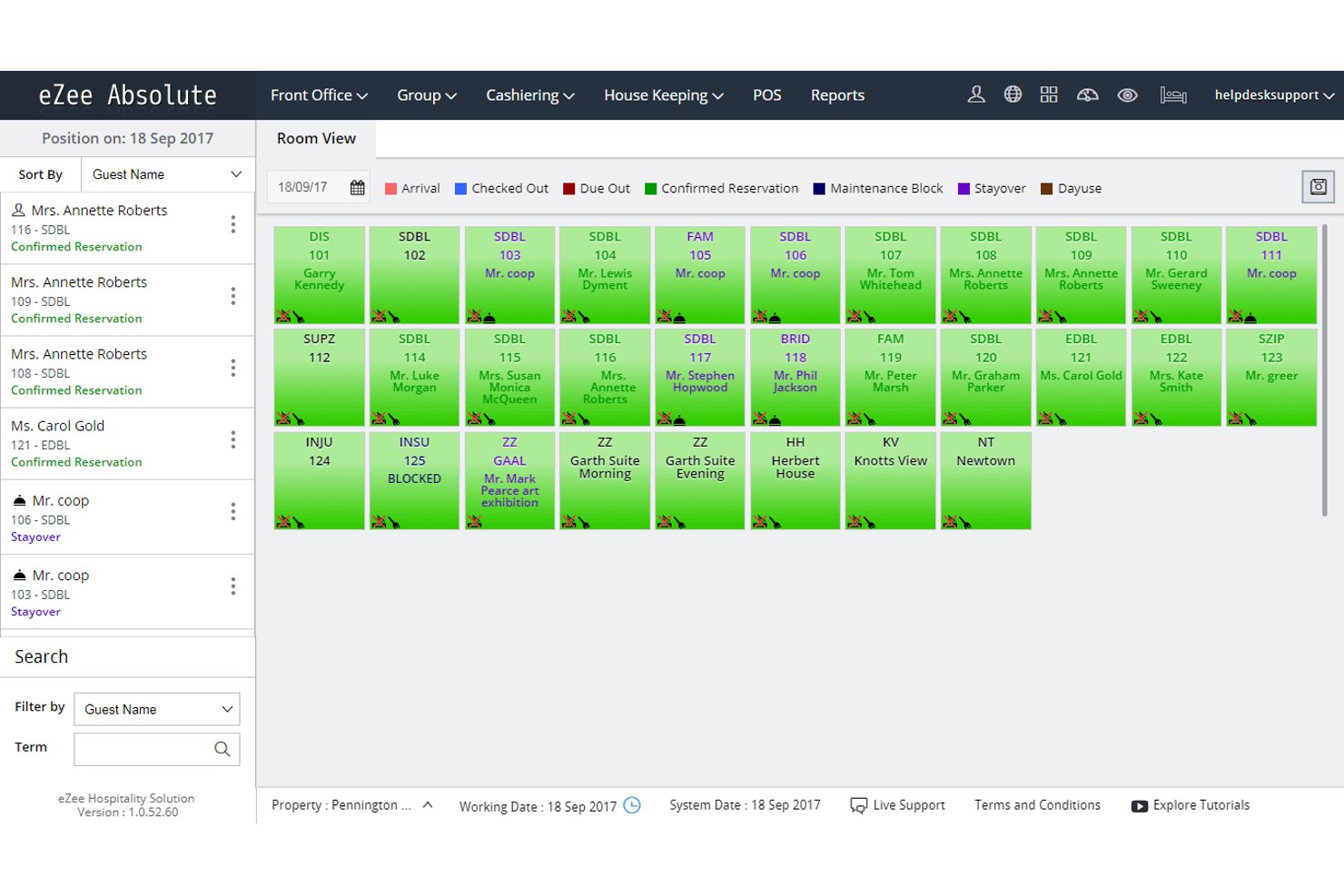
eZee Absolute is a cloud-based hotel property management platform designed for hoteliers and hospitality teams who want tight control over their reservations, rate management, and distribution channels in one unified system.
Who Is eZee Absolute Best For?
eZee Absolute is a good fit for independent hotels and small hotel groups that want an all-in-one PMS for managing bookings, rates, and OTAs in one place.
Why eZee Absolute Is a Good Oracle Opera Alternative
I picked eZee Absolute because I can control OTA distribution, rates, and bookings from one dashboard, which keeps my operations connected. I like how the unified platform lets my team update inventories in real time across multiple OTAs, helping avoid double bookings and rate inconsistencies. The all-in-one system means I don’t have to juggle separate tools to run daily hotel tasks.
eZee Absolute Key Features
- Housekeeping management: Assign tasks, track room status, and update cleaning progress in real time.
- Guest self-service portal: Let guests manage bookings, check in, and access invoices through a web portal.
- Mobile management app: Access reservations, reports, and guest requests on the go from iOS or Android devices.
- Integrated point-of-sale (POS): Manage restaurant, bar, or gift shop billing linked directly to guest folios.
eZee Absolute Integrations
eZee Absolute supports native integrations with popular online travel agencies, including Booking.com, Expedia, Agoda, and Airbnb. It also integrates with eZee Centrix channel manager and offers an API for custom integrations.
Pros and Cons
Pros:
- Guest self-service portal improves check-in experience
- Real-time housekeeping status updates and tracking
- Centralized dashboard for OTA and rate management
Cons:
- Customer support response time can be inconsistent
- Reporting options are limited compared to competitors

Best for resort ops on a single database
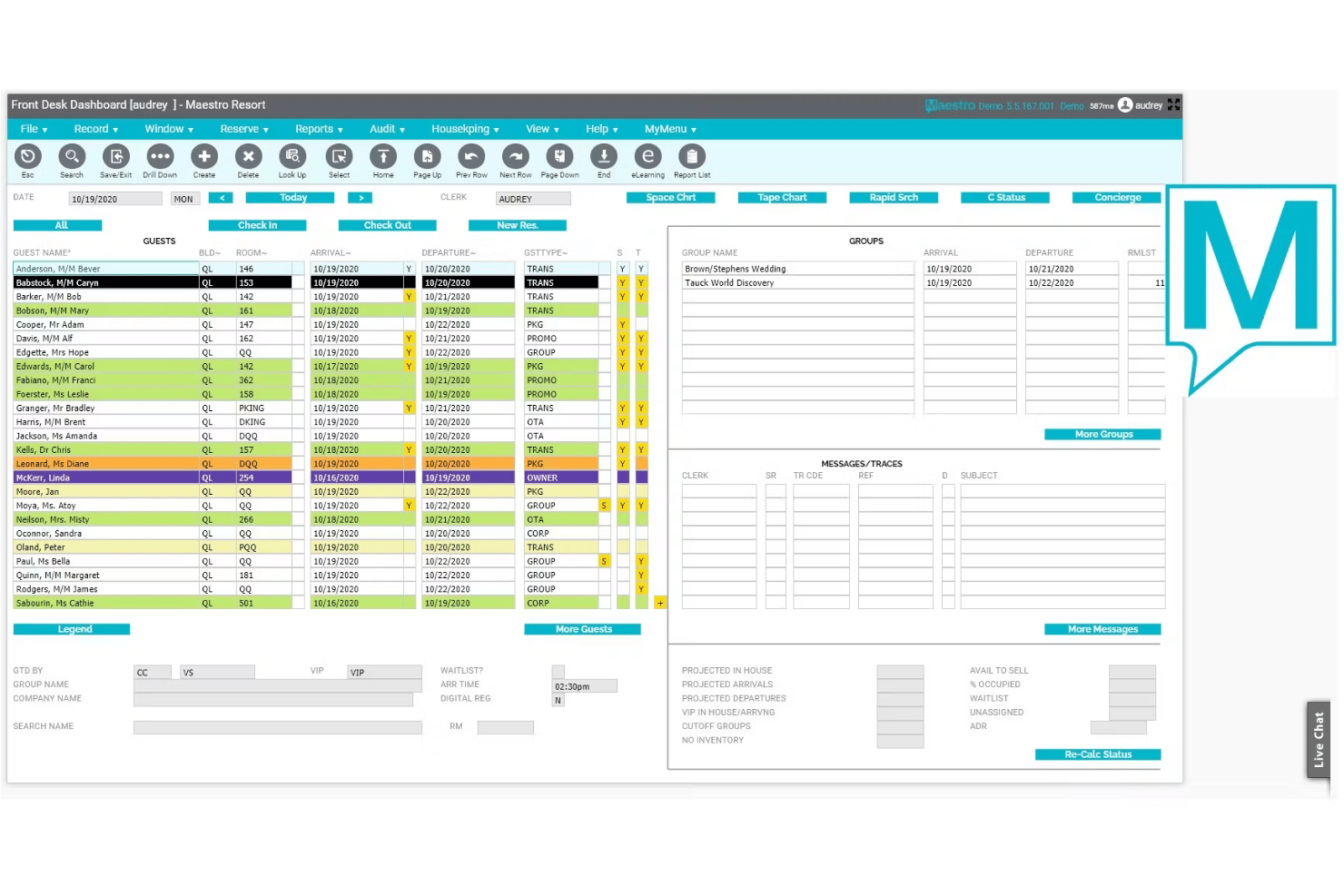
Maestro PMS offers a cloud and on-premise property management platform designed for independent hotels, luxury resorts, and multi-property groups looking to unify reservations, front desk operations, and guest engagement across their portfolio.
Who Is Maestro PMS Best For?
Maestro PMS is a fit for independent hotels, luxury resorts, and multi-property groups that need unified operations on a single platform.
Why Maestro PMS Is a Good Oracle Opera Alternative
I picked Maestro PMS as one of the best because it lets me manage resort operations, reservations, and guest services in one unified database. I rely on its integrated platform to coordinate multi-property workflows and centralize guest profiles, making it much easier to oversee complex resort portfolios without juggling separate systems.
Maestro PMS Key Features
- Mobile housekeeping management: Assign, track, and update room cleaning status in real time from mobile devices.
- Integrated spa and activity scheduling: Manage guest bookings for spa services, golf, and other resort activities within the platform.
- Guest self-service portal: Let guests check in, access bills, and request services through a secure online portal.
- Customizable reporting engine: Build and schedule detailed operational and financial reports tailored to your property’s needs.
Maestro PMS Integrations
Native integrations are not clearly documented. Maestro PMS offers an open API for custom integrations.
Pros and Cons
Pros:
- Includes a mobile housekeeping dashboard
- Centralizes operations for multi-property management
- Manages resort, activity, and spa bookings together
Cons:
- Custom integrations may require developer resources
- Limited documentation for built-in integrations

Best for all-inclusive pricing by room count
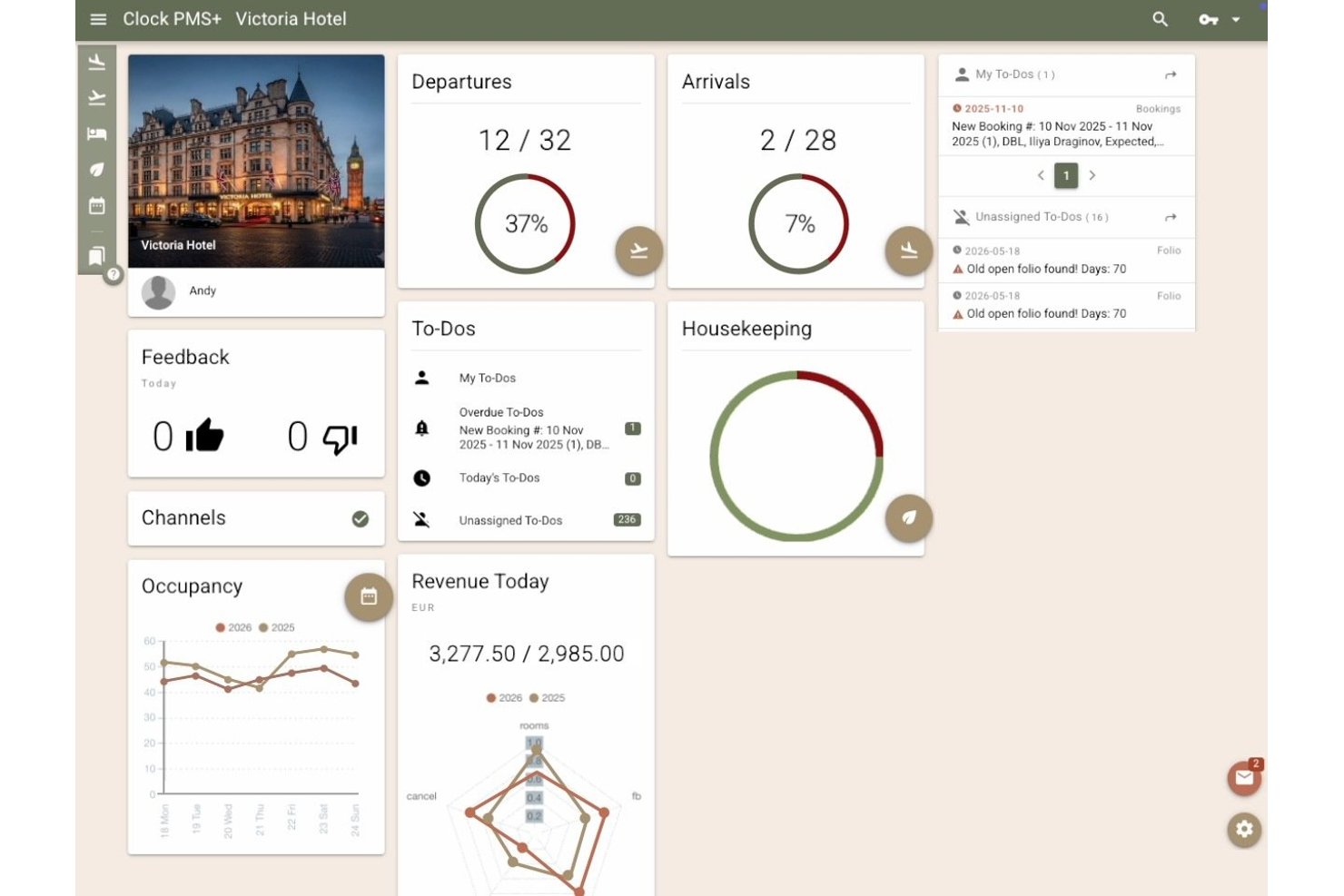
Clock PMS+ is a hospitality management platform designed for hotels and accommodation providers who want to manage reservations, guest communications, housekeeping, and revenue in one cohesive system.
Who Is Clock PMS+ Best For?
Clock PMS+ is a good fit for independent hotels and accommodation providers seeking a single platform to manage guest operations and revenue.
Why Clock PMS+ Is a Good Oracle Opera Alternative
I picked Clock PMS+ as one of the best because its all-inclusive pricing model by room count makes planning predictable for my hotel’s budget. I appreciate how I can manage reservations, guest communication, and housekeeping from a single dashboard. With everything bundled, my team avoids surprise add-on fees for core features.
Clock PMS+ Key Features
- Channel manager integration: Connects your property to multiple OTAs and booking channels with real-time rate and availability updates.
- Revenue management tools: Provides dynamic pricing options and reporting to help you adjust rates based on demand and occupancy.
- Mobile housekeeping app: Lets housekeeping teams manage room status, tasks, and maintenance requests directly from their devices.
- Guest self-service portal: Enables guests to check in online, manage their stay, and access digital room keys without front desk interaction.
Clock PMS+ Integrations
Clock PMS+ offers native integrations with leading channel managers, payment gateways, point of sale systems, and accounting tools, including Siteminder, Stripe, Adyen, Lightspeed POS, Xero, and QuickBooks. It also provides an open API for custom integrations.
Pros and Cons
Pros:
- Guest self-service portal speeds up check-ins
- Mobile housekeeping app centralizes room updates
- Predictable costs with all core features included
Cons:
- Occasional delays in customer support response
- Limited customization for workflows and reporting

Best for PMS plus integrated payment processing
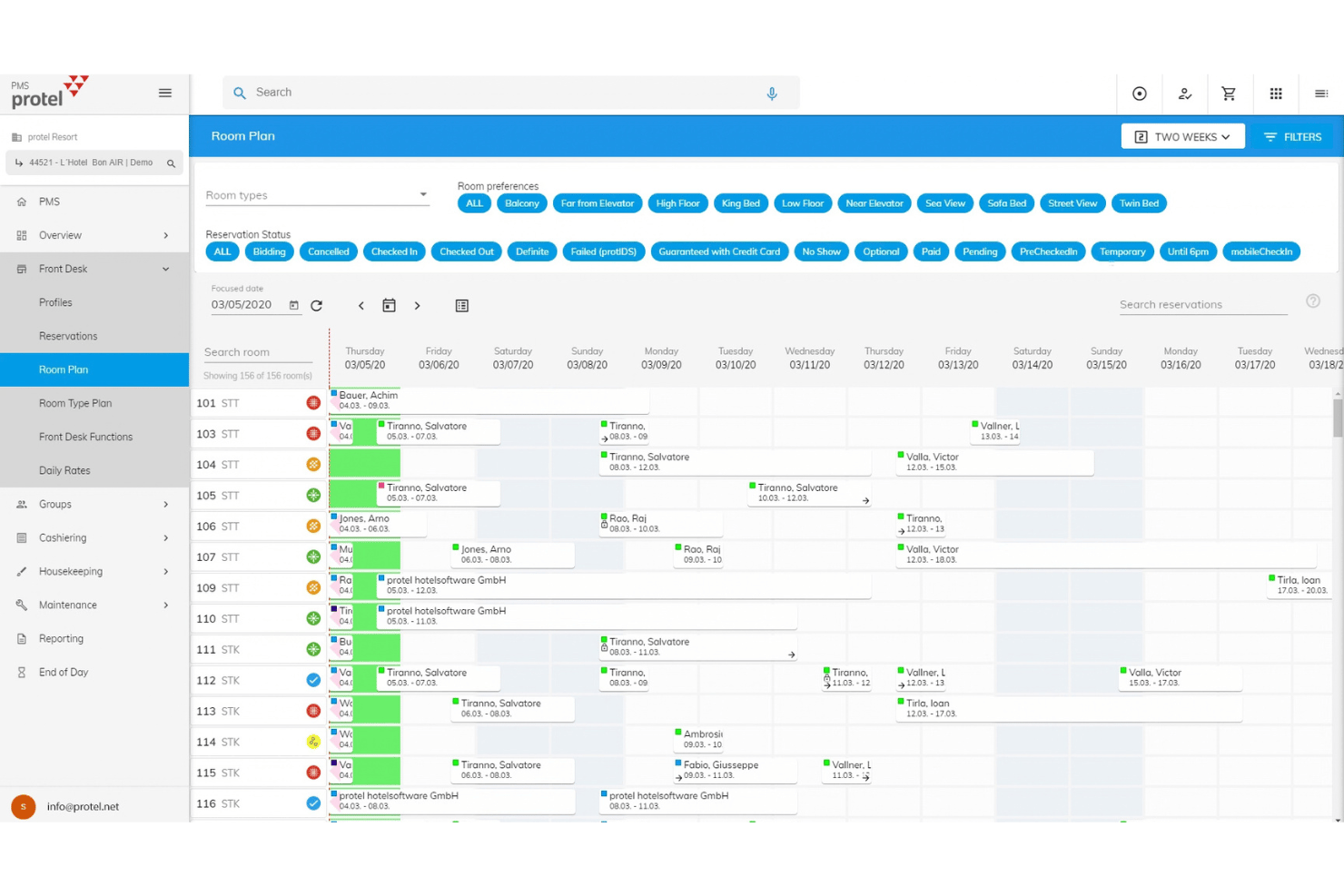
protel PMS is a hotel property management solution designed for hospitality businesses that want to simplify reservations, streamline guest check-in and check-out, and connect operations across multiple hotel departments.
Who Is protel PMS Best For?
protel PMS is a good fit for hotels and hospitality businesses that need to connect front desk, housekeeping, and payment processing in one platform.
Why protel PMS Is a Good Oracle Opera Alternative
I picked protel PMS as a top Oracle Opera alternative because I like how it combines core hotel management with integrated payment processing. My team uses protel PMS to centralize reservations, guest check-in, and check-out, and bring front desk and housekeeping together in one platform for smoother day-to-day operations.
protel PMS Key Features
- Mobile management tools: Access key reservation and housekeeping updates on mobile devices for on-the-go operations.
- Guest profile management: Store guest preferences, history, and special requests in one place for easy reference.
- Customizable reporting: Build and export reports on occupancy, performance, and other KPIs using configurable templates.
- Third-party integration support: Connect with booking engines, channel managers, and POS systems through a wide integration marketplace.
protel PMS Integrations
protel PMS offers native integrations with booking engines, channel managers, and POS systems through its integration marketplace. An API is available for custom integrations.
Pros and Cons
Pros:
- Guest history and preferences stored centrally
- Mobile management for remote staff coordination
- Built-in payment processing for reservation flow
Cons:
- Integration setup needs technical assistance
- Reporting templates require manual configuration
SIHOT
Best for multi-property chains leaving on-premise PMS
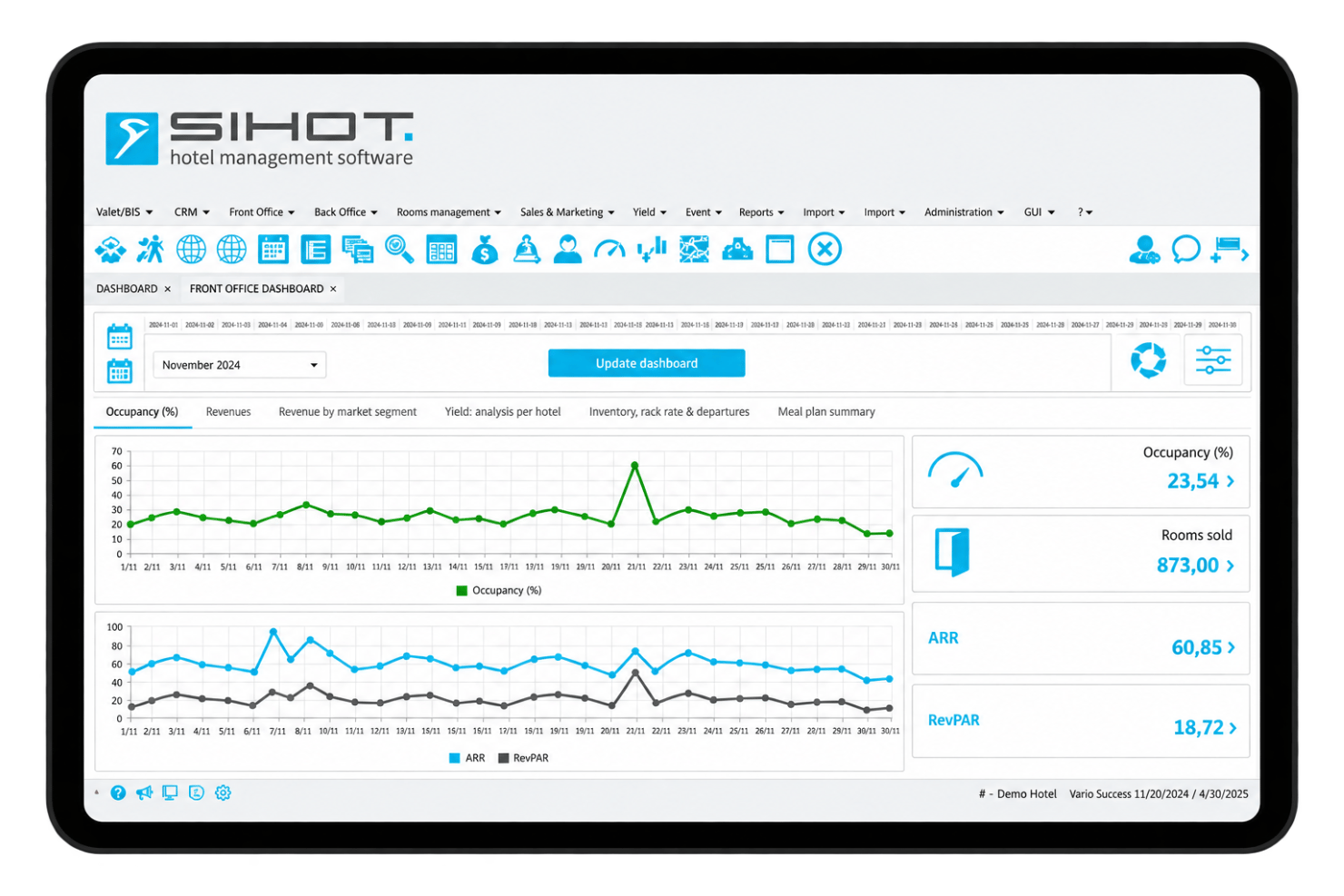
SIHOT is a property management solution made for hoteliers running multi-property groups who want centralized control, advanced guest management tools, and flexible deployment options that help you move beyond the limits of traditional on-premise systems.
Who Is SIHOT Best For?
SIHOT is a good fit for hospitality professionals managing multiple hotel properties who want centralized oversight and flexible deployment options.
Why SIHOT Is a Good Oracle Opera Alternative
I picked SIHOT as one of the best because it helps my team manage multi-property hotel operations with centralized control and advanced guest management. I appreciate the flexible deployment options, which let us move beyond traditional on-premise PMS limitations. That flexibility makes changeovers and group oversight straightforward.
SIHOT Key Features
- Guest profile management: Store guest preferences, history, and stay details for personalized service and easy retrieval.
- Integrated booking engine: Accept direct reservations from your website and synchronize bookings with your PMS in real time.
- Housekeeping coordination: Track room status, report issues, and assign cleaning tasks from a single dashboard.
- Billing and invoicing tools: Generate detailed invoices, process payments, and manage folios with customizable billing options.
SIHOT Integrations
Native integrations are not clearly documented. SIHOT provides an API for custom integrations.
Pros and Cons
Pros:
- Guest profile management supports personalized service
- Flexible deployment on cloud or on-premise
- Centralized dashboard for managing multiple properties
Cons:
- Native third-party integrations are not clearly listed
- API documentation and support are limited

Best for independent hotels replacing legacy tech
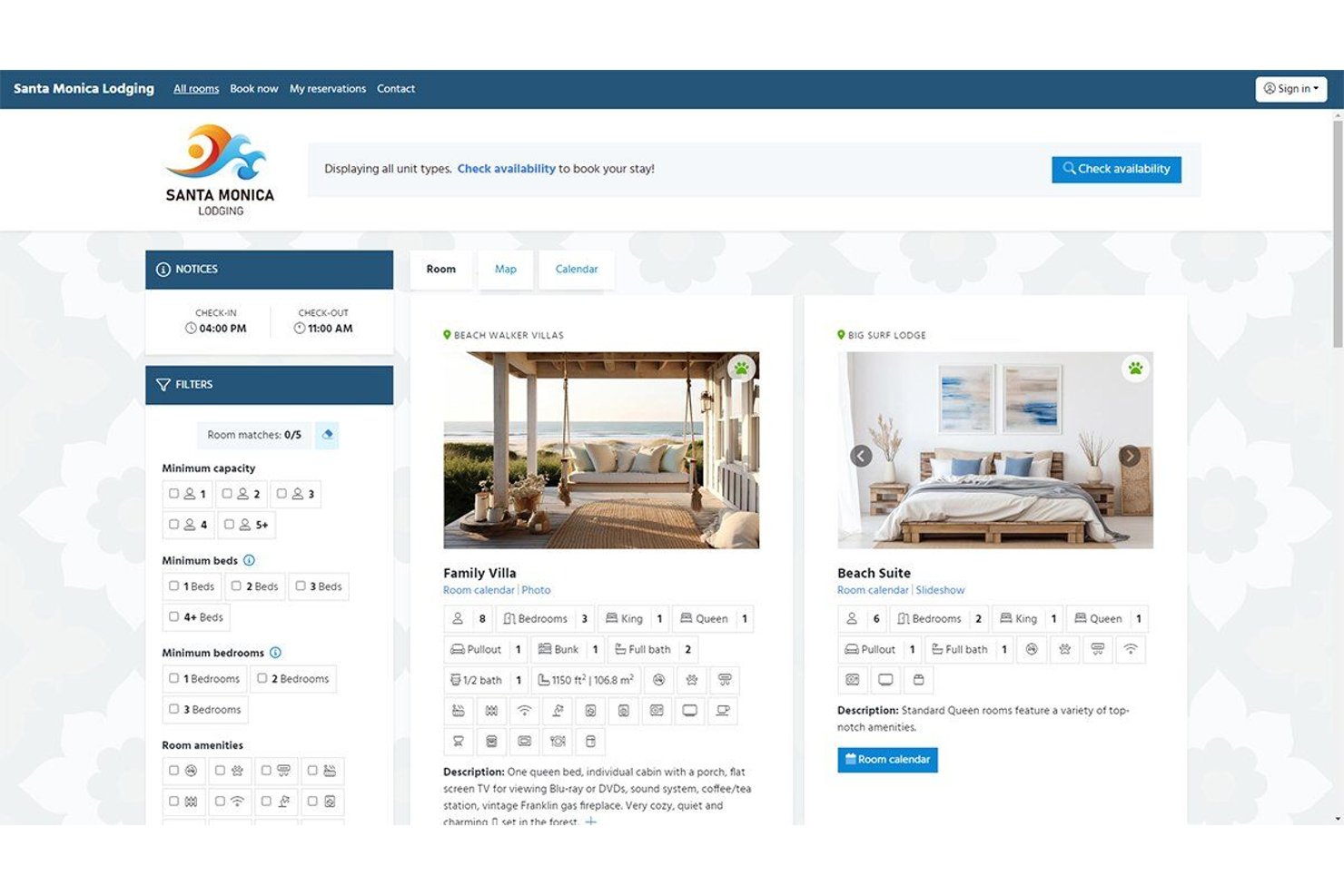
WebRezPro is a cloud-based hotel property management system designed for independent hotels and lodging businesses that want to upgrade from outdated technology and simplify daily operations.
Who Is WebRezPro Best For?
Independent hotels and boutique properties upgrading from manual or legacy property management systems.
Why WebRezPro Is a Good Oracle Opera Alternative
I picked WebRezPro because it gives independent hotels an easy way to ditch legacy systems and simplify operations with real-time availability and automated guest communications. I especially like how the platform supports multi-property management and brings housekeeping and front desk functions into a single dashboard, making daily management less manual.
WebRezPro Key Features
- Integrated booking engine: Capture direct reservations from your website with real-time availability and rate management.
- Flexible rate and package management: Set up dynamic pricing, create packages, and apply custom promotions across room types and dates.
- Automated invoicing and payment processing: Generate invoices and process guest payments within the platform, including credit card transactions.
- Customizable guest folios: Track guest charges, payments, and preferences with detailed folio management tools.
WebRezPro Integrations
WebRezPro offers native integrations with tools like SiteMinder, RoomKeyPMS, Duetto, QuickBooks, Stripe, Authorize.Net, Booking.com, Expedia, and Vrbo. An API is available for custom integrations.
Pros and Cons
Pros:
- Direct booking engine with real-time availability
- Supports multi-property management in one system
- Centralizes housekeeping, front desk, and reporting
Cons:
- Lacks built-in sales and catering modules
- Limited advanced analytics compared to Opera

Best for contactless check-in and kiosk self-service
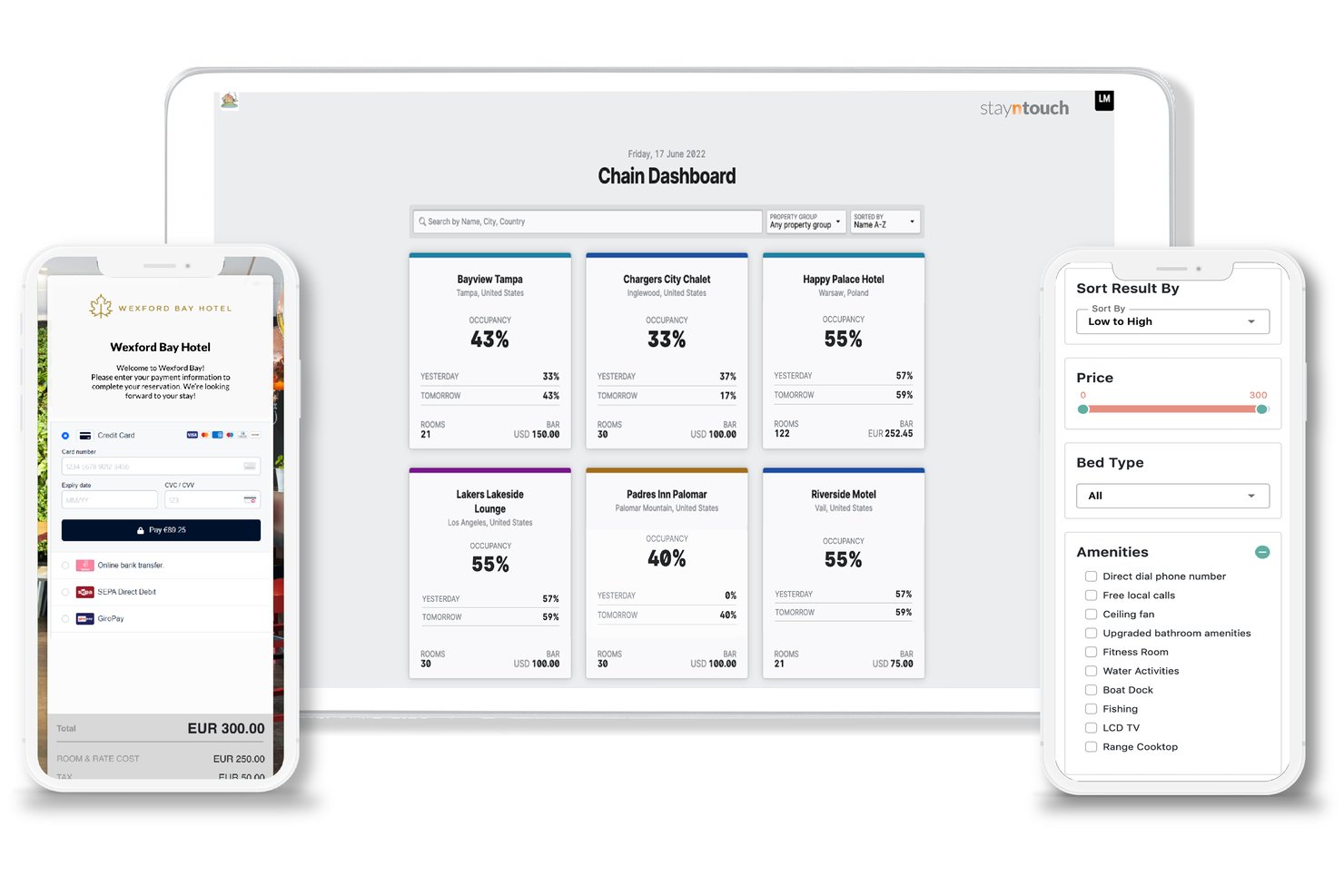
StayNTouch gives hotels and resorts a mobile cloud platform designed to help properties of all sizes manage reservations, simplify front desk operations, and offer guests a more flexible arrival and departure experience.
Who Is StayNTouch Best For?
StayNTouch is a great fit for hotels and resorts seeking mobile, contactless solutions to simplify guest check-in and front desk operations.
Why StayNTouch Is a Good Oracle Opera Alternative
I picked StayNTouch as one of the best alternatives for its contactless check-in and kiosk self-service features. My team can let guests check in using their own devices or lobby kiosks, skipping traditional front desk lines. The platform keeps arrivals moving quickly and gives guests full control over their preferences and room access.
StayNTouch Key Features
- Cloud-based PMS: Lets you access core property management functions from any device with an internet connection.
- Integrated housekeeping management: Assigns tasks in real time and tracks room status updates automatically.
- Customizable guest profiles: Builds guest profiles that store preferences, communication history, and stay details for easy reference.
- Payment processing integration: Supports secure transaction handling and integrates with various payment gateways.
StayNTouch Integrations
Stayntouch PMS offers integrations with Toast POS, SiteMinder, Revinate, Cendyn, Salesforce, M3, and Amadeus Delphi. It also supports direct and third-party connections through its open API for accounting, guest communication, event management, channel management, and hotel operations.
Pros and Cons
Pros:
- Customizable guest profiles for better personalization
- Real-time updates for housekeeping staff
- Mobile check-in with guest device or kiosk
Cons:
- Advanced reporting features are limited
- Some users report slow customer support

Best for multi-property Oracle displacement
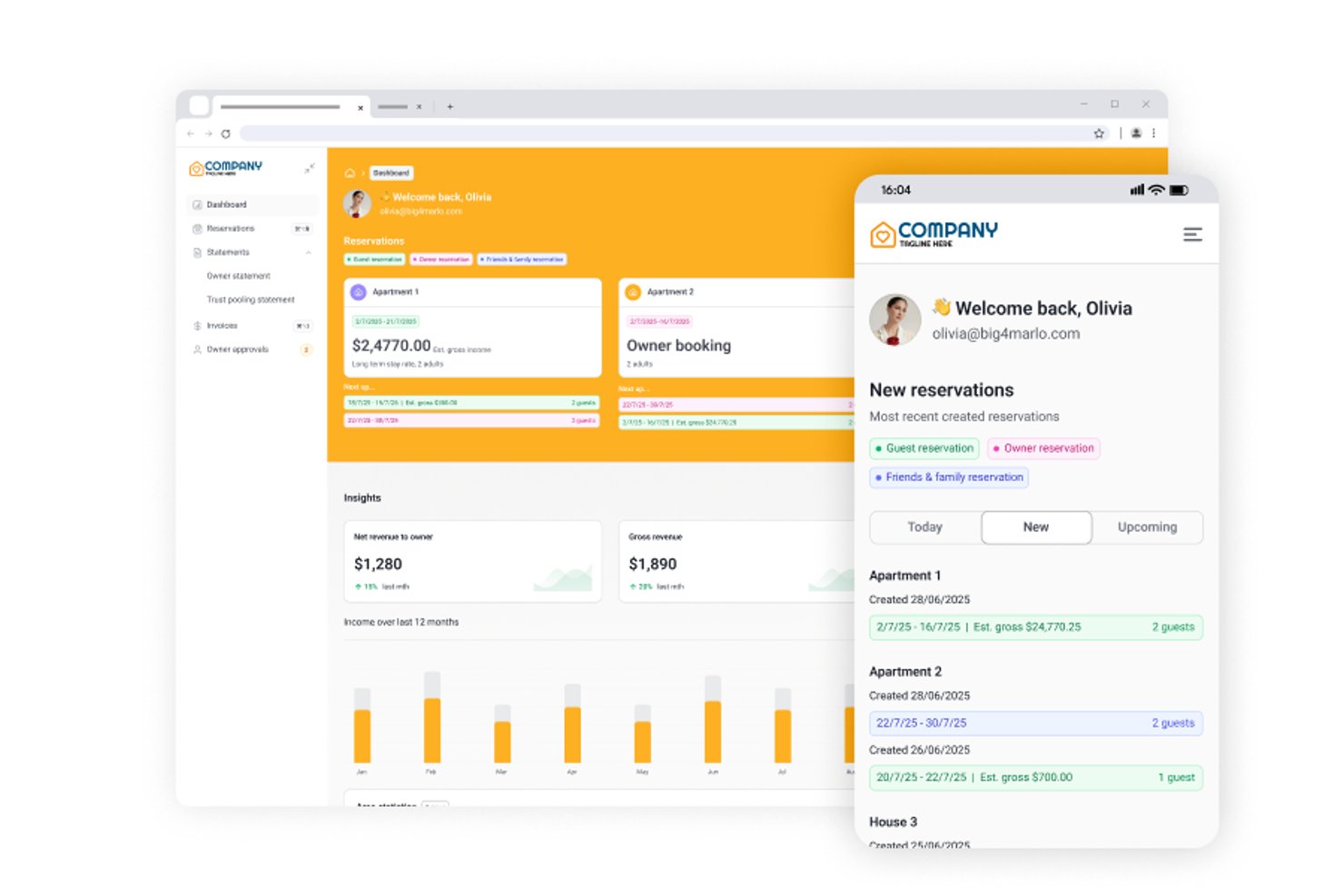
RMS Cloud is a property management system designed for hotels and groups that need to manage multiple locations from a single platform, offering features that simplify reservations, operations, and reporting across distributed properties.
Who Is RMS Cloud Best For?
RMS Cloud is a strong fit for hotel groups and hospitality operators who need to manage multiple properties from one platform.
Why RMS Cloud Is a Good Oracle Opera Alternative
I picked RMS Cloud as one of the best because I can manage reservations, operations, and reporting for multiple hotels from a single dashboard. My team uses its centralized controls to oversee distributed properties without juggling separate systems. That’s why I rate it highly for multi-property Oracle displacement.
RMS Cloud Key Features
- Channel management: Connect to major OTAs and manage distribution from a single interface.
- Integrated rate management: Update rates and availability in real time across all sales channels.
- Automated guest communications: Set up scheduled emails and SMS for bookings, pre-arrival, and post-stay.
- Housekeeping and maintenance tracking: Assign, monitor, and update room status and maintenance tasks directly in the platform.
RMS Cloud Integrations
RMS Cloud offers native integrations with direct booking engines, channel managers, Stripe, SiteMinder, Mailchimp, and Xero. An API is available for custom integrations.
Pros and Cons
Pros:
- Real-time rate updates across all connected channels
- Automated guest communications simplify large group operations
- Centralized dashboard for multiple property management
Cons:
- Some advanced reporting features require manual customization
- Initial configuration for multi-property setups is complex

eviivo
Best for independents ditching on-premise Opera
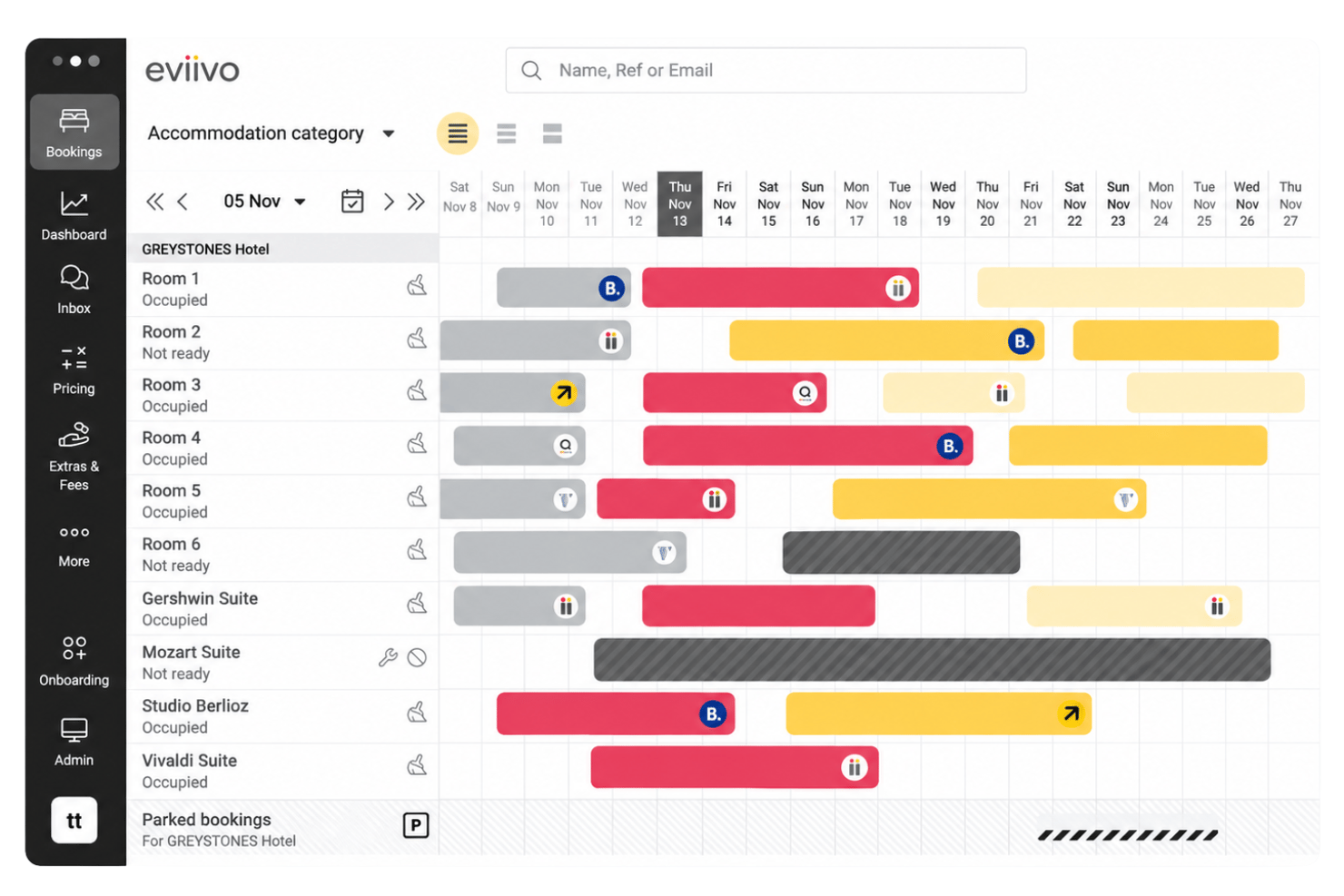
eviivo is a cloud-based hospitality management platform designed for independent hotels, inns, and boutique stays that want to move away from legacy on-premise systems and streamline reservations, guest communications, housekeeping, and payments in one flexible solution.
Who Is eviivo Best For?
Independent hotels, B&Bs, and boutique properties looking to centralize reservations and guest management in a modern, cloud-based system.
Why eviivo Is a Good Oracle Opera Alternative
I picked eviivo because it lets my team manage bookings, guest messaging, and housekeeping from anywhere, which is a big shift from on-premise Opera systems. I appreciate how eviivo centralizes tasks like payment processing and reservation updates in a single online dashboard, making daily operations much easier to coordinate for independent properties ready to leave legacy software behind.
eviivo Key Features
- Automated rate management: Adjust rates across multiple channels with dynamic pricing and rules.
- Channel manager integration: Connects to leading OTA and booking sites for real-time availability updates.
- Customizable booking engine: Lets you embed a branded booking engine directly on your property’s website.
- Reporting and analytics dashboard: Access occupancy, revenue, and performance data through built-in reporting tools.
eviivo Integrations
eviivo offers native integrations with major online travel agencies including Booking.com, Airbnb, Expedia, and Agoda, along with Google Hotel Search, TripAdvisor, and Stripe. An API is available for custom integrations.
Pros and Cons
Pros:
- Custom website booking engine included
- Built-in housekeeping and guest messaging workflows
- Cloud access for remote property management
Cons:
- Some delays with support response times
- Limited enterprise features for large hotels

Best for enterprise API-first Opera migration
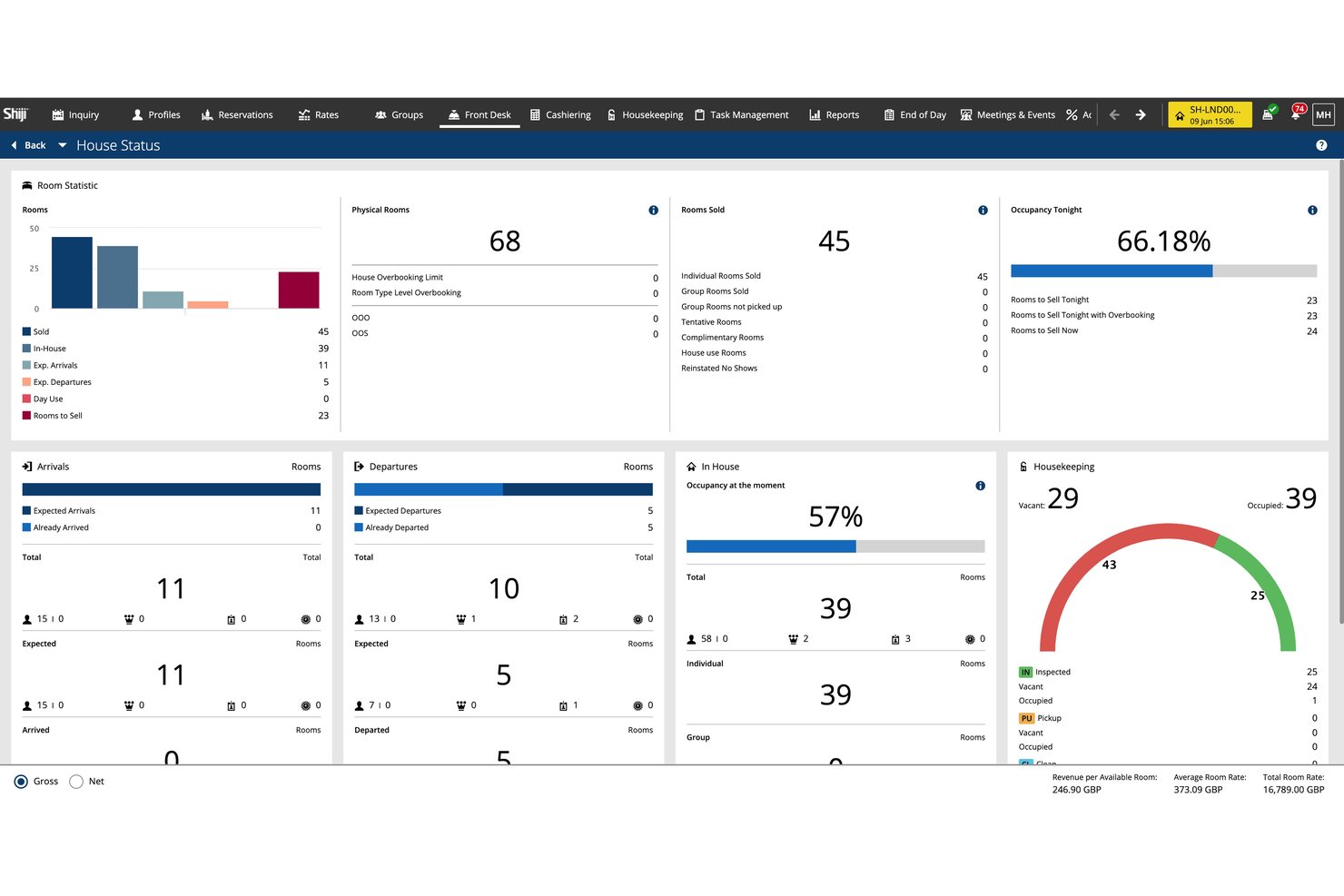
Daylight PMS is a hotel property management system designed for large hotel groups and brands that need modern architecture, advanced automation, and integrated APIs. It’s a fit for hoteliers upgrading legacy systems or connecting operations across multiple properties.
Who Is Daylight PMS (Shiji) Best For?
Large hotel groups and multi-property brands that need API-driven property management with advanced automation and integration capabilities.
Why Daylight PMS (Shiji) Is a Good Oracle Opera Alternative
I picked Daylight PMS (Shiji) as a top Opera alternative because I can migrate enterprise operations using a true API-first approach. My team leverages its flexible API framework to modernize legacy workflows and unify data across properties, making large-scale Opera replacements much smoother for tech-forward hotel brands.
Daylight PMS (Shiji) Key Features
- Centralized dashboard: Access all property data and daily operations from a single, role-based workspace.
- Automated pricing tools: Set dynamic room rates using real-time market data and occupancy analytics.
- Multi-property management: Manage reservations, inventory, and reporting across several properties within the same system.
- Customizable reporting suite: Build and export detailed reports on occupancy, revenue, and guest behavior without leaving the platform.
Daylight PMS (Shiji) Integrations
Daylight PMS (Shiji) offers built-in integrations with IDeaS, Duetto, FLYR, RoomPriceGenie, VingCard, Lightspeed POS, and SynXis. It also supports custom connections through its open API for revenue management, electronic door locks, point-of-sale systems, and distribution management.
Pros and Cons
Pros:
- Automated pricing tools adapt to market shifts
- Centralized dashboard supports multi-property oversight
- API-first design simplifies custom workflows
Cons:
- Implementation best suited to large hotel groups
- Native integrations documentation is limited
Other Oracle Opera Alternatives
Here are some additional Oracle Opera alternatives that didn’t make it onto my shortlist, but are still worth checking out:
- HOTELTIME
For multi-property groups leaving on-premise PMS
- Mews
For switching multi-property hotels off legacy PMS
- Cloudbeds
For AI-driven revenue tools built into the PMS
- roommaster
For AI revenue tools without a separate RMS
- Hotelogix
For cloud PMS across a global portfolio
- SabeeApp
For independent hotels cutting onboarding time
- HotelKey
For large-scale brand migration off on-premise PMS
- Guestline
For UK hotel groups ditching on-premise PMS
- Infor HMS
For casino and resort PMS complexity
- Apaleo
For API-first hotel ops without lock-in


How I Evaluate Oracle Opera Alternatives
I split my evaluation into two layers: core functionality every PMS must cover—like reservation management and multi-property support—and differentiators like migration tools or open APIs that separate one vendor from another.
Core Functionality (Table Stakes for This List)
When I'm selecting tools for my list, I rank each one on a scale from 0 (does not offer the functionality) to 5 (excels in this area) for each core functionality listed below. I then calculate the tool's total score into a percentage, and use that to help me assess its overall fit for the list.
- Reservation & front desk: I evaluate how each tool handles the full booking lifecycle, from group blocks to walk-in check-ins and real-time room assignments.
- Multi-property support: Centralized dashboards, cross-property reporting, and shared guest profiles all factor into how well a platform scales across a portfolio.
- Channel & OTA distribution: I check for two-way sync with major OTAs and GDS networks, plus rate parity controls that prevent manual updates across channels.
- Housekeeping & maintenance: Real-time room status updates and mobile task assignment for housekeeping staff are what I look for beyond basic clean/dirty flags.
- Billing & folio management: Split folios, group invoicing, deposit handling, and integrated payment processing all get evaluated against typical front desk workflows.
- Third-party integrations: I look at API access and pre-built connections to POS, revenue management, and CRM tools that hotels commonly run alongside a PMS.
Once I have a list of tools that meet the criteria, I consider what sets each platform apart.
Differentiating Factors (What Sets Vendors Apart)
Here's how I compare and contrast different vendors:
Standout Features
Mobile check-in and check-out is a big one. I look for whether guests can handle arrivals and departures entirely from their phones, since that directly cuts front desk queues during peak hours. Offline resilience matters just as much—I check if a PMS can keep core operations running during an internet outage, which is essential for remote or bandwidth-limited properties. I also evaluate each vendor's open API marketplace, because a well-documented API lets your team build integrations that go beyond what the vendor officially supports.
Beyond Features
Migration and data continuity top my list. I check whether a vendor offers dedicated migration specialists and parallel-run periods, since losing years of guest profiles or loyalty data during a cutover from Opera can erode repeat-guest revenue overnight. Total cost of ownership matters just as much—I look for transparent subscription pricing without hidden per-terminal or module fees, because surprise costs after go-live are a budget killer for multi-property groups. I also evaluate onboarding support, especially 24/7 availability and role-specific training for front desk and housekeeping teams who need to be productive from day one.
Why Look For An Oracle Opera Alternative?
While Oracle Opera is a strong choice for hotel property management software, some users look for alternatives for several reasons. You might be looking for an Oracle Opera alternative because…
- Migrating away from legacy on-premise systems is a priority
- Needing easier integrations with online travel agencies
- Wanting a more intuitive interface for daily operations
- Facing high total cost of ownership and hidden fees
- Requiring faster onboarding and ongoing support
- Managing independent or boutique properties not suited to Opera’s scale
If any of these sound like you, you’ve come to the right place. My list contains several hotel property management software options that are better suited for teams facing these challenges with Oracle Opera and looking for alternative solutions.
Oracle Opera Key Features
Here are some of the key features of Oracle Opera, to help you contrast and compare what alternative solutions offer:
- Reservation management: Lets you oversee the full booking process, from availability checks to group blocks and individual guest reservations, helping handle high-volume reservation changes and last-minute bookings.
- Front desk operations: Supports day-to-day reception tasks like check-ins, check-outs, guest folio adjustments, and room assignments, all through a centralized interface.
- Multi-property support: Offers a unified dashboard that helps you manage several hotels, share guest profiles, and consolidate reporting for easier portfolio oversight.
- Housekeeping coordination: Provides real-time status updates for rooms, task lists for housekeeping staff, and mobile access to help with quick turnaround and communication.
- OTA and GDS connectivity: Integrates with online travel agencies and global distribution systems, syncing rates and availability while reducing manual channel management.
- Billing and folio management: Handles complex billing scenarios, including split folios, group invoicing, deposit management, and payment integration directly from the front desk.
- Reporting and analytics: Delivers built-in and customizable reports for occupancy, revenue, guest demographics, and operations, giving you data to spot trends and guide decisions.
- API and integrations: Connects with third-party software like point-of-sale, revenue management, and CRM tools, typically through APIs or pre-built connectors.
- Rate and inventory controls: Allows you to manage room rates, restrictions, and inventory distribution across all booking channels from a central dashboard.
- Guest profile management: Stores and maintains detailed guest preferences, histories, and loyalty information to help personalize service and recognize repeat visitors.
Costs and Pricing of Oracle Opera Alternatives
Selecting Oracle Opera alternatives requires understanding the available pricing models and plans. Costs vary based on features, team size, add-ons, and more. The table below summarizes common plans, their average prices, and typical features included in Oracle Opera alternatives:
Plan Comparison Table for Oracle Opera Alternatives
| Plan Type | Average Price | Common Features |
|---|---|---|
| Personal Plan | $30-$80/property/month | Reservation tracking, front desk tools, basic housekeeping management, email support, and standard reporting. |
| Business Plan | $120-$300/property/month | Multi-property support, OTA channel management, advanced reporting, mobile housekeeping, billing, and third-party integrations. |
| Enterprise Plan | $400-$1,500/property/month | Custom integrations, dedicated migration, 24/7 support, onboarding services, role-based permissions, and compliance tools. |