

Uma aplicação de gestão hoteleira é um software que lhe permite gerir reservas, quartos, pagamentos, dados dos hóspedes e operações diárias a partir de um único painel. Se está à procura da melhor aplicação de gestão hoteleira, pretende uma solução que lhe retire trabalho de cima — para poder manter a receção em funcionamento, adaptar as tarifas em tempo real e proporcionar as experiências modernas e sem contacto que os hóspedes esperam.
Este guia apresenta as melhores opções, destacando soluções que suportam tudo, desde pequenos hotéis boutique a cadeias globais. Ajudá-lo-ei a encontrar uma solução compatível com a sua pilha tecnológica e os seus padrões de serviço, independentemente da complexidade da sua operação.
Why Trust Our Software Recommendations
6,700+
Reviews
20
Industry experts
16+
Evaluation factors
14
Years
Our team has been testing and reviewing software since 2012. As hospitality leaders ourselves, we know how difficult—and important—it is to choose the right software.
For this guide, we evaluated tools using hands-on testing and independent research, scoring tools using our selection criteria.
Our reviews reflect our human editorial judgment, not a sales pitch.
Tabela comparativa das aplicações de gestão hoteleira
Esta tabela comparativa resume os detalhes de preços das minhas aplicações de gestão hoteleira.
| Tool | Best For | Trial Info | Price | ||
|---|---|---|---|---|---|
| 1 | Best for built-in dynamic pricing and compset tracking | Free demo available | From $80/month | Website | |
| 2 | Best for contactless check-in via kiosk or mobile | Free demo available | Pricing upon request | Website | |
| 3 | Best for contactless guest arrival workflows | Free demo available | Pricing upon request | Website | |
| 4 | Best for global chain and multi-property ops | Free demo available | Pricing upon request | Website | |
| 5 | Best for casino and resort multi-amenity ops | Free demo available | Pricing upon request | Website | |
| 6 | Best for AI-driven revenue and rate management | Free demo available | Pricing upon request | Website | |
| 7 | Best for built-in AI rate pricing | 14-day free trial + demo available | From $236/month | Website | |
| 8 | Best for independent multi-property operators | Free demo available | Pricing upon request | Website | |
| 9 | Best for scaling from boutique to enterprise | Free demo available | Pricing upon request | Website | |
| 10 | Best for OTA sync beyond rates and availability | Free demo available | Pricing upon request | Website |


Avaliações das aplicações de gestão hoteleira
Apresentamos abaixo os meus resumos detalhados das melhores aplicações de gestão hoteleira que chegaram à minha lista restrita. As minhas avaliações oferecem uma análise detalhada das funcionalidades, dos melhores casos de utilização e das capacidades de cada plataforma, para o ajudar a encontrar a melhor opção para si.
 Best for built-in dynamic pricing and compset tracking
- Free demo available
- From $80/month
Visit WebsiteCustomer Rating:4.8/5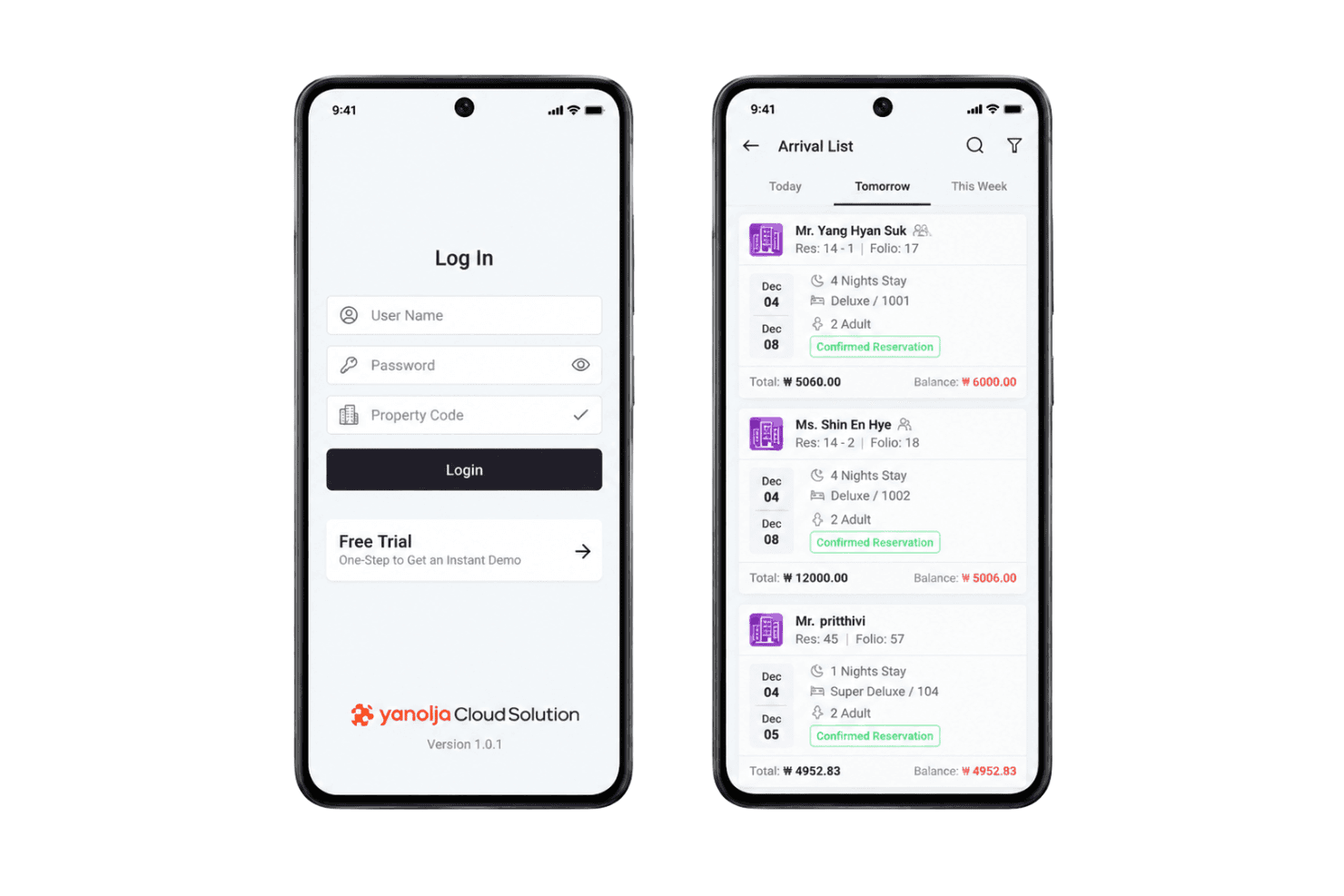
Yanolja Cloud Solution combines hotel PMS, channel management, commission-free booking, payments, and built-in revenue management. Yanolja Cloud Solution is an all-in-one hotel management platform that brings together a PMS, channel manager, commission-free booking engine, payment processing, and built-in revenue management tools on a single unified system.
Who Is Yanolja Cloud Solution Best For?
Yanolja Cloud Solution is a strong fit for independent hoteliers and small-to-mid-size properties that want built-in revenue management tools without paying for a separate RMS.
Why I Picked Yanolja Cloud Solution
I've included Yanolja Cloud Solution in my top picks because the dynamic pricing and compset tracking tools are built directly into the platform, not bolted on as a separate subscription. I like that the compset tracker surfaces competitor OTA rates across a 30-day forward window, filterable by room type, rate plan, and cancellation policy, so revenue decisions are grounded in live market data. The dynamic pricing engine then acts on that data automatically, adjusting rates based on demand signals, lead time, and day-of-week patterns without requiring a standalone RMS.
Yanolja Cloud Solution Key Features
- Commission-free booking engine: A direct booking engine that charges no per-booking fees, with a two-click mobile-first flow, multi-currency support, and seven built-in conversion widgets including exit popups and booking notifications.
- 130+ channel real-time sync: The eZee Centrix channel manager pushes rate and inventory updates to connected OTAs and GDS platforms in under 10 seconds, with Premier Booking.com and Elite Expedia partner status.
- Contactless mobile check-in: Guests complete digital registration with ID upload, e-signature, and e-folio review via mobile device or a QR code self-service kiosk in the lobby.
- Pulse AI concierge: A built-in multilingual AI assistant that handles bookings, guest messaging, service requests, and upsell offers across website chat, WhatsApp, and voice channels.
Yanolja Cloud Solution Integrations
Yanolja Cloud Solution connects with Booking.com, Expedia, Airbnb, Agoda, Google Hotel Ads, TripAdvisor, Trivago, Amadeus, Sabre, Xero, QuickBooks, Authorize.net, and PayPal. It offers 650+ marketplace integrations and an open API for custom connections.
Pros and Cons
Pros:
- AI concierge automates guest communications
- Kiosk and mobile check-in workflows supported
- Dynamic pricing engine built into core system
Cons:
- Mobile app offers reduced functionality vs. desktop
- Channel cancellations sometimes require manual reconciliation
Learn more about Yanolja Cloud Solution: Best for contactless check-in via kiosk or mobile
- Free demo available
- Pricing upon request
Visit WebsiteCustomer Rating:4.4/5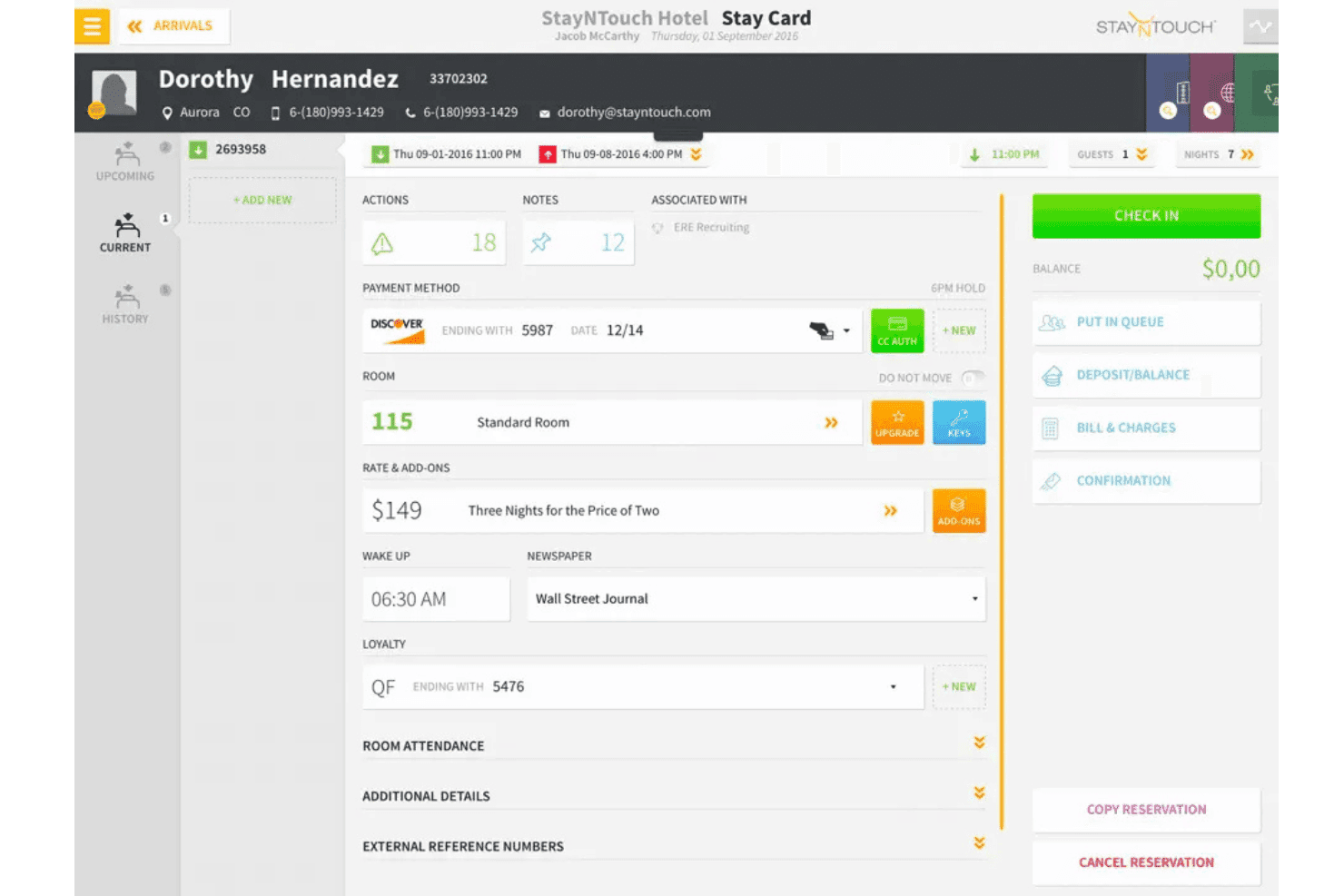
StayNTouch covers hotel PMS, front desk, reservations, housekeeping, direct booking, channel management, and payment processing. StayNTouch is a cloud-native, mobile-first hotel management app that covers property management, front desk operations, reservations, housekeeping, a built-in booking engine, channel management, and integrated payment processing.
Who Is StayNTouch Best For?
StayNTouch is a strong fit for independent hotels and boutique properties that want to reduce front desk load through self-service kiosk and mobile check-in workflows.
Why I Picked StayNTouch
StayNTouch earns its spot on my shortlist because of how far it pushes contactless check-in beyond basic mobile check-in links. The self-service kiosk handles ID scanning, room key pickup, and upsell offers in under 30 seconds, with no app download required from the guest. I also like that digital registration cards come pre-filled and support signature capture and marketing consent collection, cutting lobby wait times without sacrificing compliance.
StayNTouch Key Features
- Rate Strategy tool: Set dynamic pricing rules based on occupancy thresholds directly within the PMS, without a separate revenue management system.
- Multi-property dashboard: Manage guest profiles, rates, and reporting across an entire portfolio from one centralized interface.
- Stayntouch Pay: A PCI DSS Level 1-certified, Adyen-backed payment processing layer that handles in-person, online, and alternative payment methods including Apple Pay, Google Pay, and regional options.
- Native housekeeping app: Assign tasks by floor automatically, track real-time room status, and manage out-of-order rooms from any mobile device.
StayNTouch Integrations
StayNTouch offers 1,400+ pre-built integrations, including Booking.com, Expedia, SiteMinder, Duetto, PriceLabs, Breezeway, HotSOS, Toast POS, Salesforce, and Microsoft Power BI. Its REST API, webhooks, developer portal, and sandbox support custom integrations.
Pros and Cons
Pros:
- Occupancy-based dynamic pricing tool included
- Native mobile app for housekeeping tasks
- Self-service kiosk with facial recognition support
Cons:
- Manager approval required for error corrections
- No published pricing or free trial
Learn more about StayNTouch: Best for contactless guest arrival workflows
- Free demo available
- Pricing upon request
Visit WebsiteCustomer Rating:4.5/5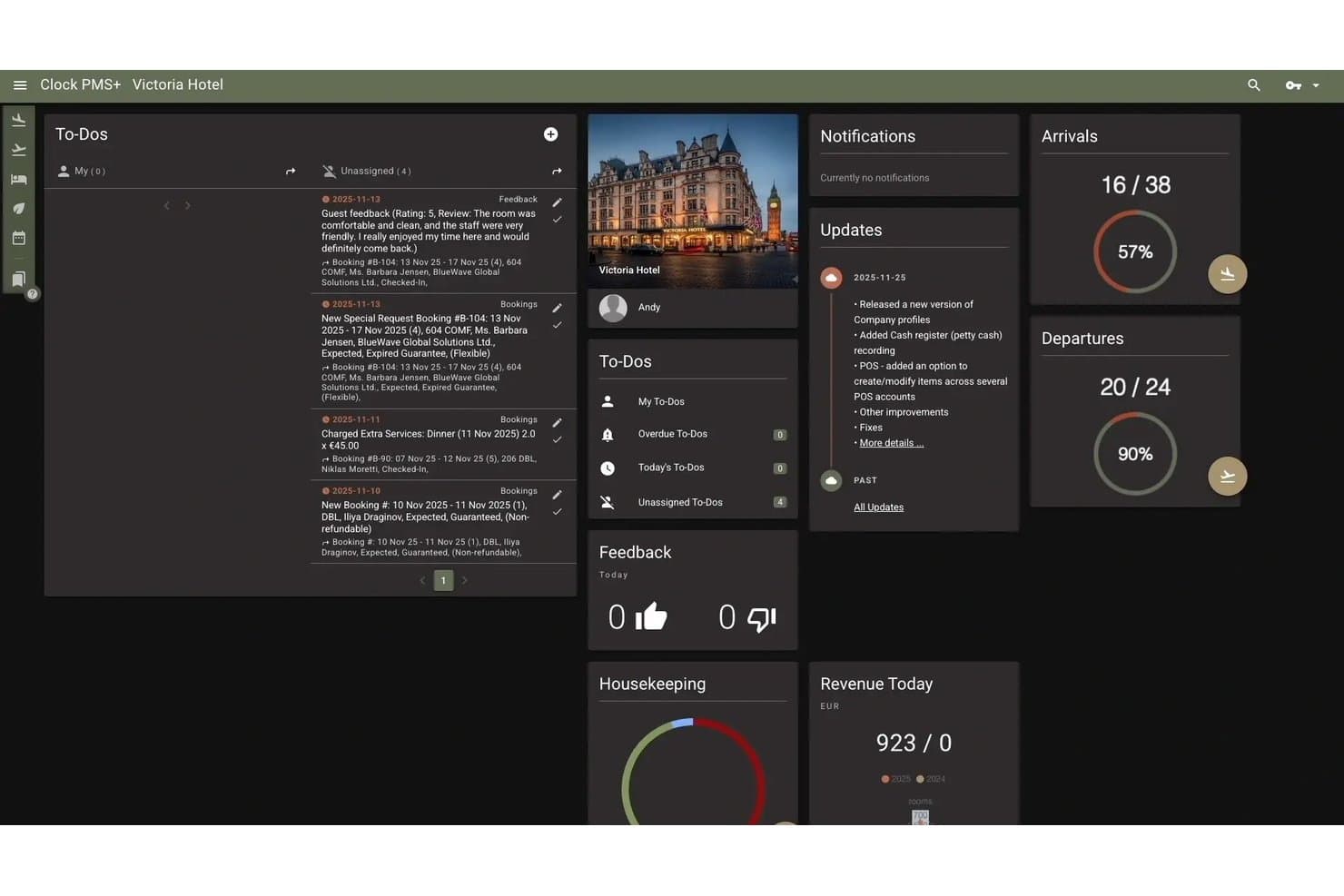
Clock PMS+ covers hotel PMS, commission-free booking, housekeeping, channel management, contactless check-in, kiosks, and payment automation. Clock PMS+ is a cloud-based hotel management platform covering the full guest lifecycle, with a native PMS, commission-free booking engine, housekeeping module, channel management, contactless check-in and kiosk tools, and integrated payment automation under one flat subscription.
Who Is Clock PMS+ Best For?
Clock PMS+ is a strong fit for independent hotels and small hotel groups that want a single subscription covering every core operation—from front desk and housekeeping to payments and guest self-service—without paying extra for each module.
Why I Picked Clock PMS+
Clock PMS+ earns its spot on my shortlist because of how completely it handles contactless guest arrival without requiring third-party bolt-ons. I love that online check-in, ID scanning, digital registration card signing, and payment collection all happen before guests even reach the front desk. At the property, guests scan a QR Hotel Pass at the kiosk or go straight to their room using a PIN code or Apple/Google Wallet digital key, with every status update syncing natively in the PMS.
Clock PMS+ Key Features
- Payment Autopilot: Automatically handles deposits, pre-authorizations, OTA virtual card charging, cancellation fees, and refunds based on booking rules—without manual intervention.
- Native housekeeping module: Generates daily task plans from arrival and departure data, assigns work by zone or shift, and syncs room status to the front desk in real time via a mobile staff app.
- Direct Booking.com integration: A native, two-way sync with Booking.com pushes rate and availability updates instantly, and automatically reports no-shows to waive commission directly from Clock.
- BI Analytics add-on: Exports a daily-refreshed, analysis-ready copy of all PMS data for use in Looker Studio, Power BI, or Tableau, with up to eight hours of custom report development per year included.
Clock PMS+ Integrations
Clock PMS+ offers 200+ documented integrations, including Booking.com, RoomCloud, SiteMinder, SynXis, Adyen, Stripe, QuickBooks, IDeaS, Revinate, and Lightspeed. Its open API and sandbox support custom integrations.
Pros and Cons
Pros:
- Fully integrated payment automation and folios
- Contactless guest arrival flows built in
- Direct Booking.com connection without third-party layer
Cons:
- No native mobile app for management
- OTA channel connections capped at ten
Learn more about Clock PMS+: Best for global chain and multi-property ops
- Free demo available
- Pricing upon request
Visit WebsiteCustomer Rating:4.2/5
Oracle OPERA Cloud centralizes reservations, room status, and daily projections in one dashboard. Oracle OPERA Cloud is a cloud-native hotel management platform covering reservations, front desk operations, housekeeping, multi-property management, channel distribution, and payment processing across a single, centralized system.
Who Is Oracle OPERA Cloud Best For?
Oracle OPERA Cloud is built for upper-midscale hotels, full-service chains, and multi-property groups that need centralized control across a large portfolio.
Why I Picked Oracle OPERA Cloud
Oracle OPERA Cloud earns its spot on my shortlist because no other hotel PMS comes close for managing large, multi-property portfolios from a single platform. I'm particularly impressed by OPERA Cloud Central, which unifies guest profiles, rates, inventory, and reporting across every property in your portfolio simultaneously. The real-time two-way ARI sync through OPERA Cloud Distribution pushes availability and rate changes across OTAs, GDS channels, and channel managers at once, which is exactly what a global chain needs to avoid overbookings across dozens of properties.
Oracle OPERA Cloud Key Features
- OPERA Cloud Digital Assistant: An AI-powered chatbot that lets staff complete tasks and get operational guidance through natural language, including automated room assignments.
- Mobile staff app: A progressive web app for housekeeping attendants, porters, and maintenance staff to update room statuses and task progress from any mobile device in 12 languages.
- Nor1 guest engagement and merchandising: An upsell engine embedded directly in the check-in workflow that surfaces AI-driven upgrade and add-on offers at the point of arrival.
- Oracle Payments Cloud Service: A native, PCI DSS-compliant payment processing system supporting credit and debit cards, Apple Pay, Google Pay, and Samsung Pay with end-to-end encryption and automated pre-authorization rules.
Oracle OPERA Cloud Integrations
Oracle OPERA Cloud natively connects with MICROS Simphony, Nor1, OPERA Cloud Distribution, and Oracle Payments. OHIP provides 650+ live marketplace integrations, including SiteMinder, Duetto, IDeaS, Sabre, Amadeus, and P3Hotels, plus REST APIs for custom connections.
Pros and Cons
Pros:
- Extensive analytics and operational dashboards
- AI-driven assistant improves staff productivity
- Centralizes multi-property and chain operations
Cons:
- Onboarding and data migration require significant time
- No native booking engine included
Learn more about Oracle OPERA Cloud: Best for casino and resort multi-amenity ops
- Free demo available
- Pricing upon request
Visit WebsiteCustomer Rating:4.5/5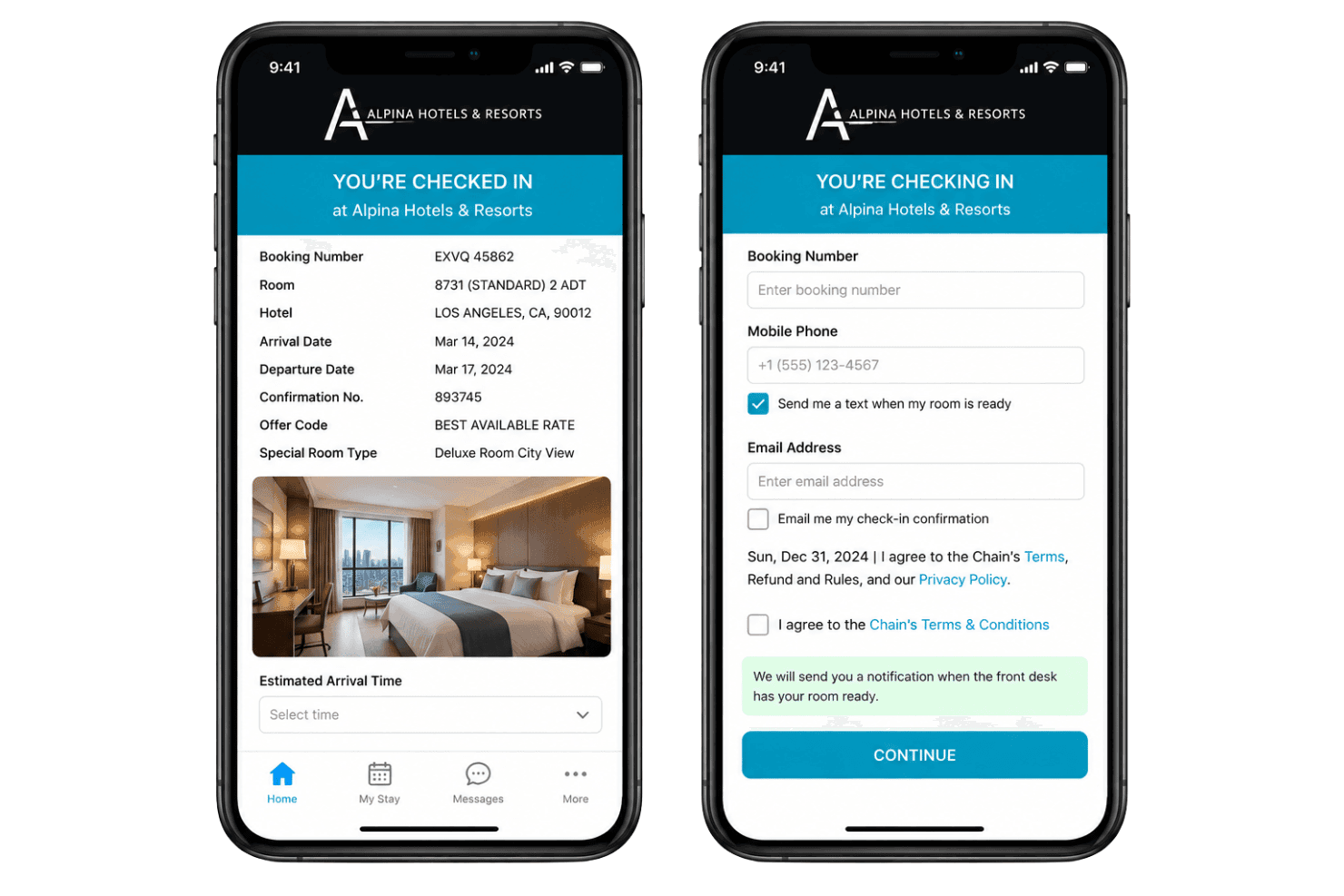
Agilysys is a hospitality management platform built for multi-amenity properties, combining PMS, booking engine, housekeeping, payment processing, loyalty, and analytics across rooms, spa, golf, dining, and gaming in one system.
Who Is Agilysys Best For?
Agilysys is built for enterprise resorts, casino hotels, and multi-amenity properties that need to manage rooms, dining, spa, golf, and gaming under one platform.
Why I Picked Agilysys
Agilysys earns its spot on my shortlist because no other platform handles the complexity of casino and resort operations quite like this. I love how Agilysys Book lets guests bundle rooms, spa, golf, and dining into one transaction, which is genuinely rare and valuable for multi-amenity properties. The guestsense.ai upsell engine pushes personalized upgrade prompts across the front desk, kiosk, and mobile check-in, turning every guest touchpoint into a revenue moment.
Agilysys Key Features
- Agilysys Loyalty & Promotions: Supports tier-based, points-based, or hybrid loyalty programs with real-time earn and redeem across PMS and POS transactions.
- Express Kiosk: A lobby self-service kiosk that handles check-in, payment, and digital key delivery without staff involvement.
- Agilysys Analyze: Role-specific dashboards tracking occupancy, ADR, RevPAR, and RevPAG across rooms, F&B, spa, golf, and events in real time.
- Agilysys Central Reservations: Centralizes rate and inventory management across all booking channels for multi-property portfolios, with overbooking controls and single sign-on for agents.
Agilysys Integrations
Agilysys has 23 verified integration partners, including SiteMinder, IDeaS, Dormakaba, and ASSA ABLOY, plus native connections across its PMS, POS, booking, payment, spa, golf, and analytics products. An Azure-based developer API supports custom integrations.
Pros and Cons
Pros:
- Mobile check-in and self-service kiosk included
- Best-in-class analytics and custom guest profiles
- Handles casino, spa, golf, and dining in one system
Cons:
- Customer support can be inconsistent
- Not suited for small or boutique hotels
Learn more about Agilysys: Best for AI-driven revenue and rate management
- Free demo available
- Pricing upon request
Visit WebsiteCustomer Rating:4.3/5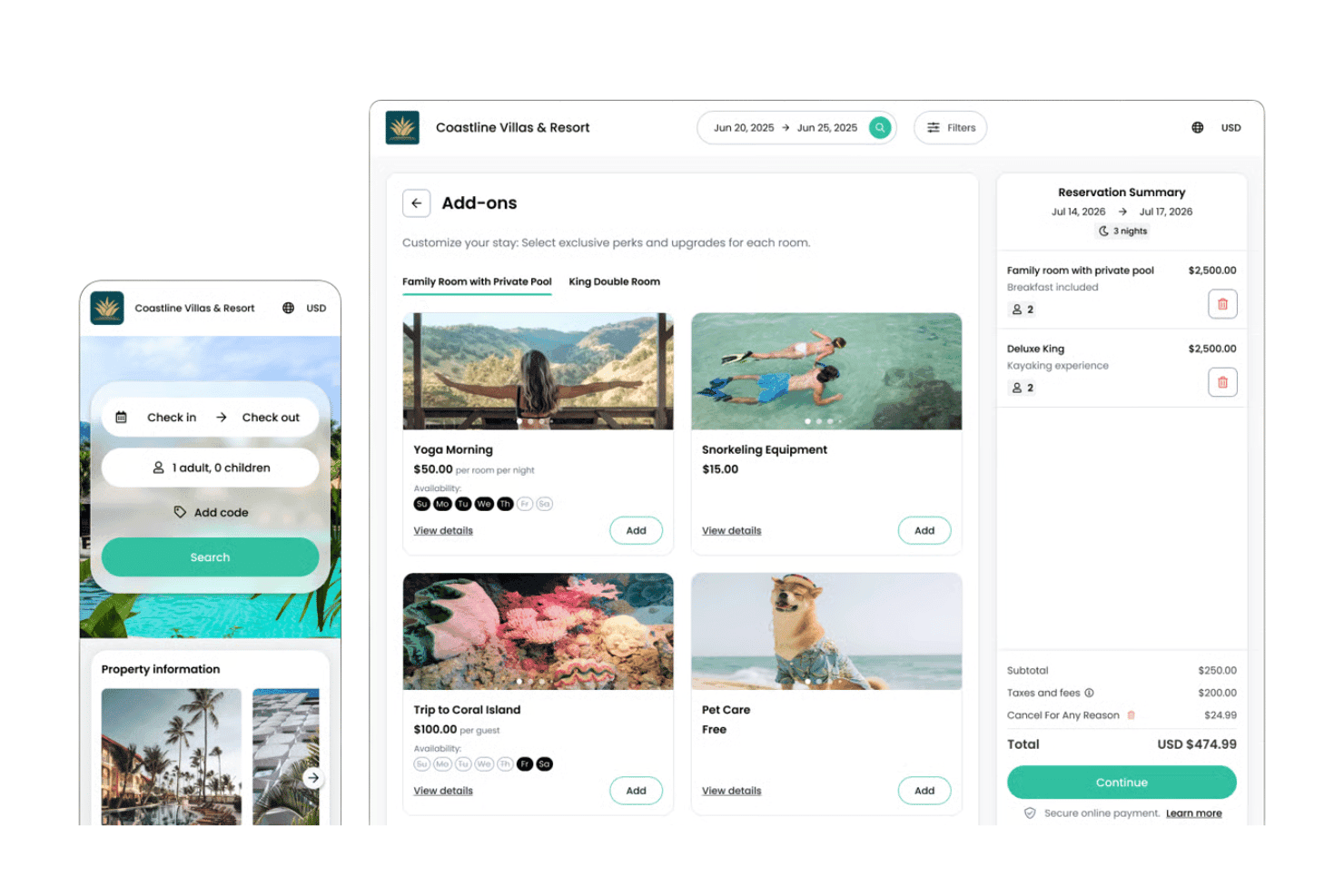
Cloudbeds centralizes hotel PMS, channel management, direct booking, housekeeping, guest messaging, and payment processing. Cloudbeds is an all-in-one hotel management platform that unifies a PMS, channel manager, booking engine, housekeeping tools, guest messaging, and payment processing into a single cloud-based system.
Who Is Cloudbeds Best For?
Cloudbeds is a strong fit for independent hoteliers and boutique property managers who want PMS, channel management, and AI-driven revenue tools in one platform.
Why I Picked Cloudbeds
I picked Cloudbeds as one of the best because its Signals AI model does something most hotel management platforms still can't: it pulls live PMS, distribution, and market data into a single engine to generate 90-day demand forecasts and automated rate recommendations with plain-language explanations for why each change is suggested. I love that revenue managers can see competitor rate tracking and dynamic pricing updates without toggling between separate tools. That alone saves my team hours each week that would otherwise go toward manual rate shopping and spreadsheet reconciliation.
Cloudbeds Key Features
- Drag-and-drop reservation calendar: Manage room assignments and reservation edits visually across a calendar view that supports 4,000+ rooms and 30 concurrent users.
- Unified guest messaging inbox: Consolidates SMS, email, WhatsApp, and OTA message threads from Booking.com, Expedia, Airbnb, and more into a single interface with auto-translation.
- Contactless digital check-in: Guests complete registration cards, ID scanning, and digital signatures online via a web-based Guest Portal—no app download required.
- 450+ OTA channel sync: Rates and availability update in real time across 450+ distribution partners from one central inventory pool, with no added commission from Cloudbeds.
Cloudbeds Integrations
Cloudbeds offers 450+ Marketplace integrations, including Booking.com, Expedia, Airbnb, Vrbo, Agoda, QuickBooks, Xero, ASSA ABLOY, and Salto. Its REST API and webhooks support custom integrations.
Pros and Cons
Pros:
- Real-time OTA sync prevents overbookings
- Unified platform for PMS, revenue, messaging
- AI-driven rate recommendations with plain-language explanations
Cons:
- Reporting customization and accuracy are limited
- Customer support is inconsistent and slow
 Best for built-in AI rate pricing
- 14-day free trial + demo available
- From $236/month
Visit WebsiteCustomer Rating:4.1/5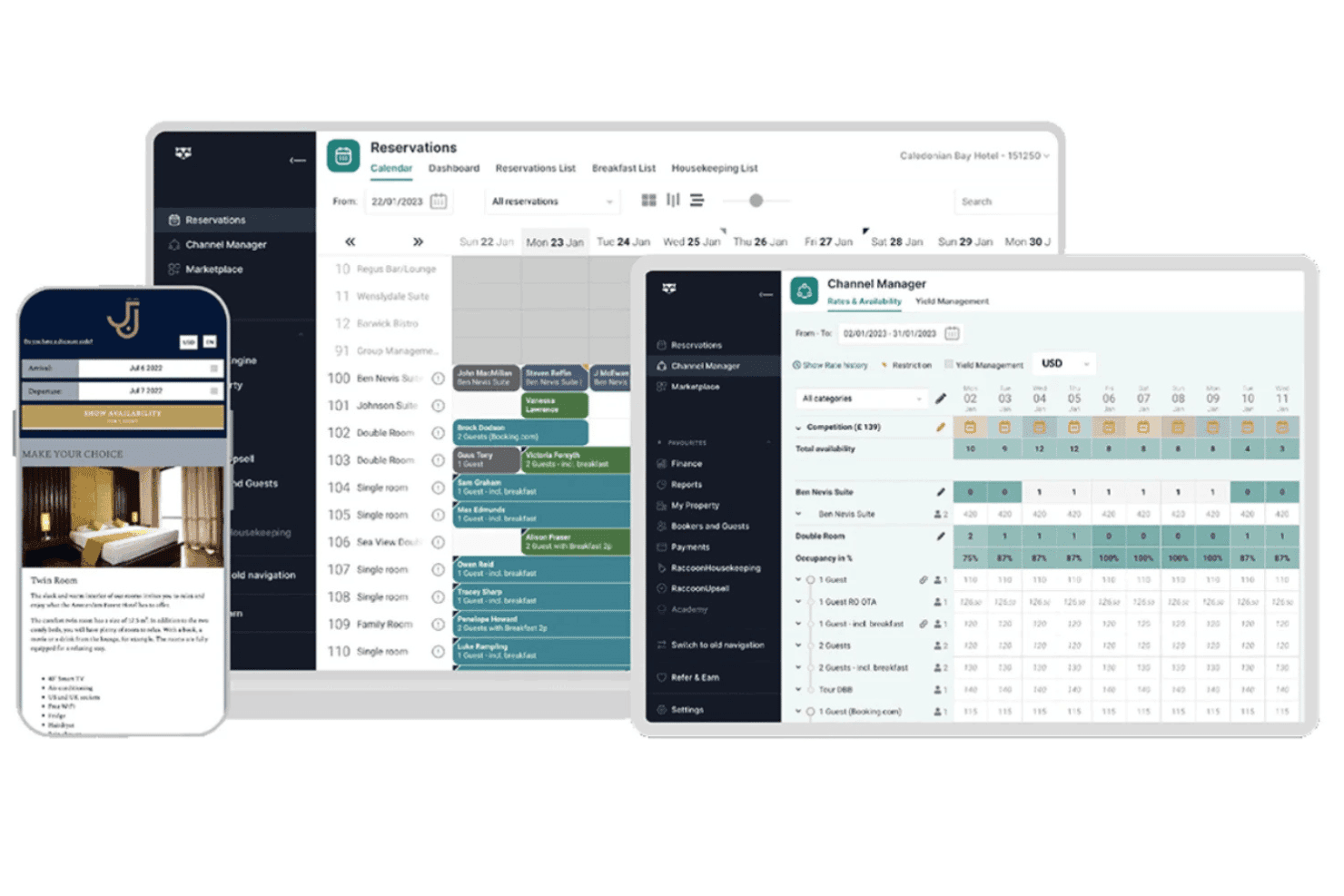
RoomRaccoon brings together hotel PMS, channel management, direct booking, payments, housekeeping, and AI-driven revenue management. RoomRaccoon is an all-in-one hotel management platform for independent properties that brings together a PMS, channel manager, booking engine, payment processing, housekeeping tools, and AI-driven revenue management in a single system.
Who Is RoomRaccoon Best For?
RoomRaccoon is a strong fit for independent hotels, B&Bs, and small-to-mid-sized properties that want a single platform to manage reservations, distribution, payments, and pricing without stitching together separate tools.
Why I Picked RoomRaccoon
RoomRaccoon earns its spot on my shortlist because of RaccoonRev Plus, its built-in AI pricing engine that adjusts rates based on competitor data, booking pace, local events, and weather forecasts up to 365 days out. I like that it runs in Autopilot Mode for fully automated rate-setting or Manual Mode when I want to review suggestions before they go live. That's a level of native revenue intelligence most independent hotels would otherwise need a separate RMS subscription to access.
RoomRaccoon Key Features
- Drag-and-drop tapechart: A visual reservations calendar where you can manage room assignments, mid-stay moves, and occupancy at a glance.
- RaccoonHousekeeping mobile app: Staff view task assignments, update room statuses, and log minibar or maintenance issues directly from their smartphones.
- Commission-free booking engine: A direct booking engine embedded on your hotel website that processes reservations without OTA commission fees.
- 200+ channel connections with 5-second sync: Two-way rate, availability, and inventory updates push across all connected OTAs and distribution channels in approximately five seconds.
RoomRaccoon Integrations
RoomRaccoon’s integrations hub lists 300+ integrations, including Booking.com, Expedia, Airbnb, Vrbo, Google Hotel Ads, Lightspeed, QuickBooks, Stripe, PriceLabs, and Akia. Its open API supports custom integrations.
Pros and Cons
Pros:
- Native contactless check-in with ID scanning
- 5-second sync across 200+ booking channels
- Built-in AI dynamically sets future room rates
Cons:
- Guest messaging requires third-party integrations
- Reporting customization limited versus enterprise systems
Learn more about RoomRaccoon: Best for independent multi-property operators
- Free demo available
- Pricing upon request
Visit WebsiteCustomer Rating:3.9/5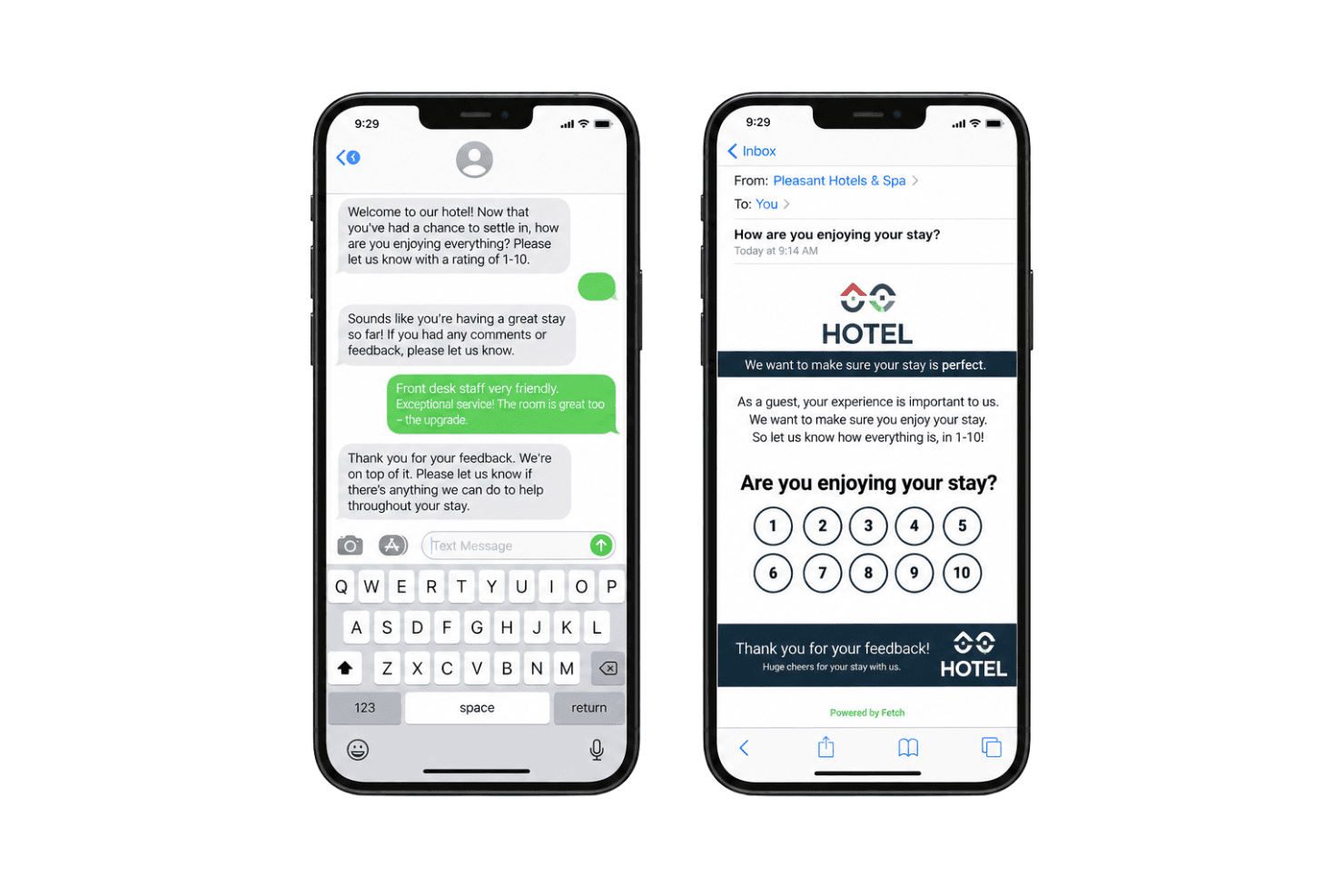
Maestro PMS manages hotel front office, reservations, housekeeping, work orders, payments, analytics, and guest engagement across single and multi-property operations. Maestro PMS is an all-in-one hotel management platform built on a single unified database, covering front office operations, reservations, housekeeping, work orders, payments, analytics, and guest engagement across single and multi-property portfolios.
Who Is Maestro PMS Best For?
Maestro PMS is a strong fit for independent hotels, resorts, and multi-property groups that need a single platform to manage every aspect of operations—from front desk and housekeeping to spa, activities, and loyalty.
Why I Picked Maestro PMS
Maestro PMS earns its spot on my shortlist because of how it handles multi-property operations on a single unified database—every guest profile, reservation, and folio is shared across all locations without syncing between separate systems. I particularly like the cross-property guest history and consolidated accounts receivable, which matter most when you're managing more than one independent property. The Maestro Touch tablet interface lets front desk staff serve guests anywhere on property with live PMS access, which is a genuinely practical feature for resort-style operations.
Maestro PMS Key Features
- GuestXMS two-way SMS messaging: Send and receive text messages with guests before arrival, during their stay, and after check-out directly within the PMS.
- MezzoPay embedded payments: Process contactless payments, tokenize card data, and manage pre-authorizations without a third-party payment gateway.
- Mobile housekeeping app: Room attendants update room statuses in real time from their mobile devices, triggering automatic SMS notifications to guests when rooms are ready.
- Analytics & BI dashboard: Track ADR, RevPAR, booking pace, cancellations, and revenue segmentation across single or multiple properties from one reporting interface.
Maestro PMS Integrations
Maestro PMS supports 800+ third-party integrations through its open API, including SiteMinder, Silverware POS, Fetch, Zaplox, Tripleseat, Canary Technologies, and b4checkin TransForm.
Pros and Cons
Pros:
- Tablet-based front desk interface for staff
- GuestXMS offers SMS guest messaging hub
- Multi-property operations managed in one database
Cons:
- Group rate configuration is complicated for users
- Interface is text-heavy and visually dated
Learn more about Maestro PMS: Best for scaling from boutique to enterprise
- Free demo available
- Pricing upon request
Visit WebsiteCustomer Rating:4.2/5
RMS Cloud combines hotel PMS, channel management, direct booking, housekeeping, payments, and reporting. RMS Cloud is a cloud-native hotel management platform that combines a full PMS, built-in channel manager, direct booking engine, housekeeping, payment processing, and reporting in one system.
Who Is RMS Cloud Best For?
RMS Cloud is a strong fit for hotel operators who need a single platform to run everything from a small independent property to a multi-site portfolio.
Why I Picked RMS Cloud
RMS Cloud earns its spot on my shortlist because it's genuinely built to grow with you, running the same platform whether you're managing a 12-room boutique or a 700-property enterprise chain. I like that the built-in channel manager connects to 100+ OTAs with real-time two-way sync at no extra cost, which is rare at this price point. The MultiBAR dynamic pricing engine automatically adjusts rates based on occupancy triggers, so revenue management isn't a separate tool you have to bolt on.
RMS Cloud Key Features
- Guest Portal: Guests can complete pre-check-in, sign registration cards, and manage their own bookings online without front desk involvement.
- RMS Guest Rewards: A built-in loyalty program with customizable points, redemptions, and promotions tied directly to guest profiles.
- Communications Hub: Sends automated SMS and email correspondence triggered by arrival, in-stay, and post-departure events.
- Business Intelligence module: Generates 150+ report types covering occupancy, ADR, RevPAR, and multi-property financial performance.
RMS Cloud Integrations
RMS Cloud offers marketplace integrations with Booking.com, Expedia, Airbnb, Vrbo, Agoda, IDeaS, Duetto, RateGain, Xero, and QuickBooks. Its open REST API includes 530+ endpoints for custom integrations.
Pros and Cons
Pros:
- Flexible for single or multi-property groups
- Open API with 530+ endpoints available
- Built-in channel manager covers 100+ OTAs
Cons:
- Dynamic rate setup can require vendor support
- System freezes and slow performance reported
Learn more about RMS Cloud: 10Best for OTA sync beyond rates and availability
eviivo
- Free demo available
- Pricing upon request
Visit WebsiteCustomer Rating:3.9/5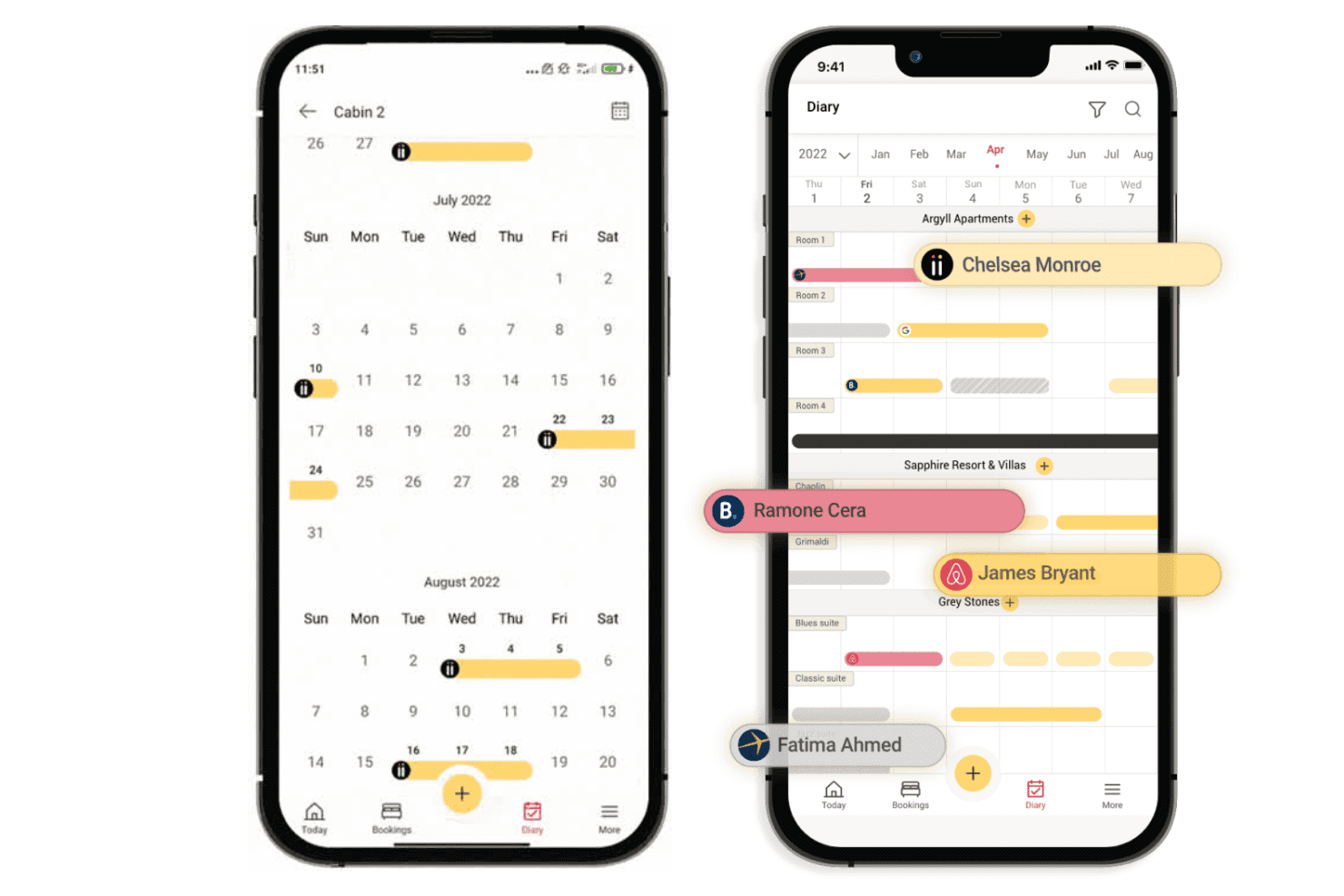
eviivo combines hotel PMS, channel management, direct booking, housekeeping, guest messaging, and payment processing for independent and multi-property stays. eviivo is a cloud-based hotel management suite that combines a PMS, channel manager, direct booking engine, housekeeping tools, guest messaging, and payment processing in one platform built for independent hotels, B&Bs, and multi-property portfolios.
Who Is eviivo Best For?
eviivo is a strong fit for independent hoteliers, B&B owners, and multi-property portfolio managers who distribute across multiple OTAs and want to manage that presence from one place.
Why I Picked eviivo
eviivo earns its spot on my shortlist because its channel manager syncs far more than just rates and availability across 100+ OTAs. I'm talking photos, policies, promotions, taxes, guest messages, and reviews, all pushed out from one place without touching individual extranets. I also like the unified Guest Messaging Hub, which pulls Booking.com, Airbnb, Expedia, and WhatsApp conversations into a single inbox with AI-suggested replies.
eviivo Key Features
- Contactless check-in: Guests complete digital registration cards with ID/passport scanning, and the system delivers time-limited door codes via smart lock integrations automatically.
- AI dynamic pricing: A built-in pricing engine draws on 100+ data signals, including competitor rates and local events, to adjust rates automatically with manual override available.
- Multi-property booking calendar: A color-coded, drag-and-drop calendar consolidates reservations across all properties and room types into a single view.
- Commission-free booking engine: A direct booking engine embeds on your website with upsell options, promo codes, multi-currency support, and no revenue share on confirmed bookings.
eviivo Integrations
eviivo offers 200+ marketplace integrations, including Booking.com, Airbnb, Vrbo, Expedia, Agoda, Tripadvisor, Google Hotel Ads, Amadeus, QuickBooks, and Xero. Its open APIs support custom connections, and Zapier is available.
Pros and Cons
Pros:
- Built-in dynamic pricing and AI suggestions
- Unified guest messaging across email and WhatsApp
- Syncs photos, policies, and promos to OTAs
Cons:
- Some U.S. users find workflows confusing
- Key features require multiple paid add-ons
Learn more about eviivo:
Outras aplicações de gestão hoteleira
Eis algumas opções adicionais de aplicações de gestão hoteleira que não chegaram à minha lista restrita, mas que vale a pena consultar:
- 11HOTELTIMEBest for AI-driven on-the-go KPI visibility
- 12MewsBest for AI-driven rate and revenue automation
- 13Little HotelierBest for small properties managing their own bookings
- 14roommasterBest for commission-free direct booking growth
- 15HotelogixBest for SMB hotels needing all-in-one cloud ops
- 16Beds24Best for direct bookings across 100+ OTA channels
- 17HotelKeyBest for enterprise brand-approved PMS deployment
- 18HotelRunnerBest for distribution across 150+ OTA channels
- 19PrenoBest for Xero-native indie property management
- 20GuestlineBest for EU hotel groups needing one platform
How I Evaluate Hotel Management Apps
I split my evaluation into core operational must-haves—like reservation management and OTA sync—and the differentiators that separate a workhorse PMS from a tool that actually fits how your property runs.
Core Functionality (Table Stakes for This List)
When I'm selecting tools for my list, I rank each one on a scale from 0 (does not offer the functionality) to 5 (excels in this area) for each core functionality listed below. I then calculate the tool's total score into a percentage, using 75% as a benchmark to help assess its overall fit for the list.
- Property management system: I evaluate how each app handles reservations, guest profiles, room inventory, and folios—checking whether it supports group bookings and multi-property setups.
- Channel manager: Real-time two-way sync with major OTAs like Booking.com and Expedia is the baseline. I look at how many channels each tool connects to and whether pooled inventory prevents double bookings.
- Booking engine: Every hotel needs a commission-free way to capture direct reservations. I check for website widget integration, payment capture, and extras like promo codes, upsells, and multi-currency support.
- Housekeeping and operations: I look at whether staff can update room status from a mobile device and receive task assignments in real time, since delays between housekeeping and the front desk directly affect guest wait times.
- Payment processing: Pre-authorizations, deposit handling, and folio posting all need to work without manual workarounds. Tools like Mews and Cloudbeds offer integrated payment flows, so I compare how each app handles tokenization and multi-currency transactions.
- Reporting and analytics: I check for standard KPIs—occupancy, ADR, RevPAR—and whether the platform offers custom dashboards, forecasting, or automated report scheduling that managers can access on the go.
Once I have a list of tools that meet the criteria, I consider what sets each platform apart.
Differentiating Factors (What Sets Vendors Apart)
Here's how I compare and contrast different vendors:
Standout Features
I check whether each app includes built-in revenue management tools—dynamic pricing rules, competitor rate shopping, and demand-based yield adjustments—so you don't need a separate RMS to protect your ADR. A guest CRM with unified stay history and loyalty tracking is equally important; platforms like Cloudbeds and RoomRaccoon let you segment past guests and trigger personalized upsell offers that drive direct rebookings. I also evaluate contactless check-in depth, from ID scanning to mobile key delivery, since a half-built workflow still leaves guests waiting at the desk.
Beyond Features
I look at how each platform handles PCI DSS compliance and guest data privacy, since a breach at even a small property can be devastating. Integration depth matters just as much—I check whether a tool offers certified two-way OTA connections plus pre-built links to POS, door locks, and accounting systems like Xero or QuickBooks. A thin integration layer means more manual work for your team. I also evaluate onboarding support, especially data migration from a legacy PMS and whether you get a dedicated setup manager or just a help article library.
Como escolher uma aplicação de gestão hoteleira
Como pode saber qual é a aplicação de gestão hoteleira que realmente corresponde às suas necessidades operacionais, exigências de conformidade e expectativas de serviço?
| Se a sua prioridade é... | Procure... |
|---|---|
| Se a sua prioridade é...Gerir reservas, limpeza e pagamentos | Procure...Um painel unificado com atualizações da equipa em tempo real |
| Se a sua prioridade é...Otimizar automaticamente os preços e as receitas | Procure...Gestão de rendimento com AI, conjunto de concorrentes e tarifas dinâmicas integrados |
| Se a sua prioridade é...Proporcionar percursos sem contacto aos hóspedes | Procure...Suporte completo para check-in móvel, quiosques e chaves eletrónicas |
| Se a sua prioridade é...Crescer através de várias propriedades ou propriedades complexas | Procure...Uma configuração comprovada para várias propriedades, cadeias ou casinos |
| Se a sua prioridade é...Reservas diretas e integração com OTAs | Procure...Um gestor de canais bidirecional e um motor de reservas sem comissões |
Como avaliar a sua lista restrita
- Teste os fluxos de trabalho diários: Faça um teste de 7 dias, colocando em fila tarefas de limpeza, check-ins na receção e reservas de grupos com a sua equipa real.
- Comprove a automatização das receitas: Solicite uma demonstração que mostre alterações de tarifas com AI baseadas num evento local ou em dados do conjunto de concorrentes no prazo de 24 horas.
- Verifique as capacidades sem contacto: Conclua um fluxo de check-in móvel — desde a leitura do documento de identificação até à chave móvel — para três perfis de funcionários em menos de uma hora.
- Audite a profundidade das integrações: Peça uma lista de parceiros certificados para OTAs, POS, pagamentos e fornecedores de fechaduras de portas específicos da sua região.
- Faça a escolha essencial: Dê prioridade a uma integração rápida para equipas pequenas ou à adequação a longo prazo se precisar de uma configuração detalhada, controlos de grupos de propriedades ou conformidade alargada.
O que são as aplicações de gestão hoteleira?
As aplicações de gestão hoteleira são plataformas de software que permitem supervisionar reservas, perfis de hóspedes, pagamentos, estado dos quartos e operações hoteleiras diárias a partir de um painel unificado. Estas ferramentas permitem uma gestão eficiente da receção, uma coordenação da limpeza em tempo real e atualizações automáticas das tarifas.
Ao centralizarem os fluxos de trabalho críticos, as aplicações de gestão hoteleira ajudam-no a adaptar-se rapidamente às necessidades dos hóspedes e às exigências do mercado, mantendo os padrões de serviço em diferentes tipos de propriedades ou em várias localizações.
Funcionalidades das aplicações de gestão hoteleira
Ao selecionar uma aplicação de gestão hoteleira, esteja atento às seguintes funcionalidades essenciais:
- Sistema de gestão da propriedade: Permite gerir reservas, perfis de hóspedes, atribuições de quartos e contas através de um painel central. Suporta as tarefas diárias da receção e as necessidades de grupos ou de várias propriedades.
- Gestor de canais: Liga o seu inventário às agências de viagens online e aos sistemas de distribuição global para obter atualizações em tempo real. Ajuda a evitar reservas duplicadas e simplifica a paridade tarifária entre canais.
- Motor de reservas: Capta reservas diretas através do seu site, com funcionalidades para recolha de pagamentos, descontos, vendas adicionais e extras. Permite aos hotéis obter reservas sem comissões e personalizar a experiência do hóspede.
- Gestão da limpeza: Acompanha o estado dos quartos, agenda tarefas de limpeza e atualiza as atribuições dos funcionários em tempo real. Permite uma comunicação rápida entre a equipa de limpeza e a receção, reduzindo os tempos de espera dos hóspedes.
- Processamento de pagamentos: Trata de depósitos, pré-autorizações e pagamentos em várias moedas de forma segura. Suporta o registo automático de movimentos nas contas e as normas de conformidade, para que os funcionários não tenham de recorrer a soluções manuais.
- Relatórios e análises: Disponibiliza painéis e relatórios automatizados sobre ocupação, ADR, RevPAR e outros indicadores de desempenho. Suporta previsões e decisões empresariais informadas por parte dos gestores hoteleiros.
- Experiência sem contacto para os hóspedes: Permite o check-in antes da chegada, a verificação de identidade, chaves móveis e pagamentos digitais. Reduz as esperas presenciais e corresponde às atuais expectativas dos hóspedes relativamente ao autoatendimento.
- CRM de hóspedes integrado: Armazena o histórico, as preferências e o estado de fidelização dos hóspedes para apoiar um serviço personalizado e campanhas de marketing direcionadas. Ajuda a promover estadias repetidas e a incentivar novas reservas diretas.
- Gestão automatizada de receitas: Ajusta os preços dinamicamente com base na procura, em eventos locais ou nas tarifas dos concorrentes. Protege a sua tarifa média diária e maximiza as oportunidades de receita sem necessitar de uma ferramenta separada.
- Integrações com terceiros: Liga-se facilmente a sistemas POS, software de contabilidade, sistemas de cartões-chave e outras ferramentas de hotelaria. Reduz o trabalho manual e garante que a sua infraestrutura tecnológica funciona como um sistema unificado.
Benefícios das aplicações de gestão hoteleira
A implementação de aplicações de gestão hoteleira proporciona vários benefícios à sua equipa e ao seu negócio. Eis alguns dos que pode esperar:
- Operações centralizadas: Gira reservas, dados dos hóspedes, pagamentos e estado dos quartos a partir de um único painel, reduzindo a necessidade de introduzir dados manualmente em vários sistemas.
- Coordenação da equipa em tempo real: Utilize o acesso móvel e a atribuição de tarefas para manter as equipas da receção e da limpeza sincronizadas, acelerando a preparação dos quartos e minimizando os tempos de espera dos hóspedes.
- Gestão automatizada de receitas: Ajuste as tarifas dinamicamente com base na procura, nos preços dos concorrentes ou em eventos locais, protegendo a sua tarifa média diária sem software adicional.
- Aumento das reservas diretas: Capte reservas sem comissões através de motores de reservas integrados e widgets para sites, permitindo-lhe controlar a experiência do hóspede e reduzir a dependência das OTA.
- Experiências sem contacto para os hóspedes: Permita o check-in digital, a leitura de documentos de identificação, a entrega de chaves móveis e os pagamentos online, correspondendo às expectativas dos hóspedes em termos de conveniência e autoatendimento.
- Relatórios e análises integrados: Aceda a painéis com dados de ocupação, ADR, RevPAR e previsões, ajudando os gestores a tomar decisões empresariais atempadas e informadas.
- Processamento seguro de pagamentos e gestão de dados: Garanta a conformidade com a norma PCI DSS e fluxos fiáveis de processamento de pagamentos, reduzindo os riscos de responsabilidade e protegendo as informações sensíveis dos hóspedes.
Custos e preços das aplicações de gestão hoteleira
A seleção de aplicações de gestão hoteleira exige uma compreensão dos vários modelos de preços e planos disponíveis. Os custos variam consoante as funcionalidades, o tamanho da equipa, os complementos, entre outros fatores. A tabela abaixo resume os planos comuns, os respetivos preços médios e as funcionalidades normalmente incluídas nas soluções de aplicações de gestão hoteleira:
Tabela de comparação de planos para aplicações de gestão hoteleira
| Tipo de plano | Preço médio | Funcionalidades comuns |
|---|---|---|
| Tipo de planoPlano gratuito | Preço médio$0 | Funcionalidades comunsGestão básica de reservas, ligações limitadas a canais, relatórios básicos e apoio por e-mail. |
| Tipo de planoPlano pessoal | Preço médio$30-$60/propriedade/mês | Funcionalidades comunsGestão de reservas, perfis de hóspedes, motor de reservas diretas, sincronização limitada com OTAs e acesso móvel. |
| Tipo de planoPlano empresarial | Preço médio$80-$200/propriedade/mês | Funcionalidades comunsGestor de vários canais, motor de reservas diretas, processamento de pagamentos, relatórios e análises, ferramentas de limpeza e integrações padrão. |
| Tipo de planoPlano empresarial avançado | Preço médio$250-$600+/propriedade/mês | Funcionalidades comunsOperações avançadas, gestão de receitas, configuração para várias propriedades, integrações personalizadas, apoio prioritário e funcionalidades de conformidade. |
Perguntas frequentes sobre aplicações de gestão hoteleira
Eis algumas respostas a perguntas frequentes sobre aplicações de gestão hoteleira:
Que integrações devo procurar numa aplicação de gestão hoteleira?
Deve procurar integrações que suportem diretamente as suas operações essenciais e a experiência dos hóspedes. Estas incluem normalmente gestores de canais de OTAs (agências de viagens online), ferramentas de contabilidade como o Xero ou o QuickBooks, portais de pagamento, sistemas POS (ponto de venda) e integrações com fechaduras de portas/chaves digitais para hóspedes. As integrações certas poupam trabalho manual à sua equipa e mantêm o seu conjunto tecnológico a funcionar sem problemas à medida que cresce.
As aplicações de gestão hoteleira podem ajudar pequenas propriedades ou hotéis independentes?
Sim, muitas aplicações de gestão hoteleira foram concebidas para pequenos hotéis, alojamentos locais e estabelecimentos independentes. Opções como o Little Hotelier e o Preno destinam-se especificamente a propriedades com equipas mais pequenas. Encontrará uma gestão simples de reservas, reservas diretas e integrações essenciais, sem a complexidade ou o preço das ferramentas destinadas a grandes cadeias.
Como é que as aplicações de gestão hoteleira melhoram a eficiência da limpeza?
As aplicações de gestão hoteleira permitem que a equipa de limpeza atualize o estado dos quartos, receba atribuições de tarefas e comunique problemas diretamente a partir de dispositivos móveis. Isto minimiza as falhas de comunicação com a receção, acelera a preparação dos quartos e reduz os tempos de espera dos hóspedes durante os períodos de maior afluência para a entrada.
Estas aplicações são seguras para processar dados de pagamento dos hóspedes?
Sim, as principais aplicações de gestão hoteleira utilizam processamento de pagamentos em conformidade com a norma PCI DSS e disponibilizam funcionalidades para transações seguras e tokenizadas. Confirme sempre as certificações de conformidade da aplicação e procure controlos claros que limitem o acesso da equipa a dados sensíveis — isto é essencial para minimizar riscos e cumprir as normas do setor.
Qual é a diferença entre um gestor de canais e um motor de reservas?
Um gestor de canais sincroniza a disponibilidade dos quartos e os preços entre OTAs (como a Booking.com, a Expedia e a Airbnb), evitando reservas duplicadas. Um motor de reservas é a ferramenta que permite aos hóspedes fazer reservas diretamente no seu próprio site, normalmente com opções de pagamento e de venda adicional. Ambos são essenciais se quiser uma distribuição flexível e mais reservas sem comissões.
Como posso comparar aplicações de gestão hoteleira antes de comprar?
Comece por fazer um teste com a sua equipa e os seus fluxos de trabalho reais durante, pelo menos, uma semana. Teste tarefas diárias como a entrada na receção, as reservas de grupos e as atualizações da limpeza. Peça aos fornecedores uma demonstração das alterações automáticas de preços com base em eventos locais e solicite listas de parceiros de integração para a sua região, de modo a confirmar a abrangência das ligações a terceiros.