

I 10 migliori software di marketing alberghiero del 2026: analisi approfondita

10 Selezione dei migliori software di marketing alberghiero


In qualità di albergatore esperto, comprendo l'importanza di strumenti di marketing digitale efficaci e innovativi in questo settore dinamico. Per questo ho esplorato il panorama digitale, compilando un elenco dei 12 migliori software di marketing alberghiero, ciascuno pensato per rispondere a un'esigenza specifica del marketing alberghiero. Questi strumenti rafforzano la vostra presenza digitale, semplificano le operazioni e vi aiutano a comprendere i vostri ospiti come mai prima d'ora.
Le sfide delle piattaforme di marketing alberghiero sono numerose: dalla difficoltà di incrementare le prenotazioni dirette alla necessità di migliorare l'esperienza degli ospiti. Ogni software presente in questo elenco offre soluzioni efficaci, affrontando questi e altri punti critici. Sono certo che all'interno di questo elenco troverete la soluzione più adatta alle esigenze specifiche del vostro hotel. È il momento di esplorare questi potenti strumenti e lasciare che la vostra strategia di marketing brilli.
Perché fidarsi dei nostri consigli sui software
Il nostro team testa e recensisce software dal 2012. In quanto leader del settore alberghiero noi stessi, sappiamo quanto sia difficile — e importante — scegliere il software giusto.
Per questa guida, abbiamo valutato gli strumenti attraverso test pratici e ricerche indipendenti, assegnando un punteggio agli strumenti in base ai nostri criteri di selezione.
Le nostre recensioni riflettono il nostro giudizio editoriale umano, non un discorso di vendita.
Riepilogo dei migliori software di marketing alberghiero
| Tool | Best For | Trial Info | Price | ||
|---|---|---|---|---|---|
| 1 | Ideale per mostrare esperienze uniche in hotel | Demo gratuita disponibile | Disponibile su richiesta | Website | |
| 2 | Ideale per la gestione delle preferenze e del consenso | Piano gratuito disponibile | Da $150/mese (fatturazione annuale) | Website | |
| 3 | Ideale per incrementare il ricavo diretto grazie al marketing basato sui dati | $200/utente/mese (fatturato annualmente) | Website | ||
| 4 | Ideale per garantire la coerenza del brand nelle catene alberghiere | Demo gratuita disponibile | $45/utente/mese | Website | |
| 5 | Ideale per soluzioni integrate di marketing e distribuzione alberghiera | Not available | Modello di prezzo personalizzato | Website | |
| 6 | Ideale per sfruttare la pubblicità programmatica per attrarre ospiti | Not available | $250/user/month | Website | |
| 7 | Ideale per migliorare il coinvolgimento degli ospiti tramite campagne multicanale | Demo gratuita disponibile | $250/user/month | Website | |
| 8 | Ideale per utilizzare IA e analisi dati per comprendere le preferenze degli ospiti | Demo gratuita disponibile | $150/user/month (fatturato annualmente) | Website | |
| 9 | Ideale per la comunicazione digitale in tempo reale con gli ospiti | $100/user/month | Website | ||
| 10 | Ideale per l’upselling grazie a comunicazioni pre-soggiorno coinvolgenti con l’ospite | Not available | $89/user/month (fatturati annualmente) | Website |
Recensioni dei migliori software di marketing alberghiero

TikTok
Ideale per mostrare esperienze uniche in hotel
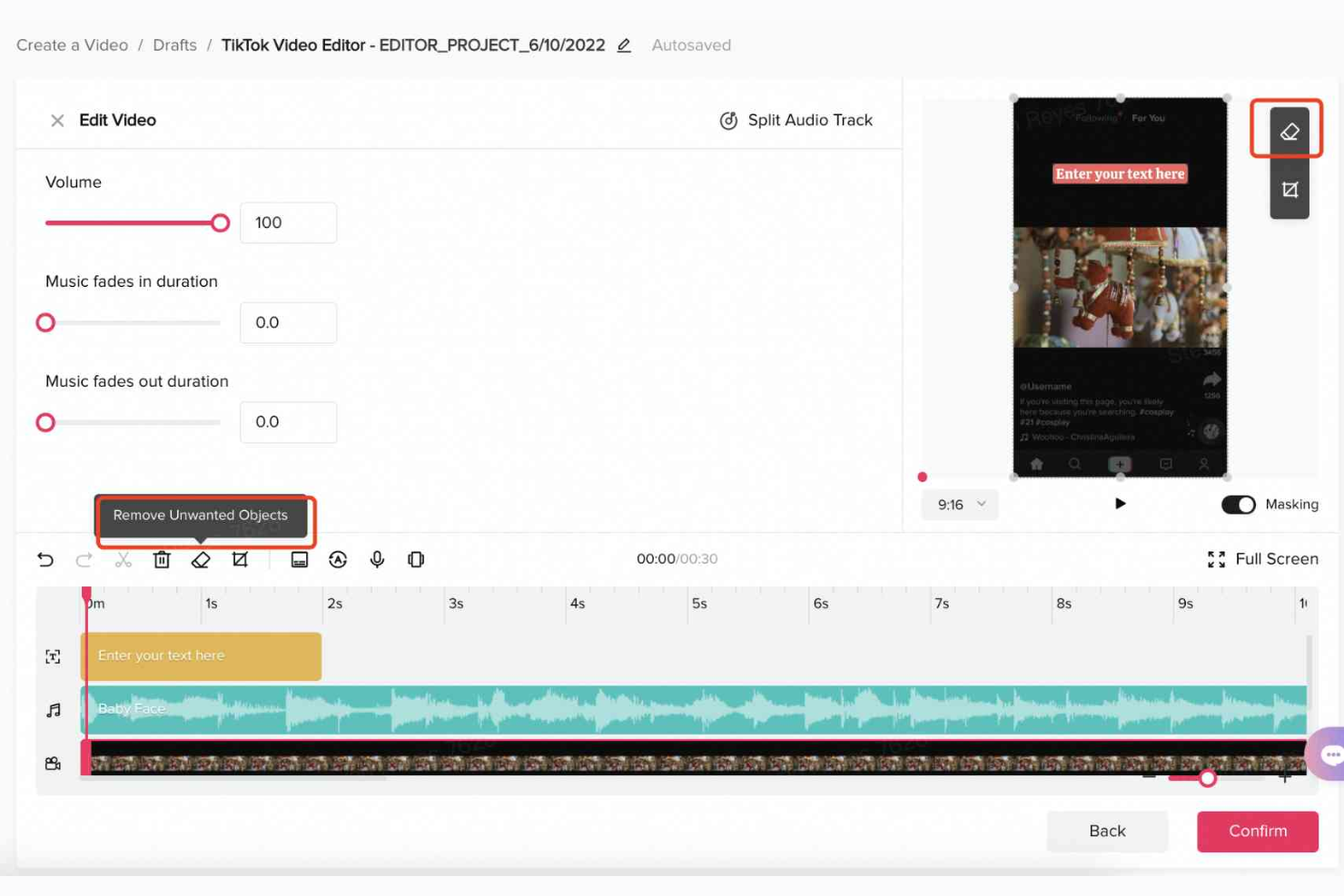
TikTok è una popolare piattaforma di social media che è diventata un punto di riferimento per le tendenze virali, l’espressione creativa e il coinvolgimento della community, attirando milioni di utenti in tutto il mondo. La piattaforma offre una varietà di funzionalità, tra cui strumenti di editing video, effetti speciali e un’ampia libreria di musica e suoni, rendendola uno strumento versatile per la creazione di contenuti.
Perché ho scelto TikTok: TikTok è ideale per mostrare le esperienze uniche offerte dal tuo hotel, che si tratti di servizi di lusso, attrazioni locali o eventi speciali. Puoi utilizzare i video per dare vita all’esperienza degli ospiti in modo coinvolgente e visivamente accattivante. L’algoritmo della piattaforma ti aiuta a raggiungere un vasto pubblico amplificando i video più creativi e accattivanti. Gli strumenti integrati di TikTok rendono facile creare video che evidenziano ciò che rende il tuo hotel speciale.
Funzionalità e integrazioni principali:
Le funzionalità includono strumenti per la creazione di video, metriche di coinvolgimento del pubblico e amplificazione dei contenuti. Puoi creare video che mettono in risalto il meglio del tuo hotel e raggiungere un pubblico più ampio. L’algoritmo di TikTok aumenta la visibilità dei contenuti coinvolgenti. Le integrazioni includono Shopify, WooCommerce, BigCommerce, Magento e Square.
Pros and Cons
Pros:
- Favorisce l’interazione con gli utenti
- Facile creazione di video in-app
- Ottime opzioni di product placement
Cons:
- Imprevedibilità del successo virale
- Durata breve dei contenuti

Ketch
Ideale per la gestione delle preferenze e del consenso
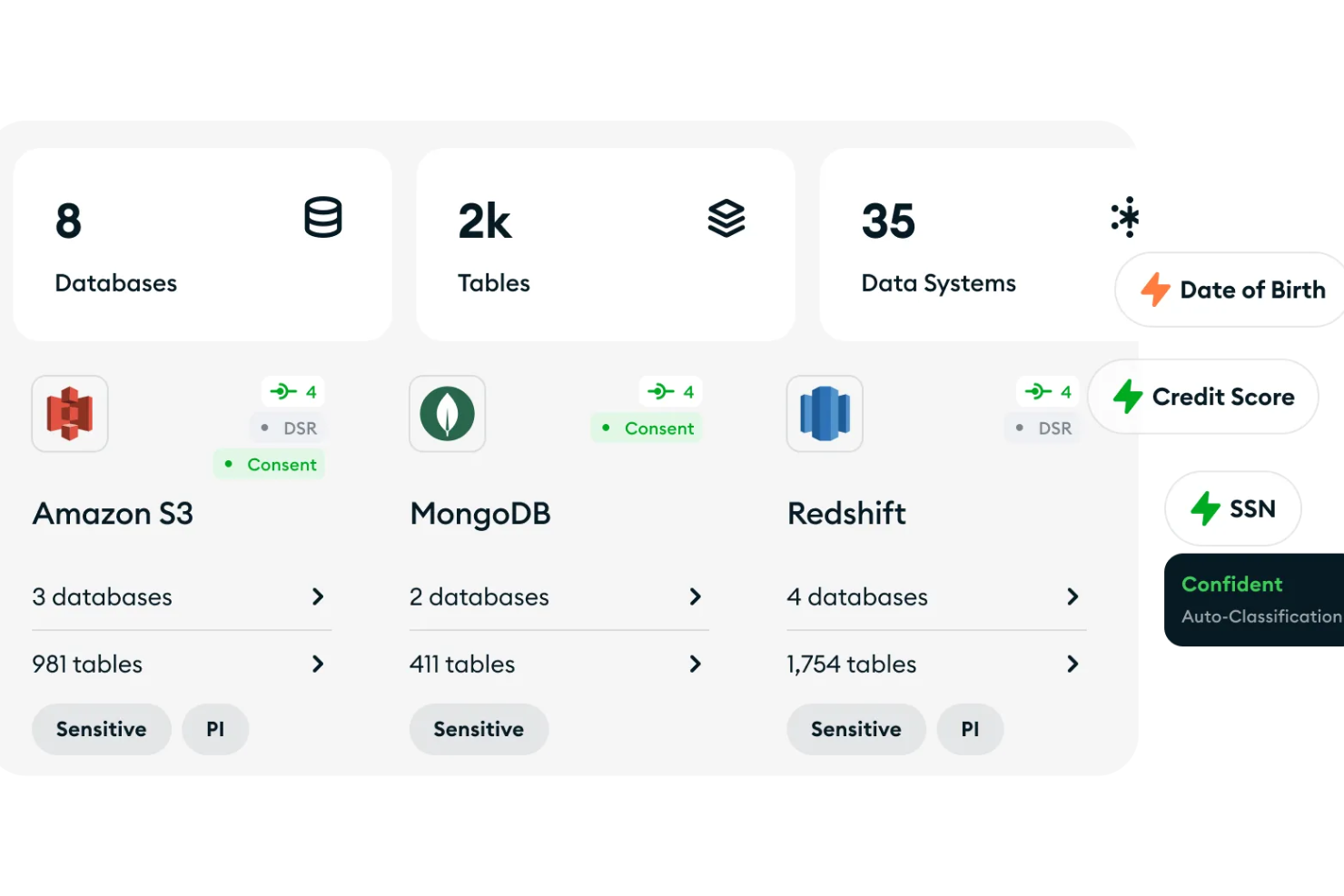
Ketch è un software per la privacy dei dati progettato per aiutare le aziende a proteggere i dati personali dei clienti e a rispettare le normative globali sulla privacy, come il GDPR, il CCPA e altre. La piattaforma fornisce strumenti per automatizzare i processi di protezione dei dati, tra cui la raccolta dei dati, la gestione del consenso e le richieste dei diritti degli interessati.
Perché ho scelto Ketch: In quanto software di gestione del marketing, Ketch si distingue perché si concentra sulle preferenze di marketing e sulla gestione del consenso. Ad esempio, offre banner e pop-up di consenso personalizzabili e senza codice che visualizzano automaticamente la lingua appropriata in base alla posizione dei visitatori. Questa funzionalità assicura che le campagne di marketing del tuo hotel siano conformi alle diverse leggi regionali sulla privacy, senza compromettere l'esperienza utente.
Funzionalità principali e integrazioni:
Inoltre, Ketch fornisce un hub centralizzato dove i visitatori possono accedere alle richieste degli interessati (DSR), alle preferenze di comunicazione e alle politiche sulla privacy. Questa visione unificata rende semplice per i consumatori gestire le proprie scelte su tutte le piattaforme e i canali di comunicazione, aumentando la fiducia e il coinvolgimento verso il tuo brand alberghiero. Tra le integrazioni di Ketch troviamo Adobe Experience Platform, AdRoll, Google Analytics, HubSpot, Salesforce, Shopify e Snowflake.
Pros and Cons
Pros:
- Offre informative sulla privacy personalizzabili
- Fornisce massima trasparenza sulle pratiche di gestione dei dati
- Integra i dati di consenso con i sistemi di marketing esistenti
Cons:
- Possibile curva di apprendimento durante la configurazione
- Si concentra su permessi, consenso e preferenze, non sulle funzionalità di marketing più ampie
New Product Updates from Ketch
Ketch Launches Iris-Powered Tracker Scanning
Ketch adds Iris-powered tracker scanning to Data Sentry and Consent Management, using cohort-based page grouping and adaptive sampling to expand tracker coverage and keep results current. For more information, visit Ketch’s official site.
 .
.
Cendyn
Ideale per incrementare il ricavo diretto grazie al marketing basato sui dati
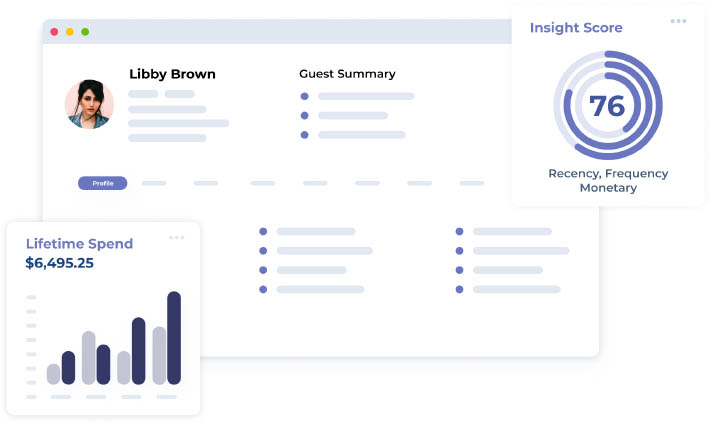
Perché ho scelto Cendyn: Cendyn è uno strumento essenziale nel panorama del marketing alberghiero, rinomato per le sue potenti funzionalità che puntano sull'utilizzo dei dati per generare profitto. Ho scelto Cendyn proprio per il suo impegno nel marketing guidato dai dati che ottimizza i canali di ricavo. Lo strumento si distingue per la sua capacità unica di convertire i dati in informazioni azionabili che aumentano le entrate: un vero punto di svolta sul mercato.
Caratteristiche principali e integrazioni:
Cendyn offre solide soluzioni di CRM alberghiero che aiutano le strutture ricettive a sfruttare i dati degli ospiti per personalizzare l'esperienza e incentivare le prenotazioni dirette. L'insight CRM della piattaforma fornisce una profonda comprensione del comportamento degli ospiti, utile per creare campagne mirate. Il software offre inoltre integrazioni fluide con i più diffusi PMS (Property Management Systems) alberghieri, motori di prenotazione e altri software fondamentali per l'hôtellerie, facilitando un flusso di dati senza interruzioni tra le varie piattaforme.
Pros and Cons
Pros:
- Eccellenti capacità di analisi dei dati
- Ampia gamma di integrazioni con altri software alberghieri
- Funzionalità CRM complete
Cons:
- Il prezzo può essere elevato per le strutture più piccole
- L'interfaccia può richiedere un periodo di apprendimento
- I tempi di risposta dell'assistenza clienti possono essere migliorati

Marvia
Ideale per garantire la coerenza del brand nelle catene alberghiere
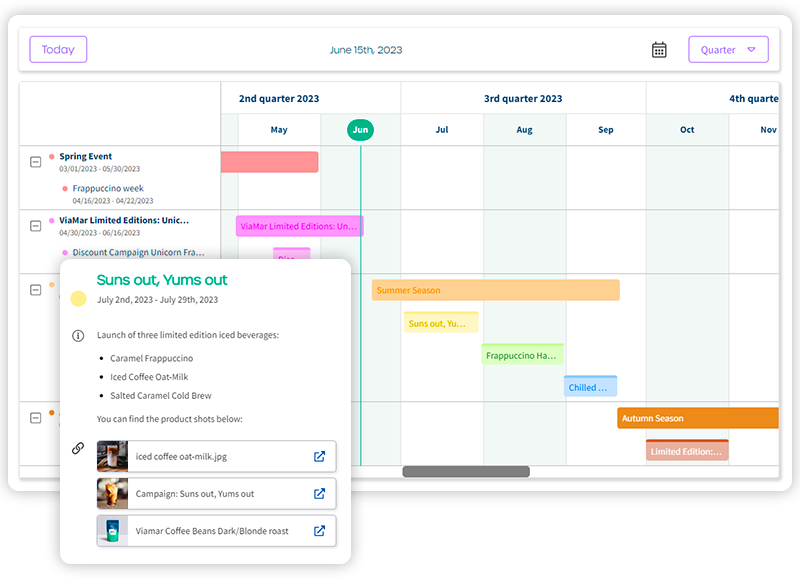
Marvia è uno strumento software che offre soluzioni per mantenere la coerenza del brand in più sedi. È particolarmente utile per le catene alberghiere che desiderano garantire una rappresentazione uniforme del marchio nelle loro campagne e nei materiali di marketing.
Perché ho scelto Marvia: Tra gli strumenti che ho confrontato, ho trovato Marvia eccezionale nell'ambito della coerenza del brand. È specificamente progettato per supportare le aziende con più sedi, come per esempio le catene alberghiere. L'ho scelto come il miglior strumento per garantire la coerenza del marchio grazie alla sua attenzione unica al marketing localizzato che rimane fedele ai valori fondamentali del brand.
Funzionalità principali e integrazioni:
Marvia offre funzionalità come la Gestione delle Risorse Digitali e la Gestione dei Modelli, strumenti fondamentali per mantenere la coerenza del marchio. Fornisce anche strumenti per il Marketing Locale, aiutando i singoli hotel a creare campagne di marketing specifiche per la località rispettando le linee guida del brand. Le integrazioni cruciali includono vari Sistemi di Gestione dei Contenuti e Software di Design, rafforzando il suo ruolo nel marketing orientato al brand.
Pros and Cons
Pros:
- Enfasi sul mantenimento della coerenza del brand tra le varie sedi
- Funzionalità utili come la Gestione dei Modelli e il Marketing Locale
- Integrazioni efficaci con CMS e software di design
Cons:
- Curva di apprendimento più ripida per i principianti
- Il prezzo potrebbe essere elevato per hotel più piccoli con budget limitati
- Potrebbe essere troppo ricco di funzionalità per hotel che ricercano soluzioni semplici

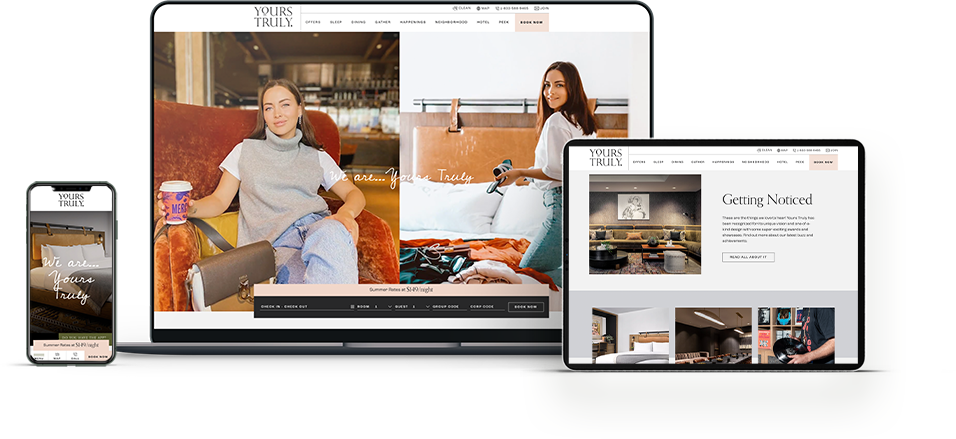
Tambourine è una soluzione completa per il marketing e la distribuzione alberghiera che unifica una gamma di servizi per aiutare gli hotel ad aumentare la loro presenza online, le prenotazioni e i ricavi. Offre soluzioni integrate che comprendono progettazione di siti web, SEO, SEM e social media, rendendola un'ottima scelta per chi cerca un approccio di marketing unificato.
Perché ho scelto Tambourine: Nella mia selezione, Tambourine si è distinto per il suo approccio olistico al marketing alberghiero. L'ho scelto perché offre un set completo di servizi che copre l'intero spettro delle esigenze di marketing digitale. Lo considero il migliore per il marketing e la distribuzione integrati degli hotel grazie alla sua piattaforma unica che racchiude diversi componenti di marketing.
Caratteristiche distintive e integrazioni:
Le principali caratteristiche di Tambourine includono marketing digitale omnicanale, distribuzione online, e-commerce alberghiero e servizi di data intelligence. Queste funzionalità permettono agli albergatori di gestire tutte le attività di marketing digitale e distribuzione da un'unica piattaforma. In termini di integrazioni, Tambourine si integra facilmente con diversi Property Management Systems (PMS), Central Reservation Systems (CRS) e Global Distribution Systems (GDS).
Pros and Cons
Pros:
- Soluzione tutto-in-uno per tutte le esigenze di marketing digitale e distribuzione
- Integrazione senza soluzione di continuità con vari PMS, CRS e GDS
- Competenza nel settore alberghiero che offre approfondimenti e servizi pertinenti
Cons:
- Il modello di prezzo personalizzato potrebbe non adattarsi a tutti i budget
- Troppo completa per gli hotel che cercano soluzioni specifiche
- L'ampia gamma di servizi può comportare una curva di apprendimento più ripida per i nuovi utenti


Sojern è uno strumento potente che aiuta gli hotel a sfruttare al meglio la pubblicità programmatica per attirare potenziali ospiti. Grazie al suo approccio basato sui dati, riesce a individuare e raggiungere in modo efficiente i segmenti di pubblico più propensi a prenotare nel tuo hotel.
Perché ho scelto Sojern: Tra i numerosi strumenti di marketing alberghiero che ho esaminato, Sojern si è distinto per il suo particolare focus sulla pubblicità programmatica. Questa caratteristica lo differenzia da altre piattaforme e offre una strategia unica per attrarre clienti. L’ho selezionato come il migliore per sfruttare la pubblicità programmatica grazie ai suoi risultati concreti nell’aumentare le prenotazioni dirette e nell’ampliare la portata agli ospiti.
Caratteristiche principali e integrazioni:
Sojern eccelle nell'utilizzare il real-time bidding (RTB) e l’acquisto programmatico per attrarre efficacemente potenziali clienti. Offre inoltre approfondimenti guidati dai dati che aiutano gli hotel a creare campagne di marketing mirate. Le integrazioni con le principali piattaforme di prenotazione e con i sistemi di gestione alberghiera garantiscono una perfetta compatibilità con l'ecosistema software già in uso nel tuo hotel.
Pros and Cons
Pros:
- Funzionalità avanzate di pubblicità programmatica
- Fornisce dati approfonditi per campagne di marketing mirate
- Integrazione completa con piattaforme di prenotazione e sistemi PMS
Cons:
- Il prezzo può essere elevato per gli hotel di piccole dimensioni
- È necessaria una certa conoscenza del marketing digitale per sfruttare al meglio le funzionalità
- Mancanza di opzioni di personalizzazione approfondita nei report

Netcore
Ideale per migliorare il coinvolgimento degli ospiti tramite campagne multicanale

Netcore è una piattaforma di automazione del marketing che aiuta gli hotel a semplificare e ottimizzare le campagne di marketing multicanale. La sua capacità di integrare vari canali di comunicazione, come email, social media e app mobili, la rende ideale per creare strategie di coinvolgimento degli ospiti coese.
Perché ho scelto Netcore: Nella selezione di questo strumento, sono rimasto colpito dalle capacità di marketing multicanale di Netcore e dal suo focus sul coinvolgimento del cliente. La capacità di armonizzare le campagne su diversi canali la distingue da altri strumenti. L'ho scelta come 'La migliore per migliorare il coinvolgimento degli ospiti tramite campagne multicanale' grazie al suo set di funzionalità completo che consente una strategia di comunicazione unificata con gli ospiti.
Funzionalità e integrazioni principali:
Netcore offre funzionalità come l'automazione dell'email marketing, l'integrazione con i social media e i messaggi in-app. Queste caratteristiche permettono alle aziende di creare esperienze fluide e coinvolgenti su tutti i punti di contatto con i clienti. Per quanto riguarda le integrazioni, Netcore si connette con i più diffusi sistemi CRM, piattaforme di e-commerce e strumenti di analisi dei dati, semplificando così la gestione dei dati e l'esecuzione delle campagne.
Pros and Cons
Pros:
- Le funzionalità di marketing multicanale migliorano il coinvolgimento dei clienti
- Ampia gamma di integrazioni con piattaforme popolari
- Strumenti avanzati di automazione per una gestione efficiente delle campagne
Cons:
- Il prezzo potrebbe essere elevato per le piccole imprese
- L'ampio set di funzionalità potrebbe risultare impegnativo per i principianti
- L'efficacia delle campagne dipende fortemente dalla pianificazione e dall'esecuzione strategica
Thynk
Ideale per utilizzare IA e analisi dati per comprendere le preferenze degli ospiti
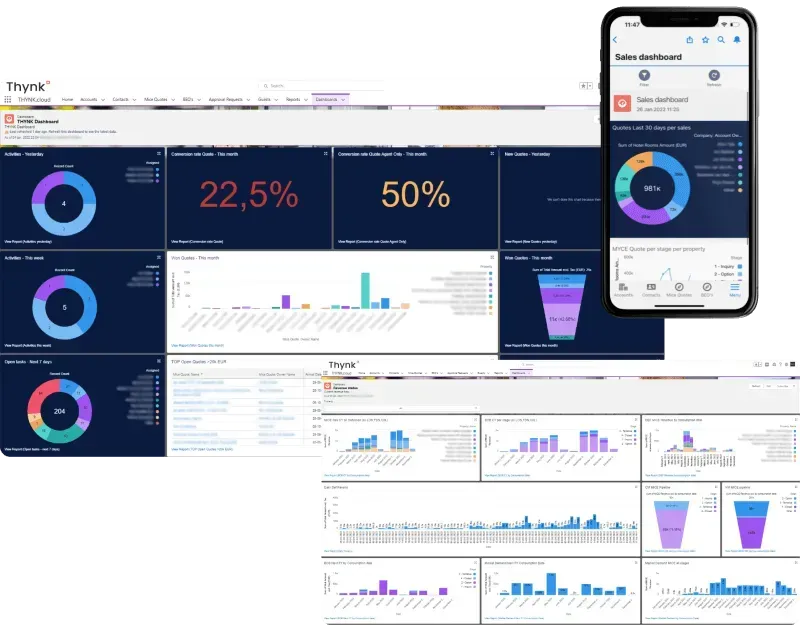
Thynk è uno strumento potente che sfrutta l'intelligenza artificiale e l'analisi dei dati per fornire una comprensione approfondita delle preferenze degli ospiti. Elabora grandi quantità di dati per produrre approfondimenti utili, permettendo così agli hotel di offrire esperienze altamente personalizzate, motivo per cui è la scelta migliore per comprendere le preferenze degli ospiti.
Perché ho scelto Thynk: Ho selezionato Thynk per questa lista per la sua eccezionale capacità di elaborare e interpretare grandi volumi di dati con intelligenza artificiale e analisi. La sua capacità unica di fornire insight azionabili che possono migliorare significativamente l'esperienza degli ospiti lo rende distintivo. Queste caratteristiche, unite all'uso innovativo dell'IA, ne fanno la scelta ideale per comprendere e soddisfare le preferenze degli ospiti.
Caratteristiche principali e integrazioni:
La capacità di Thynk di offrire esperienze personalizzate agli ospiti utilizzando IA e analisi dei big data è una delle sue caratteristiche più apprezzabili. Inoltre, si integra senza problemi con diversi sistemi di gestione alberghiera, inclusi CRM e PMS, offrendo così una piattaforma coesa per l'analisi dei dati.
Pros and Cons
Pros:
- Ampio utilizzo di IA e analisi per comprendere le preferenze degli ospiti
- Robuste capacità di integrazione con diversi sistemi di gestione alberghiera
- Fornisce approfondimenti utili per esperienze ospite personalizzate
Cons:
- Il costo iniziale elevato può rappresentare una barriera per le piccole imprese
- Può richiedere competenze tecniche per un utilizzo ottimale
- Dipendenza dalla qualità dei dati per insight accurati

Kipsu
Ideale per la comunicazione digitale in tempo reale con gli ospiti
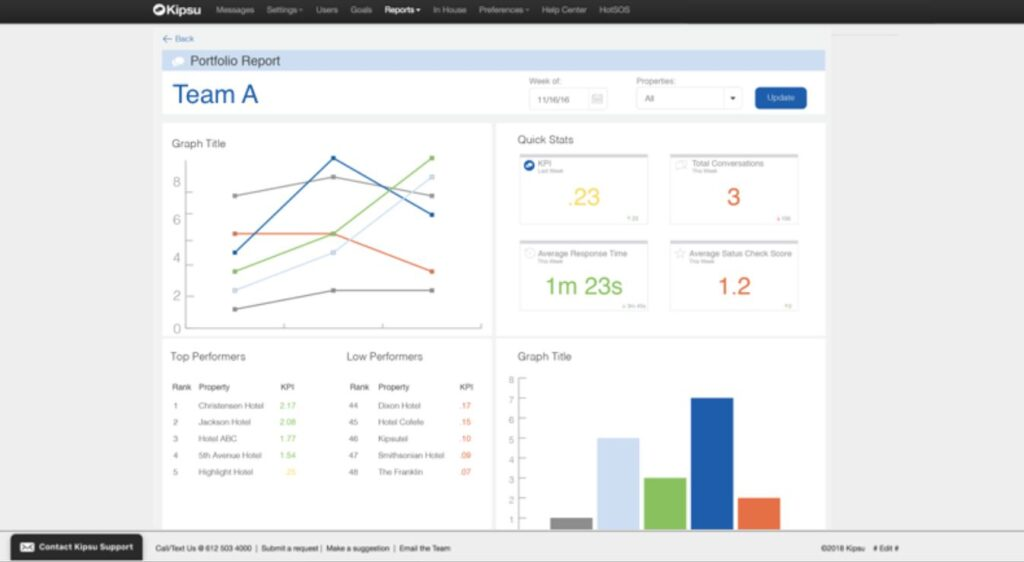
Kipsu è uno strumento orientato al cliente che si concentra principalmente sulla comunicazione digitale in tempo reale con gli ospiti. Permette agli hotel di migliorare la qualità del servizio favorendo conversazioni dirette e personalizzate con gli ospiti, rendendolo una scelta perfetta per la comunicazione in tempo reale.
Perché ho scelto Kipsu: Nella scelta di quale strumento includere per la comunicazione in tempo reale, ho selezionato Kipsu per le sue estese capacità di messaggistica e la compatibilità con varie piattaforme digitali. Ciò che distingue Kipsu è l'accento posto nel facilitare interazioni immediate e dirette tra il personale dell'hotel e gli ospiti, il che, a mio avviso, lo rende il migliore per la comunicazione con gli ospiti in tempo reale.
Funzionalità e integrazioni di rilievo:
Tra le funzionalità più utili di Kipsu vi sono le capacità di messaggistica multicanale, che consentono al personale di interagire con gli ospiti tramite SMS, messaggistica in-app, piattaforme social e altro ancora. Inoltre, le sue robuste integrazioni con diversi Property Management System (PMS) e Customer Relationship Management (CRM) garantiscono un flusso di informazioni senza soluzione di continuità e comunicazioni efficienti.
Pros and Cons
Pros:
- La messaggistica multicanale facilita la comunicazione in tempo reale
- Robuste integrazioni con piattaforme PMS e CRM
- Migliora il servizio al cliente grazie a risposte immediate
Cons:
- Il prezzo può risultare elevato per strutture di piccole dimensioni
- Richiede uno staff attivo e ben formato per un utilizzo efficace
- Alcune funzionalità possono risultare superflue se l'hotel utilizza già un CRM completo

GuestJoy
Ideale per l’upselling grazie a comunicazioni pre-soggiorno coinvolgenti con l’ospite

GuestJoy si concentra sulla creazione di una comunicazione coinvolgente con gli ospiti prima del loro soggiorno, rivelatasi efficace per il cross-selling. Questo strumento migliora sia i ricavi dell'hotel sia la soddisfazione degli ospiti personalizzando il percorso dell’ospite fin dall’inizio.
Perché ho scelto GuestJoy: Nel mio percorso alla ricerca degli strumenti di marketing ideali, GuestJoy ha attirato la mia attenzione proprio per il suo approccio alla comunicazione pre-soggiorno, che si è dimostrato un’ottima strategia di upselling. L’attenzione riservata alla fase pre-soggiorno lo distingue da molti altri strumenti sul mercato. Ritengo che GuestJoy sia il migliore per l’upselling tramite una comunicazione pre-soggiorno coinvolgente, grazie alla sua dedizione nella personalizzazione dell’esperienza ospite sin dal primo momento possibile.
Funzionalità e integrazioni principali:
La funzione di upselling pre-soggiorno di GuestJoy è davvero unica, poiché consente agli hotel di offrire upgrade di camera, servizi extra o comfort speciali agli ospiti ancora prima del loro arrivo. Inoltre, i suoi insight guidati dai dati aiutano gli albergatori a impostare comunicazioni più efficaci. Si integra perfettamente con i sistemi di gestione delle strutture e con i motori di prenotazione, assicurando un flusso dati fluido.
Pros and Cons
Pros:
- Comunicazione pre-soggiorno efficace per upselling
- Insight guidati dai dati per una comunicazione personalizzata con l’ospite
- Buona gamma di integrazioni con PMS e motori di prenotazione
Cons:
- L’interfaccia utente può risultare complessa per i principianti
- Assistenza clienti limitata nelle ore non lavorative
- Costi aggiuntivi per le funzionalità premium che possono crescere
Altri software di marketing alberghiero
Di seguito è riportato un elenco di altri software di marketing alberghiero che abbiamo selezionato, ma che non sono rientrati tra i primi 10. Vale sicuramente la pena dare loro un’occhiata.
- Experience
Ideale per campagne di email marketing personalizzate e profilazione degli ospiti
- SmartHost CRM
Ideale per gestire le relazioni con gli ospiti tramite approfondimenti basati sull'intelligenza artificiale
- Bookboost
Ideale per aumentare le prenotazioni dirette tramite la messaggistica agli ospiti
- For-Sight
Ideale per potenziare l'esperienza degli ospiti tramite comunicazioni di marketing su misura


Come Valuto il Software di Marketing per Hotel
Divido la mia valutazione in due livelli: le capacità di base che ogni strumento deve avere—come l'integrazione con il PMS e gli strumenti di prenotazione diretta—e i fattori di differenziazione che distinguono le migliori opzioni.
Funzionalità di Base (Requisiti Fondamentali per Questa Lista)
Quando seleziono gli strumenti per la mia lista, assegno a ciascuno un punteggio da 0 (non offre la funzionalità) a 5 (eccelle in quest'area) per ogni funzionalità di base elencata di seguito. Poi, calcolo il punteggio totale dello strumento in percentuale. Ogni strumento deve raggiungere un punteggio totale minimo del 65% per essere preso in considerazione.
- Strumenti di Prenotazione Diretta: Verifico se ciascuna piattaforma offre motori di prenotazione, widget di confronto prezzi e strumenti di recupero abbandoni per convertire gli utenti interessati in ospiti che prenotano direttamente.
- Gestione delle Campagne Multi-Canale: Ogni strumento dovrebbe permetterti di creare e automatizzare campagne su email, SMS, social e metasearch da un unico luogo.
- Segmentazione e Personalizzazione degli Ospiti: Cerco la possibilità di segmentare gli ospiti per comportamento e storico dei soggiorni, e poi personalizzare le offerte—come pacchetti spa per viaggiatori leisure abituali.
- Integrazione PMS/CRS: Valuto la sincronizzazione bidirezionale in tempo reale con sistemi di gestione della proprietà e delle prenotazioni, poiché dati obsoleti degli ospiti compromettono ogni campagna.
- Analisi di Marketing e Attribuzione: Guardo quanto bene una piattaforma collega campagne specifiche alle prenotazioni e ai ricavi reali, invece di limitarsi a segnalare aperture e clic.
- Marketing di Fidelizzazione e Retenzione: Messaggi automatici durante il ciclo di vita dell'ospite—dai consigli pre-soggiorno alla richiesta di recensioni post-soggiorno—e supporto per programmi di fedeltà o premi vengono valutati in questa sezione.
Una volta che ho una lista di strumenti che soddisfano questi criteri, considero cosa rende ciascuna piattaforma unica.
Fattori di Differenziazione (Cosa Distingue i Fornitori)
Ecco come confronto e metto a confronto i diversi fornitori:
Caratteristiche Salienti
La gestione del metasearch è un grande fattore di differenziazione—cerco strumenti che permettano di gestire offerte e inserzioni su Google Hotel Ads, Trivago e TripAdvisor senza dover passare da una piattaforma all'altra. Qui conta anche la gestione della reputazione e delle recensioni, poiché centralizzare le recensioni degli ospiti dai portali OTA in una sola dashboard fa risparmiare ore di monitoraggio manuale. Valuto anche le capacità di upselling, come offerte automatiche pre-arrivo per upgrade della camera o pacchetti spa che aumentano i ricavi ancillari per ospite.
Oltre le Caratteristiche
Il tipo di struttura e la compatibilità con il portafoglio sono tra le prime cose che considero. Un hotel boutique indipendente ha esigenze molto diverse rispetto a un gruppo con 20 strutture, e alcune piattaforme gestiscono i dashboard multi-proprietà molto meglio di altre. Anche il modello di prezzo è importante—verifico se i fornitori applicano tariffe per struttura, per camera o a commissione, poiché ciò incide direttamente sul ROI a diverse scale. Valuto inoltre le integrazioni con altri software dell'ospitalità, in particolare i connettori PMS nativi con sistemi come Opera o Mews, perché uno strumento di marketing è valido solo quanto i dati degli ospiti su cui può contare.
Come scegliere il software di marketing alberghiero
È facile perdersi in lunghi elenchi di funzionalità e strutture tariffarie complesse. Per aiutarvi a rimanere concentrati mentre affrontate il vostro esclusivo processo di selezione del software, ecco un elenco di fattori da tenere presenti:
| Fattore | Cosa considerare |
|---|---|
| Scalabilità | Il software crescerà insieme al vostro hotel? Considerate l'espansione futura e se lo strumento è in grado di gestire un aumento delle prenotazioni e delle esigenze di marketing. |
| Integrazioni | Si connette ai vostri sistemi esistenti, come PMS o CRM? Assicuratevi che supporti un flusso di dati continuo tra le diverse piattaforme che già utilizzate. |
| Personalizzazione | Potete adattare lo strumento ai vostri flussi di lavoro specifici? Cercate flessibilità nei modelli, nei report e nelle impostazioni delle campagne, così da soddisfare le vostre esigenze specifiche. |
| Facilità d'uso | Il software è intuitivo per il vostro team? Considerate la curva di apprendimento e se il personale può adattarsi rapidamente senza una formazione approfondita. |
| Implementazione e avviamento | Quanto tempo ci vorrà per iniziare? Valutate il processo di configurazione, il supporto disponibile e risorse come i materiali di formazione, per garantire una transizione senza intoppi. |
| Costo | In che modo il prezzo si adatta al vostro budget? Confrontate i modelli di abbonamento, i costi nascosti e se il valore è in linea con i vostri vincoli finanziari. |
| Misure di sicurezza | Sono presenti solide misure di sicurezza? Verificate la crittografia dei dati, i controlli di accesso degli utenti e la conformità alle normative pertinenti per proteggere i dati degli ospiti. |
| Disponibilità dell'assistenza | L'aiuto è disponibile quando serve? Considerate gli orari, i canali e i tempi di risposta dell'assistenza del fornitore, per assicurarvi di poter ricevere supporto quando ne avete bisogno. |
Che cos'è il software di marketing alberghiero?
Il software di marketing alberghiero è uno strumento progettato per aiutare gli hotel a gestire le proprie attività di marketing in modo più efficace. I responsabili degli hotel, i team di marketing e i professionisti delle vendite utilizzano generalmente questi strumenti per aumentare le prenotazioni e migliorare il coinvolgimento degli ospiti.
Funzionalità come la gestione delle prenotazioni online, la comunicazione con gli ospiti e il monitoraggio delle campagne contribuiscono a migliorare il flusso di lavoro e il processo decisionale. Nel complesso, questi strumenti offrono un supporto prezioso per aumentare la visibilità e i tassi di occupazione di un hotel.
Funzionalità
Quando scegli un software di marketing alberghiero, presta attenzione alle seguenti funzionalità chiave:
- Gestione delle prenotazioni online: Semplifica il processo di gestione delle prenotazioni e garantisce un'assegnazione efficiente delle camere.
- Comunicazione con gli ospiti: Migliora l'interazione con gli ospiti attraverso email, SMS e chat automatizzati, aumentando la soddisfazione dei clienti.
- Monitoraggio delle campagne: Controlla le prestazioni delle campagne di marketing per ottimizzare le strategie e aumentare le prenotazioni.
- Capacità di integrazione: Si connette senza problemi ai sistemi esistenti, come PMS e CRM, per garantire un flusso di dati regolare.
- Modelli personalizzabili: Consente di adattare i materiali di marketing e i report alle esigenze e all'identità del marchio di ciascun hotel.
- Dashboard analitica: Fornisce informazioni sulle prestazioni di marketing attraverso la visualizzazione dei dati, agevolando il processo decisionale.
- Supporto multilingue: Amplia la portata rivolgendosi a ospiti con background diversi e preferenze linguistiche differenti.
- Integrazione con i social media: Consente la gestione e il monitoraggio diretto dei canali di social media per rafforzare la presenza online.
- Personalizzazione basata sull'AI: Offre esperienze personalizzate agli ospiti sulla base delle informazioni ricavate dai dati, aumentando la fidelizzazione.
- Misure di sicurezza: Protegge i dati degli ospiti tramite crittografia e controlli degli accessi, garantendo la conformità alle normative.
Vantaggi
L'implementazione di un software di marketing alberghiero offre diversi vantaggi al tuo team e alla tua attività. Ecco alcuni dei benefici che puoi aspettarti:
- Aumento delle prenotazioni: Il marketing automatizzato e la gestione delle prenotazioni aiutano a riempire più camere in modo efficiente.
- Maggiore soddisfazione degli ospiti: Gli strumenti di comunicazione avanzati garantiscono che gli ospiti si sentano apprezzati e informati.
- Migliore processo decisionale: Le dashboard analitiche forniscono informazioni utili per elaborare strategie di marketing più efficaci.
- Risparmio di tempo: L'automazione delle attività di routine consente al tuo team di concentrarsi su attività più strategiche.
- Portata più ampia: Il supporto multilingue e l'integrazione con i social media attirano un pubblico più vasto.
- Personalizzazione avanzata: Le funzionalità basate sull'AI adattano le esperienze ai singoli ospiti, rafforzandone la fidelizzazione.
- Sicurezza dei dati: Misure di sicurezza efficaci proteggono le informazioni degli ospiti, mantenendo la fiducia e la conformità.
Costi & Prezzi
La scelta di un software di marketing alberghiero richiede la comprensione dei vari modelli e piani tariffari disponibili. I costi variano in base alle funzionalità, alle dimensioni del team, agli extra e ad altri fattori. La tabella seguente riassume i piani più comuni, i relativi prezzi medi e le funzionalità tipicamente incluse nelle soluzioni software di marketing alberghiero:
Tabella di confronto dei piani per il software di marketing alberghiero
| Tipo di piano | Prezzo medio | Funzionalità comuni |
|---|---|---|
| Piano gratuito | $0 | Gestione di base delle prenotazioni, comunicazione limitata con gli ospiti e reportistica di base. |
| Piano personale | $10-$30/utente/mese | Strumenti di comunicazione avanzati, monitoraggio delle campagne e capacità di integrazione. |
| Piano aziendale | $50-$100/utente/mese | Analisi avanzate, modelli personalizzabili e integrazione con i social media. |
| Piano aziendale avanzato | $150-$300/utente/mese | Personalizzazione basata sull'AI, supporto multilingue e servizi di assistenza dedicati. |
Le persone chiedono anche
Perché il monitoraggio delle chiamate è importante nel marketing alberghiero?
Il monitoraggio delle chiamate ti aiuta a comprendere le interazioni con i clienti, poiché molti ospiti preferiscono ancora prenotare per telefono. Raccoglie dati significativi sui ricavi non disponibili online, fornendo informazioni sulle preferenze degli ospiti e migliorando le strategie di marketing.
In che modo il software di marketing alberghiero può migliorare le prenotazioni dirette?
Il software di marketing alberghiero può aumentare le prenotazioni dirette offrendo strumenti per gestire le prenotazioni online, integrarsi con il tuo sito web e ottimizzare la comunicazione con gli ospiti. Queste funzionalità aiutano a ridurre la dipendenza dalle OTA, permettendoti di risparmiare sulle commissioni e di instaurare rapporti diretti con gli ospiti.
In che modo il software di marketing alberghiero può migliorare la gestione della reputazione dell'hotel?
Il software di marketing alberghiero contribuisce a migliorare la gestione della reputazione dell’hotel rendendo più semplice comunicare con gli ospiti e promuovere recensioni positive. Supporta strategie di gestione della reputazione dell’hotel come l’invio di messaggi di ringraziamento, l’incoraggiamento a lasciare un feedback e la condivisione di offerte speciali per mantenere gli ospiti soddisfatti e coinvolti. Gli ospiti soddisfatti hanno maggiori probabilità di lasciare recensioni positive, aiutando l’hotel a costruire una reputazione migliore.
Qual è il prossimo passo:
Se stai cercando un software di marketing alberghiero, contatta gratuitamente un consulente di SoftwareSelect per ricevere consigli personalizzati.
Compili un modulo e fai una breve conversazione durante la quale il consulente approfondirà le tue esigenze specifiche. Poi riceverai una selezione ristretta di software da valutare. Ti assisterà inoltre durante l'intero processo di acquisto, comprese le trattative sul prezzo.