

Guida ai 10 migliori software per gli acquisti alberghieri nel 2026

10 Elenco dei migliori software per gli acquisti alberghieri


In quanto persona profondamente immersa nel settore dell'ospitalità, so che gli acquisti possono essere complessi e spesso caratterizzati da inefficienze, problemi di comunicazione e opportunità di risparmio perse. Ecco perché presento questo elenco dei migliori software per gli acquisti alberghieri: per semplificare le operazioni e massimizzare i profitti.
Queste piattaforme affrontano le principali difficoltà che devi gestire: acquisti frammentati, mancanza di controllo sulla spesa, attività manuali che richiedono molto tempo e difficoltà nel monitoraggio delle prestazioni dei fornitori. Con i software presenti in questo elenco, potrai trasformare questi punti critici in aree di vantaggio competitivo.
Credo che valutare queste opzioni potrebbe rappresentare una svolta per la tua attività. Quindi, senza ulteriori indugi, immergiamoci insieme nel mondo dei software per gli acquisti alberghieri.
Perché fidarsi dei nostri consigli sui software
Il nostro team testa e recensisce software dal 2012. In quanto leader del settore alberghiero noi stessi, sappiamo quanto sia difficile — e importante — scegliere il software giusto.
Per questa guida, abbiamo valutato gli strumenti attraverso test pratici e ricerche indipendenti, assegnando un punteggio agli strumenti in base ai nostri criteri di selezione.
Le nostre recensioni riflettono il nostro giudizio editoriale umano, non un discorso di vendita.
Riepilogo dei migliori software per gli acquisti alberghieri
Questa tabella comparativa riassume i dettagli dei prezzi delle mie migliori selezioni di software per gli acquisti alberghieri, per aiutarti a trovare quello più adatto al tuo budget e alle esigenze della tua attività.
| Tool | Best For | Trial Info | Price | ||
|---|---|---|---|---|---|
| 1 | Ideale per eliminare i colli di bottiglia nell'approvvigionamento manuale | Demo gratuita disponibile | I prezzi partono da $29/utente/mese (fatturato annualmente). | Website | |
| 2 | Ideale per il monitoraggio in tempo reale dei fornitori | Demo gratuita disponibile | Prezzo su richiesta | Website | |
| 3 | Adatto per ordinazione e ricezione F&B basate sull'IA | Prova gratuita di 90 giorni + demo gratuita disponibile | A partire da $100/mese | Website | |
| 4 | Ideale per pipeline di approvvigionamento personalizzabili | Piano gratuito | I prezzi di Pipefy partono da $18/utente/mese. | Website | |
| 5 | Ideale per la gestione centralizzata dei fornitori | Demo gratuita disponibile | Prezzo su richiesta | Website | |
| 6 | Ideale per operazioni avanzate di pagamento globale | Demo gratuita disponibile | Il prezzo di Tipalti parte da $299/utente/mese (fatturato annualmente) | Website | |
| 7 | Ideale per il controllo degli acquisti scalabile in tutta l'organizzazione | Prova gratuita + demo gratuita disponibili | Il prezzo di Tradogram parte da $10/utente/mese (fatturato annualmente). | Website | |
| 8 | Ideale per automatizzare i flussi di lavoro di procurement | Demo gratuita disponibile | Il prezzo di Kissflow Procurement Cloud parte da $199/mese per un massimo di 20 utenti. | Website | |
| 9 | Ideale per soluzioni strategiche e solide della supply chain | Not available | Il prezzo di Avendra è disponibile su richiesta. | Website | |
| 10 | Ideale per un processo intuitivo dall'approvvigionamento al pagamento | Not available | I prezzi di Gainfront partono da $15/utente/mese (con fatturazione annuale) | Website |
Recensioni dei migliori software per gli acquisti alberghieri
Di seguito trovi i miei riepiloghi dettagliati dei migliori software per gli acquisti alberghieri inclusi nel mio elenco. Le mie recensioni offrono una panoramica dettagliata delle principali funzionalità, dei pro e contro, delle integrazioni e dei casi d’uso ideali di ogni strumento, per aiutarti a trovare quello più adatto a te.

Precoro
Ideale per eliminare i colli di bottiglia nell'approvvigionamento manuale
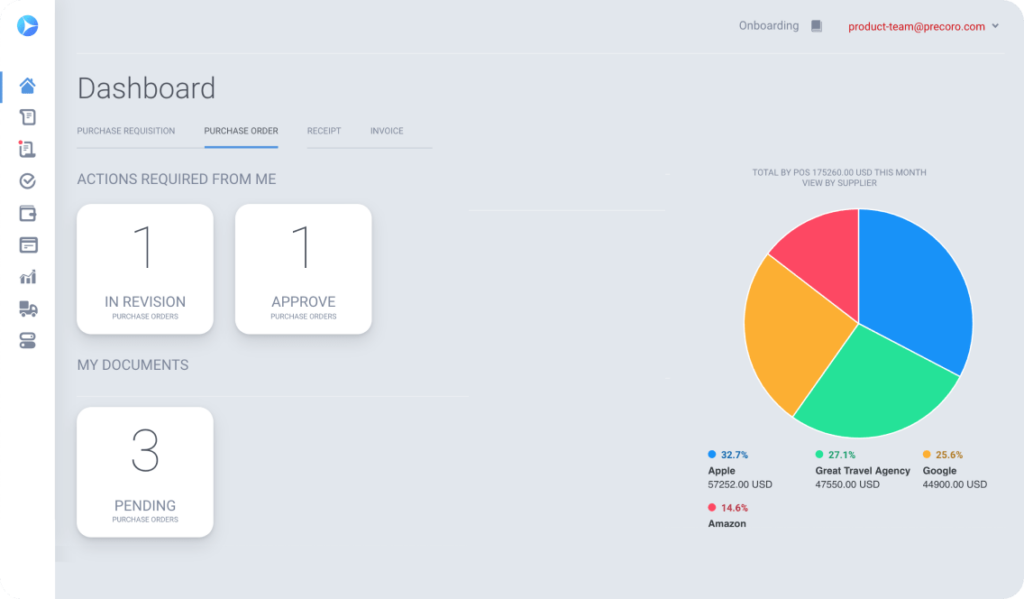
Precoro è un software completo per la gestione delle spese che semplifica i processi di approvvigionamento nelle aziende. Fornendo una piattaforma efficiente per gestire ordini di acquisto, contratti e budget, Precoro riduce i tipici colli di bottiglia presenti nei processi di approvvigionamento manuali.
Perché ho scelto Precoro: Precoro è presente in questa lista grazie alla sua notevole capacità di eliminare le inefficienze manuali nei flussi di lavoro dell'approvvigionamento. Si distingue per la capacità di automatizzare molte attività ripetitive che potrebbero rallentare il processo di approvvigionamento di un'organizzazione. Lo considero il miglior strumento per eliminare i colli di bottiglia nell'approvvigionamento manuale grazie alle sue funzionalità ben integrate e alla facilità d'uso.
Caratteristiche e integrazioni principali:
Le funzionalità chiave di Precoro includono l’analisi della spesa, la gestione dei fornitori e flussi di lavoro di approvazione automatizzati. Inoltre, offre importanti integrazioni con una varietà di altre piattaforme tra cui Quickbooks, Xero e Slack che aumentano ulteriormente il suo valore nel processo di approvvigionamento di un’azienda.
Pros and Cons
Pros:
- Eccelle nell'eliminare le inefficienze manuali nei processi di approvvigionamento
- Offre funzionalità importanti come l’analisi della spesa e la gestione dei fornitori
- Integrazione con piattaforme ampiamente utilizzate come Quickbooks, Xero e Slack
Cons:
- Potrebbe non essere accessibile alle aziende molto piccole
- Potrebbe esserci una curva di apprendimento ripida per gli utenti meno esperti di tecnologia
- Le opzioni di personalizzazione potrebbero essere più varie
New Product Updates from Precoro

Precoro Adds Warehouse Request Revisions and Faster PO Editing
Precoro adds revisions for partly transferred warehouse requests and updated purchase order item tables. These updates give teams more flexibility when plans change and make larger purchase orders easier to edit. For more information, visit Precoro’s official site.
 .
.
Ideale per il monitoraggio in tempo reale dei fornitori
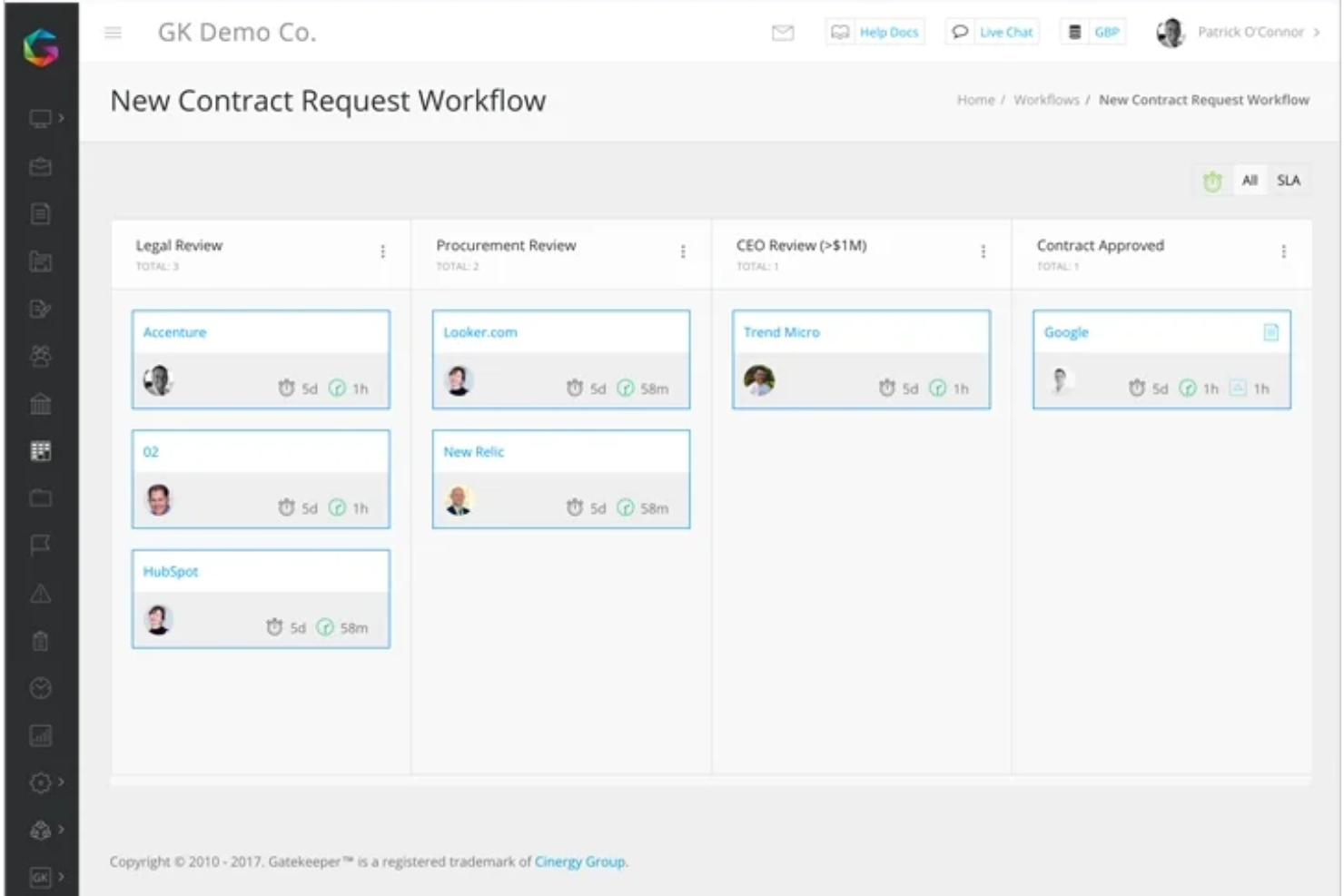
Gatekeeper è una soluzione software per la gestione degli acquisti progettata per aiutarti a gestire fornitori e contratti in modo efficiente. Centralizzando tutte le informazioni su fornitori e contratti, offre un'unica fonte attendibile per le tue attività di procurement.
Perché ho scelto Gatekeeper: Mi piace perché offre il monitoraggio in tempo reale delle prestazioni e dei rischi dei fornitori. Gatekeeper ti consente di tenere sotto controllo la conformità dei fornitori e i parametri di performance in modo continuo, permettendoti di affrontare proattivamente eventuali problemi. Nel settore dell’ospitalità, dove l’affidabilità dei fornitori incide direttamente sulla soddisfazione degli ospiti, poter monitorare e gestire le prestazioni dei fornitori in tempo reale rappresenta un vantaggio significativo. Inoltre, i contratti touchless di Gatekeeper permettono al tuo team di creare ed eseguire contratti senza le complicazioni dei processi manuali. In più, avere un archivio centralizzato per tutti i tuoi file significa poter accedere a tutto ciò di cui hai bisogno con pochi clic.
Funzionalità e integrazioni in evidenza:
AI Extract di Gatekeeper è un'altra funzionalità che può rafforzare la tua strategia di acquisto per l’hotel. Utilizza una AI avanzata per estrarre dati importanti dai contratti, trasformandoli in registri digitali facili da analizzare. In questo modo, puoi tenere sotto controllo tutti i tuoi accordi e garantire la conformità agli standard di settore. Alcune integrazioni includono Oracle NetSuite, DocuSign eSignature, Creditsafe, SecurityScorecard, Zapier, HubSpot, Salesforce, Microsoft 365, Slack, Airtable, Asana e Jira.
Pros and Cons
Pros:
- Funzioni integrate per la gestione di contratti e fornitori
- Flussi di lavoro personalizzabili
- L’archivio centralizzato migliora la visibilità dei contratti
Cons:
- Il prezzo può essere elevato per le piccole imprese
- I flussi di lavoro complessi possono essere difficili da configurare

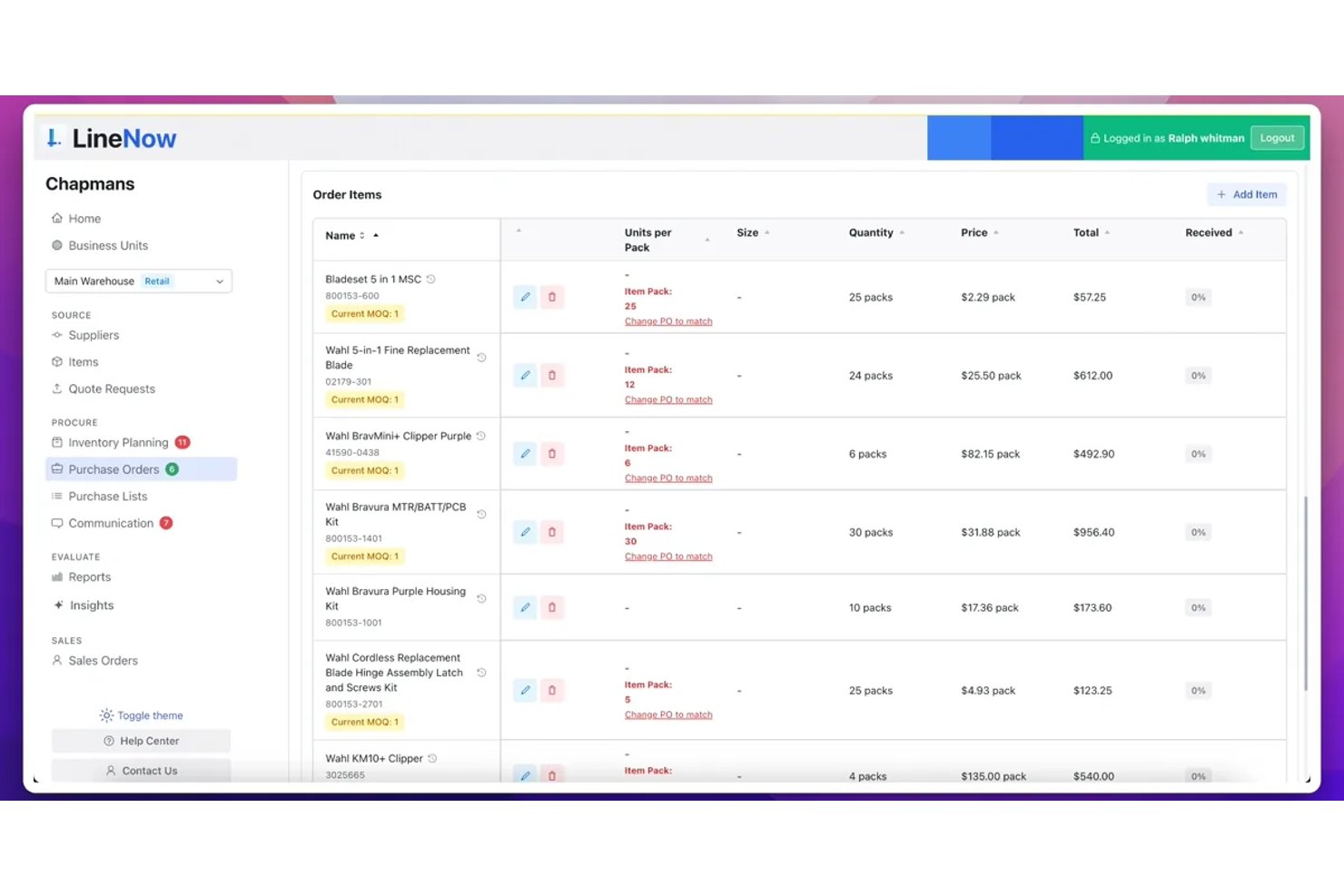
LineNow è una piattaforma di approvvigionamento e ordini di acquisto basata sull'IA, progettata per gli operatori del settore alimentare e delle bevande, che offre la gestione delle comunicazioni con i fornitori, il monitoraggio dell'inventario, flussi di lavoro per la ricezione e il calcolo dei costi delle ricette.
Per chi è più indicato LineNow?
LineNow è adatto alle attività F&B alberghiere di piccole e medie dimensioni che desiderano procedure di ordinazione e ricezione basate sull'IA senza un grande investimento software.
Perché ho scelto LineNow
Ho scelto LineNow come una delle soluzioni migliori perché il suo flusso di lavoro per gli ordini basato sull'IA riduce concretamente il continuo scambio manuale di comunicazioni che rallenta gli acquisti F&B degli hotel. Apprezzo in particolare il modo in cui analizza automaticamente le risposte dei fornitori ricevute via e-mail e WhatsApp, registrando direttamente nel documento dell'ordine di acquisto le variazioni di prezzo e gli articoli arretrati. Il suo strumento per la creazione di ricette e assemblaggi collega i costi degli ingredienti agli articoli del menu, con la riduzione dell'inventario sincronizzata con il POS, così il tuo punto vendita F&B sa sempre cosa è disponibile dopo ogni servizio.
Caratteristiche principali di LineNow
- Hub per le comunicazioni con i fornitori: Centralizza le e-mail e i messaggi WhatsApp dei fornitori in un unico luogo, mantenendo tutta la corrispondenza relativa agli ordini collegata al documento dell'ordine di acquisto pertinente.
- Strumento per la creazione di ricette e assemblaggi: Collega i costi degli ingredienti acquistati alle singole ricette e agli articoli del menu, con monitoraggio della resa e visibilità sui margini per i punti vendita F&B.
- Supporto per più unità aziendali: Gestisce gli acquisti per più sedi da un unico account, con supervisione centralizzata e flussi di lavoro per il rifornimento dal magazzino alle filiali.
- Sincronizzazione contabile: Collega i dati della ricezione e degli ordini di acquisto direttamente a QuickBooks o Xero, riducendo la riconciliazione manuale tra i dati degli acquisti e quelli finanziari.
Integrazioni di LineNow
LineNow offre integrazioni native con QuickBooks Online, Xero, Toast, Square, Clover, Lightspeed e Shopify POS.
Pros and Cons
Pros:
- L'IA automatizza l'analisi delle e-mail e dei messaggi WhatsApp dei fornitori
- Calcolo dei costi di ricette e menu con collegamento all'inventario
- Acquisti F&B centralizzati per più punti vendita
Cons:
- Nessuna integrazione con i sistemi PMS alberghieri
- Mancano funzioni di budgeting e flussi di approvazione per il settore alberghiero
Pipefy
Ideale per pipeline di approvvigionamento personalizzabili
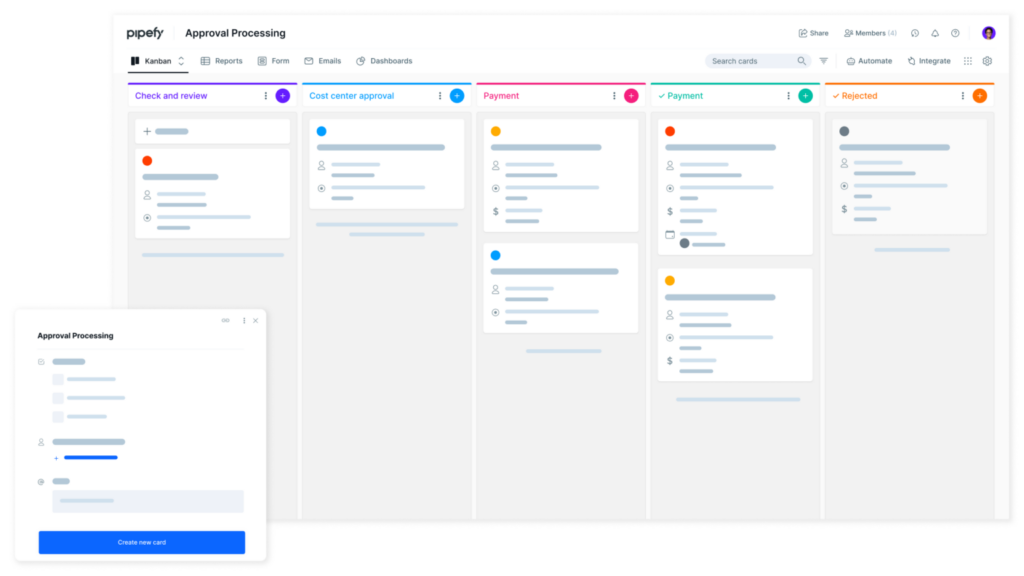
Pipefy è una piattaforma progettata per semplificare e ottimizzare i processi aziendali come quello degli acquisti. Il suo punto di forza principale risiede nell'adattabilità, offrendo pipeline di approvvigionamento personalizzabili che possono soddisfare una miriade di esigenze aziendali.
Perché ho scelto Pipefy: Ho selezionato Pipefy per la sua eccezionale adattabilità nei processi di approvvigionamento. Le pipeline altamente personalizzabili della piattaforma la rendono uno strumento ideale per le aziende con necessità di acquisto specifiche e variabili. La sua capacità di adattarsi e modellarsi in base alle esigenze dell'utente la distingue dagli altri strumenti, rendendola quindi la migliore per pipeline di approvvigionamento personalizzabili.
Funzionalità e integrazioni principali:
Le funzionalità chiave di Pipefy includono pipeline personalizzabili che permettono di impostare notifiche in base alle diverse fasi del processo di approvvigionamento, flussi di approvazione automatizzati e integrazione con sistemi ERP. Le sue integrazioni con app popolari come Slack, Zendesk e molte altre facilitano un processo di acquisizione completo ed efficiente.
Pros and Cons
Pros:
- Pipeline altamente personalizzabili rispondono a specifiche esigenze di approvvigionamento
- Le funzionalità di automazione fanno risparmiare tempo e aumentano l'efficienza
- L'ampia gamma di integrazioni ne incrementa le funzionalità
Cons:
- La curva di apprendimento può essere ripida a causa del livello di personalizzazione
- Manca una funzione di chat integrata
- L'interfaccia può sembrare complessa per alcuni utenti

Spendflo
Ideale per la gestione centralizzata dei fornitori
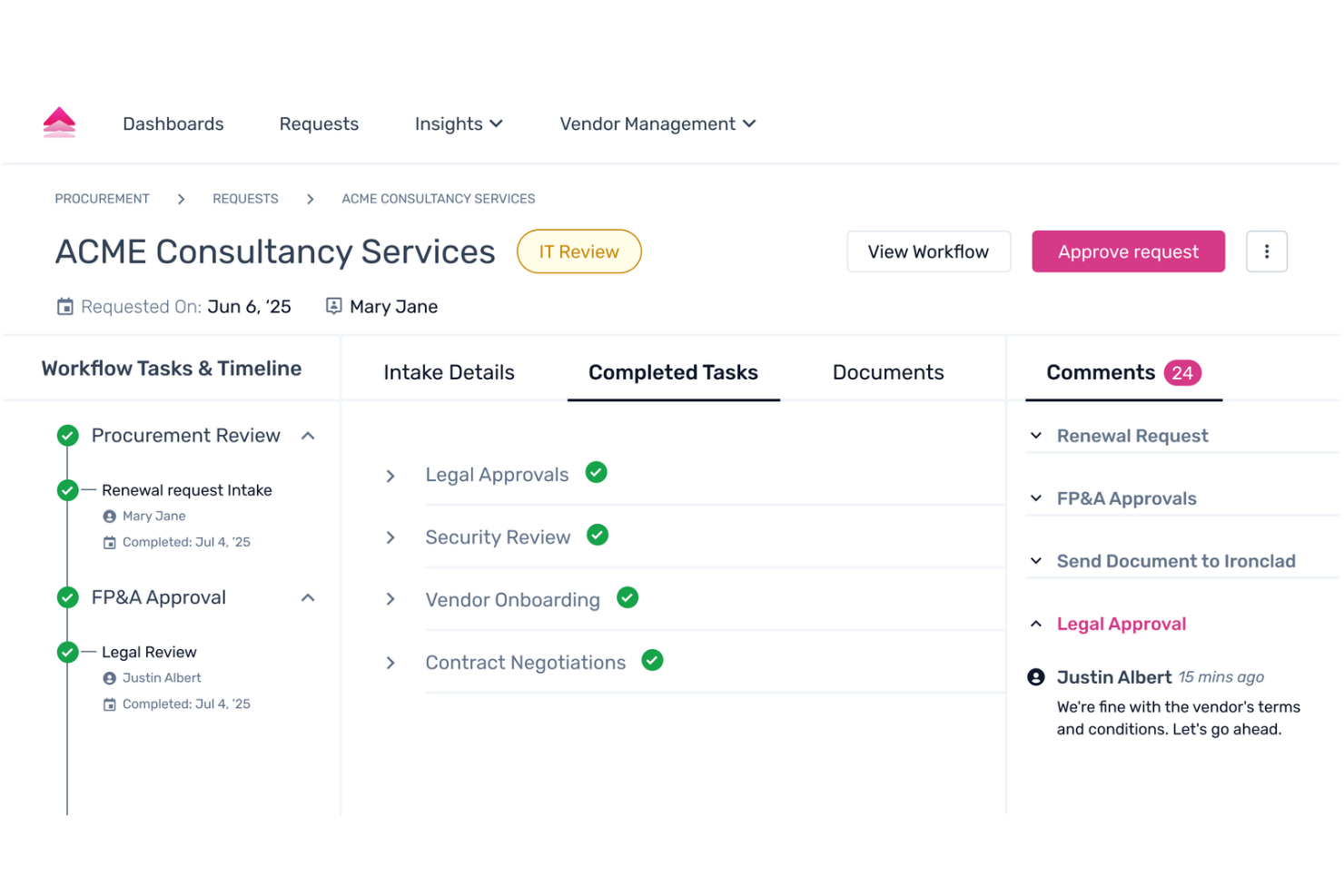
Spendflo è una soluzione di procurement progettata per semplificare e ottimizzare la gestione delle spese legate ai software come servizio (SaaS).
Perché ho scelto Spendflo: offre una funzione centralizzata di gestione dei fornitori. Questa funzionalità permette al tuo team di mantenere una visione unificata di tutte le interazioni con i fornitori, inclusi i dettagli dei contratti e le metriche di performance, assicurando che tutti i rapporti di servizio siano organizzati in modo sistematico e facilmente accessibili. Questa centralizzazione aiuta a mantenere la conformità e facilita processi decisionali più informati riguardo alle spese alberghiere.
Funzionalità e integrazioni principali:
Altre funzionalità includono la gestione delle richieste, che guida gli utenti attraverso flussi di lavoro personalizzati garantendo conformità ed efficienza. Il motore di workflow consente inoltre l'orchestrazione dei processi di procurement, permettendo ai team di collaborare efficacemente con il contesto necessario. Alcune integrazioni includono NetSuite, QuickBooks, Sage Business Cloud, Xero, Zoho Books, FreeAgent, Moneybird, Google Calendar, JumpCloud, MS Azure AD, Okta e BambooHR.
Pros and Cons
Pros:
- Offre potenti capacità analitiche con insight concreti sulle spese
- Snellisce i processi di procurement SaaS, inclusi i rinnovi
- Fornisce visibilità su tutto il panorama dei fornitori
Cons:
- Funzionalità specifiche per hotel limitate
- Le funzioni di workflow potrebbero non essere necessarie per tutti i clienti
Tipalti
Ideale per operazioni avanzate di pagamento globale
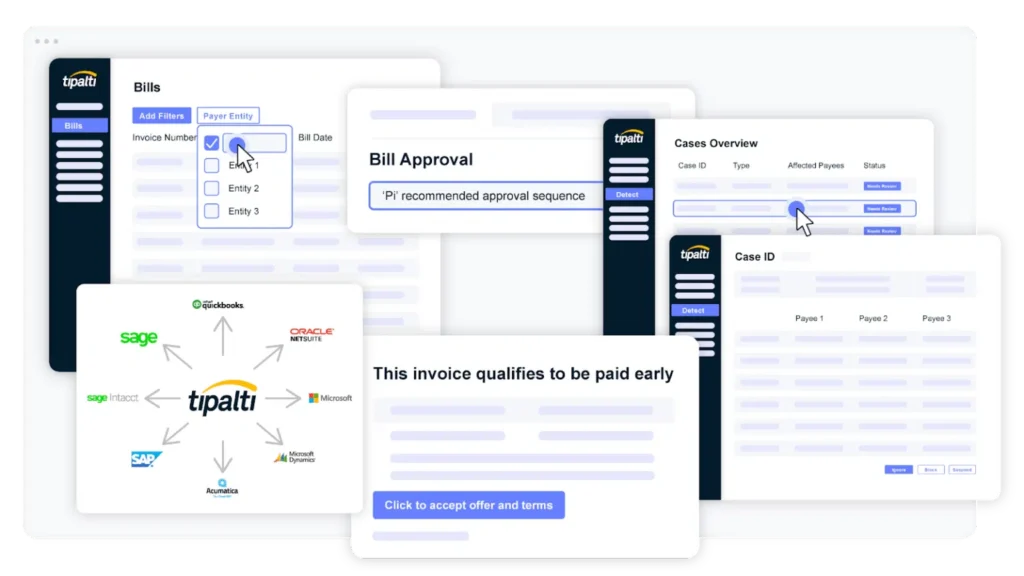
Tipalti offre una piattaforma di approvvigionamento solida che semplifica la gestione dei pagamenti globali e le complessità della gestione dei fornitori. Questo strumento centralizza tutte le operazioni di procurement e automatizza l'intero processo dei pagamenti, rendendolo ideale per la gestione di operazioni di pagamento avanzate a livello globale.
Perché ho scelto Tipalti: Tipalti ha attirato la mia attenzione perché semplifica i pagamenti globali e la gestione dei fornitori in un'unica piattaforma integrata. La sua capacità di gestire operazioni complesse di pagamento internazionale lo distingue dagli altri. Credo che Tipalti sia perfetto per le aziende che devono gestire pagamenti globali e desiderano una soluzione automatizzata in grado di gestire transazioni complesse con facilità.
Caratteristiche distintive & integrazioni:
Le principali funzionalità di Tipalti includono automazione completa dei pagamenti, gestione delle fatture, pagamenti di massa a livello globale, conformità fiscale e gestione dei fornitori. Offre una visibilità in tempo reale sullo stato dei pagamenti, molto utile per il monitoraggio di pagamenti globali su larga scala. Per quanto riguarda le integrazioni, Tipalti si collega ai principali sistemi ERP e offre integrazioni con varie altre piattaforme software finanziarie, tra cui NetSuite, QuickBooks e Xero.
Pros and Cons
Pros:
- Semplifica le operazioni di pagamento globale
- La funzione di conformità fiscale riduce i rischi di non conformità
- Visibilità in tempo reale sullo stato dei pagamenti
Cons:
- Il prezzo potrebbe essere elevato per le aziende più piccole
- Richiede un impegno su base annuale
- Potrebbe essere troppo complesso per aziende con esigenze più semplici

Ideale per il controllo degli acquisti scalabile in tutta l'organizzazione
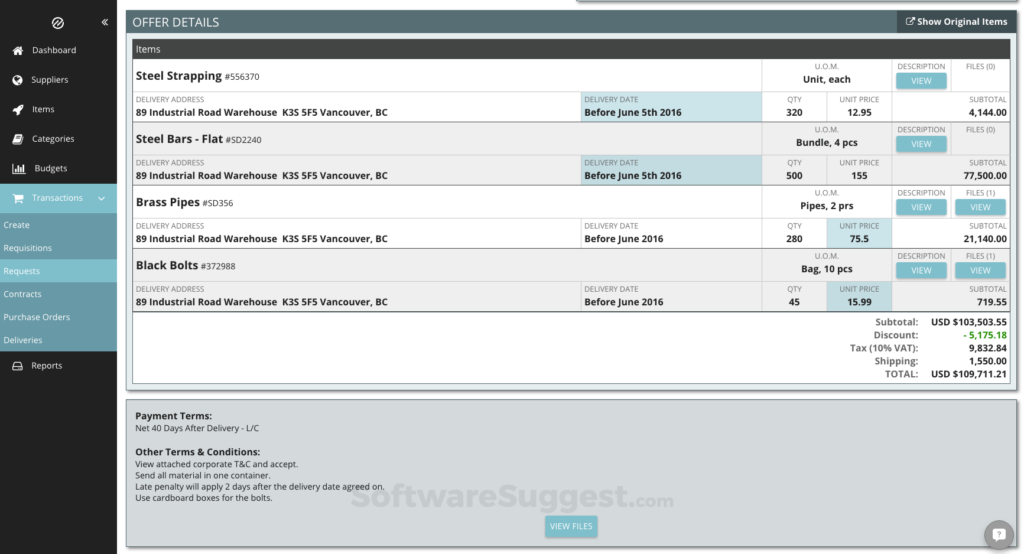
Tradogram è una soluzione di approvvigionamento basata su cloud che offre una gestione degli acquisti snella e strategica. L'accento posto sul controllo, la trasparenza e l'adattabilità la rende ideale per il controllo scalabile del software di acquisto all'interno delle organizzazioni, indipendentemente dalle dimensioni.
Perché ho scelto Tradogram: Ho scelto Tradogram per il suo design scalabile e la forte attenzione al controllo e alla trasparenza nel processo di approvvigionamento. Si distingue per la sua flessibilità, offrendo strumenti utili sia per le piccole imprese che per le grandi aziende. Questa scalabilità e livello di controllo ne fanno la scelta migliore per le organizzazioni che desiderano migliorare le proprie procedure di acquisto e mantenere una visione chiara con la crescita.
Funzionalità principali e integrazioni:
Le principali funzionalità di Tradogram includono strumenti di acquisto strategico, gestione dei fornitori, gestione dei contratti e analisi delle spese. La piattaforma offre anche robuste funzionalità di reportistica per una visione completa delle operazioni di approvvigionamento. In termini di integrazioni, Tradogram può sincronizzarsi facilmente con software di contabilità popolari come QuickBooks e Xero, garantendo un flusso di dati fluido tra le piattaforme.
Pros and Cons
Pros:
- Design scalabile e adattabile
- Strumenti di controllo degli acquisti robusti
- Integrazioni con software di contabilità popolari
Cons:
- È necessario un impegno annuale per ottenere il prezzo migliore
- L'interfaccia utente potrebbe richiedere un periodo di apprendimento
- Rete di fornitori limitata rispetto ad alcuni concorrenti
Ideale per automatizzare i flussi di lavoro di procurement

Kissflow Procurement Cloud è uno strumento potente progettato per digitalizzare e automatizzare i flussi di lavoro nel procurement. Questo software è ideale per le aziende che desiderano trasformare i propri processi di approvvigionamento, rendendoli più efficienti e meno dispendiosi in termini di tempo.
Perché ho scelto Kissflow Procurement Cloud: Ho scelto Kissflow Procurement Cloud per questa lista perché eccelle nell'automatizzare i processi di procurement. Questo aspetto lo distingue da altri strumenti che potrebbero non offrire lo stesso livello di automazione. Lo considero il migliore per l'automazione dei flussi di lavoro di procurement, poiché le sue funzionalità sono specificamente progettate per semplificare e automatizzare le attività di approvvigionamento.
Funzionalità e integrazioni principali:
Kissflow Procurement Cloud offre funzionalità come la gestione dei fornitori, la gestione degli ordini d'acquisto e il processo di approvazione delle fatture, tutte rivolte a rendere più efficienti i processi di procurement. Offre inoltre integrazioni con strumenti popolari come Slack e Zapier, contribuendo a semplificare ulteriormente le operazioni.
Pros and Cons
Pros:
- Efficace nell'automazione dei flussi di lavoro di procurement
- Fornisce funzionalità importanti per il procurement come la gestione dei fornitori
- Offre integrazione con popolari strumenti di produttività
Cons:
- Potrebbe essere costoso per team molto piccoli
- L'alto numero di funzionalità può risultare eccessivo per alcuni utenti
- L'interfaccia utente potrebbe essere più intuitiva

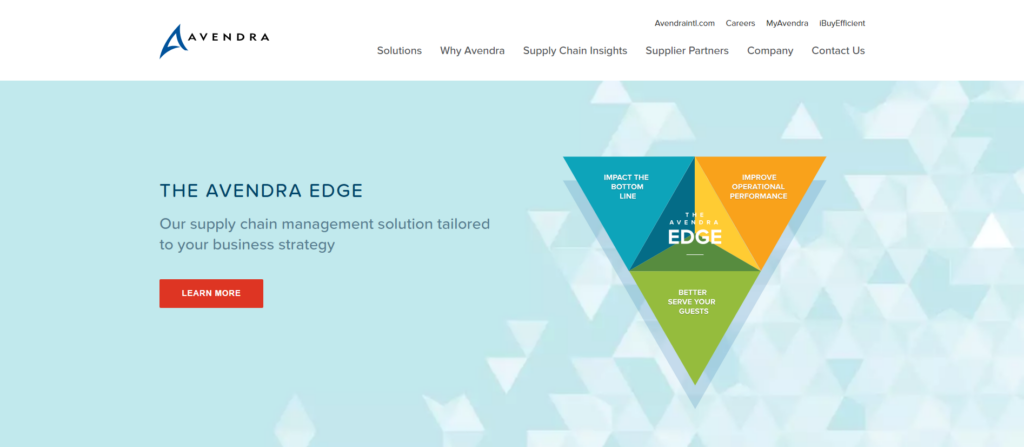
Avendra è un fornitore di servizi di approvvigionamento che eccelle nel facilitare soluzioni strategiche per la supply chain nel settore dell'ospitalità. Il suo approccio completo all'approvvigionamento, che include sourcing strategico e gestione della catena di fornitura, lo rende ideale per soluzioni solide e a lungo termine.
Perché ho scelto Avendra: Ho scelto Avendra per il suo impegno nel fornire soluzioni approfondite e strategiche che coprono l'intera catena di fornitura. A differenza dei tradizionali software di approvvigionamento, Avendra si concentra su assicurazione qualità, gestione dei contratti e analisi della spesa, elementi fondamentali per una solida gestione della supply chain. Grazie alla sua strategia globale, credo che Avendra sia la scelta migliore per le aziende che cercano soluzioni olistiche e strategiche per la gestione della catena di fornitura.
Funzionalità e integrazioni principali:
Le principali caratteristiche di Avendra includono sourcing strategico, assicurazione qualità e analisi completa della spesa. Offre inoltre gestione dei contratti e diversificazione dei fornitori, rafforzando ulteriormente la sua suite di approvvigionamento. Sebbene non siano elencate integrazioni specifiche, Avendra si distingue per la sua vasta rete di fornitori e la capacità di integrarsi con i sistemi già presenti presso i clienti.
Pros and Cons
Pros:
- Punta su sourcing strategico e soluzioni per la supply chain
- Offre assicurazione qualità e gestione dei contratti
- Analisi completa della spesa
Cons:
- La politica dei prezzi non è trasparente
- Può richiedere un'implementazione e una configurazione significative
- Le integrazioni non sono esplicitamente elencate

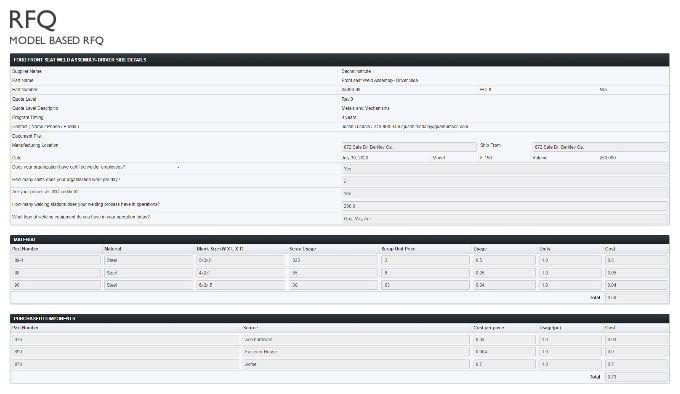
Gainfront offre una piattaforma semplice e intuitiva per il processo dall'approvvigionamento al pagamento, che ottimizza le operazioni di approvvigionamento. Semplifica l'intero ciclo di approvvigionamento e aumenta l'efficienza, risultando ideale per le aziende che cercano un processo intuitivo dall'approvvigionamento al pagamento.
Perché ho scelto Gainfront: Ho scelto Gainfront per la sua interfaccia intuitiva, che semplifica il processo dall'approvvigionamento al pagamento. Ciò che distingue Gainfront è la sua capacità di consolidare diverse funzionalità di approvvigionamento in un'unica piattaforma. A mio giudizio, Gainfront è ideale per le organizzazioni che necessitano di un sistema semplice e intuitivo per gestire il proprio ciclo di approvvigionamento.
Funzionalità e integrazioni di spicco:
Le funzionalità principali di Gainfront includono una dashboard completa, la gestione degli ordini di acquisto, la fatturazione e la gestione dei fornitori. Questo insieme di funzionalità contribuisce a ottimizzare il processo dall'approvvigionamento al pagamento. Per quanto riguarda le integrazioni, Gainfront si connette a diverse altre piattaforme finanziarie, tra cui QuickBooks, Xero e Zoho Books, aumentando la flessibilità e le funzionalità dello strumento.
Pros and Cons
Pros:
- L'interfaccia intuitiva semplifica le operazioni di approvvigionamento
- La dashboard completa offre una visione d'insieme dell'approvvigionamento
- Ampia gamma di integrazioni che ne aumenta le funzionalità
Cons:
- Richiede l'impegno a sottoscrivere un piano annuale
- Potrebbe non essere sufficiente per organizzazioni più grandi e complesse
- Personalizzazione limitata rispetto ad alcuni concorrenti
Altri software per gli acquisti alberghieri
Ecco alcune ulteriori opzioni di software per gli acquisti alberghieri che non sono entrate nel mio elenco, ma che vale comunque la pena considerare:
- Eyvo
Ideale per soluzioni di eProcurement su misura
- Birch Street Systems
Ideale per la gestione completa della supply chain
- Foodbuy Hospitality
Ideale per massimizzare il potere d'acquisto di gruppo
- Bellwether
Ideale per piccole e medie imprese che cercano soluzioni economiche
- Procurify
Ideale per il monitoraggio del budget e il controllo delle spese


Come valuto i software per l'approvvigionamento alberghiero
Divido la mia valutazione su due livelli: la base che ogni strumento deve soddisfare e i fattori distintivi che separano la soluzione adatta per l'acquisto multiproprietà di F&B e OS&E da un'opzione generica.
Funzionalità principali (requisiti essenziali per questa lista)
Quando seleziono gli strumenti per la mia lista, valuto ciascuno su una scala da 0 (non offre la funzionalità) a 5 (eccelle in quest'area) per ogni funzionalità principale elencata di seguito. Poi calcolo il punteggio totale dello strumento in percentuale. Ogni strumento deve raggiungere un punteggio minimo del 55% per essere preso in considerazione.
- Acquisti multiproprietà: Verifico se una piattaforma consente di consolidare gli ordini tra le proprietà, garantendo comunque a ogni Direttore Generale dell'hotel la visibilità sulle proprie spese.
- Gestione fornitori & cataloghi: La profondità del catalogo è importante—cerco cataloghi punch-out, strumenti per la gestione dei prezzi contrattuali e la possibilità di integrare fornitori regionali F&B e OS&E.
- Workflow di PO & richieste: Valuto come funzionano le catene di approvazione tra i reparti alberghieri, ad esempio, l'inoltro di un ordine per la biancheria di un banchetto sia al direttore F&B che alla finanza.
- Monitoraggio di budget & spese: Ogni strumento dovrebbe permettere di tracciare la spesa effettiva rispetto ai budget dipartimentali usando categorie di costo rilevanti per l'ospitalità come camere, F&B e spa.
- Magazzino & ricezione: Qui cerco workflow per la ricezione, conteggi di magazzino e trasferimenti tra magazzini come la cucina principale e un bar a bordo piscina.
- Integrazioni con sistemi alberghieri: I connettori preconfigurati per PMS, POS e sistemi di contabilità alberghiera sono più importanti delle semplici opzioni generiche API senza partner nel settore hospitality.
Una volta che ho la lista degli strumenti che soddisfano questi criteri, considero ciò che distingue ciascuna piattaforma.
Fattori differenzianti (cosa distingue i fornitori)
Ecco come confronto e metto a confronto i diversi fornitori:
Funzionalità distintive
La determinazione del costo di ricette e menù è un grande elemento distintivo: quando i prezzi degli ingredienti cambiano, vuoi che il costo del piatto si aggiorni automaticamente così che il team F&B possa modificare i menù prima che i margini si riducano. Cerco anche la gestione automatica delle fatture guidata dall'AI che abbina le fatture dei fornitori ai PO e segnala discrepanze senza che il team AP debba controllare manualmente ogni riga. Un'app mobile per la ricezione completa il tutto, consentendo allo staff di magazzino di scannerizzare le consegne e registrare eventuali mancanze direttamente al molo.
Oltre le funzionalità
La specializzazione per l'ospitalità conta—valuto se un fornitore offre reportistica allineata a USALI e template dipartimentali alberghieri già pronti, piuttosto che workflow di procurement generici da personalizzare da zero. L'implementazione è un altro aspetto chiave, soprattutto per la modalità con cui il fornitore gestisce l'onboarding dei cataloghi dei fornitori e la formazione per lo staff back-of-house che potrebbe non avere dimestichezza con la tecnologia. Considero anche la struttura dei prezzi, in particolare se modelli per proprietà offrono flessibilità per resort stagionali che chiudono parte dell'anno.
Come scegliere un software per gli acquisti alberghieri
È facile perdersi in lunghi elenchi di funzionalità e strutture tariffarie complesse. Per aiutarti a rimanere concentrato mentre affronti il tuo processo di selezione del software, ecco un elenco dei fattori da tenere presenti:
| Fattore | Cosa considerare |
|---|---|
| Scalabilità | Il software crescerà insieme al tuo hotel? Valuta se è in grado di gestire più fornitori, inventari più ampi e un numero maggiore di transazioni con l'espansione della tua attività. |
| Integrazioni | Verifica se lo strumento si collega ai sistemi che utilizzi attualmente, come quelli di contabilità e gestione dell'inventario. La compatibilità può farti risparmiare tempo e ridurre gli errori. |
| Personalizzazione | Puoi adattare il software ai tuoi flussi di lavoro? Cerca opzioni che consentano di modificare le funzionalità senza dover ricorrere a uno sviluppatore. |
| Facilità d'uso | L'interfaccia è intuitiva? Assicurati che il tuo team possa imparare rapidamente a utilizzare lo strumento senza una formazione approfondita. |
| Implementazione e avviamento | Quanto tempo occorrerà per rendere operativo il sistema? Valuta le risorse per la formazione e l'assistenza disponibili per aiutare il tuo team a effettuare la transizione senza difficoltà. |
| Costo | Rientra nel tuo budget? Considera il costo totale, comprese eventuali tariffe nascoste. Confrontalo con i vantaggi offerti dal software. |
| Misure di sicurezza | Il software protegge i tuoi dati? Assicurati che disponga di crittografia, aggiornamenti regolari e conformità alle normative sulla protezione dei dati. |
| Disponibilità dell'assistenza | L'aiuto è facilmente disponibile quando serve? Verifica se l'assistenza è offerta 24 ore su 24, 7 giorni su 7 e attraverso più canali, come chat, e-mail o telefono. |
Che cos'è un software per gli acquisti alberghieri?
Il software per gli acquisti alberghieri è uno strumento digitale utilizzato dai professionisti del settore dell'ospitalità per automatizzare e ottimizzare i processi di approvvigionamento. Questi sistemi sono comunemente utilizzati dai responsabili degli acquisti nel settore alberghiero, dai proprietari di hotel e da altri soggetti coinvolti nel processo di acquisto, con l'obiettivo di semplificare le operazioni alberghiere, ottenere risparmi sui costi e migliorare l'efficienza.
Funzionalità
Quando scegli un software per gli acquisti alberghieri, presta attenzione alle seguenti funzionalità chiave:
- Gestione dei fornitori: Aiuta a organizzare e mantenere i rapporti con i fornitori, garantendo comunicazioni e transazioni efficienti.
- Monitoraggio degli ordini di acquisto: Monitora lo stato degli ordini dalla creazione alla consegna, riducendo ritardi ed errori.
- Monitoraggio delle scorte: Tiene sotto controllo i livelli delle scorte per evitare carenze ed eccessi, ottimizzando lo spazio di stoccaggio.
- Analisi della spesa: Analizza i dati degli acquisti per identificare opportunità di risparmio e migliorare la gestione del budget.
- Flussi di lavoro personalizzabili: Consente agli utenti di adattare i processi alle esigenze specifiche dell'hotel, aumentando la flessibilità operativa.
- Capacità di integrazione: Si collega ai sistemi esistenti, come quelli contabili e di gestione delle scorte, garantendo un flusso di dati continuo tra le piattaforme.
- Interfaccia intuitiva: Semplifica la navigazione e riduce i tempi di formazione del personale, migliorando il tasso di adozione.
- Misure di sicurezza: Protegge i dati sensibili tramite la crittografia e la conformità alle normative, garantendo l'integrità dei dati.
- Accesso da dispositivi mobili: Offre la flessibilità di gestire le attività di approvvigionamento in mobilità, aumentando l'efficienza.
- Report e analisi: Genera report dettagliati sulle attività di approvvigionamento per supportare il processo decisionale e la strategia.
Vantaggi
L'implementazione di un software per gli acquisti alberghieri offre diversi vantaggi al tuo team e alla tua azienda. Ecco alcuni dei benefici che puoi aspettarti:
- Risparmio sui costi: L'analisi della spesa aiuta a identificare opportunità di riduzione dei costi, diminuendo le spese non necessarie.
- Maggiore efficienza: I flussi di lavoro automatizzati e il monitoraggio degli ordini di acquisto accelerano i processi di approvvigionamento, facendo risparmiare tempo al tuo team.
- Migliori rapporti con i fornitori: Gli strumenti di gestione dei fornitori garantiscono comunicazioni più chiare e partnership più solide.
- Miglioramento del processo decisionale: I report e le analisi forniscono informazioni sulle attività di approvvigionamento, agevolando la pianificazione strategica.
- Ottimizzazione delle scorte: Il monitoraggio delle scorte previene eccessi e carenze, consentendo un utilizzo migliore dello spazio di stoccaggio.
- Sicurezza dei dati: Le misure di sicurezza proteggono le informazioni sensibili, preservando la fiducia e la conformità alle normative.
- Flessibilità: L'accesso da dispositivi mobili consente di gestire le attività di approvvigionamento da qualsiasi luogo, aumentando la produttività.
Costi e prezzi
La scelta di un software per gli acquisti alberghieri richiede la comprensione dei vari modelli e piani tariffari disponibili. I costi variano in base alle funzionalità, alle dimensioni del team, ai componenti aggiuntivi e ad altri fattori. La tabella seguente riassume i piani più comuni, i relativi prezzi medi e le funzionalità tipicamente incluse nelle soluzioni software per gli acquisti alberghieri:
Tabella comparativa dei piani per il software per gli acquisti alberghieri
| Tipo di piano | Prezzo medio | Funzionalità comuni |
|---|---|---|
| Piano gratuito | $0 | Gestione di base dei fornitori, monitoraggio degli ordini di acquisto e report limitati. |
| Piano personale | $10-$30/user/month | Gestione dei fornitori, monitoraggio degli ordini di acquisto, monitoraggio delle scorte e analisi di base della spesa. |
| Piano aziendale | $40-$70/user/month | Gestione avanzata dei fornitori, monitoraggio completo delle scorte, analisi della spesa e opzioni di integrazione. |
| Piano aziendale avanzato | $80-$150/user/month | Gestione completa dei fornitori, report e analisi avanzati, flussi di lavoro personalizzati e assistenza dedicata. |
Domande frequenti sul software per gli acquisti alberghieri
Ecco alcune risposte alle domande più comuni sul software per gli acquisti alberghieri:
Come calcolo il ROI per il software per gli acquisti?
Inizia confrontando i risparmi (costi ridotti, meno errori, minori sprechi) con tutti i costi del software (licenze, formazione, assistenza). Utilizza una formula chiara, in modo che il tuo team finanziario possa comprenderla. Monitora metriche come la riduzione dei tempi di ciclo, la spesa sotto controllo e i miglioramenti nell’elaborazione delle fatture per convalidare i risultati.
In che modo il software per gli acquisti può aiutare a gestire le spese non autorizzate?
Il software per gli acquisti applica le politiche di acquisto limitando gli acquisti ai fornitori approvati e ai contratti negoziati. Questo riduce le spese non autorizzate e aiuta il tuo team a rispettare il budget. Utilizzando questi strumenti, puoi monitorare la conformità e individuare rapidamente eventuali deviazioni.
In che modo il software per gli acquisti può migliorare i rapporti con i fornitori?
Il software centralizza le informazioni sui fornitori, semplificando il monitoraggio delle prestazioni e delle comunicazioni. Può automatizzare aggiornamenti e promemoria periodici, favorendo una migliore collaborazione. Grazie a informazioni chiare sulle prestazioni dei fornitori, puoi affrontare tempestivamente i problemi e costruire partnership più solide.
Come posso garantire la sicurezza dei dati con il software per gli acquisti?
Scegli un software che offra la crittografia e sia conforme alle normative sulla protezione dei dati, come il GDPR. Verifica se il fornitore esegue regolari audit di sicurezza e aggiornamenti. È fondamentale comprendere le misure di sicurezza del software per proteggere le informazioni sensibili del tuo hotel.
Quali sono i tempi di implementazione tipici per il software per gli acquisti alberghieri?
I tempi di implementazione possono variare in base alle dimensioni e alla complessità del tuo hotel. Una configurazione tipica può richiedere da alcune settimane a un paio di mesi. Quando pianifichi le tempistiche, considera fattori come la migrazione dei dati, la formazione degli utenti e la personalizzazione del sistema.
Cosa succede ora:
Se stai cercando un software per gli acquisti alberghieri, contatta gratuitamente un consulente di SoftwareSelect per ricevere consigli.
Compili un modulo e fai una breve conversazione durante la quale il consulente approfondisce le tue esigenze specifiche. Poi riceverai una selezione ristretta di software da valutare. Ti supporterà anche durante l'intero processo di acquisto, comprese le negoziazioni sui prezzi.