

Los 10 mejores programas de marketing hotelero de 2026, desglosados

10 Lista de los mejores programas de marketing hotelero


Como hotelero experimentado, entiendo la importancia de contar con herramientas de marketing digital eficaces e innovadoras en esta industria dinámica. Por eso, he explorado el panorama digital y he recopilado una lista de los 12 mejores programas de marketing hotelero, cada uno de ellos orientado a una necesidad específica dentro del marketing hotelero. Estas herramientas impulsan tu presencia digital, agilizan las operaciones y te ayudan a comprender a tus huéspedes como nunca antes.
Los desafíos de las plataformas de marketing hotelero son numerosos: desde la dificultad para impulsar las reservas directas hasta la necesidad de mejorar las experiencias de los huéspedes. Cada programa de esta lista ofrece soluciones eficaces que abordan estos problemas y muchos más. Confío en que dentro de esta lista encontrarás la opción que mejor se adapte a las necesidades específicas de tu hotel. Es hora de explorar estas potentes herramientas y hacer que tu estrategia de marketing destaque.
Por qué confiar en nuestras recomendaciones de software
Nuestro equipo lleva probando y evaluando software desde 2012. Como líderes del sector hotelero, sabemos lo difícil —y lo importante— que es elegir el software adecuado.
Para esta guía, evaluamos las herramientas mediante pruebas prácticas e investigación independiente, puntuando las herramientas según nuestros criterios de selección.
Nuestras reseñas reflejan nuestro criterio editorial humano, no un discurso de ventas.
Resumen de los mejores programas de marketing hotelero
| Tool | Best For | Trial Info | Price | ||
|---|---|---|---|---|---|
| 1 | Ideal para mostrar experiencias únicas en hoteles | Demo gratuita disponible | Disponible bajo solicitud | Website | |
| 2 | Mejor para la gestión de preferencias y consentimientos | Plan gratuito disponible | Desde $150/mes (facturado anualmente) | Website | |
| 3 | Ideal para impulsar ingresos directos mediante marketing basado en datos | $200/usuario/mes (facturado anualmente) | Website | ||
| 4 | La mejor para habilitar la coherencia de marca en cadenas hoteleras | Demostración gratuita disponible | $45/usuario/mes | Website | |
| 5 | Mejor para soluciones integradas de marketing y distribución hotelera | Not available | Modelo de precios personalizado | Website | |
| 6 | El mejor para aprovechar la publicidad programática y atraer huéspedes | Not available | $250/user/month | Website | |
| 7 | Mejor para potenciar el engagement de huéspedes a través de campañas multicanal | Demo gratuita disponible | $250/user/month | Website | |
| 8 | Ideal para utilizar IA y analítica para comprender las preferencias de los huéspedes | Demostración gratuita disponible | $150/usuario/mes (facturado anualmente) | Website | |
| 9 | Ideal para la comunicación digital en tiempo real con huéspedes | $100/user/month | Website | ||
| 10 | Ideal para ventas adicionales mediante comunicación previa atractiva con el huésped | Not available | $89/user/month (facturado anualmente) | Website |
Opiniones sobre los mejores programas de marketing hotelero

TikTok
Ideal para mostrar experiencias únicas en hoteles
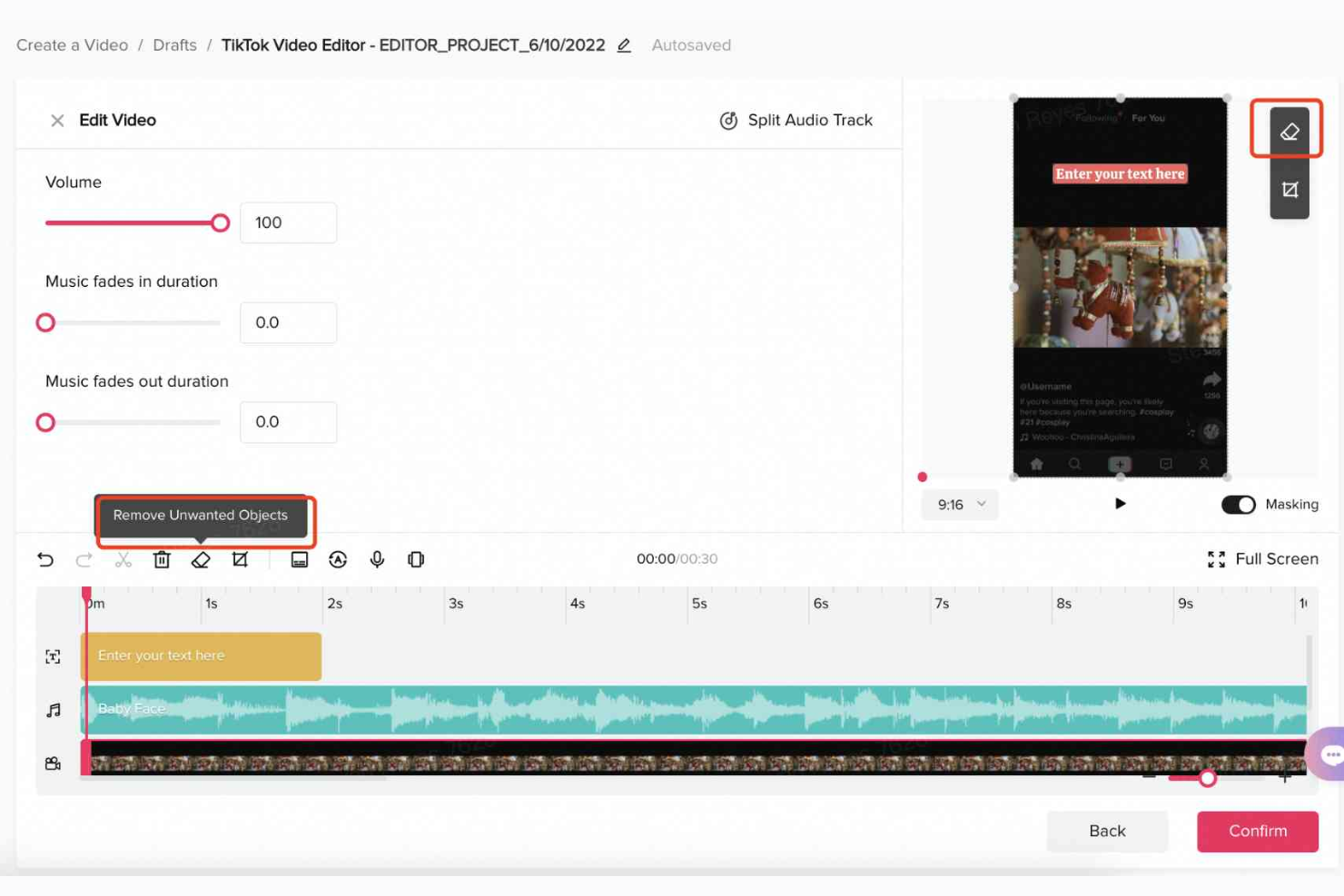
TikTok es una popular plataforma de redes sociales que se ha convertido en un centro de tendencias virales, expresión creativa y participación comunitaria, atrayendo a millones de usuarios en todo el mundo. La plataforma ofrece una variedad de funciones, incluidas herramientas de edición de video, efectos especiales y una amplia biblioteca de música y sonidos, lo que la convierte en una herramienta versátil para la creación de contenido.
Por qué elegí TikTok: TikTok es ideal para mostrar las experiencias únicas que ofrece tu hotel, ya sean servicios de lujo, atracciones locales o eventos especiales. Puedes usar contenido en video para dar vida a la experiencia del huésped de manera atractiva y visualmente impactante. El algoritmo de la plataforma te ayuda a llegar a una audiencia amplia al amplificar videos creativos y atractivos. Las herramientas integradas de TikTok facilitan la creación de videos que resaltan lo que hace especial a tu hotel.
Funciones destacadas e integraciones:
Las funciones incluyen herramientas de creación de videos, métricas de participación de audiencia y amplificación de contenidos. Puedes crear videos que destaquen lo mejor de tu hotel y llegar a una audiencia más amplia. El algoritmo de TikTok potencia la visibilidad del contenido interesante. Las integraciones incluyen Shopify, WooCommerce, BigCommerce, Magento y Square.
Pros and Cons
Pros:
- Fomenta la interacción del usuario
- Fácil de crear videos en la app
- Opciones sólidas de colocación de productos
Cons:
- Difícil predecir el éxito viral
- Vida útil corta del contenido

Ketch
Mejor para la gestión de preferencias y consentimientos
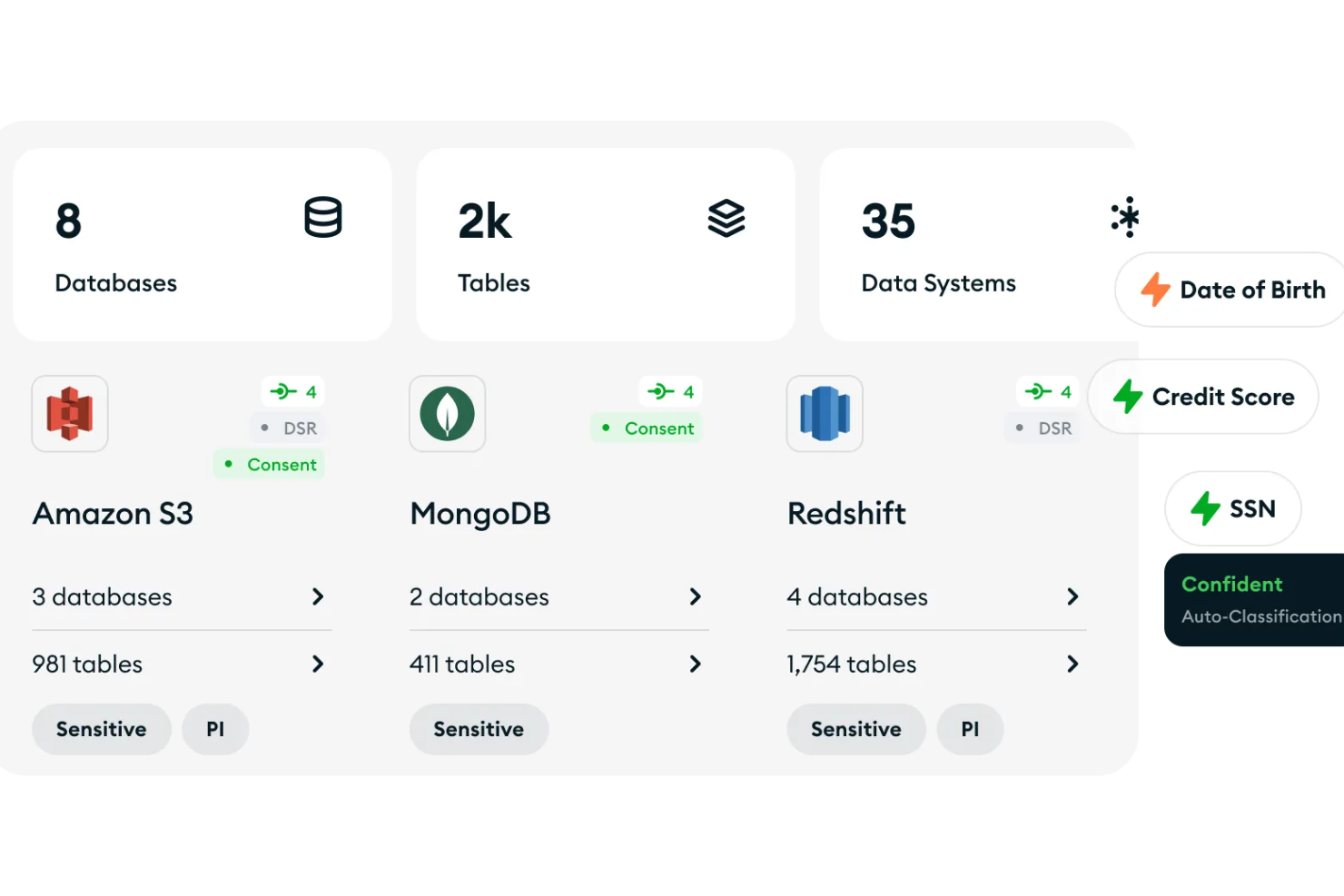
Ketch es un software de privacidad de datos diseñado para ayudar a las empresas a proteger los datos personales de sus clientes y cumplir con las regulaciones globales de privacidad de datos, como el GDPR, CCPA y otras. La plataforma proporciona herramientas para automatizar los procesos de protección de datos, incluyendo la recopilación de datos, la gestión de consentimientos y las solicitudes de derechos de los titulares de los datos.
Por qué elegí Ketch: Como software de gestión de marketing, Ketch es único en que se centra en las preferencias de marketing y la gestión de consentimientos. Por ejemplo, ofrece banners y ventanas emergentes de consentimiento personalizables y sin necesidad de código que muestran automáticamente el idioma adecuado a los visitantes según su ubicación. Esta función garantiza que las campañas de marketing de tu hotel cumplan con las distintas leyes regionales de privacidad sin interrumpir la experiencia del usuario.
Funciones destacadas e integraciones:
Además, Ketch proporciona un centro centralizado para que los visitantes accedan a las solicitudes de derechos de los titulares de los datos (DSR), las preferencias de comunicación y las políticas de privacidad. Esta vista unificada facilita a los consumidores la gestión de sus opciones en todas las plataformas y canales de comunicación, aumentando la confianza y el compromiso con la marca de tu hotel. Algunas de las integraciones de Ketch incluyen Adobe Experience Platform, AdRoll, Google Analytics, HubSpot, Salesforce, Shopify y Snowflake.
Pros and Cons
Pros:
- Brinda avisos de privacidad personalizables
- Ofrece visibilidad clara de las prácticas de datos
- Integra datos de consentimiento con sistemas de marketing existentes
Cons:
- Curva de aprendizaje potencial durante la configuración
- Se centra en permisos, consentimientos y preferencias, no en funciones generales de marketing
New Product Updates from Ketch
Ketch Launches Iris-Powered Tracker Scanning
Ketch adds Iris-powered tracker scanning to Data Sentry and Consent Management, using cohort-based page grouping and adaptive sampling to expand tracker coverage and keep results current. For more information, visit Ketch’s official site.
 .
.
Cendyn
Ideal para impulsar ingresos directos mediante marketing basado en datos
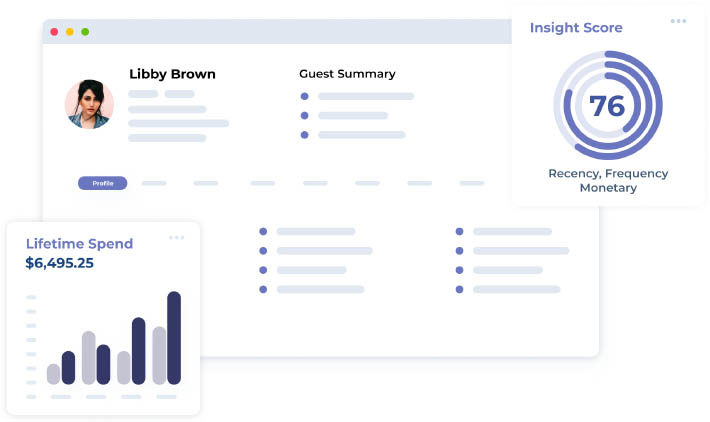
Por qué elegí Cendyn: Cendyn es una herramienta esencial en el ámbito del marketing hotelero, reconocida por sus sólidas funciones que se centran en aprovechar los datos para generar beneficios. Seleccioné Cendyn específicamente por su compromiso con el marketing basado en datos que optimiza los canales de ingresos. La herramienta destaca por su capacidad única de convertir los datos en recomendaciones accionables que impulsan la rentabilidad; es, sin duda, un elemento revolucionario en el mercado.
Funciones destacadas e integraciones:
Cendyn ofrece soluciones CRM robustas para hoteles que ayudan a aprovechar los datos de los huéspedes para personalizar experiencias e impulsar ingresos directos. El insight CRM de la plataforma brinda información profunda sobre el comportamiento de los huéspedes, lo que ayuda a diseñar campañas segmentadas. El software también proporciona integraciones perfectas con los sistemas PMS (Sistemas de Gestión de Propiedades) hoteleros más populares, motores de reservas y otros sistemas clave de la hostelería, facilitando un flujo de datos fluido entre diversas plataformas.
Pros and Cons
Pros:
- Excelente capacidad de análisis de datos
- Amplia gama de integraciones con otros softwares hoteleros
- Funcionalidad CRM integral
Cons:
- El precio puede ser alto para establecimientos pequeños
- La interfaz puede requerir una curva de aprendizaje
- Los tiempos de respuesta del soporte al cliente pueden mejorar

Marvia
La mejor para habilitar la coherencia de marca en cadenas hoteleras

Marvia es una herramienta de software que ofrece soluciones para mantener la coherencia de marca en varias ubicaciones. Es especialmente beneficiosa para cadenas hoteleras que buscan asegurar una representación uniforme de la marca en sus campañas y materiales de marketing.
Por qué elegí Marvia: De las herramientas que comparé, determiné que Marvia es excepcional en el ámbito de la coherencia de marca. Está diseñada específicamente para apoyar a negocios con múltiples ubicaciones, como cadenas de hoteles. La elegí como la mejor herramienta para habilitar la coherencia de marca debido a su enfoque exclusivo en el marketing localizado que se mantiene fiel a los valores centrales de la marca.
Características Destacadas e Integraciones:
Marvia ofrece funciones como Gestión de Activos Digitales y Gestión de Plantillas, que son fundamentales para mantener la coherencia de la marca. También proporciona herramientas de Marketing Local para Tiendas, ayudando a que cada hotel cree campañas de marketing específicas para su ubicación mientras cumple con las directrices de la marca. Las integraciones clave incluyen varios Sistemas de Gestión de Contenidos y Software de Diseño, reforzando su papel en el marketing centrado en la marca.
Pros and Cons
Pros:
- Énfasis en mantener la coherencia de marca entre ubicaciones
- Funciones útiles como la Gestión de Plantillas y el Marketing Local para Tiendas
- Integraciones efectivas con CMS y Software de Diseño
Cons:
- Curva de aprendizaje más pronunciada para principiantes
- El precio puede ser elevado para hoteles pequeños con presupuestos limitados
- Puede tener demasiadas funciones para hoteles que buscan soluciones sencillas

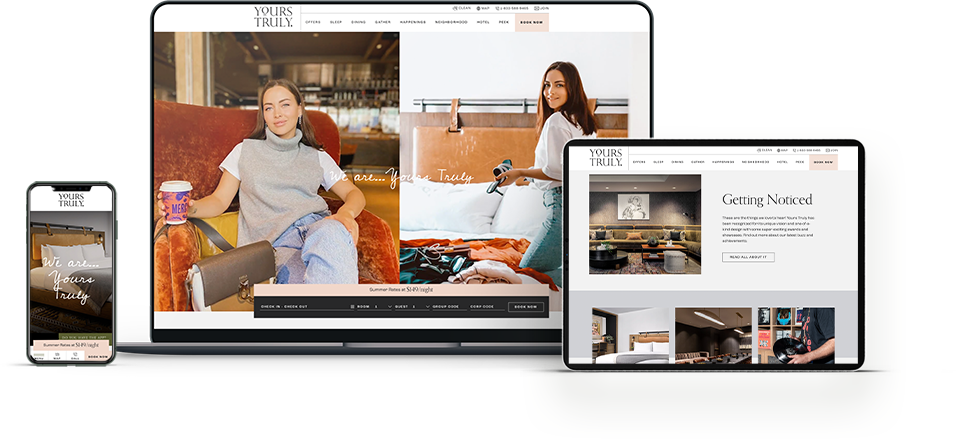
Tambourine es una solución integral de marketing y distribución hotelera que unifica una gama de servicios para ayudar a los hoteles a aumentar su presencia en línea, reservas e ingresos. Ofrece soluciones integradas que abarcan diseño de sitios web, SEO, SEM y redes sociales, lo que la convierte en una excelente opción para quienes buscan un enfoque unificado de marketing.
Por qué elegí Tambourine: En mi proceso de selección, Tambourine destacó debido a su enfoque holístico del marketing hotelero. Lo elegí porque ofrece una suite integral de servicios que cubren todo el espectro de necesidades de marketing digital. Lo considero el mejor para soluciones integradas de marketing y distribución hotelera debido a su plataforma única que reúne diversos componentes de marketing.
Características destacadas e integraciones:
Las principales características de Tambourine incluyen marketing digital omnicanal, distribución en línea, comercio electrónico hotelero y servicios de inteligencia de datos. Estas funciones permiten a los hoteleros gestionar todos sus esfuerzos de marketing digital y distribución desde una sola plataforma. En cuanto a integraciones, Tambourine funciona bien con varios Sistemas de Gestión Hotelera (PMS), Sistemas de Reservas Centrales (CRS) y Sistemas Globales de Distribución (GDS).
Pros and Cons
Pros:
- Solución integral para todas las necesidades de marketing digital y distribución
- Integración fluida con varios PMS, CRS y GDS
- Experiencia en la industria hotelera que aporta conocimientos y servicios relevantes
Cons:
- El modelo de precios personalizado puede no ajustarse a todos los presupuestos
- Demasiado completo para hoteles que buscan soluciones específicas
- La amplia gama de servicios puede suponer una curva de aprendizaje más pronunciada para los nuevos usuarios

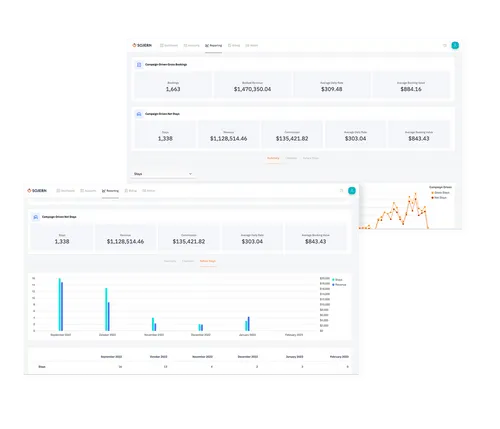
Sojern es una potente herramienta que ayuda a los hoteles a aprovechar al máximo la publicidad programática para atraer a posibles huéspedes. Con su enfoque basado en datos, puede dirigirse y llegar de manera eficiente a las audiencias con más probabilidades de reservar en su hotel.
Por qué elegí Sojern: Entre las numerosas herramientas de marketing hotelero que analicé, Sojern destacó por su enfoque único en la publicidad programática. Esta capacidad distingue a Sojern de otras plataformas y ofrece una estrategia diferenciada para atraer huéspedes. Lo seleccioné como el mejor para aprovechar la publicidad programática debido a sus resultados comprobados en el aumento de reservas directas y en la mejora del alcance a los huéspedes.
Características destacadas e integraciones:
Sojern sobresale en el uso de pujas en tiempo real (RTB) y compras programáticas para atraer de manera efectiva a potenciales huéspedes. También proporciona conocimientos basados en datos que ayudan a los hoteles a crear campañas de marketing dirigidas. Las integraciones con las principales plataformas de reservas y sistemas de gestión de propiedades aseguran que se adapte bien al ecosistema de software existente en su hotel.
Pros and Cons
Pros:
- Capacidades avanzadas de publicidad programática
- Proporciona datos útiles para campañas de marketing dirigidas
- Integración completa con plataformas de reservas y PMSs
Cons:
- El precio puede ser elevado para hoteles pequeños
- Se requiere cierto conocimiento de marketing digital para aprovechar todas las funciones
- Falta de opciones de personalización en los informes

Netcore
Mejor para potenciar el engagement de huéspedes a través de campañas multicanal
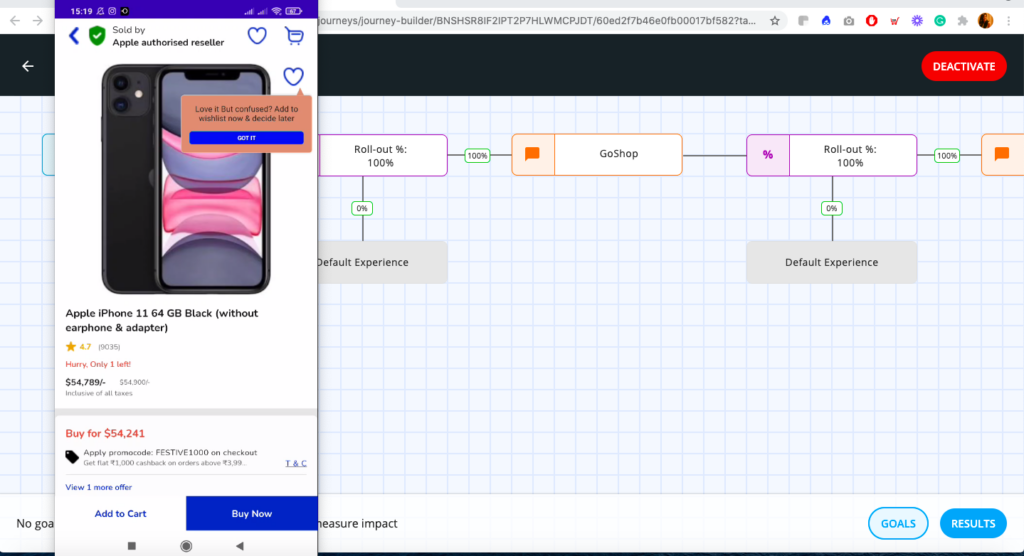
Netcore es una plataforma de automatización de marketing que ayuda a los hoteles a optimizar y simplificar campañas de marketing multicanal. Su capacidad para integrar varios canales de comunicación, como correo electrónico, redes sociales y aplicaciones móviles, la hace ideal para crear estrategias cohesivas de interacción con los huéspedes.
Por qué elegí Netcore: Al seleccionar esta herramienta, me llamó la atención la capacidad de Netcore para el marketing multicanal y su enfoque en la participación del cliente. Su capacidad para armonizar campañas en diferentes canales la diferencia de otras herramientas. La escogí como la 'Mejor para potenciar el engagement de huéspedes a través de campañas multicanal' debido a su completo conjunto de funciones que permiten una estrategia de comunicación de huéspedes unificada.
Características destacadas e integraciones:
Netcore ofrece funcionalidades como automatización del marketing por correo electrónico, integración con redes sociales y mensajería dentro de la app. Estas funciones permiten a las empresas crear experiencias fluidas y atractivas en todos los puntos de contacto con el cliente. En cuanto a integraciones, Netcore funciona con sistemas CRM populares, plataformas de comercio electrónico y herramientas de análisis de datos, lo que simplifica la gestión de datos y la ejecución de campañas.
Pros and Cons
Pros:
- Las capacidades de marketing multicanal potencian el engagement del cliente
- Amplia gama de integraciones con plataformas populares
- Herramientas avanzadas de automatización para una gestión eficiente de campañas
Cons:
- El precio puede ser elevado para pequeños negocios
- El amplio conjunto de funciones puede resultar abrumador para principiantes
- La efectividad de las campañas depende en gran medida de la planificación y ejecución estratégica
Thynk
Ideal para utilizar IA y analítica para comprender las preferencias de los huéspedes
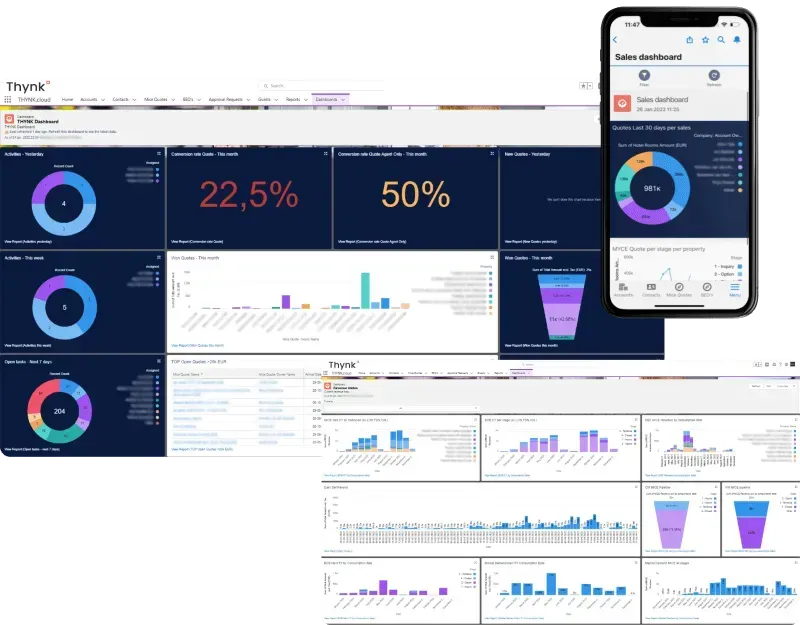
Thynk es una potente herramienta que aprovecha la inteligencia artificial y la analítica para ofrecer una comprensión en profundidad de las preferencias de los huéspedes. Procesa grandes cantidades de datos para producir recomendaciones accionables, permitiendo así a los hoteles brindar experiencias altamente personalizadas, lo que la convierte en la mejor opción para entender las preferencias de los huéspedes.
Por qué elegí Thynk: Seleccioné Thynk para esta lista debido a su excepcional capacidad para procesar e interpretar gran volumen de datos con inteligencia artificial y analítica. Su habilidad única para proporcionar ideas concretas que pueden mejorar significativamente la experiencia del huésped la hace destacar. Estas características, combinadas con el uso innovador de la IA, la convierten en la opción principal para comprender y atender las preferencias de los huéspedes.
Funciones destacadas e integraciones:
La capacidad de Thynk para ofrecer experiencias personalizadas utilizando IA y análisis de grandes datos es una de sus características más elogiadas. Además, se integra fácilmente con varios sistemas de gestión hotelera, incluyendo CRM y PMS, lo que proporciona una plataforma cohesiva de análisis de datos.
Pros and Cons
Pros:
- Amplio uso de IA y analítica para comprender las preferencias de los huéspedes
- Capacidades robustas de integración con varios sistemas de gestión hotelera
- Ofrece recomendaciones accionables para experiencias personalizadas de los huéspedes
Cons:
- El precio inicial elevado puede ser una barrera para pequeños negocios
- Puede requerir conocimientos técnicos para su máxima utilización
- Dependencia de la calidad de los datos para obtener recomendaciones precisas

Kipsu
Ideal para la comunicación digital en tiempo real con huéspedes
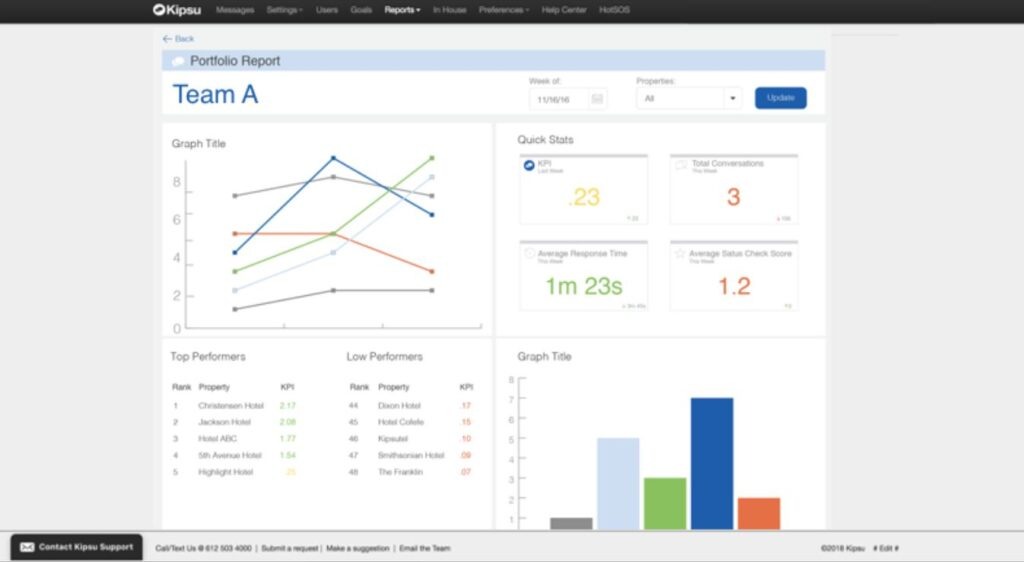
Kipsu es una herramienta centrada en el cliente que se enfoca principalmente en la comunicación digital en tiempo real con los huéspedes. Permite a los hoteles elevar la calidad de su servicio al fomentar conversaciones directas y personalizadas con los huéspedes, lo que la convierte en una opción ideal para la comunicación en tiempo real.
Por qué elegí Kipsu: Al decidir qué herramienta incluir para la comunicación en tiempo real, elegí Kipsu por sus amplias capacidades de mensajería y su compatibilidad con varias plataformas digitales. Lo que diferencia a Kipsu es su énfasis en facilitar interacciones inmediatas y directas entre el personal del hotel y los huéspedes, lo que considero que la hace la mejor para la comunicación en tiempo real con huéspedes.
Funciones y integraciones destacadas:
Entre las funciones más útiles de Kipsu se encuentran sus capacidades de mensajería multicanal, que permiten al personal interactuar con los huéspedes a través de SMS, mensajería en la aplicación, plataformas de redes sociales y más. Además, sus sólidas integraciones con varios sistemas de gestión hotelera (PMS) y plataformas de gestión de relaciones con clientes (CRM) garantizan un flujo de información sin interrupciones y una comunicación eficiente.
Pros and Cons
Pros:
- La mensajería multicanal facilita la comunicación en tiempo real
- Integraciones sólidas con plataformas PMS y CRM
- Mejora el servicio al cliente mediante respuestas inmediatas
Cons:
- El precio puede ser elevado para operaciones más pequeñas
- Requiere un personal activo y bien capacitado para un uso eficaz
- Algunas funciones pueden ser redundantes si el hotel ya utiliza un sistema CRM completo

GuestJoy
Ideal para ventas adicionales mediante comunicación previa atractiva con el huésped
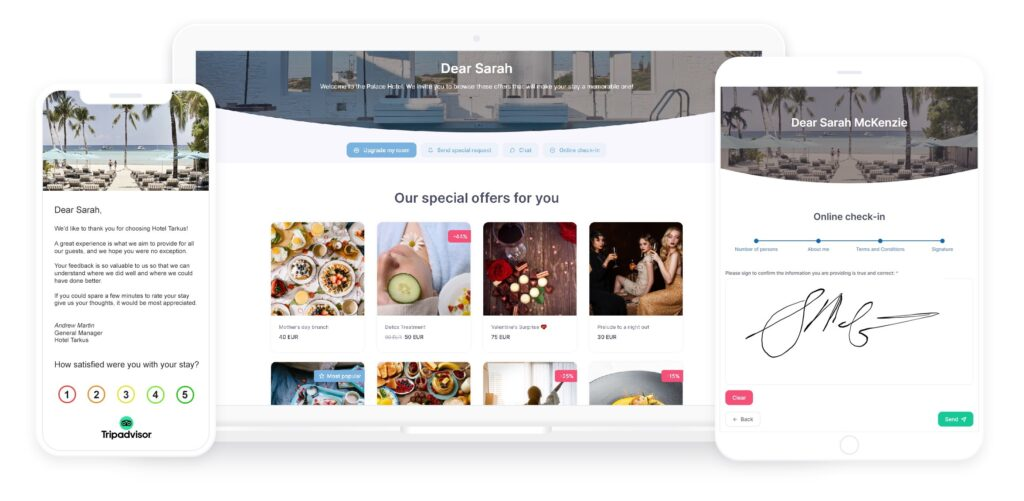
GuestJoy se centra en crear una comunicación atractiva con los huéspedes antes de su llegada, lo que ha demostrado ser eficaz para las ventas adicionales. Esta herramienta mejora tanto los ingresos del hotel como la satisfacción del huésped al personalizar el recorrido del cliente desde el principio.
Por qué elegí GuestJoy: En mi búsqueda de las herramientas de marketing ideales, GuestJoy llamó mi atención gracias a su enfoque en la comunicación previa a la estancia, una estrategia fantástica para ventas adicionales. Su énfasis en la fase previa a la llegada la distingue de muchas otras herramientas del mercado. Determiné que GuestJoy es la mejor para las ventas adicionales a través de una comunicación previa atractiva, debido a su dedicación para personalizar el recorrido del huésped desde el momento más temprano posible.
Características destacadas e integraciones:
La función de ventas adicionales previas a la estancia de GuestJoy es realmente única, permitiendo a los hoteles ofrecer mejoras de habitación, comodidades especiales o servicios extras incluso antes de la llegada de los huéspedes. Además, sus conocimientos basados en datos ayudan a los hoteleros a diseñar una comunicación con el huésped más impactante. Se integra perfectamente con los sistemas de gestión hotelera y motores de reservas, facilitando un intercambio de datos sin problemas.
Pros and Cons
Pros:
- Comunicación previa efectiva para ventas adicionales
- Perspectivas basadas en datos para una comunicación personalizada
- Buena variedad de integraciones con PMS y motores de reservas
Cons:
- La interfaz de usuario puede ser algo compleja para principiantes
- Soporte al cliente limitado fuera del horario laboral
- Los costes adicionales de las funciones premium pueden acumularse
Otros programas de marketing hotelero
A continuación encontrarás una lista de programas de marketing hotelero adicionales que preseleccionamos, pero que no llegaron a estar entre los 10 mejores. Sin duda, merece la pena echarles un vistazo.
- Experience
Mejor para campañas de email marketing personalizadas y perfilado de huéspedes
- SmartHost CRM
Ideal para gestionar las relaciones con los huéspedes mediante información impulsada por IA
- Bookboost
La mejor opción para impulsar reservas directas mediante mensajería con huéspedes
- For-Sight
Ideal para mejorar la experiencia del huésped mediante comunicaciones de marketing personalizadas


Cómo Evalúo el Software de Marketing Hotelero
Divido mi evaluación en dos capas: las capacidades básicas que toda herramienta debe tener—como integración con PMS y herramientas de reserva directa—y los diferenciadores que distinguen a las mejores opciones.
Funcionalidades Básicas (Condiciones mínimas para esta lista)
Al seleccionar las herramientas para mi lista, califico cada una en una escala del 0 (no ofrece la funcionalidad) al 5 (destaca en esta área) para cada funcionalidad básica que se menciona a continuación. Luego, calculo la puntuación total de la herramienta en porcentaje. Cada herramienta debe lograr una puntuación total mínima del 65% para ser considerada.
- Herramientas de Reserva Directa: Verifico si cada plataforma ofrece motores de reserva, widgets de comparación de precios y recuperación de abandono para ayudar a convertir visitantes en huéspedes directos.
- Gestión de Campañas Multicanal: Cada herramienta debe permitirte crear y automatizar campañas en email, SMS, redes sociales y metabuscadores desde un solo lugar.
- Segmentación de Huéspedes & Personalización: Busco la capacidad de segmentar huéspedes por comportamiento e historial de estancia, y luego personalizar ofertas—como paquetes de spa para viajeros de ocio recurrentes.
- Integración PMS/CRS: Evalúo la sincronización bidireccional en tiempo real con sistemas de gestión hotelera y de reservas, ya que la información obsoleta de huéspedes perjudica cualquier campaña.
- Analítica de Marketing & Atribución: Reviso qué tan bien una plataforma vincula campañas específicas con reservas y ingresos reales en lugar de solo reportar aperturas y clics.
- Marketing de Fidelización y Retención: Aquí evalúo los mensajes automáticos durante todo el ciclo del huésped—desde consejos previos a la llegada hasta solicitudes de reseñas post-estancia—y el soporte para programas de fidelidad o recompensas.
Una vez que tengo una lista de herramientas que cumplen estos criterios, considero qué distingue a cada plataforma.
Factores Diferenciadores (Qué Distingue a los Proveedores)
Así es como comparo y contrasto diferentes proveedores:
Características Destacadas
La gestión de metabuscadores es un gran diferenciador—busco herramientas que permitan gestionar pujas y listados en Google Hotel Ads, Trivago y TripAdvisor sin cambiar de plataforma. La gestión de la reputación y las opiniones también es importante aquí, ya que centralizar comentarios de huéspedes de OTAs en un solo panel ahorra horas de monitoreo manual. También evalúo las capacidades de upselling, como ofertas automáticas previas a la llegada para mejorar de habitación o paquetes de spa, que aumentan los ingresos adicionales por huésped.
Más Allá de las Características
El tipo de propiedad y la adecuación al portafolio es uno de los primeros aspectos que considero. Un hotel boutique independiente tiene necesidades muy diferentes a las de un grupo de 20 propiedades, y algunas plataformas manejan mucho mejor los paneles multi-propiedad que otras. El modelo de precios también importa—verifico si los proveedores cobran por propiedad, por habitación o por comisión, ya que eso afecta directamente el ROI en diferentes escalas. También evalúo las integraciones del ecosistema tecnológico hotelero, especialmente los conectores PMS nativos para sistemas como Opera o Mews, porque una herramienta de marketing solo es tan buena como los datos de huéspedes que la alimentan.
Cómo elegir un programa de marketing hotelero
Es fácil perderse entre largas listas de funciones y complejas estructuras de precios. Para ayudarte a mantenerte centrado mientras avanzas en tu proceso único de selección de software, aquí tienes una lista de factores que debes tener en cuenta:
| Factor | Qué debes tener en cuenta |
|---|---|
| Escalabilidad | ¿El programa crecerá junto con tu hotel? Considera la expansión futura y si la herramienta puede gestionar un aumento de las reservas y de las necesidades de marketing. |
| Integraciones | ¿Se conecta con tus sistemas actuales, como PMS o CRM? Asegúrate de que permita un flujo de datos fluido entre las distintas plataformas que ya utilizas. |
| Personalización | ¿Puedes adaptar la herramienta a tus flujos de trabajo específicos? Busca flexibilidad en las plantillas, los informes y la configuración de campañas para satisfacer tus necesidades particulares. |
| Facilidad de uso | ¿El programa es intuitivo para tu equipo? Ten en cuenta la curva de aprendizaje y si el personal puede adaptarse rápidamente sin una formación exhaustiva. |
| Implementación e incorporación | ¿Cuánto tiempo tardarás en empezar? Evalúa el proceso de configuración, la asistencia disponible y recursos como los materiales de formación para garantizar una transición fluida. |
| Coste | ¿Cómo encaja el precio en tu presupuesto? Compara los modelos de suscripción, las tarifas ocultas y si el valor se ajusta a tus limitaciones económicas. |
| Medidas de seguridad | ¿Existen medidas de seguridad sólidas? Comprueba el cifrado de datos, los controles de acceso de los usuarios y el cumplimiento de las normativas pertinentes para proteger los datos de los huéspedes. |
| Disponibilidad de asistencia | ¿Hay ayuda disponible cuando la necesitas? Considera el horario de asistencia del proveedor, los canales disponibles y los tiempos de respuesta para asegurarte de recibir ayuda cuando la necesites. |
¿Qué es un programa de marketing hotelero?
El software de marketing hotelero es una herramienta diseñada para ayudar a los hoteles a gestionar sus actividades de marketing de manera más eficaz. Los gerentes de hoteles, los equipos de marketing y los profesionales de ventas suelen utilizar estas herramientas para aumentar las reservas y mejorar la interacción con los huéspedes.
Funciones como la gestión de reservas en línea, la comunicación con los huéspedes y el seguimiento de campañas ayudan a mejorar el flujo de trabajo y la toma de decisiones. En general, estas herramientas ofrecen un apoyo valioso para aumentar la visibilidad y las tasas de ocupación de un hotel.
Funciones
Al seleccionar un software de marketing hotelero, presta atención a las siguientes funciones clave:
- Gestión de reservas en línea: Simplifica el proceso de gestión de reservas y garantiza una asignación eficiente de las habitaciones.
- Comunicación con los huéspedes: Mejora la interacción con los huéspedes mediante correos electrónicos, SMS y chats automatizados, lo que aumenta la satisfacción del cliente.
- Seguimiento de campañas: Supervisa el rendimiento de las campañas de marketing para optimizar las estrategias y aumentar las reservas.
- Capacidades de integración: Se conecta sin problemas con sistemas existentes como PMS y CRM para garantizar un flujo de datos fluido.
- Plantillas personalizables: Permite adaptar los materiales de marketing y los informes a las necesidades específicas y la imagen de marca del hotel.
- Panel de análisis: Ofrece información sobre el rendimiento del marketing mediante la visualización de datos, lo que facilita la toma de decisiones.
- Compatibilidad con varios idiomas: Amplía el alcance al atender a diversos grupos demográficos de huéspedes con distintas preferencias lingüísticas.
- Integración con redes sociales: Permite gestionar y supervisar directamente los canales de redes sociales para impulsar la presencia en línea.
- Personalización basada en IA: Ofrece experiencias personalizadas para los huéspedes basadas en información obtenida de los datos, lo que mejora su fidelidad.
- Medidas de seguridad: Protege los datos de los huéspedes mediante cifrado y controles de acceso, garantizando el cumplimiento de las normativas.
Beneficios
La implementación de un software de marketing hotelero ofrece varios beneficios para tu equipo y tu negocio. Estos son algunos de los que puedes esperar:
- Más reservas: El marketing automatizado y la gestión de reservas ayudan a llenar más habitaciones de manera eficiente.
- Mayor satisfacción de los huéspedes: Las herramientas de comunicación mejoradas garantizan que los huéspedes se sientan valorados e informados.
- Mejor toma de decisiones: Los paneles de análisis ofrecen información que impulsa estrategias de marketing más eficaces.
- Ahorro de tiempo: La automatización de las tareas rutinarias permite que tu equipo se concentre en actividades más estratégicas.
- Mayor alcance: La compatibilidad con varios idiomas y la integración con redes sociales atraen a un público más amplio.
- Personalización mejorada: Las funciones basadas en IA adaptan las experiencias a cada huésped, lo que aumenta su fidelidad.
- Seguridad de los datos: Las sólidas medidas de seguridad protegen la información de los huéspedes, manteniendo la confianza y el cumplimiento normativo.
Costes y precios
Seleccionar un software de marketing hotelero requiere comprender los diversos modelos de precios y planes disponibles. Los costes varían según las funciones, el tamaño del equipo, los complementos y otros factores. La siguiente tabla resume los planes habituales, sus precios medios y las funciones que suelen incluir las soluciones de software de marketing hotelero:
Tabla comparativa de planes de software de marketing hotelero
| Tipo de plan | Precio medio | Funciones habituales |
|---|---|---|
| Plan gratuito | $0 | Gestión básica de reservas, comunicación limitada con los huéspedes e informes básicos. |
| Plan personal | $10-$30/usuario/mes | Herramientas de comunicación mejoradas, seguimiento de campañas y capacidades de integración. |
| Plan empresarial | $50-$100/usuario/mes | Análisis avanzados, plantillas personalizables e integración con redes sociales. |
| Plan corporativo | $150-$300/usuario/mes | Personalización basada en IA, compatibilidad con varios idiomas y servicios de asistencia especializados. |
Lo siguiente:
Si estás investigando software de marketing hotelero, contacta gratis con un asesor de SoftwareSelect para recibir recomendaciones.
Rellenas un formulario y mantienes una breve conversación en la que conocerán los detalles específicos de tus necesidades. Después, recibirás una lista breve de programas para revisar. Incluso te ayudarán durante todo el proceso de compra, incluidas las negociaciones de precios.