

Hotel payment systems are software tools that handle guest payments, deposits, and refunds across your direct and OTA channels. When your front desk team is juggling bookings, group deposits, and multi-currency transactions, you need payment solutions that just work—no tangled workflows, no dropped virtual cards, no headaches for guests or staff. This guide covers the best hotel payment systems for 2026, including options built for PMS integration, OTA automation, and enterprise-scale needs. You’ll get practical insights to help you match the right system to your property, cut out manual hassle, and keep every payment touchpoint secure and easy—for you and your guests.
Why Trust Our Software Recommendations
6,700+
Reviews
20
Industry experts
16+
Evaluation factors
14
Years
Our team has been testing and reviewing software since 2012. As hospitality leaders ourselves, we know how difficult—and important—it is to choose the right software.
For this guide, we evaluated tools using hands-on testing and independent research, scoring tools using our selection criteria.
Our reviews reflect our human editorial judgment, not a sales pitch.
Comparison Table: Hotel Payment Systems
Compare pricing and specs side by side for the hotel payment systems that made it onto my shortlist.
| Tool | Best For | Trial Info | Price | ||
|---|---|---|---|---|---|
| 1 | Best for all-in-one PMS and payment stack | Free demo available | Pricing upon request | Website | |
| 2 | Best for international hotel groups with DCC needs | Not available | Pricing upon request | Website | |
| 3 | Best for OTA virtual card auto-processing | Free demo available | Pricing upon request | Website | |
| 4 | Best for OTA virtual card and pre-auth automation | Free plan available | From $49/month | Website | |
| 5 | Best for Amadeus-native hotel payment coverage | Free demo available | Pricing upon request | Website | |
| 6 | Best for API-driven multi-currency hotel payments | Not available | From $620/month | Website | |
| 7 | Best for hotels on Oracle Opera at scale | Not available | Pricing upon request | Website | |
| 8 | Best for unified hotel payments at enterprise scale | Free demo available | Pricing upon request | Website | |
| 9 | Best for DCC and PMS-connected hotel payments | Not available | Pricing upon request | Website | |
| 10 | Best for Oracle-certified hotel payment processing | Not available | Pricing upon request | Website |


Hotel Payment Systems Reviews
Below are my detailed summaries of the best hotel payment systems that made it onto my shortlist. My reviews offer a detailed look at the features, integrations, and best use cases of each system to help you find the best one for you.
 Best for all-in-one PMS and payment stack
- Free demo available
- Pricing upon request
Visit WebsiteCustomer Rating:4.3/5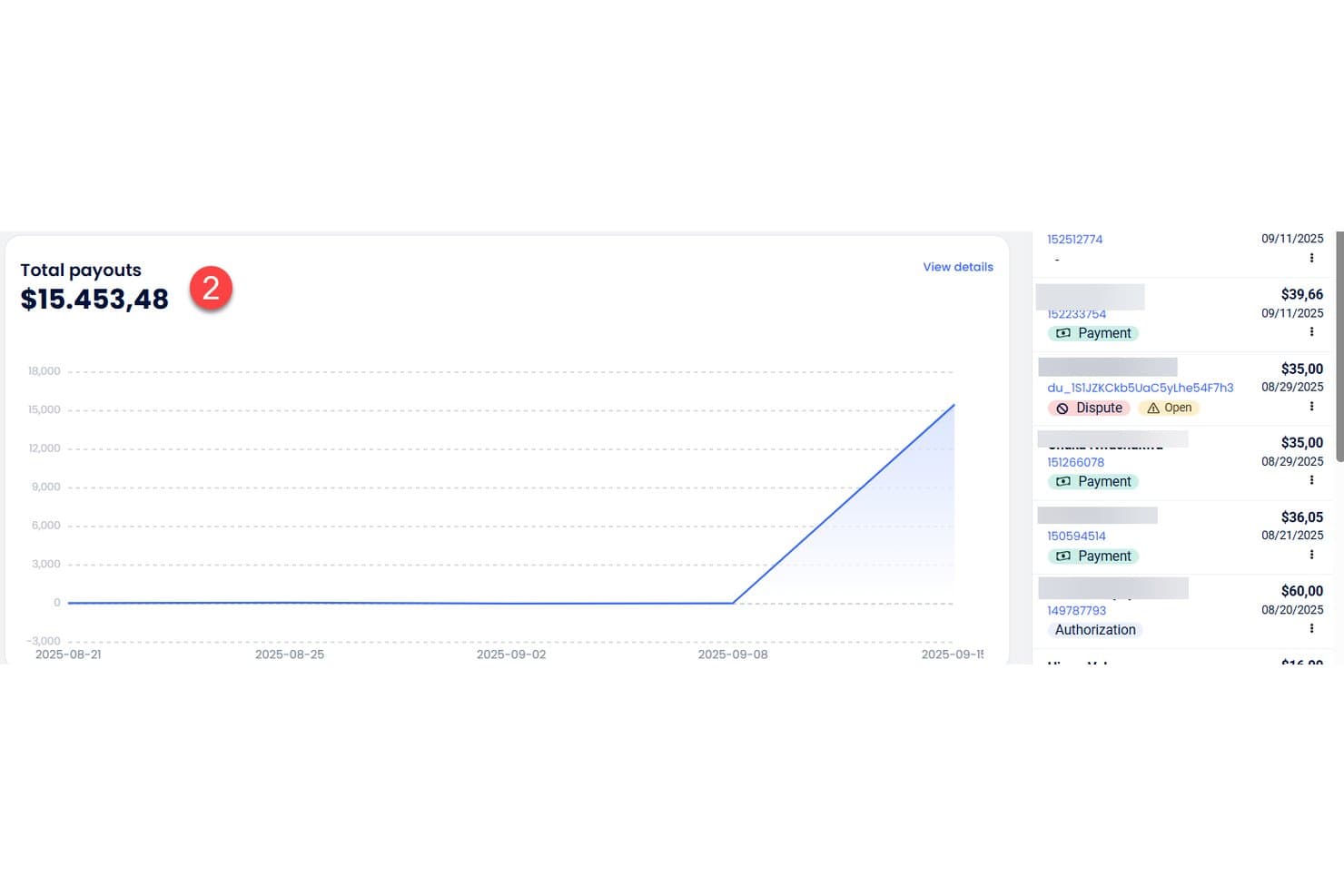
Cloudbeds tracks total payouts and transaction history in one dashboard. Cloudbeds is a hospitality platform that combines a full property management system with a native payment layer, covering in-person terminals, Pay-by-Link, mobile wallets, BNPL, OTA virtual card handling, and automated deposit and pre-authorization workflows.
Who Is Cloudbeds Best For?
Cloudbeds is a natural fit for independent hotels, boutique properties, hostels, and small-to-mid multi-property groups that want a single platform to handle reservations, operations, and payments without stitching together separate systems.
Why I Picked Cloudbeds
I picked Cloudbeds as one of the best because the payment layer isn't bolted on—it's the same system as the PMS, which means card charges post directly to guest folios in real time, with no sync delays or manual reconciliation. I particularly like how OTA virtual credit cards from Booking.com and Expedia display activation windows right inside the reservation record, cutting front-desk keying errors on OTA bookings. The Pay-by-Link feature also lets you collect deposits or no-show fees via email or SMS before a guest ever arrives.
Cloudbeds Key Features
- PCI DSS Level 1 tokenization vault: Card data is replaced with tokens stored in a secure vault, with tokens retained in reservation records for up to 30 days post-checkout.
- Centralized dispute dashboard: Tracks chargeback statuses, deadlines, and evidence submission workflows from a single view within the Cloudbeds Payments portal.
- Cost+ and blended rate pricing models: Properties choose between a fixed blended rate for predictable reconciliation or interchange-plus pricing for volume-heavy operations with a domestic card mix.
- Multi-property payment dashboard: Allocates payments across group folios, room blocks, and master accounts from a centralized management view.
Cloudbeds Integrations
Cloudbeds connects with 450+ marketplace partners across POS, CRS, CRM, payment gateways, and guest services, including Booking.com, Expedia, Airbnb, Stripe, and PayPal Payflow. An open API supports custom integrations.
Pros and Cons
Pros:
- Dispute dashboard shows chargeback statuses
- Built-in OTA virtual card handling
- Payments post directly to guest folios
Cons:
- Dynamic currency conversion not available
- Payment system only works with Cloudbeds PMS
 Best for international hotel groups with DCC needs
- Not available
- Pricing upon request
Visit WebsiteCustomer Rating:4.3/5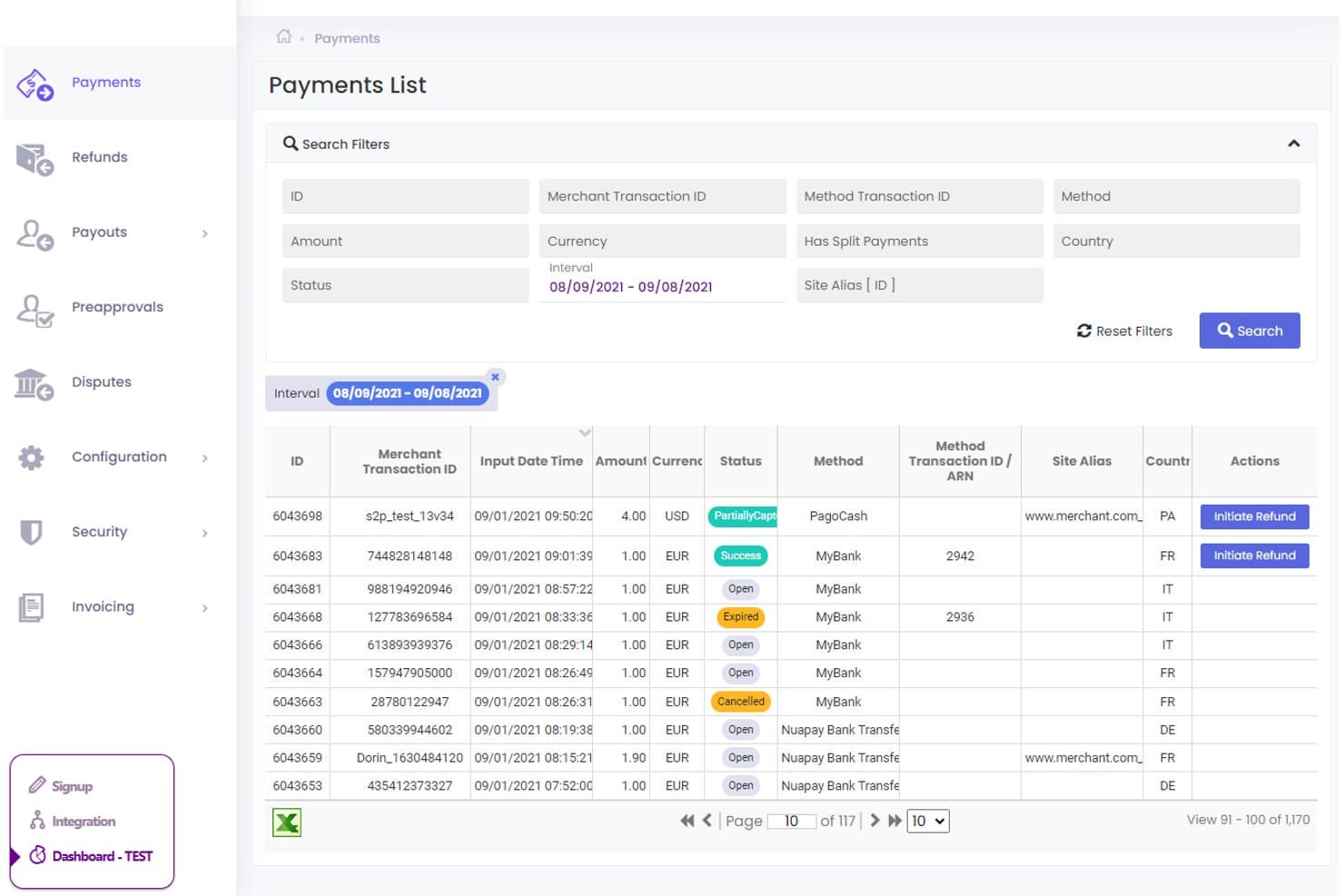
Nuvei lets users filter and review paginated payment transactions. Nuvei is a global payment infrastructure platform that handles multi-currency processing, dynamic currency conversion, omnichannel payment acceptance, tokenization, and chargeback management for hotel operators.
Who Is Nuvei Best For?
Nuvei is a strong fit for multi-property and international hotel groups that process high volumes of foreign card transactions and need local acquiring across multiple markets.
Why I Picked Nuvei
Nuvei earns its spot on my shortlist because of how well it handles dynamic currency conversion at scale, which is genuinely rare in this category. When a guest pays with a foreign card, Nuvei's DCC and multi-currency pricing (MCP) tools let you capture FX revenue in real time, both at the terminal and online, across 150 currencies and 52+ local acquiring markets. I also rate its Chargeback Resolve platform highly, with Verifi and Ethoca integrations that let you respond to disputes before they formally clear.
Nuvei Key Features
- Pay-by-link payments: Send branded payment requests via hyperlink, SMS, or QR code to collect pre-arrival deposits, no-show fees, or damage charges remotely.
- Payment orchestration and smart routing: Route transactions across multiple acquirers with configurable retry logic to recover declined authorizations and improve approval rates.
- Omnichannel terminal hardware: Accept in-person payments via EMV-certified, contactless, and portable terminals with WiFi, 4G, and Bluetooth connectivity across front desk and F&B touchpoints.
- 600+ alternative payment methods: Accept local and alternative payment methods across 190+ markets through a single integration, covering the full range of international guest preferences.
Nuvei Integrations
Native PMS integrations are not clearly documented, but Nuvei supports custom connectivity through REST APIs, SDKs, hosted payment pages, and multiple POS configurations. Documented integrations include Visa Verifi, Mastercard Ethoca, Apple Pay, Google Pay, and PayPal.
Pros and Cons
Pros:
- Chargeback tools integrate with Verifi and Ethoca
- Dynamic currency conversion boosts FX revenue
- Supports 150 currencies and 600+ payment methods
Cons:
- Customer reviews cite surprise contract fees
- No public list of PMS integrations
Learn more about Nuvei: Best for OTA virtual card auto-processing
- Free demo available
- Pricing upon request
Visit WebsiteCustomer Rating:4.5/5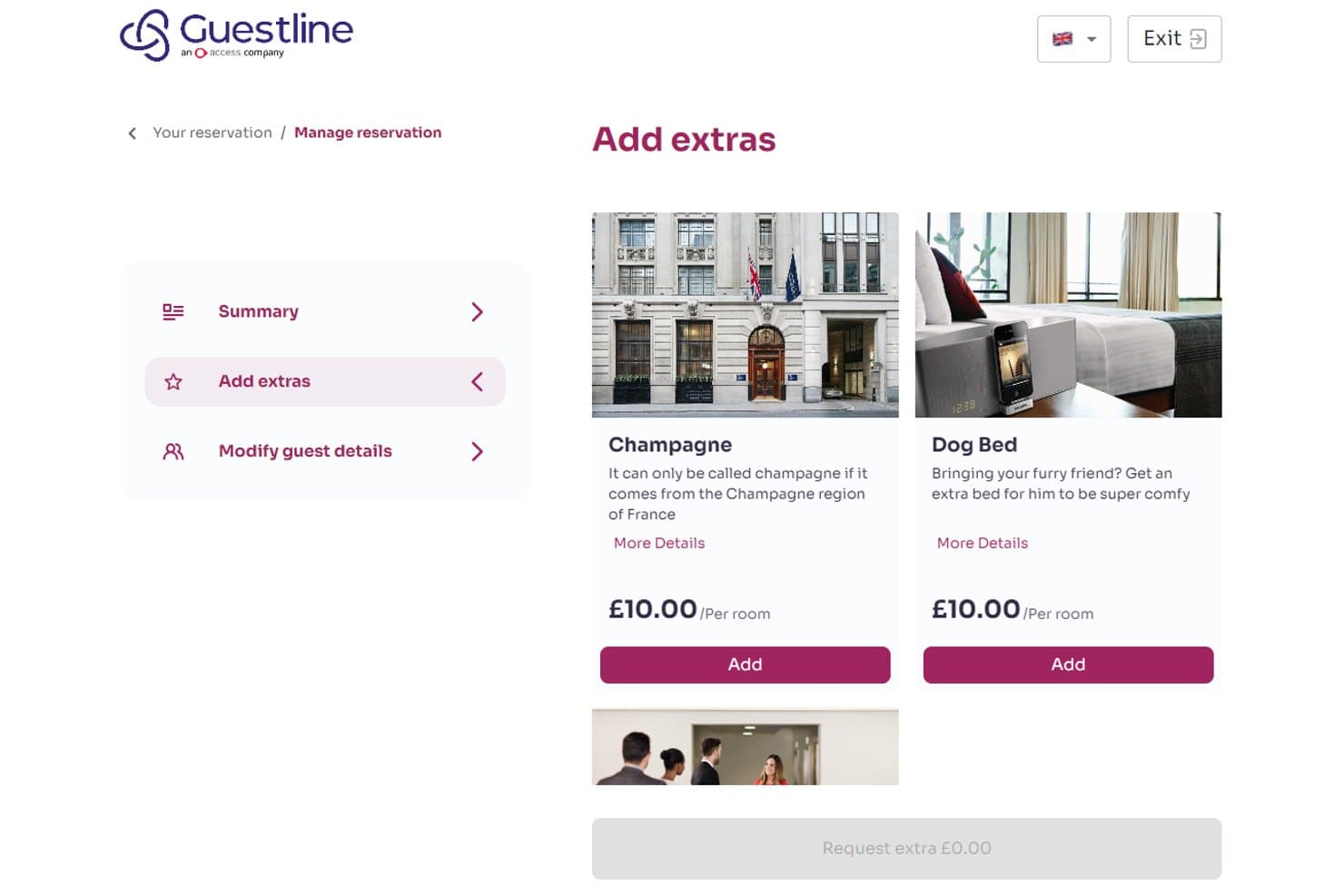
Guestline lets guests add paid extras like champagne or dog beds to reservations. GuestPay by Guestline is a hotel-specific payment gateway that handles omnichannel payment processing—covering chip & PIN terminals, OTA virtual cards, digital wallets, PayLink pre-arrival payments, and self-service kiosk checkouts—within a single platform built around the Rezlynx PMS.
Who Is Guestline Best For?
GuestPay is a strong fit for UK and European hotel groups running Rezlynx PMS that handle high OTA booking volumes and want payment processing built directly into their existing property management workflow.
Why I Picked Guestline
I picked Guestline as one of the best because of how it handles OTA virtual cards automatically. When a Booking.com or Expedia reservation arrives, GuestPay detects and processes the virtual card without any manual keying at the front desk, saving roughly 15 minutes per OTA booking. I also like the PayLink feature, which sends branded, secure payment links for pre-arrival deposits and reportedly recovers up to 9% of previously abandoned bookings.
Guestline Key Features
- GuestPay Hub dashboard: A centralized portal that displays real-time alerts for suspended payments, overdue PayLinks, and unreleased pre-authorizations across all properties in one view.
- Incremental pre-authorization: Extend or top up existing pre-authorizations for incidentals directly within the PMS, with automatic release when the guest checks out.
- Rate-type-driven payment rules: Configure payment collection rules by rate type, so non-refundable bookings trigger full upfront capture while flexible rates hold card details only.
- GuestStay self-service kiosk integration: Process check-in and checkout payments through self-service kiosks that post directly to the guest folio in Rezlynx PMS.
Guestline Integrations
Guestline offers native integrations with Rezlynx PMS, Guestline Booking Engine, Channel Manager, EPoS, GuestStay kiosks, Access Evo, Revenue Management System, and Catering & Events Management. Third-party PMS connections are available through HiPPo Hosted Payment Pages.
Pros and Cons
Pros:
- Centralized multi-property payment reporting
- Deep PMS integration with Rezlynx ecosystem
- Virtual card automation for OTA bookings
Cons:
- Advanced features mostly tied to Rezlynx PMS
- No native dynamic currency conversion support
Learn more about Guestline: Best for OTA virtual card and pre-auth automation
- Free plan available
- From $49/month
Visit WebsiteCustomer Rating:2.5/5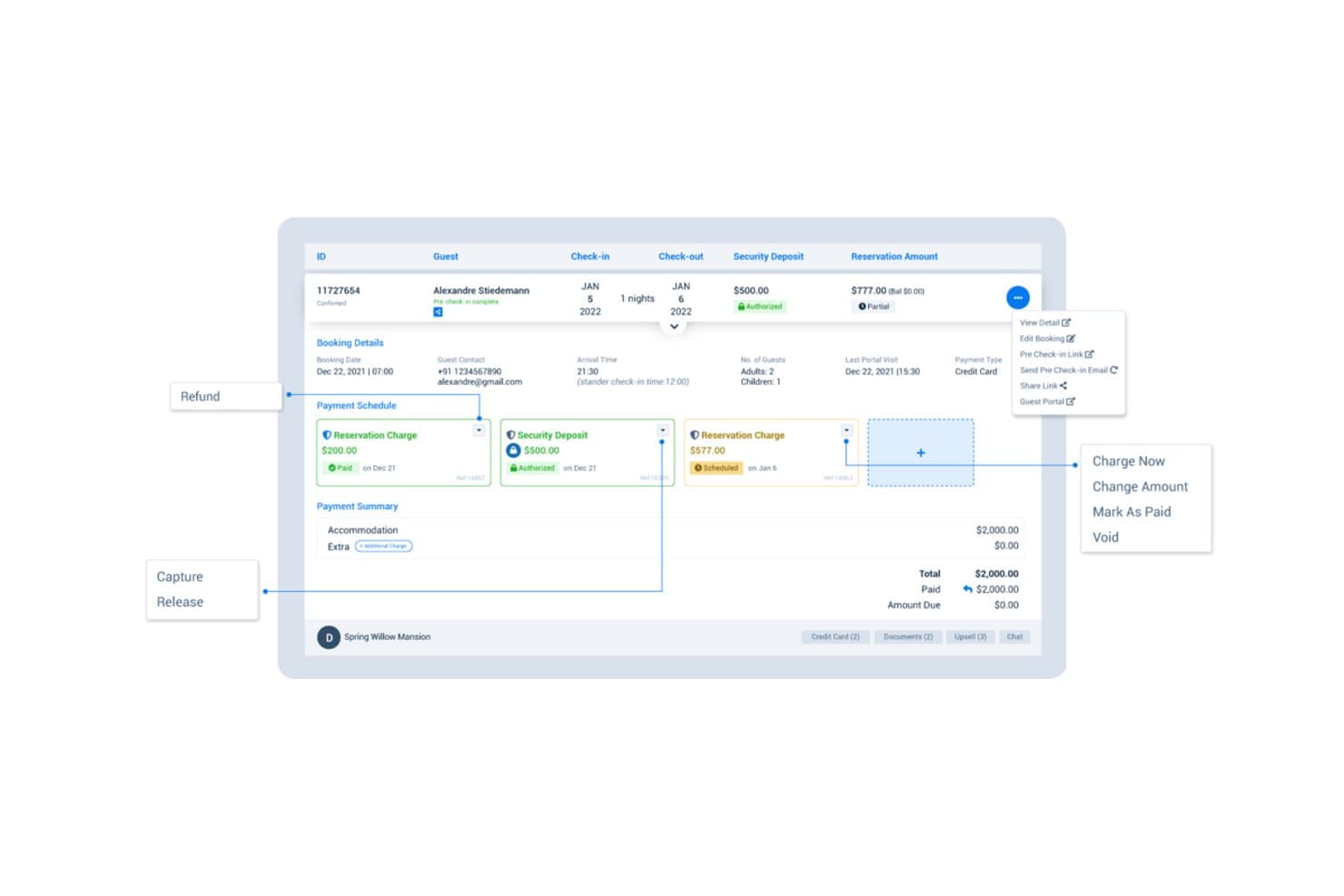
Charge Automation manages payments, deposits, and schedules from one dashboard. Charge Automation is a hotel payment automation platform that handles deposit collection, pre-authorization, OTA virtual card processing, online check-in, and fraud protection across 50+ PMS integrations and 120+ payment gateways.
Who Is Charge Automation Best For?
Charge Automation is a strong fit for independent hotels, boutique properties, and aparthotels that rely heavily on OTA bookings and need to automate virtual card processing without adding front desk workload.
Why I Picked Charge Automation
I picked Charge Automation as one of the best because it handles the two things that eat up the most front desk time at OTA-heavy properties: virtual card processing and pre-authorization management. The platform auto-detects virtual cards from Booking.com and Expedia bookings and processes them without any manual keying, while its pre-auth engine holds, updates, and releases security deposits automatically based on rules you set by booking source or property.
Charge Automation Key Features
- Zero Fraud Guarantee: Charge Automation combines 3DS2 authentication, biometric ID verification, and e-signed rental agreements to build a dispute evidence trail and cover 100% of fraudulent chargebacks.
- Biometric guest screening: Guests upload a government ID and live selfie, which the platform matches using facial recognition and flags for review before check-in.
- Split payment scheduling: Collect a deposit upfront and automatically charge the remaining balance a set number of days before arrival, with each line item posted back to your PMS separately.
- Upsell engine: Embed early check-in, late checkout, and other add-ons directly into the pre-arrival payment flow, with instant purchase or host-approval options configurable by property or room type.
Charge Automation Integrations
Charge Automation offers 50+ integrations, including Cloudbeds, Mews, Guesty, Hostaway, Eviivo, Stripe, Adyen, Shift4, and Authorize.NET. It supports custom connections through its API and Zapier.
Pros and Cons
Pros:
- Includes biometric guest ID verification
- Full pre-authorization and deposit lifecycle automation
- Automates OTA virtual card processing workflows
Cons:
- Limited compatibility with enterprise hotel PMS platforms
- No built-in support for on-property terminals
Learn more about Charge Automation: Best for Amadeus-native hotel payment coverage
- Free demo available
- Pricing upon request
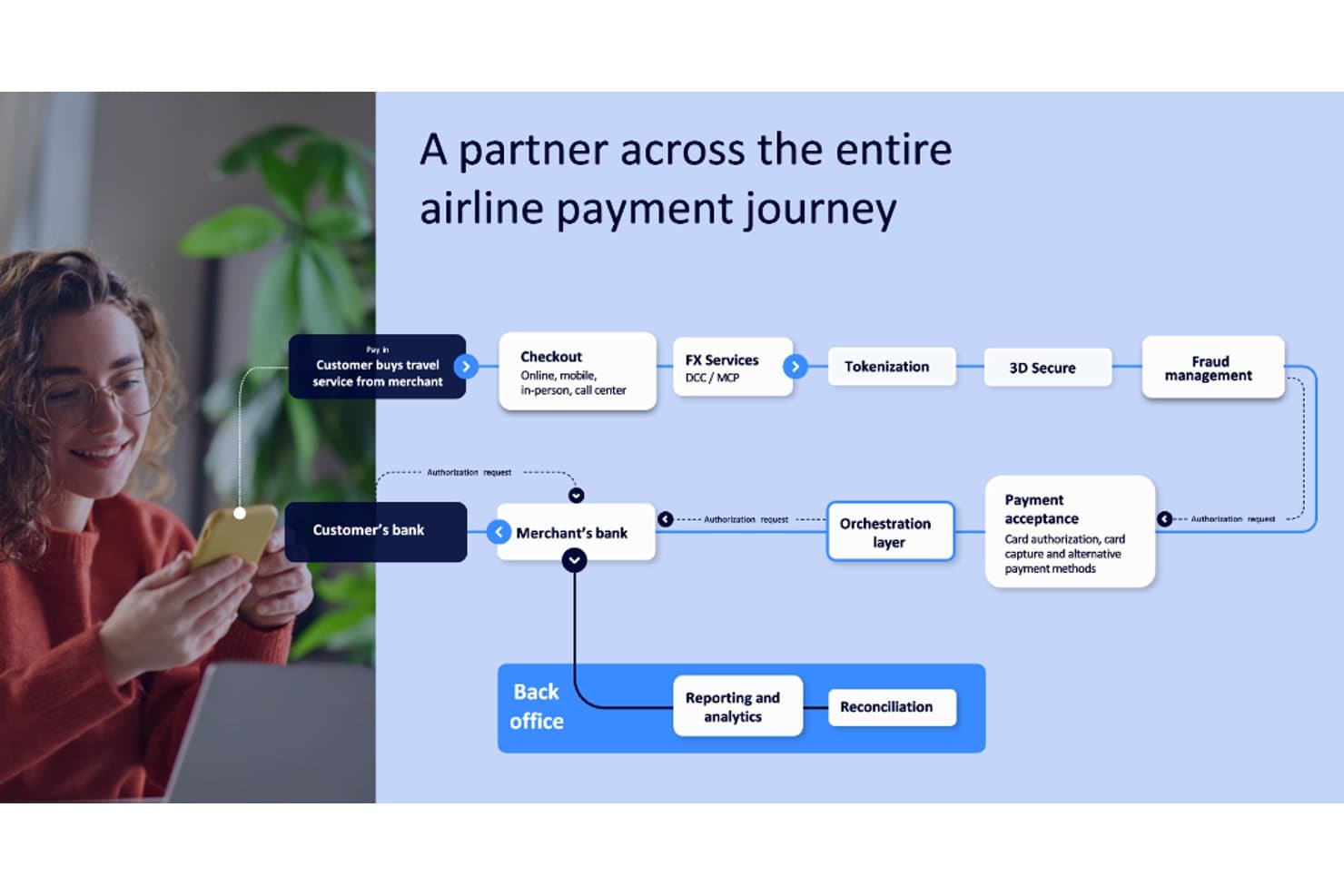
Outpayce maps the end-to-end airline payment journey for merchants. Outpayce is a travel-native payment orchestration platform from Amadeus that covers guest payment acceptance, multi-currency processing, tokenization, fraud screening, and B2B virtual card receiving for hotels.
Who Is Outpayce Best For?
Outpayce is the strongest fit for hotels and hotel groups already running on Amadeus systems—particularly iHotelier, CRS, or GDS—who want payment acceptance built into the infrastructure they already use.
Why I Picked Outpayce
Outpayce earns its spot on my list because it's built directly into the Amadeus stack, meaning hotels running iHotelier or Amadeus CRS get payment acceptance without bolting on a separate vendor. I particularly like its travel-specific tokenization, which can cut PCI DSS compliance scope by up to 75% across booking, in-property, and post-stay touchpoints. Its 3DS 2 Travel authentication pairs fraud signals with Amadeus travel data to reduce false declines and shift chargeback liability on card-not-present transactions.
Outpayce Key Features
- Pay-by-Link: Send secure payment requests to guests via SMS, email, or QR code for deposits, no-show fees, and damage charges.
- B2B Wallet: A multi-currency virtual card payment solution that lets OTAs and travel agencies pay your hotel with chargeback protection and a 0.80% FX fee on cross-currency transactions.
- XPP acquirer marketplace: A single API integration gives hotels access to 300+ global acquirers and 720+ local payment methods without managing separate acquirer relationships.
- Merchant Portal: A centralized dashboard for monitoring payment transactions and accessing reporting across all channels.
Outpayce Integrations
Outpayce integrates with Amadeus iHotelier Booking Engine, Call Center, CRS, GDS, and Value Hotels. Its XPP marketplace connects hotels with partners including Stripe, Adyen, Nuvei, Planet, Juspay, SUNRATE, HSBC, Riskified, and Hands In, with APIs available for custom integrations.
Pros and Cons
Pros:
- Hospitality-focused fraud and chargeback tools
- Travel-specific tokenization reduces PCI audit work
- Built directly into Amadeus hotel systems
Cons:
- Hotel-specific workflows are still developing
- No certified integrations with major third-party PMS
Learn more about Outpayce: Best for API-driven multi-currency hotel payments
- Not available
- From $620/month
Visit WebsiteCustomer Rating:4.6/5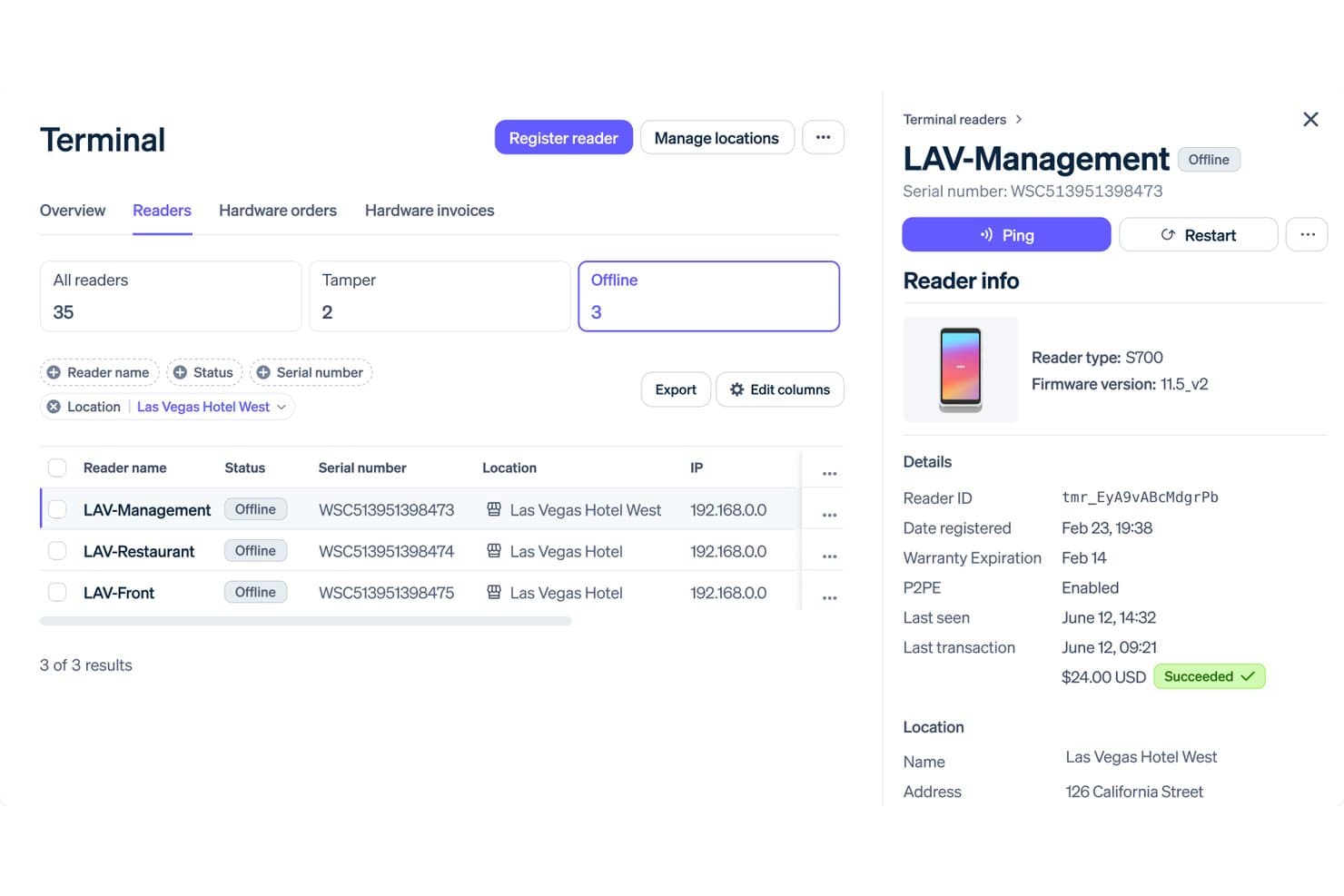
Stripe lets hotel staff monitor and manage payment terminals by location. Stripe is an API-first payment processing platform that handles online and in-person card acceptance, multi-currency transactions, fraud prevention, and automated deposit and pre-authorization flows across 195 countries.
Who Is Stripe Best For?
Stripe is a strong fit for tech-forward independent hotels and boutique groups with developer resources who want to build a custom payment stack on a flexible, API-first infrastructure.
Why I Picked Stripe
I've included Stripe in my top picks because its API-first architecture makes it genuinely the best option for hotels that need to accept payments in 135+ currencies across 195 countries, with local acquiring in 46 markets reducing cross-border fees on international cards. I particularly like its incremental authorization support, which lets you extend or increase holds mid-stay without recapturing card details, and Radar's AI fraud detection trained on 70 trillion data points, which averages a 32% reduction in fraud across the network.
Stripe Key Features
- PCI DSS Level 1 compliance: Stripe handles card data storage and encryption with AES-256, removing PCI audit burden from your hotel's systems.
- Stripe Terminal hardware: Accept in-person payments via the S700/S710 countertop readers or the M2 mobile reader across 39 markets.
- Payment Links: Generate shareable, no-code payment links via email, SMS, or QR code for collecting deposits or no-show fees before arrival.
- Stripe Connect multi-entity settlement: Route payments, deduct franchise fees, and settle across multiple properties from a single platform-level configuration.
Stripe Integrations
Stripe has documented integrations with Clock PMS+, RoomKeyPMS, Cloudbeds, Sirvoy, SiteMinder Payments, Guesty, and 25+ additional hospitality platforms through HotelMinder. Stripe also offers APIs, webhooks, SDKs, and Stripe Connect for custom PMS, booking engine, and multi-property integrations.
Pros and Cons
Pros:
- PCI-certified with advanced fraud tools
- Supports incremental card holds during stay
- Handles 135+ currencies for global guests
Cons:
- No consolidated group-level property reporting
- No native OTA virtual card automation
Learn more about Stripe: Best for hotels on Oracle Opera at scale
- Not available
- Pricing upon request
Visit WebsiteCustomer Rating:4.4/5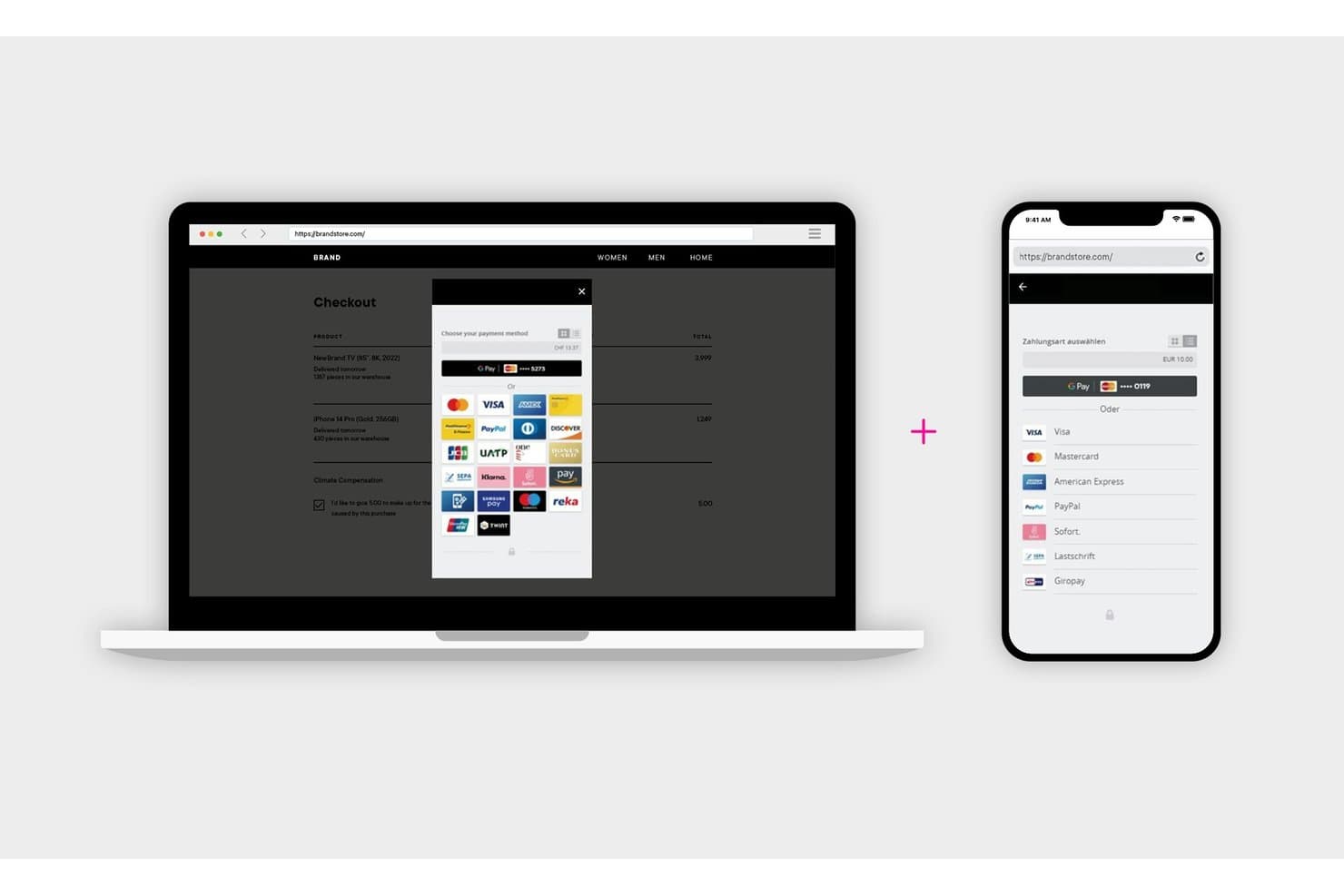
Planet supports multiple payment methods at checkout across desktop and mobile. Planet is a hotel payment platform that combines in-person and online payment processing, dynamic currency conversion, Pay-by-Link, card tokenization, and native PMS integration through its own Protel Cloud and HotSoft systems, as well as Oracle Opera.
Who Is Planet Best For?
Planet is a strong fit for enterprise hotel groups running Oracle Opera PMS across multiple properties, especially those with a high volume of international guests.
Why I Picked Planet
Planet earns its spot on my shortlist because of how deeply it embeds into Oracle Opera at the infrastructure level, not just as a bolt-on. Through its OPI Cloud integration, payment amounts post directly from Opera folios to the terminal in one click, removing manual keying entirely. I also rate its Pay-by-Link feature highly: links tie directly to Opera reservation IDs, so collecting pre-arrival deposits or charging no-show fees happens without any front desk involvement.
Planet Key Features
- Dynamic currency conversion: Lets international guests pay in their home currency at the point of sale, with Planet guaranteeing a better rate than the card issuer or refunding the difference up to 150%.
- Universal Token Vault: Captures and stores card tokens from any channel in a single, format-consistent vault, so guest cards can be reused across in-person, online, and Pay-by-Link transactions without re-handling raw card data.
- Multi-currency pricing: Displays prices in 137+ currencies across 152 countries throughout the entire guest booking and payment journey, processed via the Datatrans gateway.
- Offline processing mode: Captures transactions locally when network connectivity drops and processes them automatically once the connection is restored.
Planet Integrations
Planet has native integrations with Protel Cloud PMS and HotSoft PMS, plus validated Oracle Opera and Oracle Simphony integrations. Its Protel Marketplace offers 1,100+ hospitality integrations, including SiteMinder, Bookassist, Canary, and dailypoint, with API options for custom connections.
Pros and Cons
Pros:
- Dynamic currency conversion with revenue share
- One-click folio posting to payment terminal
- Fully integrated PMS and payment platform
Cons:
- Support responsiveness inconsistent after migration
- No transparent or published pricing available
Learn more about Planet: Best for unified hotel payments at enterprise scale
- Free demo available
- Pricing upon request
Visit WebsiteCustomer Rating:3.8/5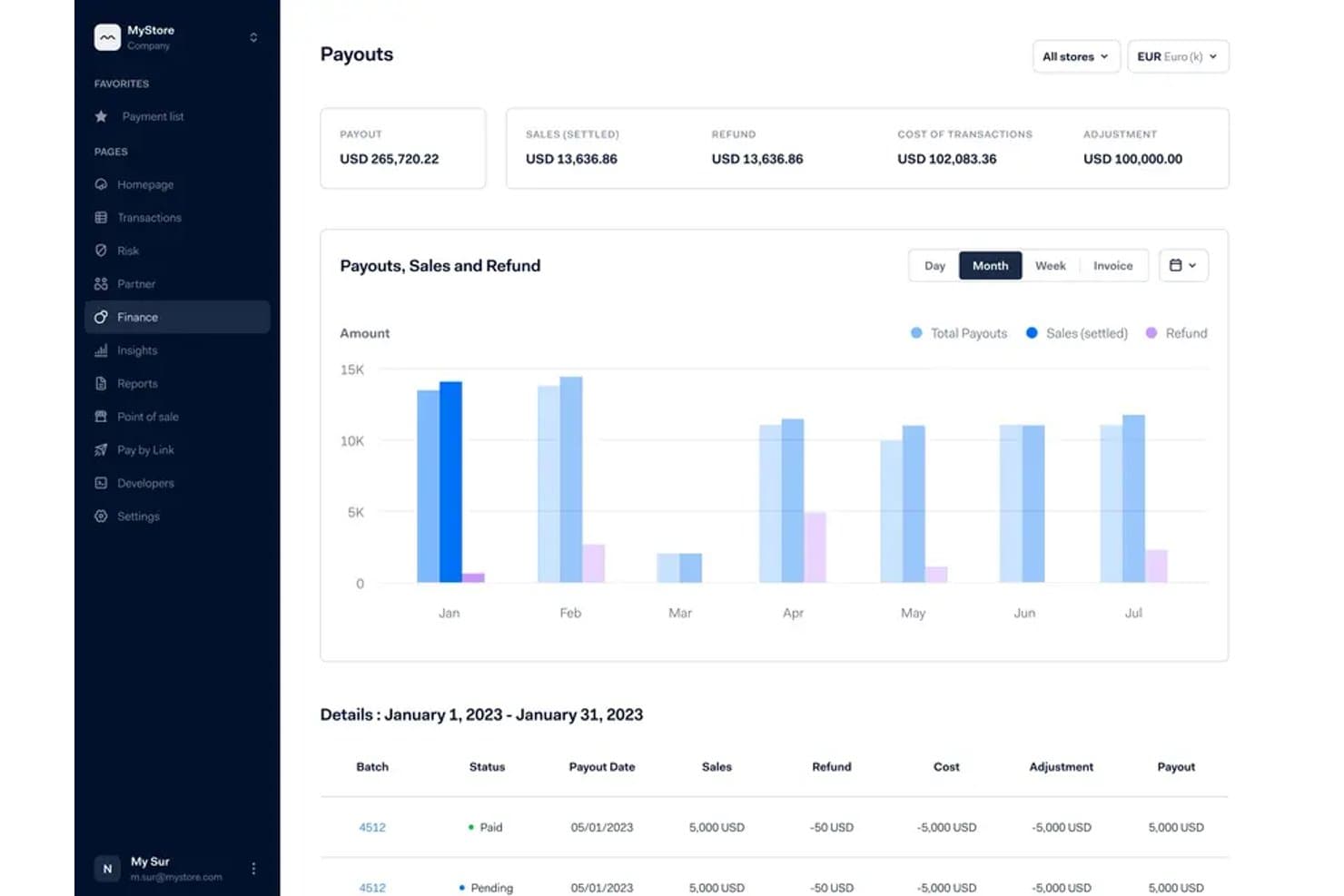
Adyen tracks payouts, sales, and refunds in a unified finance dashboard. Adyen is a hotel payment platform that handles in-person terminal payments, online booking engine transactions, pay-by-link requests, VCC processing for OTAs, and multi-currency settlement across all property channels from a single system.
Who Is Adyen Best For?
Adyen is a strong fit for hotel groups and enterprise hospitality operators managing payments across multiple properties, currencies, and guest touchpoints from a single platform.
Why I Picked Adyen
Adyen earns its spot on my shortlist because no other platform handles the full hotel payment lifecycle—from pre-authorization at check-in through automated folio settlement at checkout—from a single system. I'm particularly impressed by the OPI 6.2 integration with Oracle OPERA, which maps every pre-auth, top-up, and sales completion directly to the guest's reservation record, saving hotel teams up to 10 hours of manual reconciliation per audit cycle. The DCC support across 60 currencies is another standout, letting properties capture conversion margin on international guest payments directly at the terminal.
Adyen Key Features
- Pay by Link: Generate branded, mobile-optimized payment pages sent to guests via email, SMS, or QR code for deposits, no-show fees, and post-checkout charges.
- Adyen Protect fraud scoring: AI-powered risk scoring trained on $1.4 trillion in transaction data assigns a real-time risk score to each transaction before processing.
- Multi-entity settlement: Consolidate payments across multiple properties into a single reporting environment with per-currency, per-property settlement breakdowns.
- VCC processing for OTAs: Accept and process virtual card numbers issued by OTAs like Booking.com and Expedia directly through the platform.
Adyen Integrations
Adyen has 10+ documented integrations, including Oracle OPERA, Mews, Apaleo, Cloudbeds, Protel, Shiji Daylight PMS, Agilysys, SIHOT, Canary Technologies, and SynXis. Its API supports custom integrations.
Pros and Cons
Pros:
- Multi-entity, multi-property reporting in one dashboard
- Advanced fraud protection with real-time scoring
- Automated folio mapping saves reconciliation time
Cons:
- Setup and onboarding require technical resources
- Chargeback dispute workflow is complex
Learn more about Adyen: Best for DCC and PMS-connected hotel payments
- Not available
- Pricing upon request
Visit WebsiteCustomer Rating:3.2/5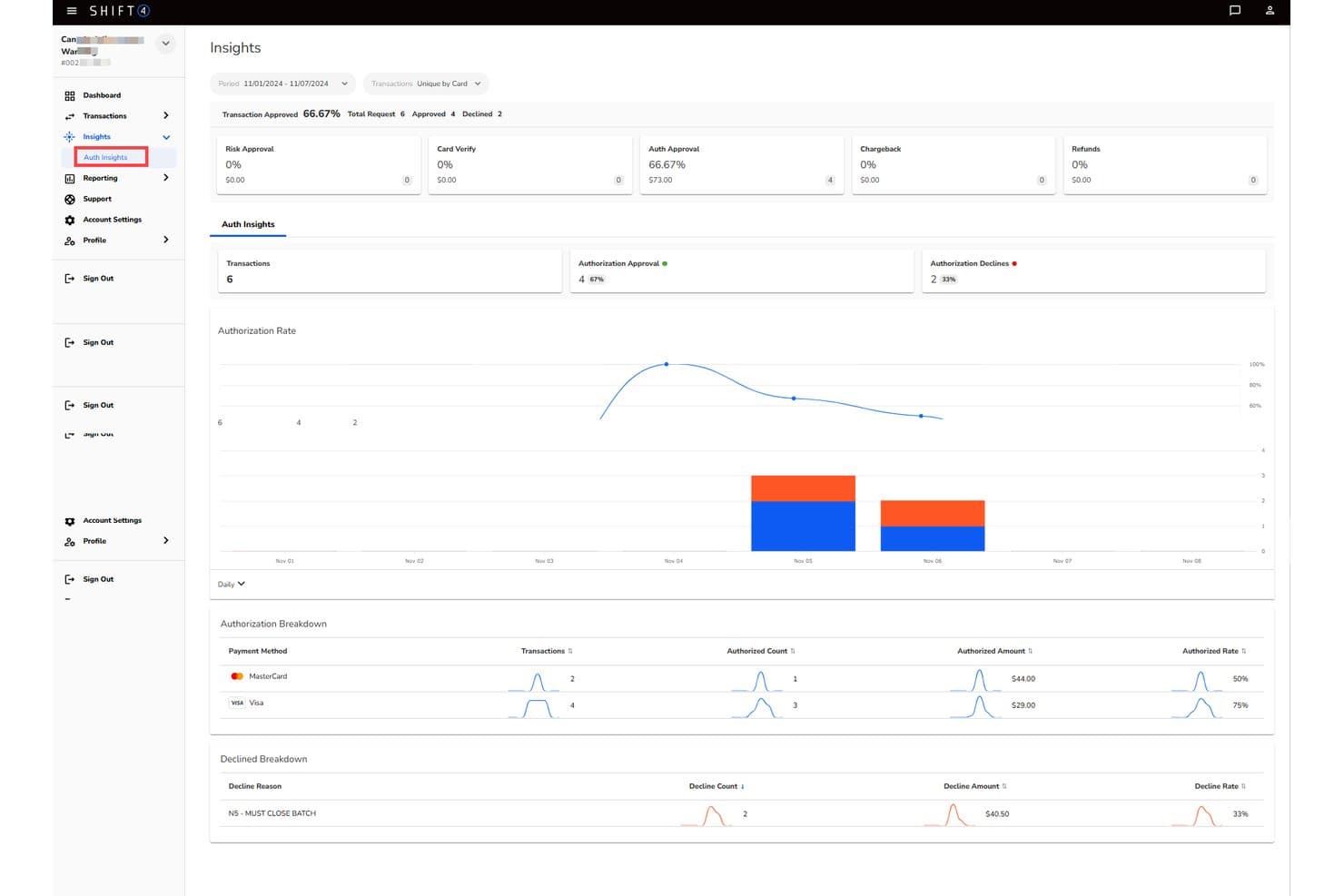
Shift4 tracks authorization rates and declines by payment method. Shift4 is a hospitality payment platform that handles card processing, dynamic currency conversion, multi-channel payment acceptance, and PMS-connected folio management across on-property, online, and mobile touchpoints.
Who Is Shift4 Best For?
Shift4 is a strong fit for multi-property hotel groups and resort operators that serve a high volume of international guests and need DCC built directly into their payment infrastructure.
Why I Picked Shift4
I picked Shift4 as one of the best because no other hotel payment platform combines DCC and PMS connectivity quite like it does, especially after the Global Blue acquisition closed in July 2025. That deal added industry-leading DCC across 52 countries, an all-in-one terminal handling payments, DCC, and VAT refunds in a single device, and native Alipay+ and WeChat Pay acceptance for Chinese travelers. Pair that with certified OPERA OPI integration that posts charges directly to guest folios in real time, and you have a genuinely end-to-end solution for international-facing hotel groups.
Shift4 Key Features
- TrueTokenization® with Global Token Vault: Replaces cardholder data with format-preserving tokens shared across all properties under a hotel brand, without re-keying card data at each location.
- Payment links with 3DS2 authentication: Lets your team send branded, shareable payment URLs for deposits, no-show fees, and damage charges, with liability for fraud chargebacks shifting to the issuing bank.
- Multi-outlet folio posting: Automatically routes charges from on-property outlets—dining, spa, retail—to a centralized guest folio for single-bill settlement at check-out.
- Consolidated multi-property reporting: Centralizes payment data across all locations into a unified dashboard, giving hotel groups a single view of transaction activity across their portfolio.
Shift4 Integrations
Shift4 claims 350+ POS and PMS integrations, including certified or documented connections with Oracle OPERA, Agilysys, ResortSuite, Visual Matrix, OpenHotel, and StayNTouch. It also connects with Oracle Simphony, ChargeAutomation, Innspire, and Global Blue.
Pros and Cons
Pros:
- Tokenization supports chain-wide guest folio sync
- Dynamic currency conversion across 52 countries
- Deep PMS integration with OPERA and Agilysys
Cons:
- Limited transparency on hotel pre-auth workflows
- Opaque pricing with frequent unexpected fees
Learn more about Shift4: Best for Oracle-certified hotel payment processing
- Not available
- Pricing upon request
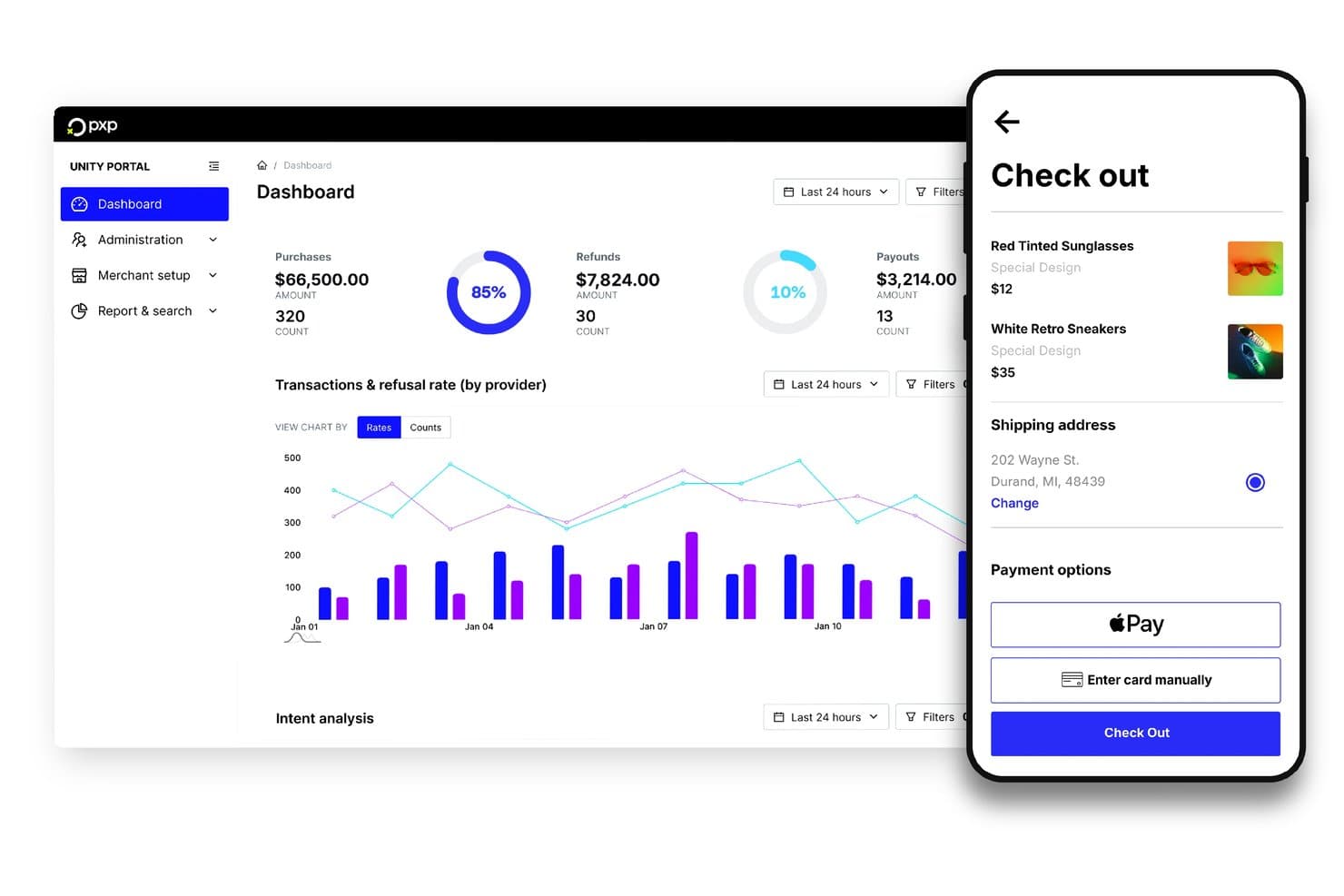
PXP Financial provides a unified dashboard and mobile checkout interface. PXP Financial is a hotel payment processing platform that combines in-store terminals, online checkout, pay-by-link, virtual terminal, and multi-currency acquiring under a single orchestration layer with certified Oracle Hospitality integrations.
Who Is PXP Financial Best For?
PXP Financial is a strong fit for hotel groups and multi-property operators running Oracle OPERA Cloud or Micros who need certified PMS-connected payment processing across in-store, online, and pay-by-link channels.
Why I Picked PXP Financial
PXP Financial earns its spot on my shortlist because of its certified Oracle Hospitality integrations, which cover Oracle OPERA Cloud, Micros, and Oracle SPMS. I like that hotels running OPERA Cloud can process pre-arrival deposits via pay-by-link and trigger automated post-stay charges through Autocharge without leaving the PMS workflow. Its Token Vault replaces card data with network tokens across every channel, keeping PCI scope tightly contained from booking through check-out.
PXP Financial Key Features
- Dynamic Currency Conversion (DCC): Terminals auto-detect foreign-issued cards and display both currency amounts side-by-side, letting guests pay in their home currency.
- PXP Data dashboard: Real-time transaction reporting with cross-acquirer reconciliation, decline analysis, and multi-property hierarchical filtering across your hotel group.
- Virtual terminal: Front-desk and back-office teams can take secure card-not-present payments directly from any browser, replacing risky phone-based card collection.
- 120+ alternative payment methods: Supports Apple Pay, Google Pay, iDEAL, Alipay, open banking, and regional APMs across Europe, LATAM, Asia-Pacific, and Africa.
PXP Financial Integrations
PXP Financial lists 30+ technology partner integrations, including Oracle OPERA Cloud, Oracle MICROS, Oracle Hospitality SPMS, Book4Time, and Net Affinity. It also provides REST APIs, SDKs, webhooks, and a developer portal for custom integrations.
Pros and Cons
Pros:
- Strong PCI DSS and tokenization features
- Omnichannel platform covers all payment touchpoints
- Certified Oracle Hospitality integrations for hotels
Cons:
- Limited PMS integration breadth beyond Oracle
- Opaque, custom-negotiated pricing structure
Learn more about PXP Financial:
Other Hotel Payment Systems
Here are some additional hotel payment systems options that didn’t make it onto my shortlist, but are still worth checking out:
- 11Shiji GroupBest for enterprise hotel groups on Shiji PMS
- 12ROHBest for automating group deposit schedules
- 13RoomRaccoonBest for independent hotels with built-in payments
- 14Canary TechnologiesBest for card-not-present fraud prevention
- 15ElavonBest for franchise hotel brands processing payments
- 16HotelRunnerBest for OTA-connected multi-currency payments
- 17SertifiBest for group and event deposit collection
Related Reviews
How I Evaluate Hotel Payment Systems
I split my evaluation into baseline criteria every system must hit—like PMS sync and pre-auth automation—and the differentiators, like DCC economics and virtual card handling, that separate a good fit from the right one.
Core Functionality (Table Stakes For This List)
When I'm selecting tools for my list, I rank each one on a scale from 0 (does not offer the functionality) to 5 (excels in this area) for each core functionality listed below. I then calculate the tool's total score into a percentage, using 65% as a benchmark to help assess its overall fit for the list.
- PMS Integration: I check whether the system syncs reservations, folios, and payment postings with major PMS platforms like Oracle Opera or Cloudbeds in real time.
- Card Tokenization & PCI Compliance: Each tool's PCI DSS level, P2PE terminal support, and tokenization approach matter—guests expect card data handled securely across every channel.
- Pre-Authorization & Deposits: I evaluate how well the system automates pre-auths, incremental holds, and deposit schedules tied to reservation events like check-in or group blocks.
- Multi-Channel Payment Acceptance: The platform should accept payments across terminals, booking engines, payment links, and OTA virtual cards from a single reporting view.
- Multi-Currency Processing: I look for DCC at the point of sale, broad settlement currency options, and multi-entity support for hotel groups collecting payments across regions.
- Chargeback & Refund Management: Dispute workflows that pull evidence directly from folio data save hours of back-and-forth, so I evaluate in-platform tracking and response tools.
Once I have a list of tools that meet the criteria, I consider what sets each platform apart.
Differentiating Factors (What Sets Vendors Apart)
Here's how I compare and contrast different vendors:
Standout Features
I look for virtual card automation that reads OTA activation windows and charges within the correct date range—manual keying from Booking.com or Expedia cards is a real error source at the front desk. Group and master billing matters too, especially for properties handling corporate blocks or weddings where authorizations split across master accounts and individual folios. I also evaluate guest-facing payment links with 3DS2 authentication, since pre-arrival deposits and no-show fees carry high chargeback risk without liability shift built in.
Beyond Features
I evaluate each vendor's total cost of payment acceptance, including cross-border fees and DCC revenue-share terms that directly affect your margins on international guest transactions. Certified PMS integrations matter just as much—a connector listed as "available" isn't the same as a two-way, certified link to Opera Cloud or Mews that keeps folio and payment states in sync without manual patches. I also check whether the vendor offers 24/7 hospitality-trained support, since a payment outage during a Saturday night check-in rush can't wait for business-hours troubleshooting.
How to Choose a Hotel Payment Systems
Choosing the right hotel payment system means matching your real-world booking, billing, and operations flows to a tool that can handle them without adding friction or risk. Ask yourself: which payment headaches stall your front desk or back office the most, and what makes those flows difficult?
| If your priority is… | Look for… |
| Fast check-in and fewer errors | Real-time two-way PMS integration with automatic folio sync |
| Handling OTA virtual cards and pre-auths | Automated virtual card activation and pre-auth scheduling |
| Managing group and event deposits | Group billing modules and deposit schedule automation |
| Reducing currency conversion costs | Built-in DCC and multi-currency settlement options |
| Quick chargeback response | In-platform chargeback management with folio integration |
How to Vet Your Shortlist
- Test PMS Sync: Complete a reservation-to-folio-to-payment workflow in a live demo or sandbox—track every status change.
- Request Compliance Proof: Ask for PCI DSS certification documents plus details on their tokenization process.
- Run a Virtual Card Charge: Process a live OTA booking with a virtual card; verify automated charge and settlement accuracy.
- Review Group Deposit Handling: Run a trial group booking with split deposits and multiple folios; check payment tracking detail.
- Filter—Deep Integration vs. Open API: Decide if you need a tightly-integrated PMS-native platform or a flexible API-first tool that requires more setup but offers broader customization.
What Are Hotel Payment Systems?
Hotel payment systems are software platforms that let you process guest payments, deposits, refunds, and settlement across direct bookings and third-party channels. These systems connect with your property management system (PMS) to handle transactions, automate pre-authorizations, and manage multi-currency payments. By doing so, they reduce manual work and help ensure payment data stays secure and accurate while supporting a smooth guest experience at every step.
Features of Hotel Payment Systems
When selecting hotel payment systems, keep an eye out for the following key features:
- PMS integration: Links the payment platform with your property management system to sync guest reservations, folios, and payment postings in real time, reducing manual entry and errors.
- Multi-channel payment acceptance: Accepts payments via physical terminals, online booking engines, payment links, and OTA virtual cards, offering flexibility for both staff and guests.
- Card tokenization and PCI compliance: Secures payment data using tokenization and ensures full PCI DSS compliance, safeguarding cardholder information and reducing liability for the hotel.
- Pre-authorization and deposit handling: Automates the capture, release, and tracking of pre-authorizations, deposits, and incremental holds tied to reservation or event milestones.
- Multi-currency processing and DCC: Supports payments and settlements in various currencies, and can offer dynamic currency conversion (DCC) at the point of sale for international guests.
- Chargeback and refund management: Provides workflows to track, document, and respond to chargebacks within the platform, bringing folio evidence directly into dispute processes and speeding up resolution.
- Group and event billing: Handles split billing, master accounts, and group deposit schedules, making it easier to manage corporate bookings, weddings, or conference blocks.
- Payment link generation: Allows staff to send secure payment links for pre-arrival deposits, incidental authorizations, or no-show fees, supporting card-not-present transactions with added security.
- Reporting and reconciliation tools: Centralizes payment data from all channels and simplifies reconciliation by providing detailed transaction histories, settlement reports, and folio-level tracking.
- 24/7 support and incident response: Offers access to hospitality-trained technical support at any hour, minimizing downtime during payment incidents, especially during peak guest check-in periods.
Common Hotel Payment Systems AI Features
Beyond the standard hotel payment systems features listed above, many of these solutions are incorporating AI with features like:
- AI fraud detection: Uses machine learning to analyze transaction patterns and flag suspicious activity in real time, helping you catch potential fraud before it impacts your business or guests.
- Automated chargeback analysis: Applies AI to review chargeback claims, match them with folio data, and generate suggested responses, reducing manual work and improving dispute outcomes.
- Dynamic payment routing: Leverages AI to select the optimal payment processor for each transaction based on cost, speed, and approval likelihood, helping you minimize fees and maximize successful payments.
- Predictive revenue insights: Uses AI to forecast payment trends, identify periods of high refund or chargeback risk, and suggest actions to protect your margins.
- Smart guest communication: Integrates AI chatbots or messaging tools to answer payment-related questions, send payment reminders, and guide guests through secure payment flows, reducing front desk workload and improving guest satisfaction.
Benefits of Hotel Payment Systems
Implementing hotel payment systems provides several benefits for your team and your business. Here are a few you can look forward to:
- Increased accuracy in payment posting: Real-time PMS integration syncs reservations, folios, and payment details, reducing manual errors and the need for rework.
- Stronger payment security: Card tokenization and PCI DSS compliance ensure guest card data is handled securely, protecting your business from breaches and liability.
- Faster check-in and check-out: Multi-channel payment acceptance and automated pre-authorization make front desk transactions quicker and more convenient for guests.
- Simplified multi-currency management: Built-in DCC and support for multiple settlement currencies help you easily manage payments and conversions for international guests.
- Better chargeback defense: Integrated chargeback and refund management tools pull evidence directly from the folio, supporting quicker and more organized dispute responses.
- Easier group and event billing: Group billing modules automate deposit schedules and split charges across master accounts and folios for corporate events or weddings.
- 24/7 operational support: Around-the-clock, hospitality-trained support minimizes downtime and helps resolve payment incidents any time of day.
Costs and Pricing of Hotel Payment Systems
Selecting hotel payment systems requires an understanding of the various pricing models and plans available. Costs vary based on features, team size, add-ons, and more. The table below summarizes common plans, their average prices, and typical features included in hotel payment systems solutions:
Plan Comparison Table for Hotel Payment Systems
| Plan Type | Average Price | Common Features |
| Free Plan | $0–$50/month | Basic payment acceptance, limited PMS integration, manual reconciliation, and basic reporting. |
| Personal Plan | $50–$150/month | PMS sync, card tokenization, online payment links, chargeback tracking, and standard support. |
| Business Plan | $150–$500/month | Multi-property dashboard, automated pre-auths, advanced fraud protection, and multi-currency support. |
| Enterprise Plan | $500–$2500/month | Two-way certified PMS integration, group and event billing, custom DCC, dedicated support, and SLAs. |
Hotel Payment Systems FAQs
Here are some answers to common questions about hotel payment systems:
How do hotel payment systems integrate with property management systems?
Most hotel payment systems offer direct integration with major property management systems (PMS) like Oracle Opera or Cloudbeds. These integrations let you sync reservations, folio charges, and payment status in real time. For busy teams, this means fewer manual updates and less risk of billing or check-in errors.
Can hotel payment systems handle virtual cards from OTAs?
Yes, many hotel payment systems are built to process virtual cards from OTAs like Booking.com and Expedia. The best systems can read activation windows and automate charging, so your staff won’t need to manually key in card details or risk missing settlement dates.
What kind of security and compliance should I look for?
Look for systems with PCI DSS Level 1 certification and card tokenization. This ensures guest payment data is encrypted and never stored in a readable format. Most hotels will also want point-to-point encryption (P2PE) for any physical terminals to prevent data exposure from the card reader to settlement.
How do these systems support multi-currency and DCC transactions?
Hotel payment systems can process cards in multiple currencies and offer dynamic currency conversion (DCC) at card-present terminals. This lets guests pay in their home currency, and helps your hotel reduce conversion costs or even share in DCC revenue—especially useful if you serve lots of international travelers.
What happens if there’s a payment dispute or chargeback?
Look for systems with in-platform chargeback and refund management. You’ll want tools that pull folio evidence directly into the dispute process, cut down on manual paperwork, and give you a better chance of winning chargebacks. Response templates and automatic alerts can also speed up resolution times.
Do I need special hardware for hotel payment systems?
Some systems work with existing payment terminals, while others require proprietary hardware. Make sure to check hardware compatibility and whether support for P2PE or contactless payments is built in. If you rely on tablets or mobile check-in, ask if the system has app-based payment options as well.
Is round-the-clock support available for payment issues?
Yes, most leading hotel payment systems offer 24/7 technical support with hospitality-trained staff. Since late-night outages or payment problems can disrupt guest check-in, always confirm the level of support—especially for weekends or peak hours.