

Hospitality Network Review: Pros, Cons, Features, and Pricing Guide
Hospitality Network brings guest connectivity and digital hospitality services into one platform, from Wi-Fi management and in-room entertainment to guest engagement and hotel technology solutions.

We review tools independently, and commissions help fund our testing. See our transparency policy, our methodology, or suggest a tool.
Hospitality Network is a hotel WiFi management software built for properties that need to manage guest and staff network access across multiple zones—rooms, lobbies, meeting spaces, and back-of-house areas. I'd consider it if you're running a mid-to-large property and need more flexible bandwidth controls and revenue-generating features than Nomadix provides, without having to piece together a custom solution.
Hospitality Network Evaluation Summary
0/5
- Pricing upon request
- Free consultation available
Why Trust Our Software Recommendations
6,700+
Reviews
20
Industry experts
16+
Evaluation factors
14
Years
Our team has been testing and reviewing software since 2012. As hospitality leaders ourselves, we know how difficult—and important—it is to choose the right software.
For this guide, we evaluated tools using hands-on testing and independent research, scoring tools using our selection criteria.
Our reviews reflect our human editorial judgment, not a sales pitch.
Hospitality Network Overview
If you’re judging hospitality network software on reliability, scale, and guest-facing features, Hospitality Network is a top contender. I think its managed WiFi, IPTV, and 24/7 support outperform most options for large hotels and resorts. Pricing is higher, and onboarding can take time, but the interface is straightforward, and support is responsive. You won’t find as many plug-and-play integrations, so it’s best for properties prioritizing robust infrastructure over rapid DIY setup.
For high-occupancy hotels needing consistent connectivity and entertainment, I’d select Hospitality Network over lighter, budget-focused solutions.
Pros
- It simplifies network management, making your team's job easier.
- It provides robust support to ensure your network runs smoothly.
- It improves connectivity, enhancing your guest's experience.
Cons
- It might require a learning curve for new users.
- It could benefit from more customization options.
- Some users find the interface less intuitive than competitors.
Is Hospitality Network Right For Your Needs?
Who Would be a Good Fit for Hospitality Network?
Hospitality Network is ideal for IT administrators in hotels and resorts who need efficient network management. Its robust support helps your team maintain smooth operations, ensuring guests have a seamless experience. Large event venues can also benefit from its connectivity features, which are crucial for handling high guest traffic.
If your work involves managing complex network requirements, Hospitality Network offers the tools you need.
- Hotels & ResortsIts connectivity features ensure your guests have a smooth online experience.
- Large Event VenuesYou can rely on it to manage high guest traffic efficiently.
- IT DepartmentsIt simplifies network management, making your job easier.
- Network AdministratorsYou’ll find its robust support invaluable for maintaining smooth operations.
- High-Traffic BusinessesIts features handle complex network demands with ease.
- Guest-Centric ServicesIt enhances your guest’s experience with reliable connectivity.
Who Would be a Bad Fit for Hospitality Network?
Small businesses with limited network needs might not find Hospitality Network suitable due to its robust features designed for complex environments. If your team is looking for highly customizable options, you might find the platform lacking. Companies with a minimal IT setup may also struggle with the learning curve and find the extensive capabilities unnecessary for their scale.
- Small CafesThe platform’s advanced features might be overkill for your simple network needs.
- FreelancersYou won’t benefit from its complex capabilities if you’re working solo.
- StartupsThe learning curve can be a challenge if your team is small and just starting out.
- Minimal IT TeamsYou might find the robust features unnecessary for your basic operations.
- Custom-Focused DepartmentsIf customization is key for you, you might find it lacking in options.
- Low-Traffic BusinessesYou won’t need its advanced connectivity features if you don’t handle high guest traffic.
How We Test & Score Tools
We’ve spent years building, refining, and improving our software testing and scoring system. The rubric is designed to capture the nuances of software selection and what makes a tool effective, focusing on critical aspects of the decision-making process.
Below, you can see exactly how our testing and scoring works across seven criteria. It allows us to provide an unbiased evaluation of the software based on core functionality, standout features, ease of use, onboarding, customer support, integrations, customer reviews, and value for money.
Core Functionality (25% of final scoring)
The starting point of our evaluation is always the core functionality of the tool. Does it have the basic features and functions that a user would expect to see? Are any of those core features locked to higher-tiered pricing plans? At its core, we expect a tool to stand up against the baseline capabilities of its competitors.
Standout Features (25% of final scoring)
Next, we evaluate uncommon standout features that go above and beyond the core functionality typically found in tools of its kind. A high score reflects specialized or unique features that make the product faster, more efficient, or offer additional value to the user.
We also evaluate how easy it is to integrate with other tools typically found in the tech stack to expand the functionality and utility of the software. Tools offering plentiful native integrations, 3rd party connections, and API access to build custom integrations score best.
Ease of Use (10% of final scoring)
We consider how quick and easy it is to execute the tasks defined in the core functionality using the tool. High scoring software is well designed, intuitive to use, offers mobile apps, provides templates, and makes relatively complex tasks seem simple.
Onboarding (10% of final scoring)
We know how important rapid team adoption is for a new platform, so we evaluate how easy it is to learn and use a tool with minimal training. We evaluate how quickly a team member can get set up and start using the tool with no experience. High scoring solutions indicate little or no support is required.
Customer Support (10% of final scoring)
We review how quick and easy it is to get unstuck and find help by phone, live chat, or knowledge base. Tools and companies that provide real-time support score best, while chatbots score worst.
Customer Reviews (10% of final scoring)
Beyond our own testing and evaluation, we consider the net promoter score from current and past customers. We review their likelihood, given the option, to choose the tool again for the core functionality. A high scoring software reflects a high net promoter score from current or past customers.
Value for Money (10% of final scoring)
Lastly, in consideration of all the other criteria, we review the average price of entry level plans against the core features and consider the value of the other evaluation criteria. Software that delivers more, for less, will score higher.
Core Features
Managed WiFi Solutions
Delivers fast, secure, and reliable wireless internet across entire properties. Takes care of end-to-end network management so hotel teams can focus on operations.
In-Room Entertainment Systems
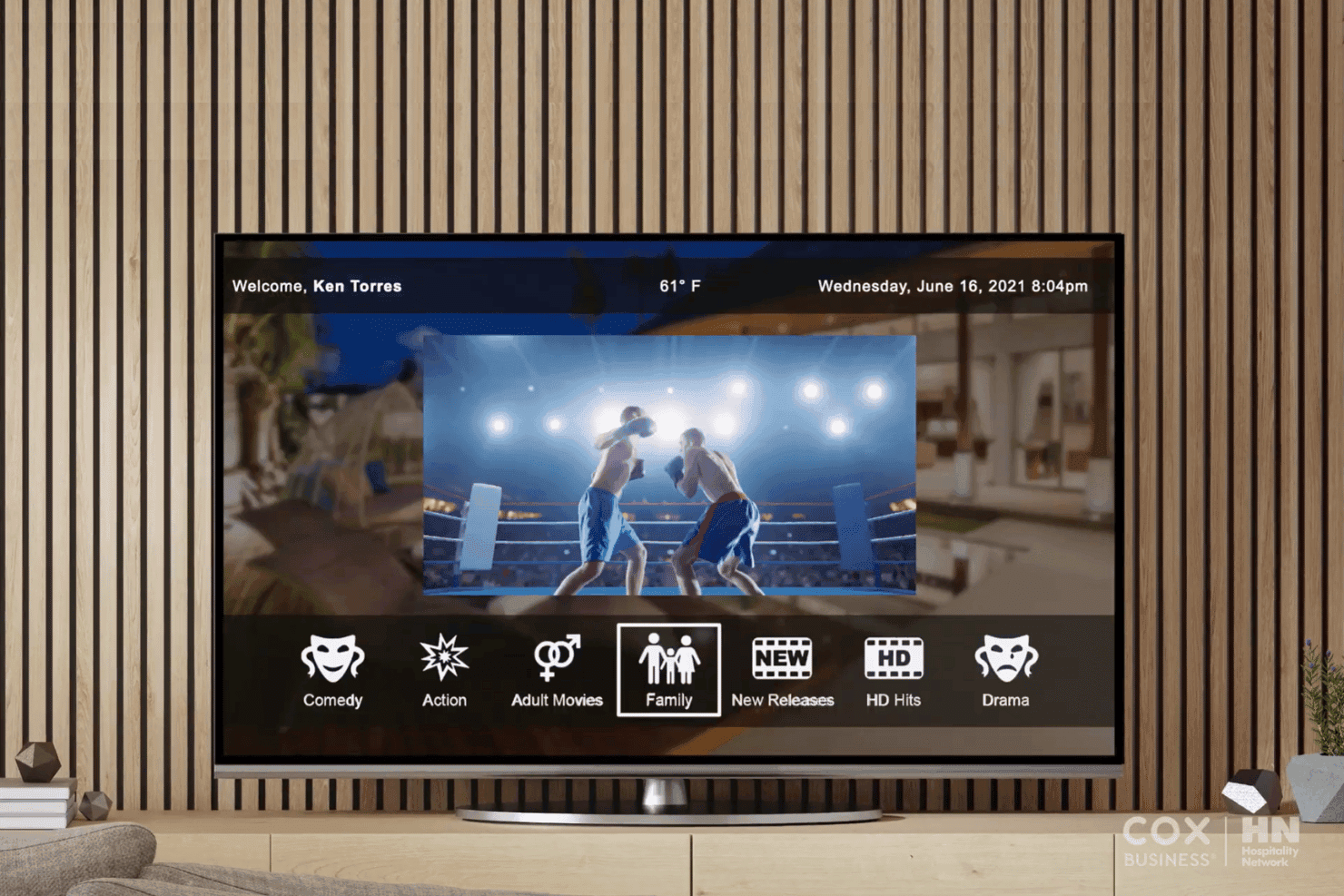
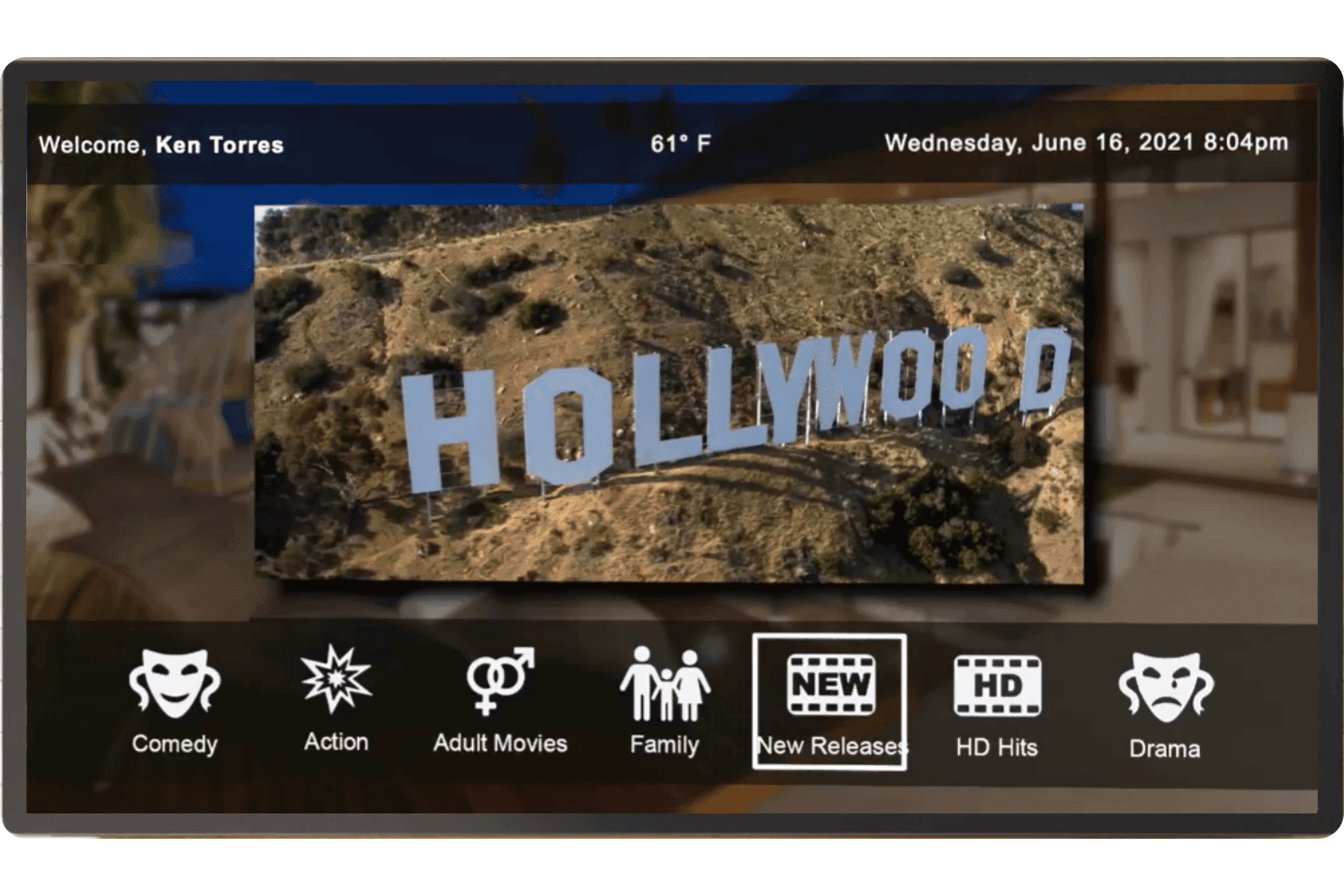
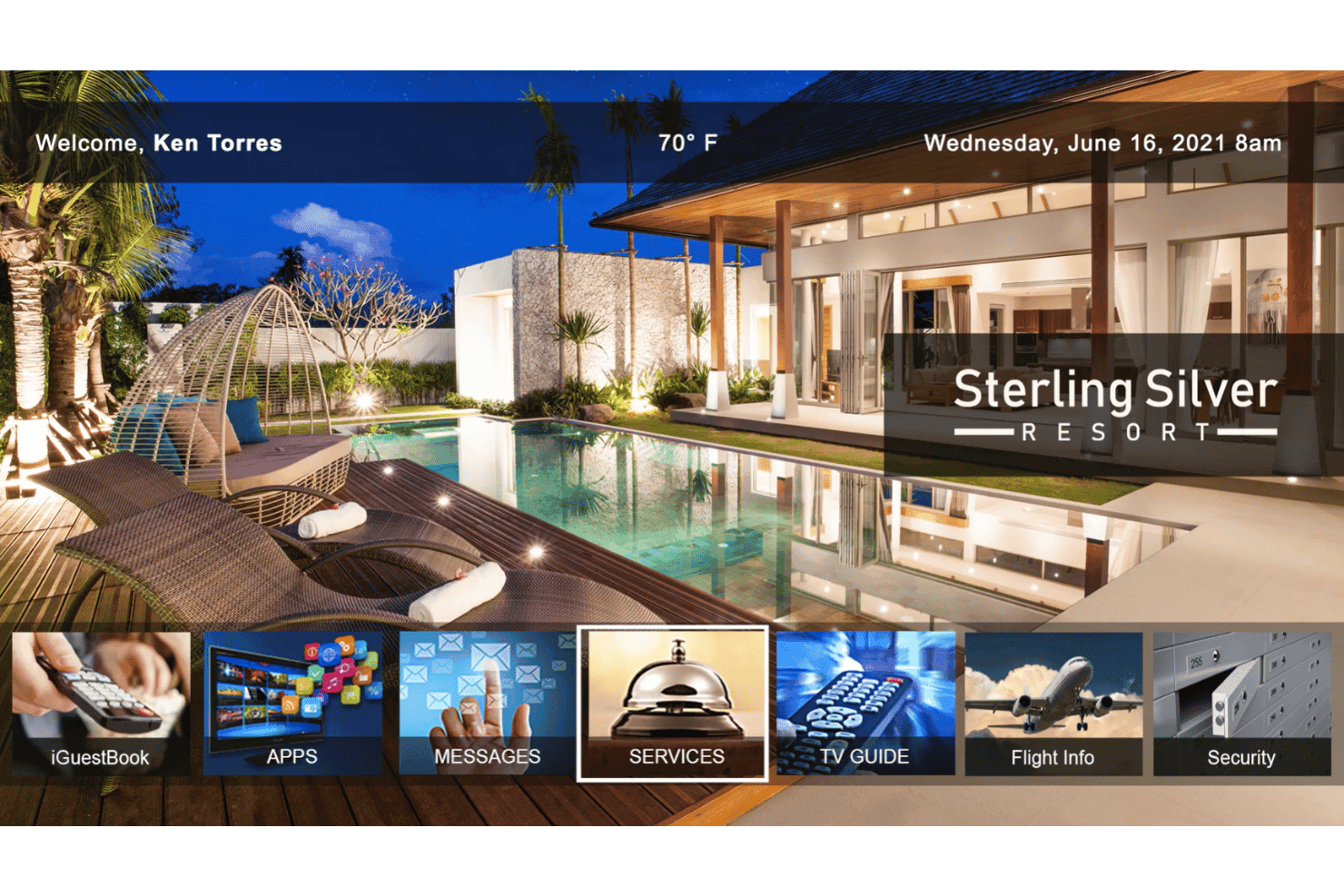
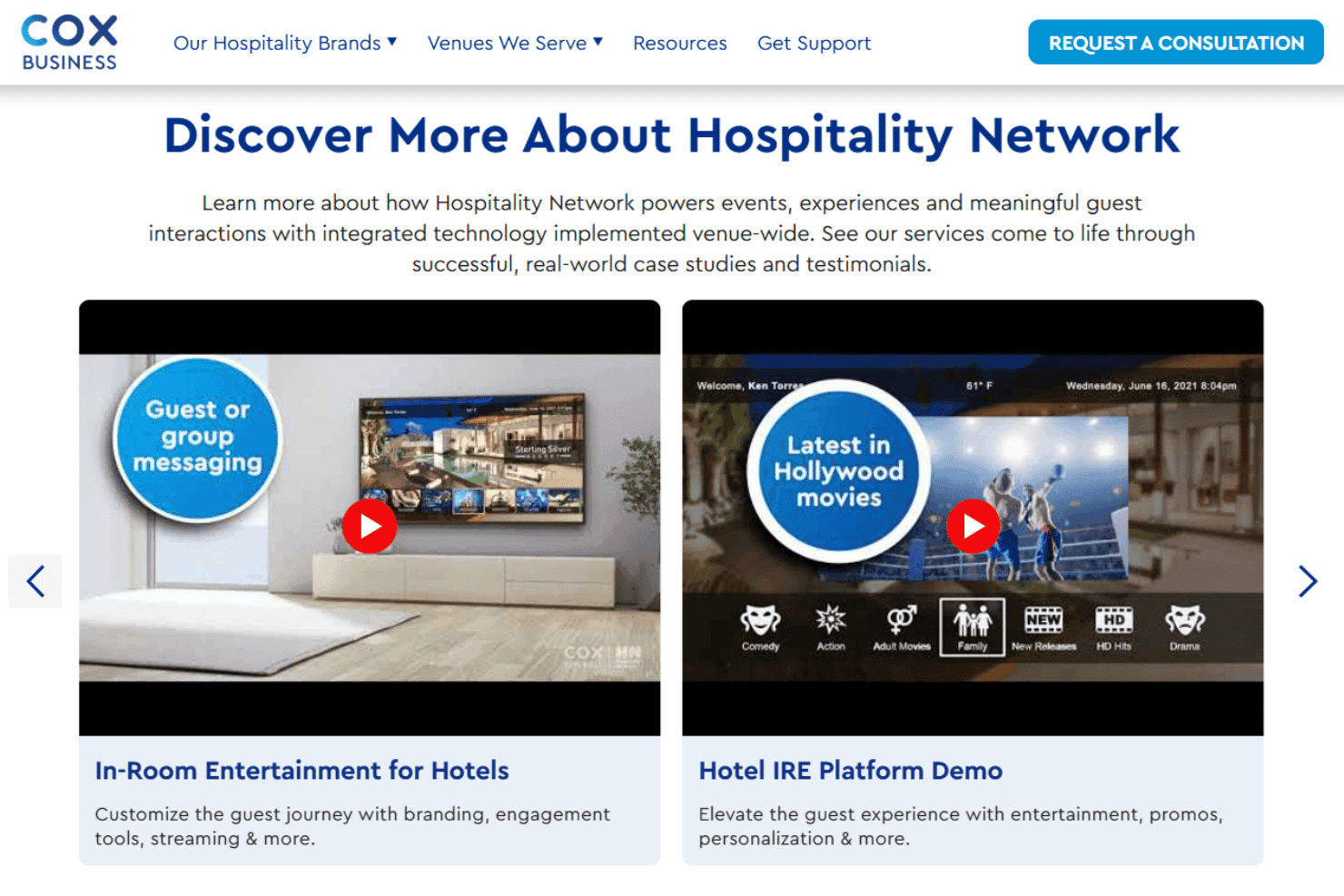
Offers smart TV technology, OTT apps, and video-on-demand for guest rooms. Lets hotels personalize content and promote services directly on guest screens.
HSIA Internet Connectivity
Provides high-speed internet for guests, events, and IoT devices. Supports live streaming, smart room tech, and large-scale connectivity needs.
Customizable Marketing Platform
Enables hotels to inform and engage guests through branded in-room entertainment. Promotes hotel services and amenities with targeted messaging.
Integrated Smart Room Technology
Connects entertainment, lighting, and room controls for a modern guest experience. Scales easily across different property sizes and designs.
Nationwide Support and Installation
Offers installation and technical support services across the United States. Ensures consistent service quality for hotels, stadiums, and convention centers.
Standout Features
Event Bandwidth Management
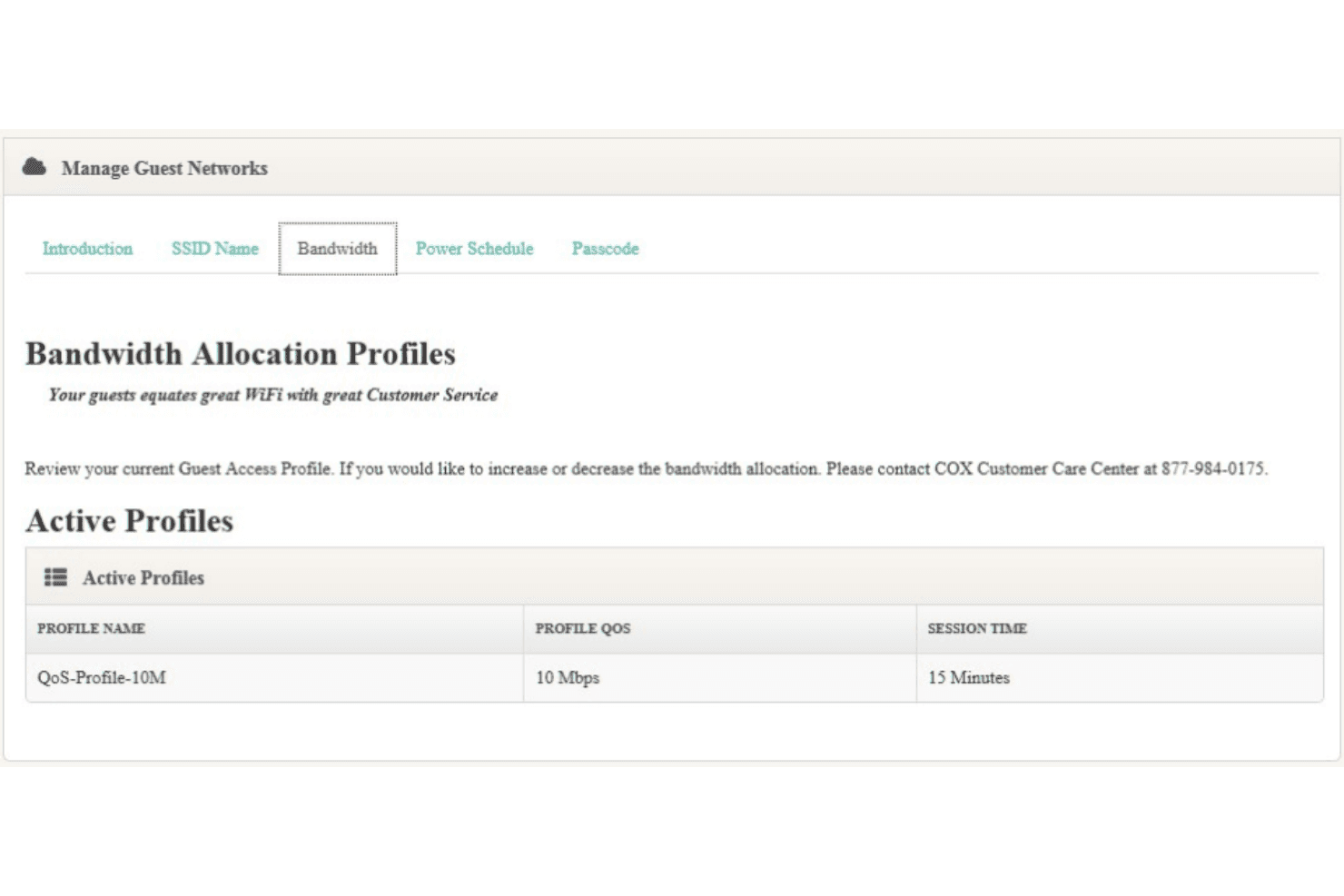
Hospitality Network offers dedicated bandwidth allocation for conferences, conventions, and large events. This ensures reliable, high-capacity internet for both guests and event organizers without impacting regular hotel operations.
IPTV Advertising Channels
Hotels can create custom advertising channels on guest room TVs to promote on-site amenities, events, or local attractions. This feature helps properties drive ancillary revenue and enhance guest engagement directly through in-room screens.
Ease of Use
Hospitality Network is straightforward for hotel teams once installed, with a clean interface for managing WiFi and in-room entertainment. Most users say the system is reliable and easy to navigate day-to-day, though initial setup and onboarding can be lengthy.
The managed service model means less hands-on work for staff, but you’ll rely on their support team for major changes or troubleshooting. This suits properties wanting simplicity over deep, in-house customization.
Onboarding
Onboarding with Hospitality Network is hands-on and thorough, but it often takes longer than expected due to site surveys, custom installations, and network configuration. Users appreciate the dedicated project managers and 24/7 support, which help guide teams through each step.
Training resources are available, but most of the process is managed by Hospitality Network’s technicians, making it ideal for properties that want expert-led setup rather than a quick, self-service launch.
Customer Support
Hospitality Network stands out for its 24/7 technical support and nationwide service coverage, which users say is responsive and knowledgeable. Support teams handle everything from troubleshooting to on-site repairs, reducing downtime for hotels. Many users highlight the value of having a dedicated account manager and direct phone support, especially during high-occupancy periods or major events. This level of assistance is a strong fit for properties that can’t afford connectivity disruptions.
Integrations
Hospitality Network integrates with major property management systems, in-room entertainment platforms, guest engagement apps, digital signage solutions, smart room controls, IPTV providers, event management systems, point-of-sale systems, security camera networks, and voice assistant devices, among others.
Hospitality Network does not publicly advertise an open API or direct connections with third-party integration tools.
Value for Money
Hospitality Network can deliver strong value to hotels and venues that need managed WiFi, internet connectivity, and in-room entertainment under a single provider. The site emphasizes custom consultations rather than public pricing, which suggests tailored enterprise quotes. That suits multi-property or complex sites, but smaller operators may find cost transparency limited.
- Custom Consultation/Quote-Based: Pricing is not publicly listed; tailored around property size, venue type, and required technology solutions such as Managed WiFi, Internet Connectivity, and In-Room Entertainment.
Hospitality Network Specs
- API: Yes
- Budgeting: No
- Calendar Management: No
- Compliance Tracking: Yes
- Contact Management: Yes
- Customer Management: Yes
- Dashboard: Yes
- Data Export: Yes
- Data Import: Yes
- Data Visualization: Yes
- Document Management: No
- Expense Tracking: No
- External Integrations: Yes
- Forecasting: No
- Inventory Tracking: No
- Multi-Currency: No
- Multi-User: Yes
- Notifications: Yes
- Organization Management: Yes
- Payment Processor: No
- Payroll: No
- Scheduling: No
- Supplier Management: No
- Tax Management: No
- Workflow Management: Yes
Hospitality Network FAQs
Hospitality Network Company Overview & History
Hospitality Network has been a hospitality technology provider for more than 40 years, serving hotels, stadiums, convention centers, and large venues across the United States. Headquartered in Las Vegas, Nevada, the company operates as an affiliate of Cox Business and is known for delivering managed Wi-Fi, in-room entertainment, digital signage, and smart venue technology solutions for hospitality environments.
Hospitality Network has worked with major hospitality and technology brands, including Aruba, Cisco, LG, Ruckus, and Samsung.
Hospitality Network Major Milestones
- 1982: Hospitality Network is founded, originally providing satellite television services for hotels in Texas.
- 1998: Expands its hospitality technology services to include internet connectivity and telecommunications solutions for hotels and resorts.
- 2007: Becomes part of Cox Business, strengthening its nationwide hospitality technology and managed services operations.
- 2015: Expands integrated smart room, digital signage, and managed Wi-Fi solutions for hotels, stadiums, and convention centers.
- 2026: Continues supporting large hospitality venues across the United States with managed connectivity, entertainment, and smart venue technology solutions.