

Recensione di Oracle OPERA: Pro, Contro, Caratteristiche Principali e Prezzi Aggiornati

Recensiamo gli strumenti in modo indipendente e le commissioni ci aiutano a finanziare i nostri test. Consulta la nostra politica sulla trasparenza, la nostra metodologia oppure suggerisci uno strumento.
Oracle OPERA is a hotel property management software built for full-service hotels and multi-property groups that need centralized control over reservations, front desk operations, housekeeping, and billing. I'd consider it when your operation has complex requirements that mid-market tools like Cloudbeds aren't designed to handle—particularly if you need deep configuration options, enterprise-level reporting, and a wide ecosystem of third-party integrations across a large or branded property.
Oracle OPERA Evaluation Summary
0/5
- Pricing upon request
- Free demo available
Perché fidarsi dei nostri consigli sui software
6,700+
Reviews
20
Industry experts
16+
Evaluation factors
14
Years
Il nostro team testa e recensisce software dal 2012. In quanto leader del settore alberghiero noi stessi, sappiamo quanto sia difficile — e importante — scegliere il software giusto.
Per questa guida, abbiamo valutato gli strumenti attraverso test pratici e ricerche indipendenti, assegnando un punteggio agli strumenti in base ai nostri criteri di selezione.
Le nostre recensioni riflettono il nostro giudizio editoriale umano, non un discorso di vendita.
Oracle OPERA Overview
When evaluating Oracle OPERA as a property management software, its advanced integrations, flexible configuration, and global support network set it apart for large hotels and multi-property groups. The interface can feel overwhelming and rather clunky, onboarding can feel complex compared to simpler options, and pricing is often higher, but the depth of features—like group booking management and custom reporting—justifies the investment for properties with demanding requirements.
If you’re selecting a solution for a high-volume, multi-department operation, Oracle OPERA’s scalability and reliability make it a strong contender, though smaller hotels may find the learning curve and cost less appealing.
Pros
- Handles complex group bookings and event management well.
- Supports reservations, group sales, loyalty programs, reporting, and multi-department operations in a single platform.
- The system’s modular architecture allows properties to tailor functionality to their specific needs.
Cons
- Platform's breadth of features and configurability can make it difficult for new users or smaller teams to learn.
- Modular pricing, customization, and enterprise implementation can lead to significant upfront and ongoing costs.
- Can feel clunky, outdated, and unintuitive, particularly for teams accustomed to modern, minimalist software.
Is Oracle OPERA Right For Your Needs?
Who Would be a Good Fit for Oracle OPERA?
- Large Hotel Chains & Multi-Property GroupsOPERA’s modular and highly configurable architecture supports centralized management across multiple hotels, enabling corporate teams to standardize workflows, reporting, and controls across locations.
- Resorts and Full-Service PropertiesProperties with complex revenue streams, including room, F&B, events, and spa services, benefit from OPERA’s ability to manage group sales, loyalty programs, and multiple revenue centers within one system.
- Hotels With High Volume Group & Event BusinessOPERA’s Sales and Event Management modules help teams manage conferences, meetings, and banquets alongside room inventory, reducing redundant data entry and improving coordination.
- Hotels Requiring Deep Reporting and AnalysisEnterprise properties with strict reporting requirements can use OPERA’s advanced analytics and customizable reporting tools to extract operational insights and track performance across departments.
- Mixed-Use & Vacation Ownership PropertiesOPERA’s flexible rule-based operations and support for fractional ownership or condominium units make it a good fit for mixed-use properties that combine hospitality with real estate or timeshare models.
- International Hotels With Complex Distribution NeedsOPERA Cloud’s global integrations and support for GDS, loyalty, and channel management workflows help international properties coordinate availability, distribution, and pricing across markets.
Who Would be a Bad Fit for Oracle OPERA?
- Small Boutique HotelsOracle OPERA’s complexity and cost are excessive for properties with fewer rooms and simpler needs.
- Independent Bed and BreakfastsThe software’s enterprise-level features and setup requirements do not match the scale or budget of small, owner-operated accommodations.
- HostelsHostels often need flexible bed management and social booking tools, which Oracle OPERA does not prioritize.
- Vacation Rental ManagersOracle OPERA is not designed for managing dispersed, individually owned vacation homes or apartments.
- Seasonal LodgesShort operating seasons and limited staff make the investment and training required for Oracle OPERA impractical.
- Non-Hospitality BusinessesBusinesses like coworking spaces or serviced offices will not benefit from Oracle OPERA’s hospitality-specific workflows and integrations.
Come testiamo e valutiamo gli strumenti
Abbiamo trascorso anni a costruire, perfezionare e migliorare il nostro sistema di test e valutazione dei software. Il nostro metodo è progettato per cogliere le sfumature della scelta di un software e ciò che rende uno strumento efficace, concentrandosi sugli aspetti critici del processo decisionale. Qui sotto puoi vedere come funziona il nostro sistema di test e valutazione su sette criteri. Questo ci permette di offrire una valutazione imparziale dei software in base a funzionalità principali, funzioni distintive, facilità d’uso, onboarding, assistenza clienti, integrazioni, recensioni clienti e rapporto qualità-prezzo.
Funzionalità principali (25% del punteggio finale)
Il punto di partenza della nostra valutazione è sempre la funzionalità principale dello strumento. Ha le funzionalità di base che un utente si aspetta? Alcune di queste sono riservate solo a piani tariffari superiori? Ci aspettiamo che uno strumento regga il confronto con le capacità minime offerte dai concorrenti.
Funzioni distintive (25% del punteggio finale)
Successivamente, valutiamo le funzioni originali non comuni che vanno oltre le funzionalità di base normalmente presenti in strumenti simili. Un punteggio elevato riflette funzionalità particolari o uniche che rendono il prodotto più veloce, efficiente, o che offrono valore aggiunto all’utente. Valutiamo inoltre quanto sia facile integrare lo strumento con altri software tipici della struttura tecnologica per ampliare funzionalità e utilità. Gli strumenti che offrono numerose integrazioni native, connessioni di terze parti e accesso API per integrazioni personalizzate ottengono il punteggio migliore.
Facilità d’uso (10% del punteggio finale)
Consideriamo quanto sia rapido e semplice eseguire tramite lo strumento le attività descritte dalle funzionalità principali. Un software con punteggio alto è ben progettato, intuitivo, offre app mobile, fornisce modelli preimpostati e rende semplici anche operazioni complesse.
Onboarding (10% del punteggio finale)
Sappiamo quanto sia importante la rapida adozione di una nuova piattaforma da parte del team, quindi valutiamo quanto sia semplice imparare e utilizzare uno strumento con una formazione minima. Consideriamo quanto velocemente un membro del team possa iniziare a usare lo strumento senza esperienza precedente. Soluzioni con punteggio elevato richiedono poco o nessun supporto.
Assistenza clienti (10% del punteggio finale)
Verifichiamo quanto sia rapido e facile sbloccarsi e ricevere aiuto tramite telefono, chat dal vivo o knowledge base. Gli strumenti e le aziende che offrono assistenza in tempo reale ottengono il punteggio migliore, mentre i chatbot ottengono il punteggio più basso.
Recensioni clienti (10% del punteggio finale)
Oltre ai nostri test e valutazioni, consideriamo il punteggio net promoter dei clienti attuali o passati. Verifichiamo la probabilità che tornino a scegliere lo strumento per le sue funzionalità principali. Un software con punteggio alto rispecchia un elevato net promoter score tra clienti attuali e passati.
Rapporto qualità-prezzo (10% del punteggio finale)
Infine, in considerazione di tutti gli altri criteri, valutiamo il prezzo medio dei piani di ingresso rispetto alle funzionalità principali e teniamo conto del valore degli altri criteri di valutazione. Il software che offre di più spendendo meno otterrà un punteggio più alto.
Core Features
Reservation Management:
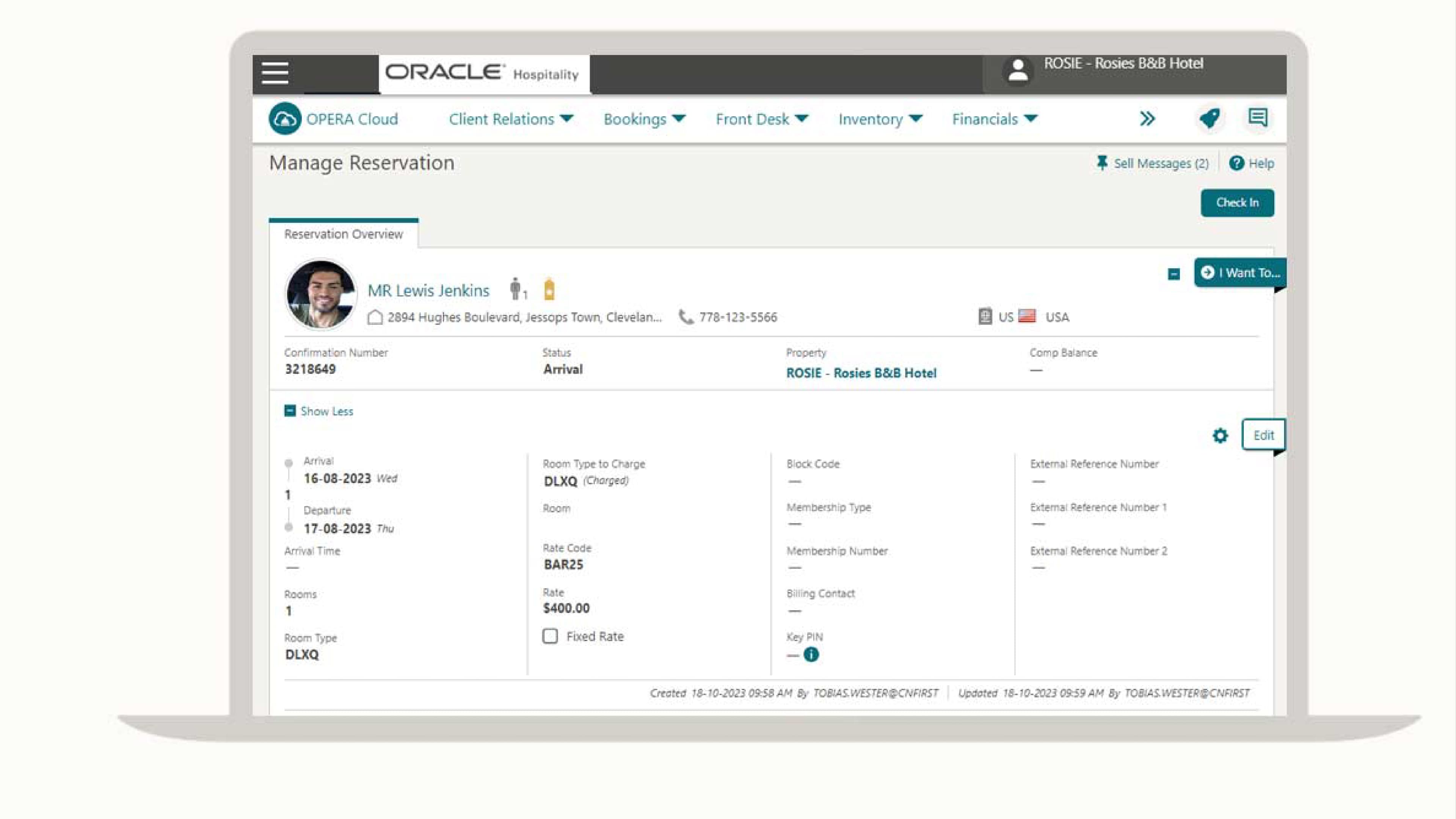
Create, modify, and track individual or group reservations with real-time availability. The system supports complex booking scenarios, including split stays and room upgrades.
Front Desk Operations:
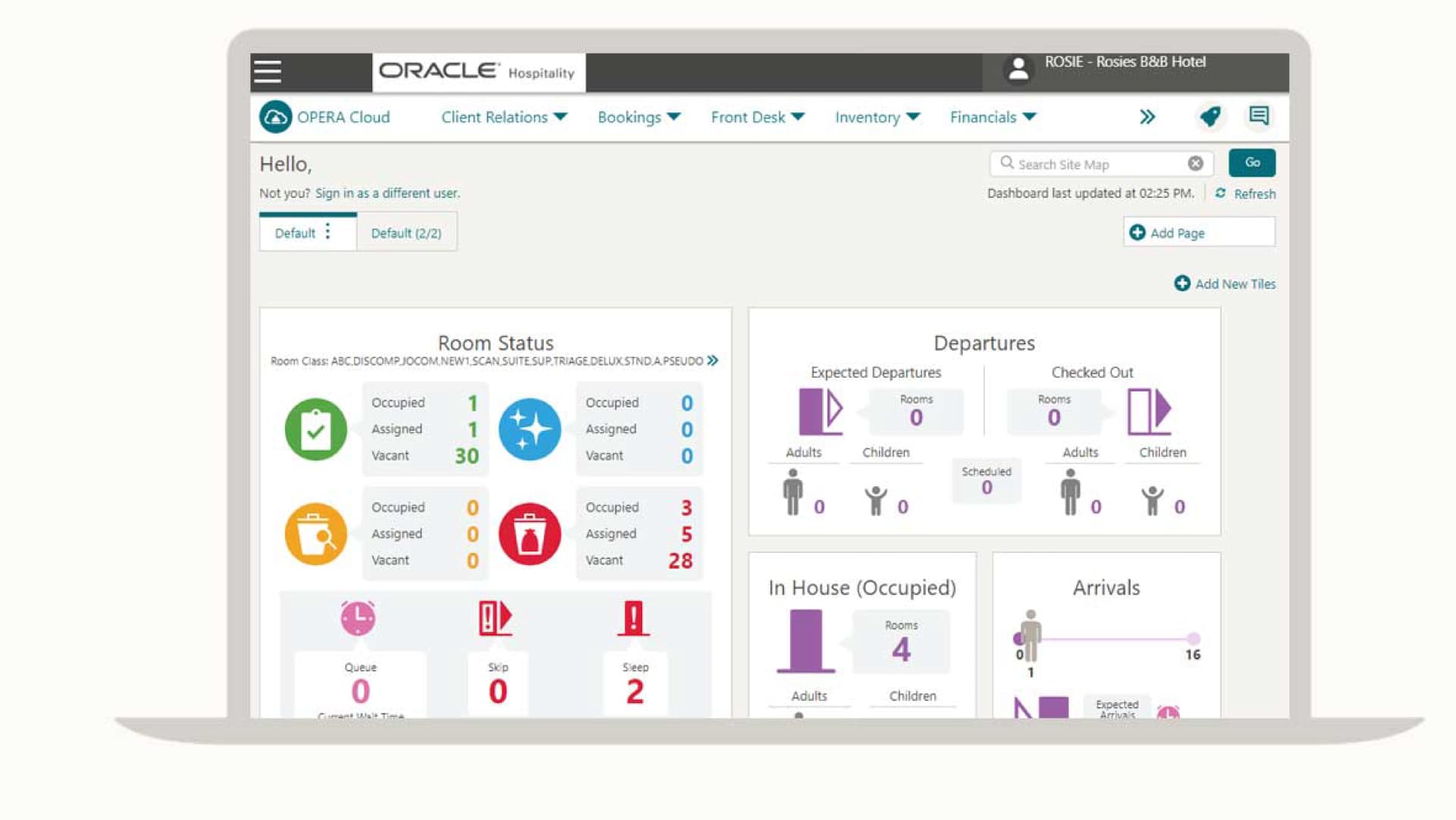
Manage check-in, check-out, room assignments, and guest folios from a centralized dashboard. Staff can access guest preferences and special requests instantly.
Housekeeping Management:
Track room status, assign cleaning tasks, and update availability in real time. Automated notifications help coordinate between front desk and housekeeping teams.
Rate and Inventory Management:
Set dynamic pricing, manage rate plans, and control room inventory across multiple channels. The platform supports yield management and negotiated corporate rates.
Reporting and Analytics:
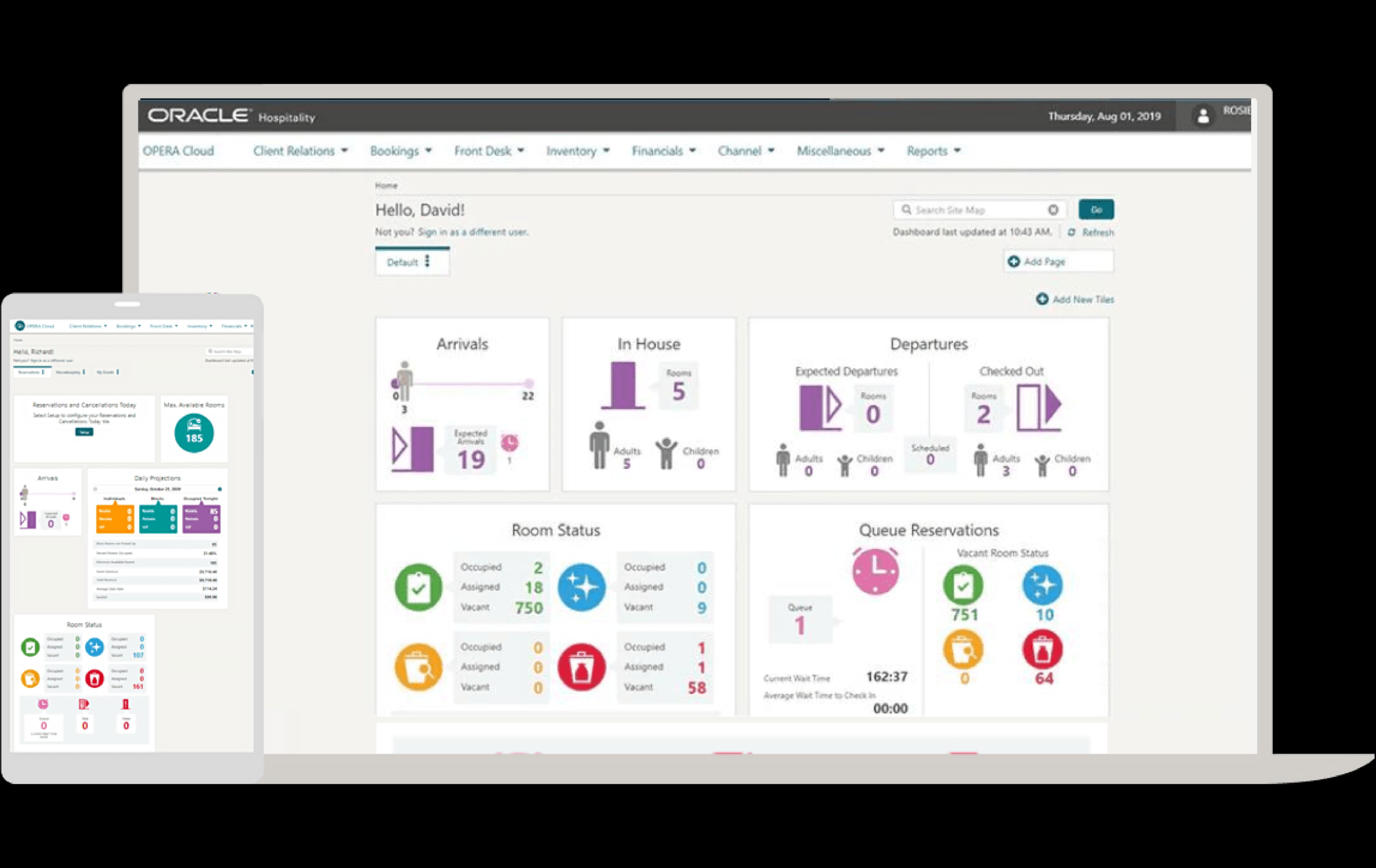
Generate detailed operational, financial, and guest reports with customizable dashboards. Users can analyze occupancy trends, revenue performance, and guest demographics.
Guest Profile Management:
Store and update guest preferences, history, and loyalty information in a centralized database. This enables personalized service and targeted marketing campaigns.
Ease of Use
Oracle OPERA’s interface is feature-rich but can feel overwhelming for new users, especially in smaller properties or with limited IT support. Many users report that navigating menus and configuring workflows requires extensive training. However, once staff are familiar with the system, its depth allows for precise control over operations and guest management. The platform’s complexity is a trade-off for its advanced capabilities, making it better suited to teams with dedicated training resources.
Integrations
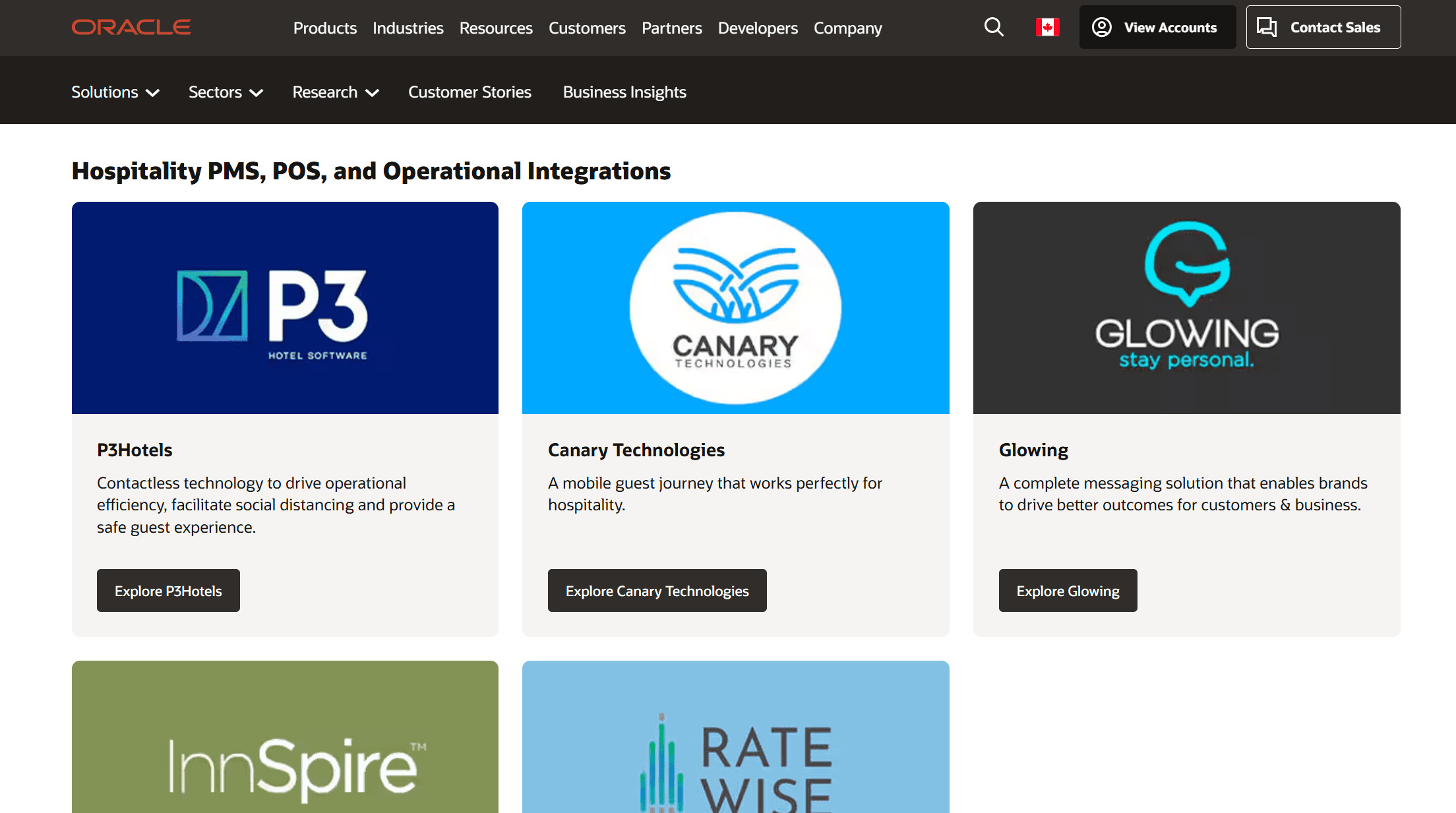
Oracle OPERA integrates with Oracle MICROS POS, Sabre, Amadeus, SiteMinder, Duetto, IDeaS, TravelClick, GDS systems, payment gateways, and key card systems, among others.
The platform also offers an API for custom integrations and connects with a wide range of third-party tools.
Oracle OPERA Specs
- API: Yes
- Budgeting: No
- Calendar Management: Yes
- Compliance Tracking: Yes
- Contact Management: Yes
- Customer Management: Yes
- Dashboard: Yes
- Data Export: Yes
- Data Import: Yes
- Data Visualization: No
- Document Management: No
- Expense Tracking: No
- External Integrations: Yes
- Forecasting: No
- Inventory Tracking: Yes
- Multi-Currency: Yes
- Multi-User: Yes
- Notifications: Yes
- Organization Management: No
- Payment Processor: No
- Payroll: No
- Scheduling: No
- Supplier Management: No
- Tax Management: No
- Workflow Management: Yes


