

10 migliori soluzioni software per la gestione degli immobili in affitto per il 2026

10 Migliori Software di Gestione Affitti Immobiliari - Shortlist


Il software di gestione degli affitti immobiliari semplifica attività che richiedono molto tempo, come la riscossione degli affitti, la comunicazione con gli inquilini e il monitoraggio della manutenzione, permettendo al tuo team di concentrarsi sulla costruzione di relazioni più solide con gli inquilini. Gestire una quantità infinita di scartoffie e aggiornamenti manuali può essere una sfida, ma il giusto supporto può ridurre errori costosi e farti risparmiare tempo prezioso. In questo articolo, confronto e recensisco i migliori strumenti per supportare la tua decisione d'acquisto.
Perché fidarsi dei nostri consigli sui software
Il nostro team testa e recensisce software dal 2012. In quanto leader del settore alberghiero noi stessi, sappiamo quanto sia difficile — e importante — scegliere il software giusto.
Per questa guida, abbiamo valutato gli strumenti attraverso test pratici e ricerche indipendenti, assegnando un punteggio agli strumenti in base ai nostri criteri di selezione.
Le nostre recensioni riflettono il nostro giudizio editoriale umano, non un discorso di vendita.
Riepilogo dei Migliori Software di Gestione Affitti Immobiliari
| Tool | Best For | Trial Info | Price | ||
|---|---|---|---|---|---|
| 1 | Ideale per le aziende di affitti turistici | No | $36/mese (fatturazione annuale) | Website | |
| 2 | Ideale per una gestione robusta delle associazioni di comunità | No | $50/user/month | Website | |
| 3 | Ideale per chi cerca una piattaforma di gestione immobiliare tutto-in-uno | No | $100/month, per unit | Website | |
| 4 | Ideale per un monitoraggio finanziario senza sforzo | No | $20/mese per fino a 10 unità | Website | |
| 5 | Ideale per operazioni aziendali modulari | No | $6/utente/mese (fatturazione annuale) | Website | |
| 6 | Ideale per la gestione multicanale delle proprietà | No | $19 per proprietà al mese | Website | |
| 7 | Ideale per la scalabilità nel settore dell'ospitalità | No | $85/mese (minimo 5 postazioni) | Website | |
| 8 | Il migliore per il reperimento senza intoppi degli inquilini | Not available | $35 per proprietà al mese | Website | |
| 9 | Ideale per un'eccellente comunicazione tra inquilino e proprietario | Not available | $9/user/month | Website | |
| 10 | Ideale per una gestione completa degli affitti | No | $40 al mese per unità | Website |
Recensioni sui Migliori Software di Gestione Affitti Immobiliari

Lodgify
Ideale per le aziende di affitti turistici
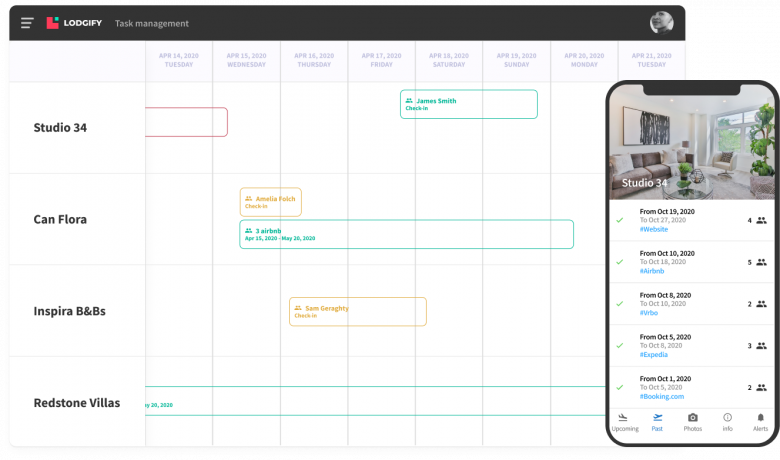
Lodgify è un sistema di gestione delle proprietà specificamente progettato per gli affitti turistici. Offre una suite completa di strumenti per gestire le prenotazioni online, le riservazioni e i siti web, il che lo rende particolarmente adatto alle esigenze delle aziende che operano nel settore degli affitti brevi.
Perché ho scelto Lodgify:
Nella selezione degli strumenti di gestione immobiliare più adatti, Lodgify si è distinto per la sua attenzione alle aziende di affitti brevi. La sua particolare combinazione di funzionalità pensate appositamente per il mercato degli affitti turistici lo differenzia dai software di gestione immobiliare più generici.
Caratteristiche e integrazioni principali:
Lodgify si distingue per le sue funzionalità, come la gestione diretta delle prenotazioni, il channel management, un sistema di prenotazione e un costruttore di siti web progettato specificamente per gli affitti turistici. La piattaforma si integra facilmente con i siti di annunci più popolari come Airbnb, Booking.com e Vrbo, facilitando una maggiore visibilità commerciale.
Pros and Cons
Pros:
- Funzionalità specializzate per gli affitti turistici
- Si integra con le piattaforme di affitti turistici più popolari
- Offre un costruttore di siti web per aziende di affitti turistici
Cons:
- Il costo mensile è relativamente elevato per le piccole imprese
- L'interfaccia utente può essere migliorata
- La fatturazione annuale può risultare scomoda per alcuni utenti

Buildium
Ideale per una gestione robusta delle associazioni di comunità

Buildium è una piattaforma completa per la gestione immobiliare, con un punto di forza particolare nella gestione delle associazioni di comunità. La sua vasta gamma di strumenti risponde a molteplici esigenze, dalla gestione degli inquilini alla reportistica finanziaria.
Perché ho scelto Buildium:
Ho selezionato Buildium per la sua versatilità e solidità nella gestione delle associazioni di comunità. È uno strumento che si distingue per la capacità di gestire grandi associazioni, garantendo una gestione senza intoppi di compiti come la riscossione delle quote, il monitoraggio delle richieste di manutenzione e la comunicazione con i residenti. A mio parere, Buildium è 'Ideale per una gestione robusta delle associazioni di comunità' grazie all'ampia gamma di funzionalità pensate appositamente per questa esigenza.
Funzionalità e integrazioni principali:
Le funzionalità di Buildium includono il monitoraggio dei membri del consiglio, la riscossione delle quote direttamente dai conti bancari, l'archiviazione dei documenti e le bacheche comunitarie per semplificare la comunicazione nell'associazione di proprietari, rendendo semplice la gestione di tutti gli aspetti di una associazione di comunità. Il software si integra con varie piattaforme di pagamento per una riscossione e distribuzione delle quote agevoli e offre anche integrazioni con sistemi di richieste di manutenzione per una manutenzione efficiente delle proprietà.
Pros and Cons
Pros:
- Strumento completo per la gestione delle associazioni di comunità
- Ampia gamma di integrazioni utili
- Funzionalità su misura per la gestione di grandi comunità
Cons:
- Potrebbe essere eccessivo per proprietà piccole o affitti con un solo inquilino
- Prezzo iniziale più elevato rispetto ad alcuni concorrenti
- Alcuni utenti potrebbero trovarlo complesso a causa dell'ampio set di funzionalità
Ideale per chi cerca una piattaforma di gestione immobiliare tutto-in-uno
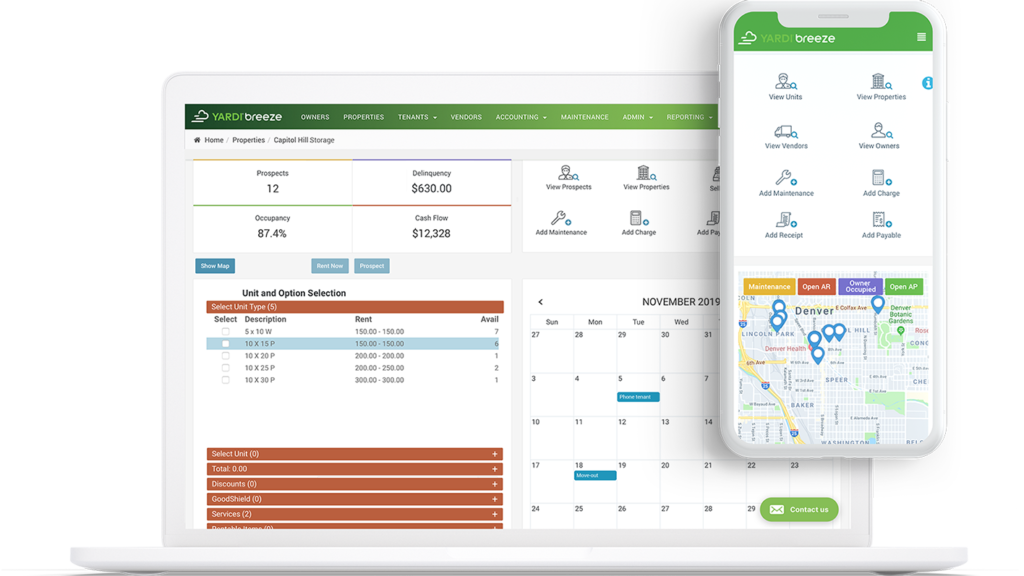
Yardi Breeze è una piattaforma di gestione immobiliare completa che offre un'ampia gamma di funzionalità. Questo strumento è progettato per semplificare tutte le attività di gestione degli immobili, rendendolo una risorsa preziosa per proprietari, amministratori di immobili e organizzazioni immobiliari, in linea con la descrizione 'ideale per' come soluzione tutto-in-uno.
Perché ho scelto Yardi Breeze:
Nella selezione di uno strumento per questa lista, ho dato priorità alle soluzioni complete che offrono una vasta gamma di funzionalità. Yardi Breeze si è distinto proprio in questo senso, fornendo una piattaforma tutto-in-uno che copre quasi ogni aspetto della gestione immobiliare. Dallo screening degli inquilini alla reportistica finanziaria, le sue capacità mi hanno colpito particolarmente. Per questo ritengo che Yardi Breeze sia ideale per chi cerca una piattaforma di gestione immobiliare a 360 gradi.
Cosa offre gratuitamente?
Yardi Breeze non offre un piano gratuito o una versione di prova. Il loro obiettivo è fornire servizi di qualità e premium ai propri utenti.
Funzionalità e integrazioni di spicco:
Yardi Breeze vanta numerose funzionalità che lo rendono una scelta d'elezione. Offre leasing online, screening degli inquilini, marketing, gestione della manutenzione e report finanziari dettagliati. Per quanto riguarda le integrazioni, Yardi Breeze è compatibile con altri prodotti Yardi, favorendo un flusso uniforme dei dati tra i moduli di gestione immobiliare. Si integra inoltre con sistemi finanziari e piattaforme CRM per offrire maggiore praticità agli utenti.
Pros and Cons
Pros:
- Suite completa di funzionalità per la gestione immobiliare
- Compatibile con altri prodotti Yardi e vari sistemi finanziari
- Include funzionalità di screening degli inquilini e leasing online
Cons:
- Non è previsto un periodo di prova o un piano gratuito
- Il costo può essere elevato per i piccoli gestori immobiliari
- La vasta gamma di funzionalità può risultare complessa per i nuovi utenti

Ideale per un monitoraggio finanziario senza sforzo
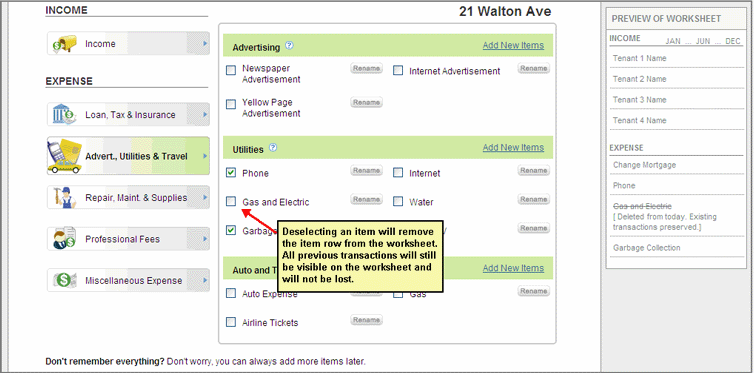
SimplifyEm è all'altezza del suo nome, rendendo la gestione finanziaria degli immobili in affitto un compito più semplice. Grazie a funzionalità di contabilità avanzate, si distingue come uno strumento eccellente per chi desidera mantenere i propri dati finanziari ordinati e trasparenti.
Perché ho scelto SimplifyEm:
Ho scelto SimplifyEm per l'attenzione posta sulla semplificazione della gestione finanziaria nel settore degli affitti. Le sue funzionalità contabili avanzate lo rendono unico nella sua categoria. Il software è 'Ideale per un monitoraggio finanziario senza sforzo' grazie alla capacità di centralizzare attività finanziarie come la riscossione degli affitti, il monitoraggio delle spese e la generazione di report finanziari.
Caratteristiche uniche e integrazioni:
Le principali funzionalità di SimplifyEm includono la riscossione degli affitti online, il monitoraggio delle spese e la reportistica finanziaria. Lo strumento offre anche l'archiviazione dei documenti, facilitando la conservazione di tutta la documentazione relativa agli affitti in un unico luogo. SimplifyEm si integra con banche e altre istituzioni finanziarie per una gestione fluida del denaro.
Pros and Cons
Pros:
- Funzionalità avanzate di monitoraggio finanziario
- Si integra con le banche per transazioni senza interruzioni
- Prezzo accessibile
Cons:
- Mancano alcune funzionalità di gestione degli inquilini
- L'interfaccia utente potrebbe essere più moderna
- Orari limitati per il servizio clienti

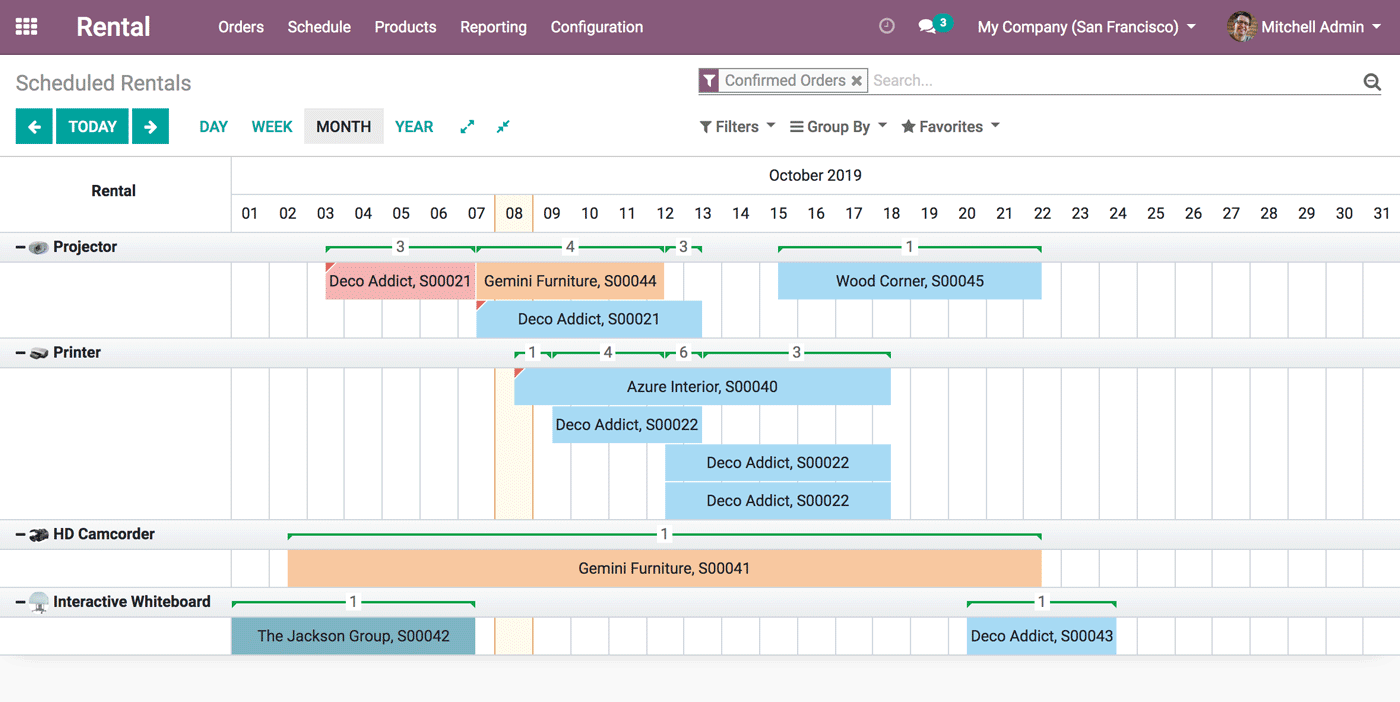
Odoo è un software open-source di pianificazione delle risorse d'impresa (ERP) e gestione delle relazioni con i clienti (CRM) che offre una gamma di applicazioni aziendali. Il suo approccio modulare consente alle aziende di scegliere e integrare le applicazioni che meglio si adattano alle proprie operazioni.
Perché ho scelto Odoo:
Nella selezione di uno strumento che si distingue per la gestione modulare delle operazioni aziendali, ho scelto Odoo per la sua natura adattabile e personalizzabile. Gli utenti possono selezionare tra una miriade di moduli, ciascuno pensato per una diversa esigenza aziendale, consentendo la massima flessibilità nella creazione di una soluzione su misura. Pertanto, Odoo è uno strumento che eccelle nella gestione modulare delle attività d'impresa.
Caratteristiche distintive e integrazioni:
Le funzionalità chiave di Odoo includono CRM, vendite, fatturazione, gestione operativa, produzione, creazione di siti web, e-commerce e strumenti di marketing. Questa suite completa lo rende una soluzione unica per varie esigenze aziendali. Per quanto riguarda le integrazioni, Odoo può sincronizzarsi facilmente tramite la sua API con gateway di pagamento come PayPal e Ingenico, oltre che con corrieri di spedizione come DHL, UPS e FedEx. Ciò facilita il processo e-commerce dal pagamento alla consegna.
Pros and Cons
Pros:
- Offre una vasta gamma di applicazioni aziendali
- Altamente personalizzabile e adattabile alle esigenze specifiche
- Integrazioni senza soluzione di continuità con gateway di pagamento e corrieri di spedizione
Cons:
- Il prezzo iniziale non include il costo delle app aggiuntive
- Potrebbe avere una curva di apprendimento per utenti meno esperti di tecnologia
- Alcuni utenti hanno segnalato occasionali rallentamenti nel sistema

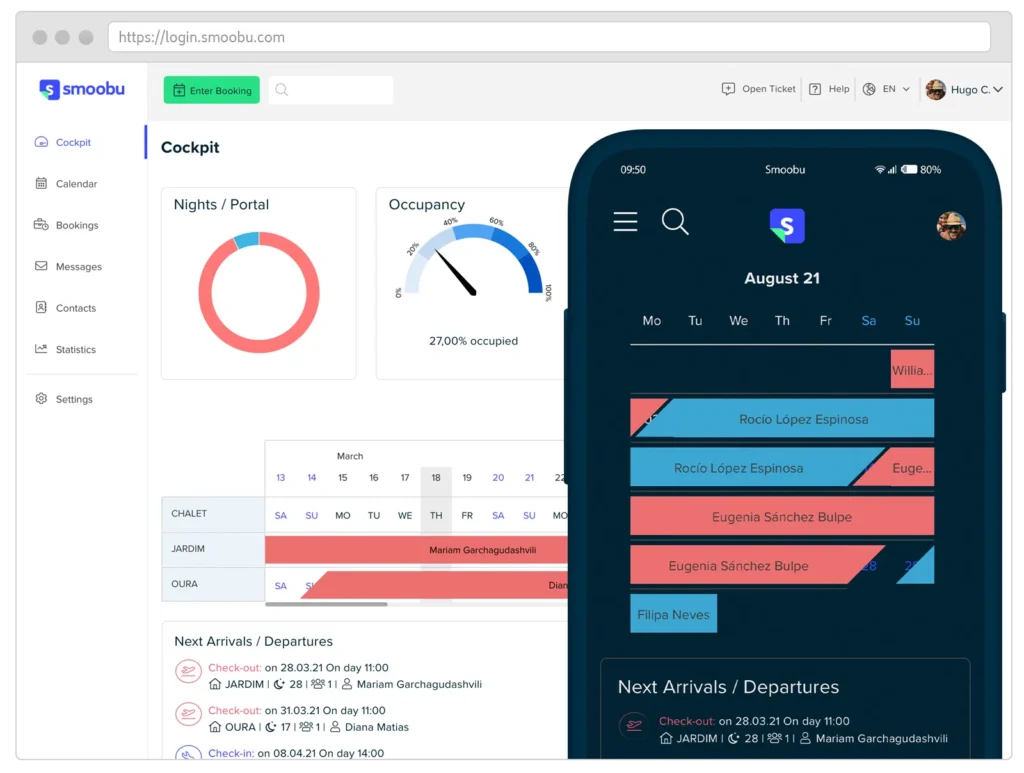
Smoobu è un versatile sistema di gestione immobiliare che facilita la gestione multicanale delle proprietà commerciali. Unisce diverse piattaforme in un'unica dashboard, rendendolo uno strumento ideale per le aziende che gestiscono immobili su diversi canali online.
Perché ho scelto Smoobu:
Durante il confronto tra vari sistemi di gestione immobiliare, ho riscontrato che Smoobu ha un vantaggio nella gestione multicanale delle proprietà. La sua integrazione fluida con molteplici piattaforme di affitto online lo distingue e conferma perché è il più adatto alla gestione di immobili su più canali.
Caratteristiche e integrazioni principali:
Le caratteristiche più impressionanti di Smoobu includono la sincronizzazione delle prenotazioni, modelli di comunicazione e un motore di prenotazione. Il sistema si integra con numerose piattaforme di affitto, come Airbnb, Booking.com, Expedia e HomeAway, nonché con società di gestione immobiliare, semplificando notevolmente la gestione multicanale delle proprietà.
Pros and Cons
Pros:
- Si integra con una vasta gamma di piattaforme di affitto
- Eccellente per gestire più canali da un'unica dashboard
- Offre un modulo di comunicazione unificato per facilitare i contatti
Cons:
- Il prezzo può aumentare per immobili presenti su più piattaforme
- Alcuni utenti potrebbero trovare l'interfaccia inizialmente un po' complessa
- La disponibilità dell'assistenza clienti può essere migliorata


RMS Cloud è un software di gestione immobiliare basato su cloud progettato per assistere il settore dell'ospitalità. Le sue funzionalità estese si adattano a diverse tipologie e dimensioni di strutture, rendendolo uno strumento eccellente per la scalabilità nel settore immobiliare.
Perché ho scelto RMS Cloud:
Nel mio processo di selezione, RMS Cloud si è distinto come scelta ideale grazie alle sue funzionalità complete e alla struttura flessibile, pensate per diversi tipi di attività nel settore dell'ospitalità. La sua capacità di adattarsi sia a piccole che grandi operazioni, in modo simile a piattaforme come Yardi Breeze, lo ha reso unico, dimostrando la sua scalabilità nel settore dell'ospitalità.
Caratteristiche e integrazioni principali:
Tra le funzionalità più rilevanti di RMS Cloud vi sono la gestione delle prenotazioni online, la tariffazione dinamica, le pulizie e i report. Questi elementi offrono una soluzione completa per la gestione delle proprietà. Per quanto riguarda le integrazioni, RMS Cloud si collega a diverse piattaforme di terze parti, inclusi Online Travel Agents (OTA), Global Distribution Systems (GDS) e sistemi di Punto Vendita (POS), semplificando la gestione di diversi aspetti delle attività del settore alberghiero.
Pros and Cons
Pros:
- Offre funzionalità complete per la gestione delle proprietà
- Si integra con una varietà di piattaforme di terze parti
- Scalabile per operazioni di diverse dimensioni
Cons:
- Il prezzo di partenza può risultare elevato per le piccole imprese
- Il requisito minimo di 5 postazioni potrebbe limitare le attività molto piccole
- L'interfaccia può richiedere un periodo di apprendimento per i nuovi utenti

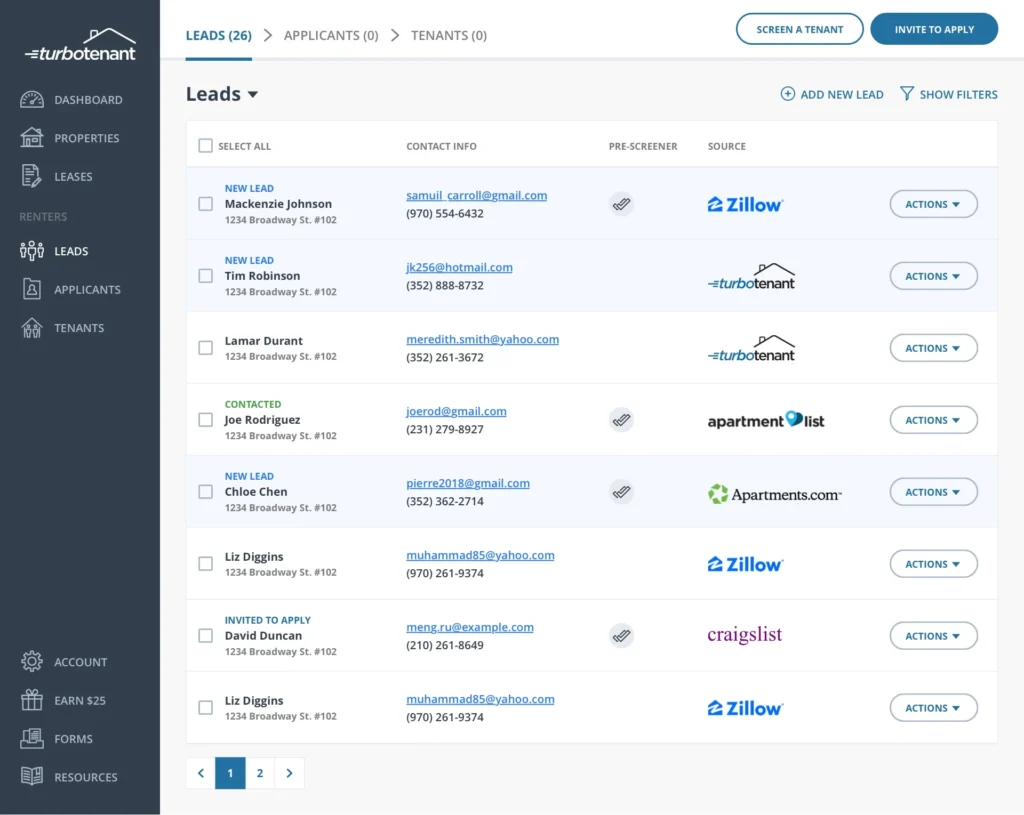
Turbo Tenant offre una suite di strumenti, accessibili su dispositivi Android e tramite la loro API, progettati per rendere il processo di ricerca e acquisizione degli inquilini un'operazione semplice. Il suo focus sulle capacità di reperimento degli inquilini lo rende una soluzione ideale per i gestori che cercano un modo senza complicazioni di riempire le unità vacanti.
Perché ho scelto Turbo Tenant:
Ho scelto Turbo Tenant per le sue potenti funzionalità di reperimento degli inquilini, che lo differenziano da altri software di gestione immobiliare. La sua capacità di gestire e semplificare il processo di acquisizione degli inquilini lo rende, secondo me, uno strumento indispensabile. Turbo Tenant si distingue come 'Il migliore per il reperimento senza intoppi degli inquilini' grazie ai suoi processi di candidatura e selezione degli inquilini facili da usare, rendendolo una delle scelte principali per i gestori che vogliono ridurre al minimo il tempo di sfitto delle proprietà.
Funzionalità e integrazioni principali:
Turbo Tenant offre funzionalità degne di nota come candidature in affitto online, report di screening degli inquilini basati su TransUnion, strumenti di marketing integrati per pubblicizzare le proprietà vacanti e un sistema efficiente per tracciare le richieste di manutenzione. Fornisce inoltre contratti di locazione specifici per ogni stato, assicurando la conformità legale. La piattaforma si integra con i principali siti di annunci immobiliari, facilitando la pubblicizzazione delle tue proprietà su tutto il web.
Pros and Cons
Pros:
- Eccellenti capacità di reperimento degli inquilini
- Integrazione con i principali siti di annunci immobiliari
- Fornisce contratti di locazione specifici per ogni stato
Cons:
- Non offre tutte le funzionalità complete di gestione immobiliare
- Opzioni di personalizzazione limitate
- L'assistenza clienti potrebbe essere migliorata

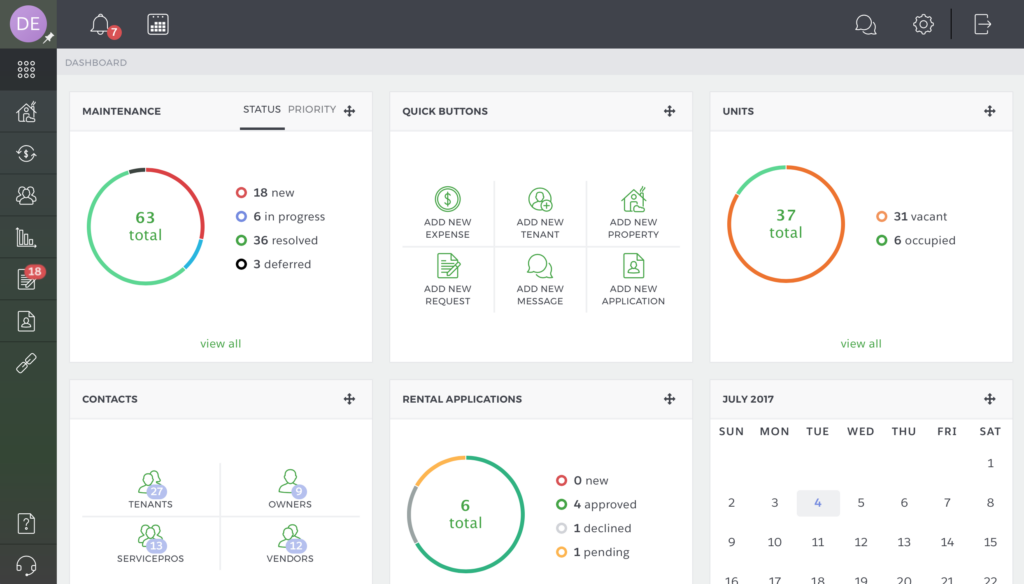
Tenant Cloud è una piattaforma di gestione immobiliare basata su cloud che favorisce la comunicazione tra inquilini e proprietari. Offre una vasta gamma di funzionalità, come la riscossione dell'affitto, il monitoraggio delle richieste di manutenzione e, soprattutto, un sistema di messaggistica integrato per facilitare una comunicazione chiara.
Perché ho scelto Tenant Cloud:
Quando ho confrontato gli strumenti, ho selezionato Tenant Cloud principalmente per la sua forte attenzione alla comunicazione tra inquilino e proprietario. Si distingue per l'inclusione di un sistema di messaggistica integrato che consente comunicazioni in tempo reale, rendendo più facile affrontare le problematiche e mantenere un rapporto positivo tra proprietario e inquilino. Quindi, a mio parere, Tenant Cloud è 'Ideale per un'eccellente comunicazione tra inquilino e proprietario.'
Funzionalità e integrazioni principali:
Tenant Cloud offre funzionalità come i pagamenti online dell'affitto tramite carta di credito, il monitoraggio degli inquilini e un solido sistema di reportistica. La funzione di messaggistica integrata è la sua offerta più rilevante, consentendo una comunicazione diretta tra inquilini e proprietari. Per quanto riguarda le integrazioni, si collega con gateway di pagamento popolari come PayPal e Stripe, oltre a offrire una perfetta integrazione con QuickBooks per la contabilità immobiliare.
Pros and Cons
Pros:
- Sistema di messaggistica integrato per una comunicazione migliorata
- Integrazione con gateway di pagamento popolari
- Prezzi accessibili per piccoli proprietari o gestori immobiliari
Cons:
- Il livello gratuito è piuttosto limitato in termini di funzionalità
- Potrebbe mancare di alcune funzionalità avanzate presenti in altre piattaforme
- Alcuni utenti segnalano una curva di apprendimento impegnativa per l'interfaccia

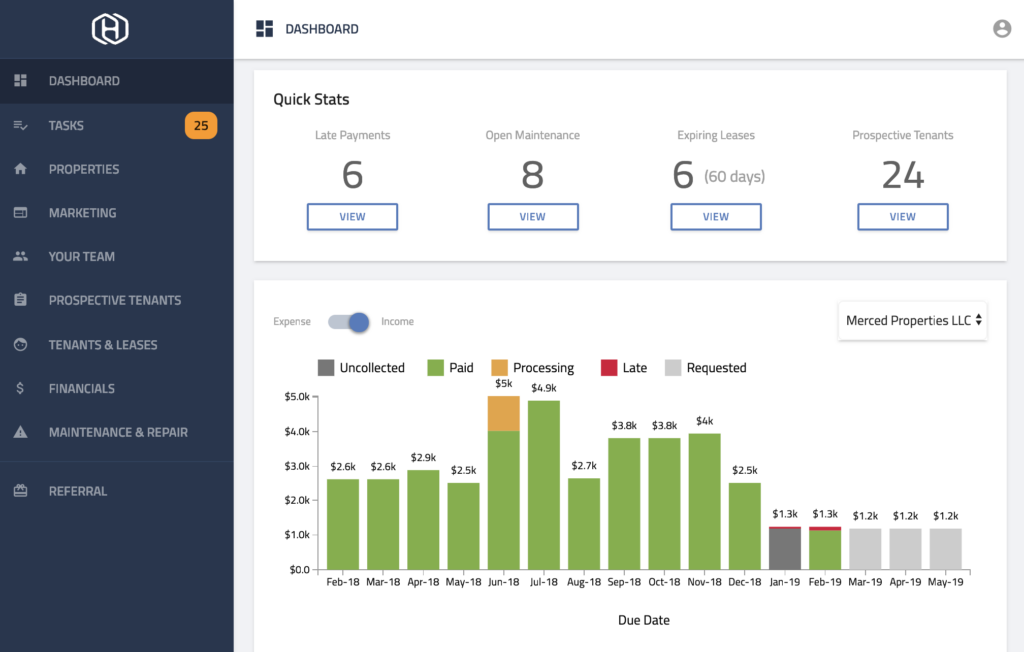
Hemlane adotta un approccio olistico alla gestione degli immobili in affitto per diversi tipi di proprietà, permettendo a proprietari, investitori immobiliari e gestori di immobili di controllare e automatizzare ogni aspetto della loro attività. Riunendo tutto sotto un unico tetto, risponde alle esigenze di una strategia completa di gestione degli affitti, giustificando così il motivo per cui è la migliore in questo ambito.
Perché ho scelto Hemlane:
Hemlane è stata scelta per il suo set di funzionalità completo che risponde davvero alle diverse esigenze dei gestori immobiliari. Va oltre le funzionalità base di gestione di immobili in affitto, offrendo una piattaforma tutto-in-uno. È per questo che Hemlane si distingue come la migliore per la gestione completa degli affitti: non lascia nulla al caso, fornendo soluzioni per ogni aspetto della tua attività.
Caratteristiche e integrazioni principali:
Il robusto set di funzionalità di Hemlane comprende un portale inquilini facile da usare, screening degli inquilini, riscossione dell'affitto, coordinamento della manutenzione e reportistica finanziaria. La sua funzione all'avanguardia per la pubblicità degli affitti consente di promuovere le proprietà su oltre 40 siti web con un solo clic. Hemlane si integra con le principali piattaforme come Zillow, Apartments.com e Realtor.com, garantendo la massima visibilità agli annunci delle tue proprietà.
Pros and Cons
Pros:
- Offre una suite completa di funzionalità per la gestione immobiliare
- Ampie integrazioni con siti di annunci immobiliari
- Interfaccia intuitiva
Cons:
- Il prezzo iniziale potrebbe essere elevato per le realtà più piccole
- Alcune funzionalità possono richiedere tempo per essere padroneggiate a causa della completezza della piattaforma
- Orari del servizio clienti limitati
Altri Strumenti di Gestione Affitti Immobiliari
Di seguito trovi un elenco di ulteriori software di gestione affitti che abbiamo selezionato ma che non sono rientrati nella top 10. Vale sicuramente la pena darci un’occhiata.
- Property Vista
Ideale per un processo di locazione semplificato
- Showdigs
Migliore per la visita flessibile degli immobili
- Rentpost
Ottimo per modelli di contratto di locazione personalizzabili


Come Valuto i Software di Gestione delle Proprietà in Affitto
Valuto questi strumenti su due livelli: le funzionalità di base che ogni piattaforma deve avere—come la sincronizzazione OTA, l'elaborazione dei pagamenti e la gestione multi-proprietà—e i fattori che davvero distinguono una soluzione dall'altra.
Funzionalità di Base (Requisiti Fondamentali per Questa Lista)
Quando seleziono gli strumenti per la mia lista, li valuto su una scala da 0 (non offre la funzionalità) a 5 (eccelle in quest'area) per ciascuna funzionalità di base indicata di seguito. Quindi calcolo il punteggio totale dello strumento in percentuale. Ogni strumento deve raggiungere un punteggio minimo totale del 65% per essere preso in considerazione.
- Integrazione con Channel Manager: Verifico se la piattaforma sincronizza tariffe, disponibilità e contenuti tra le principali OTA come Airbnb, Booking.com e Vrbo in tempo reale per evitare doppie prenotazioni.
- Gestione Prenotazioni & Riservazioni: Qui conta un calendario centralizzato che gestisca l'intero ciclo di vita della prenotazione, dalla richiesta iniziale alla conferma, modifica e cancellazione.
- Supporto Multi-Proprietà: Valuto se è possibile gestire più unità o sedi da un unico account con impostazioni per singola proprietà, visto che la maggior parte degli utenti supera rapidamente le soluzioni per singola unità.
- Elaborazione dei Pagamenti & Contabilità Fiduciaria: Cerco strumenti integrati per la riscossione dei pagamenti, la gestione dei depositi e il pagamento dei proprietari, soprattutto per chi deve separare i fondi dei proprietari dal reddito operativo.
- Comunicazione & Messaging Ospiti: Le istruzioni automatiche prima dell'arrivo, i dettagli di check-in e i messaggi post-soggiorno dovrebbero essere attivati in base agli eventi di prenotazione senza bisogno di follow-up manuale per ogni ospite.
- Gestione Pulizie & Operazioni: Cerco una pianificazione dei cambi di turno collegata direttamente agli orari di check-out e check-in, così il personale di pulizia riceve incarichi automatici appena un ospite lascia la struttura.
Una volta che ho una lista di strumenti che rispettano i criteri, considero cosa distingue ogni piattaforma.
Fattori Differenzianti (Cosa Rende Unica Ogni Soluzione)
Ecco come confronto e valuto i diversi fornitori:
Funzionalità Distintive
Gli strumenti di pricing dinamico sono un fattore chiave. Cerco piattaforme che regolano automaticamente le tariffe notturne in base alla domanda, alla stagionalità e agli eventi locali, invece di richiedere modifiche manuali delle tariffe. Anche un costruttore di siti web per prenotazioni dirette è importante perché consente di ridurre i costi di commissione delle OTA attirando ospiti ricorrenti sul proprio sito brandizzato. Per i gestori che lavorano per conto dei proprietari, un portale proprietario con visibilità in tempo reale sui ricavi consente di risparmiare ore di rendicontazione manuale ogni mese. Le integrazioni con smart lock completano il quadro, permettendo accessi senza chiavi collegati direttamente alle finestre di prenotazione.
Oltre le Funzionalità
Qui il modello di prezzo conta molto. Alcune piattaforme addebitano per unità, altre prendono una percentuale per ogni prenotazione, e la soluzione giusta dipende dai tassi di occupazione e dal ricavo medio notturno. Valuto anche attentamente l'ecosistema di integrazioni perché una piattaforma che si collega a QuickBooks o Xero, oltre che ad app di pulizia e fornitori di smart lock, evita soluzioni manuali. Anche la scalabilità è un fattore che considero. Uno strumento adatto a cinque unità deve funzionare altrettanto bene anche con cinquanta, senza obbligare a una costosa migrazione di piattaforma o a un salto di piano.
Come Scegliere un Software di Gestione Affitti Immobiliari
È facile perdersi tra lunghe liste di funzionalità e strutture tariffarie complesse. Per aiutarti a mantenere la concentrazione durante il tuo percorso di selezione del software, ecco una checklist di fattori da tenere a mente:
| Fattore | Cosa Considerare |
|---|---|
| Scalabilità | Il software crescerà con il tuo portafoglio immobiliare? Verifica che possa gestire un aumento degli immobili senza costi significativi o rallentamenti del sistema. |
| Integrazioni | Si collega con i sistemi già in uso come strumenti di contabilità o CRM? La compatibilità con altri software permette di risparmiare tempo e ridurre l'inserimento manuale dei dati. |
| Personalizzazione | Puoi adattare il software ai tuoi processi specifici? Cerca la possibilità di modificare dashboard, report e notifiche in base al tuo flusso di lavoro. |
| Facilità d’uso | Il software è intuitivo per te e il tuo team? Un'interfaccia complicata può causare errori e frustrazione, quindi dai priorità a un design user-friendly. |
| Implementazione e onboarding | Quanto tempo servirà per essere operativi? Considera il tempo e le risorse necessarie per formazione e migrazione dei dati. Chiedi anche quale supporto è previsto in questa fase. |
| Costo | Ci sono costi nascosti? Guarda oltre il prezzo iniziale. Considera i costi a lungo termine, inclusi aggiornamenti e licenze aggiuntive per gli utenti. |
| Sicurezza | Protegge i dati degli inquilini e quelli finanziari? Verifica che sia conforme alle normative sulla protezione dei dati e che offra funzionalità come la crittografia e il backup regolare. |
| Assistenza | Riceverai supporto quando necessario? Verifica se il fornitore offre assistenza 24/7 e vari metodi di contatto (chat, telefono, email) per un aiuto rapido. |
Cos’è un Software di Gestione Affitti Immobiliari?
Il software di gestione delle proprietà in affitto è uno strumento progettato per aiutare proprietari e gestori immobiliari a gestire le attività quotidiane come la riscossione degli affitti, la comunicazione con gli inquilini e le richieste di manutenzione. Questi strumenti sono comunemente utilizzati da gestori immobiliari, proprietari e professionisti del settore immobiliare per semplificare le operazioni e migliorare l'efficienza. Le funzionalità di gestione dei contratti di locazione, monitoraggio degli affitti e programmazione della manutenzione aiutano a organizzare le attività e a gestire i rapporti con gli inquilini.
Funzionalità del software di gestione delle proprietà in affitto
Quando scegli un software di gestione delle proprietà in affitto, presta attenzione alle seguenti funzionalità chiave:
- Gestione dei contratti di locazione: Automatizza la creazione, il monitoraggio e i rinnovi dei contratti per mantenere i tuoi accordi di affitto organizzati e aggiornati.
- Screening degli inquilini: Fornisce strumenti per verificare i dati di credito e precedenti, aiutandoti a selezionare inquilini affidabili.
- Riscossione degli affitti: Facilita i pagamenti online degli affitti, riducendo i ritardi e semplificando la contabilità.
- Monitoraggio della manutenzione: Gestisce le richieste di manutenzione e pianifica le riparazioni, garantendo risposte tempestive alle esigenze degli inquilini.
- Reportistica finanziaria: Genera report finanziari dettagliati per aiutarti a tenere traccia facilmente di entrate e spese.
- Comunicazione automatizzata: Invia messaggi e promemoria automatici agli inquilini, migliorando la comunicazione e riducendo il lavoro manuale.
- Dashboard personalizzabili: Ti consente di adattare l'interfaccia alle tue specifiche esigenze, facilitando l'accesso rapido alle informazioni più importanti.
- Accesso tramite app mobile: Offre accesso alle attività di gestione immobiliare anche in movimento, mantenendoti sempre connesso ovunque tu sia.
- Sicurezza dei dati: Assicura che i dati degli inquilini e quelli finanziari siano protetti tramite crittografia e backup regolari.
- Capacità di integrazione: Si collega ad altri strumenti come il software di contabilità per ottimizzare le operazioni e ridurre l'inserimento manuale dei dati.
Vantaggi del software di gestione delle proprietà in affitto
L'implementazione di un software di gestione delle proprietà in affitto offre numerosi vantaggi per il tuo team e la tua attività. Eccone alcuni a cui puoi aspirare:
- Risparmio di tempo: Automatizza le attività di routine come la riscossione degli affitti e la gestione dei contratti, liberando tempo per attività più strategiche.
- Migliori relazioni con gli inquilini: Migliora la comunicazione con gli inquilini grazie a messaggi e promemoria automatici, aumentando la soddisfazione degli inquilini.
- Chiarezza finanziaria: Offre report finanziari dettagliati, aiutandoti a monitorare entrate e spese e a prendere decisioni finanziarie informate.
- Migliore organizzazione: Conserva tutte le informazioni relative alle proprietà in un unico posto, facilitando l'accesso a contratti, dettagli degli inquilini e richieste di manutenzione.
- Riduzione degli errori: Minimizza l'inserimento manuale dei dati e il rischio di errori umani integrandosi con altri strumenti software come i sistemi di contabilità.
- Flessibilità: Offre accesso tramite app mobile, consentendoti di gestire le proprietà anche fuori ufficio.
- Garanzia di sicurezza: Protegge i dati sensibili degli inquilini e quelli finanziari con funzionalità di sicurezza avanzate, assicurando la conformità alle normative sulla protezione dei dati.
Costi e prezzi del software di gestione delle proprietà in affitto
La scelta di un software di gestione delle proprietà in affitto richiede la comprensione dei vari modelli di prezzo e dei piani disponibili. I costi variano in base alle funzionalità, alle dimensioni del team, agli add-on e altro ancora. La tabella seguente riassume i piani più comuni, i loro prezzi medi e le funzionalità tipiche incluse nelle soluzioni di software di gestione delle proprietà in affitto:
Tabella di comparazione dei piani per il software di gestione delle proprietà in affitto
| Tipo di piano | Prezzo medio | Funzionalità comuni |
|---|---|---|
| Piano gratuito | $0 | Gestione basilare dei contratti, comunicazione con gli inquilini e monitoraggio degli affitti. |
| Piano personale | $10-$30/user/month | Screening degli inquilini, richieste di manutenzione e report finanziari basilari. |
| Piano business | $50-$100/user/month | Report avanzati, comunicazione automatizzata e dashboard personalizzabili. |
| Piano enterprise | $150-$300/user/month | Capacità di integrazione, accesso da app mobile e misure di sicurezza avanzate. |
Software di Gestione delle Proprietà in Affitto (FAQ)
Il software di gestione delle proprietà in affitto può integrarsi con strumenti di contabilità?
Sì, molte soluzioni software di gestione delle proprietà in affitto si integrano con i principali strumenti di contabilità. Questa integrazione semplifica la gestione finanziaria sincronizzando i dati tra i sistemi. Riduce l’inserimento manuale dei dati e aiuta a mantenere registri finanziari accurati.
L'accesso mobile è disponibile con il software di gestione delle proprietà in affitto?
Molti software di gestione delle proprietà in affitto offrono app mobili. Queste app consentono ai gestori immobiliari di accedere alle informazioni e svolgere attività ovunque si trovino. L’accesso mobile può aumentare la flessibilità e la produttività per i gestori più impegnati.
E ora?
Se stai cercando un software di gestione delle proprietà in affitto, collegati con un consulente SoftwareSelect per ricevere consigli gratuiti.
Compila un modulo e fai una breve chiacchierata in cui approfondiranno le tue esigenze specifiche. Successivamente riceverai una lista ristretta di software da valutare. Ti supporteranno anche durante l'intero processo d'acquisto, incluse le negoziazioni sul prezzo.