

Recensione del software di gestione alberghiera Cloudbeds per 2026

Recensiamo gli strumenti in modo indipendente e le commissioni ci aiutano a finanziare i nostri test. Consulta la nostra politica sulla trasparenza, la nostra metodologia oppure suggerisci uno strumento.
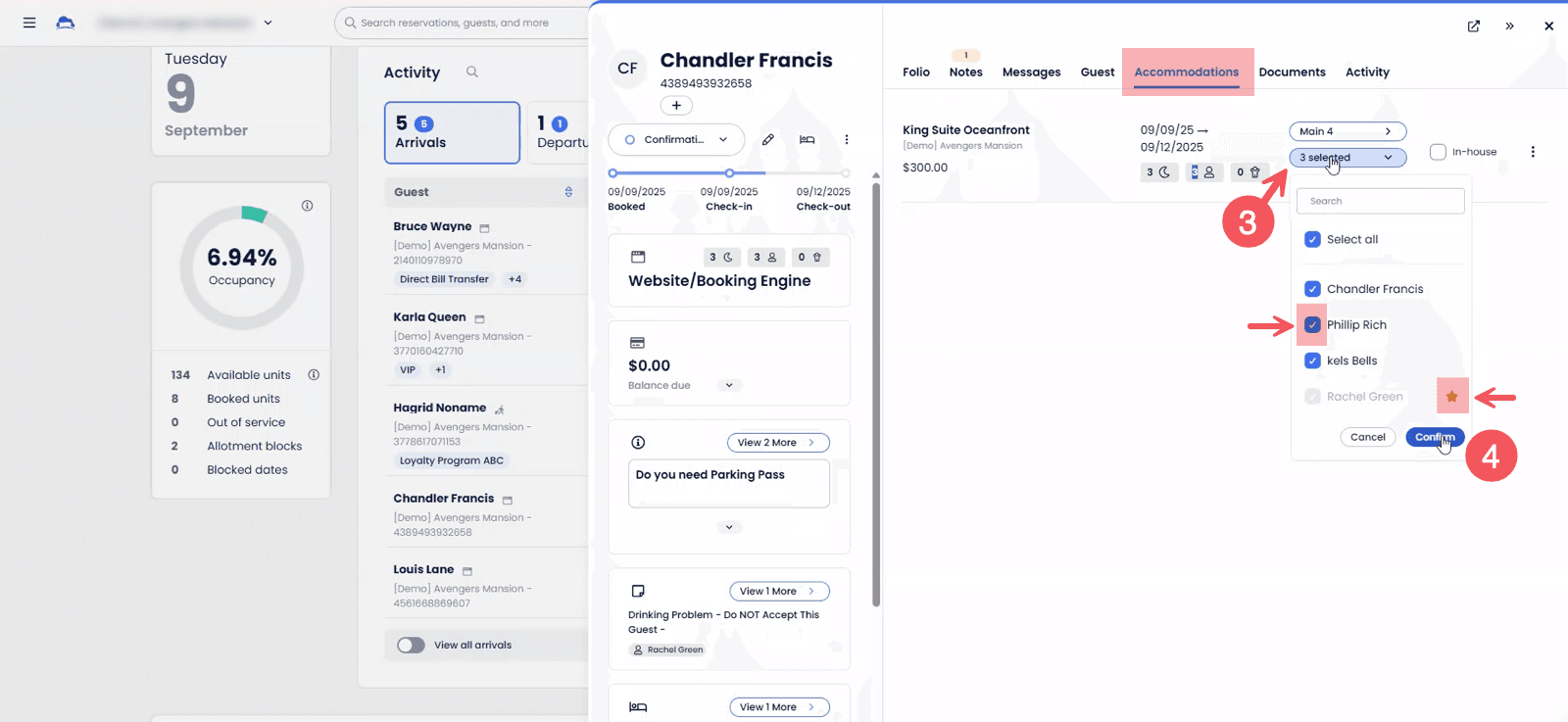
Cloudbeds is a hospitality management platform built for hotels, hostels, vacation rentals, and multi-property groups that want to manage operations, distribution, guest experience, and revenue tools in one system. When you’re dealing with front desk workflows, online distribution, payments, and guest communications across multiple tools, it’s easy for information to become fragmented. Cloudbeds aims to reduce that fragmentation by offering a core property management system with built-in payments, distribution options, and a large marketplace of integrations.
Rather than acting solely as a PMS, Cloudbeds provides a platform as a foundation that properties can expand with optional revenue, marketing, and guest experience products powered by its Signals AI model. In this review, I’ll walk through Cloudbeds’s features, pricing structure, strengths, limitations, and ideal use cases so you can decide whether it fits your property’s size, complexity, and growth plans.
Cloudbeds Evaluation Summary
4.3/5
- Pricing upon request
- Free demo available
Perché fidarsi dei nostri consigli sui software
6,700+
Reviews
20
Industry experts
16+
Evaluation factors
14
Years
Il nostro team testa e recensisce software dal 2012. In quanto leader del settore alberghiero noi stessi, sappiamo quanto sia difficile — e importante — scegliere il software giusto.
Per questa guida, abbiamo valutato gli strumenti attraverso test pratici e ricerche indipendenti, assegnando un punteggio agli strumenti in base ai nostri criteri di selezione.
Le nostre recensioni riflettono il nostro giudizio editoriale umano, non un discorso di vendita.
Cloudbeds Overview
Cloudbeds is designed as a unified, cloud-native platform rather than a collection of disconnected modules. At its core are the PMS, payments, and marketplace, with optional distribution tools like the channel manager and booking engine, as well as add-ons for revenue intelligence, marketing, websites, and reputation management.
Compared to legacy hospitality systems, Cloudbeds is generally easier to learn and deploy, with a modern interface and guided onboarding. It also supports a wide range of property types and integrates with hundreds of third-party tools through its marketplace and open API. That said, Cloudbeds does not try to replace every specialized system. Properties with highly complex financial reporting, large-scale event sales, or niche operational requirements may still rely on external tools connected through integrations.
Pros
- Responsive customer support with live chat and onboarding help.
- Large integration marketplace and open API for extending functionality.
- Unified platform that combines PMS, payments, and optional distribution in one system.
Cons
- Advanced analytics and financial reporting may require external tools.
- Revenue marketing features must be purchased as add-ons.
- Platform depth can feel overwhelming for very small teams that need basic reservation management.
Is Cloudbeds Right For Your Needs?
Who Would be a Good Fit for Cloudbeds?
Cloudbeds works best for hospitality businesses that want a single platform to manage core operations while retaining the flexibility to add distribution, guest experience, or revenue tools as needed. It’s a strong fit when ease of adoption, centralized workflows, and integration flexibility matter more than highly specialized or industry-specific functionality.
- Independent HotelsCloudbeds simplifies managing reservations and guest details, which suits your independent operations well.
- HostelsHostels can use Cloudbeds to manage shared inventory, group bookings, and online distribution while keeping front desk and housekeeping workflows in one place.
- Short-Term RentalsCloudbeds’s channel manager and direct booking engine help vacation and short-term rental owners sync listings and avoid double bookings.
- Boutique HotelsCloudbeds supports boutique hotels that want a single system for reservations, distribution, payments, and guest-facing tools. Teams can manage day-to-day operations without relying on multiple disconnected systems.
- B&Bs and InnsBeneficial when you need a straightforward way to manage reservations, payments, and guest communications without maintaining multiple systems, especially when you have a smaller team.
- Multi-Property Hotel GroupsCloudbeds supports hotel groups that manage multiple properties under one organization, allowing teams to oversee availability, pricing, and performance from a centralized view.
Who Would be a Bad Fit for Cloudbeds?
Cloudbeds may be less suitable for properties with highly complex operational requirements, deeply customized reporting needs, or niche use cases that rely on specialized systems. In these scenarios, the platform may require significant supplementation with third-party tools or may not align well with existing workflows.
- Single-Unit, Owner-Operated Vacation RentalsCloudbeds may be more software than necessary for individual owners managing a single vacation rental or a very small portfolio. In these cases, simpler listing and booking tools often meet core needs with less setup and ongoing cost.
- Casino HotelsCasino hotels require specialized integrations and guest tracking that Cloudbeds does not provide.
- Luxury HotelsIf you need advanced features for high-end services, Cloudbeds’s current offerings might fall short.
- Corporate Travel DepartmentsCloudbeds does not support negotiated corporate rates or travel policy compliance tools for business travel management.
- Conference CentersThe software does not offer robust event management or group sales features needed for conference and event-heavy venues
- Large Hotel ChainsLarge hotel chains with strict brand standards, proprietary technology stacks, or deeply customized reporting requirements may find Cloudbeds limiting as a standalone solution. While it supports multi-property management, enterprise chains often require highly specialized controls and integrations beyond Cloudbeds’ core focus.
Come testiamo e valutiamo gli strumenti
Abbiamo trascorso anni a costruire, perfezionare e migliorare il nostro sistema di test e valutazione dei software. Il nostro metodo è progettato per cogliere le sfumature della scelta di un software e ciò che rende uno strumento efficace, concentrandosi sugli aspetti critici del processo decisionale. Qui sotto puoi vedere come funziona il nostro sistema di test e valutazione su sette criteri. Questo ci permette di offrire una valutazione imparziale dei software in base a funzionalità principali, funzioni distintive, facilità d’uso, onboarding, assistenza clienti, integrazioni, recensioni clienti e rapporto qualità-prezzo.
Funzionalità principali (25% del punteggio finale)
Il punto di partenza della nostra valutazione è sempre la funzionalità principale dello strumento. Ha le funzionalità di base che un utente si aspetta? Alcune di queste sono riservate solo a piani tariffari superiori? Ci aspettiamo che uno strumento regga il confronto con le capacità minime offerte dai concorrenti.
Funzioni distintive (25% del punteggio finale)
Successivamente, valutiamo le funzioni originali non comuni che vanno oltre le funzionalità di base normalmente presenti in strumenti simili. Un punteggio elevato riflette funzionalità particolari o uniche che rendono il prodotto più veloce, efficiente, o che offrono valore aggiunto all’utente. Valutiamo inoltre quanto sia facile integrare lo strumento con altri software tipici della struttura tecnologica per ampliare funzionalità e utilità. Gli strumenti che offrono numerose integrazioni native, connessioni di terze parti e accesso API per integrazioni personalizzate ottengono il punteggio migliore.
Facilità d’uso (10% del punteggio finale)
Consideriamo quanto sia rapido e semplice eseguire tramite lo strumento le attività descritte dalle funzionalità principali. Un software con punteggio alto è ben progettato, intuitivo, offre app mobile, fornisce modelli preimpostati e rende semplici anche operazioni complesse.
Onboarding (10% del punteggio finale)
Sappiamo quanto sia importante la rapida adozione di una nuova piattaforma da parte del team, quindi valutiamo quanto sia semplice imparare e utilizzare uno strumento con una formazione minima. Consideriamo quanto velocemente un membro del team possa iniziare a usare lo strumento senza esperienza precedente. Soluzioni con punteggio elevato richiedono poco o nessun supporto.
Assistenza clienti (10% del punteggio finale)
Verifichiamo quanto sia rapido e facile sbloccarsi e ricevere aiuto tramite telefono, chat dal vivo o knowledge base. Gli strumenti e le aziende che offrono assistenza in tempo reale ottengono il punteggio migliore, mentre i chatbot ottengono il punteggio più basso.
Recensioni clienti (10% del punteggio finale)
Oltre ai nostri test e valutazioni, consideriamo il punteggio net promoter dei clienti attuali o passati. Verifichiamo la probabilità che tornino a scegliere lo strumento per le sue funzionalità principali. Un software con punteggio alto rispecchia un elevato net promoter score tra clienti attuali e passati.
Rapporto qualità-prezzo (10% del punteggio finale)
Infine, in considerazione di tutti gli altri criteri, valutiamo il prezzo medio dei piani di ingresso rispetto alle funzionalità principali e teniamo conto del valore degli altri criteri di valutazione. Il software che offre di più spendendo meno otterrà un punteggio più alto.
Core Features
Centralized Reservation Calendar
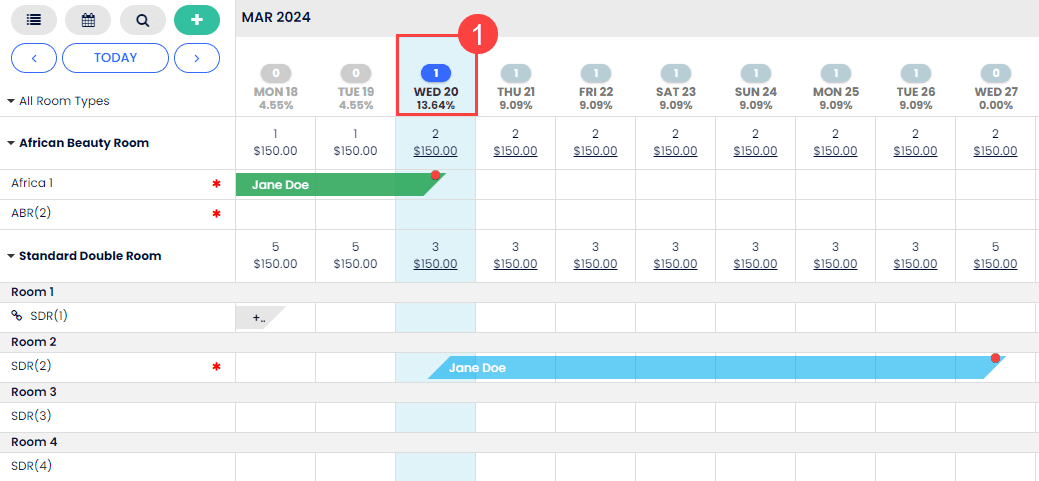
Cloudbeds provides a centralized view of reservations, availability, and rates. This helps teams manage daily operations and reduces conflicts across booking channels.
Channel Manager
The channel manager allows properties to sync rates and availability across OTAs and other distribution partners in real time, reducing manual updates.
Booking Engine
Cloudbeds includes a direct booking engine that can be embedded into a property’s website, allowing guests to book directly with real-time availability.
Guest Communication Tools
Guest communication features support messaging across email, SMS, and messaging platforms, helping teams respond to guest inquiries from a single inbox.
Housekeeping Management
Housekeeping tools allow managers to assign tasks, track room status, and coordinate staff directly from the PMS.
Payment Processing
Cloudbeds Payments integrates payment processing into reservations and folios, supporting deposits, refunds, and secure handling of card data.
Ease of Use
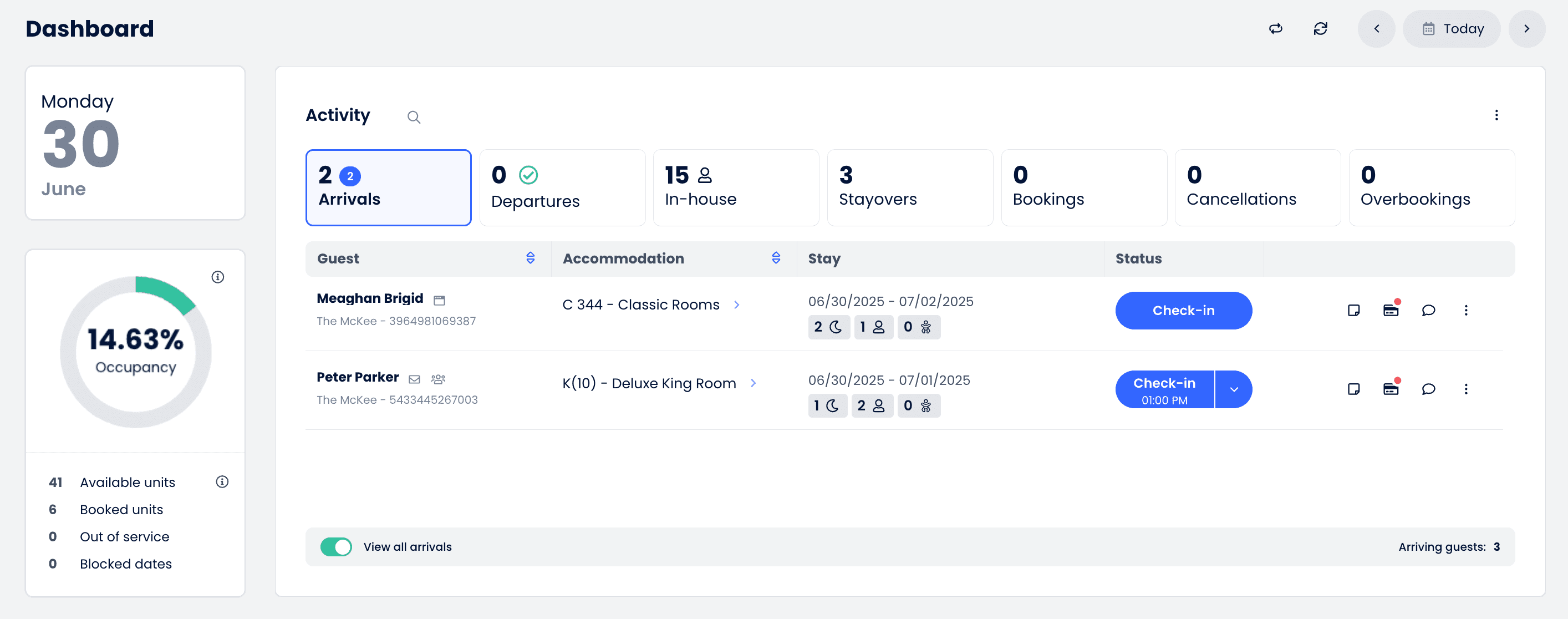
Cloudbeds is widely recognized for its clean interface and straightforward navigation, making it accessible for both new and experienced staff. Users often mention that onboarding is quick, with intuitive menus and clear workflows for reservations, housekeeping, and payments. The centralized dashboard reduces the need to switch between modules, and built-in help resources are easy to find. This focus on simplicity helps teams stay organized and reduces training time, especially in fast-paced hospitality environments.
Integrations
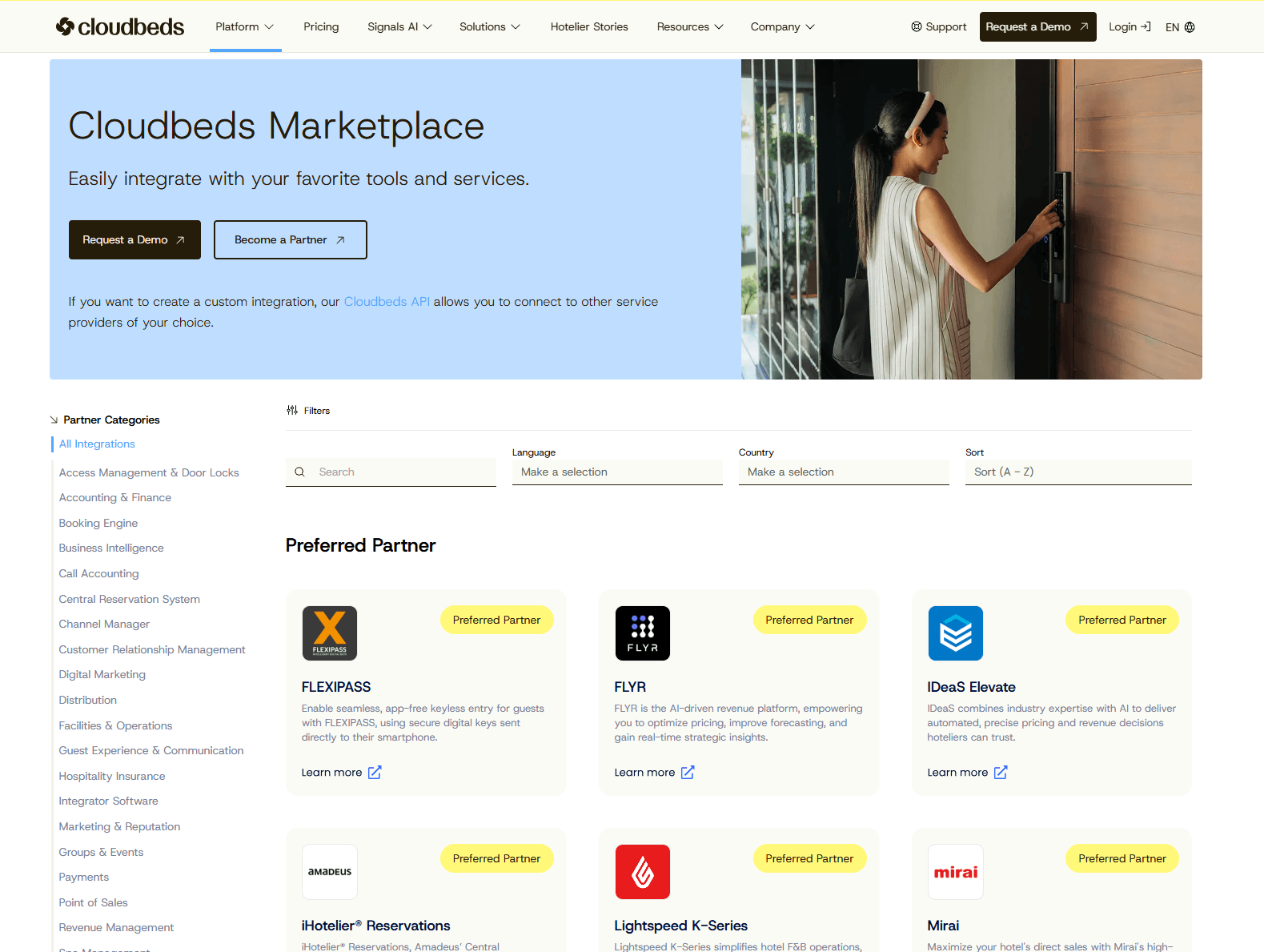
Cloudbeds integrates with Airbnb, Booking.com, Expedia, Google Hotel Search, TripAdvisor, Stripe, PayPal, Xero, QuickBooks, and Mailchimp, among others. They also offer an open API for expanded functionality.
Cloudbeds Specs
- API: Yes
- Budgeting: No
- Calendar Management: Yes
- Compliance Tracking: Yes
- Contact Management: Yes
- Customer Management: Yes
- Dashboard: Yes
- Data Export: Yes
- Data Import: Yes
- Data Visualization: Yes
- Document Management: Yes
- Expense Tracking: Yes
- External Integrations: Yes
- Forecasting: Yes
- Inventory Tracking: Yes
- Multi-Currency: Yes
- Multi-User: Yes
- Notifications: Yes
- Organization Management: Yes
- Payment Processor: Yes
- Payroll: No
- Scheduling: Yes
- Supplier Management: No
- Tax Management: Yes
- Workflow Management: Yes


