



Cloudbeds Vs. SiteMinder: Comparison, Features, and Reviews for 2026



Struggling to find the right central reservation system for hotels that keeps your team, your guests, and your bottom line happy? Cloudbeds and SiteMinder both promise smooth bookings, real-time availability, and fewer headaches, but it’s not always simple to figure out which one actually fits your property’s day-to-day reality. If the endless feature lists, integrations, and pricing tiers are starting to blur together, you’re not alone.
In this article, I’ll break down Cloudbeds and SiteMinder head-to-head. You’ll get a clear look at their pros and cons, best fit use cases, pricing, security, and what it’s really like to use each one—so you can make a confident choice for your hotel.
Cloudbeds vs. SiteMinder: An Overview
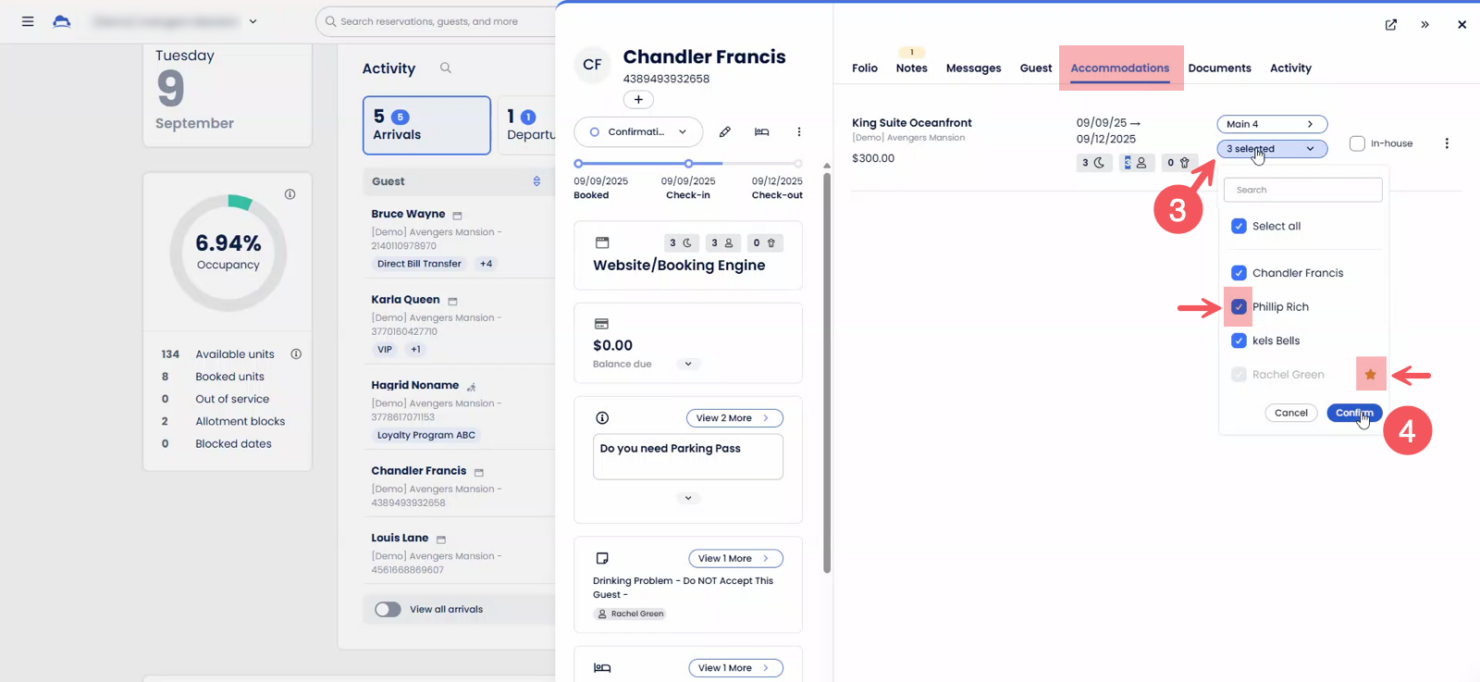
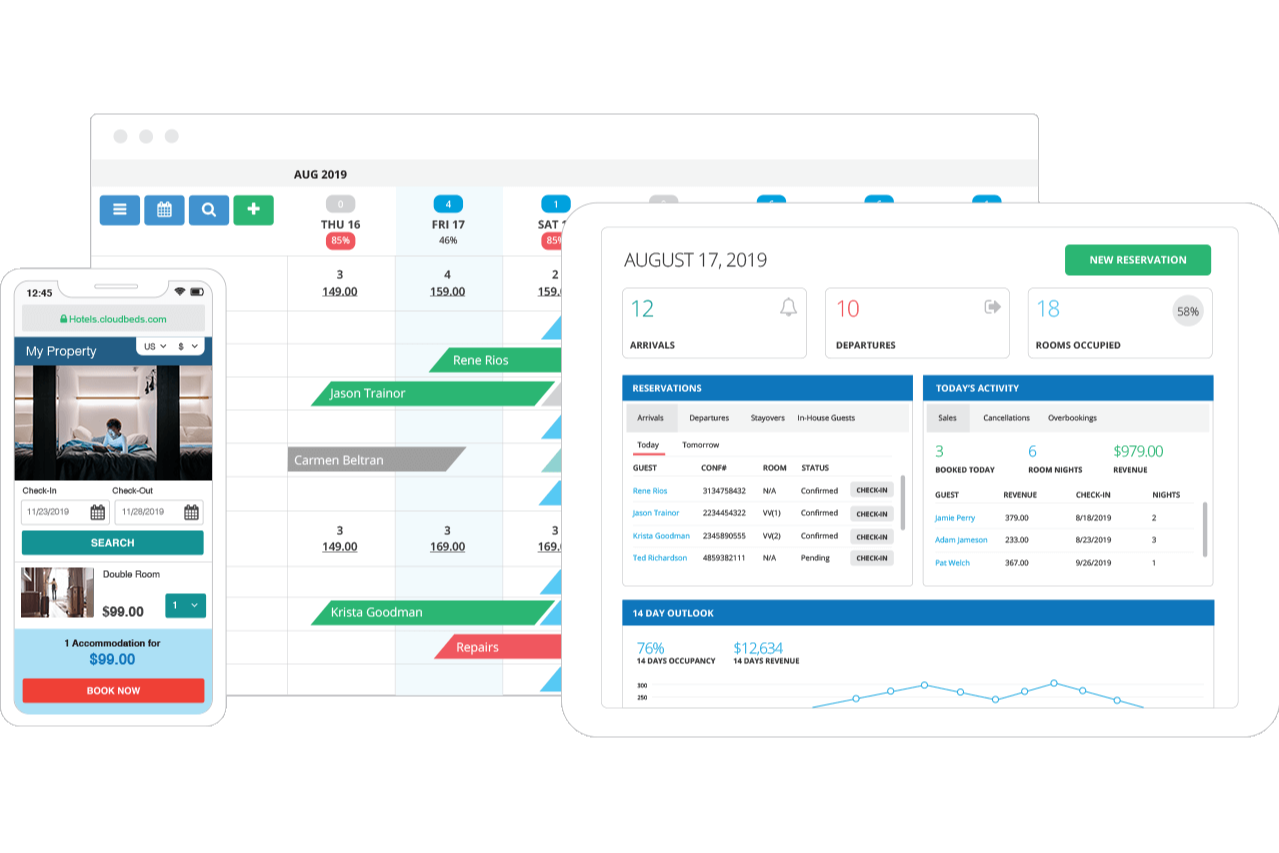
Cloudbeds
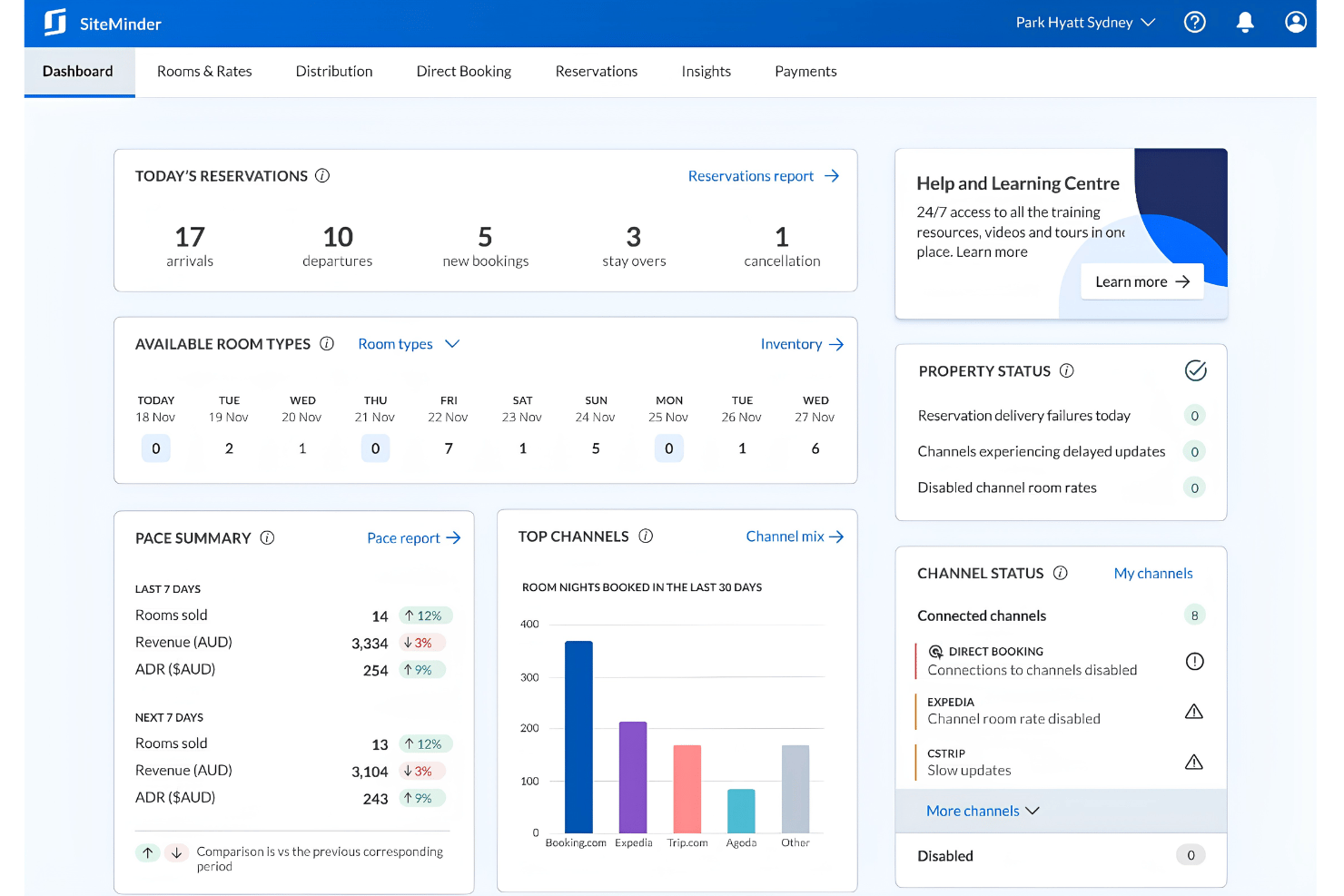
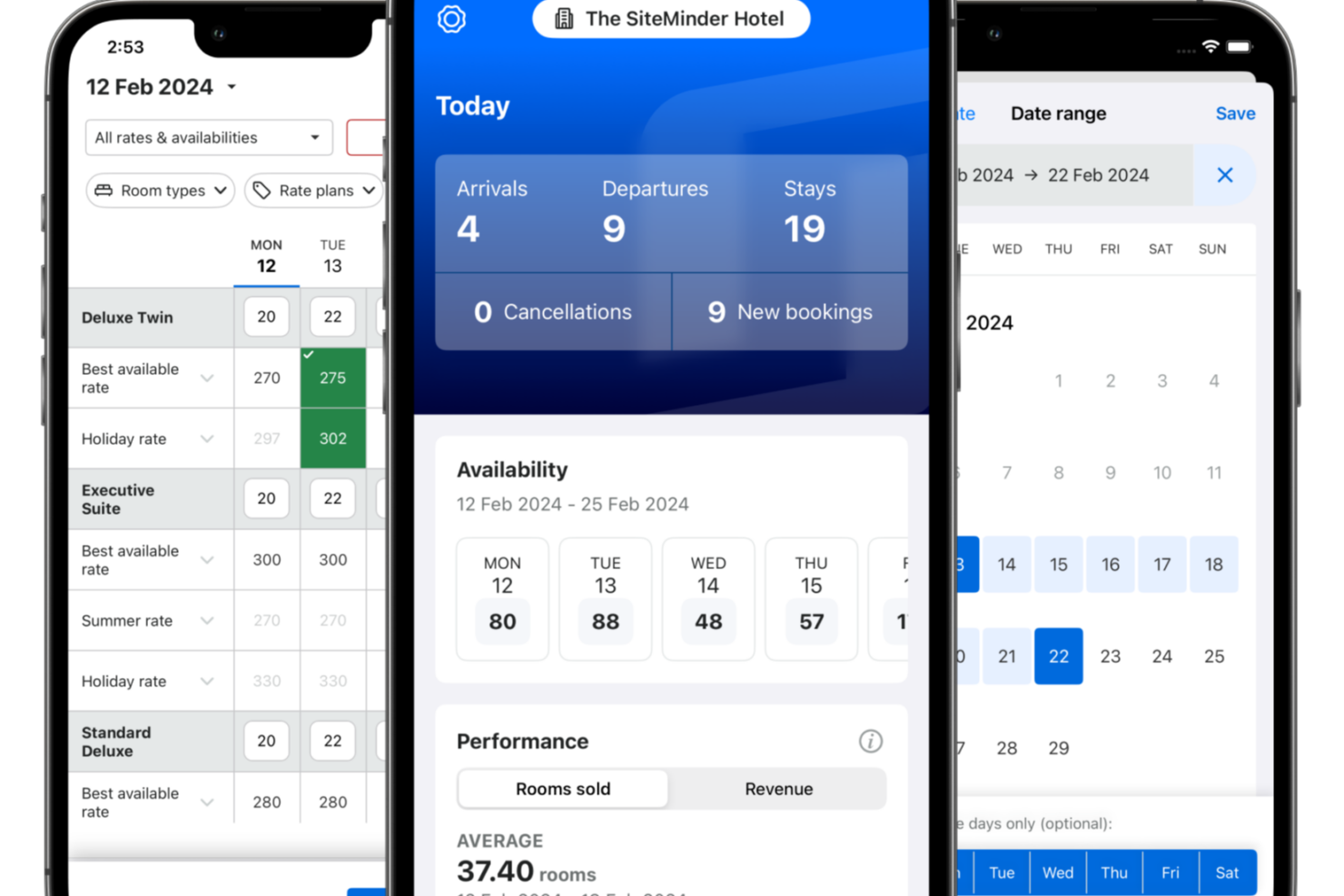
SiteMinder
Why Trust Our Software Recommendations
Our team has been testing and reviewing software since 2012. As hospitality leaders ourselves, we know how difficult—and important—it is to choose the right software.
For this guide, we evaluated tools using hands-on testing and independent research, scoring tools using our selection criteria.
Our reviews reflect our human editorial judgment, not a sales pitch.
Cloudbeds vs. SiteMinder Pricing Comparison
| Cloudbeds | SiteMinder | |
|---|---|---|
| Free Trial | Free demo available | Free demo available |
| Pricing | Pricing upon request | Pricing upon request |
Cloudbeds vs. SiteMinder Pricing & Hidden Costs
Cloudbeds and SiteMinder both use tiered pricing models that scale with your property’s size and feature needs, but they package things a bit differently. Cloudbeds typically offers bundles based on property type, with some handy core tools included, but advanced features like revenue management or certain integrations might cost extra.
SiteMinder usually separates modules more clearly—so you’ll often pay separately for essentials like a channel manager, an online booking engine, and add-ons. With both, be ready for possible onboarding fees, integration charges, or per-reservation surcharges that can sneak up on your monthly bill.
To zero in on the best fit, compare each vendor’s pricing page and request clear, written quotes that outline all costs for your actual setup—including integrations, onboarding, and cancellation terms. Don’t just ask about upfront software fees; ask for examples tailored to your number of properties, room types, and third-party tools you’ll connect.
You’ll want to dig into contract flexibility, support response times, and how fee structures shift if your occupancy or usage spikes, so you can plan for real-world scenarios instead of just baseline pricing.
Cloudbeds vs. SiteMinder Feature Comparison
Cloudbeds and SiteMinder both cover the must-haves for hotel operations—think real-time room management, channel distribution, automated rate updates, and a direct booking engine. You also get dashboards to track occupancy, multi-language support, and integrations with popular payment gateways, so your team stays on top of bookings across every channel.
Where Cloudbeds stands out is its all-in-one approach—property management, channel manager, and guest engagement tools all live in one place with native housekeeping and revenue management modules. SiteMinder, on the other hand, makes its mark with powerful channel management customization and direct connections to hundreds of OTAs—plus, it lets you pick and choose just the modules you want.
| Cloudbeds | SiteMinder | |
|---|---|---|
| API | ||
| Budgeting | ||
| Calendar Management | ||
| Compliance Tracking | ||
| Contact Management | ||
| Customer Management | ||
| Dashboard | ||
| Data Export | ||
| Data Import | ||
| Data Visualization | ||
| Document Management | ||
| Expense Tracking | ||
| External Integrations | ||
| Forecasting | ||
| Inventory Tracking | ||
| Multi-Currency | ||
| Multi-User | ||
| Notifications | ||
| Organization Management | ||
| Payment Processor | ||
| Payroll | ||
| Scheduling | ||
| Supplier Management | ||
| Tax Management | ||
| Workflow Management |
Cloudbeds vs. SiteMinder Integrations
| Integration | Cloudbeds | SiteMinder |
|---|---|---|
| Booking.com | ✅ | ✅ |
| Expedia | ✅ | ✅ |
| Airbnb | ✅ | ✅ |
| Google Hotel Search | ✅ | ✅ |
| Stripe | ✅ | ✅ |
| Lightspeed POS | ✅ | ❌ |
| QuickBooks | ✅ | ❌ |
| TripAdvisor | ✅ | ✅ |
| Duetto Revenue Strategy | ❌ | ✅ |
| Mews | ❌ | ✅ |
| API | ✅ | ✅ |
| Zapier | ✅ | ❌ |
Cloudbeds and SiteMinder both team up with major OTAs and payment processors, but each claims a few prized integrations of its own—Cloudbeds stands out with popular accounting and POS links, while SiteMinder stakes its ground with niche revenue and PMS tools. Both offer APIs so you can plug in custom connections, though only Cloudbeds offers Zapier for extra automation, giving you more DIY options if you need them. For most hotels, both cover the integration basics, but your favorite add-ons might nudge you in one direction.
Cloudbeds vs. SiteMinder Security, Compliance & Reliability
| Factor | Cloudbeds | SiteMinder |
|---|---|---|
| Data Encryption | Uses TLS encryption for data in transit and encrypts sensitive data at rest. | Secures all data with industry-standard encryption both in transit and at rest. |
| Regulatory Compliance | Meets GDPR standards and provides tools to help properties stay compliant. | Adheres to GDPR and other regional regulations, with user-access controls. |
| System Uptime | Offers a 99.9% uptime SLA, with status monitoring and redundancy in place. | Promises high availability with ongoing monitoring and routine resiliency testing. |
| Access Controls | Includes granular user permissions and audit logs for all major actions. | Enables customizable user roles, permissions, and detailed access logs. |
Both Cloudbeds and SiteMinder are on solid ground for security and regulatory compliance, with neither lagging behind. I think Cloudbeds shines with transparency and controls, while SiteMinder gives me extra confidence in uptime and regional compliance.
Cloudbeds vs. SiteMinder Ease of Use
| Factor | Cloudbeds | SiteMinder |
|---|---|---|
| User Interface | Modern, color-coded dashboard makes navigation quick even for first-timers. | Clean layout with lots of toggles—finding deeper settings can take extra clicks. |
| Onboarding | Guided walkthroughs and built-in tips help new users get up and running smoothly. | Onboarding is clear but leans on documentation and webinars over in-app guidance. |
| Setup Process | Setup wizard handles most basics; connecting third-party apps just takes a few steps. | Setup can feel fragmented; connecting modules often means jumping between menus. |
| Daily Tasks | Most key actions—like adjusting rates or checking availability—are just a click away. | Daily functions are reliable but sometimes buried under extra menu layers. |
| Support Access | Live chat and a resource library are easy to find right inside the dashboard. | Support is responsive via email, but self-help tools are mostly outside the platform. |
Cloudbeds is usually quicker for new teams to adopt, but SiteMinder feels steady once you’ve settled in. In my hands-on experience, Cloudbeds is friendlier for first-timers, while SiteMinder rewards those who like more granular control and don’t mind an extra step or two.
Cloudbeds vs SiteMinder: Pros & Cons
Cloudbeds
- Responsive customer support with live chat and onboarding help.
- Large integration marketplace and open API for extending functionality.
- Unified platform that combines PMS, payments, and optional distribution in one system.
- Advanced analytics and financial reporting may require external tools.
- Revenue marketing features must be purchased as add-ons.
- Platform depth can feel overwhelming for very small teams that need basic reservation management.
SiteMinder
- Channel management covers 450+ global booking channels.
- Real-time pricing recommendations help maximize revenue opportunities.
- Booking engine is commission-free and supports direct bookings.
- Reporting features lack depth for advanced analytics.
- Costs can escalate with add-ons and premium features.
- Some users report slow system speed during peak times.
Best Use Cases for Cloudbeds and SiteMinder
Cloudbeds
- Independent Hotels Cloudbeds simplifies managing reservations and guest details, which suits your independent operations well.
- Hostels Hostels can use Cloudbeds to manage shared inventory, group bookings, and online distribution while keeping front desk and housekeeping workflows in one place.
- Short-Term Rentals Cloudbeds’s channel manager and direct booking engine help vacation and short-term rental owners sync listings and avoid double bookings.
- Boutique Hotels Cloudbeds supports boutique hotels that want a single system for reservations, distribution, payments, and guest-facing tools. Teams can manage day-to-day operations without relying on multiple disconnected systems.
- B&Bs and Inns Beneficial when you need a straightforward way to manage reservations, payments, and guest communications without maintaining multiple systems, especially when you have a smaller team.
- Multi-Property Hotel Groups Cloudbeds supports hotel groups that manage multiple properties under one organization, allowing teams to oversee availability, pricing, and performance from a centralized view.
SiteMinder
- Vacation Rentals Multi-channel distribution helps reach more guests and fill occupancy gaps.
- Front Desk Teams Automated inventory updates reduce manual work and overbooking risk.
- Revenue Management Teams Real-time pricing recommendations help optimize rates and boost revenue.
- Small Hotel Groups Centralized management of multiple properties streamlines distribution and pricing.
- Boutique Properties Direct booking tools and customizable widgets support unique guest experiences.
- Independent Hotels SiteMinder’s channel manager and booking engine help maximize online visibility.
Who Should Use Cloudbeds, and Who Should Use SiteMinder?
Cloudbeds is the right pick if you want an all-in-one platform with smooth onboarding, built-in guest tools, and easy integrations for busy teams or smaller hotels itching for quick wins. SiteMinder fits best if you want to cherry-pick modules, connect with loads of OTAs, or run larger properties where channel flexibility and deep customization matter.
Cloudbeds feels at home for hands-on managers who need everything in one dashboard, while SiteMinder wins with revenue leaders who want granular control and don’t mind spending extra time in menus. Your style—plug-and-play versus modular power—will tell you where to land.
Differences Between Cloudbeds and SiteMinder
| Cloudbeds | SiteMinder | |
|---|---|---|
| Automation Tools | Built-in automation for daily tasks, plus extra options through Zapier integration. | Offers reliable automation for channel distribution, but fewer built-in workflow automations or third-party triggers. |
| Integrations | Includes direct integrations with accounting (QuickBooks), POS (Lightspeed), and Zapier. | Focuses on direct OTA and PMS integrations with unique revenue management tools like Duetto and Mews. |
| Platform Approach | Offers an all-in-one suite with property management, channel management, and PMS tools in a single dashboard. | Lets you pick separate modules for channel management, booking engine, or PMS, so you can mix and match. |
| Pricing Model | Uses bundled pricing based on property size and type, with core features included. | Charges by individual modules, so you may pay separately for the channel manager, booking engine, or add-ons. |
| User Onboarding | Provides guided walkthroughs and in-dashboard onboarding tips for quick starts. | Relies more on documentation and webinars, with less in-app guidance. |
| Read Cloudbeds ReviewOpens new window | Read SiteMinder ReviewOpens new window |
Similarities Between Cloudbeds and SiteMinder
| Automated Rate Updates | Both automate updates to rates and availability across all connected channels when you change inventory, protecting you from pricing mismatches or overbookings. |
|---|---|
| Data Security | Each uses end-to-end encryption for data in transit and at rest and meets top regulatory standards like GDPR. Both give you granular user access controls and audit logs. |
| Major OTA Coverage | Both connect to top OTAs like Booking.com, Expedia, and Airbnb, making it easy for you to manage distribution from one central place. |
| Real-Time Sync | Both sync reservations and availability in real time across all channels, helping prevent double bookings and manual errors. Cloudbeds does this within its unified dashboard, while SiteMinder connects this functionality across its modular tools. |
| Reporting Tools | Each platform offers dashboards and core reporting tools that give you visibility into occupancy, revenue, and performance. Cloudbeds and SiteMinder both let you export data and customize reports to fit different property needs. |
| Read Cloudbeds ReviewOpens new window Read SiteMinder ReviewOpens new window | |