



Cloudbeds Vs. Little Hotelier: Comparison & Expert Reviews for 2026



Juggling growing guest expectations and daily operations is no small feat—and picking the right platform makes all the difference. If you’re debating between Cloudbeds and Little Hotelier, you’re searching for hotel check-in software that combats front desk chaos, fits your workflow, and puts guest happiness first. Both tools promise smoother stays, but which one actually gives your team the edge?
In this article, you’ll get a clear, side-by-side look at Cloudbeds and Little Hotelier—covering each one’s pros and cons, best-fit use cases, pricing, security, and usability. I’ll help you confidently decide which option is the smarter investment for your property.
Cloudbeds vs. Little Hotelier: An Overview
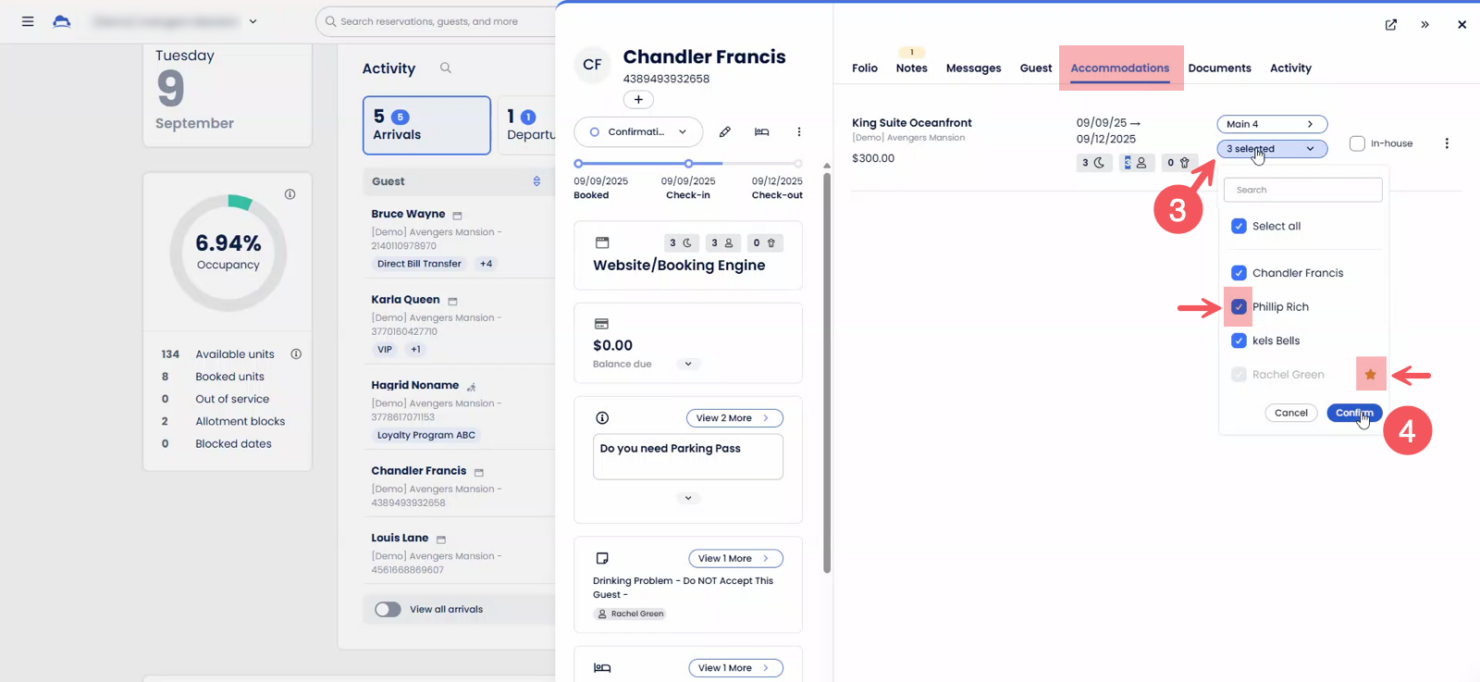
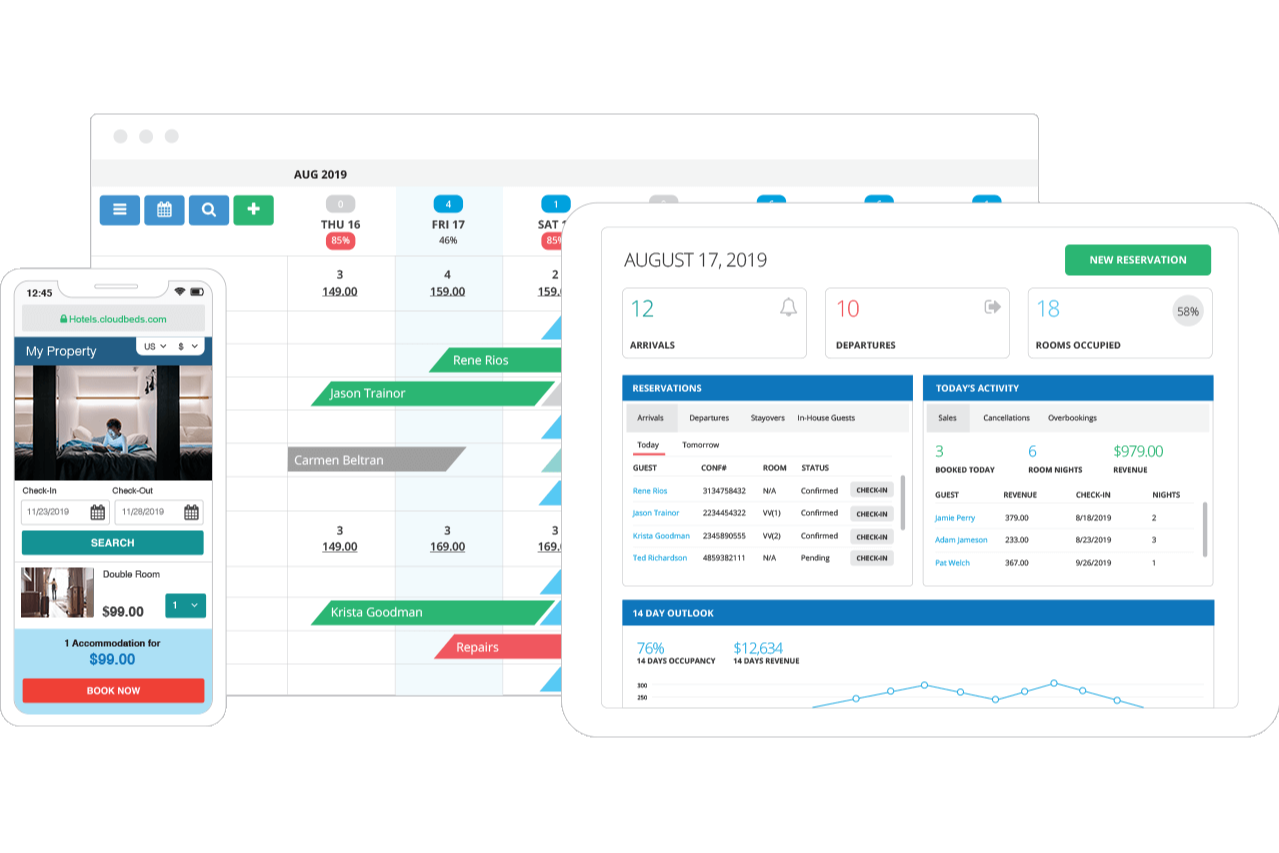
Cloudbeds
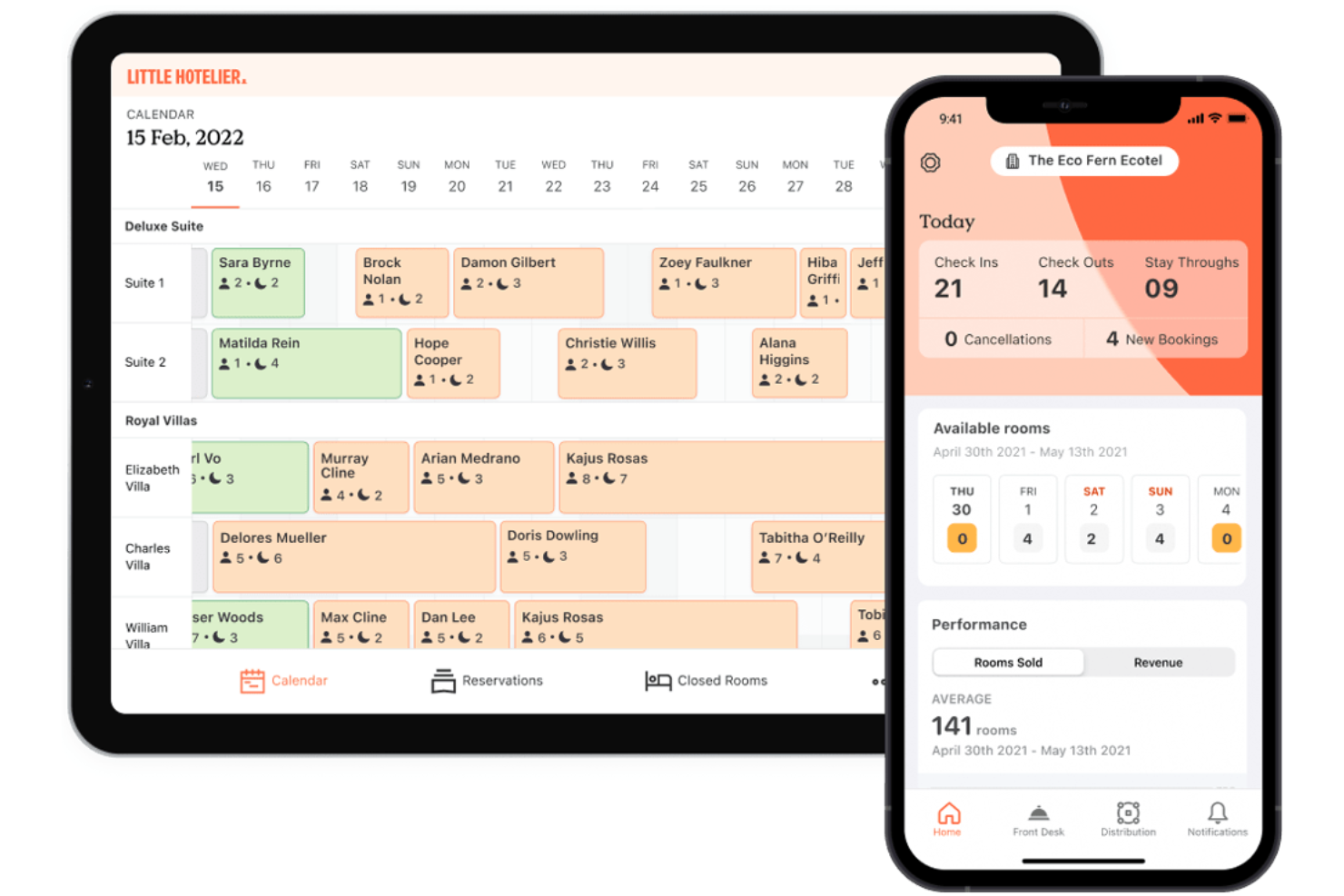
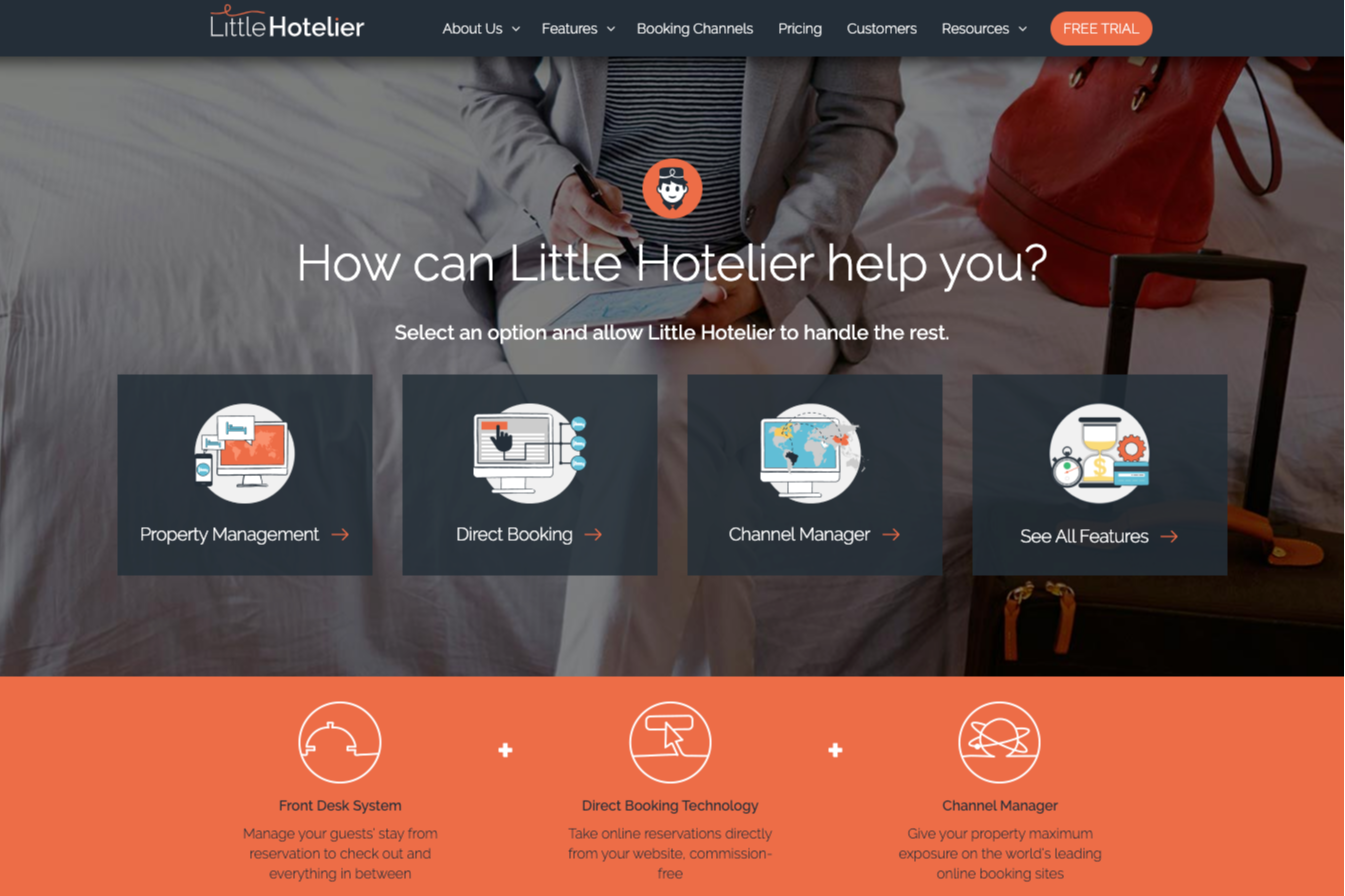
Little Hotelier
Why Trust Our Software Recommendations
Our team has been testing and reviewing software since 2012. As hospitality leaders ourselves, we know how difficult—and important—it is to choose the right software.
For this guide, we evaluated tools using hands-on testing and independent research, scoring tools using our selection criteria.
Our reviews reflect our human editorial judgment, not a sales pitch.
Cloudbeds vs. Little Hotelier Pricing Comparison
| Cloudbeds | Little Hotelier | |
|---|---|---|
| Free Trial | Free demo available | 30-day free trial |
| Pricing | Pricing upon request | From $1/day + 1% booking fee |
Cloudbeds vs. Little Hotelier Pricing & Hidden Costs
Cloudbeds runs on a tiered subscription model, with pricing based on your property size and the features you select. Expect separate costs for add-ons like channel management, payment processing, or advanced reporting.
Meanwhile, Little Hotelier’s pricing also scales with property size and usually bundles core features, but can include extra fees for certain integrations or customer support tiers. Both platforms require you to watch for credit card fees, onboarding or setup charges, and possible commissions on additional services.
To pick the right pricing structure for your property, look beyond monthly subscription rates. List all the features you need—such as integrations, support levels, mobile access, and reporting—then ask each vendor to provide a clear, itemized quote that covers setup, ongoing, and incidental fees.
Dig deep into contract terms for cancellation policies and what happens to your data if you move. This way, you can truly compare total ownership costs without surprises.
Cloudbeds vs. Little Hotelier Feature Comparison
Cloudbeds and Little Hotelier both help you manage front desk check-ins, reservations, housekeeping, and guest communications—all from one dashboard. Each platform also includes channel management tools, real-time availability, and reporting, so you can keep all your bookings organized no matter how guests find you.
Cloudbeds stands out with deeper automation for multi-property management and advanced reporting customization. Little Hotelier, on the other hand, shines with its ultra-simplified interface and built-in direct booking engine designed for smaller, independent properties. These distinct touches set their strengths apart.
| Cloudbeds | Little Hotelier | |
|---|---|---|
| API | ||
| Budgeting | ||
| Calendar Management | ||
| Compliance Tracking | ||
| Contact Management | ||
| Customer Management | ||
| Dashboard | ||
| Data Export | ||
| Data Import | ||
| Data Visualization | ||
| Document Management | ||
| Expense Tracking | ||
| External Integrations | ||
| Forecasting | ||
| Inventory Tracking | ||
| Multi-Currency | ||
| Multi-User | ||
| Notifications | ||
| Organization Management | ||
| Payment Processor | ||
| Payroll | ||
| Scheduling | ||
| Supplier Management | ||
| Tax Management | ||
| Workflow Management |
Cloudbeds vs. Little Hotelier Integrations
| Integration | Cloudbeds | Little Hotelier |
|---|---|---|
| Booking.com | ✅ | ✅ |
| Expedia | ✅ | ✅ |
| Airbnb | ✅ | ✅ |
| Google Hotel Search | ✅ | ✅ |
| Hostelworld | ✅ | ❌ |
| TripAdvisor | ✅ | ❌ |
| QuickBooks | ✅ | ✅ |
| Stripe | ✅ | ✅ |
| Mailchimp | ✅ | ❌ |
| Xero | ✅ | ✅ |
| API | ✅ | ✅ |
| Zapier | ✅ | ✅ |
Cloudbeds and Little Hotelier both cover the essentials, but Cloudbeds connects with a broader range of industry favorites like Hostelworld, TripAdvisor, and Mailchimp. Both platforms support API and Zapier, which makes custom integrations possible for more niche needs—so either one should fit most properties, but Cloudbeds gives you a little more flexibility.
Cloudbeds vs. Little Hotelier Security, Compliance & Reliability
| Factor | Cloudbeds | Little Hotelier |
|---|---|---|
| Data Encryption | Uses end-to-end encryption for data in transit and at rest, meeting industry-standard protocols. | Secures sensitive guest information with SSL encryption and strict access controls. |
| Regulatory Compliance | Supports GDPR and PCI DSS compliance with comprehensive audit trails and consent mechanisms. | Adheres to international data privacy standards, including GDPR, with customizable data policies. |
| System Uptime | Offers 99.9% uptime backed by global cloud infrastructure and active monitoring. | Delivers high system uptime with reliable cloud hosting and proactive status updates. |
| Access Controls | Features robust user role management and two-factor authentication for staff accounts. | Provides customizable user permissions and multi-user support with strict login policies. |
| Incident Response | Maintains a dedicated 24/7 security operations team and clear protocols for security incidents. | Responds to security issues with a dedicated support team and transparent escalation procedures. |
Both platforms cover the key boxes for data protection and reliability, but Cloudbeds goes further with advanced audit trails and layered access controls. I think Cloudbeds gives larger, multi-property teams extra reassurance, while Little Hotelier’s straightforward approach suits small hotels that want solid privacy without complexity.
Cloudbeds vs. Little Hotelier Ease of Use
| Factor | Cloudbeds | Little Hotelier |
|---|---|---|
| User Interface | Features a customizable dashboard, but menus and options can feel overwhelming at first. | Streamlined layout with simple menus makes navigation intuitive for new users. |
| Onboarding | Guided setup walks teams through most key steps, but exploring advanced features takes time. | Quick-start setup process gets you operational with minimal training. |
| Daily Tasks | Offers shortcuts and bulk actions, though some tasks require extra clicks. | Everyday actions like check-in or room updates are front and center. |
| Support Access | Live chat and help center are built in, but response times can vary during busy periods. | Support is easy to reach and consistently rated as prompt and friendly. |
| Mobile Experience | Mobile app covers all core features, though interface is less intuitive than desktop. | Mobile app feels simple and clean, ideal for on-the-go updates. |
Both tools keep you moving, but Little Hotelier feels smoother and quicker to pick up right away. Cloudbeds gives you more flexibility for complex operations, while Little Hotelier nails straightforward usability for small hotels and first-time users.
Cloudbeds vs Little Hotelier: Pros & Cons
Cloudbeds
- Responsive customer support with live chat and onboarding help.
- Large integration marketplace and open API for extending functionality.
- Unified platform that combines PMS, payments, and optional distribution in one system.
- Advanced analytics and financial reporting may require external tools.
- Revenue marketing features must be purchased as add-ons.
- Platform depth can feel overwhelming for very small teams that need basic reservation management.
Little Hotelier
- A central calendar gives a clear view of daily operations
- Channel manager connects to 400+ booking channels
- 24/7 customer support is available by phone, email, and chat
- Reporting features are less advanced than some alternatives
- Add-ons like payments and metasearch cost extra
- Reporting features are less advanced than some alternatives
Best Use Cases for Cloudbeds and Little Hotelier
Cloudbeds
- Independent Hotels Cloudbeds simplifies managing reservations and guest details, which suits your independent operations well.
- Hostels Hostels can use Cloudbeds to manage shared inventory, group bookings, and online distribution while keeping front desk and housekeeping workflows in one place.
- Short-Term Rentals Cloudbeds’s channel manager and direct booking engine help vacation and short-term rental owners sync listings and avoid double bookings.
- Boutique Hotels Cloudbeds supports boutique hotels that want a single system for reservations, distribution, payments, and guest-facing tools. Teams can manage day-to-day operations without relying on multiple disconnected systems.
- B&Bs and Inns Beneficial when you need a straightforward way to manage reservations, payments, and guest communications without maintaining multiple systems, especially when you have a smaller team.
- Multi-Property Hotel Groups Cloudbeds supports hotel groups that manage multiple properties under one organization, allowing teams to oversee availability, pricing, and performance from a centralized view.
Little Hotelier
- Motels Easy rate and availability updates keep things running smoothly for small teams.
- Inns Multi-channel distribution helps fill rooms without extra staff.
- Guesthouses 24/7 support and simple interface suit small, owner-operated properties.
- Vacation Rentals Direct booking engine and payment add-ons help manage short-term stays.
- Bed and Breakfasts Automated guest messaging and booking tools reduce manual work for owners.
- Boutique Hotels The platform’s central calendar and channel manager simplify daily operations.
Who Should Use Cloudbeds, and Who Should Use Little Hotelier?
Cloudbeds is the best fit for multi-property operators, growing hotel groups, or anyone who needs advanced automation and deep customization. Little Hotelier is your go-to if you run a small, independent property and want something easy to master with no steep learning curve.
Choose Cloudbeds if you’re juggling lots of rooms and integrations, or pick Little Hotelier if you want simple tools that help you move fast without getting bogged down in complexity. Both deliver value, but your property’s size and your appetite for advanced features should make the final call.
Differences Between Cloudbeds and Little Hotelier
| Cloudbeds | Little Hotelier | |
|---|---|---|
| Feature Depth | Offers advanced automation, multi-property management, and in-depth reporting tools. | Keeps features focused on simple direct booking, reservations, and a clean dashboard. |
| Ideal User | Built for multi-property operators or hotels needing advanced workflows. | Best for small independent hotels wanting ready-to-go check-in tools. |
| Integration Range | Connects with a wider selection like Hostelworld, TripAdvisor, and Mailchimp. | Covers booking essentials but skips popular third-party channels and tools. |
| Pricing Model | Tiered subscription with add-ons for extra features and integrations. | Bundled core features with some tiered extras for integrations or support. |
| User Interface | Customizable yet busy layout that takes time to master. | Intuitive, minimalistic design that’s easy for anyone to learn quickly. |
| Read Cloudbeds ReviewOpens new window | Read Little Hotelier ReviewOpens new window |
Similarities Between Cloudbeds and Little Hotelier
| All-in-One Platform | Both Cloudbeds and Little Hotelier bring together reservations, check-ins, housekeeping, and guest messaging within a unified dashboard. Each lets your team manage daily hotel operations from a single place, so you won’t juggle multiple tools. |
|---|---|
| Channel Management | Each software includes built-in channel management. Both connect your property to major booking sites—like Booking.com, Airbnb, and Expedia—with automated updates to avoid double bookings and manual errors across platforms. |
| Cloud-Based Access | Both operate entirely in the cloud. You and your staff can access the platform from any device, anywhere, without needing on-premises servers. Each offers mobile apps for on-the-go management, which helps when team members are away from the desk. |
| Flexible Pricing Model | Cloudbeds and Little Hotelier use tiered subscription pricing based on property size and feature needs. Both require separate payment for extra modules or functions, so you can tailor your subscription to what your hotel actually uses. |
| Real-Time Availability | Cloudbeds and Little Hotelier update room statuses and booking calendars in real time. When a guest reserves a room online or at the front desk, availability updates instantly everywhere, reducing the risk of overbooking. |
| Read Cloudbeds ReviewOpens new window Read Little Hotelier ReviewOpens new window | |