

Hotel access control systems manage how guests and staff access different areas of your property, combining digital keys, card readers, mobile access, and lock management—all controlled in real time. If you’re searching for the best hotel access control systems, you’re likely wrestling with rising guest expectations, security demands, and the need to keep operations tight even when hiring is tough. This guide gives you an inside look at options that connect with your property management systems, speed up check-in, and keep every guest room and service area covered. You’ll find out which platforms suit your brand, your existing locks, and the guest experience you want to deliver.
Why Trust Our Software Recommendations
6,700+
Reviews
20
Industry experts
16+
Evaluation factors
14
Years
Our team has been testing and reviewing software since 2012. As hospitality leaders ourselves, we know how difficult—and important—it is to choose the right software.
For this guide, we evaluated tools using hands-on testing and independent research, scoring tools using our selection criteria.
Our reviews reflect our human editorial judgment, not a sales pitch.
Best Hotel Access Control Systems
This comparison chart summarizes pricing details for my top hotel access control systems to help you find the best one for your budget and practice needs.
| Tool | Best For | Trial Info | Price | ||
|---|---|---|---|---|---|
| 1 | Best for AI video-linked access across hotel sites | Free demo available | Pricing upon request | Website | |
| 2 | Best for contactless check-in with PMS sync | Free demo available | Pricing upon request | Website | |
| 3 | Best for PMS-connected mobile key delivery | Free demo available | Pricing upon request | Website | |
| 4 | Best for no-download guest keys and PMS sync | Free demo available | Pricing upon request | Website | |
| 5 | Best for independent hotels with mixed lock brands | Free demo available | From $6/door/month (billed annually) | Website | |
| 6 | Best for PMS-driven contactless check-in | Free demo available | From $4/month per door | Website | |
| 7 | Best for global hotel PMS-driven key automation | Free demo available | Pricing upon request | Website | |
| 8 | Best for PMS-linked mobile keys and lock health | Not available | Pricing upon request | Website | |
| 9 | Best for properties with 80+ years of lock heritage | Free demo available | Pricing upon request | Website | |
| 10 | Best for no-app mobile keys and PMS sync | Free demo available | From $4/room/month (billed annually) | Website |


Hotel Access Control Systems Reviews
Below are my detailed summaries of the best hotel access control systems that made it onto my shortlist. My reviews offer a detailed look at the features, integrations, and best use cases of each system to help you find the best one for you.
 Best for AI video-linked access across hotel sites
- Free demo available
- Pricing upon request
Visit WebsiteCustomer Rating:4.6/5
Avigilon secures building entry with keypad access control systems. Avigilon Alta is a cloud-native access control platform that supports mobile credentials, RFID, biometric readers, AI-linked video events, multi-site dashboards, and occupancy monitoring across hotel properties.
Who Is Avigilon Best For?
Avigilon Alta is a strong fit for security directors and IT managers at multi-site hotels that already use Avigilon cameras and need unified video-linked access control.
Why I Picked Avigilon
Avigilon Alta earns its spot on my shortlist because of how tightly it connects access events to live video across multiple hotel properties. I love that when a credential is denied at a staff entrance or a restricted back-of-house door, the incident is immediately linked to corresponding camera footage via Avigilon Alta Video, which makes security investigations far faster than reviewing logs and video separately. For multi-site hotel security directors, the AI-powered Appearance Search and zone-specific emergency lockdown via the mobile app are genuinely hard-working tools.
Avigilon Key Features
- Wave to Unlock: A hands-free, touchless unlock feature that triggers door access when a user waves near a reader, with no phone interaction required.
- Digital Guest Passes: Time-limited access credentials sent via email or SMS that allow app-free guest entry via QR code or a web-based link.
- Emergency lockdown with Muster Reports: Admins can initiate zone-specific lockdowns remotely via the mobile app, with Muster Reports generating real-time personnel rosters for evacuation tracking.
- Occupancy management dashboards: Real-time occupancy counts, capacity limit enforcement, and IoT sensor integration let you monitor and control access across hotel zones like lobbies, gyms, and pool areas.
Avigilon Integrations
Avigilon Alta offers native integrations with Schlage smart locks (via ENGAGE gateway), Apple Wallet, Yardi Voyager, Entrata, Okta, Google Workspace, Workday, Envoy, FMX, and Avigilon Alta Video, plus native integrations across the Microsoft ecosystem including Azure Active Directory. An open REST API and webhooks are available across all tiers for custom integrations, though no hotel-specific PMS connectors (Opera, Mews, Cloudbeds) are documented.
Pros and Cons
Pros:
- Zone-specific emergency lockdown from mobile app
- Mobile entry via Apple Wallet NFC
- Links access events to live video
Cons:
- Guest room lock brand support is limited
- No integration with hotel PMS systems
Learn more about Avigilon: Best for contactless check-in with PMS sync
- Free demo available
- Pricing upon request
Visit WebsiteCustomer Rating:3.5/5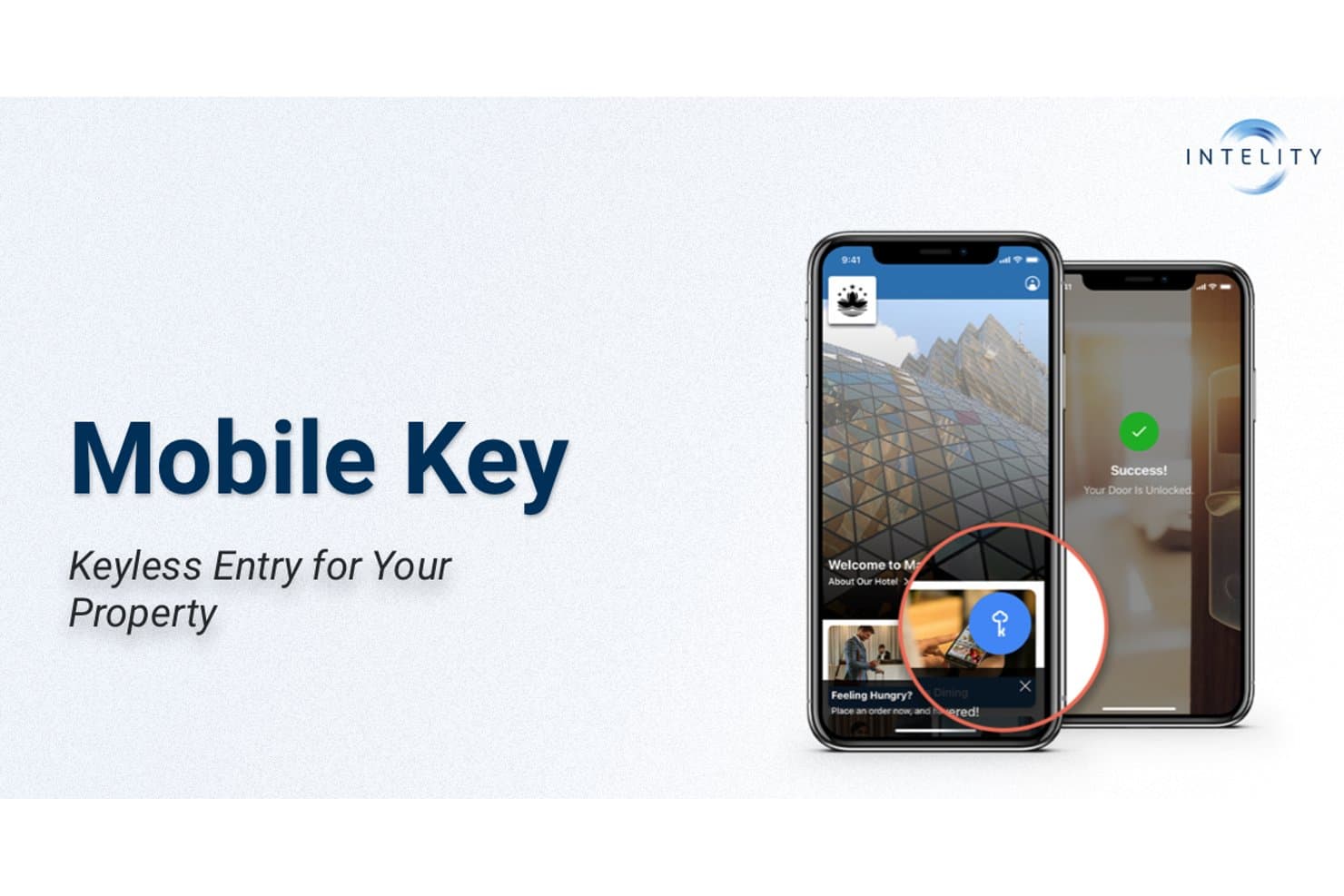
Intelity enables keyless room entry via mobile key on guests' phones. Intelity is a hotel access control and guest experience platform that combines mobile key issuance, contactless check-in, BLE lock integrations, and PMS sync within a centralized management dashboard.
Who Is Intelity Best For?
Intelity is a strong fit for luxury and boutique hotels that want to tie mobile key issuance directly into their existing PMS without rebuilding their front desk workflows.
Why I Picked Intelity
I picked Intelity as one of the best because it's the only platform I've seen where mobile key issuance and PMS sync genuinely work together without manual handoffs. When a guest completes mobile check-in, their ID data flows directly into the PMS and triggers key issuance automatically. I also like that the mobile key works via a branded PWA with no account creation required, and guests can share access with travel companions through one-time SMS verification.
Intelity Key Features
- BLE lock retrofit kit: The Door Lock Upgrade Kit lets you add BLE keyless entry to existing locks without replacing full hardware.
- Key sharing via SMS: Guests can send a digital key to travel companions through a one-time SMS verification link, with revocation available anytime.
- Energy management integration: Room access events trigger automated climate and lighting adjustments via Lutron, INNCOM, Control4, and Crestron integrations.
- Multi-property management dashboard: Staff can assign, revoke, and monitor access credentials across multiple properties from a single centralized interface.
Intelity Integrations
Intelity offers 150+ certified integrations, including Oracle Opera, Mews, Stayntouch, ASSA ABLOY (VingCard), dormakaba/Saflok, SALTO Systems, Agilysys, Lutron, Cendyn, and Shift4 Payments. An open API and Developer SDK are available for custom integrations.
Pros and Cons
Pros:
- Centralized dashboard for multi-property management
- BLE retrofit kit works with major lock brands
- Full-featured mobile key via app or PWA
Cons:
- No public door-level security audit logs
- No emergency lockdown or egress controls documented
Learn more about Intelity: Best for PMS-connected mobile key delivery
- Free demo available
- Pricing upon request
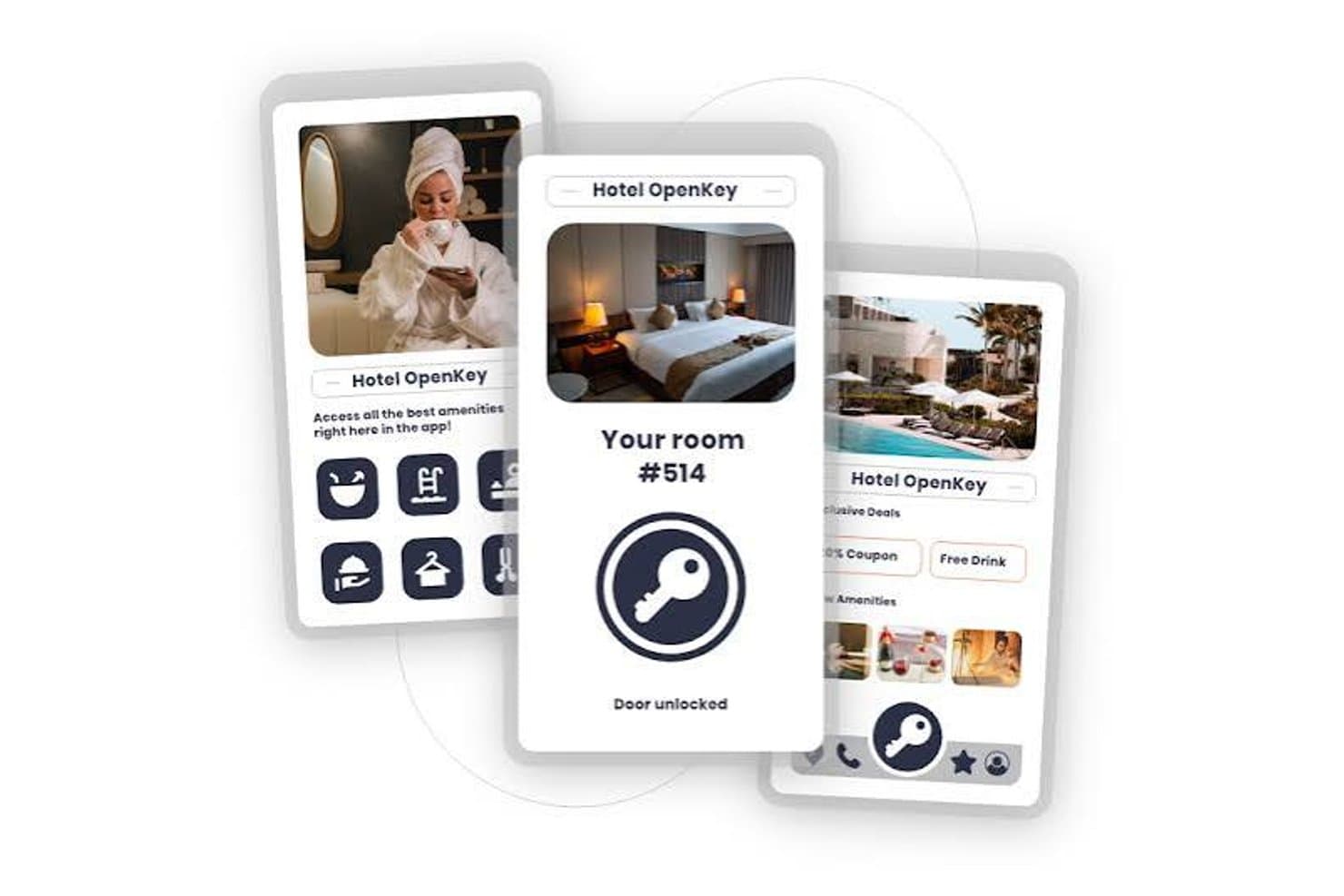
OpenKey lets guests unlock their hotel room from their phone. OpenKey is a mobile key and access control platform for hotels that pairs Bluetooth-enabled door credentials with Apple Wallet, Google Wallet, and a native guest app, alongside a front desk management system and 50+ PMS integrations.
Who Is OpenKey Best For?
OpenKey is a strong fit for hotel groups with existing PMS infrastructure that want to deliver Wallet-native mobile keys to guests without replacing their current lock hardware.
Why I Picked OpenKey
OpenKey earns its spot on my shortlist because of how tightly its mobile key delivery ties into existing PMS infrastructure. With 50+ certified PMS integrations, keys issue automatically at check-in and update in real time when room assignments change, with no manual front-desk intervention required. I especially like the BLE Upgrade Module, which retrofits existing locks for a fraction of typical hardware replacement costs, and the Apple Wallet and Google Wallet support that lets guests tap into their rooms without downloading any app.
OpenKey Key Features
- Mobile check-in workflow: Guests can complete ID verification, payment, upsell offers, and digital policy sign-off before arrival through OpenKey's web check-in flow.
- Key sharing: Reservation holders can share a digital room key with up to four additional guests directly within the app.
- White label add-on: Hotels can customize the OpenKey app with their own branding for $249/month, keeping the guest experience on-brand.
- OpenKey SDK: Embed digital key functionality into your hotel's existing branded app without redirecting guests to a third-party platform.
OpenKey Integrations
OpenKey offers 50+ native PMS integrations, including Oracle Hospitality (Opera), Mews, Cloudbeds, Stayntouch, Maestro PMS, Agilysys, Amadeus, RMS Cloud, Infor, and SiteMinder, along with lock hardware integrations with Dormakaba/Saflok, VingCard, SALTO Systems, and Acculock. An SDK is available for embedding digital key functionality into custom hotel apps.
Pros and Cons
Pros:
- Mobile check-in includes ID and payment
- BLE retrofit module supports existing lock hardware
- Wallet keys work without app downloads
Cons:
- Elevator access integration requires separate setup
- Audit and reporting functionality is basic
Learn more about OpenKey: Best for no-download guest keys and PMS sync
- Free demo available
- Pricing upon request
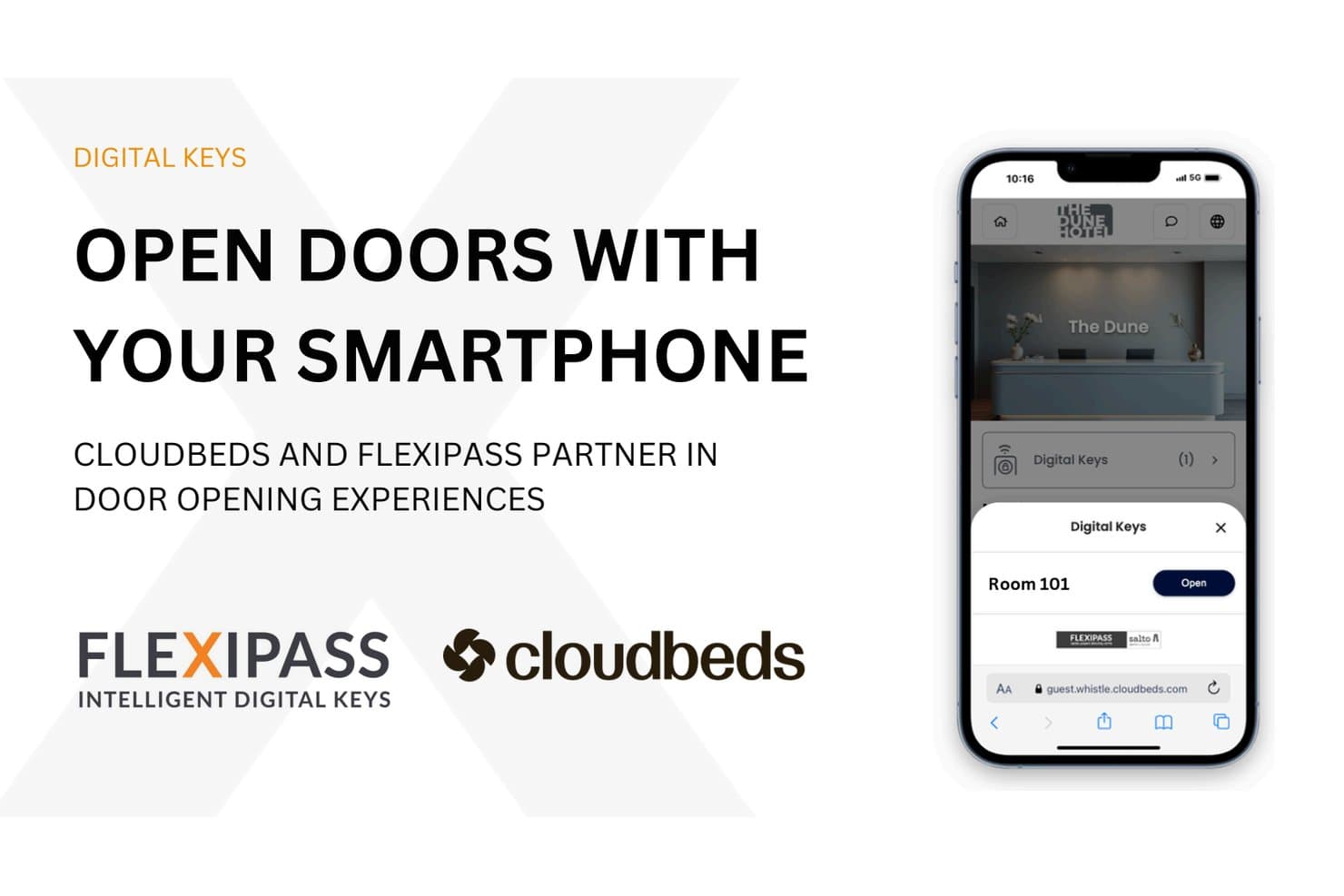
FlexiPass lets guests unlock hotel rooms via smartphone digital key. FlexiPass is a hotel access control platform that delivers digital guest keys across three formats—app-based mobile keys, browser-based Webkeys, and Apple and Google Wallet keys—with real-time PMS sync and compatibility with major lock hardware brands like ASSA ABLOY, Dormakaba, and SALTO.
Who Is FlexiPass Best For?
FlexiPass is a strong fit for hotel groups and independent properties that want to offer guests digital room keys without requiring a mobile app download.
Why I Picked FlexiPass
I picked FlexiPass as one of the best because its no-download Webkey format solves the biggest real-world barrier to mobile key adoption: guests who won't install an app. A Webkey arrives via SMS, email, or WhatsApp and opens the door directly from the browser. Pair that with Apple Wallet and Google Wallet support, and guests at check-in have three distinct key options without touching the front desk. PMS sync handles issuance and revocation automatically, so keys activate at check-in and expire at checkout without any manual step.
FlexiPass Key Features
- Multi-zone access control: Assign guest keys to specific property zones—rooms, spa, gym, elevators, and meeting areas—with time limits tied to the reservation dates.
- Centralized multi-property dashboard: Monitor and manage guest access permissions and activity across multiple properties from a single admin interface.
- White-label SDK: Embed FlexiPass mobile key functionality directly into your hotel's existing branded native app without building key delivery infrastructure from scratch.
- 100+ PMS integrations via Open API: Connect FlexiPass to your existing PMS—including Cloudbeds, Mews, Stayntouch, and Oracle—to automate key issuance and revocation in real time.
FlexiPass Integrations
FlexiPass offers 100+ native PMS integrations via its Open API, including Cloudbeds, Mews, Stayntouch, Oracle Hospitality, Guestline, and RoomRaccoon, plus native compatibility with major lock hardware brands like ASSA ABLOY Vingcard, Dormakaba, SALTO, TESA, and SMARTAir. It also supports Apple Wallet and Google Wallet, and provides an SDK and sandbox environment for custom integrations.
Pros and Cons
Pros:
- Centralized dashboard supports multiple hotel properties
- Apple Wallet and Google Wallet key compatibility
- No-download Webkey keys for frictionless guest access
Cons:
- Audit log capabilities lack public detail
- Staff access controls not deeply documented
Learn more about FlexiPass: Best for independent hotels with mixed lock brands
- Free demo available
- From $6/door/month (billed annually)
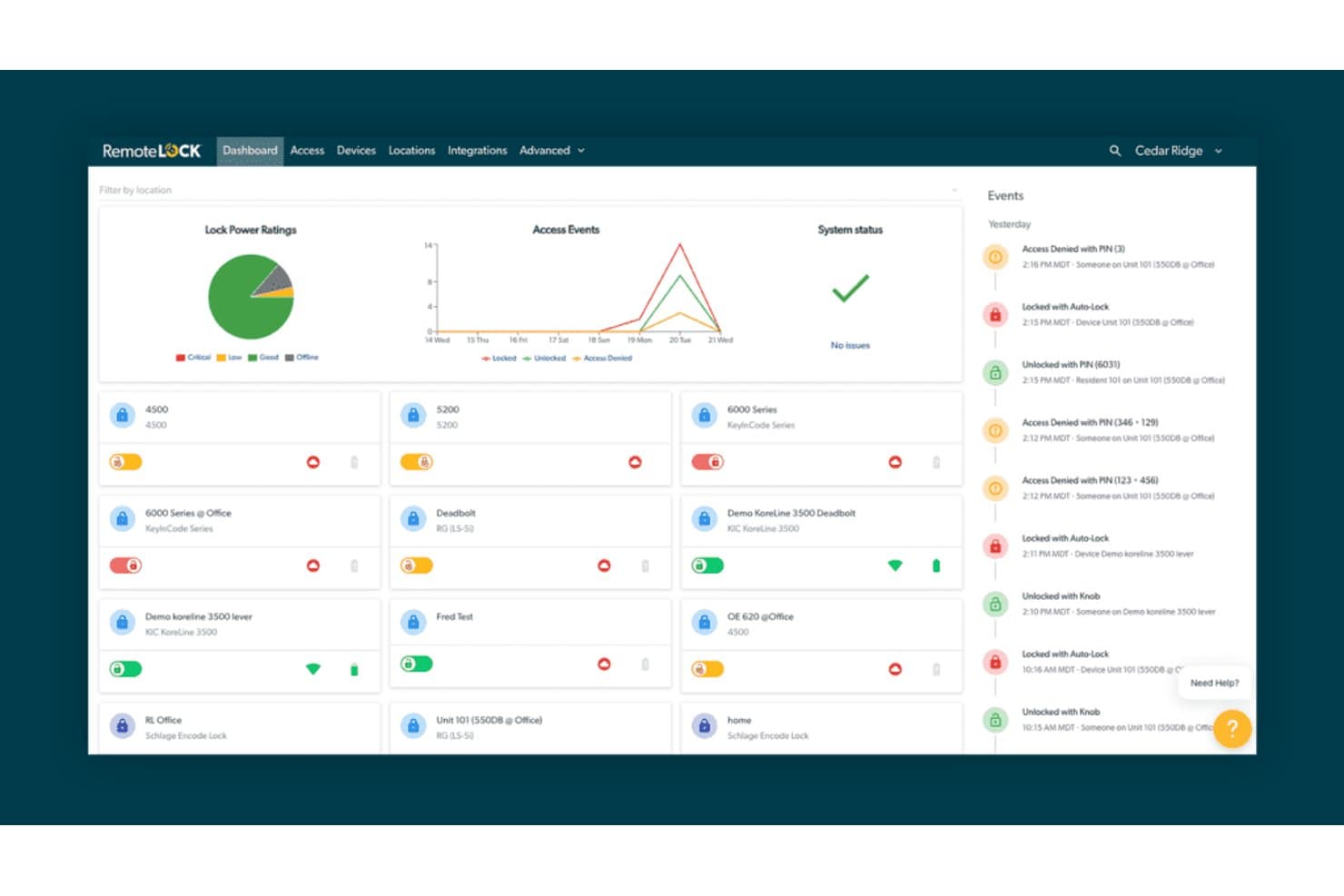
RemoteLock centralizes lock monitoring and access event logs in one dashboard. RemoteLock is a cloud-based access control platform that supports 30+ lock brands and manages PIN, RFID, and Bluetooth mobile credentials across guest rooms, common areas, and back-of-house spaces from a single dashboard.
Who Is RemoteLock Best For?
RemoteLock works best for independent and boutique hotel operators managing properties with a mix of lock brands who want a single dashboard to handle PIN, RFID, and mobile credentials.
Why I Picked RemoteLock
I picked RemoteLock as one of the best because it's the only platform I've found that lets you manage 30+ lock brands from a single dashboard without forcing a hardware overhaul. If your property has a mix of Schlage on guest rooms, Yale on staff entrances, and Dormakaba on common areas, RemoteLock unifies all of them under one credential system. I particularly like that RFID, PIN, and BLE mobile credentials, including Google Wallet keys, all coexist in the same account.
RemoteLock Key Features
- Virtual intercom: Guests scan a QR code at building entrances to start a live video or voice call with staff, who can grant remote access with one tap—no app download required.
- Access Code on Demand: Generates algorithmic PINs for scheduled or temporary access that work even when a lock is offline or connectivity is limited.
- IoT device management: Connects to ecobee and Honeywell Home thermostats and leak sensors, letting you sync temperature adjustments with check-in and check-out times.
- Time-based access windows: Lets you configure housekeeping, maintenance, and vendor credentials to work only during scheduled hours, with instant revocation from the central dashboard.
RemoteLock Integrations
RemoteLock offers 800+ integrations, including native hospitality PMS connections with Mews, Cloudbeds, Stayntouch, WebRezPro, RoomRaccoon, innRoad, and HotelKey, plus booking channels like Airbnb and VRBO. It also connects with lock hardware from Dormakaba, Schlage, and Yale, IoT devices from ecobee and Honeywell Home, and provides an open API for custom integrations.
Pros and Cons
Pros:
- Supports unlimited properties centrally
- Offers Google Wallet and Apple Watch keys
- Manages 30+ lock brands in one system
Cons:
- Lacks emergency lockdown feature
- Customer support frequently rated very poor
Learn more about RemoteLock: Best for PMS-driven contactless check-in
- Free demo available
- From $4/month per door
Visit WebsiteCustomer Rating:4.9/5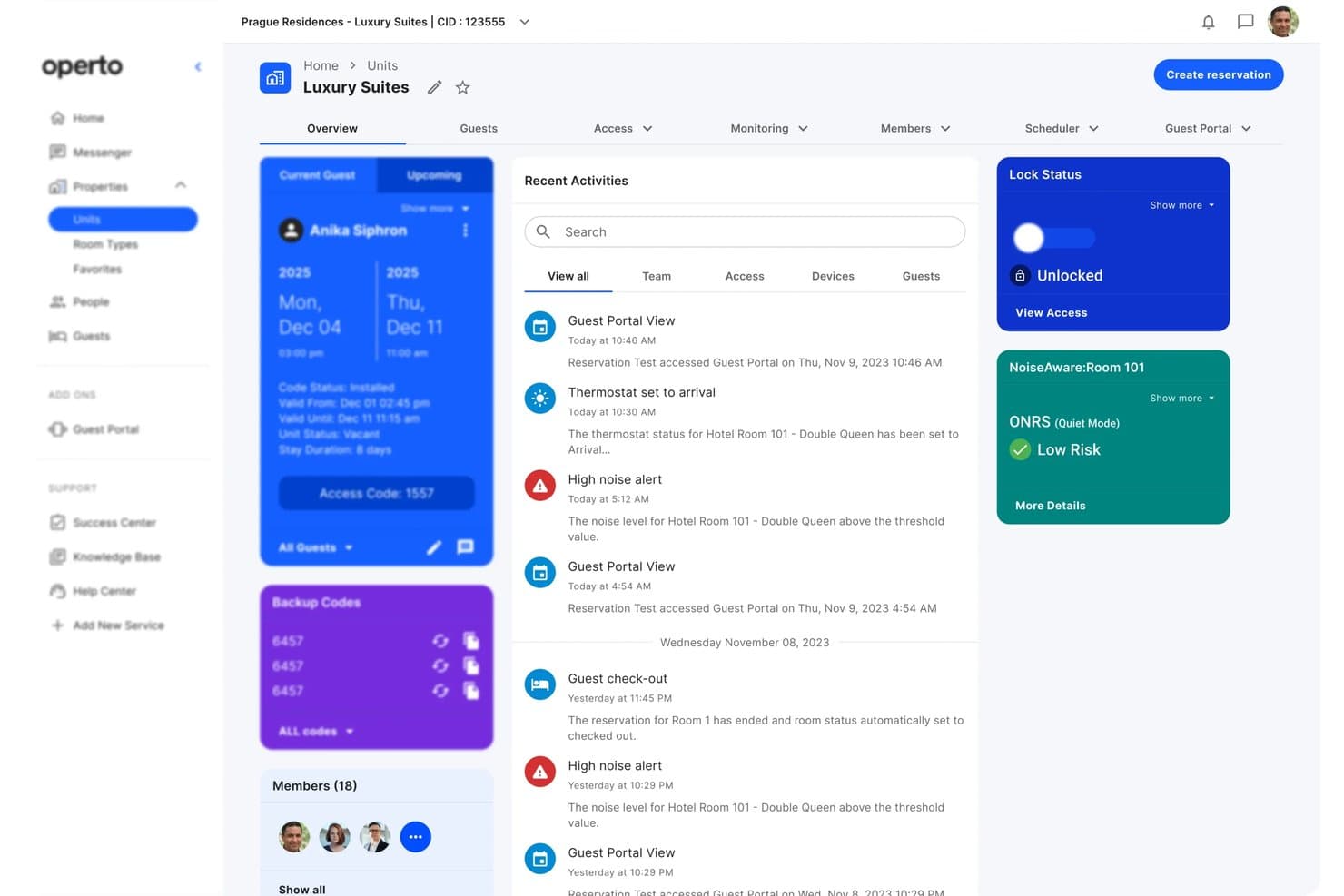
Operto centralizes guest activity, lock status, and noise monitoring in one dashboard. Operto is a hotel access control platform that combines BLE-based mobile key issuance, PMS-integrated contactless check-in, and smart lock management across guest rooms, common areas, and back-of-house zones.
Who Is Operto Best For?
Operto is a strong fit for independent hotels and boutique hotel groups that want PMS-triggered contactless check-in without replacing existing door locks.
Why I Picked Operto
I picked Operto as one of the best because its PMS-triggered access workflow genuinely removes the front desk from the check-in equation. When a reservation syncs from Opera or Cloudbeds, Operto automatically generates a time-bound mobile key and delivers it via SMS or email through a no-download web portal. I also love the Operto Boost Smart Chip, which retrofits existing locks with BLE capability in about 15 minutes per door, so you're not ripping out hardware to get there.
Operto Key Features
- Real-time access logs: Track every door event across your property with a live log of who accessed which area and when.
- Lock and device health monitoring: Get automatic alerts for low battery levels and connectivity issues before they cause guest-facing problems.
- Zone-based access configuration: Assign access permissions across guest rooms, back-of-house areas, elevators, intercoms, and shared spaces like gyms and spas.
- Housekeeping portal: Give housekeeping staff a personalized dashboard with prioritized room schedules that update in real time as guests check out.
Operto Integrations
Operto offers 150+ integrations, including PMS platforms like Oracle Opera, Mews, Cloudbeds, Agilysys, Shiji, Guesty, and Hostaway, plus lock hardware partners like SALTO, Assa Abloy, Yale, and Vingcard. It also connects with Ecobee, NoiseAware, and SmartThings for energy and noise monitoring, and provides an API for custom integrations.
Pros and Cons
Pros:
- Housekeeping portal updates room schedules in real time
- No-app mobile key delivery via web portal
- Retrofitting legacy locks requires no hardware replacement
Cons:
- Inconsistent support response reported by users
- No Apple Wallet or Google Wallet keys
Learn more about Operto: Best for global hotel PMS-driven key automation
- Free demo available
- Pricing upon request
Visit WebsiteCustomer Rating:4/5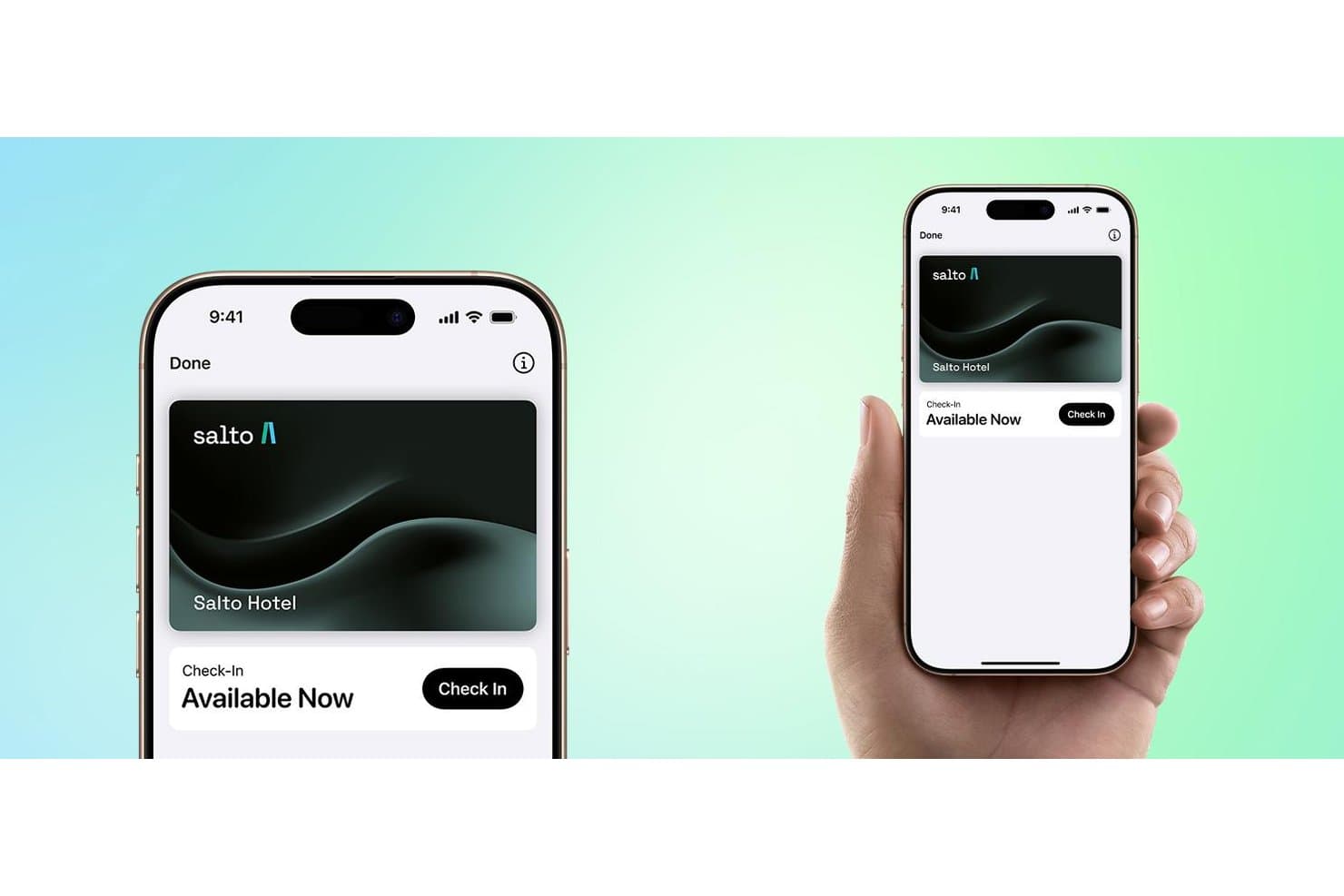
Salto enables mobile hotel check-in via Apple Wallet room key. SALTO Systems is a hotel access control platform built around a proprietary electronic lock portfolio—covering guest rooms, back-of-house, elevators, lockers, and parking—with mobile key issuance, PMS integration, and both cloud and on-premise deployment options.
Who Is SALTO Systems Best For?
SALTO Systems is a strong fit for hotel groups and multi-property operators that need deep PMS integration to automate mobile key issuance at scale.
Why I Picked SALTO Systems
SALTO Systems earns its spot on my shortlist because of how deeply its access control platform is built around PMS-driven key automation at scale. With 20+ certified PMS integrations, including a July 2025 partnership with Mews that delivered contactless mobile room keys to guests at YUST with zero promotional push, SALTO handles the full key lifecycle automatically: keys issue at reservation, update in real time, and revoke at checkout. I also rate its wallet-native credential support highly, with Apple Wallet's Express Mode letting guests tap to unlock without even waking their phone.
SALTO Systems Key Features
- Dual deployment model: Choose between Salto KS, a cloud-based subscription platform, and Salto Space, an on-premise system that stores access data directly on the card for offline lock operation.
- Wire-free lock retrofit: Battery-powered electronic locks install without rewiring, making them compatible with heritage buildings and occupied properties.
- Granular role-based permissions: Set access rights by door, zone, time of day, and day of week for guests, staff, and housekeeping independently.
- Multi-property cloud dashboard: Salto KS lets you manage users, doors, and access rights across unlimited locations from a single real-time interface.
SALTO Systems Integrations
SALTO Systems offers 20+ certified PMS integrations, including Mews, Oracle OPERA (via FIAS), Cloudbeds, Guestline, apaleo, RMS Cloud, WebRezPro, and Booking Experts, plus guest experience platforms like Duve, INTELITY, Operto, and Canary. It also connects with Apple Wallet, Google Wallet, CCTV, fire alarm, and BMS/GRMS systems, and provides an open API and Developer SDK for custom integrations.
Pros and Cons
Pros:
- Real-time PMS-driven mobile key automation
- Wire-free retrofit installs for heritage properties
- Native Apple Wallet and Android Wallet keys
Cons:
- Low customer support ratings from hotel users
- Proprietary locks require full ecosystem adoption
Learn more about Salto: Best for PMS-linked mobile keys and lock health
- Not available
- Pricing upon request
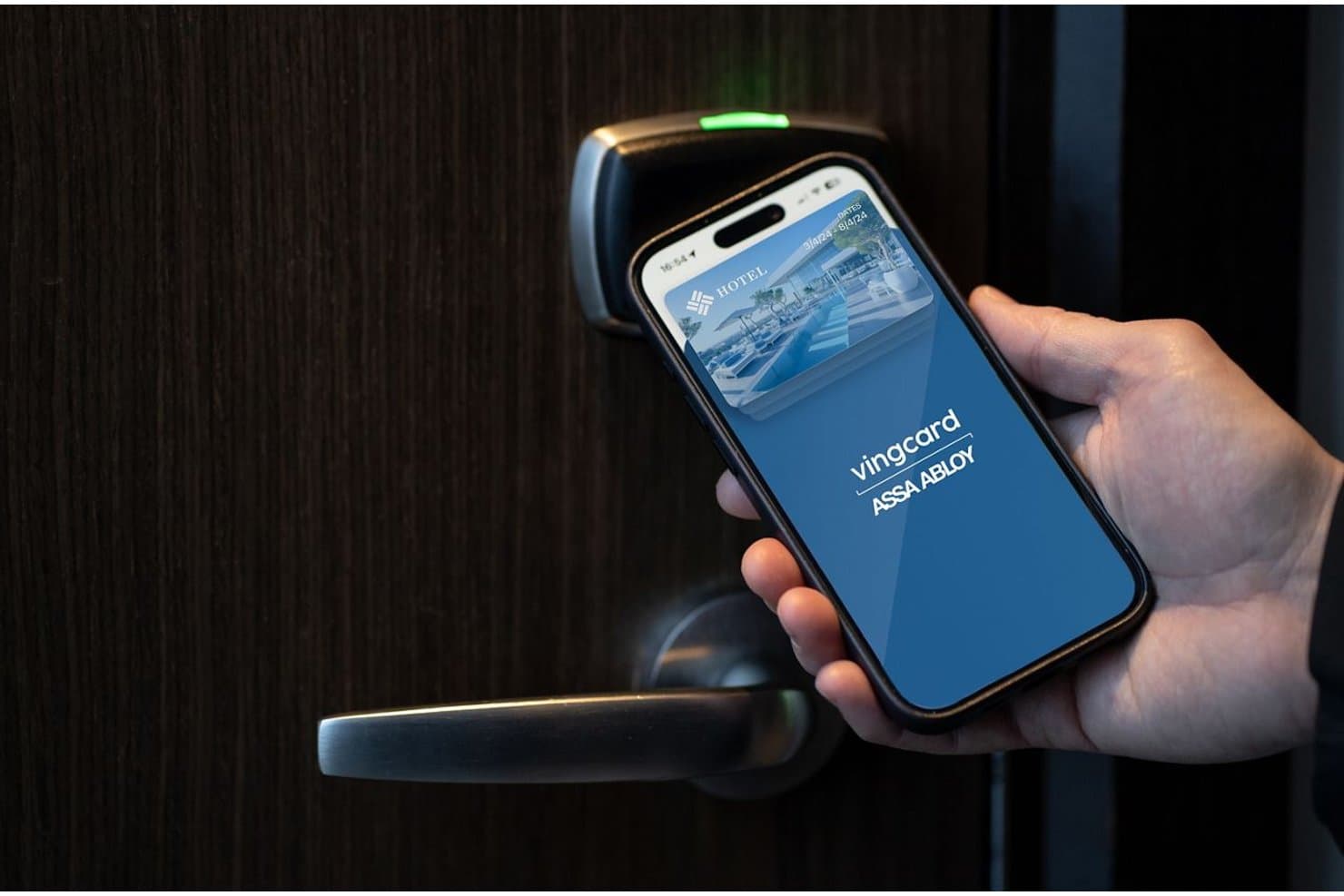
Vingcard lets users unlock hotel doors via mobile key on a smartphone. VingCard is a hotel access control system that covers electronic lock hardware, mobile and wallet-based key issuance, PMS integration, and centralized access management across guest rooms, back-of-house areas, and shared amenities.
Who Is VingCard Best For?
VingCard is a strong fit for hotel operators who want PMS-connected mobile key issuance tied directly to Apple Wallet or Google Wallet, without requiring guests to download a separate app.
Why I Picked VingCard
VingCard earns its spot on my shortlist because of how tightly its mobile key issuance connects to your PMS without asking guests to download anything. When a guest checks in via Opera Cloud or Mews, VingCard's VConnect platform automatically provisions a room key directly to Apple Wallet or Google Wallet—the latter being a hospitality first, built on MIFARE 2GO technology. I also like that Visionline monitors battery and lock health remotely, so your team gets alerts before a lock fails mid-stay.
VingCard Key Features
- Dual access management deployment: Choose between Vostio, a fully cloud-hosted platform with no on-site servers, or Visionline, a traditional on-premise server-based system.
- Door Lock Upgrade Kit: Retrofit existing VingCard hardware with BLE and NFC mobile access capability without replacing the full lock unit.
- Energy management system integration: Links room access events to HVAC and lighting controls, automatically activating eco-mode when a guest leaves the room.
- Remote card cancellation and group lockout: Cancel individual credentials or lock out entire user groups from the central management platform without visiting each door.
VingCard Integrations
VingCard offers native PMS integrations via its VConnect platform with Opera Cloud, Mews, Cloudbeds, Hotelkey, Apaleo, Maestro, Shiji, Stayntouch, RMS, and Roommaster, plus certified mobile key partners including INTELITY, Zaplox, OpenKey, and Canary Technologies. It also connects with Juniper Mist, Traka, and NXP MIFARE 2GO, and provides an open API and SDK for custom integrations across PBX, IPTV, GRMS, and third-party door locks.
Pros and Cons
Pros:
- Provides proactive lock and battery health alerts
- Retrofitting existing locks to mobile access possible
- Issues mobile keys to Apple and Google Wallet
Cons:
- Paid support required for technical help
- Requires proprietary keycards for replacements
Learn more about Vingcard: Best for properties with 80+ years of lock heritage
- Free demo available
- Pricing upon request
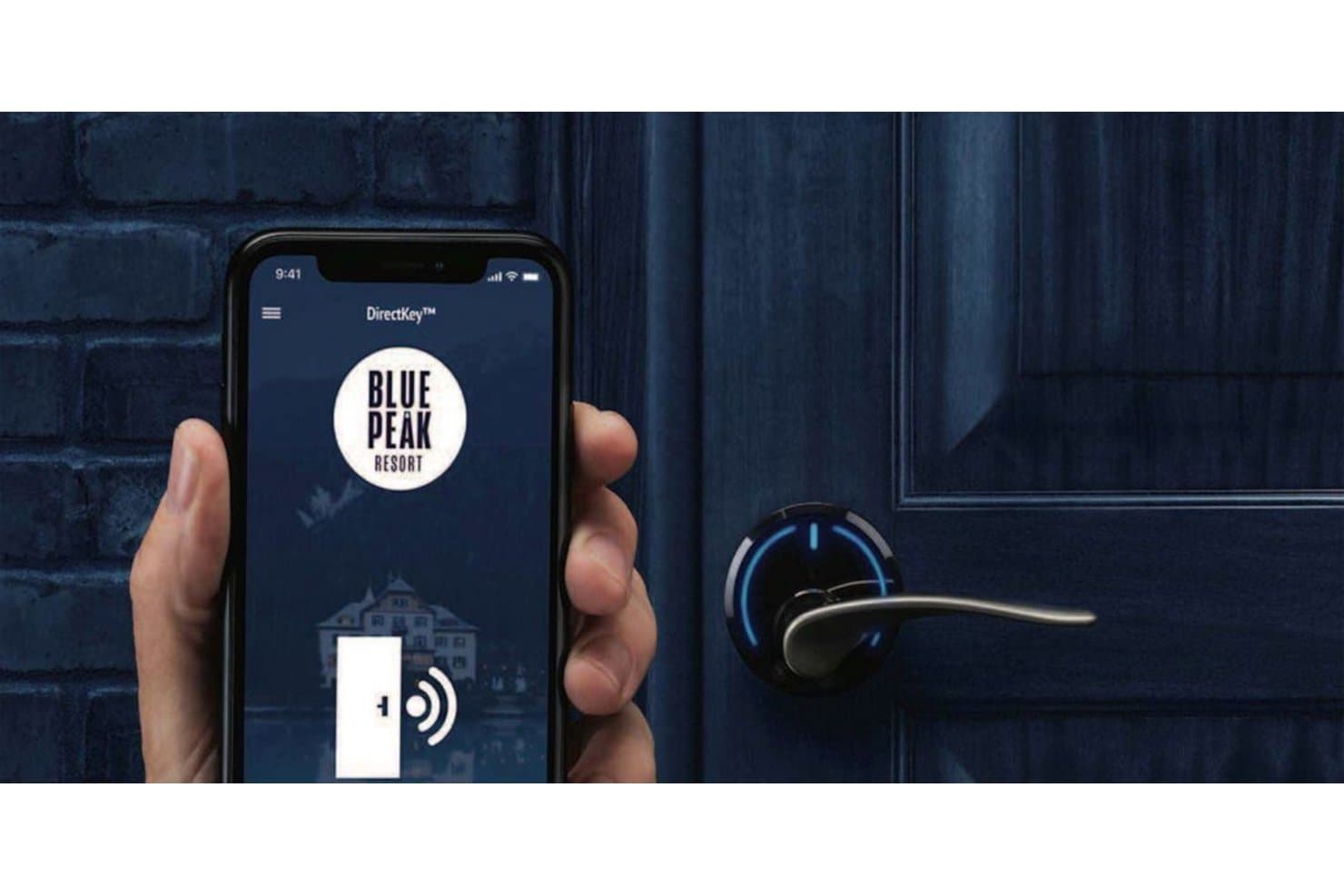
Onity's DirectKey app lets guests unlock hotel doors via smartphone. Onity is a hotel access control system built around electronic locks, mobile key issuance via DirectKey, cloud-based PMS integration, and IoT-connected lock management across guest rooms, back-of-house areas, and common spaces.
Who Is Onity Best For?
Onity is a strong fit for mid-size to large hotel operators who need a proven, widely deployed lock platform with modern mobile key capabilities built on decades of hospitality-specific development.
Why I Picked Onity
Onity earns its spot on my shortlist because no other vendor in hotel access control brings 80+ years of hospitality-specific lock development to the table. I'm particularly drawn to DirectKey 3.0, which has logged over 250 million door openings across 30,000+ properties and lets guests unlock rooms via Bluetooth proximity without touching anything. I also like that existing Onity locks can be retrofitted with a DirectKey module, so you're not ripping out hardware to modernize your property.
Onity Key Features
- CloudConnect™ PMS interface: A cloud-based integration layer that connects Onity locks to your PMS—including Opera, Mews, and Amadeus—without on-premise hardware.
- Forced-door and ajar-door alerts: IoT-connected locks send real-time alarms to front desk staff when a door is forced open or left ajar.
- Shift-based staff access control: OnPortal lets you assign and restrict staff credentials by shift, floor, room group, or area.
- INNCOM energy management integration: Lock events trigger automatic thermostat and energy adjustments in connected guestrooms via INNCOM by Honeywell.
Onity Integrations
Onity offers native PMS integrations with Oracle Hospitality (Opera), Mews, Amadeus, Shiji Group, Maestro PMS, Stayntouch, and Hilton's proprietary loyalty app, plus guest experience integrations with Duve, INTELITY, and Ariane Systems. It also connects to INNCOM by Honeywell for guestroom energy management, supports Google Wallet for digital keys, and provides a DirectKey SDK for custom brand app integration.
Pros and Cons
Pros:
- Real-time battery alerts and door event notifications
- Retrofit kits for upgrading existing Onity locks
- Proven reliability across 30,000+ hotel properties
Cons:
- Support hours limited with reported slow response
- No public help center or changelog available
Learn more about Onity: 10Best for no-app mobile keys and PMS sync
Goki
- Free demo available
- From $4/room/month (billed annually)
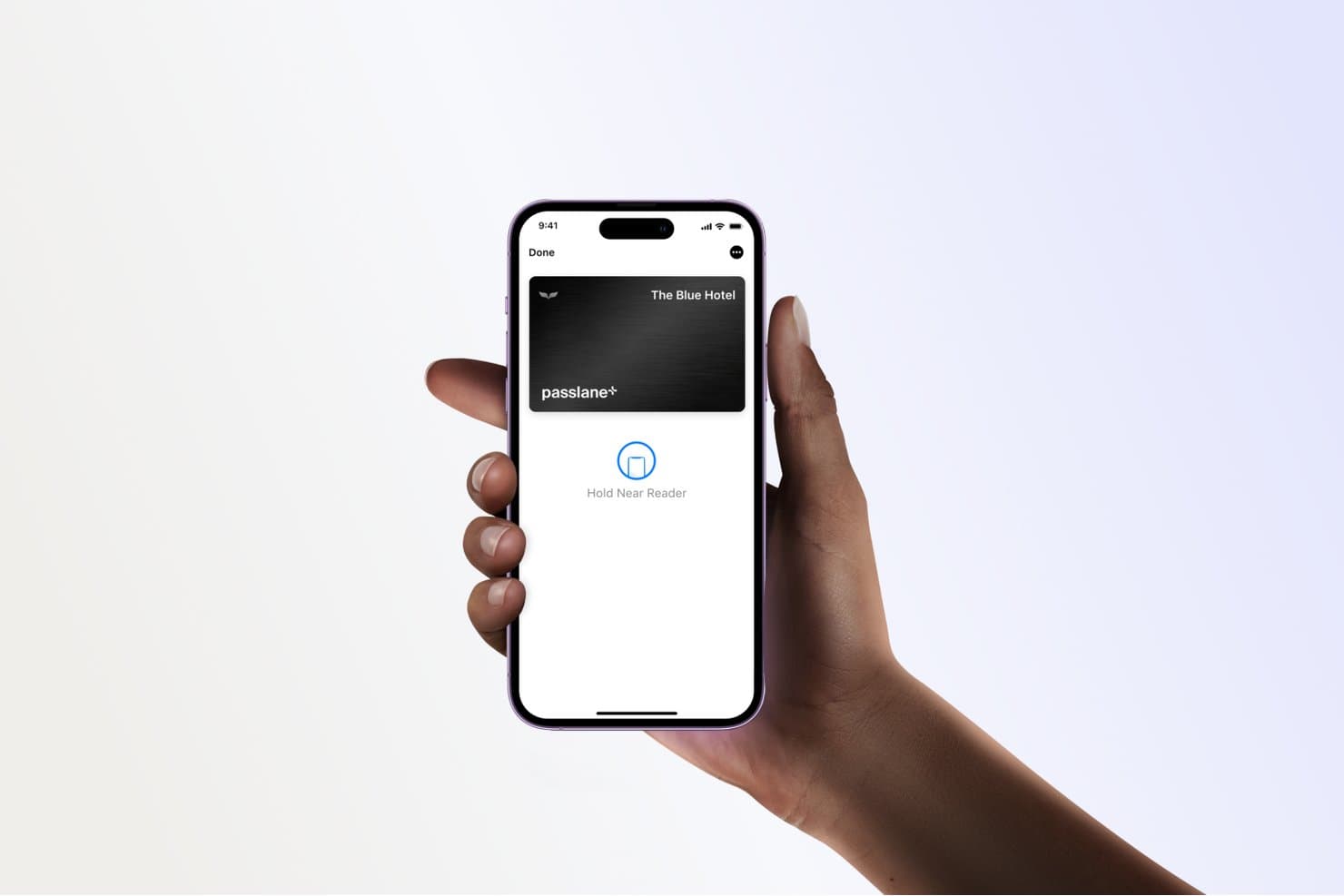
Goki lets guests use their phone as a digital room key via NFC. Goki is a hotel access control system built around app-free mobile keys, Wallet-native credentials, and real-time PMS sync, with hardware options spanning full lock replacement, retrofit modules, and software-layer integration with 50+ existing lock brands.
Who Is Goki Best For?
Goki is a strong fit for independent, boutique, and mid-market hotels that want to go keyless without replacing existing lock hardware or requiring guests to download an app.
Why I Picked Goki
Goki earns its spot on my shortlist because of how it handles mobile keys: guests get access via a web link sent by SMS, with no app download required. In practice, that means a guest who books last minute can unlock their room straight from their browser using Apple or Google Wallet. I also like that the SmartDisc retrofit module adds phone unlock and a unique PIN to existing locks in under 10 minutes, so properties don't need a full hardware overhaul to go keyless.
Goki Key Features
- PMS-synced auto check-in: Goki automatically issues guest keys at booking confirmation and revokes them at checkout through real-time, two-way sync with 30+ PMS platforms.
- SmartDisc retrofit module: A plug-and-play device that adds phone unlock and a unique PIN to existing electronic locks in under 10 minutes, starting at $99 per door.
- Role-based staff access controls: Assign granular door, zone, and time-window permissions to predefined or custom roles like housekeeping, maintenance, and contractors.
- Battery and lock health monitoring: The PassLane dashboard shows real-time battery status and device health across all doors so you can address hardware issues before guests are affected.
Goki Integrations
Goki offers 30+ native PMS integrations, including Mews, Cloudbeds, Oracle Opera Cloud, Shiji, StayNTouch, RMS Cloud, Preno, Clock PMS, Hapi, and WebRezPro, plus guest experience connections with Duve, Akia, and Whistle, and lock hardware compatibility with ASSA ABLOY, Salto, and Dormakaba across 50+ brands. A GraphQL API, webhooks, SDKs, and a developer sandbox are available for custom integrations.
Pros and Cons
Pros:
- Keys issued and revoked via PMS sync
- Retrofit module installs in under 10 minutes
- No app needed for guest key access
Cons:
- Occasional lock connectivity issues reported
- No biometric or emergency lockdown options
Learn more about Goki:
Other Hotel Access Control Systems
Here are some additional hotel access control systems options that didn’t make it onto my shortlist, but are still worth checking out:
- 11BrivoBest for cloud access control across hotel portfolios
- 12MIWABest for 40+ years of hotel lock expertise
- 13KisiBest for back-of-house and staff access control
- 14CanaryBest for wallet-native keys tied to PMS check-in
- 15ZaploxBest for wallet-native mobile keys at scale
- 16VirdeeBest for wallet-native keys and virtual check-in
How I Evaluate Hotel Access Control Systems
I split my evaluation into baseline criteria every system must meet—like PMS integration and mobile key issuance—and differentiators that separate a truly guest-ready platform from a basic lock management tool.
Core Functionality (Table Stakes for This List)
When I'm selecting tools for my list, I rank each one on a scale from 0 (does not offer the functionality) to 5 (excels in this area) for each core functionality listed below. I then calculate the tool's total score into a percentage, using 65% as a benchmark to help assess its overall fit for the list.
- Electronic Lock Support: I check the range of lock technologies each system controls—RFID, NFC, BLE, smart locks—and whether it works with third-party hardware or only proprietary doors.
- Mobile Key Issuance: Each platform's ability to deliver, expire, and revoke digital keys matters, especially support for wallet-native options like Apple Wallet or Google Wallet.
- PMS Integration: I evaluate how deeply the system connects to hotel PMS platforms like Opera, Mews, or Cloudbeds, looking for real-time, two-way reservation and room assignment syncing.
- Role-Based Access Control: Granular permissions for guests, housekeeping, maintenance, and management across zones and time windows are what I look for here.
- Access Audit Logs: The system should log every door event with user identity, timestamps, and filtering or export options—useful during incident reviews or compliance audits.
- Multi-Property Management: For hotel groups, I look at whether you can manage credentials, policies, and reporting across properties from a single dashboard.
Once I have a list of tools that meet the criteria, I consider what sets each platform apart.
Differentiating Factors (What Sets Vendors Apart)
Here's how I compare and contrast different vendors:
Standout Features
I look for battery and lock health monitoring that gives engineering teams real-time alerts on low batteries, offline locks, and tamper events—catching issues before a guest gets stranded at their door during a late-night arrival. Wallet-native mobile keys matter too; I check whether a system supports Apple Wallet and Google Wallet so guests can tap to unlock without downloading an app. Emergency lockdown controls round out my evaluation—I want one-touch floor isolation and global lockdown options that let security teams respond to threats or evacuations in seconds, not minutes.
Beyond Features
I check whether a system supports certified two-way PMS integrations with platforms like Opera, Mews, or Cloudbeds, since a one-way sync often means front-desk staff still manually push room assignments. Lock hardware compatibility matters just as much—if you've acquired a property running Dormakaba locks while your flagship uses VingCard, you need a platform that handles mixed fleets without a full rip-and-replace. I also evaluate each vendor's support model, because a lock failure at 2 a.m. demands guaranteed response times, not a next-business-day ticket queue.
How to Choose a Hotel Access Control System
When deciding on a hotel access control system, ask yourself: Which capabilities do you need to deliver the guest journey and protections your property requires without increasing frontline workload or creating new integration headaches?
| If your priority is... | Look for... |
| Reducing check-in friction | App-free mobile or wallet-native keys |
| Protecting staff and guest safety | Real-time audit logs and lockdown tools |
| Managing multiple properties | Centralized dashboard and remote admin |
| Syncing access with room management | Certified PMS integrations (not just exports) |
| Upgrading without hardware replacement | Multi-brand lock compatibility |
How to Vet Your Shortlist
- Test PMS sync speed: Run a 3-day pilot to confirm instant room assignment syncs and key revocations.
- Audit log accuracy: Request a sample audit log covering a week, with user IDs and access times for at least 10 doors.
- Mobile key delivery method: Confirm no-download mobile key delivery with a live demo to a real device—no test environment.
- Emergency controls validation: Ask for the written procedure or video walkthrough for executing a site-wide lockdown or floor isolation.
- Tradeoff decision: Decide if full lock vendor flexibility or a deeply integrated, single-brand system best aligns with your current and future tech plans.
What Are Hotel Access Control Systems?
Hotel access control systems are digital platforms that let you manage who can enter guest rooms, service areas, and staff-only zones across your property. They coordinate digital keys, RFID cards, and mobile access—keeping entry secure while syncing with property management systems. These systems help ensure only authorized guests and staff have entry to specific spaces and provide audit logs for every door event, supporting safety and smooth operations for your hotel.
Features of Hotel Access Control Systems
When selecting hotel access control systems, keep an eye out for the following key features:
- Electronic lock support: The system should control a wide range of lock types including RFID, NFC, Bluetooth, and smart locks. Support for both proprietary and third-party hardware allows you to upgrade or mix brands as your properties evolve.
- Mobile key issuance: Guests should receive digital keys sent directly to their smartphones, often through app-less options or wallet-native support like Apple Wallet and Google Wallet. This feature speeds up check-in and minimizes front desk wait times.
- PMS integration: Direct, two-way connectivity with property management systems (PMS) enables real-time syncing of reservations and room assignments. This cuts out manual entry, reduces errors, and helps staff issue or revoke access instantly.
- Role-based access control: Assign and manage permissions for different users, such as guests, housekeeping, maintenance, and managers. Fine-tune access by zone, time of day, or specific floors to maintain security across the property.
- Access audit logs: Automated event logs show who accessed which door and when, with exportable reports for compliance investigations or incident reviews. This builds accountability and helps troubleshoot security issues quickly.
- Multi-property dashboard: Manage access rules, monitor lock health, and view reports across several properties from one central platform. A consolidated dashboard makes it easier for hotel groups to enforce standards and respond to issues across locations.
- Lock and battery health monitoring: Real-time alerts flag low-battery locks, tamper events, or disconnected devices. Maintenance teams can proactively service locks and avoid embarrassing guest lockouts.
- Emergency lockdown controls: One-touch controls allow security or management teams to quickly isolate floors or lock down the entire property during emergencies. This drastically cuts response time during crises and helps keep both guests and staff safe.
- Guest self-service options: Enable guests to handle their own check-in, request room upgrades, or replace digital keys through mobile interfaces. This reduces demands on your front desk and aligns with evolving guest preferences.
- Flexible credential formats: The system should support multiple key formats, such as physical cards, fobs, or pin codes, in addition to mobile options. This accommodates guests without smartphones and allows staff to use the most practical tool for their workflow.
Benefits of Hotel Access Control Systems
Implementing hotel access control systems provides several benefits for your team and your business. Here are a few you can look forward to:
- Enhanced security and audit trails: Real-time access logs and role-based controls restrict entry to authorized guests and staff, while detailed audit logs help you track every door event for compliance and incident reviews.
- Faster, frictionless guest check-in: Features like mobile key issuance and wallet-native digital keys minimize front desk wait times and let guests access their rooms using their smartphones.
- Centralized property management: Multi-property dashboards allow you to manage access policies, monitor lock health, and view reports across all your properties from a single platform.
- Seamless PMS integration: Certified, two-way connections with popular property management systems enable immediate syncing of reservations and room assignments, cutting down on manual work and errors.
- Proactive maintenance and lock health monitoring: Real-time alerts for low battery levels, tamper events, or offline locks help your maintenance team resolve issues before they disrupt guest stays.
- Rapid emergency response: One-touch lockdown and floor isolation controls empower your security teams to quickly react to emergencies and enhance protection for guests and staff.
- Flexible credential options: Support for mobile keys, RFID cards, fobs, and pin codes ensures every guest and team member can use the access method that suits them best.
Costs and Pricing of Hotel Access Control Systems
Selecting hotel access control systems requires an understanding of the various pricing models and plans available. Costs vary based on features, team size, add-ons, and more. The table below summarizes common plans, their average prices, and typical features included in hotel access control systems solutions:
Plan Comparison Table for Hotel Access Control Systems
| Plan Type | Average Price | Common Features |
| Free Plan | $0-$50/property/month | Basic lock control, limited support, basic audit logs, and no integration with PMS. |
| Personal Plan | $100-$200/property/month | Mobile key issuance, basic PMS integration, user management, and standard reporting. |
| Business Plan | $200-$400/property/month | Multi-property dashboard, advanced role-based access, audit logs, guest self-service options, and mobile key support. |
| Enterprise Plan | $400-$800/property/month | Full PMS integrations, custom integrations, emergency lockdown controls, lock health monitoring, and priority support. |
Hotel Access Control Systems FAQs
Here are some answers to common questions about hotel access control systems:
How do hotel access control systems integrate with property management systems?
Most hotel access control systems offer direct, two-way integration with popular property management systems (PMS) like Opera, Mews, or Cloudbeds. This integration lets you sync reservations and room assignments in real time, so room access updates the moment front desk staff make a change. It eliminates manual entry and cuts down on check-in mistakes, which is especially important for busy teams handling high guest traffic.
Can guests use mobile keys without downloading an app?
Yes, many modern hotel access control systems now support app-free mobile key options, including wallet-native credentials for Apple Wallet and Google Wallet. This means guests can tap their phone at the door without installing a separate app. It’s a quick way to reduce check-in lines, especially with frequent travelers who expect touchless entry.
What happens if a lock battery runs low or fails?
Most systems include real-time lock and battery health monitoring. Your maintenance team gets alerts for low battery levels or disconnected locks, so you can swap batteries or fix issues before a guest gets locked out. Some platforms even let staff check lock status for the whole property from one dashboard, making it easier to avoid late-night emergencies.
How do audit logs work in access control systems?
Access audit logs record every door event, showing who entered which room, at what time, and with what credential (digital key, card, fob, etc.). You can filter or export these logs for compliance reviews or security investigations. This feature not only helps resolve disputes but also boosts guest security and accountability for staff access.
Is it possible to manage multiple hotels from a single system?
Yes, several access control systems offer centralized dashboards for managing access policies and monitoring activity across multiple properties. This is helpful for hotel groups or management companies. With a single login, you can roll out settings, generate reports, and handle lock admin for all your sites, saving time and standardizing operations.
Can I upgrade to a new access control system without replacing all lock hardware?
In many cases, yes. Some systems are designed to work with both proprietary and third-party locks—even across mixed brands on the same property. It’s important to check compatibility during your evaluation. Flexible options mean you don’t need to rip out existing doors when upgrading your software platform, which can save considerable cost and disruption.