

10 Best Event Planning Software for 2026

10 Best Event Planning Software Shortlist


Event planning software streamlines scheduling, budgeting, and communication, which frees up your team to focus on building stronger client relationships and improving service delivery. Managing overlapping tasks and vendor coordination can be challenging, but the proper support can save valuable time and reduce costly errors. In this article, I compare and review the best tools to support your buying decision.
Why Trust Our Software Recommendations
Our team has been testing and reviewing software since 2012. As hospitality leaders ourselves, we know how difficult—and important—it is to choose the right software.
For this guide, we evaluated tools using hands-on testing and independent research, scoring tools using our selection criteria.
Our reviews reflect our human editorial judgment, not a sales pitch.
Best Event Planning Software Summary
re’s the shortlist of the best tools that I’ll cover in this article.
| Tool | Best For | Trial Info | Price | ||
|---|---|---|---|---|---|
| 1 | Best for in-person, virtual, and hybrid events | Not available | From $2,495 | Website | |
| 2 | Best for customizable event registration | Free plan + free demo available | From $1/attendee | Website | |
| 3 | Best all-in-one event planning tool | Free demo available | Pricing upon request | Website | |
| 4 | Best for task scheduling | Free plan + free demo available | From $7/user/month (billed annually) | Website | |
| 5 | Best for local event discovery | Free plan available | From 3.7% + $1.79 per ticket | Website | |
| 6 | Best for task organization | 14-day free trial | From $5/user/month (billed annually) | Website | |
| 7 | Best for attendee engagement tools | Free demo available | From $499/user/month (billed annually) | Website | |
| 8 | Best for event networking | Free demo available | Pricing upon request | Website | |
| 9 | Best for multi-channel event marketing campaigns | Free demo available | Pricing upon request | Website | |
| 10 | Best for customizable registration forms | Free trial + free demo available | From $1.50/registration | Website |

Best Event Planning Software Reviews

Best for in-person, virtual, and hybrid events
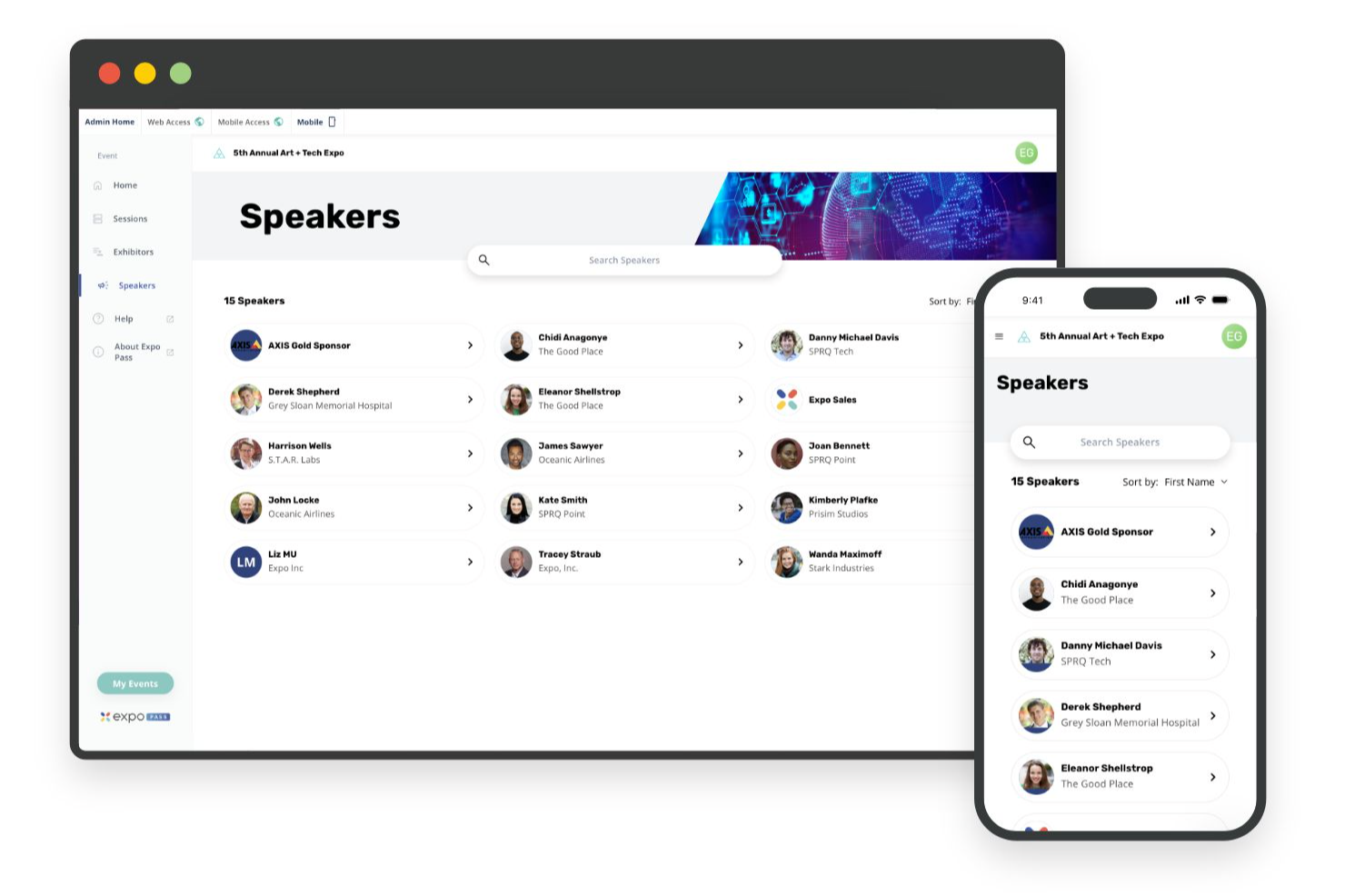
Expo Pass offers a platform for event planning that supports in-person, virtual, and hybrid events. It caters to event organizers across various industries, providing tools that address the needs of different event formats. With features such as event registration and badge printing, Expo Pass helps simplify planning tasks for teams managing complex events.
Why I Picked Expo Pass
I picked Expo Pass for its unique ability to cater to both live and virtual event needs. The platform's event registration feature allows you to customize forms and manage attendee data with ease. Additionally, the check-in and badge printing functionality ensures a smooth entry process, reducing manual workload. These features make Expo Pass a robust solution for those looking to streamline their event planning process.
Expo Pass Key Features
Along with live and virtual event support, ExpoPass offers:
- Lead Retrieval: Capture and manage potential leads efficiently during events.
- Attendance Tracking: Monitor and analyze session participation for better insights.
- Mobile Event App: Provide attendees with schedules, networking tools, and updates on-the-go.
- Virtual Experience: Engage remote audiences with live streaming and interactive sessions.
Expo Pass Integrations
Integrations include Swoogo, Guidebook, and Avery. Native integrations are not currently listed by Expo Pass.
Pros and Cons
Pros:
- On-site check-in tools reduce entry delays at live events
- Session tracking supports attendance monitoring
- Centralized platform reduces reliance on multiple tools
Cons:
- Limited tools for budgeting and financial planning
- Lacks CRM-style planning for long-term relationships
Best for customizable event registration
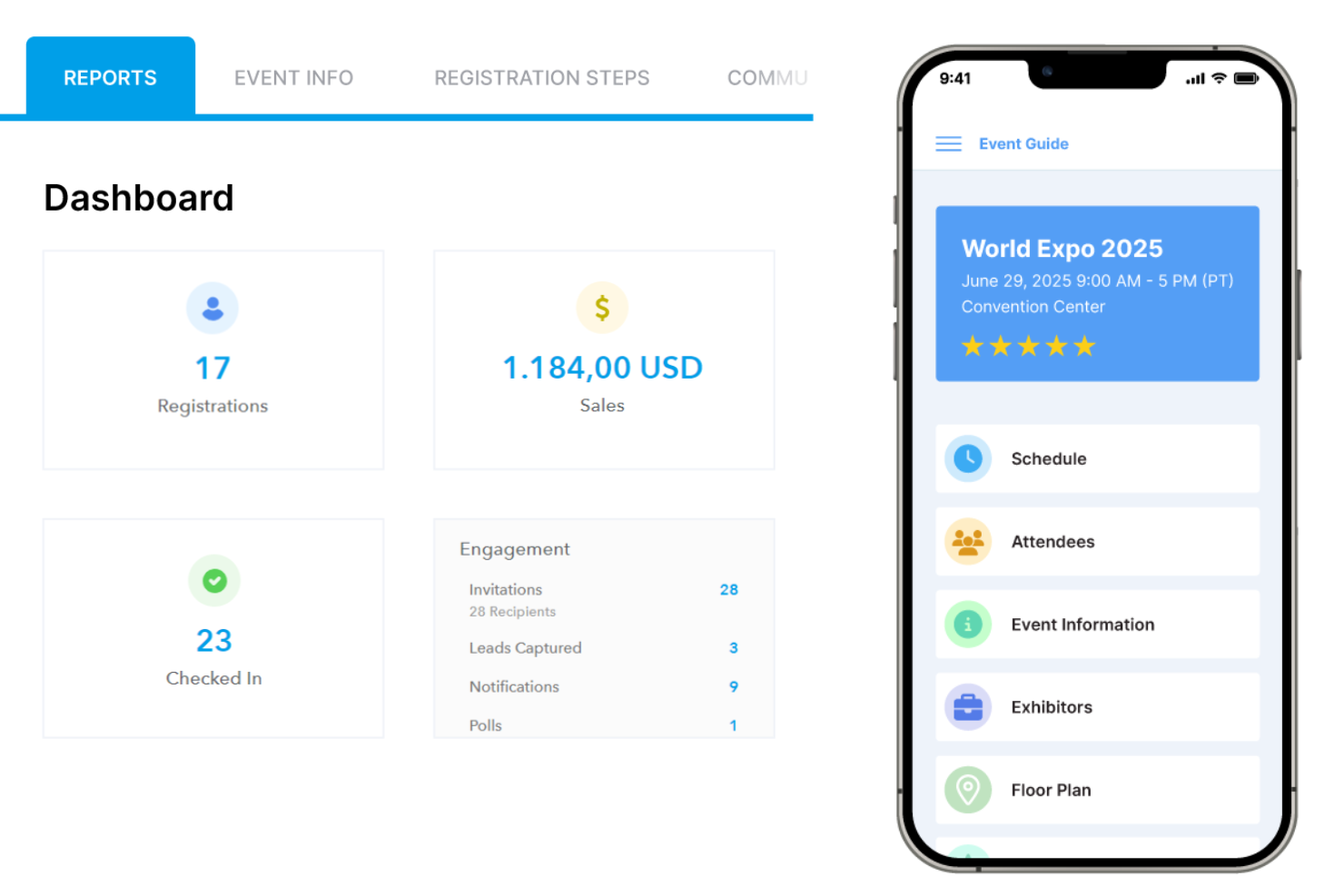
Eventleaf offers a user-friendly platform tailored for professionals seeking an effective way to manage events. It caters to various industries, simplifying tasks from attendee registration to engagement through interactive features. With Eventleaf, you can address the challenges of organizing events, ensuring a smooth experience throughout the process.
Why I Picked Eventleaf:
I picked Eventleaf for its capability in customizable event registration, a critical need for any event planner seeking flexibility and precision. The platform allows you to design professional event websites and manage registrations, including group bookings and tiered ticketing, directly addressing the complexity of handling diverse attendee needs. Eventleaf's check-in app ensures a smooth entry process with quick barcode scans and personalized badge printing, while its interactive features like real-time polls and Q&As keep attendees engaged. These functionalities align perfectly with the needs of event organizers who demand a seamless and tailored registration experience.
Eventleaf Key Features
In addition to its customizable event registration, Eventleaf offers several features that enhance the event planning experience:
- Custom Website Design: Create a professional event website with options to promote events through email and social media platforms.
- Interactive Engagement: Conduct real-time polls, Q&A sessions, and surveys to keep your attendees engaged throughout the event.
- Exhibition Management: Manage booth bookings for exhibitors and utilize a lead retrieval app to capture attendee information effectively.
- Gamification: Engage attendees through gamification features, such as point systems and leaderboards, to enhance their event experience.
Eventleaf Integrations
Integrations include Salesforce, Hubspot, Marketo, Google Analytics, Zoom, GoToMeeting, WebEx, YouTube, Vimeo, and Lobbytrack.
Pros and Cons
Pros:
- Flexible pricing with a free starter plan and per‑attendee model
- Strong all‑in‑one features: registration, website, check‑in, badges
- Intuitive setup makes event launch quick and painless
Cons:
- May lack depth compared to enterprise event tools
- Limited customization options (branding, design) for event pages

Whova
Best all-in-one event planning tool

If you're aiming to elevate your event planning experience, Whova offers an intuitive platform designed to enhance engagement and organize events seamlessly. Tailored for event organizers in various industries, it simplifies tasks from attendee registration to post-event follow-ups, ensuring a smooth experience. With features like interactive agendas and community boards, Whova addresses the need for efficient communication and engagement, making it a valuable tool for anyone looking to create memorable events.
Why I Picked Whova:
I picked Whova for its all-in-one capabilities that cater to every aspect of event planning. With features like customizable event apps and virtual event support, it stands out as a versatile solution for managing both in-person and virtual gatherings. You’ll appreciate how real-time notifications and interactive maps enhance attendee engagement and streamline event logistics. These features collectively make Whova an appealing choice for organizers looking to integrate various event components into one cohesive platform.
Whova Key Features
In addition to its all-in-one capabilities, Whova offers several features that cater to the diverse needs of event planners:
- Customizable Event Agendas: You can tailor event schedules to meet specific requirements, ensuring attendees have access to the most relevant information.
- Attendee Engagement Tools: Features like live polling and surveys boost interaction and keep participants actively involved throughout the event.
- Networking Capabilities: Enhance connections with tools that facilitate attendee networking, such as chat and video call functionalities.
- Contactless Check-in via QR Codes: Simplify the check-in process and maintain safety with seamless QR code scanning for easy entry management.
Whova Integrations
Integrations include RegFox, Zapier, SurveyMonkey, and Eventbrite.
Pros and Cons
Pros:
- Robust reporting capabilities provide valuable event insights
- User-friendly interface simplifies navigation and event management
- Helpful polling and question capabilities
Cons:
- Mobile app updates sometimes lag behind desktop features
- Limited native integrations may restrict functionality
ClickUp
Best for task scheduling
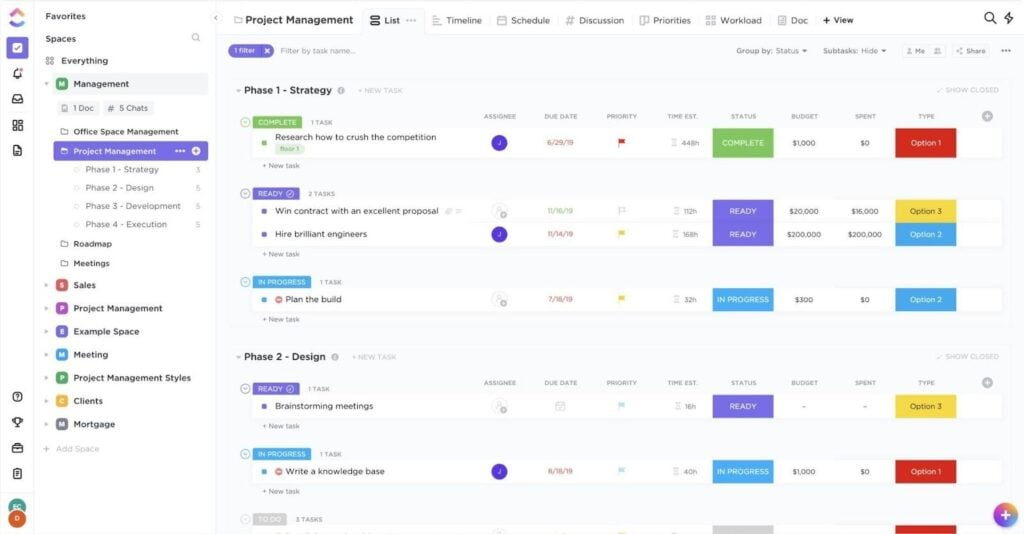
ClickUp helps businesses schedule events and tasks via its calendar view feature.
Why I picked ClickUp: You can use ClickUp to avoid difficulties and issues when planning your next event’s itinerary. With this tool, you can plan, schedule, and manage resources for your events and visualize them on a calendar. You can also use ClickUp’s timeline view to help you map out entire events and assign tasks from one place.
ClickUp helps any sized business bring its teams together to plan and collaborate on events using various tools. It’s a fully customizable platform with extensive proprietary features and allows deep modularity with add-ons that you can use to tailor the software even further. ClickUp can also simplify the most complex events by breaking your work down into different levels of subtasks and checklists to track everything from workflows and to-do lists.
ClickUp Features and Integrations
Features include checklists, subtasks, automation, templates, collaboration tools, whiteboards, real-time reporting, dashboards, workload and box views, milestones, and time management.
Integrations include Slack, HubSpot, Everhour, Toggl, Harvest, Google Drive, Figma, Sentry, Microsoft Teams, Zendesk, Front, Zapier, Asana, Wrike, Basecamp, and Salesforce.
Pros and Cons
Pros:
- User-friendly interface with an intuitive design.
- The platform is flexible and versatile.
- Simple and easy to use.
Cons:
- The extensive number of features is overwhelming.
- A steep learning curve.
New Product Updates from ClickUp
ClickUp Adds Meetings Hub, Super Agent Templates, and ZoomInfo Integration
ClickUp adds a searchable Meetings Hub, new ways to clone and template Super Agents, and a ZoomInfo integration through the App Center. These updates improve meeting retrieval, agent reuse, and access to sales intelligence. For more information, visit ClickUp’s official site.

Best for local event discovery
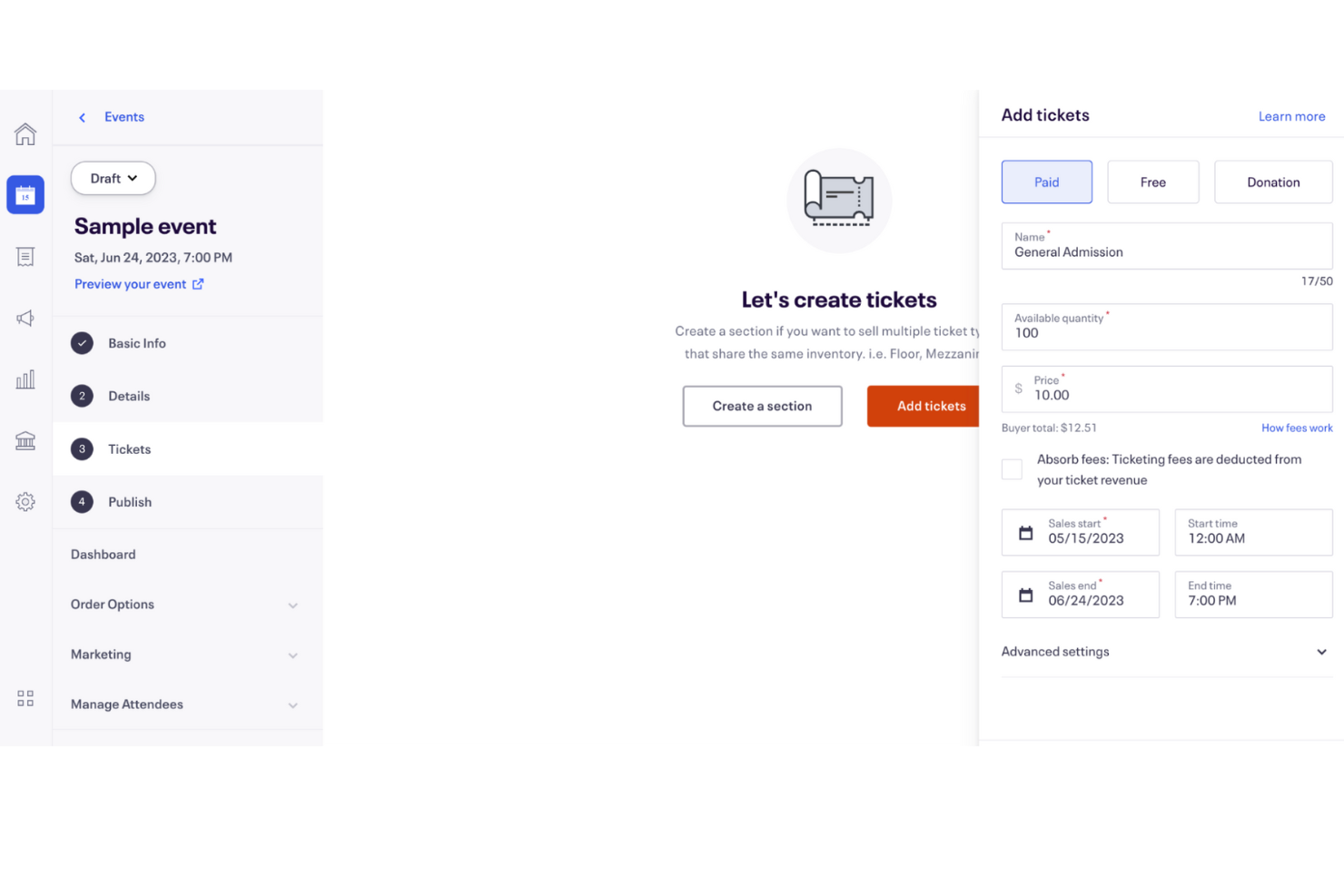
Eventbrite provides a dynamic platform for event organizers to create, manage, and promote events across various industries, whether you're hosting a music festival or a corporate gathering. With its user-friendly interface, you can easily handle ticketing, marketing, and payment processing, allowing your team to engage audiences and expand your event's reach. Eventbrite's extensive resources and support empower you to refine your event strategies and deliver memorable experiences.
Why I Picked Eventbrite:
I picked Eventbrite for its standout ability in local event discovery, a unique selling point that truly sets it apart in the event planning software arena. The platform's partnership with TikTok enhances this feature by allowing you to integrate event promotions directly into TikTok videos, reaching engaged audiences in various communities. With its extensive marketing suite, Eventbrite provides tools like Eventbrite Ads and email campaigns, helping you boost visibility and engage local attendees effectively. These features ensure that your events not only reach the right audience but also facilitate a seamless ticket purchasing experience directly from social media platforms, addressing both promotional and logistical challenges.
Eventbrite Key Features
In addition to its strength in local event discovery, Eventbrite offers a wide range of features tailored to streamline your event planning process.
- Customizable Event Management: Set up events with options for reserved seating and custom ticketing to fit your specific needs.
- Social Media Ads: Launch targeted campaigns on platforms like Facebook and Instagram to increase your event's visibility and ticket sales.
- Real-Time Analytics: Access data insights to monitor event performance and make informed decisions.
- Seamless Integrations: Connect with platforms like Zoom and YouTube to enhance your event's reach and engagement.
Eventbrite Integrations
Integrations include HubSpot, Mailchimp, Salesforce, Constant Contact, Zoom, Facebook, Instagram, Google Analytics, SurveyMonkey, and Slack.
Pros and Cons
Pros:
- Provides real-time sales data for attendance and profit assessment
- Supports both internal and external events with privacy settings
- Offers self-service tools for email invitations and RSVP tracking
Cons:
- May not meet all specific needs for professional event management
- Potential for technical glitches during high-traffic events
Trello
Best for task organization

For those seeking an intuitive tool to manage event planning, Trello offers a unique blend of visual organization and task management capabilities. Designed to cater to industries ranging from corporate events to weddings, Trello provides customizable boards and templates that enable you to manage every aspect of your event, from tracking budgets to coordinating team tasks. With the ability to integrate with tools like Slack and Microsoft Teams, Trello enhances collaboration and communication, ensuring that your event planning process is as seamless as possible.
Why I Picked Trello:
I picked Trello for its unparalleled task organization capabilities, which are crucial for successful event planning. With Trello's visual boards, you can easily track the progress of tasks from "to-dos" to "completed," ensuring nothing falls through the cracks. The ability to integrate directly with tools like Slack and Microsoft Teams enhances communication, while the customizable workflows and automation features help you streamline repetitive tasks, allowing your team to focus on the event's core elements. These features collectively make Trello an ideal choice for those looking to enhance their event planning efficiency and collaboration.
Trello Key Features
In addition to its task organization prowess, Trello offers a suite of features that cater specifically to the needs of event planners:
- Calendar Power-Up: This feature allows you to visualize your project timelines and deadlines in a calendar format, making it easier to manage schedules and timelines for your events.
- Card Labels: You can categorize tasks with color-coded labels, helping your team quickly identify priorities and organize tasks by type or urgency.
- Checklists within Cards: This feature enables you to break down tasks into smaller, manageable steps directly within each card, ensuring that all details are accounted for without cluttering your main board.
- Attachment Support: Trello allows you to attach files and documents directly to cards, making it simple to keep all relevant materials accessible to your team throughout the planning process.
Trello Integrations
Integrations include Slack, JIRA, Miro, Hubstaff, Clockify, Toggl, CData, Rollbar, Honeybadger, and EasyQA.
Pros and Cons
Pros:
- Effective for team collaboration and communication
- Flexible organization with boards, lists, and cards
- Generous free-forever plan available
Cons:
- Lacks built-in tools for comprehensive scheduling and time tracking
- For planning only, not ticket sales, attendance/registration, etc.

Bizzabo
Best for attendee engagement tools
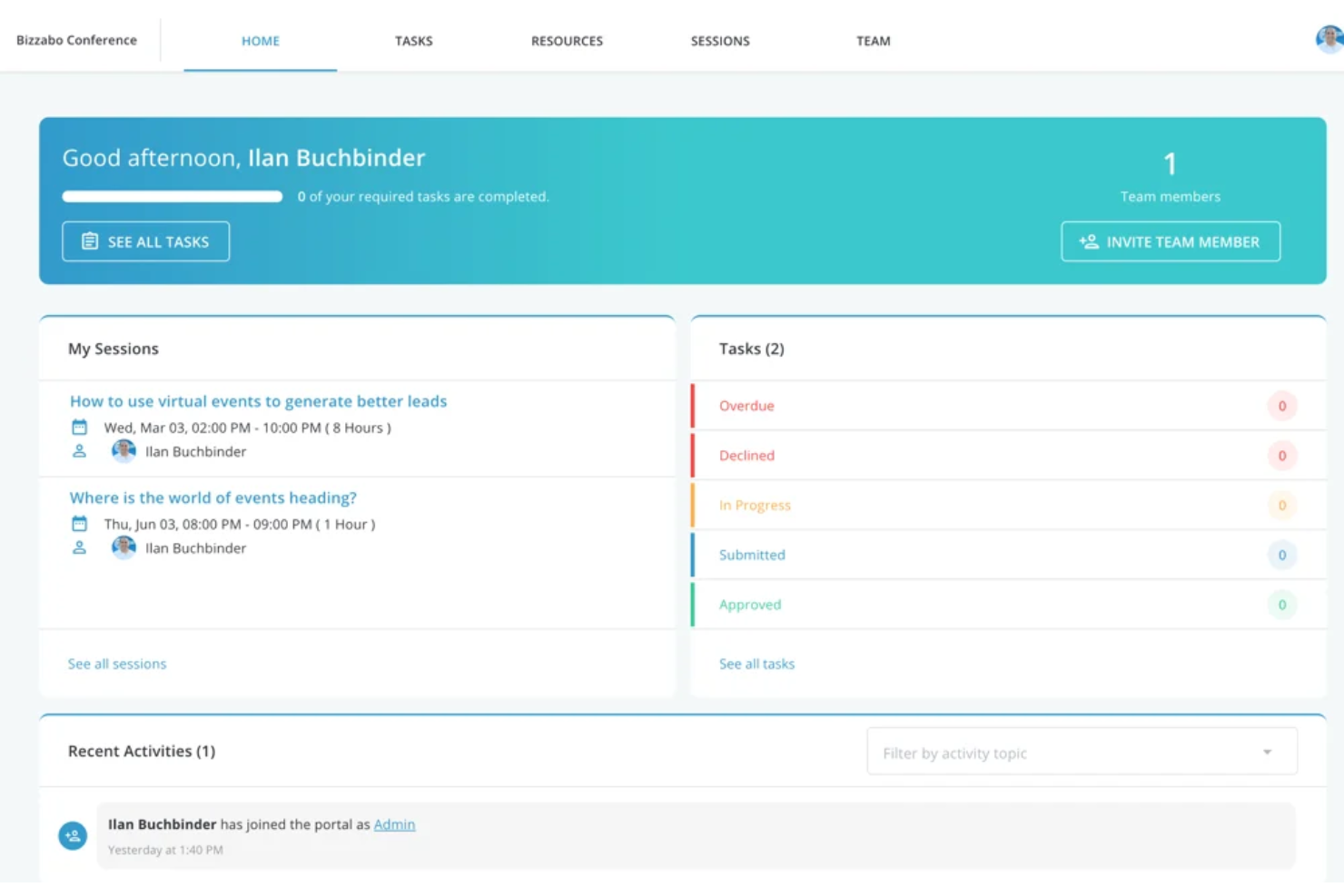
When you're ready to elevate your event planning capabilities, Bizzabo stands out as a dynamic platform tailored for B2B conferences and beyond. Designed to simplify both in-person and virtual event experiences, it offers a user-friendly interface with tools for registration, marketing, and analytics, ensuring seamless engagement and measurable success. Whether you're a corporation, agency, or educational institution, Bizzabo empowers your team to create impactful events that resonate with attendees and achieve your business objectives.
Why I Picked Bizzabo:
I picked Bizzabo for its exceptional attendee engagement tools, which are crucial for creating memorable event experiences. The platform's AI-powered networking capabilities allow attendees to connect through interest-based matchmaking and schedule meetings directly via the mobile app, fostering meaningful interactions. Additionally, Bizzabo's Klik SmartBadges™ offer a contactless way to exchange information and track engagement, enhancing the overall networking experience. These features, combined with real-time engagement analytics, empower your team to tailor events that not only captivate attendees but also provide valuable insights for future planning.
Bizzabo Key Features
In addition to its standout attendee engagement tools, Bizzabo offers a suite of features that cater to the broader needs of event planners.
- Dynamic Registration: This feature allows your team to personalize the registration process, enabling attendees to select their preferred attendance type and ticket options, enhancing their registration experience.
- Custom-Branded Mobile App: Provides attendees with easy access to event information, interactive features, and communication tools with speakers and peers, ensuring they remain informed and connected throughout the event.
- Live Streaming and On-Demand Content: Supports virtual and hybrid events by offering high-quality streaming of live sessions and access to recorded content, extending the event's reach and engagement.
- Analytics and Reporting: Delivers robust analytics capabilities that enable your team to track key performance metrics and attendee engagement, facilitating data-driven decisions for future events.
Bizzabo Integrations
Integrations include Salesforce, HubSpot, Marketo, Eloqua, Google Analytics, LinkedIn, Brightcove, Slack, Zoom, and Eventbrite.
Pros and Cons
Pros:
- Branded event websites + mobile app capability improve attendee experience
- Strong attendee networking / engagement tools (Q&A, polls, matchmaking)
- All‑in‑one platform for in‑person, virtual & hybrid events
Cons:
- Volume of features may overwhelm smaller teams with simpler event needs
- Customization limitations (especially design/registration forms) reported

Best for event networking
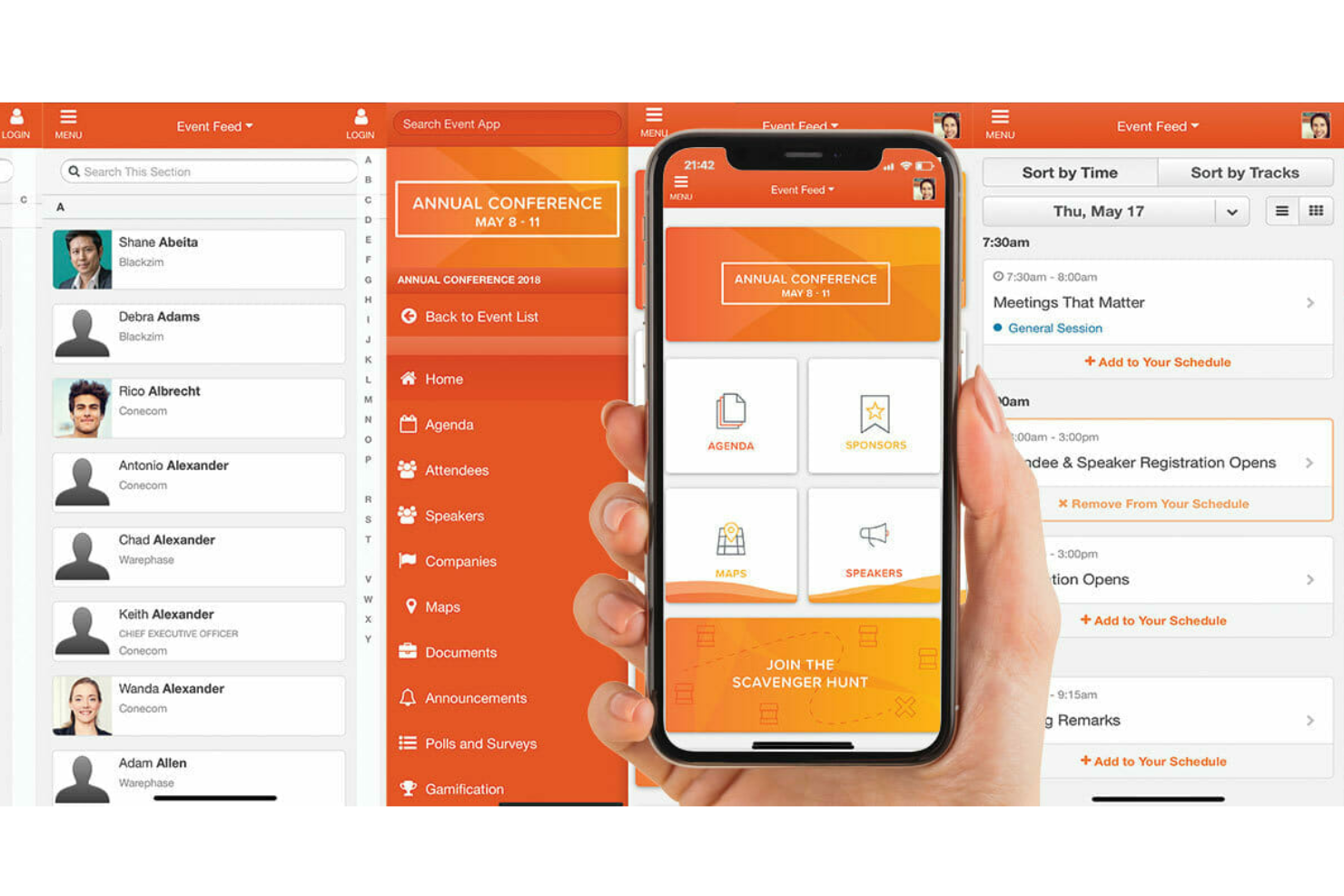
EventMobi is an all-encompassing event planning software designed to enhance virtual and hybrid events. It offers a wide range of customizable features to help you create engaging and memorable experiences for your attendees.
Why I Picked EventMobi: One feature that stands out is EventMobi's ability to manage registration seamlessly. This tool allows you to handle multiple aspects of event registration, from ticketing to personalized agendas, ensuring that your attendees have a smooth experience from the start. Additionally, EventMobi offers robust attendee engagement tools such as live polls, Q&A sessions, and gamification, which help keep your audience engaged and interactive throughout the event. These functionalities not only enhance the experience for attendees but also provide valuable insights for organizers.
Another reason I picked EventMobi is its strong focus on analytics and reporting. With advanced analytics tools, you can track engagement metrics and measure the success of your events in real-time. This data-driven approach allows you to make informed decisions and continually improve your events. EventMobi also supports various industries, providing tailored solutions to meet the unique needs of different event types, from webinars to trade shows.
Standout Features & Integrations
Features include the Experience Manager, which allows for centralized content management, making it easier for you to control every aspect of your event from one place. EventMobi also offers interactive breakout rooms, enabling smaller group discussions and networking opportunities. Additionally, the platform provides a video library for on-demand content, giving attendees the flexibility to access sessions at their convenience.
Integrations include Cvent, Eventbrite, Salesforce, MailChimp, Zoom Webinars, Accelevents, Eventzilla, Swoogo, Regfox, Regpack, Ticket Tailor, and Splash.
Pros and Cons
Pros:
- In-depth reporting features provide valuable insights into event performance
- Live-streaming capabilities support virtual events effectively
- Real-time Q&A tools enhance audience engagement during events
Cons:
- The interface may become cluttered during large events
- Attendees occasionally struggle with login processes

Cvent
Best for multi-channel event marketing campaigns

For those seeking a versatile event planning solution, Cvent offers a dynamic platform designed to manage in-person, virtual, and hybrid events with ease. It serves as a vital tool for event planners, marketers, and industry professionals by streamlining processes from initial venue sourcing to post-event analysis. With features that enhance attendee engagement and provide insightful analytics, Cvent addresses the complexities of event management, making it an invaluable asset for businesses aiming to create impactful and seamless events.
Why I Picked Cvent:
I picked Cvent for its exceptional ability to handle multi-channel event marketing campaigns, offering a platform that integrates tools for in-person, hybrid, and virtual events. With features like customizable registration experiences and an attendee engagement suite, Cvent ensures your marketing efforts are cohesive and impactful. The platform's integration with CRM systems allows for real-time insights and effective lead management, enhancing your ability to track interactions and optimize event strategies. Additionally, Cvent's focus on personalized attendee experiences makes it a reliable choice for organizations looking to elevate their brand presence in their event marketing endeavors.
Cvent Key Features
In addition to its capabilities for multi-channel event marketing campaigns, Cvent offers a variety of features to enhance your event planning process:
- Event Diagramming: This feature allows you to create detailed floor plans and seating arrangements to visualize and optimize event layouts before the event takes place.
- OnArrival Premium: This tool facilitates smooth check-in processes with features like badge printing, barcode scanning, and on-site registration, making your attendees' experience seamless from the start.
- Lead Capture: Designed for trade shows and exhibitions, this feature enables you to capture and qualify leads efficiently, ensuring you maximize networking opportunities.
- Custom Event Websites: Cvent provides tools to create personalized event websites, allowing you to showcase event information, agendas, and registration forms in a unified and branded online presence.
Cvent Integrations
Integrations include Salesforce, Marketo, HubSpot, Eloqua, Microsoft Dynamics, Concur, Slack, On24, Zoom, and Webex.
Pros and Cons
Pros:
- Mobile app creation tools improve attendee engagement
- Venue sourcing tools streamline the selection process
- Extensive audience polling capabilities enhance interaction
Cons:
- Limited training resources outside of annual conferences
- Upselling practices have frustrated some customers

Eventzilla
Best for customizable registration forms
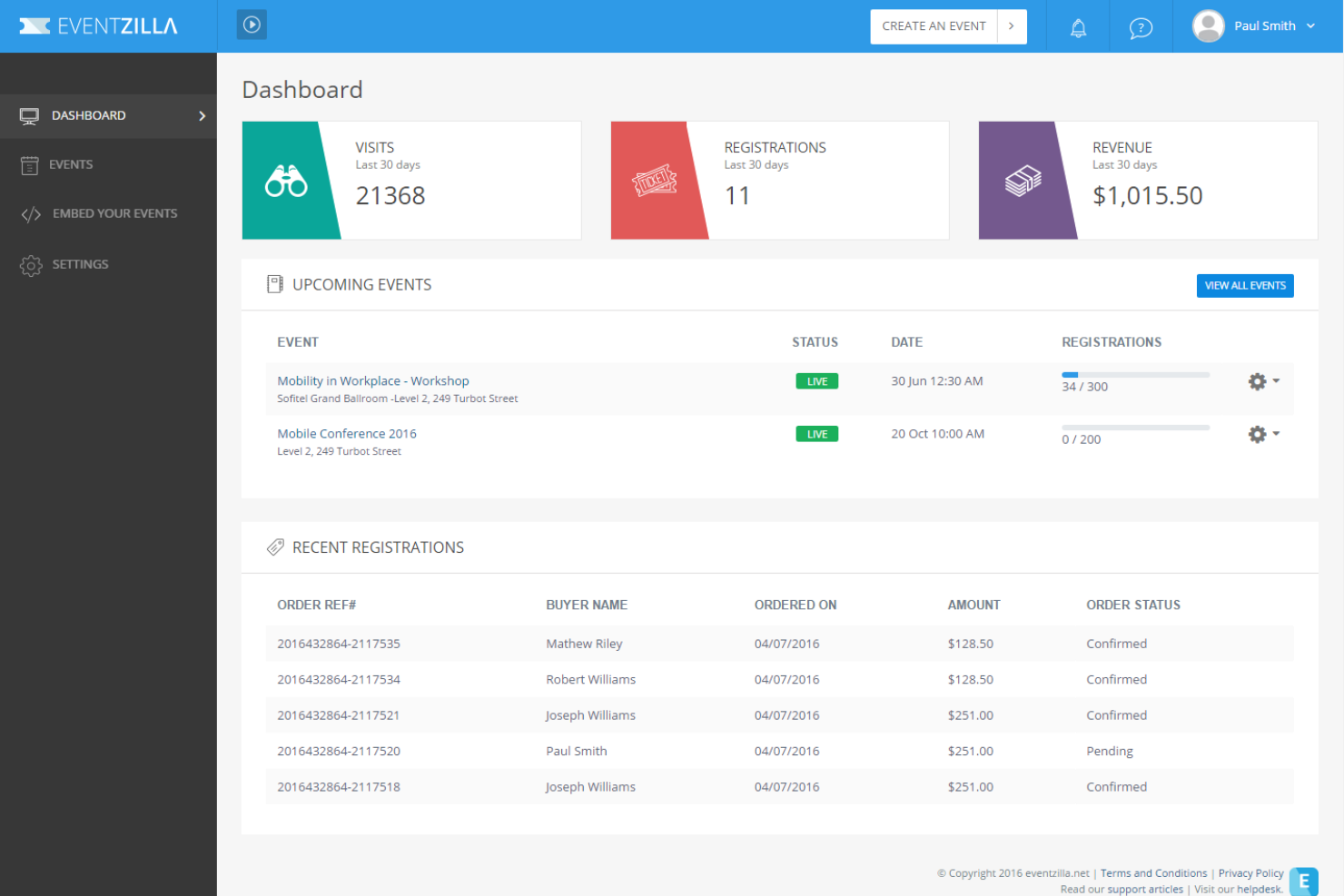
Eventzilla offers a versatile event planning solution that integrates smoothly with both in-person and virtual formats. Designed for a wide array of events, from business conferences to community fundraisers, it provides customizable event websites and comprehensive registration features. Eventzilla addresses the complexities of event management, ensuring a smooth experience for both organizers and attendees.
Why I Picked Eventzilla:
I chose Eventzilla because its customizable registration forms are a standout feature for anyone planning an event. You can easily tailor your registration forms to gather specific attendee information by adding custom questions relevant to your event's needs. This flexibility is crucial for organizers who want to ensure they collect all necessary details, enhancing logistical planning and attendee engagement. Additionally, settings like preventing duplicate registrations and enabling guest mode provide further control over the registration process, making Eventzilla an ideal choice for comprehensive event management.
Eventzilla Key Features
In addition to the customizable registration forms, Eventzilla offers a range of features that cater to diverse event planning needs.
- Customizable Event Websites: Create and publish event pages with personalized branding, mobile optimization, and flexible content arrangements.
- Session and Agenda Management: Develop multi-track agendas, allowing attendees to register for individual sessions and manage their schedules.
- Mobile App: Empower organizers to check-in attendees and manage event details on-the-go, ensuring a seamless event experience.
- Integrations: Utilize Zapier compatibility to automate tasks across multiple applications, enhancing operational efficiency.
Eventzilla Integrations
Integrations include Google Sheets, QuickBooks Online, Xero, YouTube, Facebook Pages, MailerLite Classic, HubSpot, Shopify, Salesforce, Slack, GoTo Webinar, and Zoom.
Pros and Cons
Pros:
- Quick integration with payment systems like Stripe
- Effective ticket registration and sales capabilities
- Real-time registration tracking for virtual and hybrid events
Cons:
- Lack of export or print options for agendas and speaker info
- Integration challenges with other platforms like HubSpot
Other Event Planning Software
Here are a few more options that didn’t make the best event planning software list:
- Planning Pod
For event floorplan design
- Ticket Tailor
For complex ticket management
- PheedLoop
For mobile event apps
- Stova
Virtual event planning tool
- Webex Events
For attendee engagement via gamification
- A2Z Events
For planning large events
- Idloom
For event registration
- Boomset
For attendance tracking
- Eventene
For multiple event management
- monday AI Workspace
For visual event work management
- Wrike
For automating repetitive tasks


How I Evaluate Event Planning Software
I evaluate event planning software in two layers: the baseline capabilities a tool must have—like BEO generation and space management—and the differentiators that set the best options apart.
Core Functionality (Table Stakes For This List)
When I'm selecting tools for my list, I rank each one on a scale from 0 (does not offer the functionality) to 5 (excels in this area) for each core functionality listed below. Then, I calculate the tool's total score into a percentage. Each tool needs to achieve a minimum total score of 65% to be considered for inclusion.
- Venue & Space Management: I check whether a tool tracks function space availability, room capacities, and setup configurations—like switching a ballroom from banquet rounds to theater style without double-booking.
- BEO & Event Documentation: Generating and distributing BEOs is central to hotel event ops, so I look for customizable templates, version tracking, and the ability to route updates to kitchen and service teams.
- Catering & F&B Planning: Menu building, per-person pricing, dietary accommodations, and beverage package options all factor in here—especially how well a tool handles multi-day events with different meal functions.
- Group Bookings & Room Blocks: I evaluate how well a platform manages room block allocation, cutoff dates, and pickup tracking, particularly whether it syncs with a PMS to reflect live inventory.
- Proposals, Contracts & CRM: From initial inquiry to signed contract, I look at proposal generation, e-signature support, and pipeline tracking—tools should help sales teams move a lead from RFP to confirmed event.
- Event Scheduling & Calendar: A shared calendar that shows all events, setups, and teardowns across spaces matters. I look for filtering, color-coded views, and the ability to assign staff to specific functions.
Once I have a list of tools that meet this criteria, I consider what sets each platform apart.
Differentiating Factors (What Sets Vendors Apart)
Here's how I compare and contrast different vendors:
Standout Features
I pay close attention to how a platform captures inbound RFPs from sourcing channels like Cvent or Knowland, since that's where most group leads originate. Revenue management tools matter too—displacement analysis helps a DOSM decide whether to take a 200-room group block or hold inventory for higher-rate transient bookings. Guest-facing portals are another differentiator I look for, where event hosts can review proposals, approve BEOs, and submit rooming lists without constant email exchanges.
Beyond Features
PMS integration depth is one of the first things I evaluate—a two-way sync with platforms like Opera or Mews determines whether room block pickup data stays accurate without manual updates. I also consider how well a platform scales across properties, since a multi-brand hotel group needs centralized lead routing and cross-property reporting. Implementation support matters here too. Migrating years of event history from a legacy system like Delphi is complex, and vendors with hospitality-specific onboarding teams make that transition far smoother.
How to Choose Event Planning Software
It’s easy to get bogged down in long feature lists and complex pricing structures. To help you stay focused as you work through your unique software selection process, here’s a checklist of factors to keep in mind:
| Factor | What to Consider |
|---|---|
| Scalability | Will the software grow with your business? Consider if it can handle more events or users as your needs expand. Look for tools that offer flexible pricing tiers or modules that can be added as you grow. |
| Integrations | Does the software work with your existing tools? Check for compatibility with your CRM, email marketing, and payment systems. Avoid tools that require extensive workarounds or manual data entry. |
| Customizability | Can you tailor the software to fit your unique processes? Look for tools that allow you to customize workflows, templates, and branding to match your needs. Avoid rigid systems that force you to adapt your processes. |
| Ease of use | Will your team find the software intuitive? Prioritize user-friendly interfaces with clear navigation and minimal training requirements. Consider tools with trial periods to test usability firsthand. |
| Implementation and onboarding | How quickly can you get started? Evaluate the availability of training resources like videos, tutorials, and support staff. Tools with guided onboarding can help reduce setup time and ensure a smooth transition. |
| Cost | Is the software within your budget? Compare pricing models, and consider the total cost of ownership, including any required add-ons or upgrades. Be wary of hidden fees or unexpected charges that can inflate your budget. |
| Security safeguards | Are your data and operations protected? Look for tools with strong security measures, such as encryption and regular updates. Ensure the vendor complies with relevant data protection regulations and offers clear privacy policies. |
| Support availability | Will you have access to help when needed? Consider the support options available, such as live chat, phone, or email, and the vendor's response times. Look for vendors with comprehensive support resources, like FAQs and community forums. |
What Is Event Planning Software?
Event planning software is a tool used to organize and manage various aspects of events, from scheduling to guest management. Professionals like event coordinators, hotel managers, and corporate planners often use these tools to improve efficiency and coordination. Features like guest list management, schedule coordination, and budget tracking help with organizing events smoothly and effectively. Overall, these tools provide valuable support in reducing the complexity and stress of event management.
Features of Event Planning Software
When selecting event planning software, keep an eye out for the following key features:
- Guest list management: Helps you organize and track attendees efficiently, ensuring accurate headcounts and seating arrangements.
- Schedule coordination: Allows you to plan and manage event timelines, avoiding conflicts and ensuring smooth operations.
- Budget tracking: Enables you to monitor expenses and stay within financial limits, reducing the risk of overspending.
- Customizable templates: Provides pre-designed layouts that can be tailored to fit your specific event needs, saving time and effort.
- Mobile app access: Lets you manage events on-the-go, offering flexibility and convenience for busy planners.
- Virtual event capabilities: Supports online events with features like live streaming and virtual networking, broadening your event's reach.
- Integration with existing tools: Connects with CRM, email, and payment systems to streamline operations and data flow.
- Security safeguards: Protects sensitive data with encryption and compliance with data protection regulations.
- Training resources: Offers videos, tutorials, and guides to help users get up to speed quickly and effectively.
- 24/7 customer support: Provides assistance whenever you need it, ensuring any issues are resolved promptly.
Benefits of Event Planning Software
Implementing event planning software provides several benefits for your team and your business. Here are a few you can look forward to:
- Improved organization: Helps you keep track of guest lists, schedules, and budgets, ensuring nothing falls through the cracks.
- Time savings: Automates repetitive tasks like sending invitations and reminders, freeing up time for more strategic planning.
- Cost efficiency: Monitors expenses and helps you stay within budget, reducing the chance of financial surprises.
- Enhanced communication: Facilitates better coordination between team members and stakeholders, keeping everyone on the same page.
- Increased flexibility: Offers mobile access and virtual event capabilities, allowing you to adapt to changing circumstances easily.
- Data security: Protects sensitive information with strong security measures, giving you peace of mind.
- User support: Provides access to training resources and customer support, helping your team get the most out of the software.
Costs and Pricing of Event Planning Software
Selecting event planning software requires an understanding of the various pricing models and plans available. Costs vary based on features, team size, add-ons, and more. The table below summarizes common plans, their average prices, and typical features included in event planning software solutions:
Plan Comparison Table for Event Planning Software
| Plan Type | Average Price | Common Features |
|---|---|---|
| Free Plan | $0 | Basic guest list management, simple scheduling, and limited support. |
| Personal Plan | $5-$25/user/month | Advanced scheduling, email reminders, and basic analytics. |
| Business Plan | $30-$75/user/month | Customizable templates, integration with CRM tools, and enhanced analytics. |
| Enterprise Plan | $80-$150/user/month | Full customization options, dedicated account manager, and comprehensive security features. |
Most Common Questions Regarding Event Planning Software (FAQ's)
Here are some questions people also ask me about event planning software:
Can event planning software handle both in-person and virtual events?
Many event planning tools now offer features for both in-person and virtual events. Look for capabilities like live streaming, virtual networking rooms, and hybrid event support. Confirm that the software can seamlessly transition between different event formats as needed.
How secure is my data with event planning software?
Data security is crucial, so ensure the software uses strong encryption methods and complies with relevant data protection regulations. Check if the vendor conducts regular security audits and offers features like two-factor authentication to safeguard sensitive information.
How do I evaluate the cost of event planning software?
Evaluate costs by considering the total cost of ownership, including subscription fees, add-ons, and potential hidden charges. Compare the pricing models with the features provided to assess value for money. Look for flexible pricing plans that match your budget and usage needs.
What Next?
Don't forget to browse around the site for more great hotel management tips, templates, and tools. Plus, join The Hotel GM newsletter for expert tidbits sent right to your inbox!